landmark
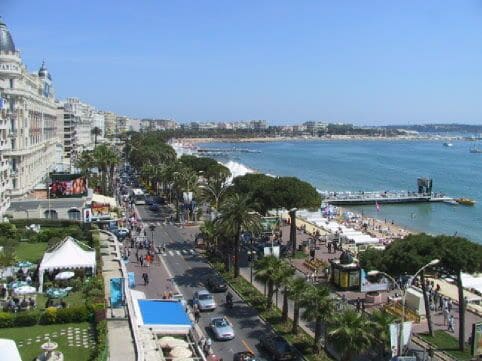
Promenade de la Croisette
A 3km seaside boulevard connecting grand palaces. Walk in early morning to avoid crowd congestion.
Perguntar ao ParleyFrança
A working film hub built around private sand and old stone.
introduction
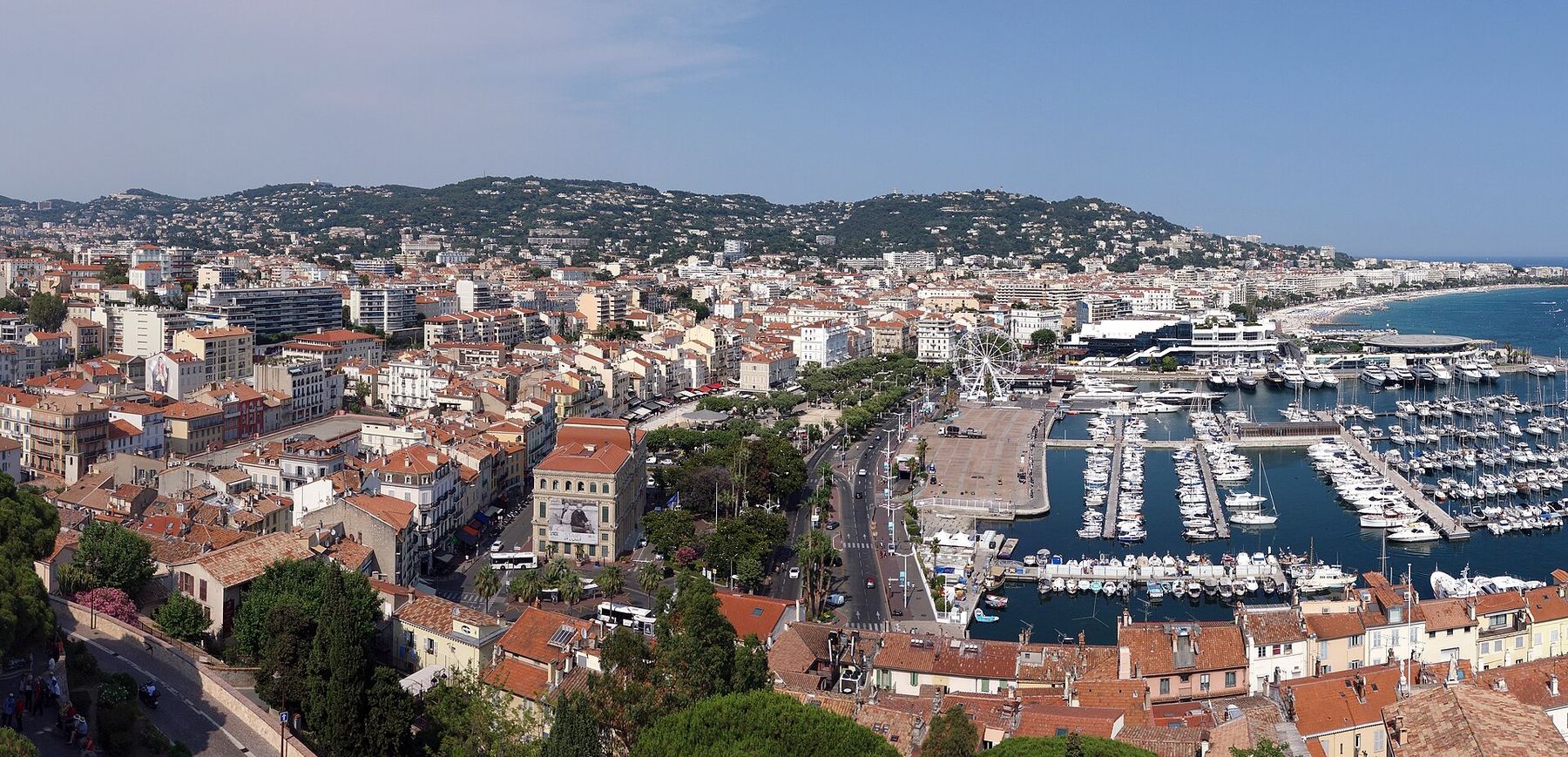
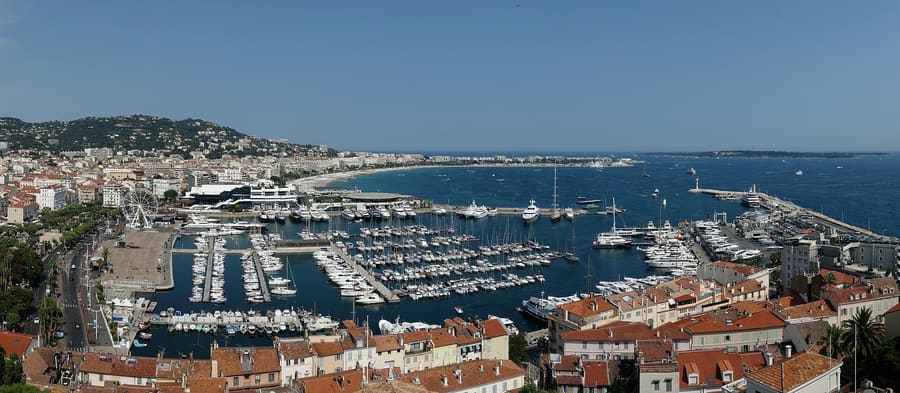
Cannes functions as two distinct towns overlaid on the same crescent bay. Along the shore sits a grid of grand hotels, private beach pontoons, and luxury boutiques. Uphill to the west lies Le Suquet, a steep pedestrian village with medieval roots. You move easily between them on foot in fifteen minutes.
Arrival speed
The express Bus 81 from Nice Airport drops you at the train station in 45 minutes flat. Local TER trains run every 20 minutes along the coast.
Beach access strategy
Public sand sits at both ends of La Croisette. The middle stretch requires a daily lounge chair rental from the seafront hotels.
Cannes
Spike · CC BY-SA 4.0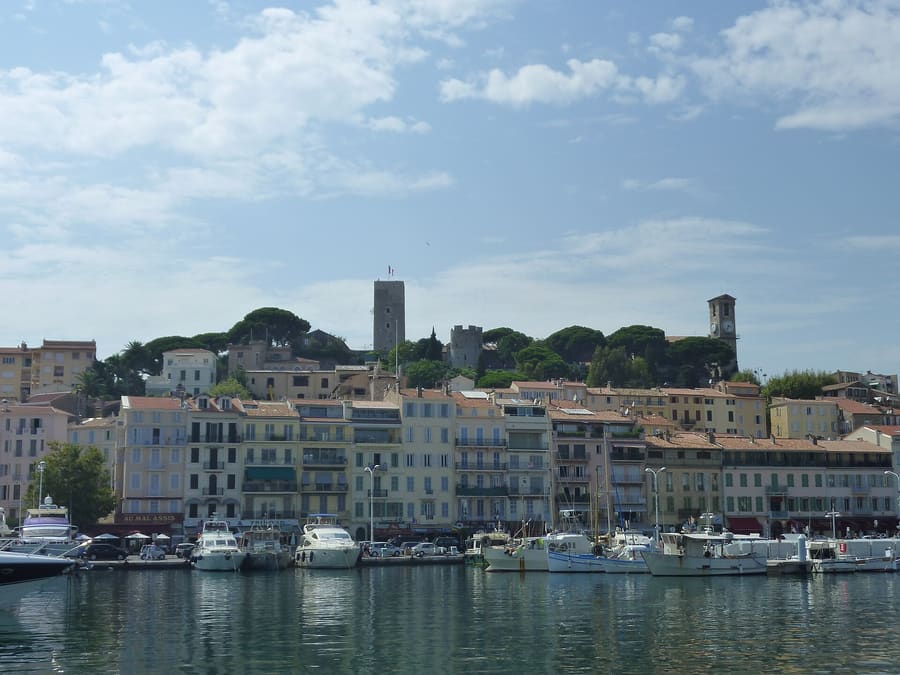
Le Suquet — Steep pedestrian cobblestone lanes, family-run bistros, and stone towers looking over the harbor.
Miniwark · CC BY-SA 3.0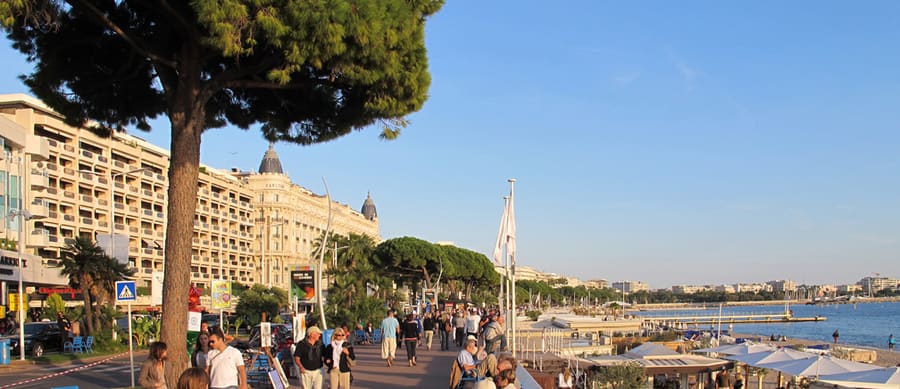
La Croisette — Palace hotels, high-end shopping arcades, and organized private beach pontoon clubs.
Gilbert Bochenek · CC BY-SA 3.0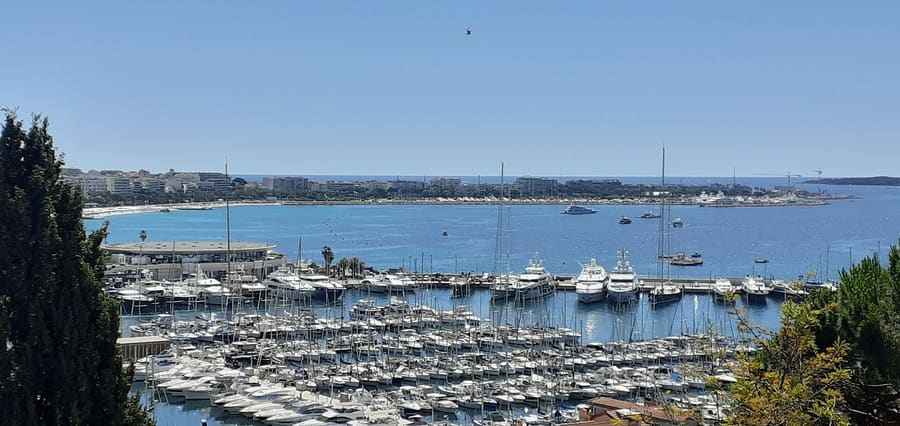
Pointe Croisette — Residential peninsula end with marina basins, kite surfers, and calmer public sand.
Indigo&fushia · CC BY-SA 4.0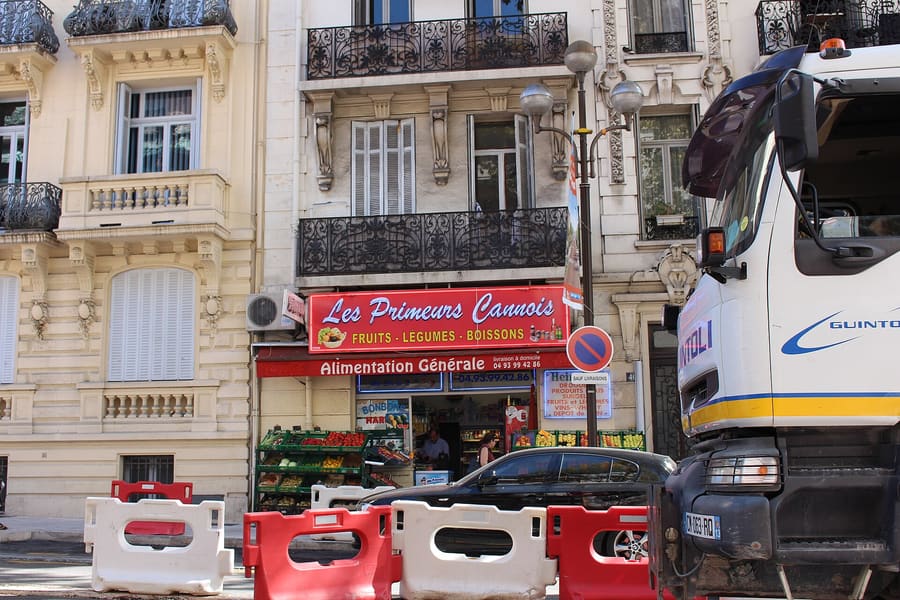
Carnot — Broad 19th-century residential avenue north of the tracks with bakeries and grocery stores.
tiger rus · CC BY 3.0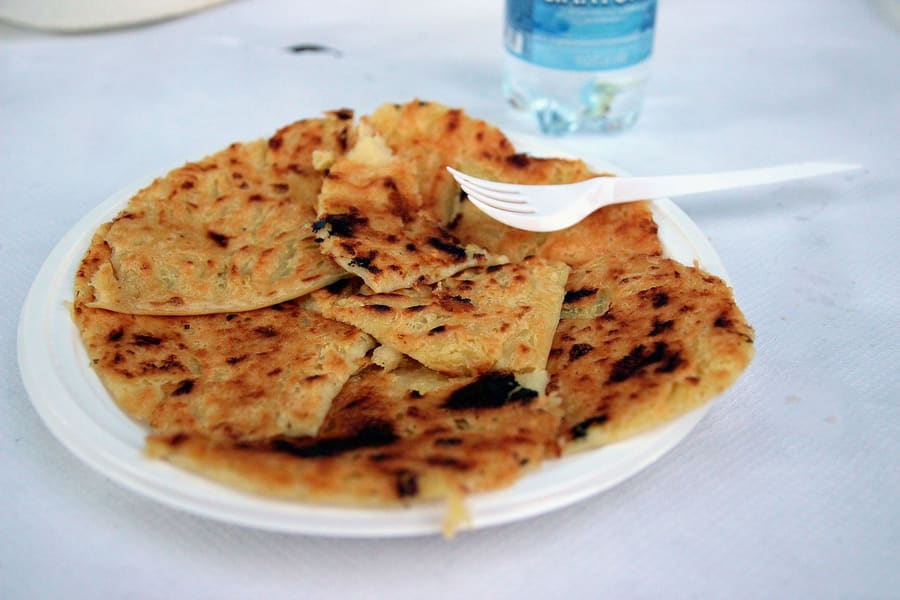
Crisp socca flatbread made from chickpea flour, seasoned heavily with black pepper.
Alessio Sbarbaro User_talk:Yoggysot · CC BY-SA 3.0highlights
landmark
A 3km seaside boulevard connecting grand palaces. Walk in early morning to avoid crowd congestion.
Perguntar ao Parley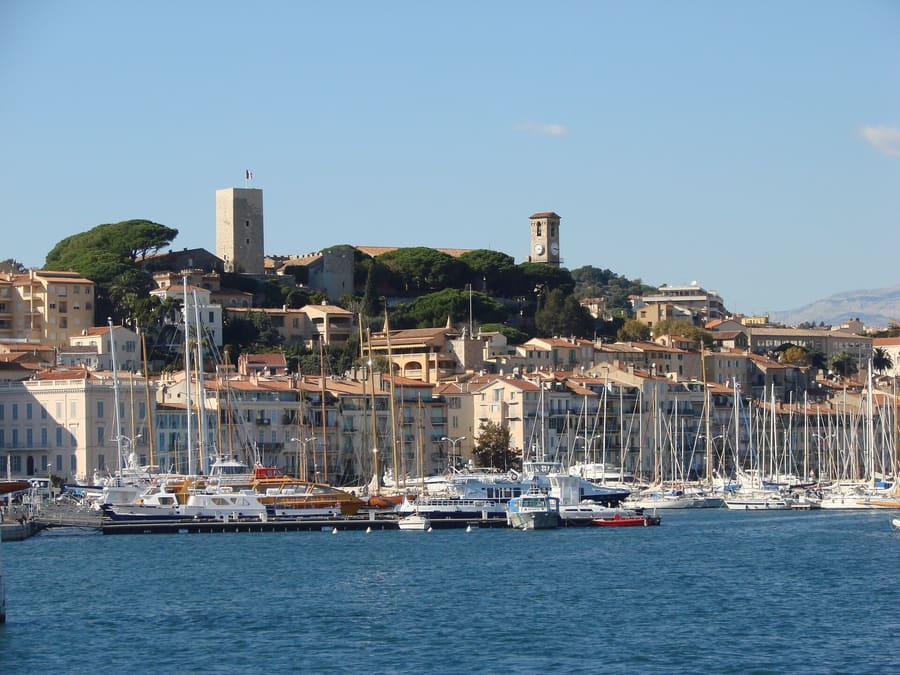
landmark
The original fishing village built on a hill. Steep stairs deliver views across the entire bay.
Perguntar ao Parley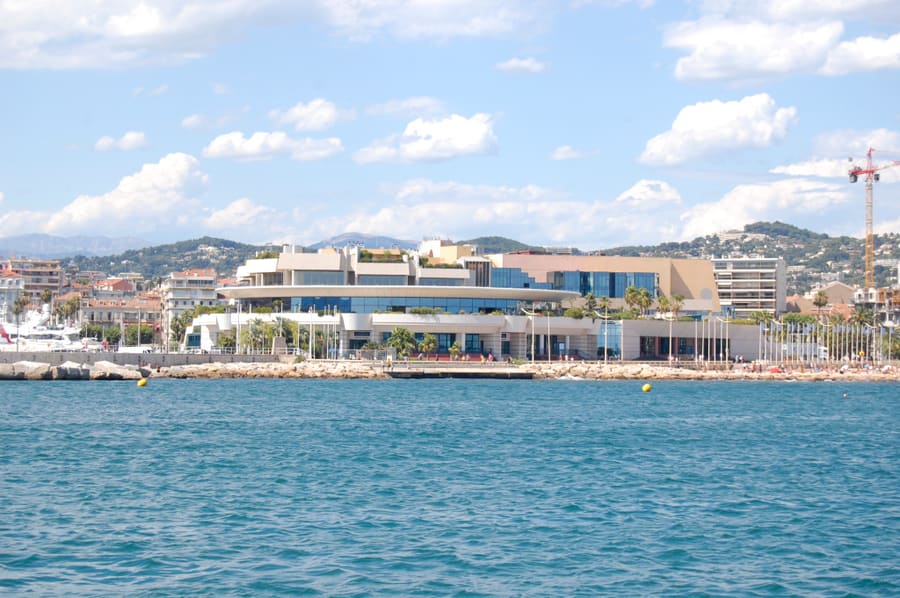
landmark
The concrete hub of the May film festival. Walk the step sequence off-season without convention crowds.
Perguntar ao Parley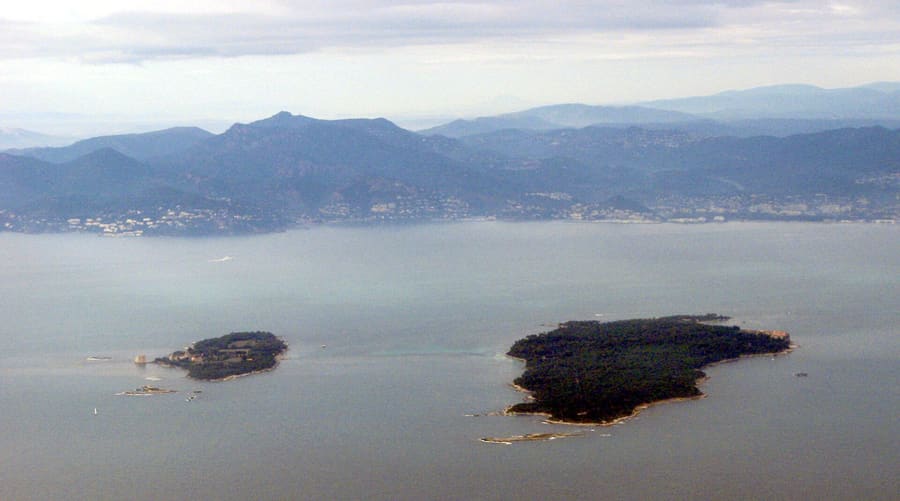
landmark
Monastic island 15 minutes by boat from port. Silence rules the forested paths and stone vineyards.
Perguntar ao Parley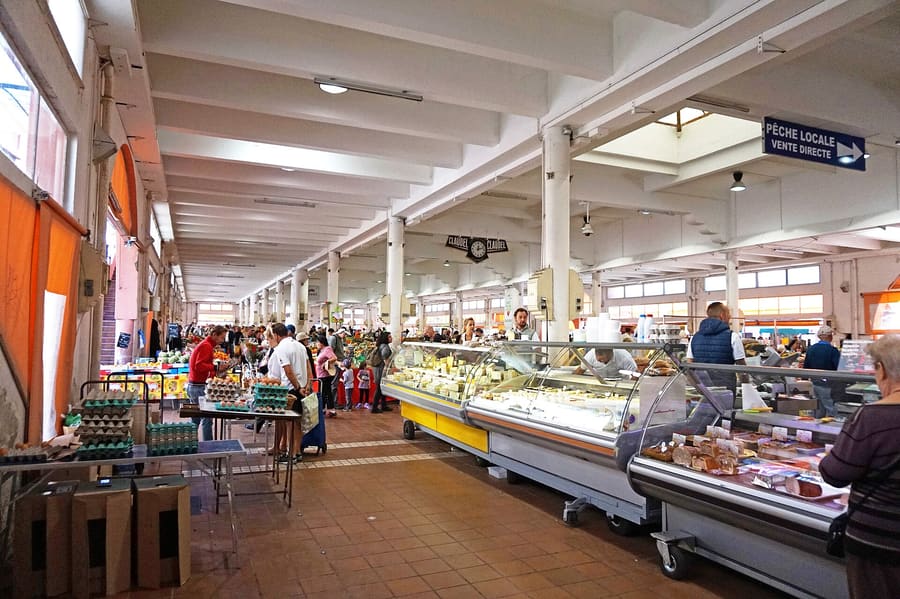
landmark
Covered daily food market at the foot of Le Suquet. Arrive before 10:00 for warm socca flatbread.
Perguntar ao Parley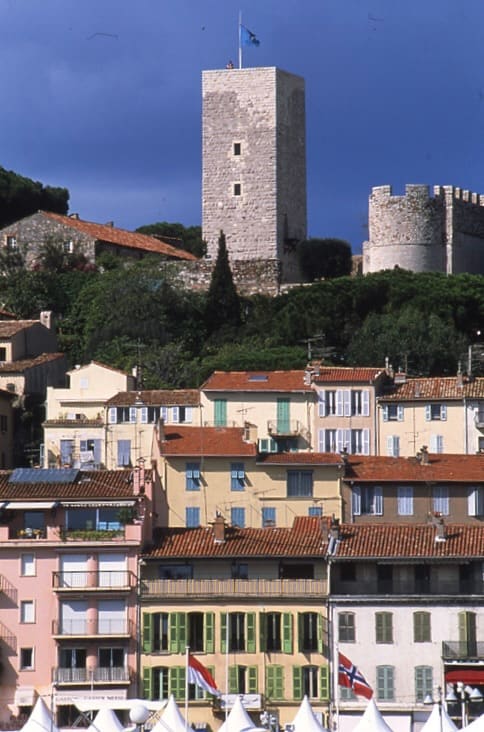
landmark
Housed in medieval castle ruins above the town. Climb 109 steps up the watchtower for panorama.
Perguntar ao Parleyattractions
areas
Steep pedestrian cobblestone lanes, family-run bistros, and stone towers looking over the harbor.
PertoMarché Forville and Vieux Port
Perguntar ao ParleyPalace hotels, high-end shopping arcades, and organized private beach pontoon clubs.
PertoPalais des Festivals and beaches
Perguntar ao ParleyResidential peninsula end with marina basins, kite surfers, and calmer public sand.
PertoPort Canto and Bijou Plage
Perguntar ao ParleyBroad 19th-century residential avenue north of the tracks with bakeries and grocery stores.
PertoGare de Cannes train station
Perguntar ao Parleyfood
Dining in Cannes balances high-end hotel dining with raw market tradition. At Marché Forville, vendors sell hot socca cooked on wide copper pans over open fire. Local restaurants specialize in soupe de poissons served with garlic rouille spread over hard toast slices. The city eats dinner late, with outdoor seating filling up after 20:30.
Crisp socca flatbread made from chickpea flour, seasoned heavily with black pepper.
Alessio Sbarbaro User_talk:Yoggysot · CC BY-SA 3.0Buy socca at Marché Forville before 12:30. Stalls clean up early and close every afternoon.
Restaurants directly on the beach charge up to 50 percent more for drinks than streets behind the port.
Order wild sea bass or daurade at Suquet bistros. Farmed fish is common on tourist menus.
history
Cannes grew from a small fishing village clustered around Le Suquet. Lord Brougham, a British noble, was turned away from Nice in 1834 due to cholera quarantine and stopped here instead. Impressed by the quiet bay, he built a villa and introduced the English aristocracy to the town. The opening of the first film festival in 1946 cemented its global status.
Brougham arrives
Lord Brougham constructs Villa Éléonore, turning a small fishing harbor into a winter resort for British elites.
Rail link opens
The coastal train line reaches Cannes, connecting the town directly to Paris and Northern Europe.
Carlton opens
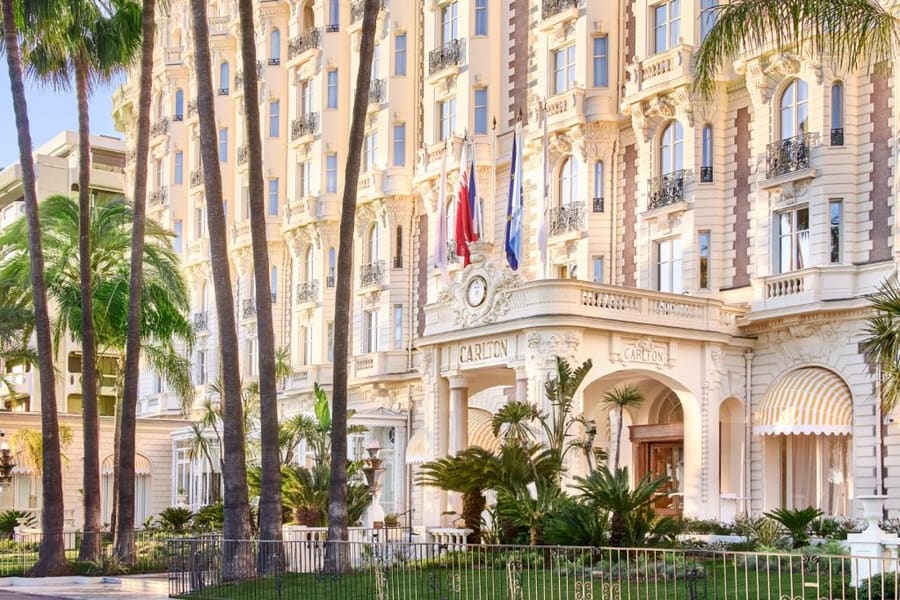
Hôtel Carlton opens on the seafront, establishing the grand architectural scale of La Croisette.
Film festival launches
The international film festival debuts, transforming local hospitality into an annual world stage.
where to stay
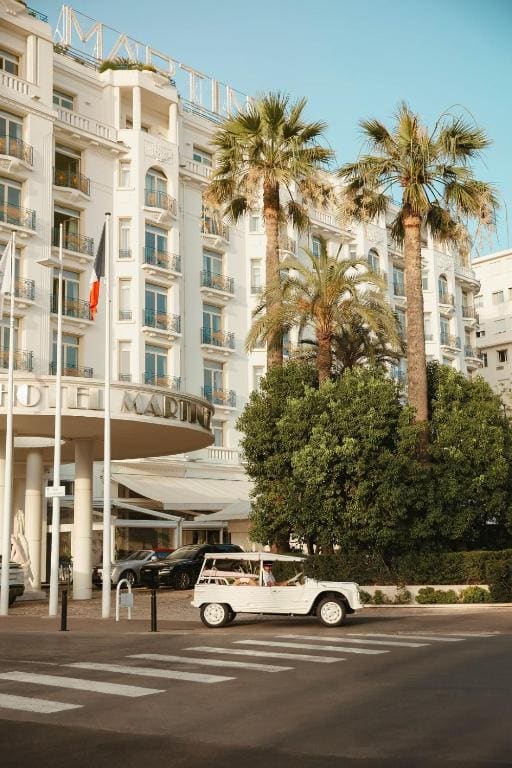
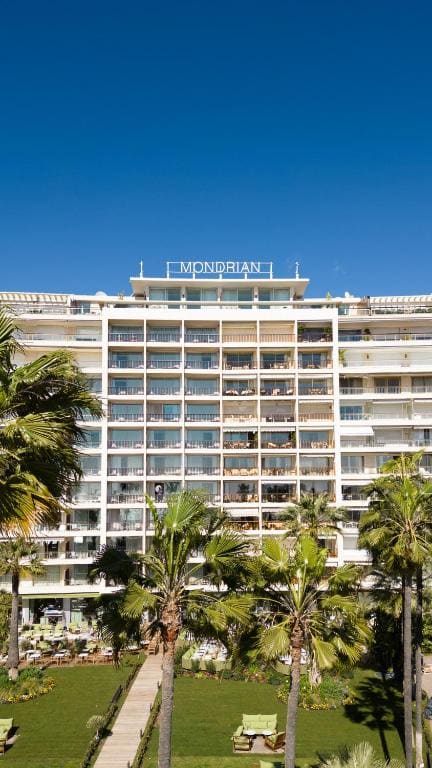
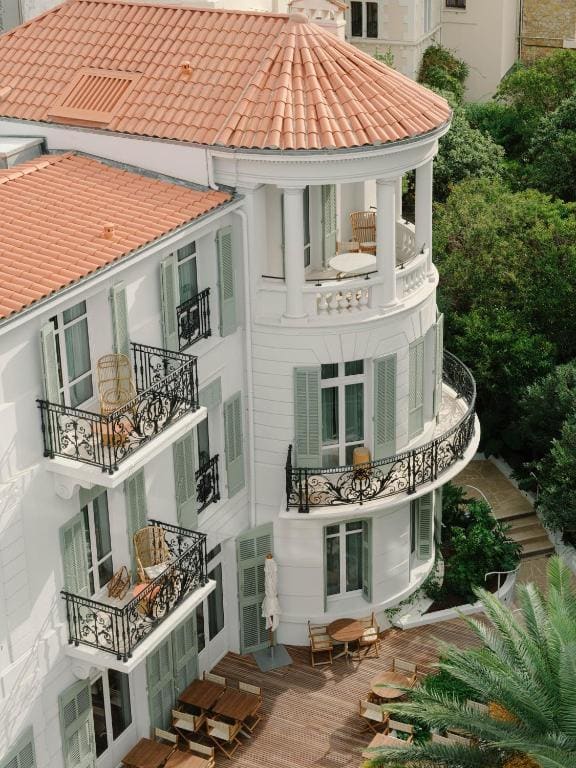
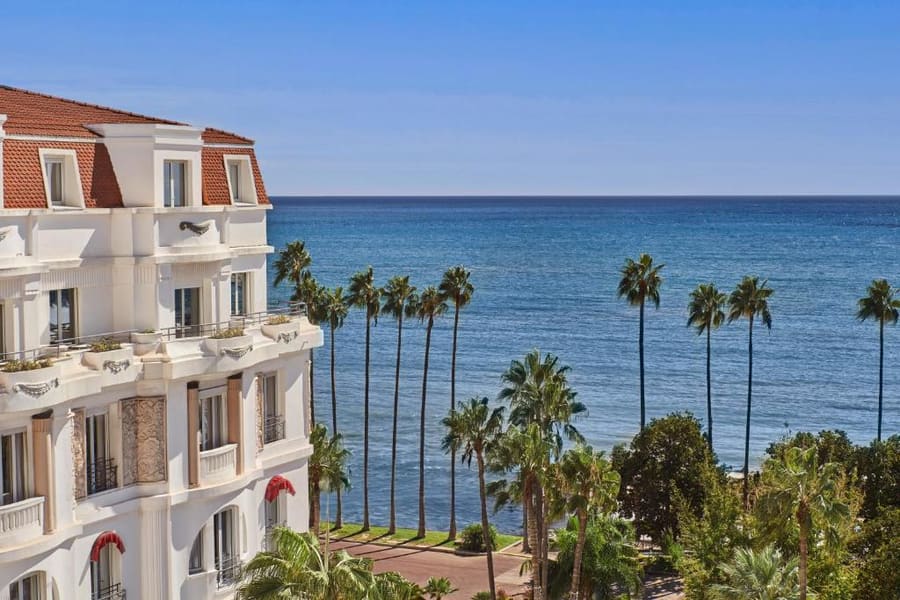
Choose your stay by how you want to move. If you want direct sand access and do not mind city noise, pick La Croisette. If you prefer narrow pedestrian alleys and local evening spots, stay in Le Suquet. If you want quieter nights and lower hotel rates, head north to Carnot.
Live rates, matched to the areas above.
transport
Cannes is compact and suited for walking. Trains connect you to nearby towns along the Riviera coast in minutes. Local Palm Bus routes cover outer neighborhoods effectively.
De NCE
Express line 81 runs from Terminals 1 and 2 directly to Cannes train station.
Walk 10 minutes from Terminal 1 to Nice Saint-Augustin station for TER trains.
Flat regulated rate between Nice Airport and Cannes central district.
Tap your contactless credit card directly on the validator when boarding local buses.
Regional TER trains run every 20 minutes to Antibes, Nice, and Monaco.
Rue d'Antibes and Le Suquet are best navigated entirely on foot.
Palm Bus runs reduced Palm Night routes along the coast until 02:30 in summer.
cost
Cannes operates on two financial tiers. High-end dining and private beach access carry heavy premiums, while market food and local transit remain standard French prices.
Daily rental fee for a front-row chair at private beach clubs.
Drinking coffee standing at the bar costs half as much as sitting outside.
Set lunch specials at Suquet restaurants offer solid value.
Round-trip boat ticket to Île Sainte-Marguerite or Île Saint-Honorat.
seasonality
MAR – APR
Cool clear days with quiet streets. The water is cold for swimming.
MAY
Film festival arrives. Hotels triple rates and center streets lock down.
JUN – AUG
Hot sea water and packed beach clubs. Book sun loungers days ahead.
SEP – OCT
Warm sea temperatures remain while summer crowds clear out.
practicalities
Plage du Midi west of the port offers free public sand with clear water.
Marché Forville swaps food for antiques and vintage clothes every Monday.
Contactless card payments are accepted almost everywhere, including market stalls.
Check convention schedules. Trade shows like MIPIM alter hotel pricing off-season.
Ferries to Sainte-Marguerite leave from the western pier of the main port.