landmark
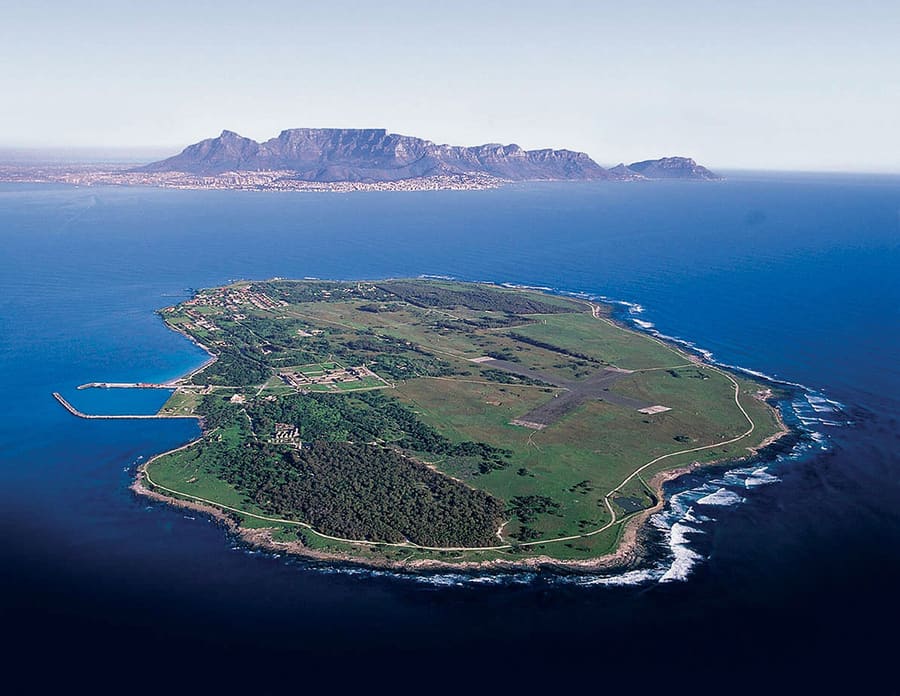
Robben Island
Former political prisoners lead these tours of the maximum-security jail. Book three weeks ahead to secure a ferry spot from the V&A Waterfront.
Perguntar ao ParleyÁfrica do Sul
Granite peaks, Atlantic tides, and sharp social edges.
introduction
Cape Town sits at the intersection of extreme topography and complex urban geography. Table Mountain divides the city into distinct microclimates and insulated coastal enclaves. You navigate mostly by car or rideshare, as public transit remains limited outside key corridors. Strong winds, intense summer sun, and winter rains shape daily plans quickly.
Floral kingdom recognition
The Cape Floral Region is a UNESCO World Heritage site. Table Mountain National Park protects over two thousand endemic fynbos plant species within city limits.
Wind strategy
Download a wind forecast app like Windfinder before booking boats or cable cars. The southeasterly wind often shuts the Table Mountain Cableway for entire days.
Cape Town
Daniel Case · CC BY-SA 3.0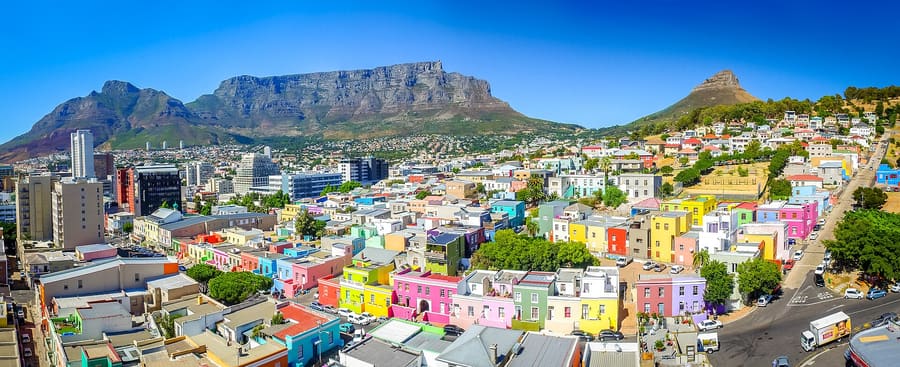
Bo-Kaap — Cobblestone streets lined with brightly painted houses and Cape Malay spice shops.
SkyPixels · CC BY-SA 4.0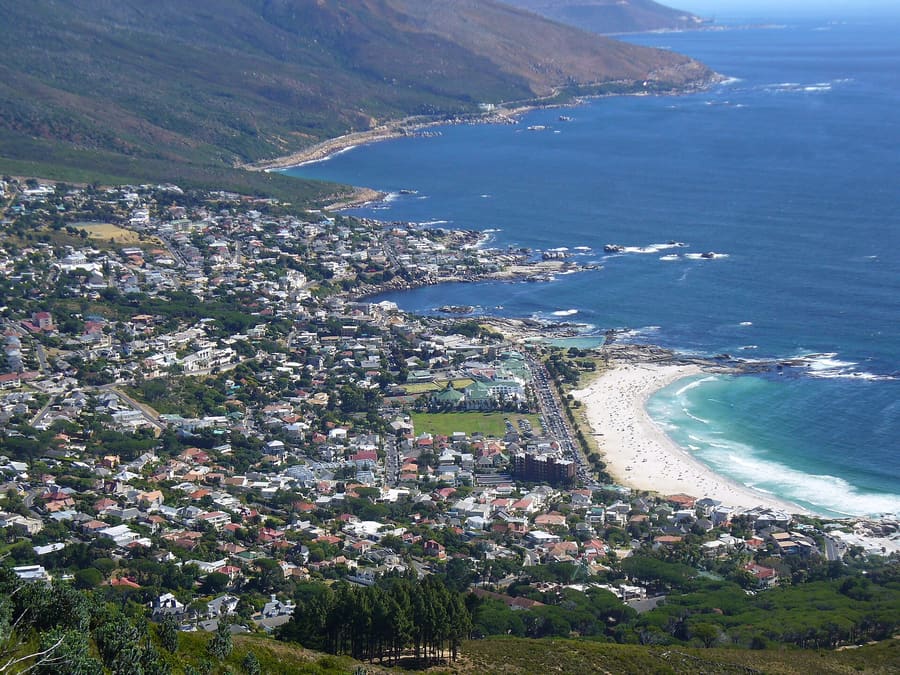
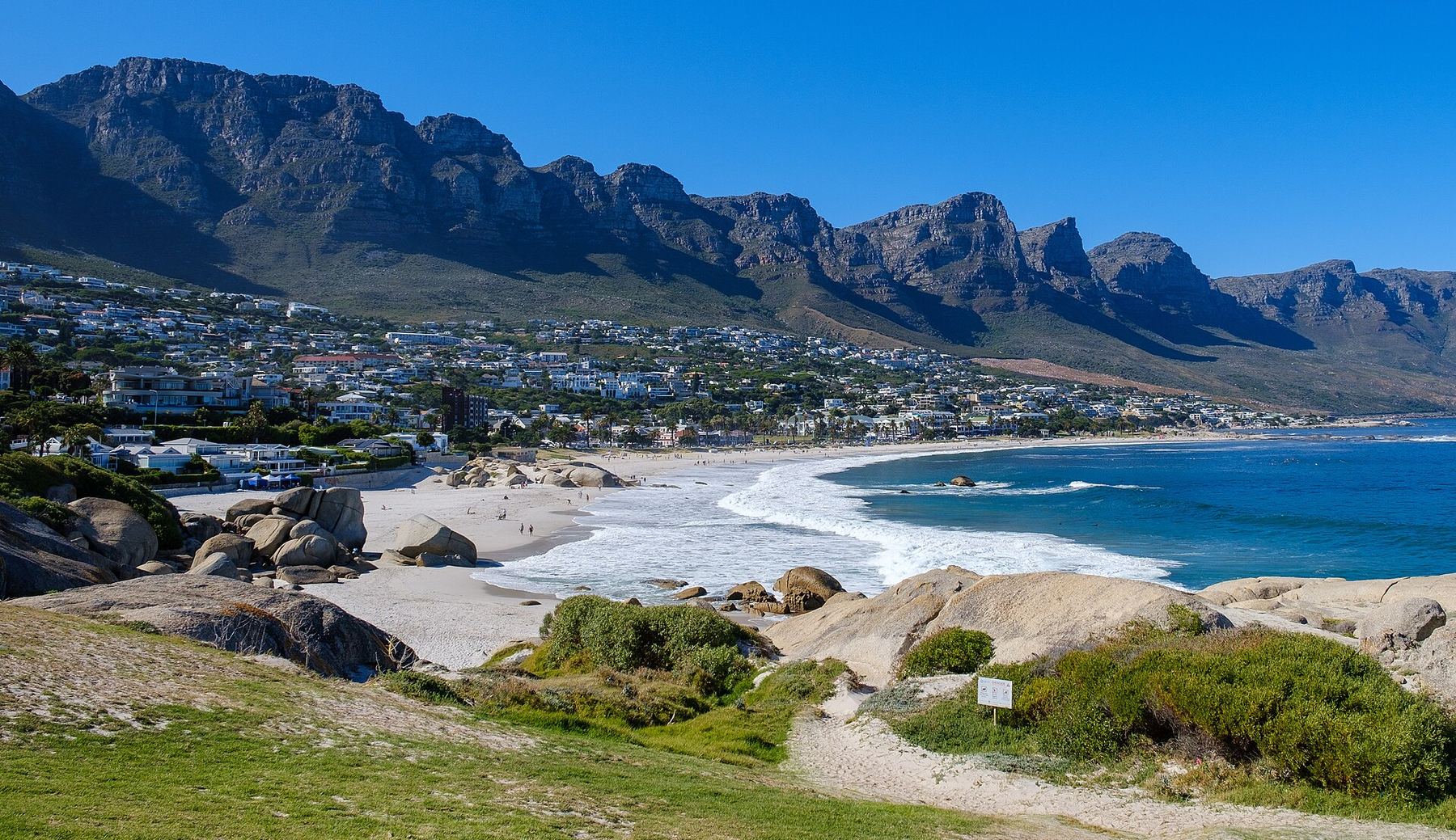
Camps Bay — Slick palm-fringed beachfront strip with mountain backdrop and sunset bars.
Andrew Massyn · Public domain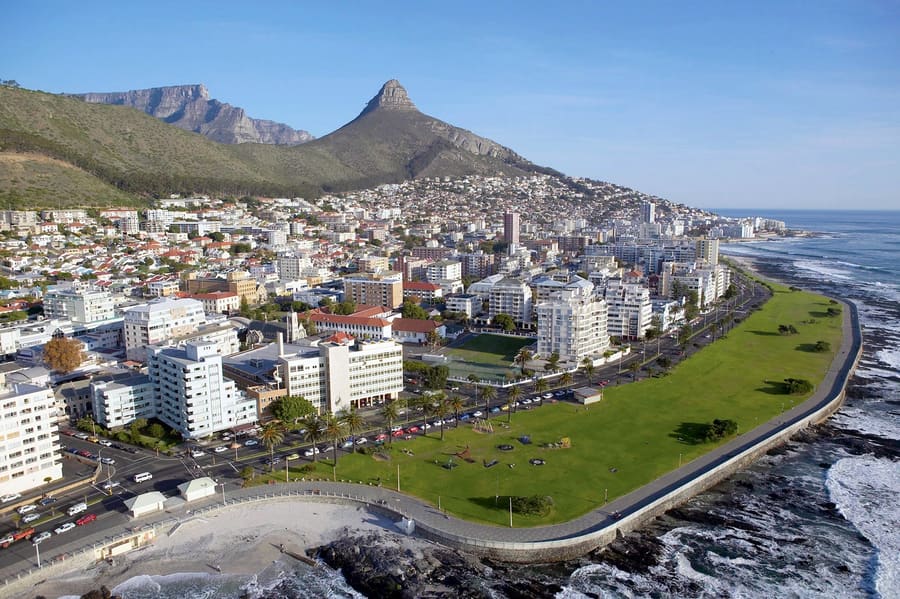
Sea Point — Flat oceanfront promenade filled with runners, saltwater pools, and casual eateries.
Hilton1949 · CC BY-SA 3.0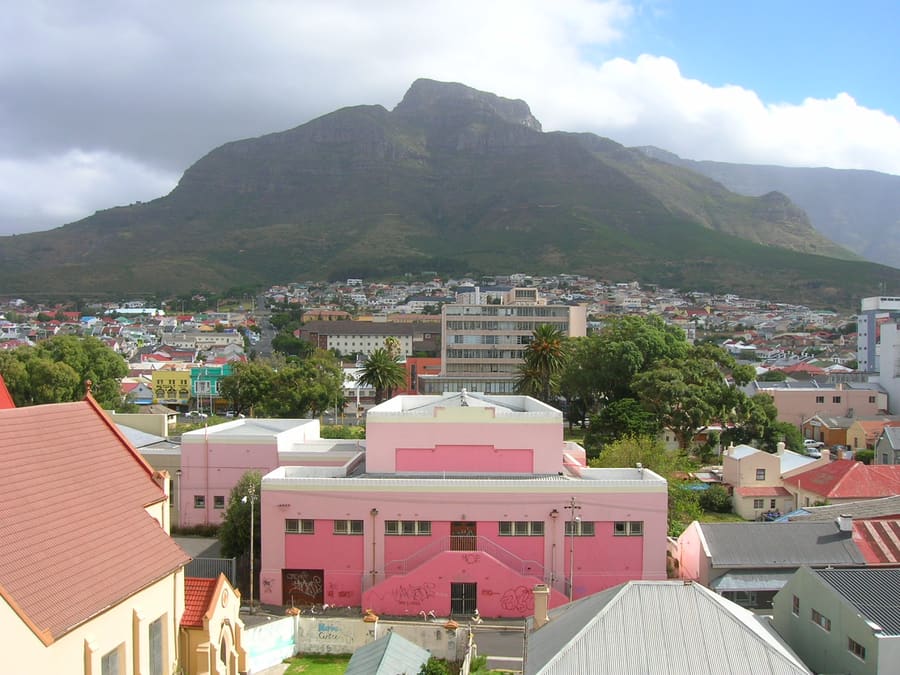
Woodstock — Industrial yards turned design hubs, coffee roasteries, and weekend food markets.
Kierano · CC BY 3.0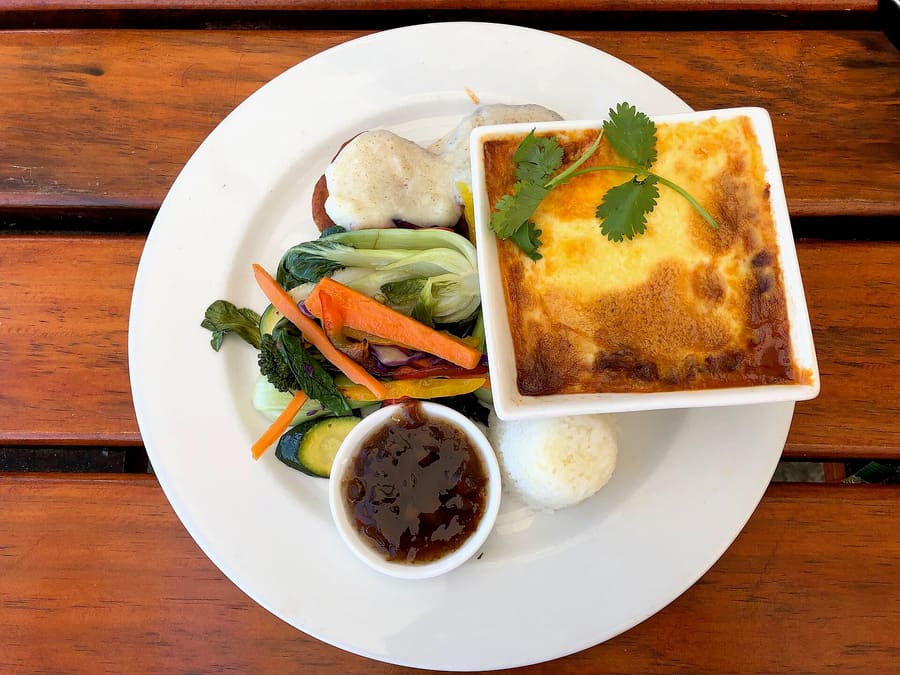
Freshly baked koesisters dusted with coconut in Bo-Kaap.
Olga Ernst · CC BY-SA 4.0highlights
landmark
Former political prisoners lead these tours of the maximum-security jail. Book three weeks ahead to secure a ferry spot from the V&A Waterfront.
Perguntar ao Parley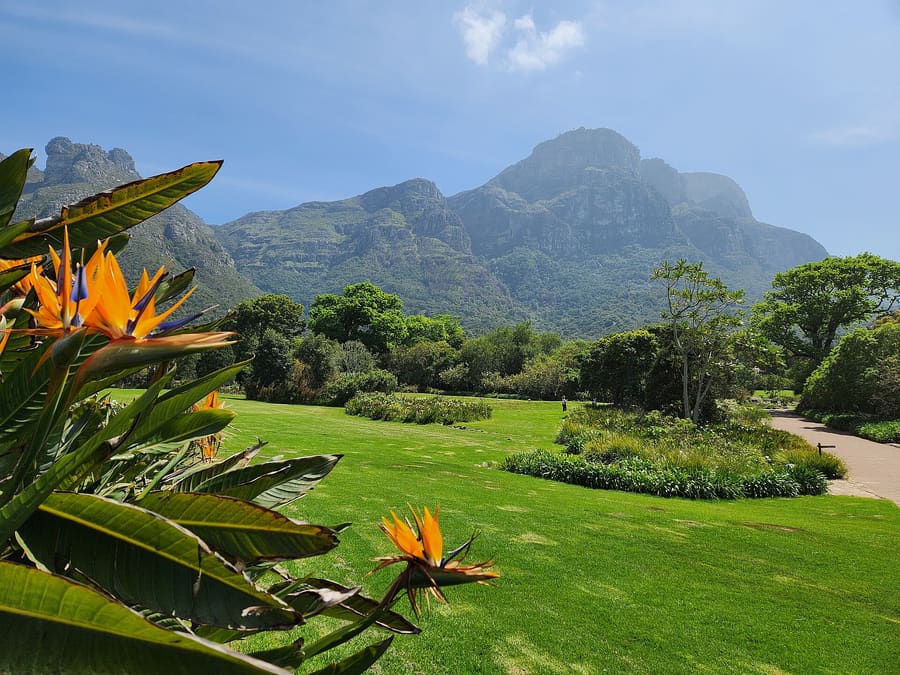
park
Sprawls across the eastern slopes of Table Mountain. Walk the Boomslang canopy walkway for views over indigenous fynbos and suburbs.
Perguntar ao Parley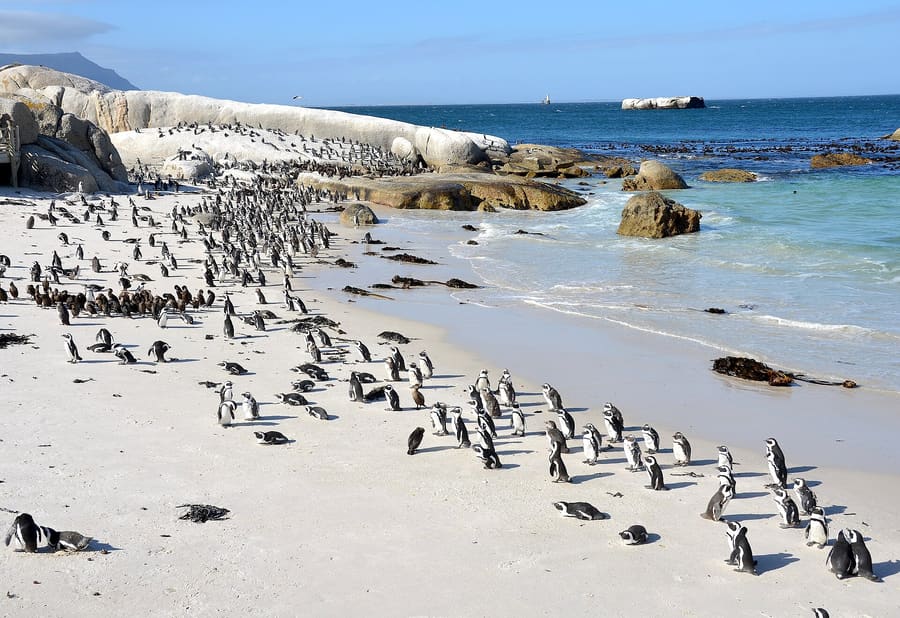
landmark
Home to a colony of African penguins sheltered by massive granite boulders. Arrive at 08:00 to avoid tour buses and crowded boardwalks.
Perguntar ao Parley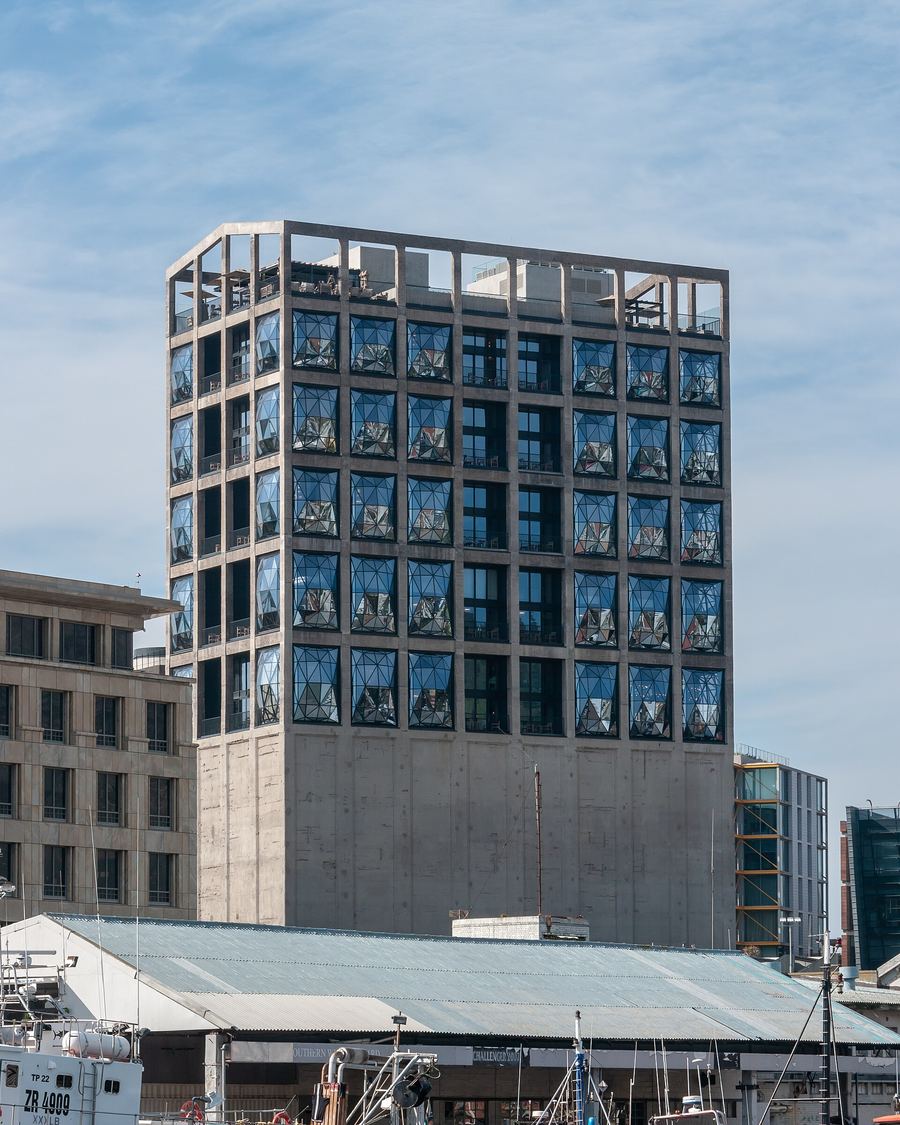
landmark
Housed inside carved-out grain silos at the harbor. It exhibits contemporary African art across nine floors of hollowed concrete.
Perguntar ao Parley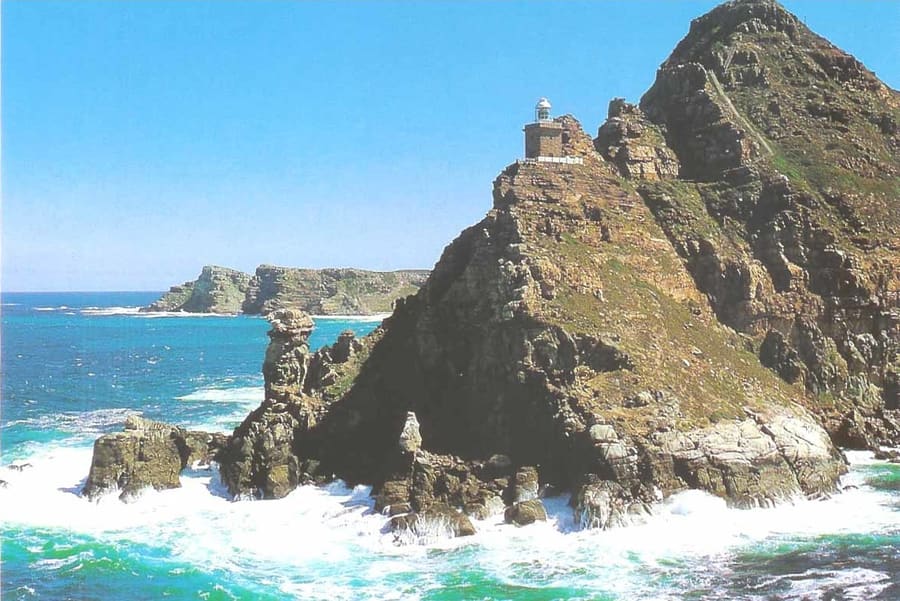
landmark
The southwestern tip of the continent inside a Nature Reserve. Watch for baboons on the roadway and walk to the old lighthouse.
Perguntar ao Parleyattractions
areas
Cobblestone streets lined with brightly painted houses and Cape Malay spice shops.
PertoCentral City Improvement District
Perguntar ao ParleySlick palm-fringed beachfront strip with mountain backdrop and sunset bars.
PertoClifton Beaches and Bakoven
Perguntar ao ParleyFlat oceanfront promenade filled with runners, saltwater pools, and casual eateries.
PertoMouille Point and Green Point
Perguntar ao ParleyIndustrial yards turned design hubs, coffee roasteries, and weekend food markets.
PertoSalt River and Observatory
Perguntar ao Parleyfood
Cape Town's food identity is rooted in its coastal location and Cape Malay heritage. Pickled fish, bobotie, and koesisters feature heavily on local menus alongside fresh linefish like snoek and kingklip. Dining out is affordable compared to Western European capitals, but top-tier booking windows require early action.
Freshly baked koesisters dusted with coconut in Bo-Kaap.
Olga Ernst · CC BY-SA 4.0Order a warm gatsby sandwich packed with hot chips and steak in Salt River or buy spiced biltong from local butcheries.
Top restaurants in Constantia and the City Bowl fill dinner reservations three months ahead for peak summer season.
Head to Kalk Bay Harbour for traditional smoked or braaied snoek served with sweet potato and apricot jam.
history
Indigenous Khoisan pastoralists lived across the Cape peninsula long before European arrival. The Dutch East India Company established a victualling station here in 1652, importing enslaved people from Indonesia, Madagascar, and East Africa. British colonial rule, enforced segregation, and Group Areas Act forced removals under Apartheid reshaped the city's residential map, a legacy that remains visible today.
Dutch station established
Jan van Riebeeck lands to set up a resupply post for Dutch East India Company ships.
Abolition of slavery
Emancipation of enslaved people leads to the establishment of the Bo-Kaap community.
District Six destruction
Government declares District Six a white area, forcibly displacing 60,000 residents.
Mandela's speech
Nelson Mandela addresses crowds from Cape Town City Hall balcony following his release.
where to stay
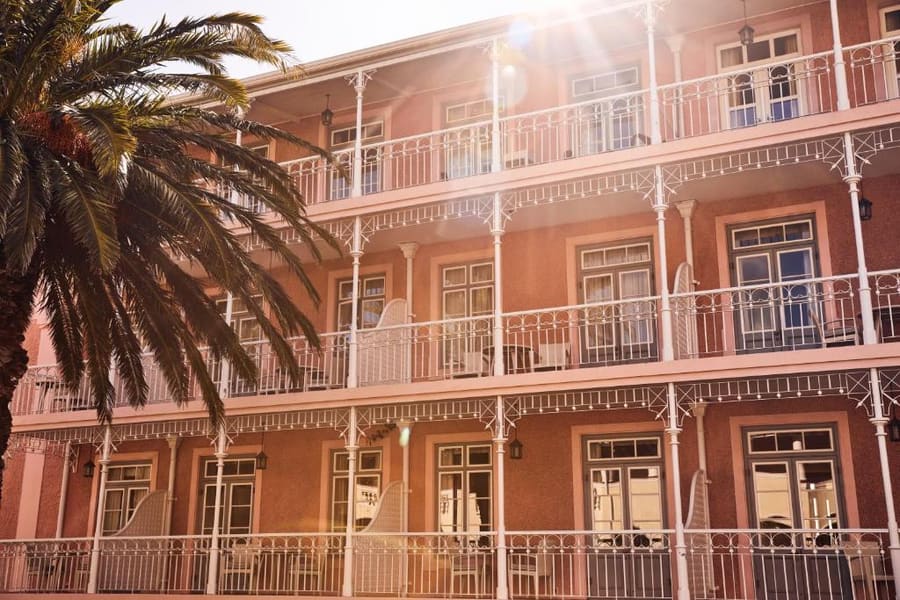
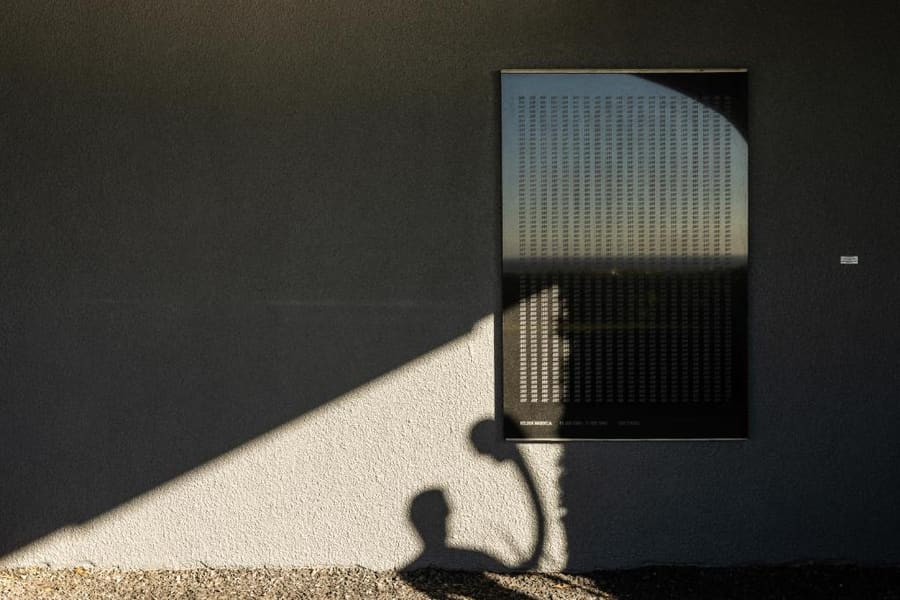
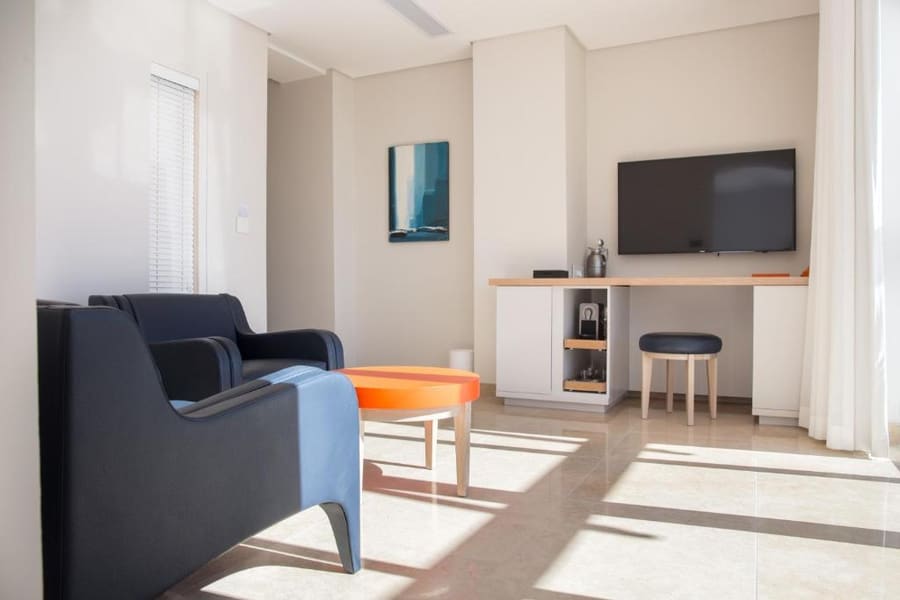
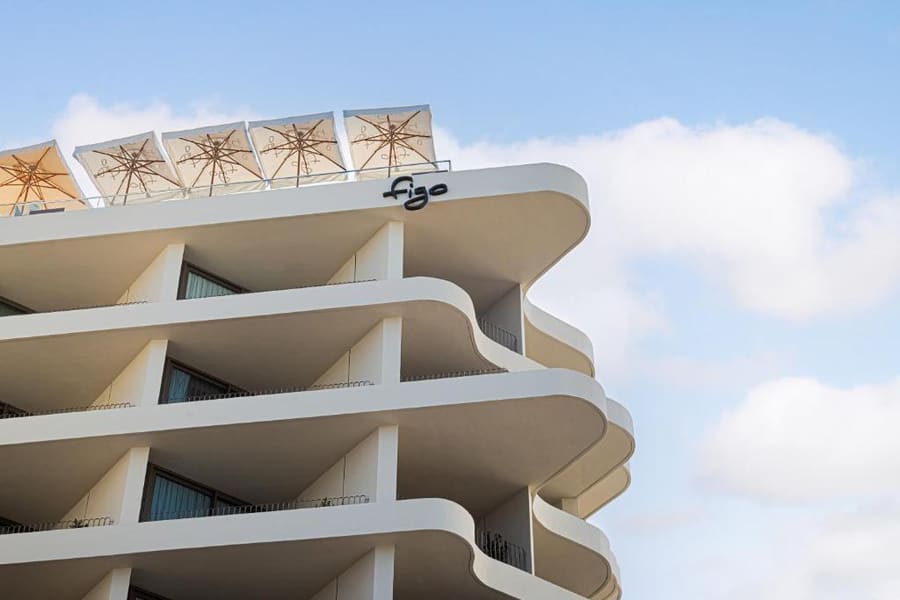
Choose your base by terrain and mobility preferences. Atlantic Seaboard suburbs offer beach access but higher prices and coastal fog. City Bowl neighborhoods provide central access to dining and museums, though temperatures run higher in summer.
Live rates, matched to the areas above.
transport
Private transport dominates mobility in Cape Town. Uber operates reliably across the central bowl and coastal suburbs, providing a safer alternative to unmetered street taxis or walking alone at night.
De Cape Town International Airport (CPT)
Pick up from Level 2 parking garage. Fast and widely available.
Pre-book with hotel or private company for guaranteed curb pickup.
Use authorized meter desks inside arrivals hall. Confirm price first.
Buy a MyConnect card at main stations to ride clean, scheduled buses along Waterfront, Sea Point, and Camps Bay routes.
Use rideshare apps even for short distances after dark, especially between central dining corridors.
Traffic entering the city on the N1 and N2 highways gridlocks between 07:00 and 09:00 weekday mornings.
A rental car is best for Cape Point, Chapman's Peak Drive, and Stellenbosch day trips.
cost
Cape Town offers high value for visitors holding hard currencies like USD or EUR. Dining and wine are notably affordable relative to quality, while hotel rates spike dramatically during peak summer months.
Specialty coffee shops in Bree Street and Woodstock charge standard urban rates.
Includes two mains and local Stellenbosch wine at a central bistro.
Morning tickets cost more than afternoon entry; pre-purchase online.
seasonality
DEC – FEB
Hot, dry, and windy. Peak summer crowds drive hotel prices up; book six months ahead.
MAR – MAY
Warm days, calm winds, and autumn colors in winelands. The best balance for outdoor activity.
JUN – AUG
Cool, wet, and stormy. Clear days offer crisp mountain views, and right whales arrive on coast.
SEP – NOV
Spring brings wild flowers and warming ocean temperatures. Southeasterly winds pick up in late spring.
practicalities
The UV index is extremely high in summer. Apply sunscreen even on overcast mornings.
Download the EskomSePush app to track rotational power outages affecting restaurants and traffic lights.
Visa and Mastercard are accepted almost everywhere. Keep ZAR 100 cash for street car guards.
Avoid excessive water use. Regional reservoirs rely entirely on seasonal rainfall.
Ocean temperatures on Atlantic beaches hover around 10-14°C year-round.