landmark
Playa de la Barrosa
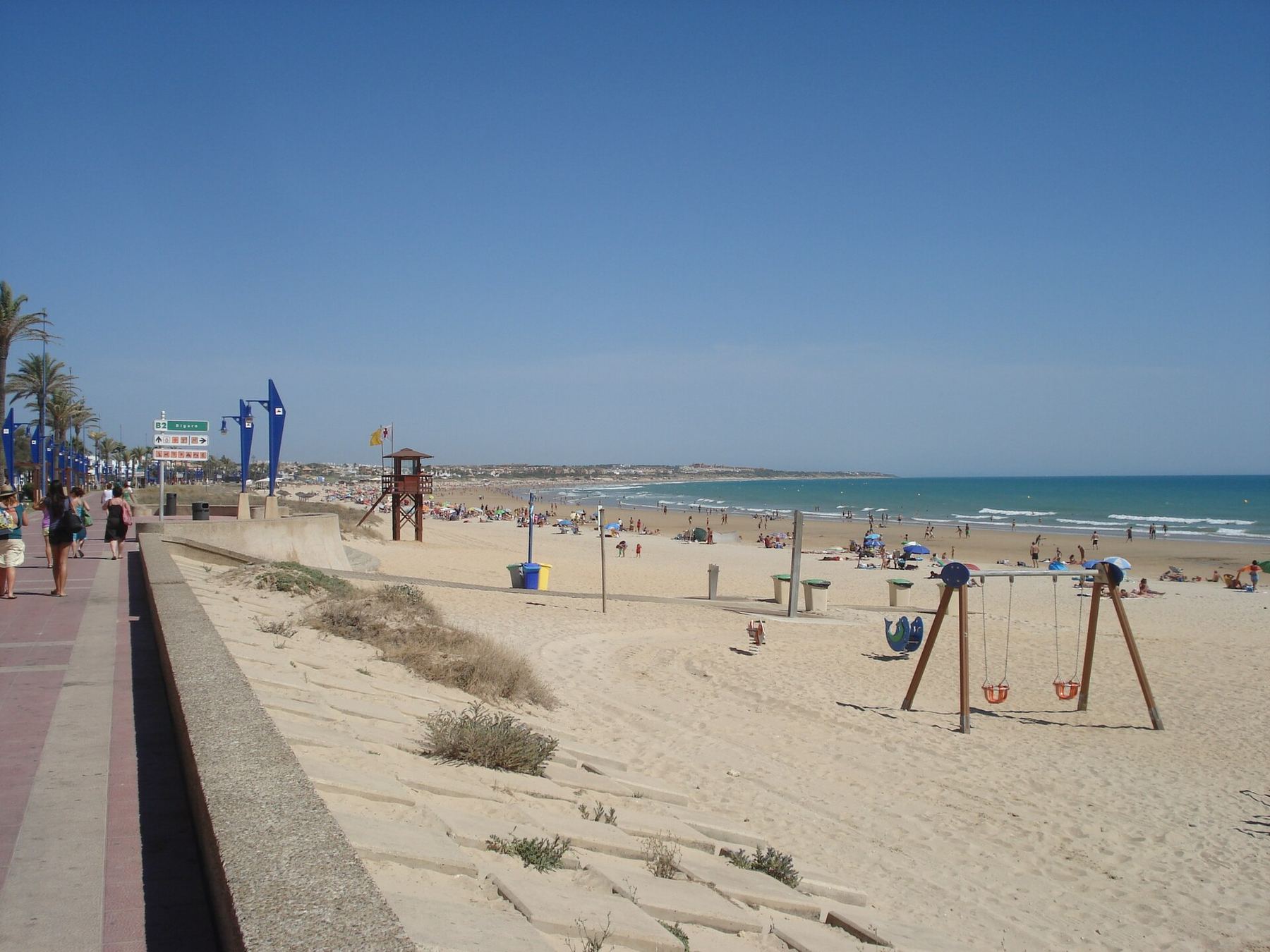
Eight kilometres of broad Atlantic sand. Walk south past Second Track for quiet dunes and pine backdrops.
Perguntar ao ParleyEspanha
Salt marshes, Atlantic beaches, and dry sherry cellars.
introduction
Chiclana splits into two distinct settlements: the inland wine town along the River Iro and the coastal resort belt at La Barrosa. Tram-train line T1 links the town centre directly to San Fernando and Cádiz. Summer traffic concentrates along the coastal strip, while the inland core runs on local market schedules.
TramBahía connection
The TramBahía T1 line links Chiclana directly to San Fernando and Cádiz city centre without changing trains.
Local wine designation
Chiclana produces certified wines within the Marco de Jerez, known for dry Fino and sweet Moscatel.
Levante wind pattern
Strong Levante winds blow off the straits regularly. Beachgoers move to sheltered coves near Roche during heavy gusts.
Chiclana de la Frontera
“Pablo Jones. Peejayem” · CC BY-SA 3.0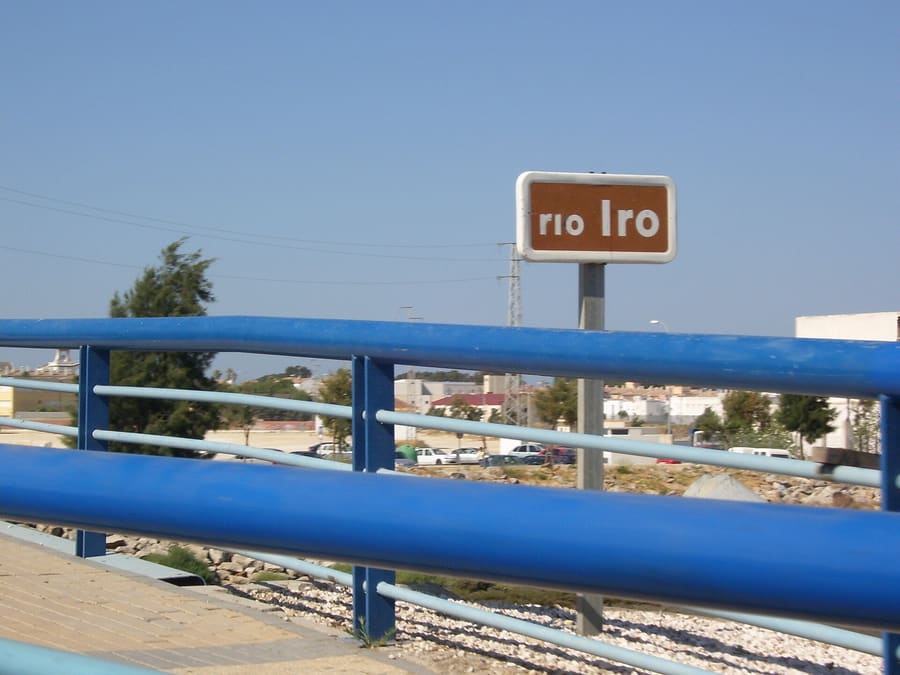
Centro Histórico — Traditional inland town along the River Iro, focused on wine cellars, daily markets, and tapas bars.
Pablo Jones. Peejayem · CC BY-SA 3.0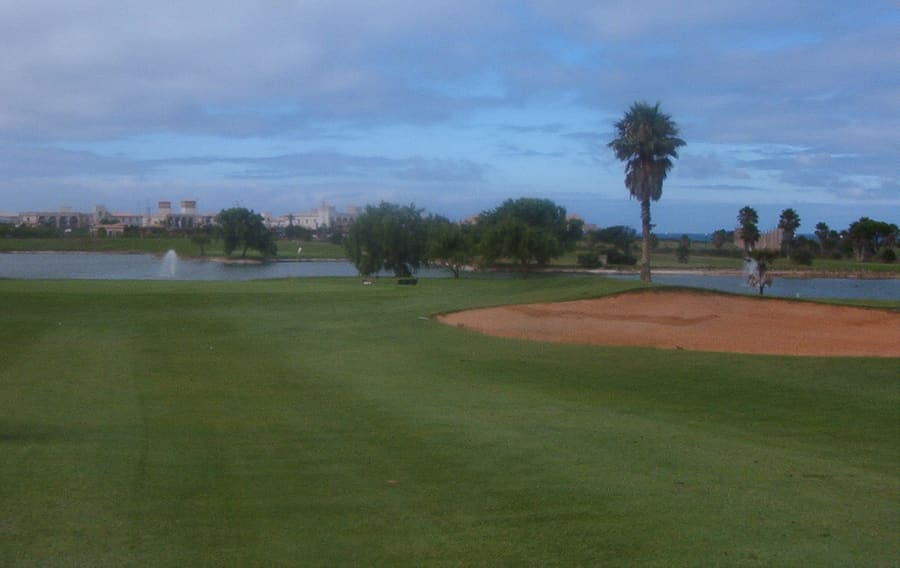
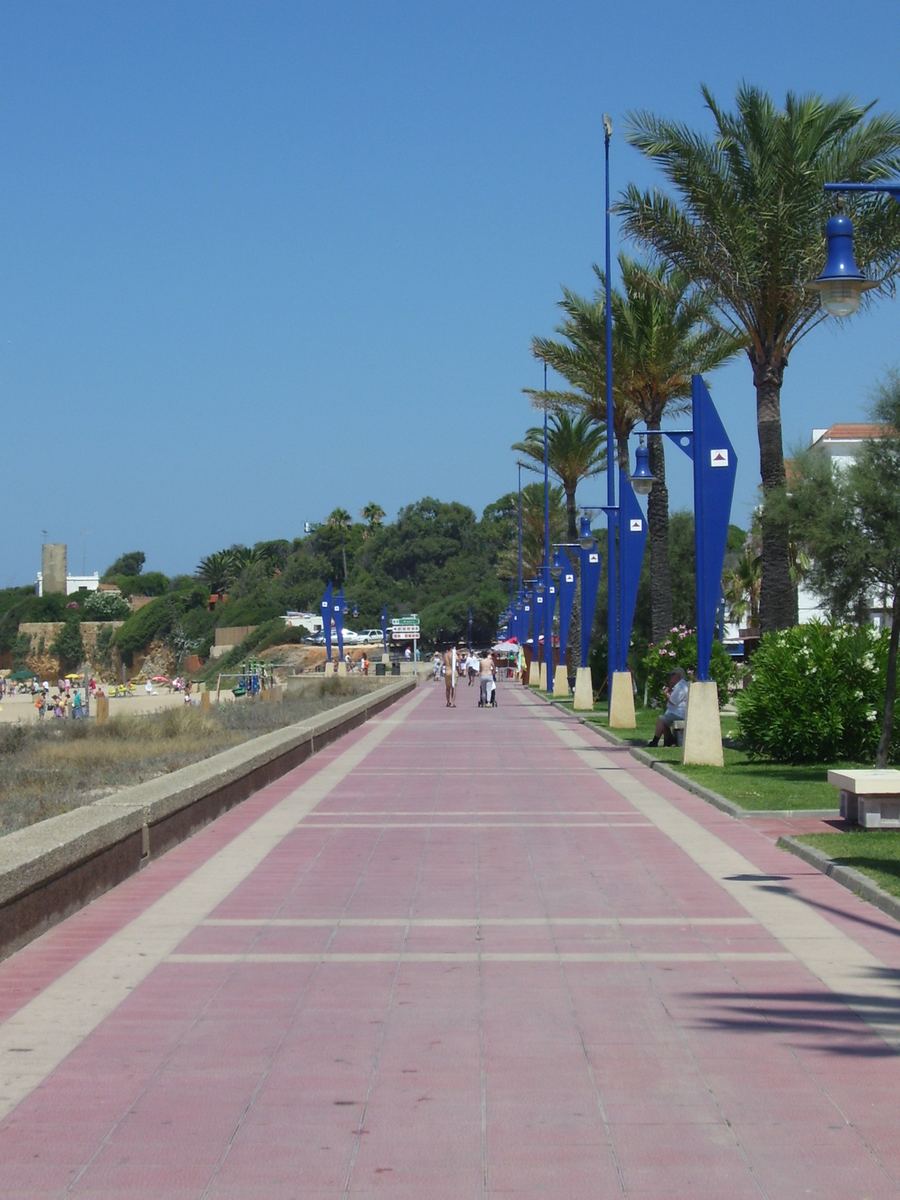
La Barrosa — Lively beachfront strip lined with seafood chiringuitos, apartment blocks, and wide promenade walks.
R-E-AL (talk | contribs | Gallery) (German Wikipedia) · CC BY-SA 3.0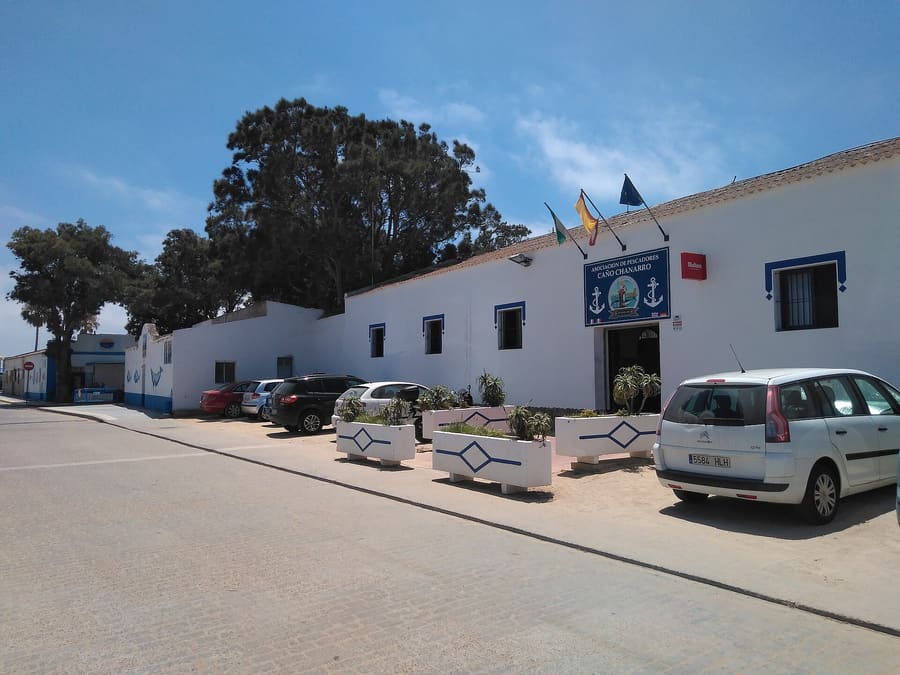
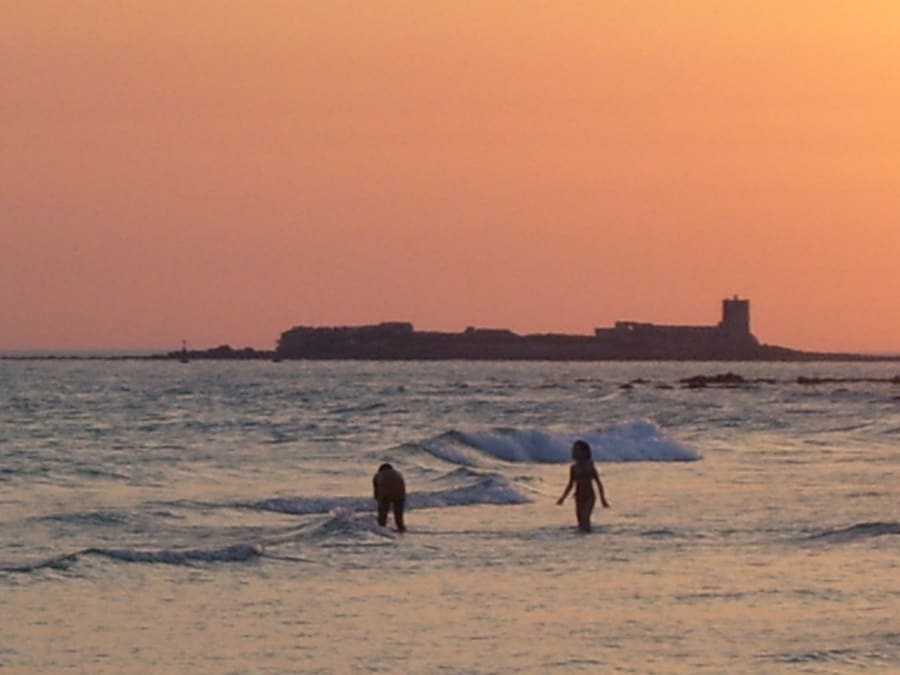
Sancti Petri Village — Former tuna-fishing settlement turned marina hub with seafood dining, watersports, and castle views.
El_Pantera · CC BY-SA 3.0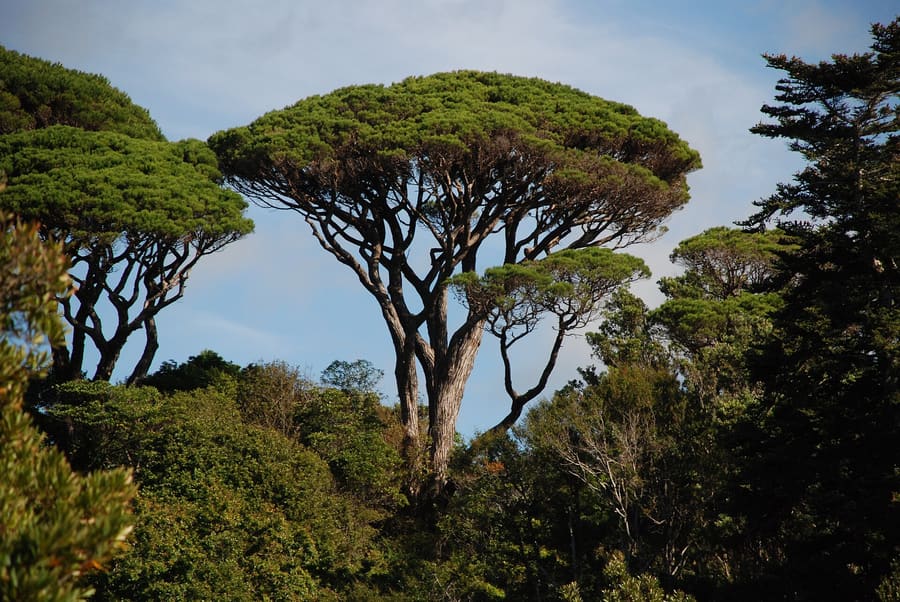
Novo Sancti Petri — Purpose-built resort zone featuring manicured golf courses, pine woods, and upscale beachfront hotels.
Karora · Public domain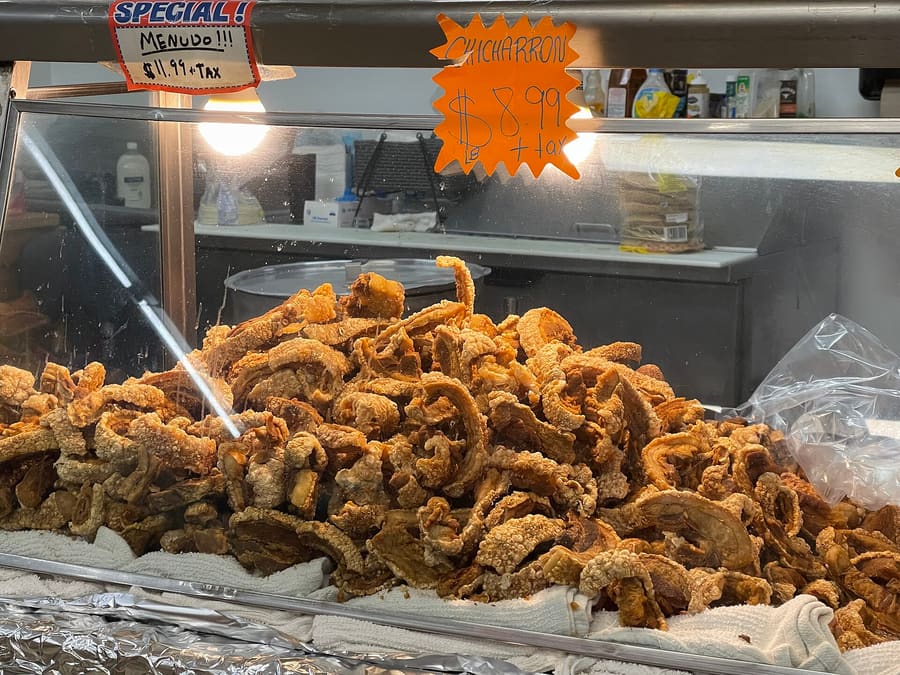
Freshly sliced chicharrones de Chiclana seasoned with sea salt and lemon juice.
Missvain · CC BY 4.0highlights
landmark
Eight kilometres of broad Atlantic sand. Walk south past Second Track for quiet dunes and pine backdrops.
Perguntar ao Parley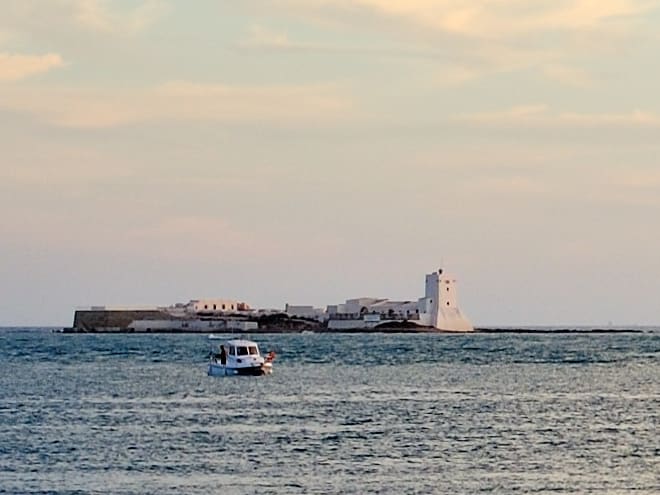
landmark
A 13th-century island fortress sitting off the coast. Reached via boat shuttle or kayak from Sancti Petri harbour.
Perguntar ao Parley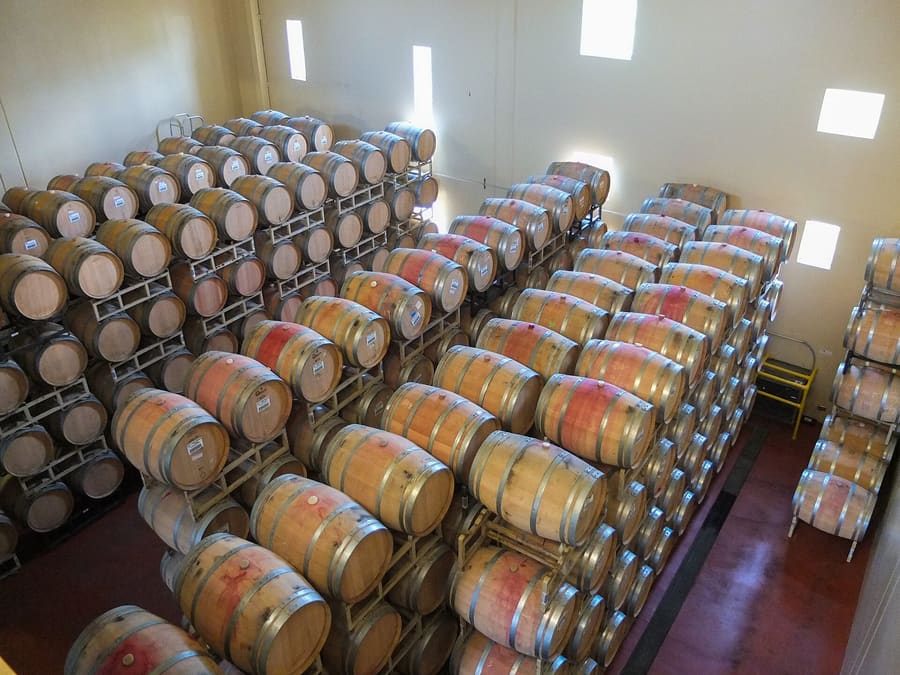
landmark
Historic bodega in the town centre serving Fino, Amontillado, and Moscatel straight from seasoned oak casks.
Perguntar ao Parleyattractions
areas
Traditional inland town along the River Iro, focused on wine cellars, daily markets, and tapas bars.
PertoMercado de Abastos and TramBahía stations
Perguntar ao ParleyLively beachfront strip lined with seafood chiringuitos, apartment blocks, and wide promenade walks.
PertoPlaya de la Barrosa and local bus lines
Perguntar ao ParleyFormer tuna-fishing settlement turned marina hub with seafood dining, watersports, and castle views.
PertoMarina docks and island shuttle departures
Perguntar ao ParleyPurpose-built resort zone featuring manicured golf courses, pine woods, and upscale beachfront hotels.
PertoGolf courses and southern dune trails
Perguntar ao Parleyfood
Chiclana's food identity relies on its distinct pork-curing traditions and brackish estuary waters. The city's signature specialty is chicharrones de Chiclana, slow-cooked pork belly seasoned with garlic and oregano, served cold in paper cones cut paper-thin. At the daily Mercado de Abastos, fishmongers sell bay shrimp and sea bass harvested from local esteros (tidal salt marsh ponds).Wine here diverges from neighboring Jerez. Chiclana cellars produce Moscatel Arroyuelo alongside dry Finos matured near the moisture of the River Iro. Tapas bars near Plaza Mayor serve small plates of tortillitas de camarones (crispy shrimp fritters) alongside chilled local wine directly drawn from barrels.
Freshly sliced chicharrones de Chiclana seasoned with sea salt and lemon juice.
Missvain · CC BY 4.0Ask for 'chicharrones especiales' cut thin at charcuterie stalls inside the Mercado de Abastos.
Seafood stalls and market-adjacent fryers serve estuarine fish fried fresh between 12:30 and 15:30.
Order a catavinos of Fino or Moscatel straight from the barrel in traditional downtown tabernas.
history
Phoenician navigators established a temple dedicated to Melqart near the Sancti Petri islet around the 9th century BC. Roman writers later associated this site with the Temple of Hercules Gaditanus. The modern town took shape in 1303 when King Ferdinand IV granted the territory to Alonso Pérez de Guzmán.In March 1811, British, Spanish, and Portuguese forces fought French troops at the Battle of Barrosa along the coastal dunes. During the 20th century, Sancti Petri developed into a prominent trap-net (almadraba) tuna fishing port before transforming into a modern coastal leisure zone.
Feudal grant
Guzmán el Bueno receives the land from King Ferdinand IV, establishing the initial feudal settlement.
Battle of Barrosa
The Battle of Barrosa takes place nearby, where Anglo-Spanish forces defeat French troops during the Peninsular War.
Almadraba boom
Almadraba tuna fishing peaks in Sancti Petri village, establishing a bustling coastal fishing community.
Resort development
Novo Sancti Petri resort development begins, shifting the local economy toward international golf and beach tourism.
where to stay
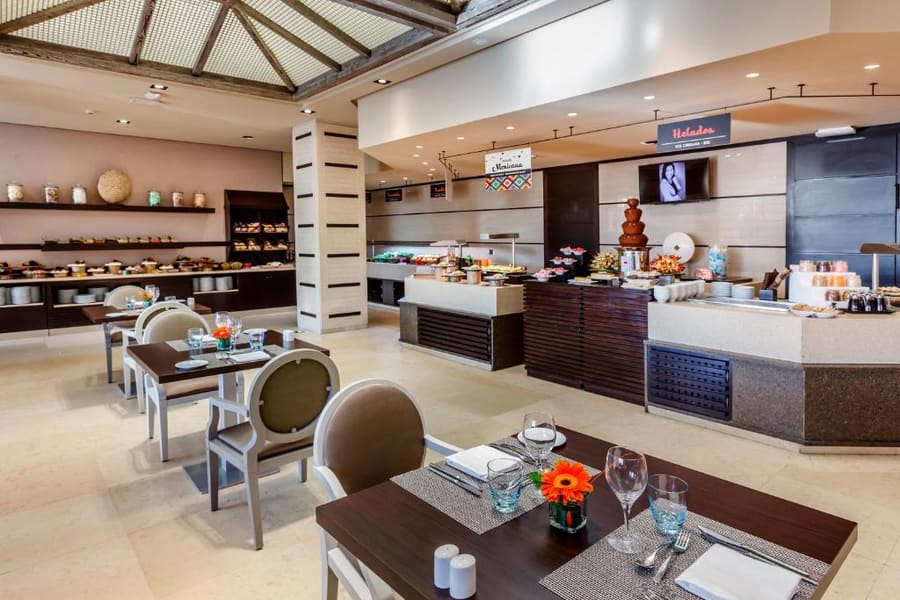
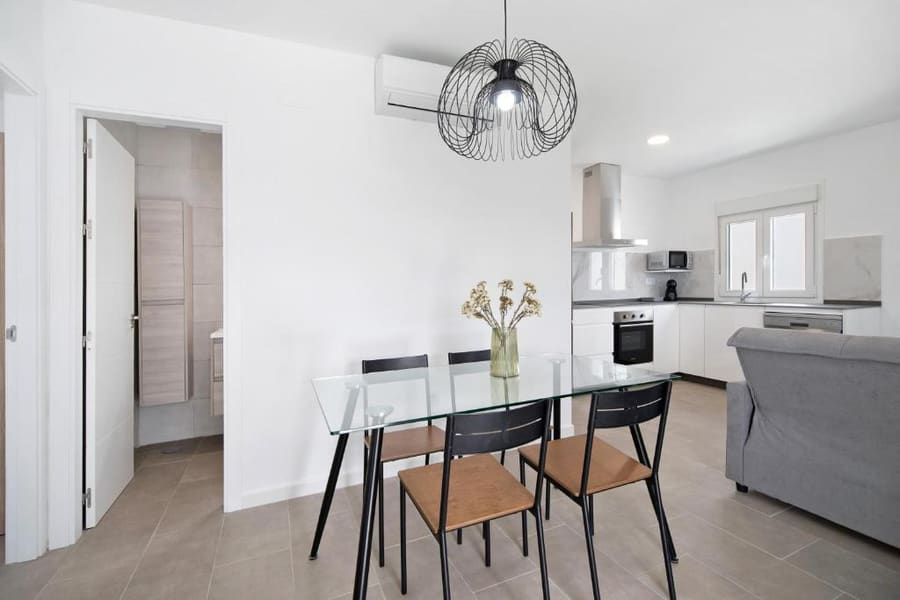
Choose your area based on transport access and atmosphere. The town centre offers local life and historic bodegas, but requires transit to reach the sea. La Barrosa puts you right on the beach promenade. Novo Sancti Petri provides quiet resort grounds and golf courses at a higher price point.
Live rates, matched to the areas above.
transport
Buy TramBahía tickets at station kiosks before boarding. Standard Renfe Cercanías cards work on line T1.
Bus lines L-8 and L-11 run until midnight during July and August, connecting town to the beach strip.
Consorcio de Transportes contactless cards reduce single bus fares by roughly 30 percent.
Beach parking lots along La Barrosa filling past 11:00 in August; use paved lots at Primera Pista.
cost
Prices reflect a gap between inland local services and coastal resort venues. Tapas and drinks in the town centre remain affordable, while beachfront dining during high summer charges premium coastal rates.
Purchased fresh at the central market or local butchers.
Poured directly from oak barrels in traditional downtown tabernas.
Standard price across historic centre bars.
Depends on the number of zones crossed along line T1.
seasonality
MAR – MAY
Temperatures range 18–22°C. Wildflowers bloom along salt marshes, and town bodegas run spring tastings with low crowds.
JUN – AUG
Hot, dry, and busy. Highs hit 30–35°C. La Barrosa beach restaurants run at full capacity and accommodation prices peak.
SEP – OCT
Sea remains warm (21°C). Summer crowds leave by mid-September, making this the best window for walking and cycling.
NOV – FEB
Mild winters with highs around 16°C. Rainy days occur, but coastal pine forests and inland tapas bars stay open.
practicalities
Downtown shops close strictly between 14:00 and 17:30 before reopening in the evening.
When heavy Levante winds blow sand on main beaches, move to cove beaches near Roche or Sancti Petri channel.
Mercado de Abastos operates Monday through Saturday mornings. Arrive by 10:30 for the best seafood display.
Smaller family bodegas require phone or email notice for guided tours outside morning public sales hours.
The Salinas de Chiclana walking routes have zero shade; pack water and sun protection year-round.