landmark
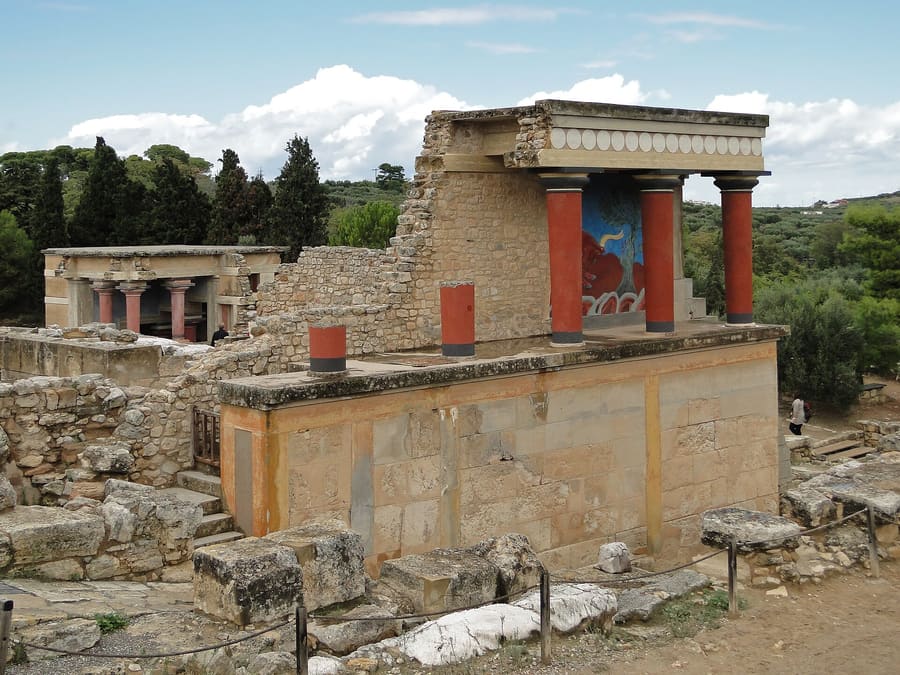
Palace of Knossos
The epicenter of Minoan civilization. Arrive at 08:00 opening to beat tour buses and heat.
Perguntar ao ParleyGrécia
Greece's largest island demands regional driving strategy.
introduction
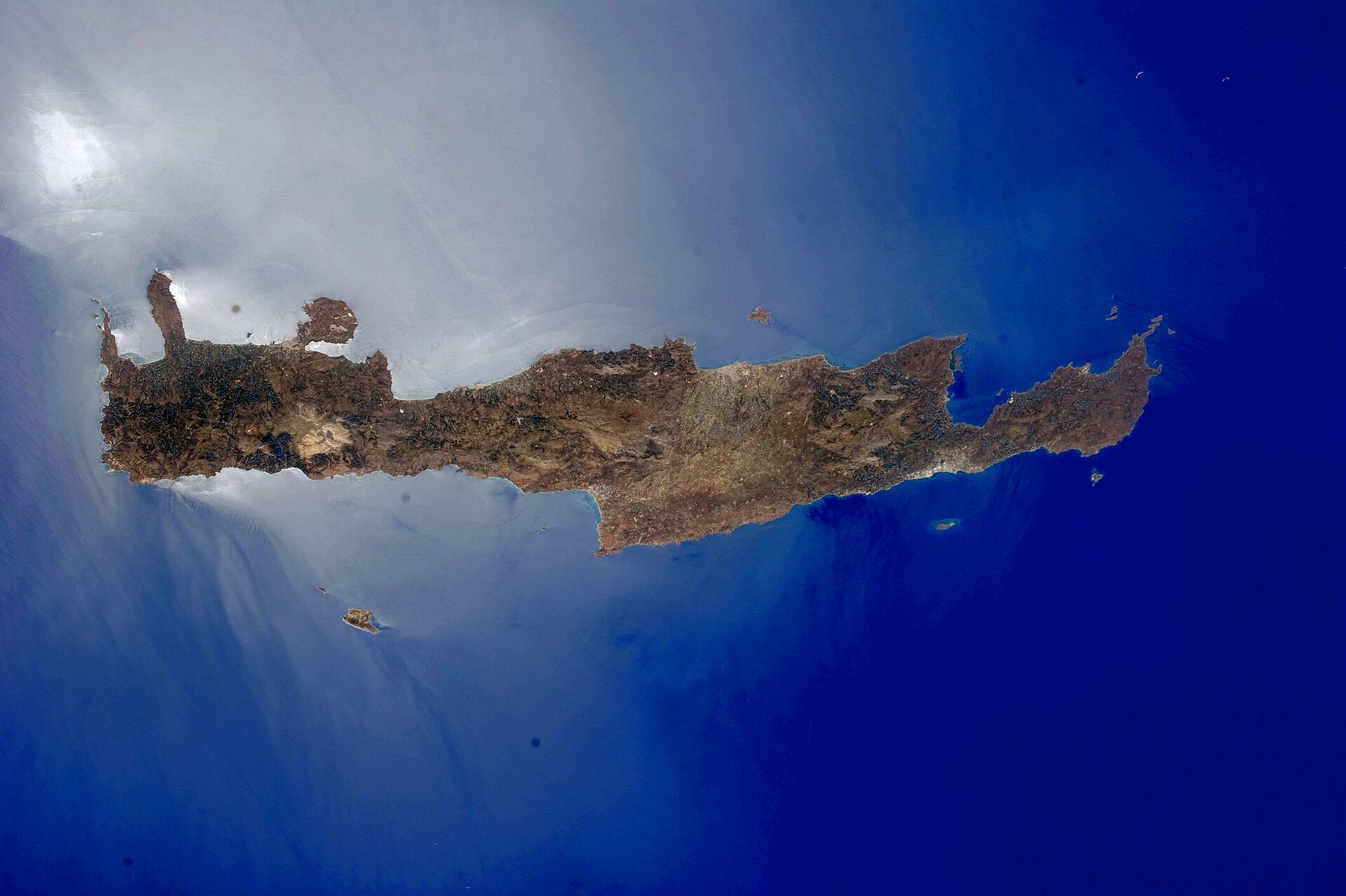
Crete is an island that functions as its own distinct country. Its mountain ranges divide the northern resort strip from the isolated southern coast. You move across the island via the main Highway 90 or narrow mountain passes. Expect long driving distances, exceptional olive oil, and stark regional shifts in landscape.
Overnight ferry strategy
Overnight ferries run daily from Piraeus to Heraklion and Chania. Booking a private cabin saves a hotel night and avoids airport security delays.
Minoan palace network
Knossos represents Europe's oldest Bronze Age palace complex. It served as the central administrative hub of Minoan Crete from 1900 BCE.
Island geography split
Crete spans 260 kilometres from east to west. Attempting to cover both coasts from a single hotel base wastes hours in transit.
Crete
Michael Brys · CC BY 2.0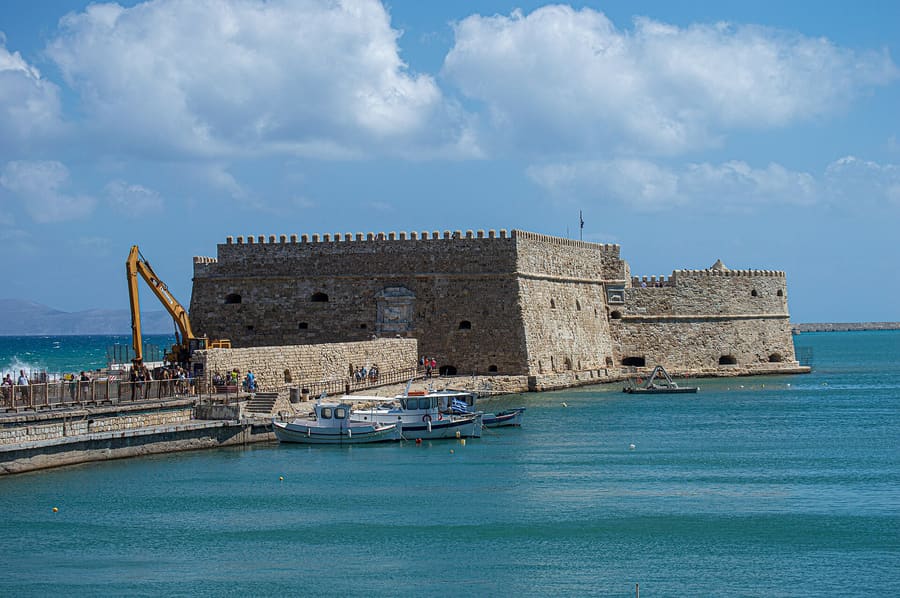
Heraklion Center — A transit hub with concrete streetscapes and ancient museums.
PeterWikiSK · CC BY-SA 4.0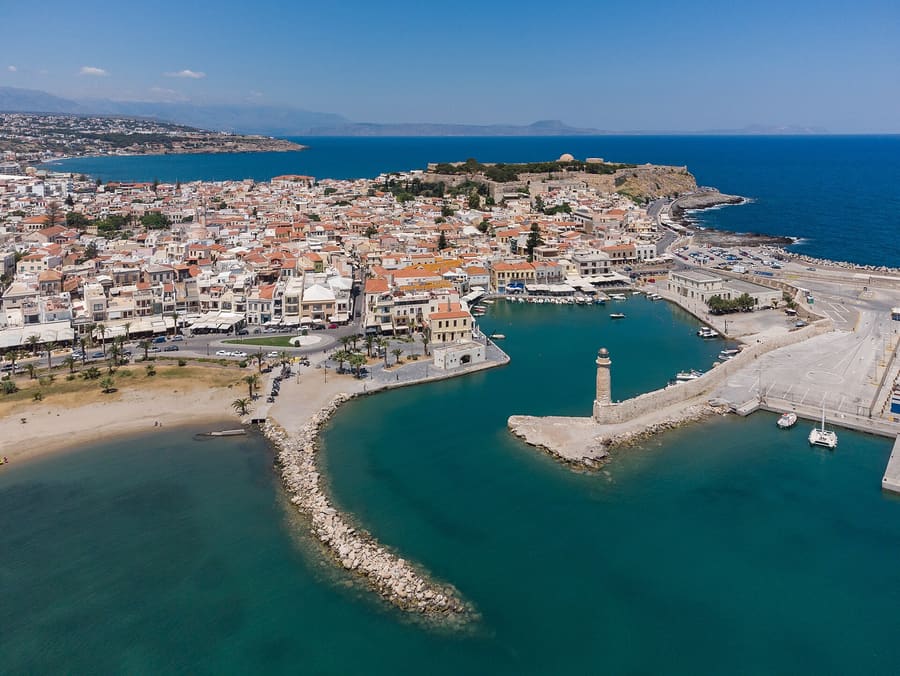
Rethymno Old Town — Ottoman minarets and Venetian mansions along broad alleys.
C messier · CC BY-SA 4.0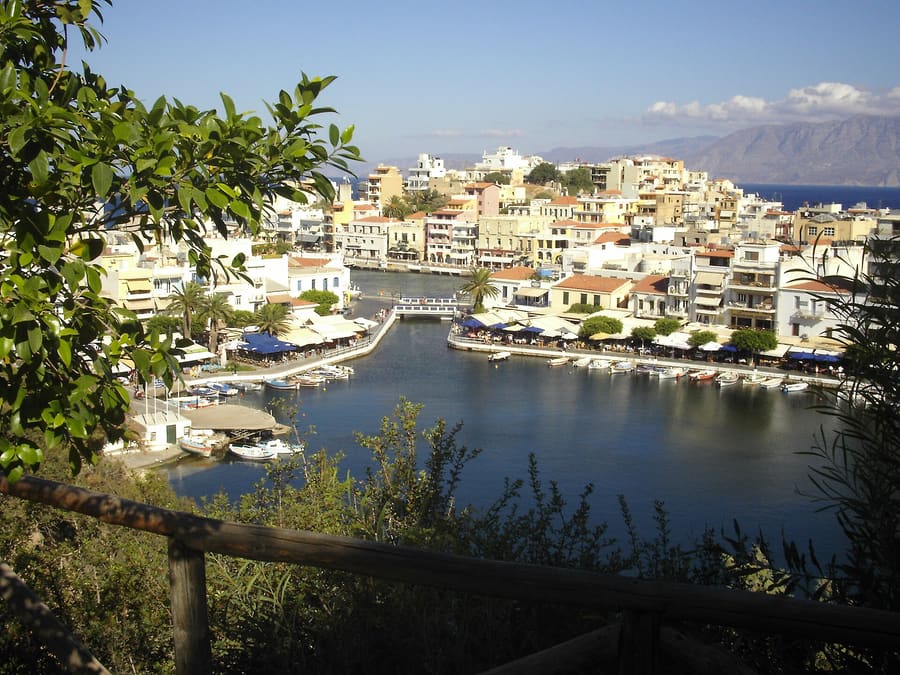
Agios Nikolaos — A compact coastal city wrapped around a deep saltwater lake.
fs · CC BY-SA 3.0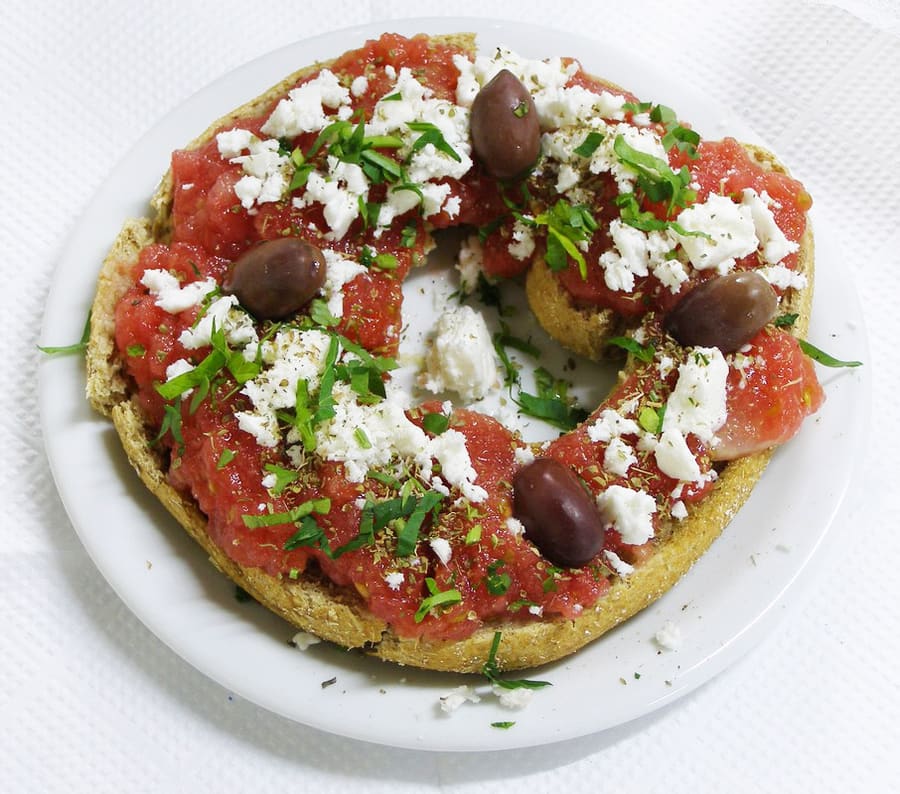
Dakos rusk topped with fresh tomatoes, olive oil, and mizithra cheese.
Frente · CC BY-SA 3.0highlights
landmark
The epicenter of Minoan civilization. Arrive at 08:00 opening to beat tour buses and heat.
Perguntar ao Parley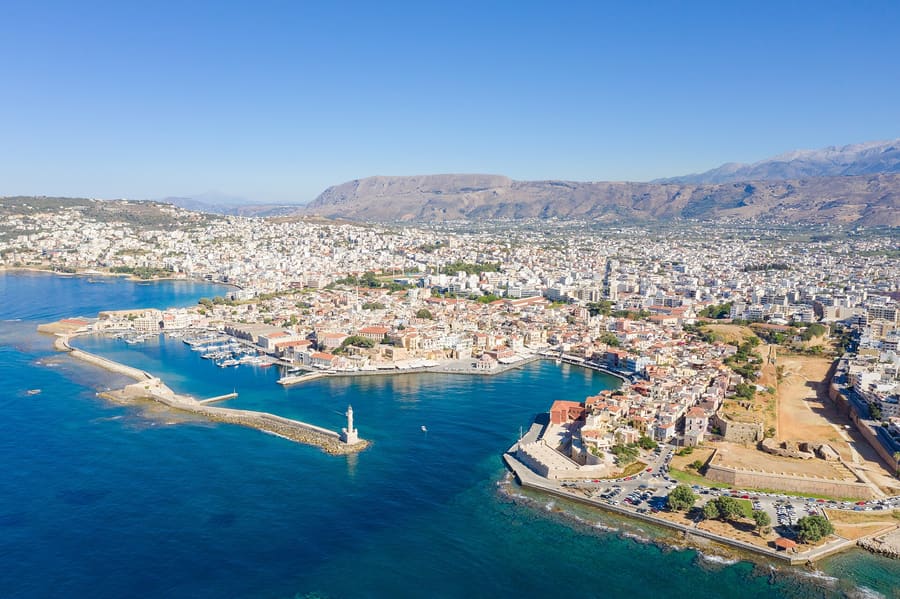
landmark
A 14th-century harbor framed by Venetian fortifications. Walk the breakwater late in the afternoon.
Perguntar ao Parley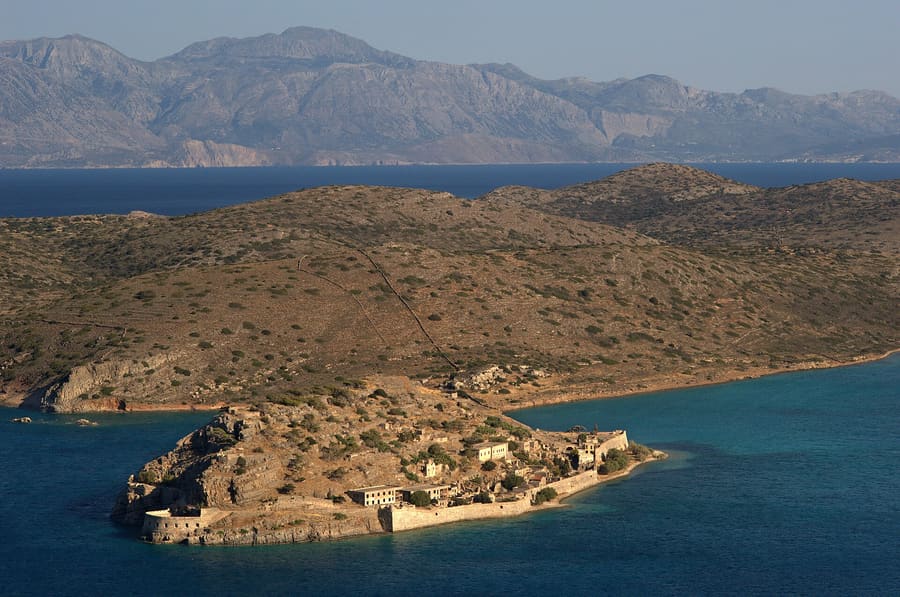
landmark
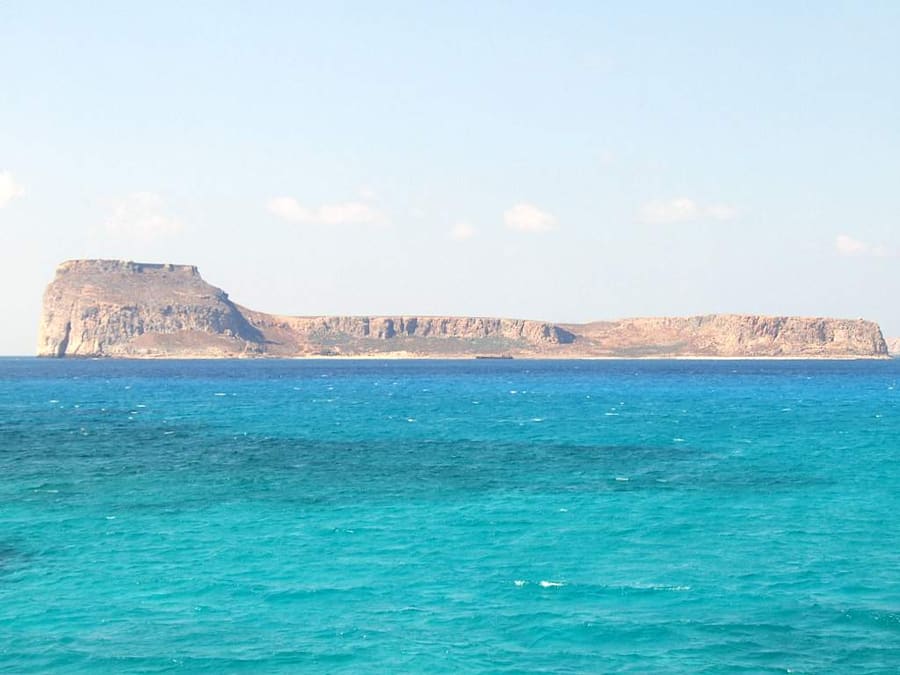
An island fortress turned 20th-century leper colony. Take public boats from Plaka for shorter crossings.
Perguntar ao Parley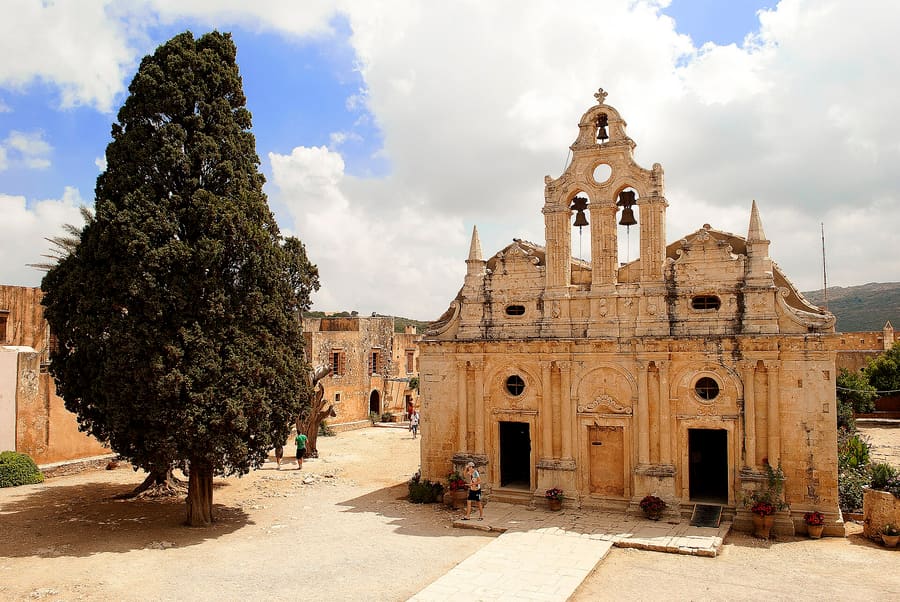
landmark
A historic sanctuary in the hills near Rethymno. Dress modestly with covered shoulders and knees.
Perguntar ao Parleyattractions
areas
A transit hub with concrete streetscapes and ancient museums.
PertoKnossos Palace and Heraklion Airport
Perguntar ao ParleyOttoman minarets and Venetian mansions along broad alleys.
PertoArkadi Monastery and Preveli Beach
Perguntar ao ParleyA compact coastal city wrapped around a deep saltwater lake.
PertoSpinalonga and Mirabello Bay
Perguntar ao Parleyfood
Cretan cooking relies on wild herbs, barley rusks, and olive oil rather than complex sauces. Tavernas serve dakos, a dry barley rusk softened with water and olive oil, then topped with crushed tomatoes and fresh mizithra goat cheese. Mountain villages specialize in slow-roasted goat (antikristo) cooked over open fire trenches.
Dakos rusk topped with fresh tomatoes, olive oil, and mizithra cheese.
Frente · CC BY-SA 3.0Restaurants bring a small carafe of clear grape spirit (tsikoudia or raki) with your bill. Accepting the glass is customary manners.
Order horta (boiled wild greens) drizzled with lemon juice. Mountain tavernas harvest different herbs each season.
Cretans eat dinner late. Taverna kitchens open for dinner by 20:00, with crowds arriving after 21:30.
history
Crete sits at the crossroads of Europe, Asia, and Africa. The Minoans established Europe's earliest complex society here before earthquakes destroyed their palaces. Centuries of Venetian and Ottoman rule fortified the island's coastal cities against naval invasions.
Minoan Palace Era
Construction of grand multi-story palaces begins at Knossos, Phaistos, and Malia.
Venetian Rule
Venice acquires Crete and builds massive stone harbors and fortresses at Chania and Heraklion.
Ottoman Empire
Ottoman forces capture Candia (Heraklion) after a 21-year siege, altering island architecture.
Union with Greece
Crete officially joins the Kingdom of Greece following decades of local revolutionary struggles.
where to stay
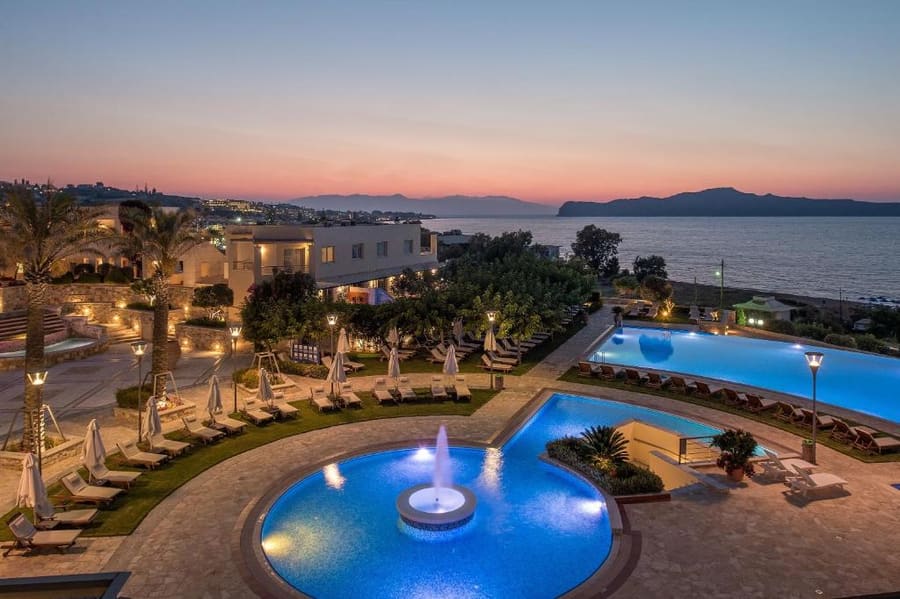
Choose your base based on transport plans. Pick Chania for western beaches, Heraklion for archaeological sites, or Rethymno for central access. Drivers should confirm dedicated parking before booking old town properties.
Live rates, matched to the areas above.
transport
Public transport relies on the KTEL intercity bus network. While buses connect major northern towns reliably, exploring mountain passes or southern beaches requires a rental car.
De Heraklion International Airport (HER)
Buy tickets at kiosk before boarding. Blue urban buses depart outside the terminal every 10-15 mins.
Queue at official rank outside arrivals. Standard flat-rate band; higher rates apply 00:00-05:00.
App connects to licensed local taxis. Pick up at designated passenger drop/off zone.
Book automatics months ahead. Use paved shoulder on single-lane roads to let faster traffic pass.
KTEL buses run along Highway 90 every 30 to 60 minutes between Heraklion, Rethymno, and Chania.
Manual cars dominate rental fleets. Book an automatic months in advance if you cannot drive stick shift.
Drivers on single-lane highways pull onto the paved hard shoulder to allow faster vehicles behind them to pass.
Southern villages like Loutro are inaccessible by car. Anendyk ferries connect Hora Sfakion, Loutro, and Agia Roumeli.
cost
Crete offers lower daily food prices than smaller Cycladic islands, though rental car prices surge in July and August.
Covers a main meat course, salad, and house wine in village tavernas.
One-way ticket on the KTEL express route across the island.
Rates vary based on season and vehicle transmission preference.
seasonality
APR – MAY
Wildflowers bloom across gorges. Sea water stays cool but walking trails are completely empty.
JUN – AUG
Hot temperatures exceed 35°C. Expect crowded beaches and heavy traffic on northern highway routes.
SEP – OCT
Sea temperatures remain warm for swimming while summer crowds disperse. Ideal window for driving.
NOV – MAR
Resort towns close down. Rainy mountain weather limits hiking, but cities function normally.
practicalities
Small mountain fruit stands and village cafes accept cash only.
Gorge walks lack shade after midday. Carry two liters of water per person on all hikes.
Gas stations in rural areas rotate closures on Sundays. Refuel before driving into mountain passes.
Do not flush toilet paper in old town buildings or village tavernas. Use provided waste bins.
Red flags on northern beaches indicate dangerous rip currents caused by strong meltemi winds.