landmark
Praia de Cumbuco
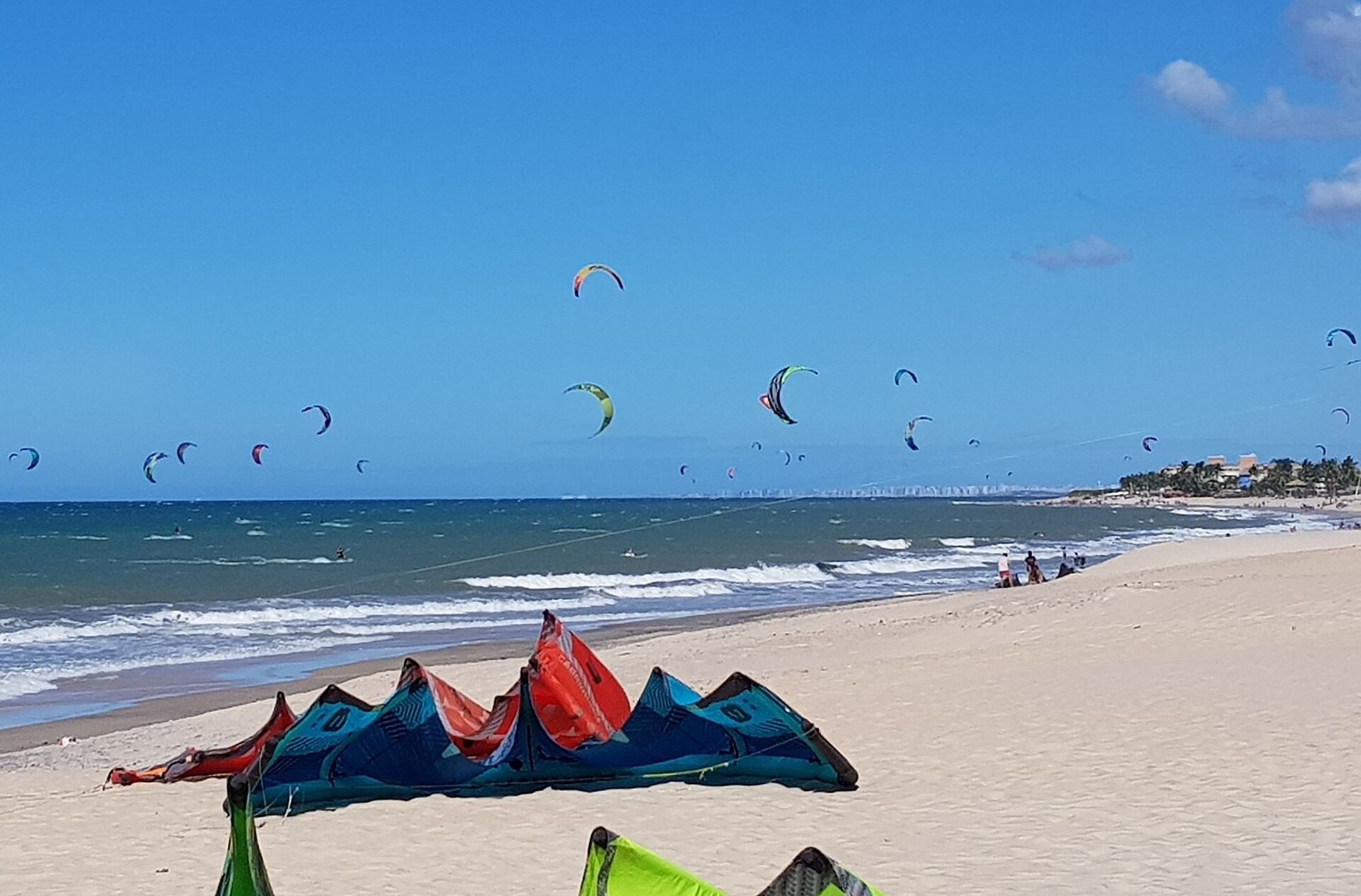
Broad ocean beach where kitesurfers launch. Watch for high tides that narrow the dry sand strip near the town square.
Perguntar ao ParleyBrasil
Wind, dunes, and Ceará's premier kitesurfing coast.
introduction
Cumbuco is a former fishing village transformed by trade winds into South America's kitesurfing capital. Navigating the town center takes minutes on foot, but exploring the coast requires a dune buggy or four-wheel drive. Plan around the trade winds that blow reliably from July through December.
Arrival from Fortaleza
Take a pre-booked private transfer or taxi from FOR airport; public buses require a transfer in Caucaia and add hours.
Kitesurfing World Cup venue
Lagoa do Cauípe consistently hosts global kitesurfing events due to flat water and steady 20-knot thermal winds.
Wind season booking rule
Pousadas fill completely from August to November. Book months ahead for high wind season or accept inflated walk-in rates.
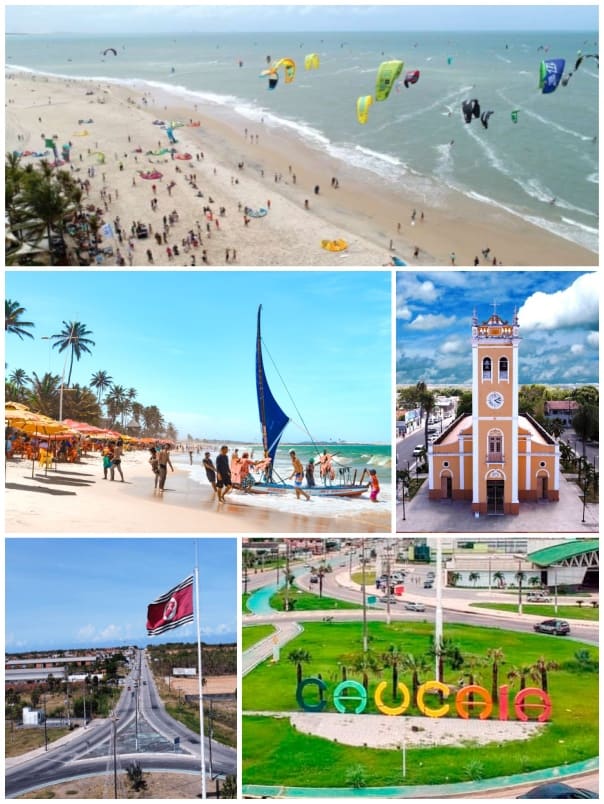
Cumbuco
Banabuiucidade · CC BY-SA 4.0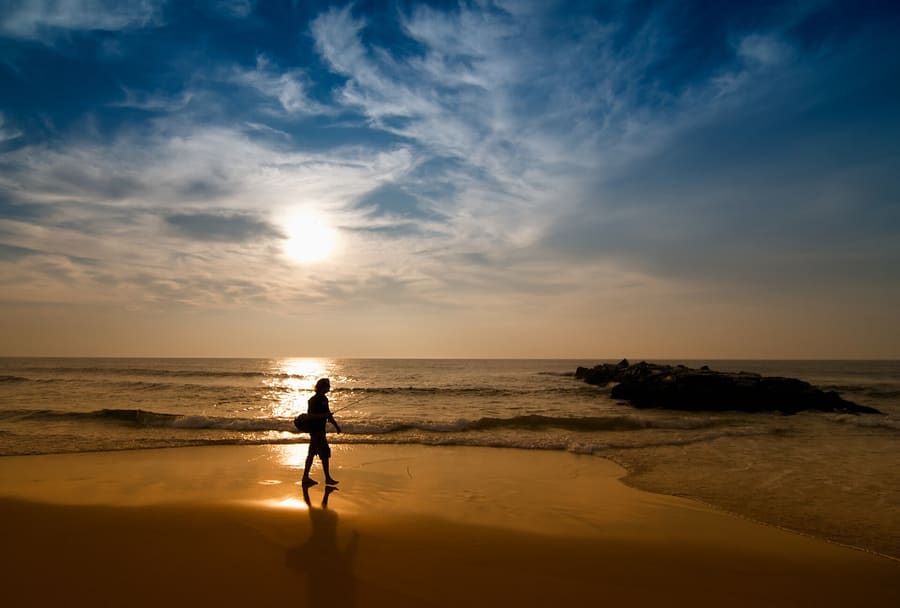
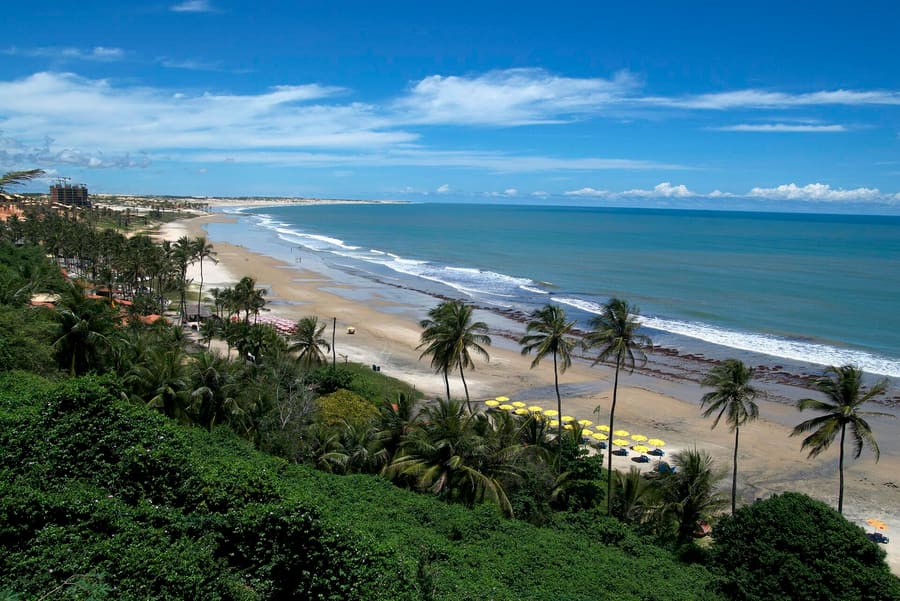
Tabuba Border — Tranquil residential coastal area bordering the Cumbuco river inlet.
Nick Harris · CC BY 2.5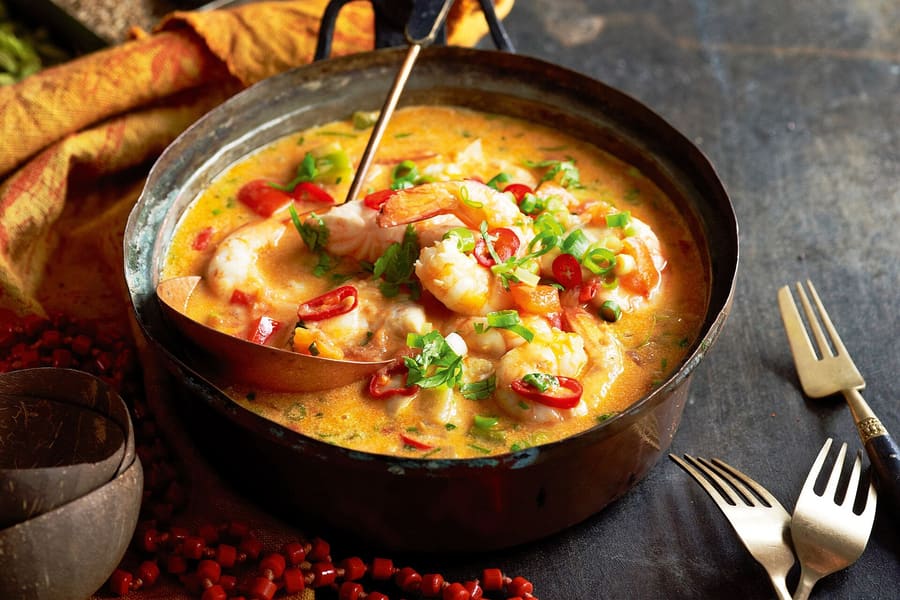
Freshly cooked local fish stew with coconut milk and cassava flour side.
BR · CC BY-SA 4.0highlights
landmark
Broad ocean beach where kitesurfers launch. Watch for high tides that narrow the dry sand strip near the town square.
Perguntar ao Parley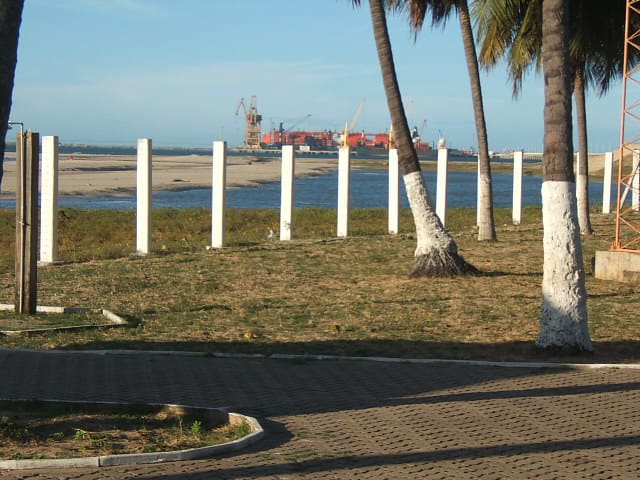
landmark
Freshwater lagoon offering mirror-flat conditions for kitesurfers. Arrive before 10:00 to secure shade along the beach huts.
Perguntar ao Parley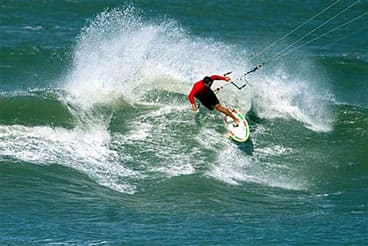
landmark
Meeting point of the Cauípe River and Atlantic ocean. Cross via small wooden boat during low tide for quieter shorelines.
Perguntar ao Parleyattractions
areas
Tranquil residential coastal area bordering the Cumbuco river inlet.
PertoFortaleza coastal road
Perguntar ao ParleyWalkable core filled with restaurants, kite shops, and lively evening bars.
PertoPraia de Cumbuco main access
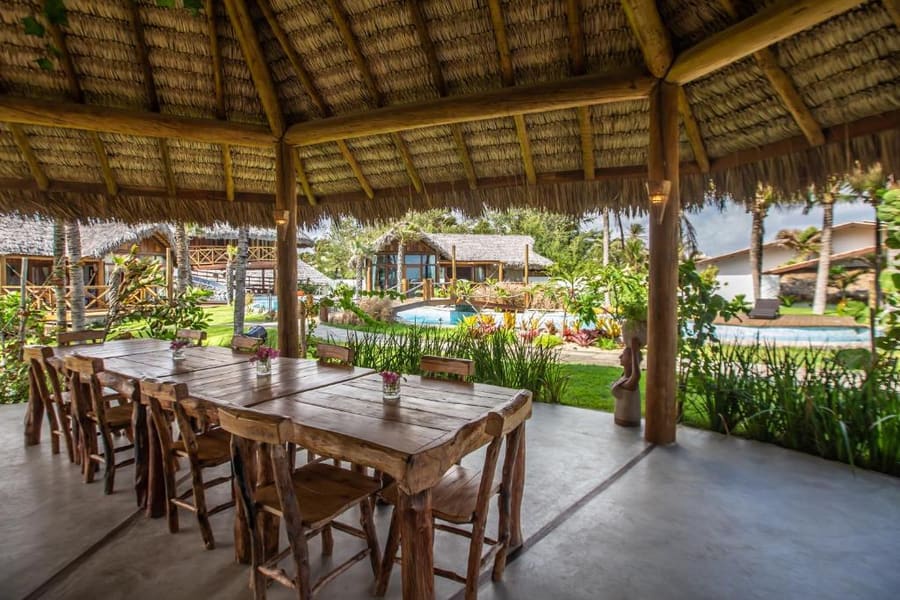
Perguntar ao ParleyQuiet oceanfront stretch lined with upscale pousadas and beachfront lawns.
PertoEast beach kite launch
Perguntar ao ParleyRustic kite-focused enclave right by the famous freshwater lagoon.
PertoLagoa do Cauípe
Perguntar ao Parleyfood
Fresh red snapper and local lobster dominate Cumbuco dining, usually grilled over open charcoal fires. Coastal Ceará cooking relies heavily on coconut milk, cilantro, and cassava flour rather than heavy oils.
Freshly cooked local fish stew with coconut milk and cassava flour side.
BR · CC BY-SA 4.0Order this local fish stew cooked with coconut milk, vegetables, and boiled eggs at beach huts.
Kitchens at beachside huts close around 17:00 when the wind drops and the sun lowers.
Small tapioca stalls around Praça da Vila often experience card reader network outages.
history
Cumbuco spent centuries as an isolated fishing settlement on the Ceará coast. The construction of the coastal road and the late 1990s discovery of its consistent trade winds turned it into a global kitesurfing hub.
Fishing Village Era
Local families rely exclusively on jangadas (wooden sailing rafts) and seasonal cashew harvests.
Kitesurfing Arrival
European windsurfers and early kitesurfers discover steady 20-knot thermal winds off Cauípe.
Infrastructure Upgrade
Paved access roads connect Cumbuco directly to Fortaleza, spurring pousada development.
Global Circuit Hub
Established as a permanent fixture on international freestyle and hydrofoil kitesurfing circuits.
where to stay
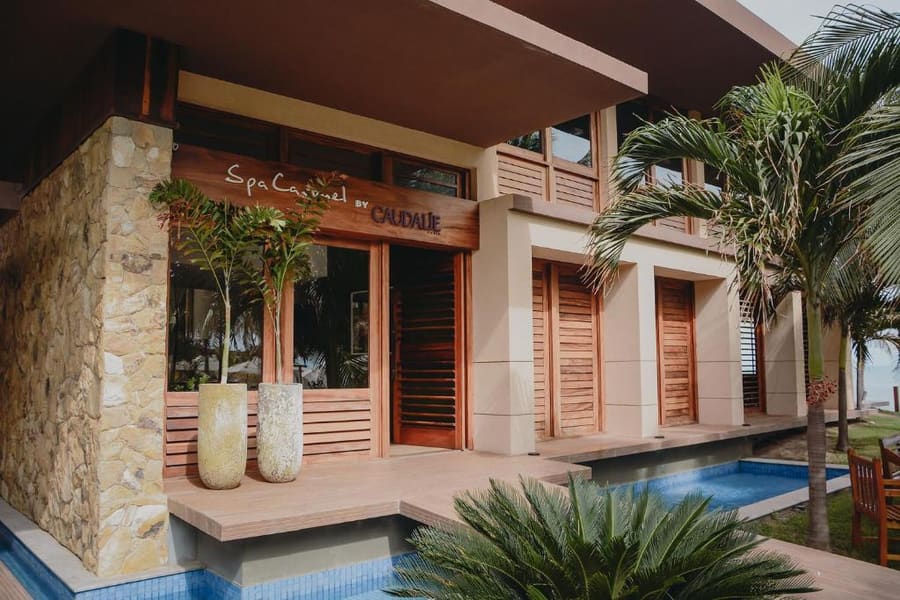
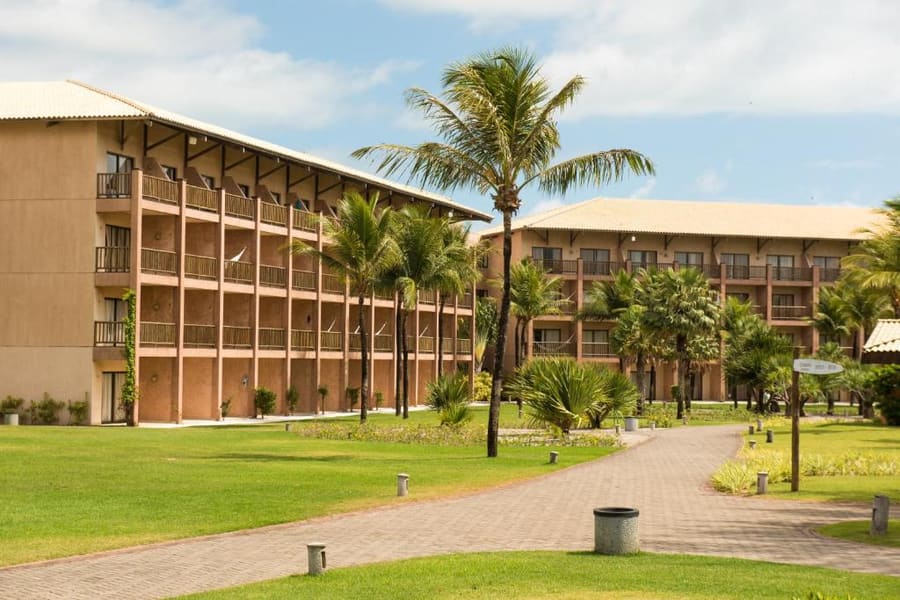
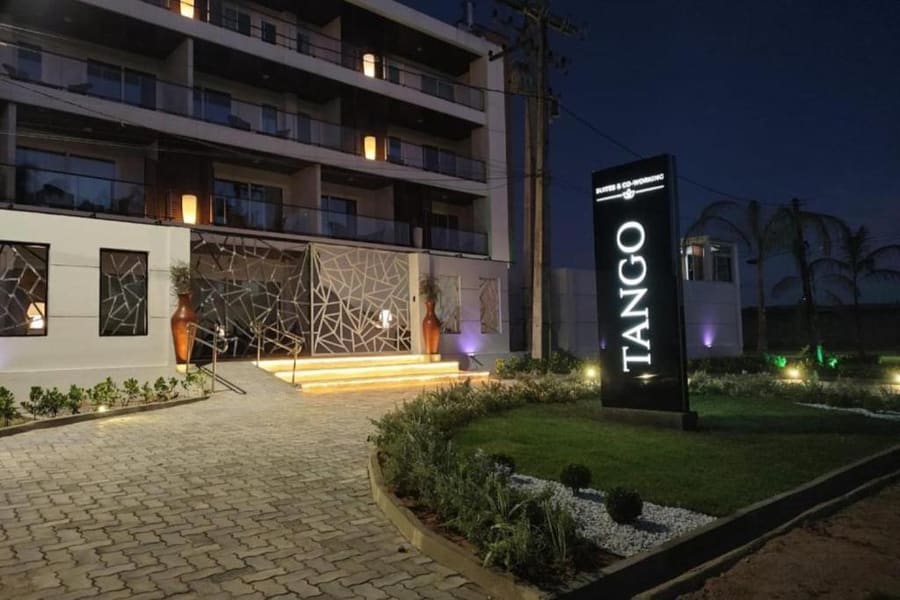
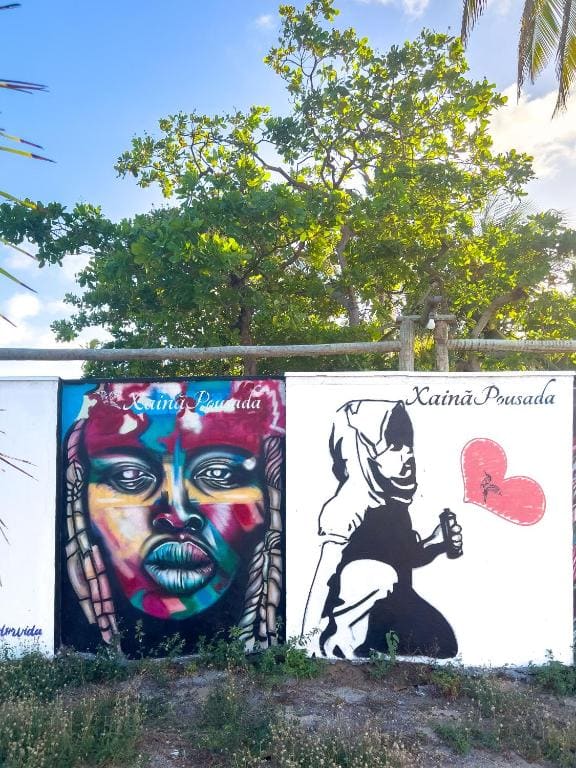
Choose your location based on wind equipment storage and proximity to evening dining. Beachfront pousadas save you lugging gear across town, while village center stays avoid vehicle dependency.
Live rates, matched to the areas above.
transport
Cumbuco is small enough to walk end-to-end in 20 minutes, but sand dunes and remote lagoons require specialized transport. Licensed buggies and four-wheel-drive vehicles are standard modes for coastal excursions.
De Fortaleza Airport (FOR)
Direct door-to-door option from FOR airport; book ahead.
Confirm meter rate or fixed fare before leaving FOR terminal.
Drivers from Fortaleza may decline rides returning to Cumbuco.
Requires changing buses in Caucaia center; unsuited for heavy luggage.
Only hire buggies displaying official credenciado stickers from Caucaia municipality.
Informal beach transfers between Cauípe and Centro require cash or local Pix transfers.
Stick to well-lit village streets between the main square and beach access paths.
Downwind kite trips often include return transport via trucks arranged by schools.
cost
Cumbuco costs more than inland Ceará but less than European wind resorts. High season (August to December) inflates accommodation and gear rental rates significantly.
Full gear sets include board, kite, and harness from certified centers.
Fixed price per buggy for up to 4 passengers for a 2-hour dune route.
Generous platter serving two people at beachside huts.
Freshly opened cold coconut on the beach or in the main square.
seasonality
JUL – DEC
Peak wind season with reliable 20-25 knot winds daily. Book accommodation and buggy tours months ahead.
JAN – FEB
Slightly lighter winds and warm ocean water. Brazilian summer holiday crowds fill the beach on weekends.
MAR – MAY
Rainy season brings calm winds and occasional heavy downpours. Lowest accommodation rates of the year.
JUN
Transition month as rains taper off and trade winds begin building up again.
practicalities
Equatorial sun is intense; apply zinc water-resistant sunscreen for long kite sessions.
Only basic ATMs exist in Cumbuco; stock up on cash in Fortaleza before traveling.
High tide significantly narrows beach launch areas near the village center.
The sun sets abruptly around 17:30 year-round due to proximity to the equator.
English is widely spoken in kite schools, but basic Portuguese helps at beach stalls.