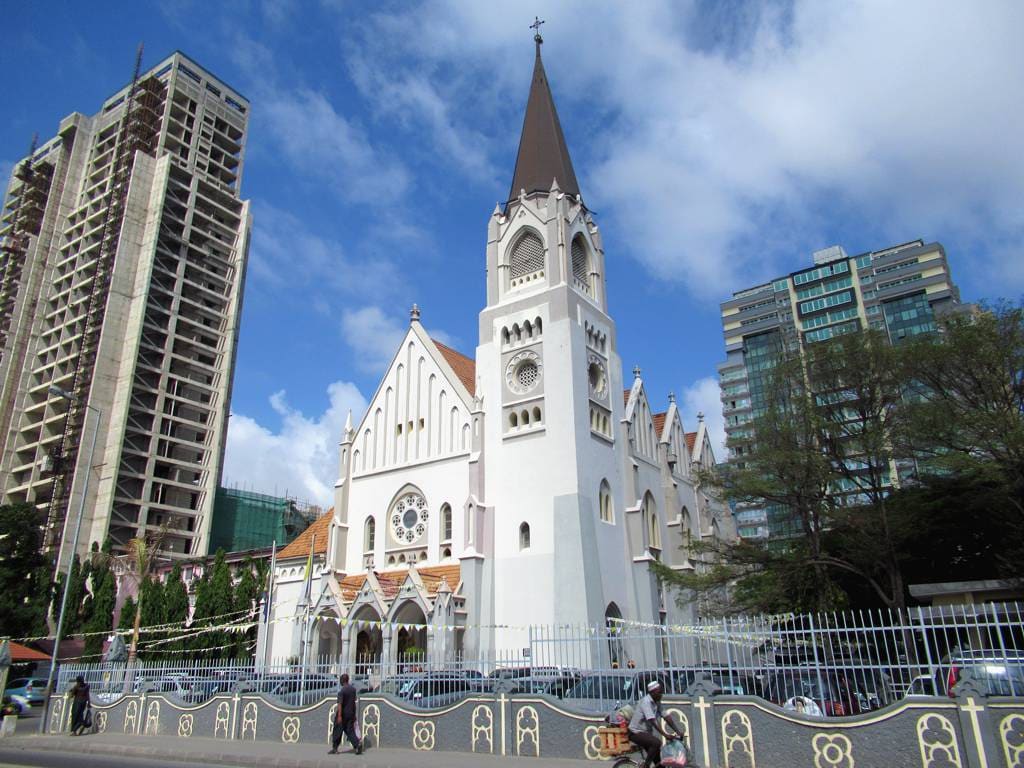
landmark
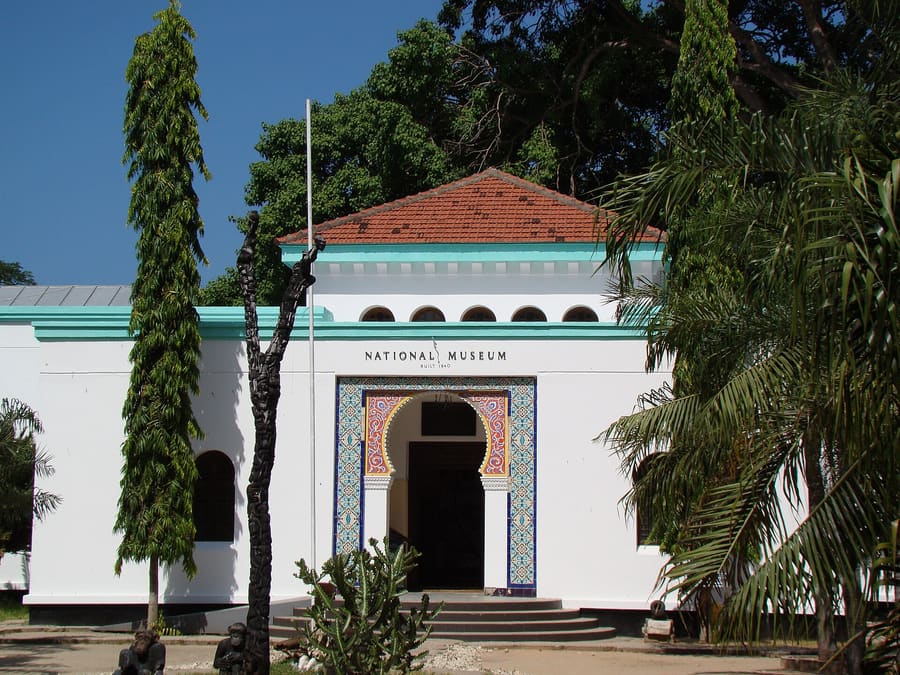
National Museum of Tanzania
Exhibits human fossil finds from Olduvai Gorge and colonial history. Expect low-tech, informative displays.
Perguntar ao ParleyTanzânia
Tanzania's commercial engine and Indian Ocean port.
introduction
Dar es Salaam moves to the beat of its port and street traders. You come here to experience a working East African coastal metropolis rather than a manicured resort. Traffic can choke the main arteries for hours, but dedicated bus lanes grant fast transit if you plan well.
Airport arrival
Terminal 3 handles international arrivals. Expect a 45-minute drive to the city centre outside peak hours.
Transit layout
The DART bus system runs in dedicated central lanes, bypassing gridlocked coastal traffic.
Cash reality
Tanzanian Shillings are essential for street markets, taxis, and ferry tickets.
Dar es Salaam
Prof.Chen Hualin · CC BY-SA 3.0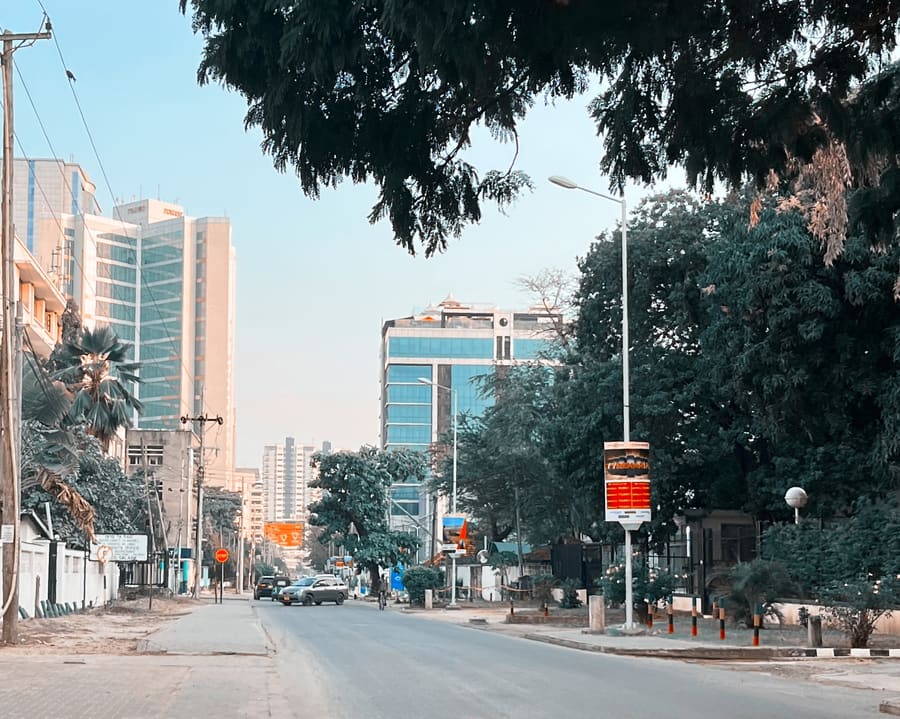
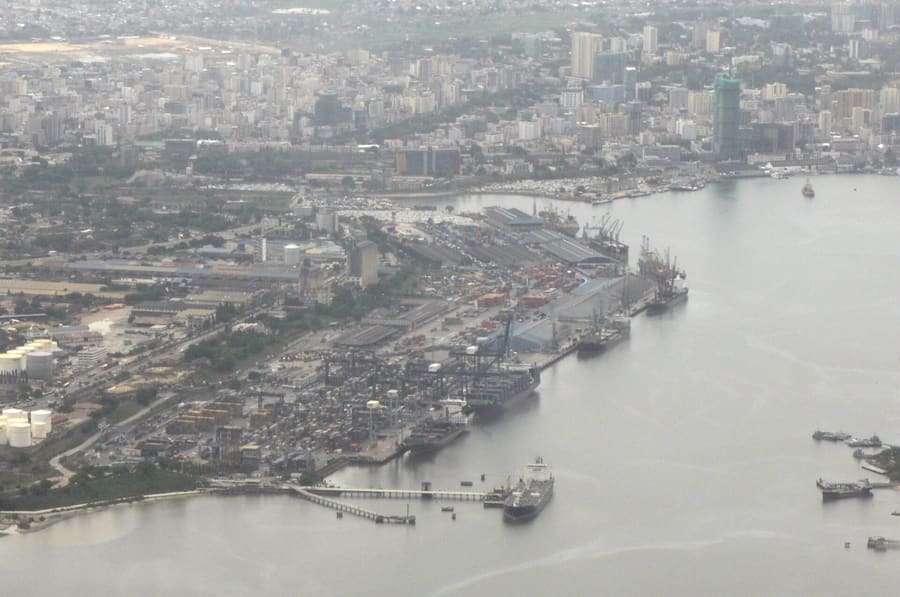
Kivukoni & City Centre — Colonial-era government buildings, ferry docks, and financial institutions.
Halidtz · CC BY-SA 4.0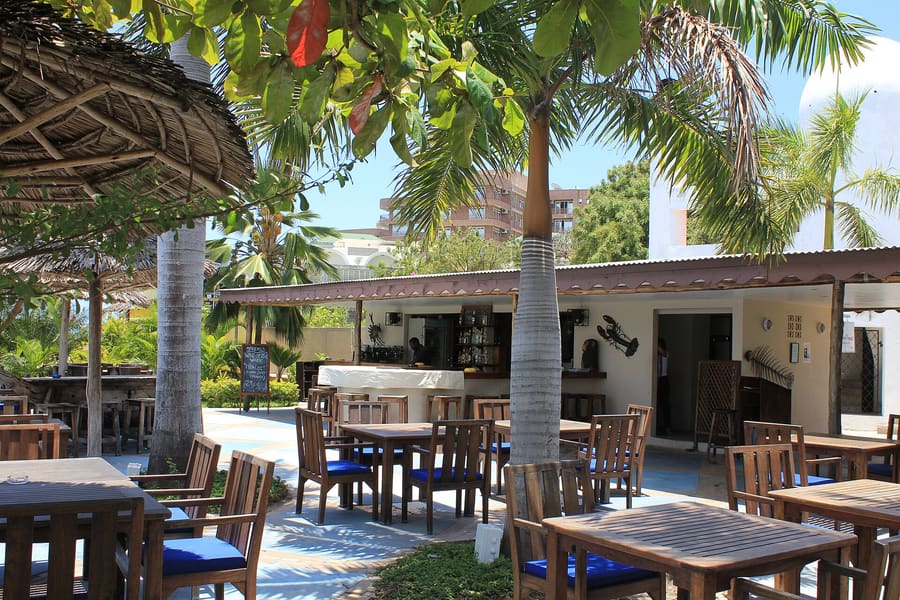
Msasani Peninsula — Coastal enclave packed with international restaurants, bars, and expat amenities.
Xiaotong Gao · CC BY-SA 3.0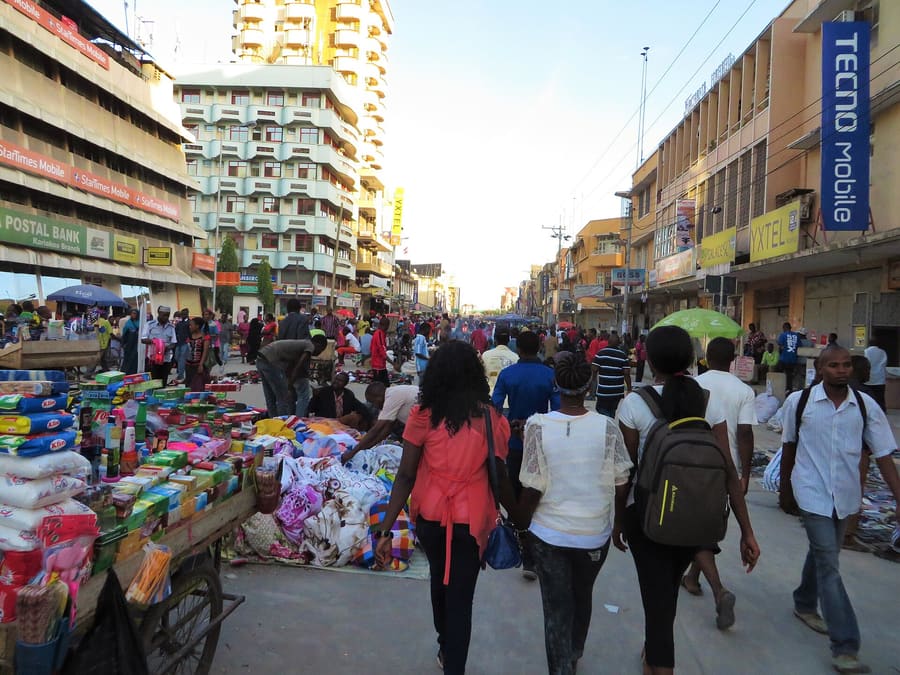
Kariakoo — High-density wholesale market district overflowing with hawkers and buses.
Prof.Chen Hualin · CC BY-SA 4.0highlights
landmark
Exhibits human fossil finds from Olduvai Gorge and colonial history. Expect low-tech, informative displays.
Perguntar ao Parley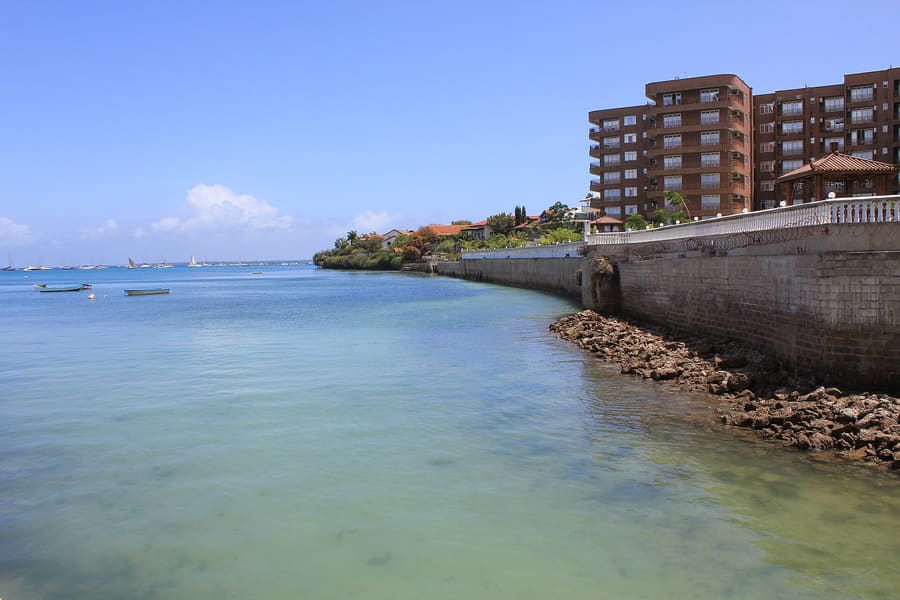
landmark
Peninsula hub for boats to nearby marine reserves. Offers waterside dining with clear views of sunset.
Perguntar ao Parley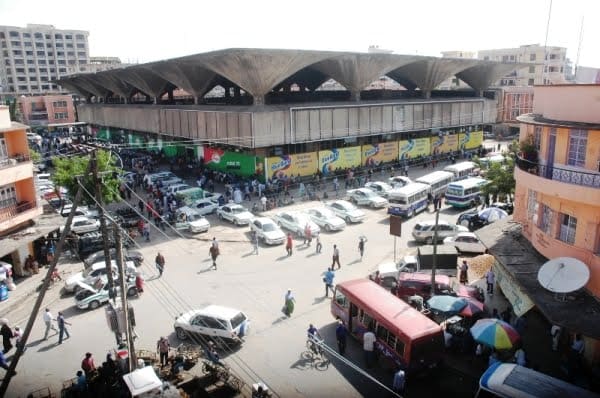
landmark
The dense commercial heart of the city. Keep valuables in front pockets and prepare for heavy crowds.
Perguntar ao Parley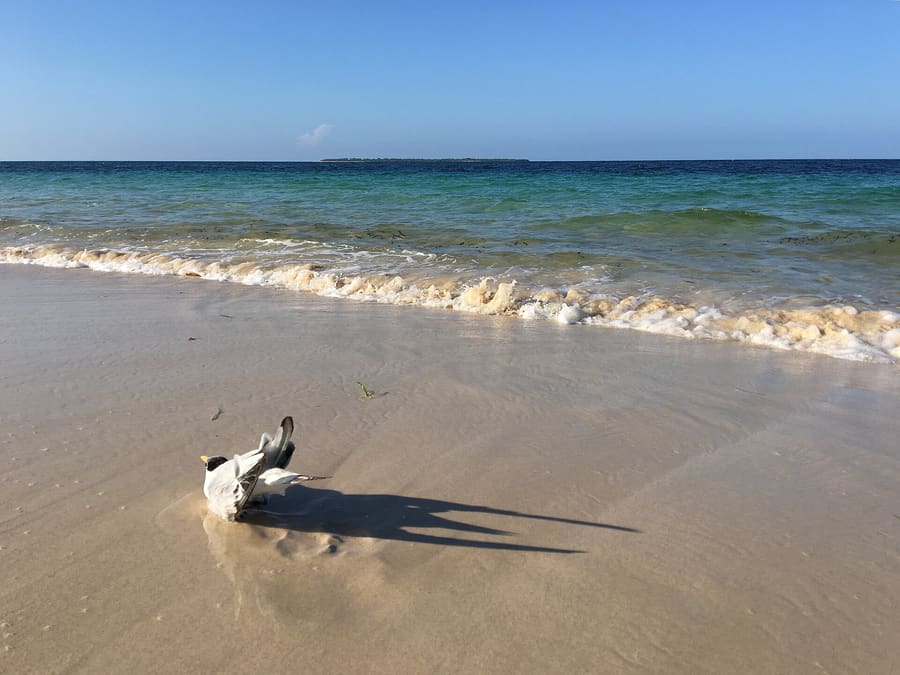
landmark
Uninhabited marine reserve thirty minutes by boat from Slipway. Bring your own water and shade gear.
Perguntar ao Parleyattractions
areas
Colonial-era government buildings, ferry docks, and financial institutions.
PertoZanzibar Ferry Terminal and Kivukoni Fish Market
Perguntar ao ParleyCoastal enclave packed with international restaurants, bars, and expat amenities.
PertoThe Slipway and Yacht Club
Perguntar ao ParleyHigh-density wholesale market district overflowing with hawkers and buses.
PertoKariakoo Market and central DART bus hub
Perguntar ao ParleyLeafy residential zone with high-end hotels, embassies, and beachside art stalls.
PertoCoco Beach and Tingatinga Arts Cooperative
Perguntar ao Parleyfood
Dar es Salaam dining centres on coastal Swahili traditions fused with Indian Ocean trade influences. Fresh seafood dominates near the coast, while street vendors grill meat skewers over open coals in every neighbourhood. Meals are practical, fragrant with coconut and cardamom, and cooked fresh daily.
Marinated beef or chicken skewers grilled over charcoal. Pair them with hot garlic sauce and hot chips.
French fries fried inside a fresh omelette, served with kachumbari tomato salad. Found at every street stand.
Whole grilled fish coated in a rich, spiced coconut sauce. Best eaten at seaside eateries along Kivukoni.
history
Dar es Salaam developed rapidly from a small fishing village into a major regional hub under successive rulers. Its deep natural harbour dictated its commercial importance across two centuries of Indian Ocean trade.
Founding by Majid bin Said
Sultan Majid bin Said of Zanzibar named the settlement Dar es Salaam, developing its natural harbour.
German colonial seat
German East Africa transferred its administrative capital here, constructing permanent harbour docks.
British rule begins
Britain took administration under a League of Nations mandate after World War I.
Tanganyika independence
The city became capital of independent Tanganyika, later Tanzania after merging with Zanzibar in 1964.
Official capital shift
Dodoma became the official capital, but Dar es Salaam retained all economic power and port trade.
where to stay
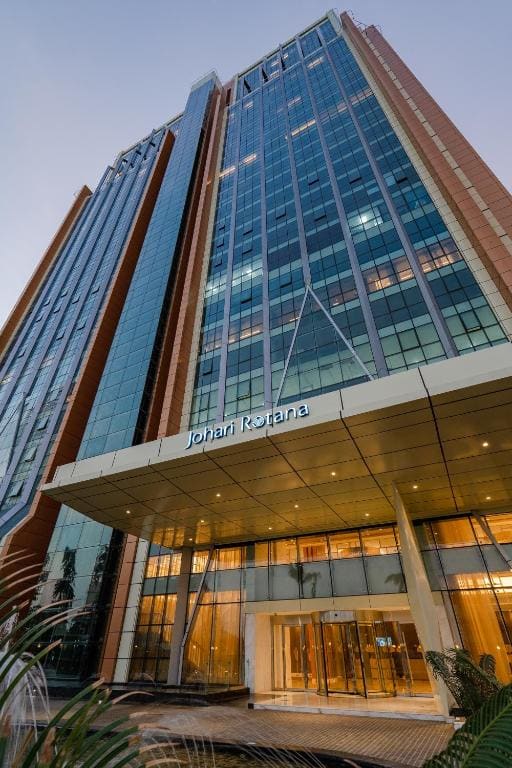
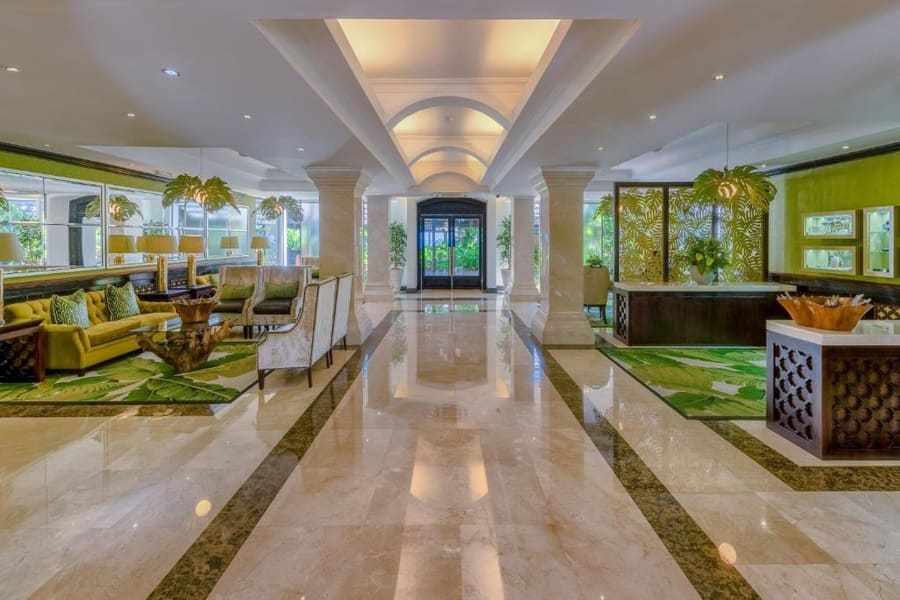
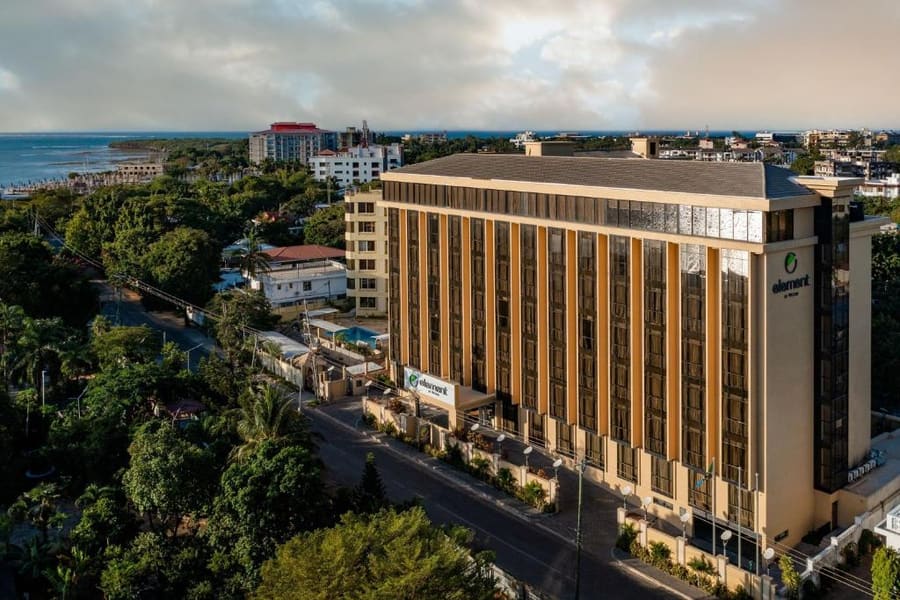
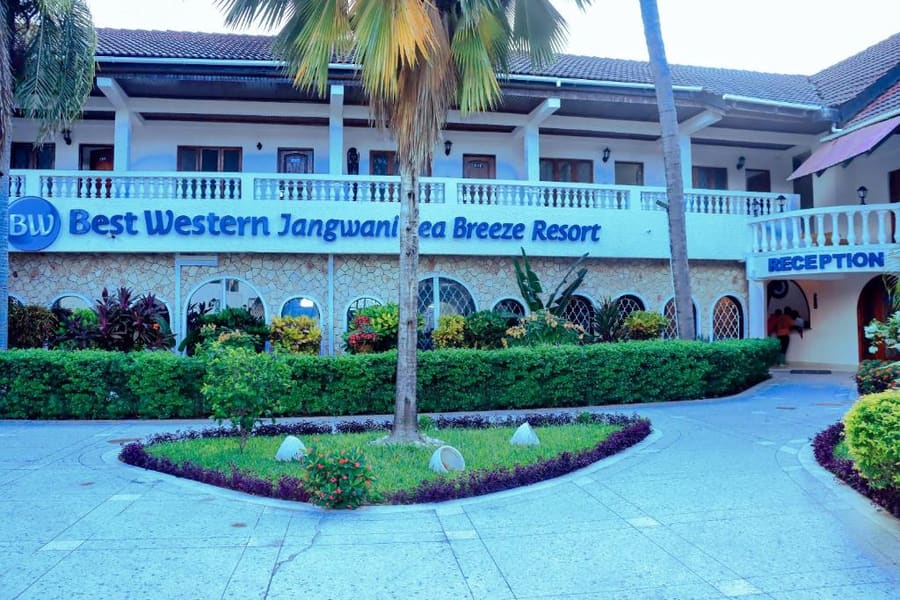
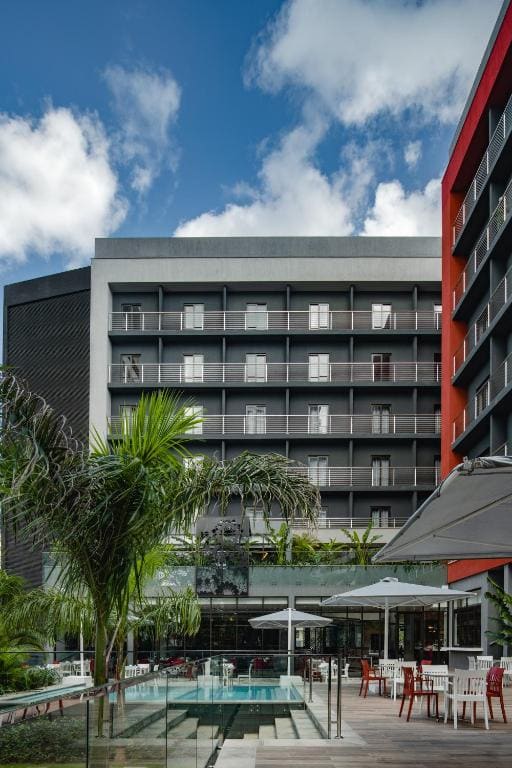
Choose your location based on your departure plans. Stays in Kivukoni save hours if taking early morning Zanzibar ferries. Staying on Msasani Peninsula puts you steps from modern restaurants and nightlife.
Live rates, matched to the areas above.
transport
Traffic jams in Dar es Salaam can lock central roads for hours during morning and evening rush hours. The DART bus network runs on isolated lanes, making it the fastest option across major cross-town routes.
De Julius Nyerere International Airport (DAR)
Negotiate and fix the price prior to closing the door; airport taxis use flat rates.
Uber and Bolt operate at Terminal 3; drivers may request cash payment.
DART connector buses require changing at Gerezani station.
Buy paper QR tickets at station booths before entering platforms. Buses run every few minutes on dedicated lanes.
Ideal for short distances within neighbourhoods like Msasani or Kariakoo. Always settle the fare before boarding.
Road traffic stalls between 07:00–09:00 and 17:00–19:30. Plan cross-city trips during mid-day windows.
Connects Kivukoni to Kigamboni across the creek. Pedestrians pay a small fee at automated turnstiles.
cost
Dar es Salaam caters to both low-cost local living and high-end expat budgets. Paying in Tanzanian Shillings yields better prices than paying in US Dollars for daily purchases.
Standard local price at roadside food stalls across all neighbourhoods.
Single ride price on the rapid transit system within city limits.
Covers a 2 to 4 kilometre trip within a single district.
Departs from The Slipway pier; park marine fees are charged separately.
seasonality
JUN – OCT
Cooler dry season with humidity at its lowest. Best time for walking tours and boat trips.
NOV – DEC
Short rains bring brief daily downpours. High temperatures return but road travel remains clear.
JAN – FEB
Hottest dry stretch of the year. Sea breezes help along coastal areas like Oyster Bay.
MAR – MAY
Heavy rains cause localized road flooding. Expect delays on unpaved streets and reduced boat services.
practicalities
Use ATMs inside bank branches in Kivukoni or shopping centres in Msasani to reduce skimming risks.
Dress modestly away from resort pools. Cover shoulders and knees when visiting central markets or government zones.
Local spoken time counts hours from sunrise (06:00 is 12:00 Swahili time). Check double-check appointment times.
Tap water is not drinkable. Buy sealed bottled water or use reliable filtration systems.
Avoid walking alone on quiet city beaches like Coco Beach after dusk.