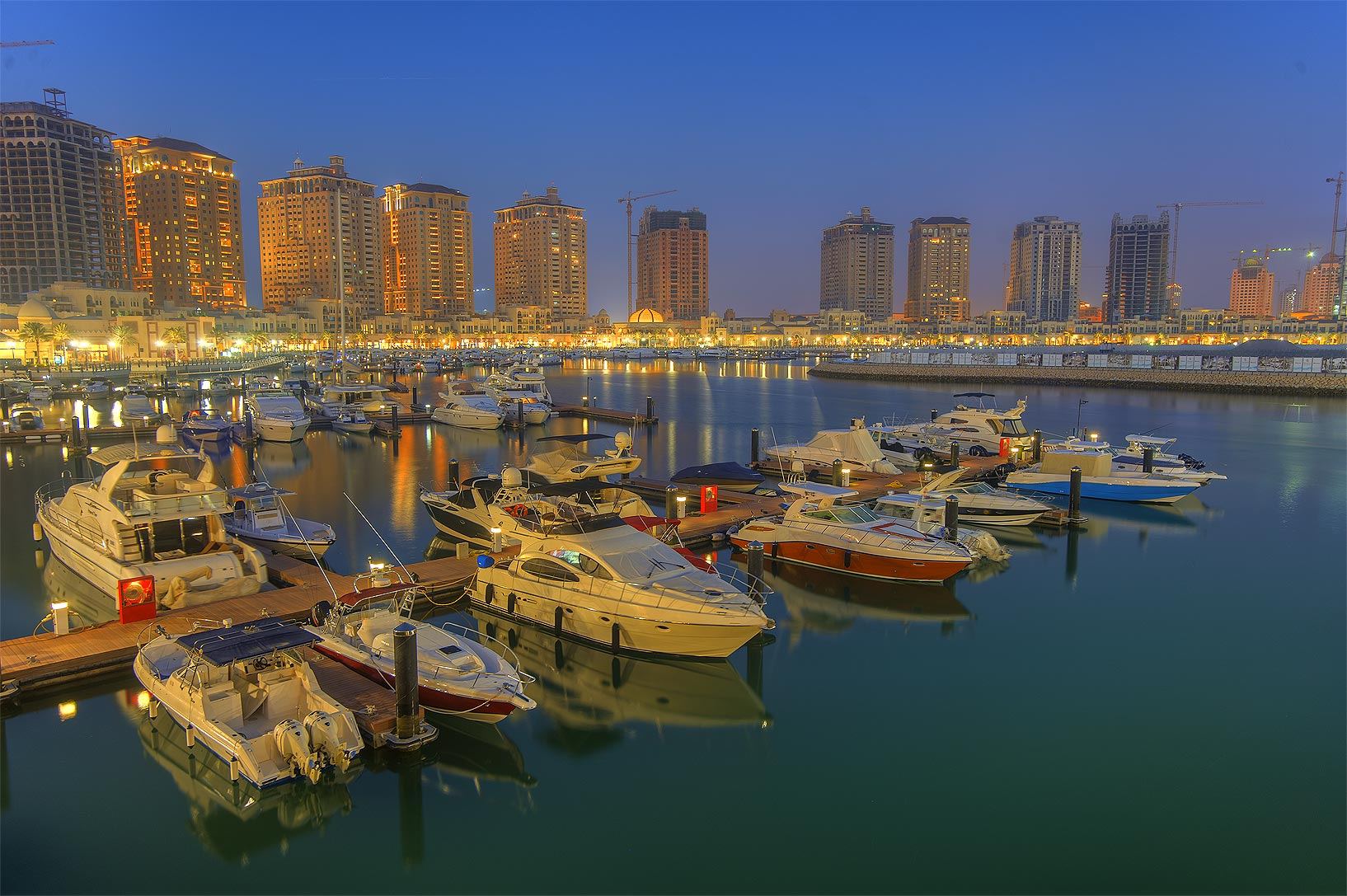
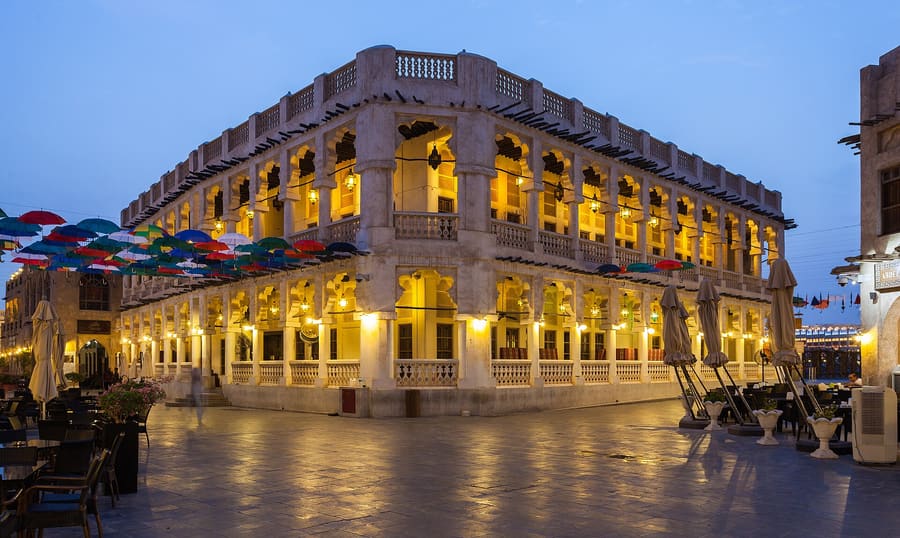
landmark
Souq Waqif
Restored 19th-century trading market. Visit after 17:00 when spice vendors and falconers open; mornings are mostly quiet.
Perguntar ao ParleyCatar
Air-conditioned modernism meets traditional Gulf trading.
introduction
Doha is built around a crescent bay on the Persian Gulf, where ultra-modern towers face traditional dhow boats. Moving between districts requires either the driverless Doha Metro or metered taxis, as summer heat renders walking impossible for half the year. High-end shopping and international dining dominate the north, while traditional souqs anchored in rebuilt heritage architecture anchor the south. Expect polished infrastructure, high prices for alcohol, and strict public decorum.
Airport transit trick
Hamad International Airport connects directly to the Red Line metro. A single journey costs 2 QAR, saving at least 50 QAR compared to airport taxis.
UNESCO heritage site
Al Zubarah Fort is Qatar's sole UNESCO World Heritage site, located 105 km north of Doha. It preserves an 18th-century pearling town.
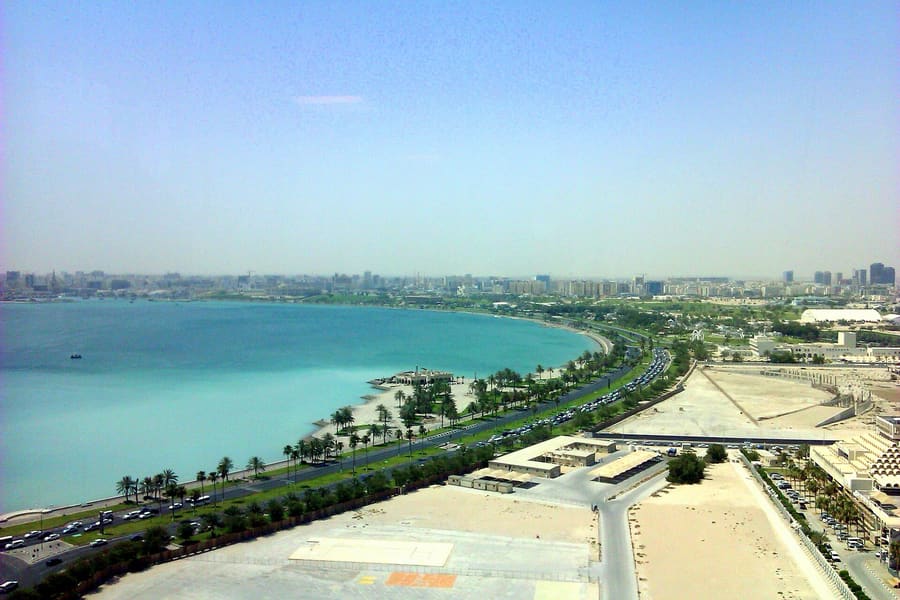
Doha
Spetsnaz 1991 · CC BY 2.0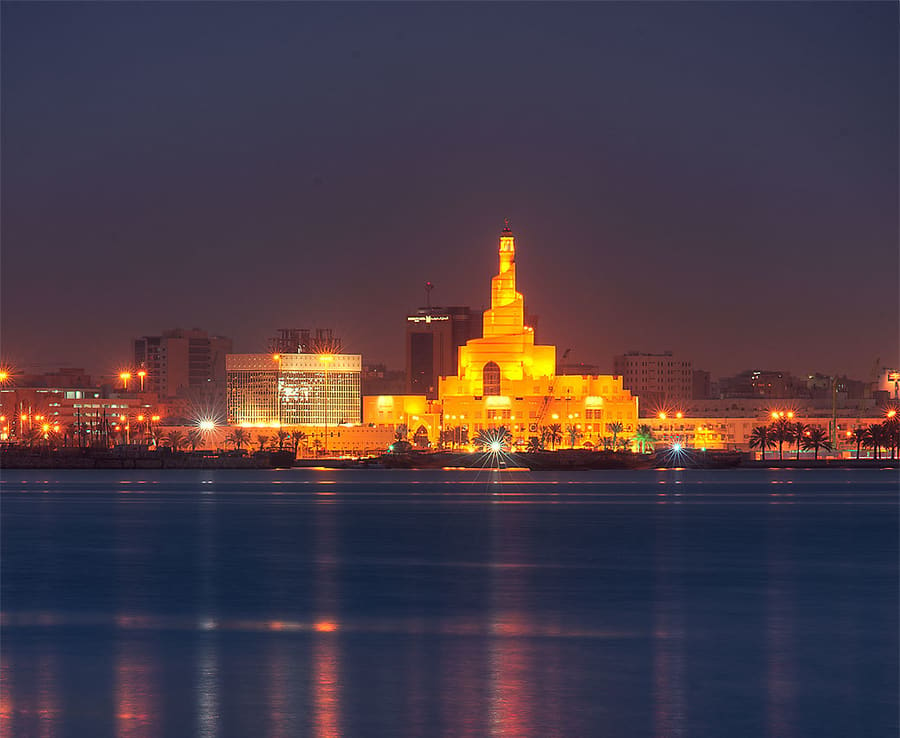
Souq Waqif & Msheireb — Pedestrian friendly heritage architecture combined with sleek modern sustainable urban planning.
Alex Sergeev (www.asergeev.com) · CC BY-SA 3.0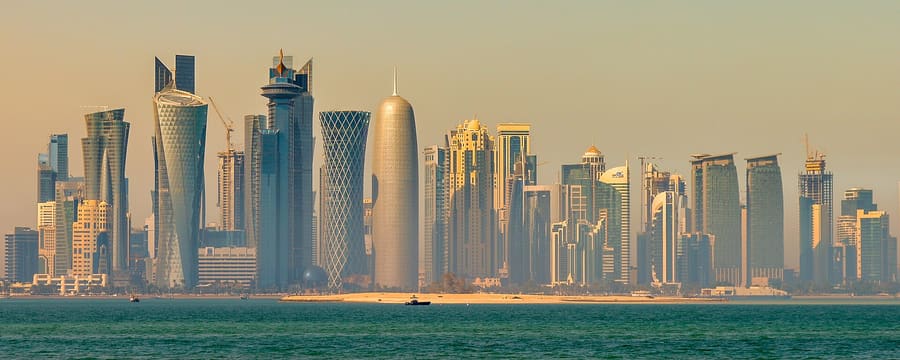
West Bay — High-rise commercial hub featuring luxury international hotels and skyscraper views.
Francisco Anzola · CC BY 2.0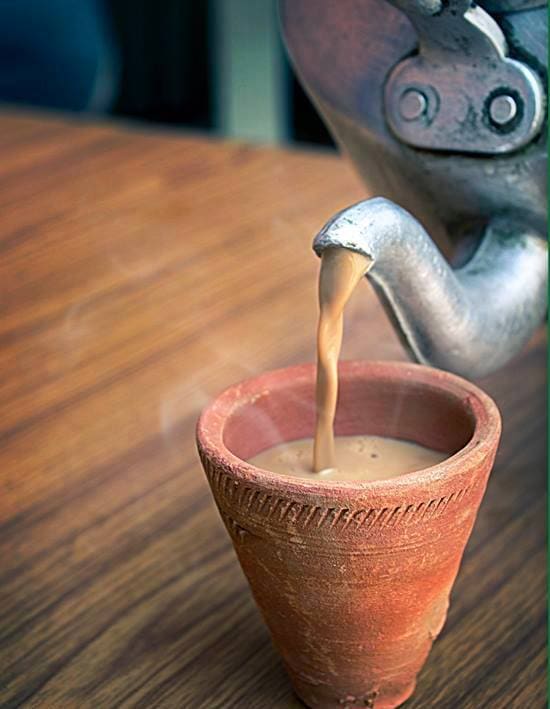
Sweet spiced karak tea served fresh from roadside stalls across Doha.
Dadhichbittu007 · CC BY-SA 4.0highlights
landmark
Restored 19th-century trading market. Visit after 17:00 when spice vendors and falconers open; mornings are mostly quiet.
Perguntar ao Parley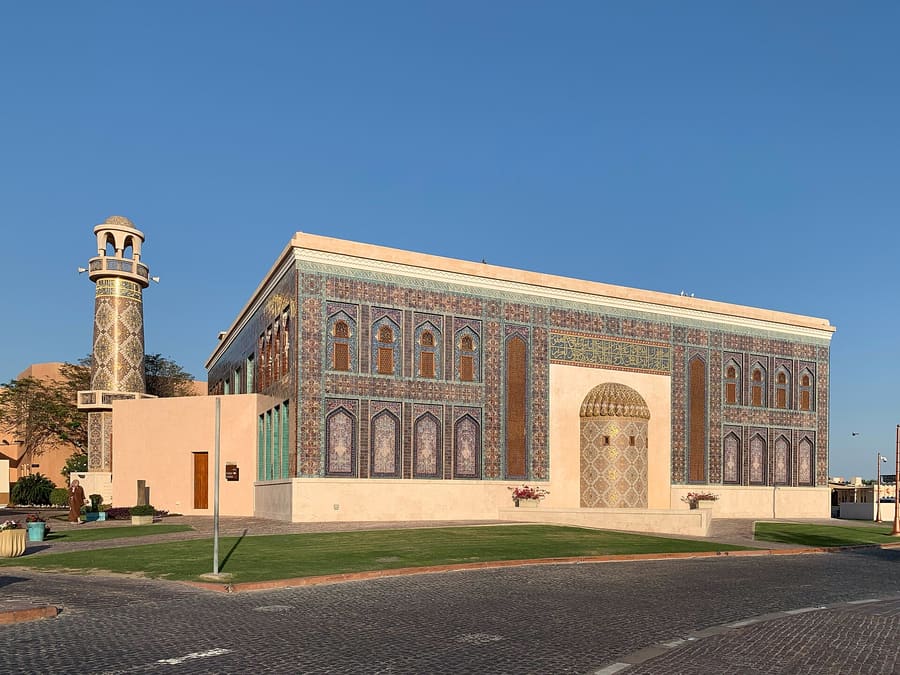
landmark
Purpose-built cultural complex with pigeon towers and an amphitheatre. Ride the free golf buggies to cross between venues.
Perguntar ao Parley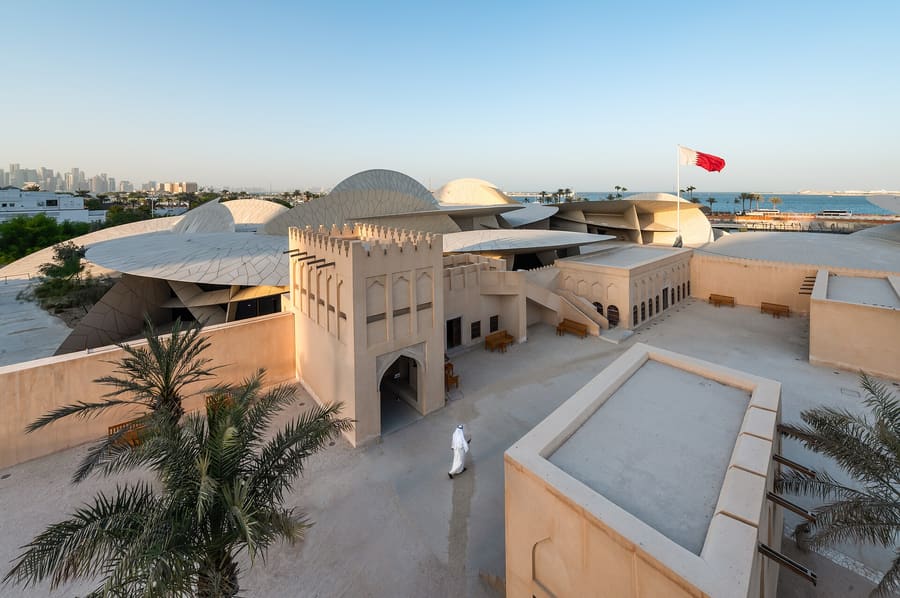
landmark
Jean Nouvel-designed desert rose building detailing Qatari history. Allow three hours to walk the 1.5-kilometre exhibition loop.
Perguntar ao Parley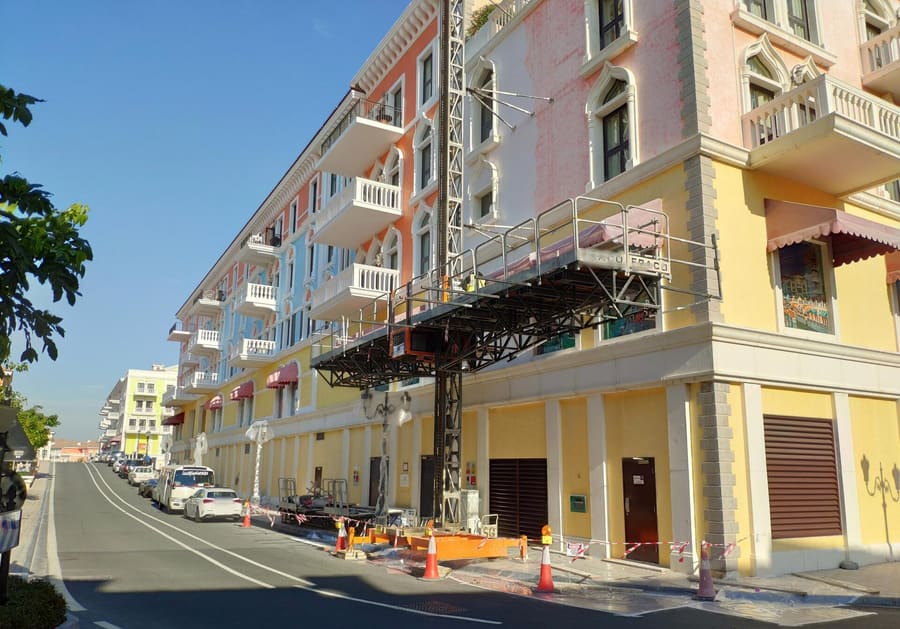
landmark
Man-made island with Venetian-style canals in Qanat Quartier. Take the water taxi between Porto Arabia towers for 25 QAR.
Perguntar ao Parley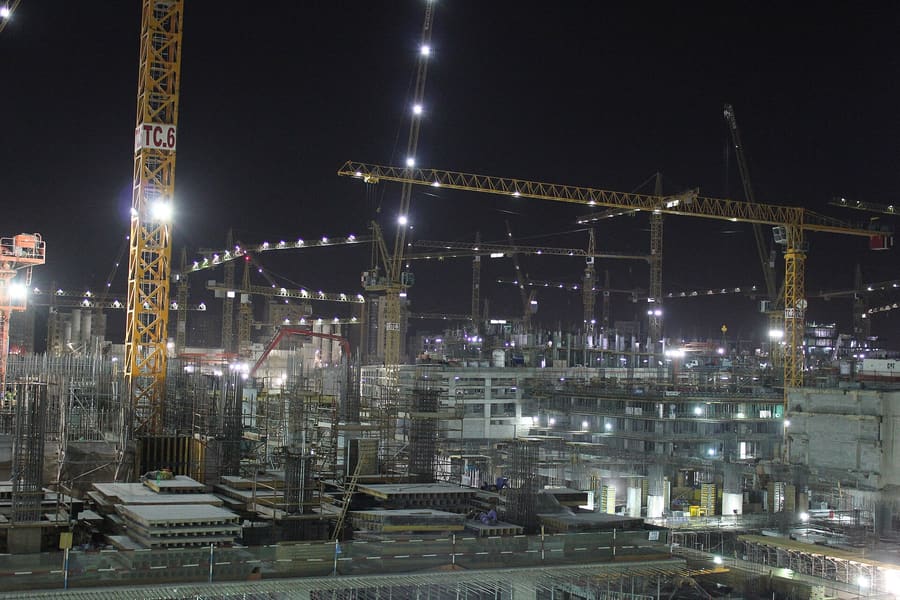
landmark
Sustainable urban district with shaded walkways and a free tram. Four restored heritage houses serve as free museums.
Perguntar ao Parleyattractions
areas
Pedestrian friendly heritage architecture combined with sleek modern sustainable urban planning.
PertoMuseum of Islamic Art and National Museum
Perguntar ao ParleyHigh-rise commercial hub featuring luxury international hotels and skyscraper views.
PertoDoha Corniche and City Center Mall
Perguntar ao Parley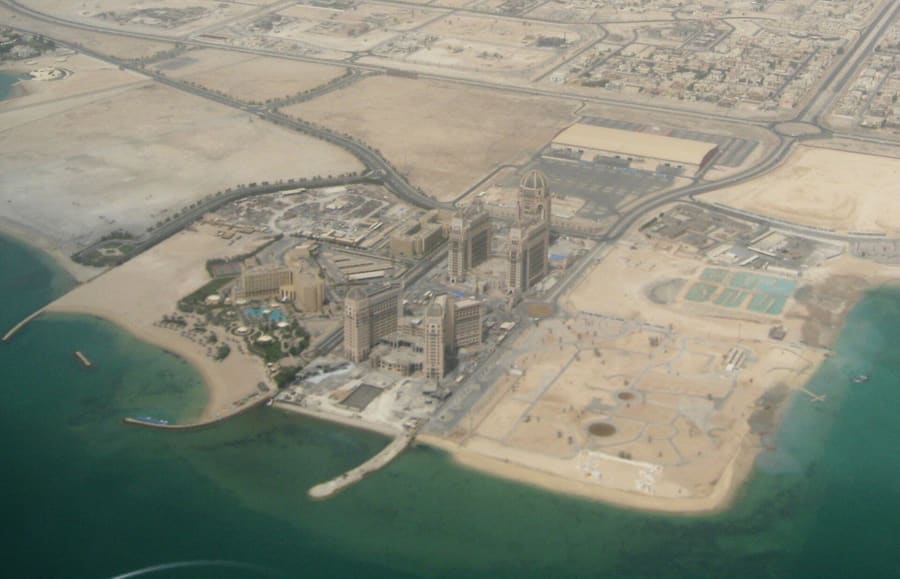
Cultural quarter anchored by beach access, performance venues, and landscaped hills.
PertoThe Pearl and West Bay
Perguntar ao ParleyUpscale waterfront enclave with marina promenades, luxury retail, and Mediterranean styling.
PertoLusail Marina and Katara
Perguntar ao Parleyfood
Qatari cuisine reflects maritime trade with India and East Africa. Spice blends dominated by dried lime, cardamom, and cinnamon define dishes like machboos, a fragrant rice plate served with slow-cooked lamb or fish. Karak tea—strong black tea boiled with evaporated milk, cardamom, and saffron—is consumed at all hours, typically bought from drive-through tea shops for 2 to 5 QAR.
Sweet spiced karak tea served fresh from roadside stalls across Doha.
Dadhichbittu007 · CC BY-SA 4.0Locals order karak and chapati without leaving their cars; tap your horn twice outside stalls in Souq Al Ali or Katara for service.
Restaurants stay quiet before 20:00. Peak dinner time runs from 21:00 to midnight, particularly on Thursday and Friday nights.
Alcohol is sold exclusively in licensed hotel restaurants and bars, or via the single state-run Qatar Distribution Company for non-Muslim residents.
history
Doha originated as a small pearling and fishing village known as Al Bidaa in the 19th century. The collapse of the natural pearl market in the 1930s impoverished the region until oil export began in 1949. Liquefied natural gas revenues from the 1990s onward transformed the skyline into a hyper-modern metropolis.
Battle of Al Bidaa
Doha is established as a distinct settlement during regional maritime conflicts in the Persian Gulf.
Oil Discovery
Oil discovered at Dukhan shifts Qatar away from collapse caused by the cultured pearl industry.
Independence
Qatar gains full independence from British protectorate status, establishing Doha as its capital.
LNG Exports Begin
North Field natural gas exports fund massive infrastructure projects, museum construction, and air transit hubs.
where to stay
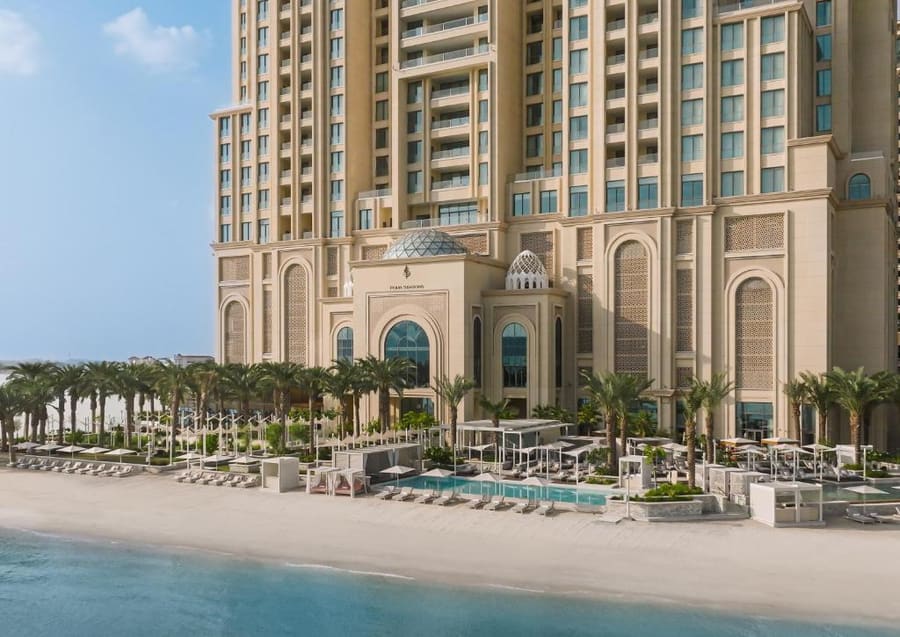
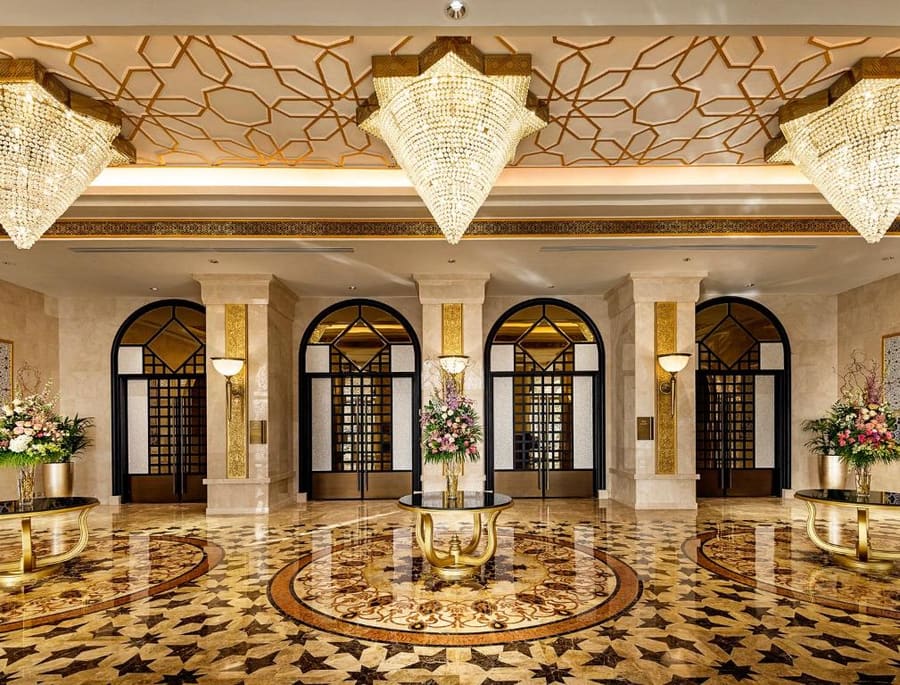
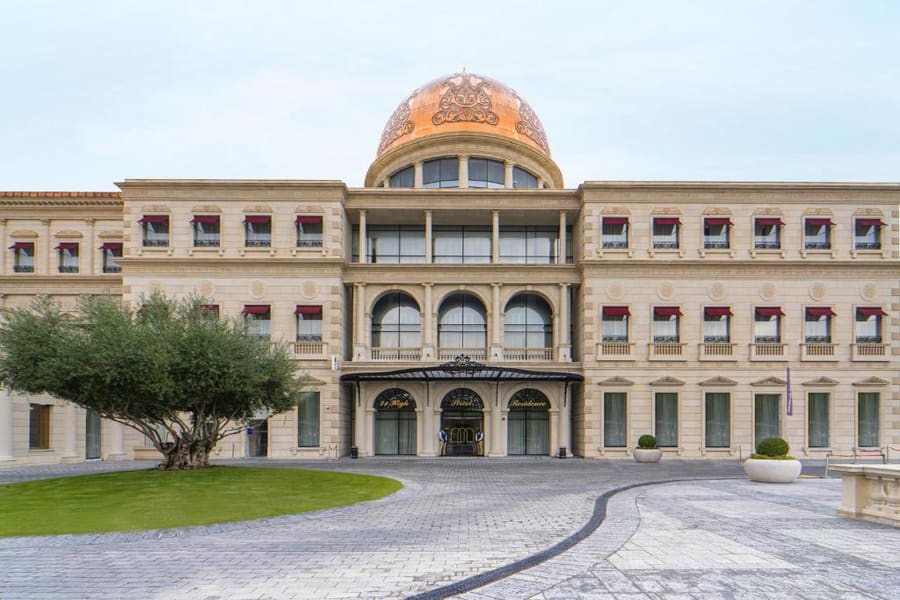
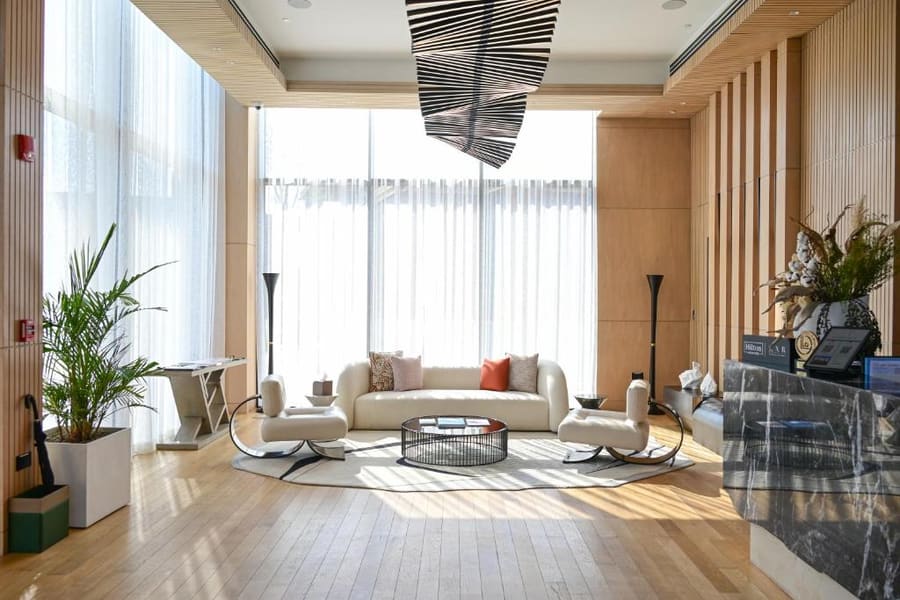
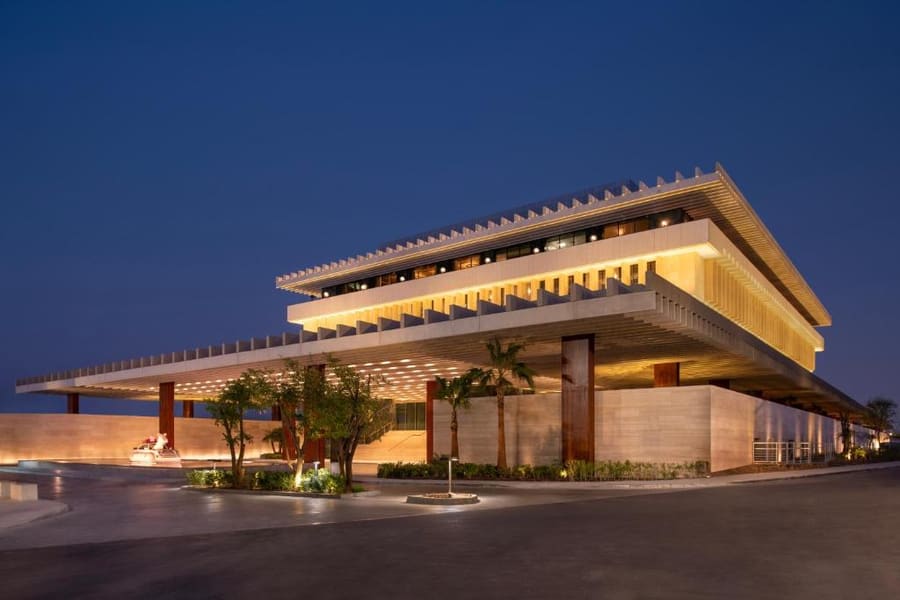
Choose your base based on whether you prefer historic walkability or air-conditioned resort isolation. Souq Waqif and Msheireb allow pedestrian exploration after sunset. West Bay puts you near corporate towers and high-end hotel bars, while The Pearl offers resort amenities at the cost of longer metro trips.
Live rates, matched to the areas above.
transport
Doha has built one of the world's most modern automated transit networks. The Doha Metro operates driverless trains on three lines covering all major tourist districts, while taxis fill the gaps.
De Hamad International Airport (DOH)
Doha Metro Red Line connects airport directly to Msheireb central station.
Karwa airport taxis use meters starting at 25 QAR base fare.
Uber operates legally; pick-up point is clearly signed at designated arrival lanes.
Mowasalat buses require a reloadable Karwa Smart Card purchased at the airport.
Driverless metro trains run on three lines (Red, Green, Gold). Standard single tickets cost 2 QAR; a day pass costs 6 QAR.
Buy a reusable standard travel card for 10 QAR at any station ticket machine using debit or credit card.
The Doha Metro network opens late on Fridays, starting service at 14:00 after midday prayers.
Metro trains reserve specific carriages for Gold Club pass holders and families with children; check floor signs before boarding.
cost
Doha operates on the Qatari Riyal (QAR), pegged to the US Dollar at approximately 3.64 QAR to 1 USD. Local transit and street tea are remarkably cheap, whereas alcohol and fine dining incur heavy luxury taxes.
Available at street stalls; premium coffee shops charge 15–25 QAR for specialty espresso.
Unlimited travel across all three metro lines until service closes for the night.
Covers local traditional dishes or casual Arabic dining without alcohol.
High excise tax makes alcohol expensive; check hotel happy hours between 17:00 and 20:00 for discounts.
seasonality
NOV – FEB
Temperatures range 18–26°C. Perfect for walking along the Corniche and sitting outdoors at night.
MAR – APR
Warm days around 28–34°C. Good balance of outdoor weather before summer heat sets in.
MAY – JUN
Temperatures exceed 40°C. Life shifts indoors; hotel room rates drop significantly.
JUL – AUG
Extreme heat over 45°C with high humidity. Outdoor sightseeing is practically impossible.
SEP – OCT
Humidity remains high while temperatures slowly decrease to 35°C. Evenings become tolerable.
practicalities
Cover shoulders and knees in public spaces like malls and souqs. Beachwear is restricted to private hotel pools.
Avoid outdoor activities between 10:00 and 16:00 from May to September to prevent heat exhaustion.
Credit cards and contactless payments are accepted almost everywhere, including taxis and market vendors.
The weekend runs Friday and Saturday. Many shops close on Friday mornings and reopen after 13:00.
Ask permission before taking photos of individuals, particularly Qatari women and government buildings.