attraction
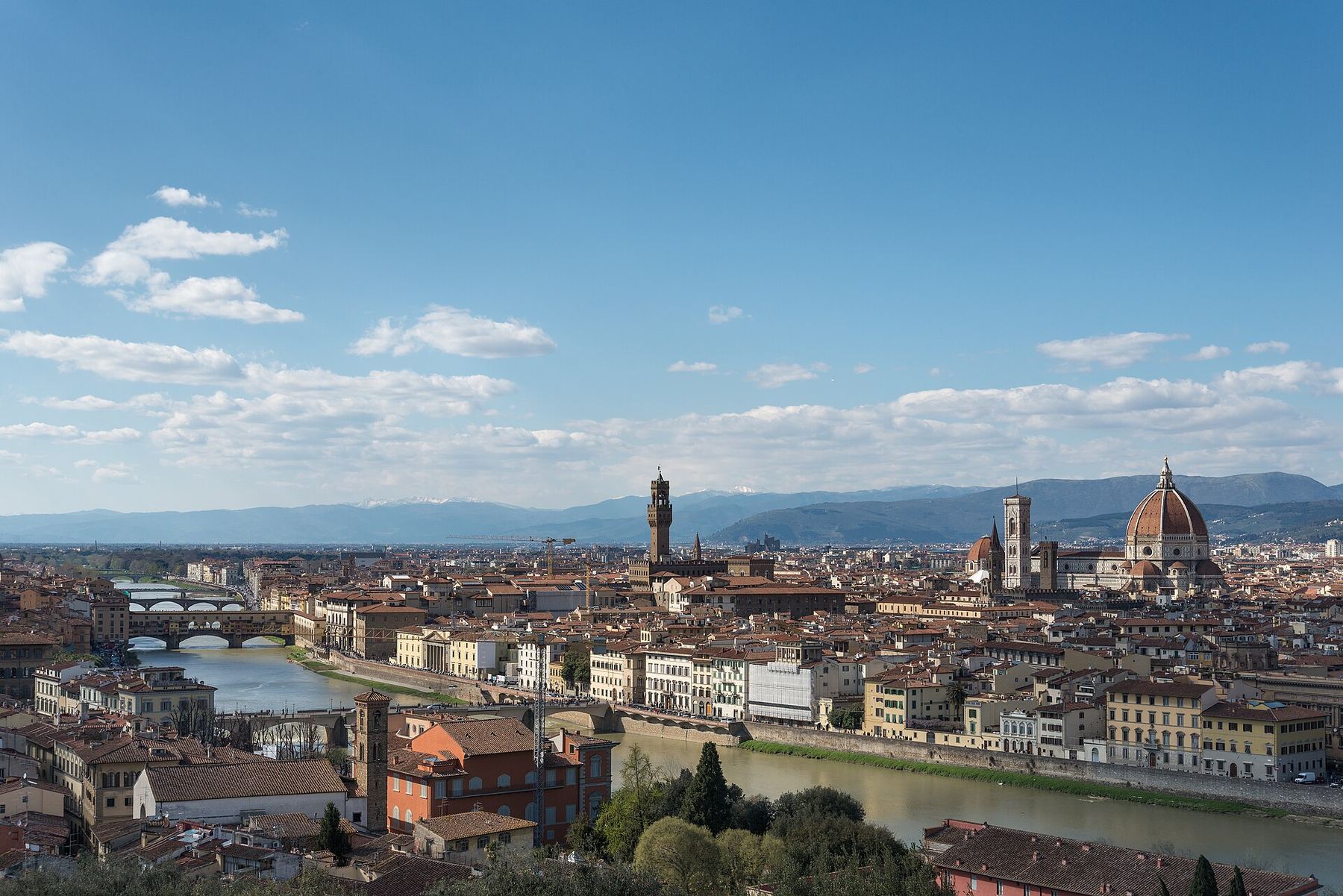
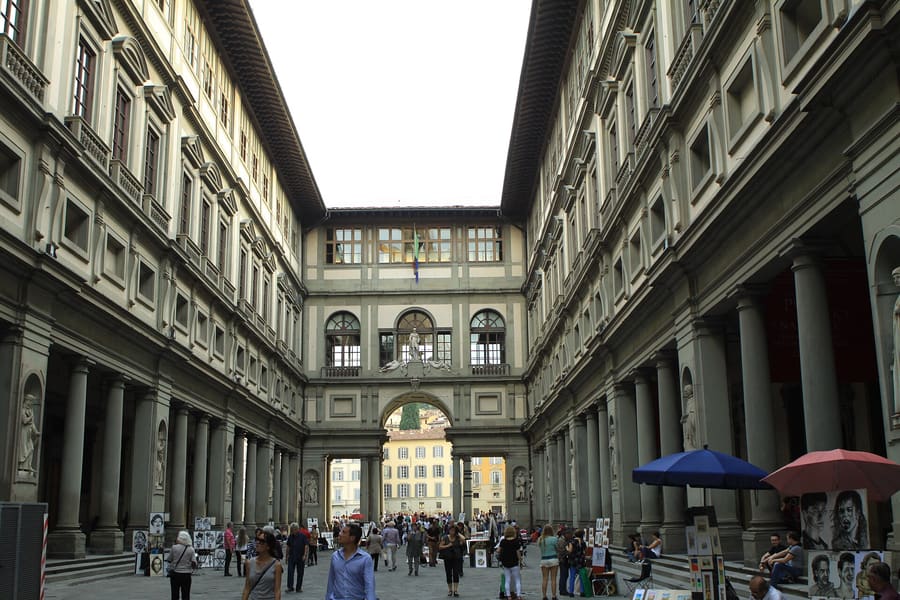
Uffizi Gallery
Home to premier Renaissance masterpieces. Book timed tickets online at B-Ticket weeks early to skip multi-hour queue lines.
Perguntar ao ParleyItália
Renaissance architecture, packed alleys, and serious beef.
introduction
Florence is a compact, open-air museum where high art sits alongside heavy traffic and dense crowds. You can walk across the entire historic center in twenty minutes, but navigating the museum queues takes far longer. Expect narrow stone alleys, medieval stone palazzi, and an intense focus on Tuscan culinary traditions. Success here depends on booking museum slots weeks in advance and stepping off the primary tourist axes.
Airport arrival
Tramway T2 connects Peretola Airport to Santa Maria Novella train station in 20 minutes for €1.70.
UNESCO status
The entire historic center became a UNESCO World Heritage site in 1982 for its Renaissance architecture.
Museum planning
State museums offer free entry on the first Sunday of each month, but queues often exceed two hours.
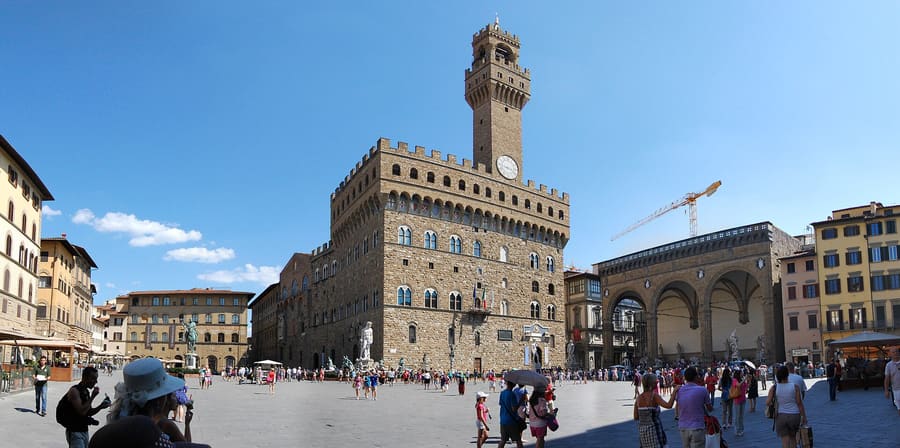
Florence
Zolli · CC BY-SA 3.0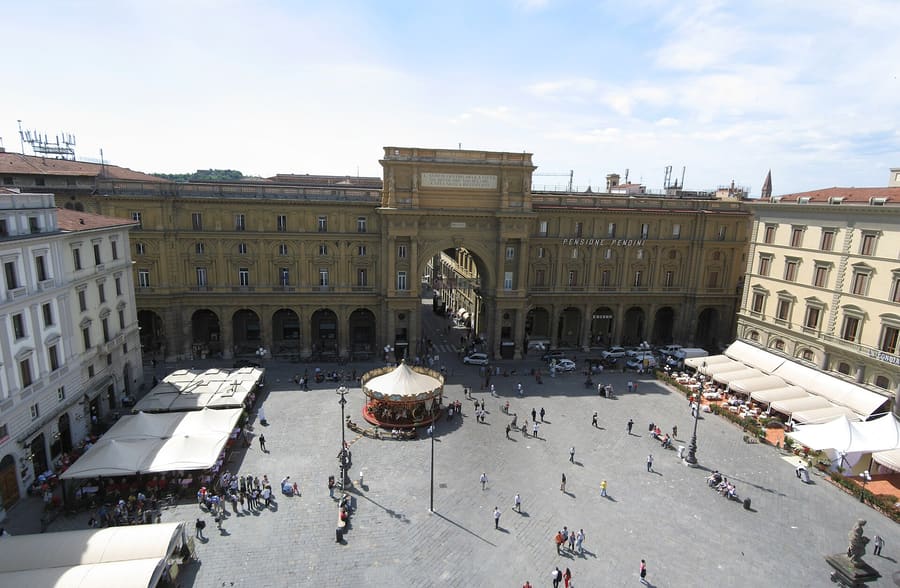
Centro Storico — Dense core surrounding the Duomo. Packed stone streets, heavy pedestrian traffic, high prices.
Of the individual pictures, Gryffindor, of the panorama, Roland Geider (Ogre) · CC BY 3.0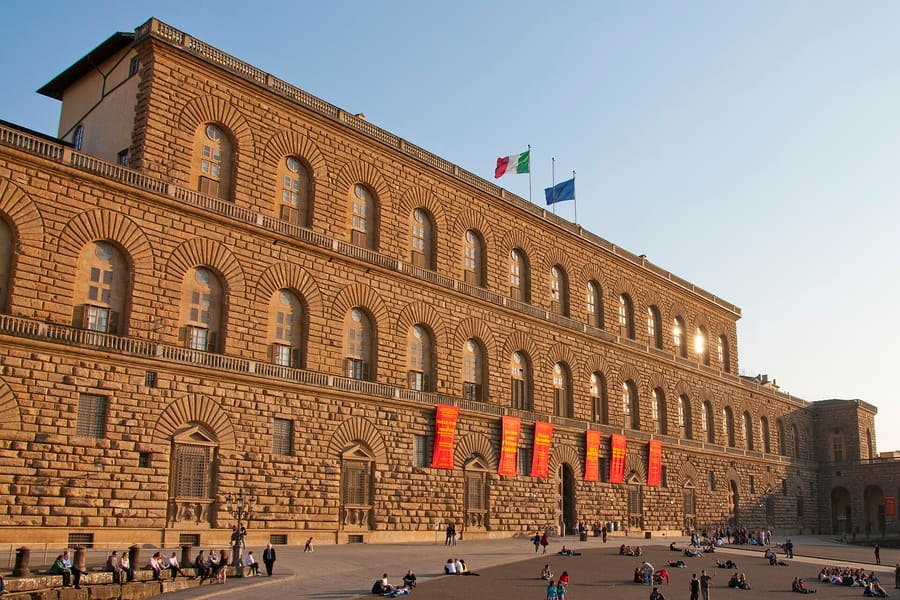
Oltrarno — South bank district. Artisan workshops, lively public piazzas, and local evening wine bars.
Almaak · CC BY-SA 3.0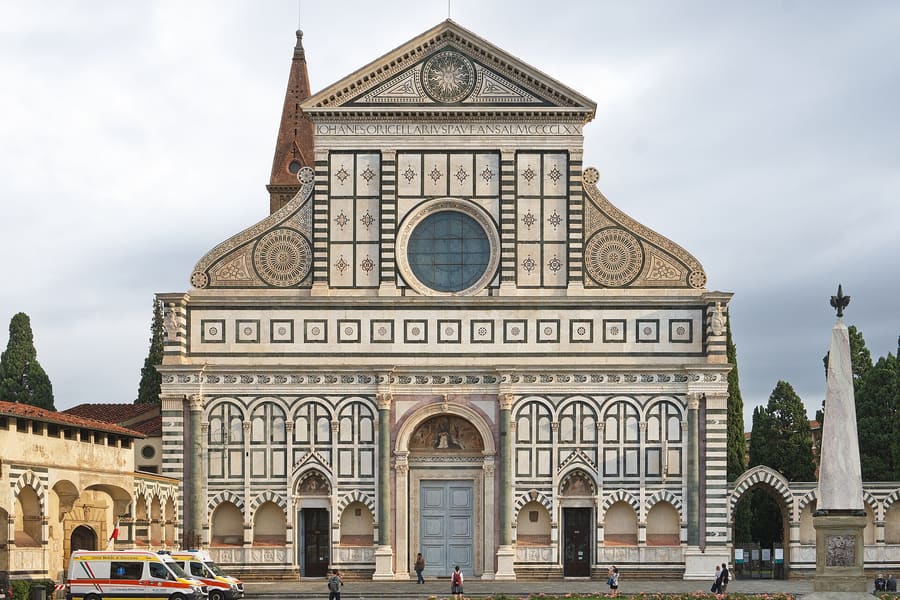
Santa Maria Novella — Transit hub neighborhood. Excellent rail connectivity, grand basilicas, mixed commercial streets.
Armin Kleiner · CC BY-SA 4.0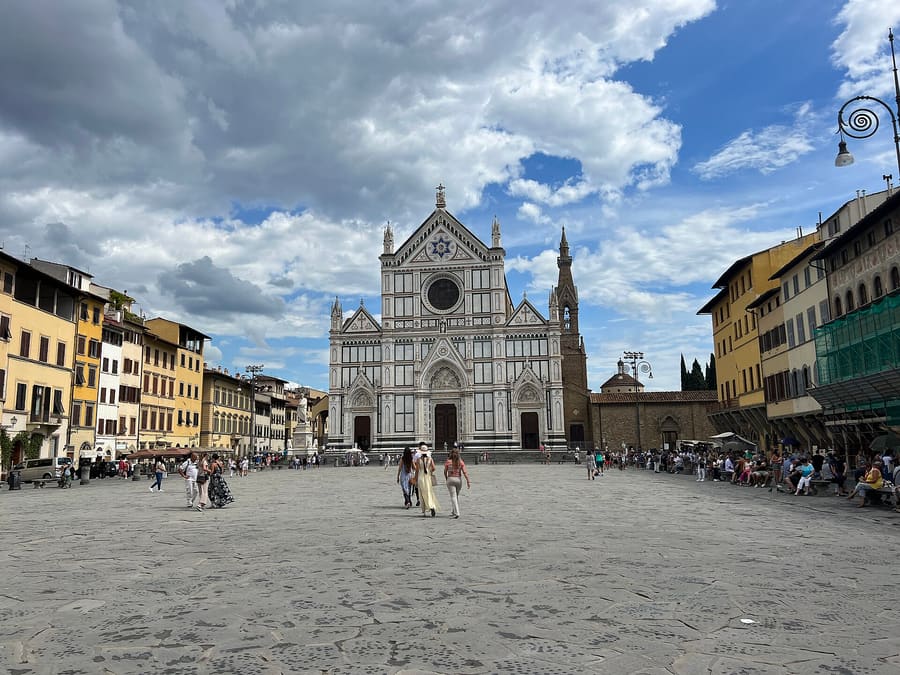
Santa Croce — Eastern historic sector. Residential pockets mixed with vibrant trattorias and leather markets.
Chabe01 · CC BY-SA 4.0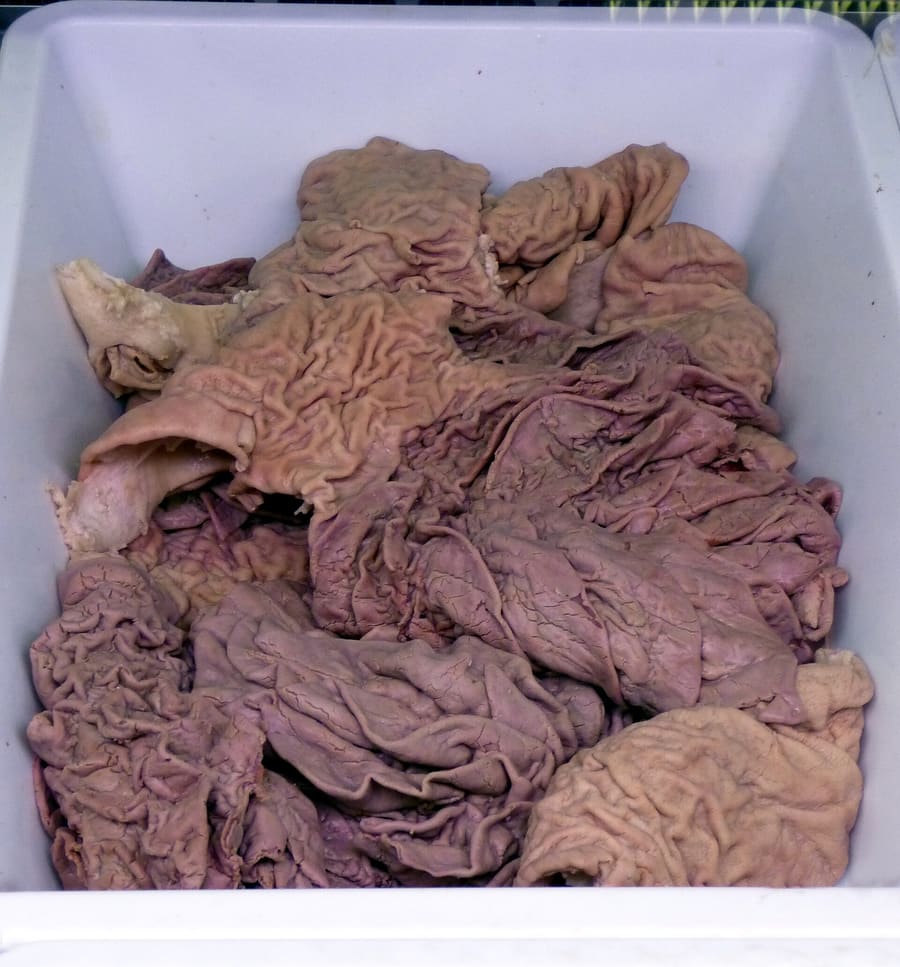
A traditional lampredotto sandwich served at a street cart near Mercato Nuovo.
Lucarelli · CC BY-SA 3.0highlights
attraction
Home to premier Renaissance masterpieces. Book timed tickets online at B-Ticket weeks early to skip multi-hour queue lines.
Perguntar ao Parley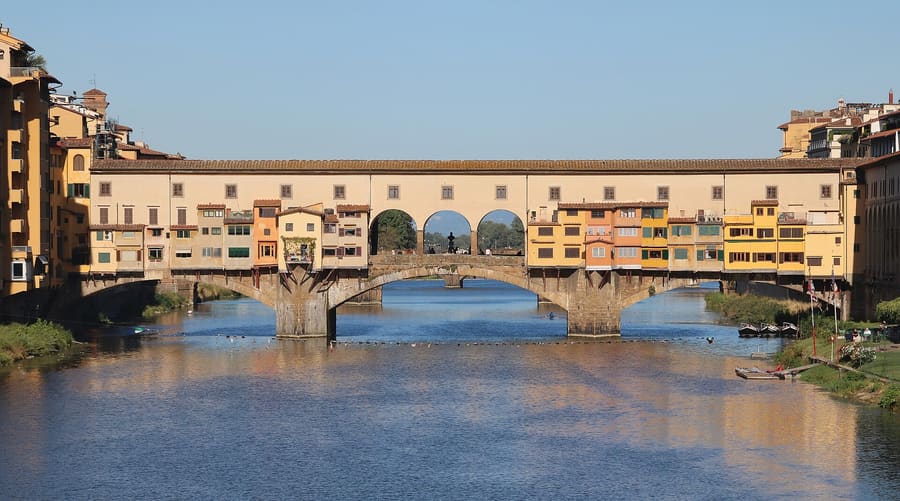
landmark
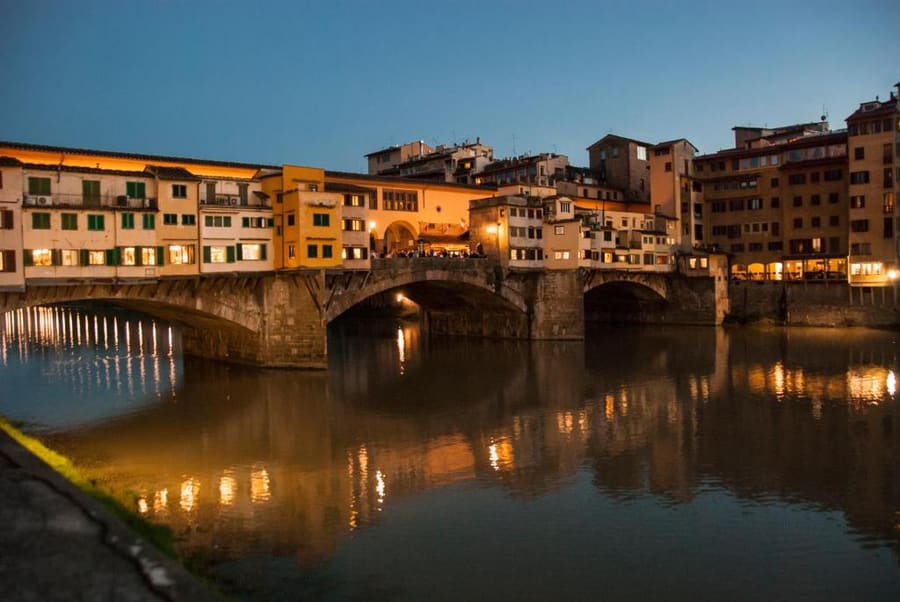
Medieval stone bridge lined with goldsmith shops. Cross early in the morning before midday foot traffic gridlocks the passage.
Perguntar ao Parley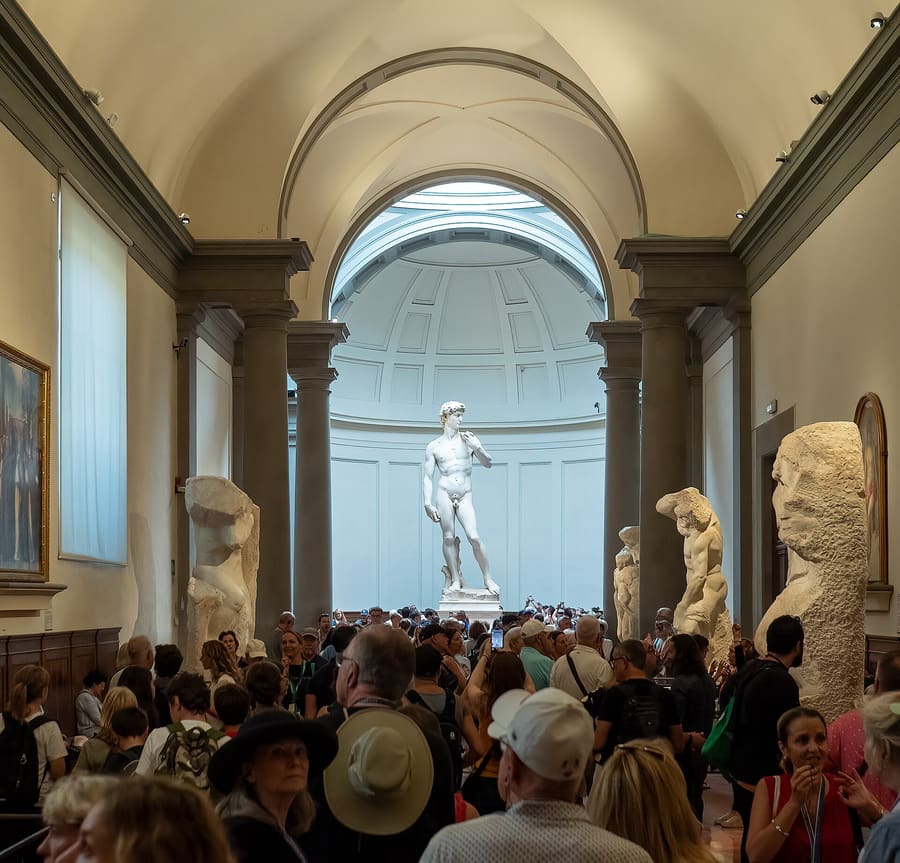
museum
Houses Michelangelo's David. Reserve the first morning entry slot to view the sculpture without dense gallery crowds.
Perguntar ao Parley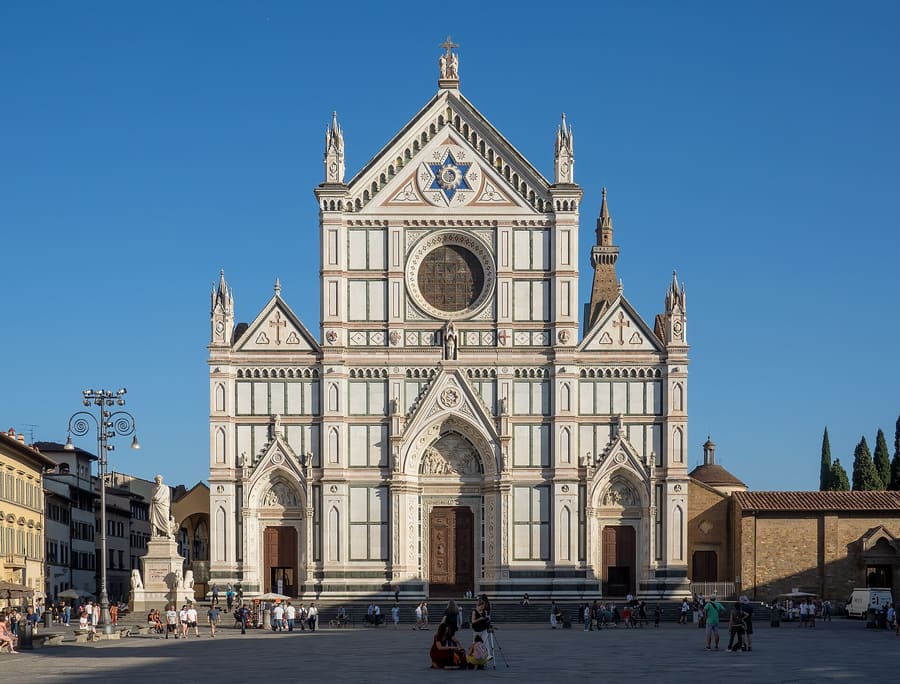
landmark
Franciscan church holding tombs of Michelangelo, Galileo, and Machiavelli. Entry tickets are purchased at the side arcade.
Perguntar ao Parley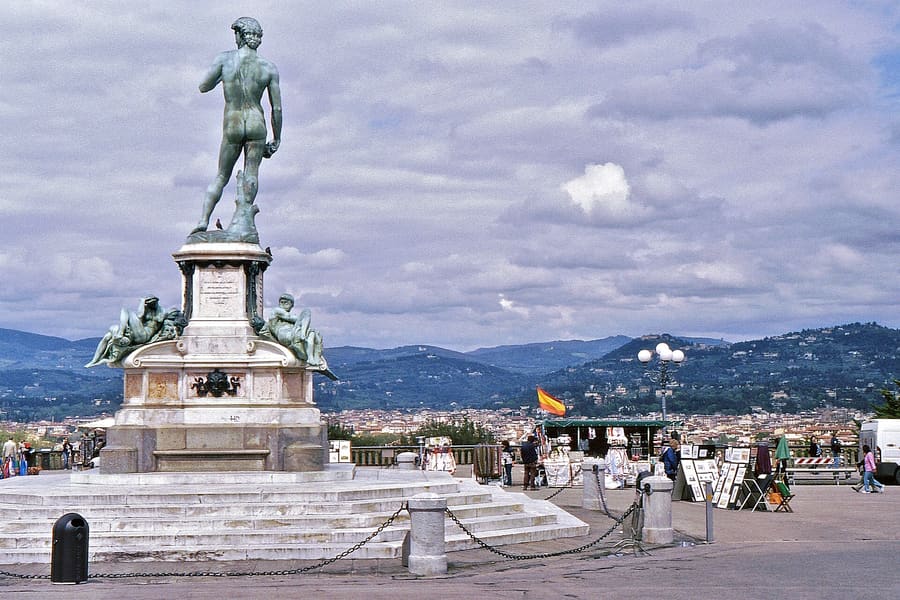
landmark
Elevated terrace delivering panoramic city views. Walk up via Poggi ramps rather than taking congested city buses.
Perguntar ao Parleyattractions
areas
Dense core surrounding the Duomo. Packed stone streets, heavy pedestrian traffic, high prices.
PertoDuomo, Uffizi Gallery, Piazza della Signoria
Perguntar ao ParleySouth bank district. Artisan workshops, lively public piazzas, and local evening wine bars.
PertoPitti Palace, Boboli Gardens, Santo Spirito
Perguntar ao ParleyTransit hub neighborhood. Excellent rail connectivity, grand basilicas, mixed commercial streets.
PertoCentral Train Station, Mercato Centrale, Basilica SMN
Perguntar ao ParleyEastern historic sector. Residential pockets mixed with vibrant trattorias and leather markets.
PertoSanta Croce Basilica, Sant'Ambrogio Market
Perguntar ao Parleyfood
Florentine food relies on rustic simplicity, offal, and thick cuts of beef cooked over open embers. The flagship dish is bistecca alla fiorentina, a massive T-bone steak priced by weight and served rare by default. Asking for a steak well-done in a traditional Florentine trattoria is considered an error, and many chefs will refuse the request outright.Street food centers on lampredotto, the cooked fourth stomach of a cow served on a soaked bread roll with green sauce. You buy it from metal kiosks run by vendors called trippai parked across municipal squares. Saltless bread forms the base of local soups like ribollita, a re-boiled vegetable stew hardened with day-old loaves.
A traditional lampredotto sandwich served at a street cart near Mercato Nuovo.
Lucarelli · CC BY-SA 3.0Order bistecca alla fiorentina by weight, usually starting at 1kg for two people. It is cut thick and served rare.
Trippai stalls serve lampredotto from 10:00 to 19:00. Queue alongside local tradespeople for quick standing service.
Look for buchette del vino carved into historic palace walls. Several bars now pass glass orders directly through these tiny stone hatches.
history
Florence grew from a Roman military settlement into a medieval trade powerhouse powered by wool manufacturing and banking. The gold florin became the standard commercial currency across Western Europe. Financial dominance allowed elite mercantile families, notably the Medici, to fund unprecedented artistic and architectural works.The city served as the incubator of the Italian Renaissance throughout the 15th century. Artists like Donatello, Botticelli, and Brunelleschi overhauled classical sculpture, painting, and engineering under Medici patronage. Political strife repeatedly interrupted rule, including the fanatical religious dictatorship of Girolamo Savonarola in the 1490s. Florence eventually transitioned into the Grand Duchy of Tuscany before joining unified Italy in 1861.
Roman foundation
Julius Caesar establishes the settlement of Florentia for veteran soldiers along the narrowest point of the Arno River.
The Gold Florin
Florence mints its official gold currency, establishing the city as the primary financial exchange capital of Europe.
Dome completed
Filippo Brunelleschi completes the dome of Santa Maria del Fiore without external wooden scaffolding.
Uffizi constructed
Cosimo I de' Medici orders Giorgio Vasari to build magistrate offices, which later evolve into the famous art gallery.
where to stay
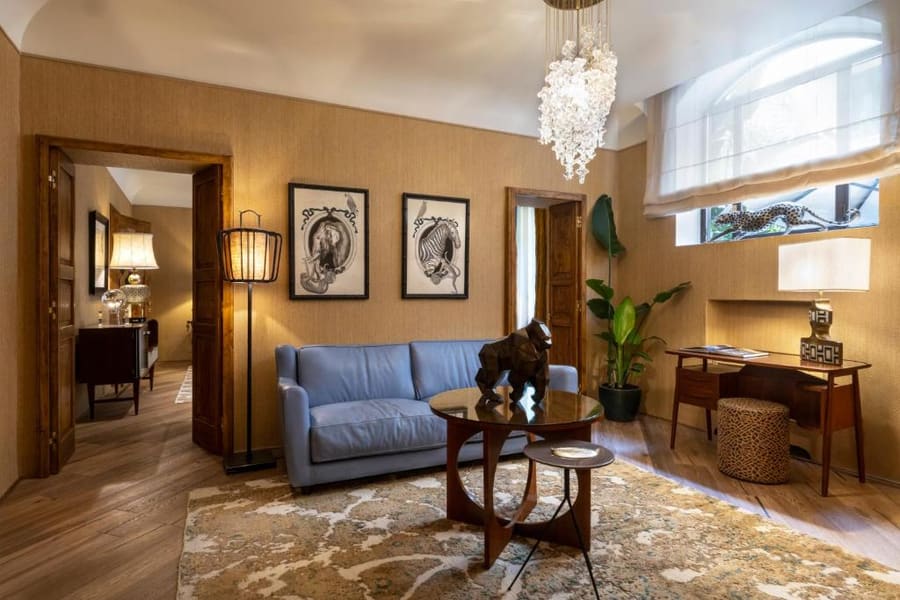
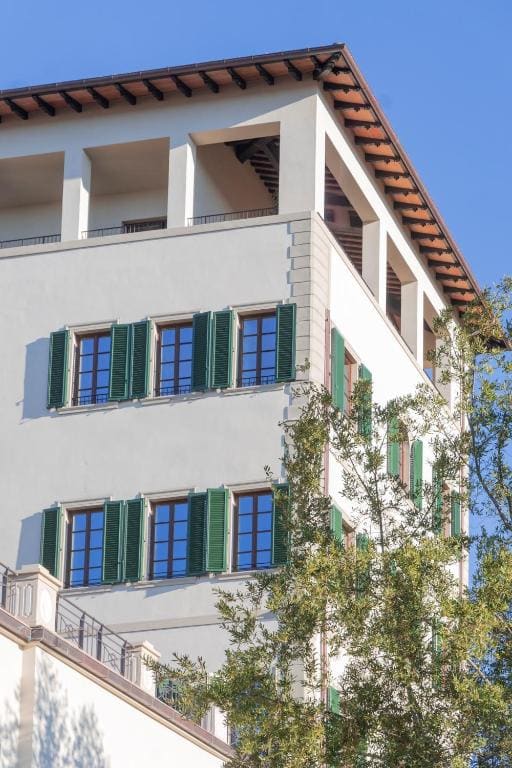
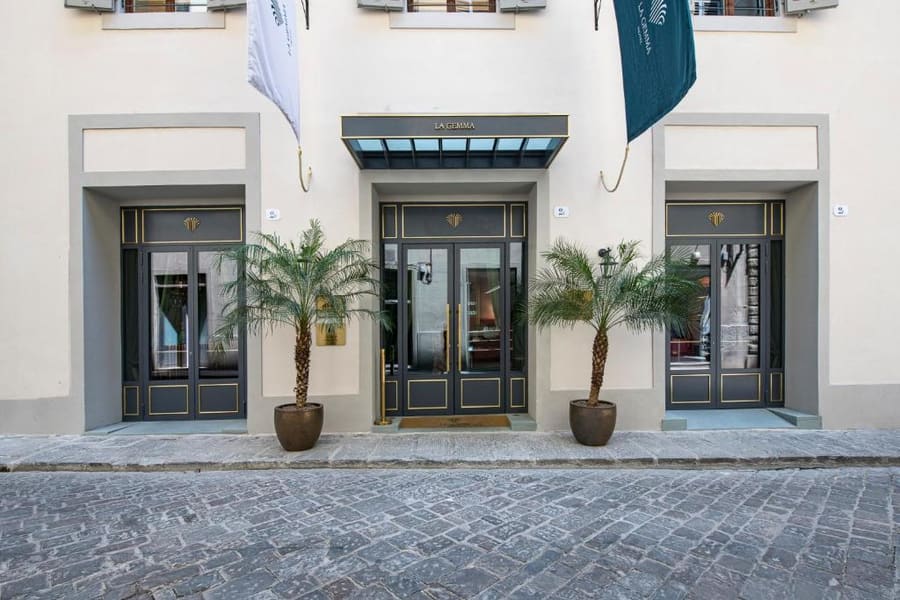
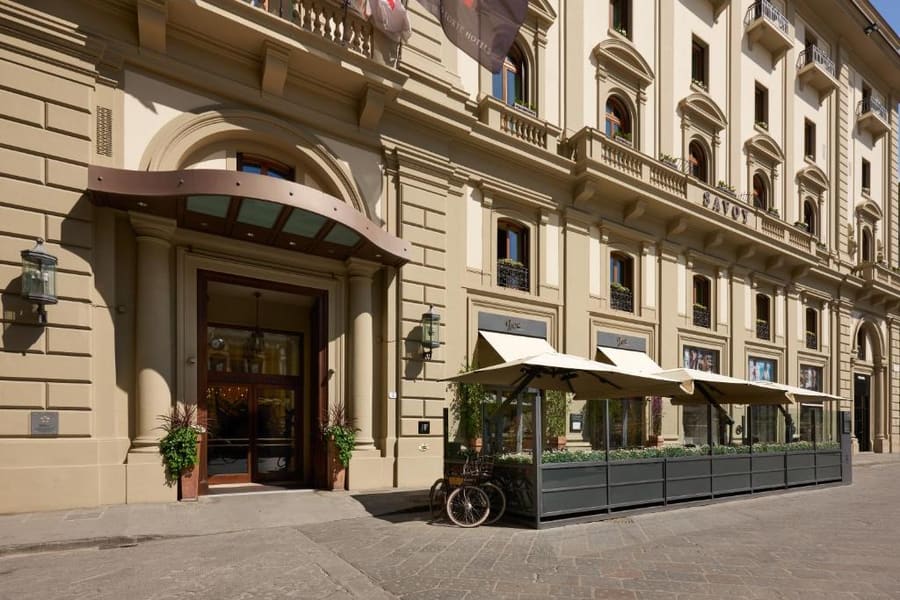
Choose your location based on your walking tolerance and transit plans. The entire historic core prohibits unauthorised cars, meaning you carry luggage over cobblestones from taxi drop points. Staying near Santa Maria Novella station saves time on travel days, while Oltrarno offers quieter evenings and lower restaurant prices across the river.
Live rates, matched to the areas above.
transport
Florence is built for walking. Driving inside the historic center (ZTL zone) generates automated fines sent directly to rental agencies. Electric city buses navigate tight alleys, but on-foot movement is consistently faster for distances under two kilometers.
De FLR
Line T2 runs directly from Amerigo Vespucci Airport to SMN train station.
Fixed airport rate plus luggage surcharges apply at official ranks.
Buy tram tickets at automated machines before boarding. Validate the paper ticket inside the carriage slot instantly.
Cameras photograph non-resident license plates entering the central ZTL zone. Fines start above €100 per entry.
You cannot hail moving taxis on Florentine streets. Pick up rides at designated street ranks or phone dispatch services.
cost
Prices in Florence spike near the Duomo and Piazza della Signoria. Moving two streets back from major monuments immediately drops coffee and meal costs. Sitting down at a sidewalk café table adds a service charge compared to standing at the espresso bar counter.
Standard price when consumed standing up at the counter.
Inexpensive street lunch sold across tripe stalls.
Priced by weight at traditional city trattorias.
Valid for 90 minutes across trams and local city buses.
seasonality
MAR – MAY
Mild weather ideal for walking. Museum lines build up fast; book admission weeks early.
JUN – AUG
Intense afternoon heat. Peak tourist volume and long entry queues across central monuments.
SEP – NOV
Warm autumn days aligned with Tuscan wine harvests. Moderate crowds in early November.
DEC – FEB
Chilly weather and high rain chances. Shortest museum wait times of the calendar year.
practicalities
The Uffizi and Galleria dell'Accademia close every Monday. Plan visits for mid-week days to avoid compressed Tuesday crowds.
Shoulders and knees must be covered inside churches like the Duomo and Santa Croce. Guard staff enforce rules strictly.
Municipal restrooms cost €1 cash. Buying a coffee at a café grants access to customer facilities by law.
Free drinking water flows from public fontanelle fountains. Look for green cast-iron posts across central squares.
Boboli Gardens require a separate entrance ticket from the Pitti Palace. Combined pass options save overall cost.