landmark
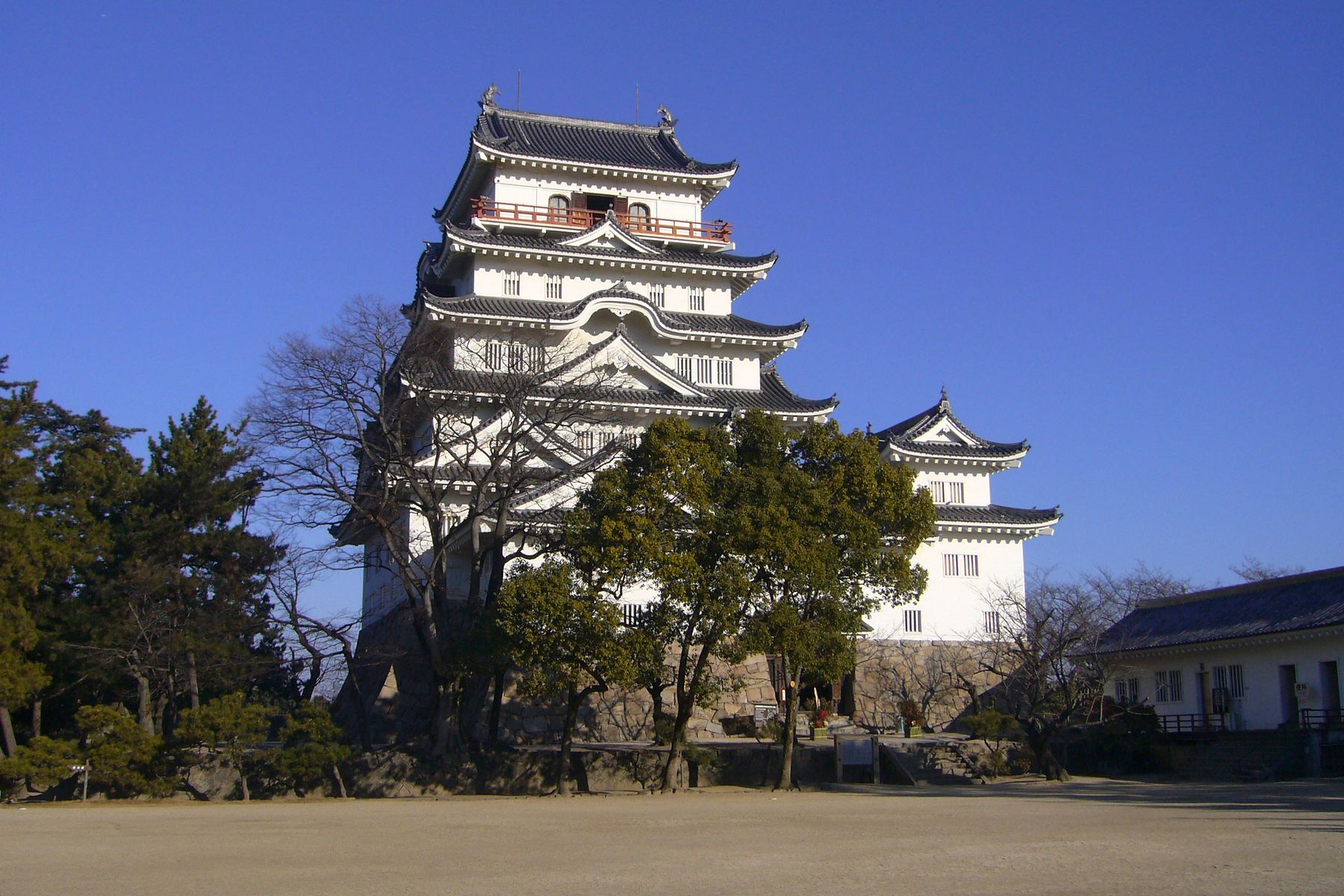
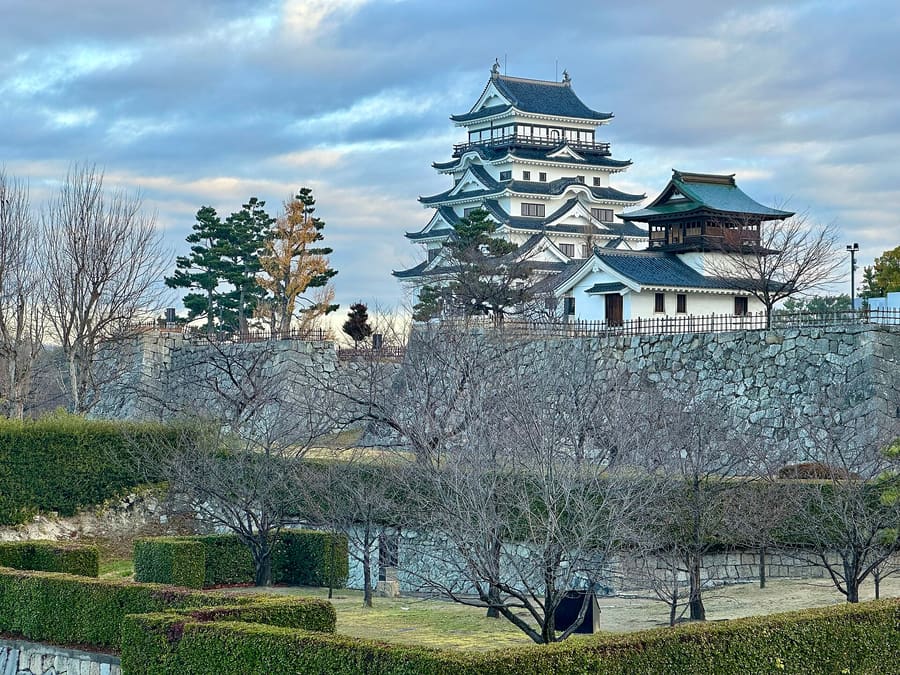
Fukuyama Castle
Rebuilt concrete keep houses an interactive museum. Exit the station north gate and you stand inside its moat within thirty seconds.
Perguntar ao ParleyJapão
Castle towers, Edo portways, and hidden feast bowls.
introduction
Fukuyama sits on the eastern edge of Hiroshima Prefecture, directly on the Sanyo Shinkansen line. The city center resolves around a reconstructed 1619 castle keep that faces the train platforms. Thirty minutes south by local bus lies Tomonoura, an intact Edo-period port town that inspired Studio Ghibli's Ponyo. You come here to step between samurai industrial transit and preserved maritime trade routes without the crowds of Hiroshima city.
Ghibli inspiration site
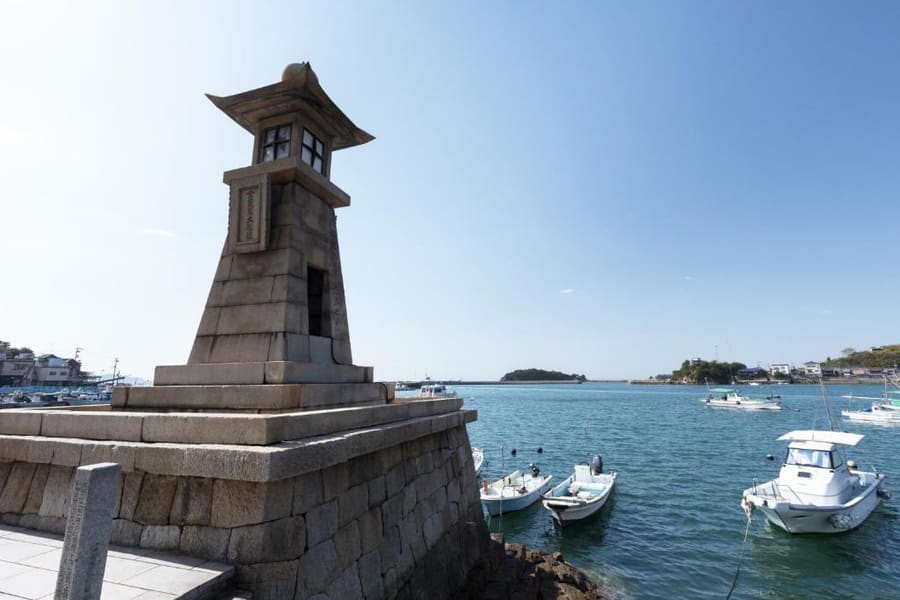
Tomonoura harbour served as the primary visual setting for Studio Ghibli's film Ponyo. The port retains its Edo-period stone pier intact.
Fukuyama
Sky Wing Sky · CC BY-SA 3.0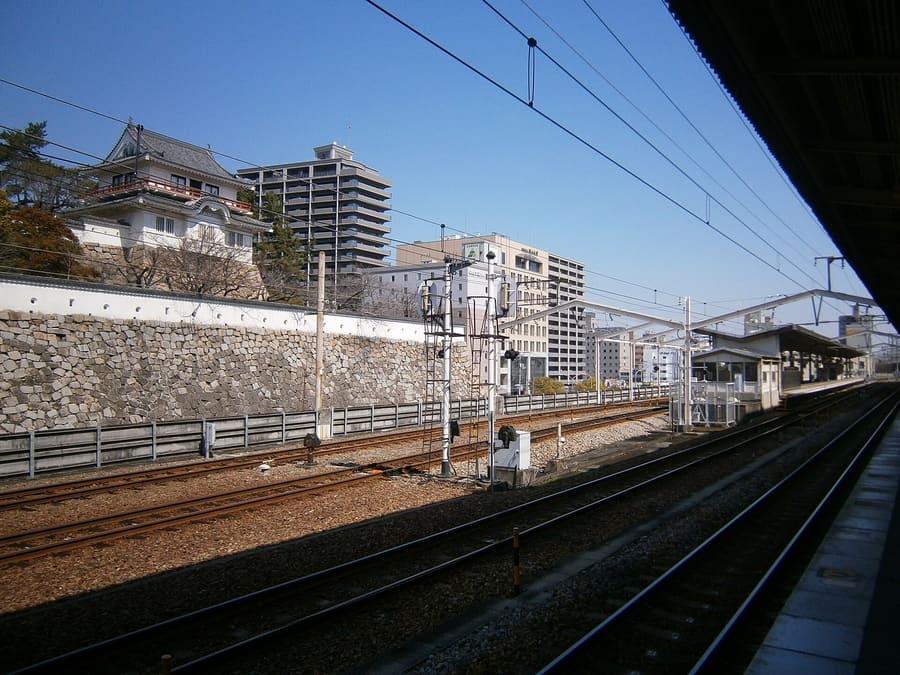
Ekimae — Transit hub dominated by the castle keep, modern business hotels, and izakaya alleys under the tracks.
Nagono · CC BY-SA 3.0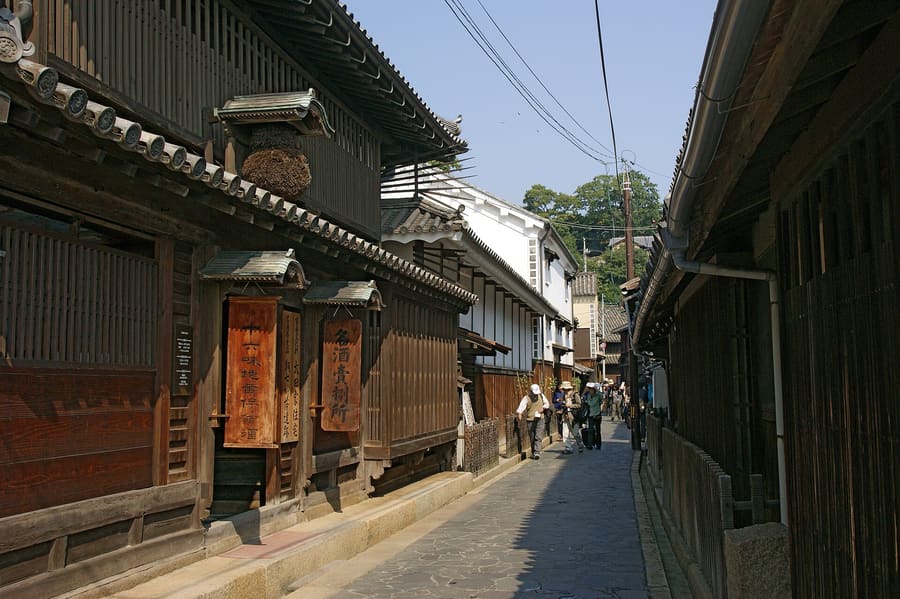
Tomonoura — Preserved Edo-period port town where coastal tides slow down daily movement.
663highland · CC BY 2.5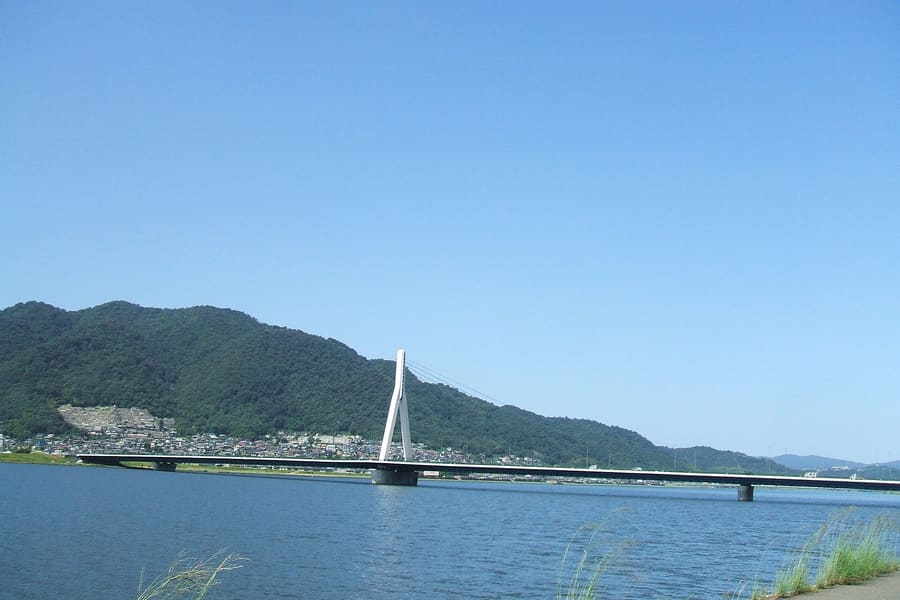
Kusado & Honmachi — Quiet residential district housing medieval riverbank archaeology and ancient temples.
Photo by Carpkazu · CC BY-SA 3.0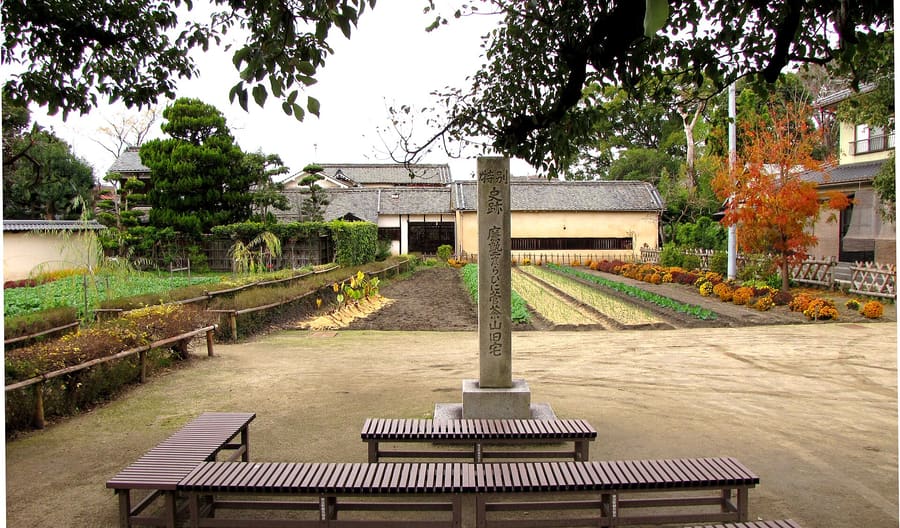
Kannabe — Suburban northern valley with historic post-town inns along the former San'yo highway.
Yoshio Kohara · CC BY 3.0highlights
landmark
Rebuilt concrete keep houses an interactive museum. Exit the station north gate and you stand inside its moat within thirty seconds.
Perguntar ao Parley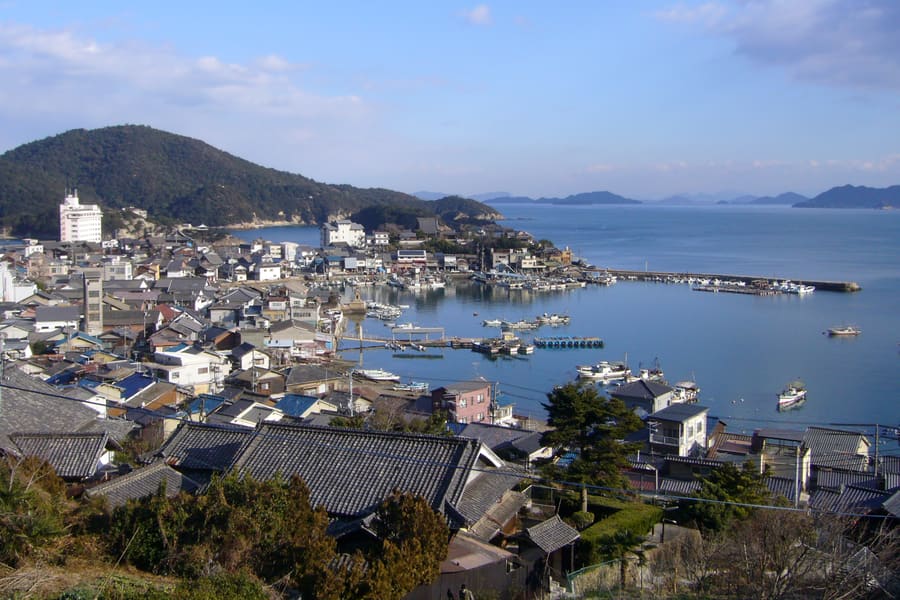
landmark
Edo-period port town with stone piers and Homeishu liqueur distilleries. Catch the Tomotetsu bus from stop 5 outside Fukuyama Station.
Perguntar ao Parley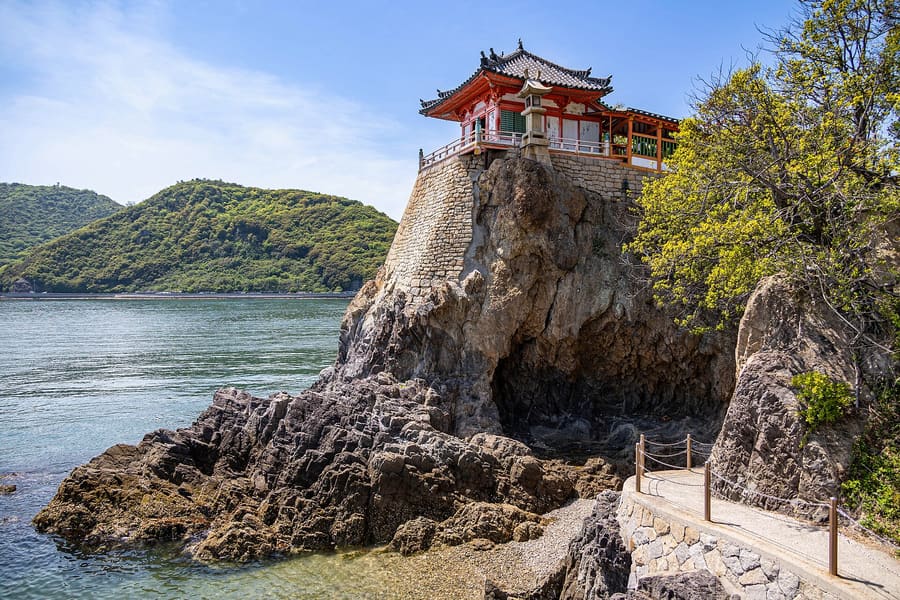
landmark
Sixteenth-century vermilion temple perched on a cliff edge above the Seto Inland Sea. Watch your step on the steep wooden balcony.
Perguntar ao Parley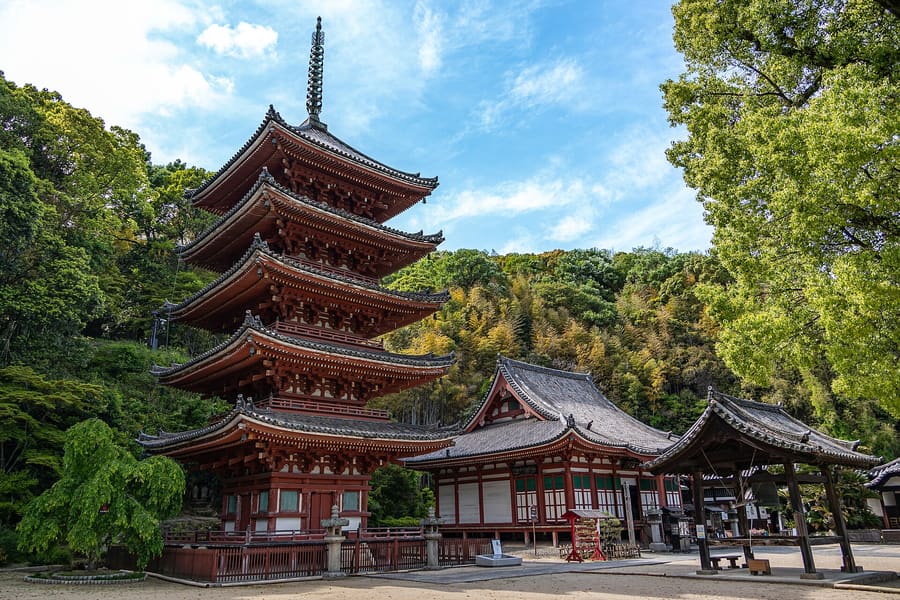
landmark
Houses a 1348 five-story pagoda and a 1321 main hall. Both structures survived World War II bombings intact.
Perguntar ao Parley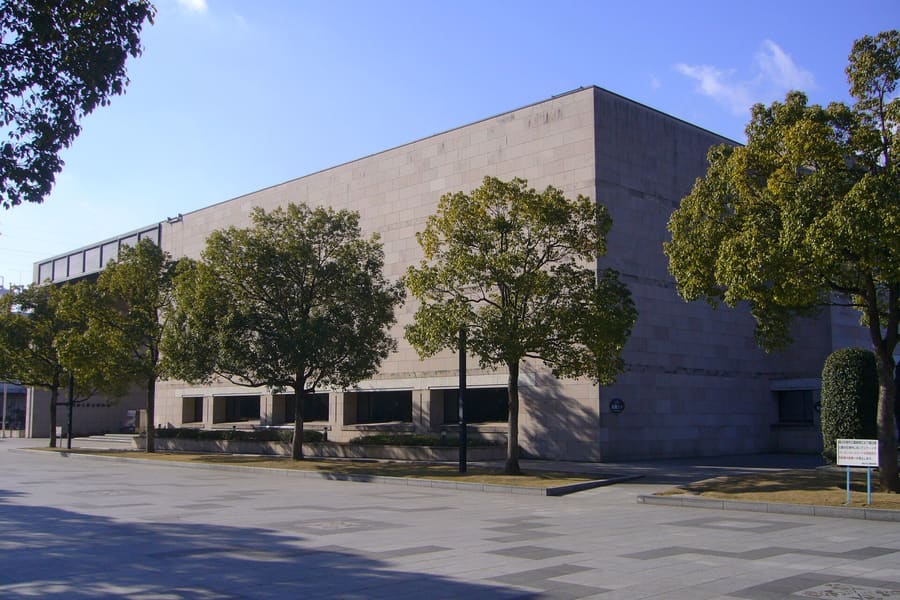
landmark
Displays a full-scale reconstruction of Kusado Sengen, a medieval merchant village excavated from the Ashida River bed.
Perguntar ao Parleyattractions
areas
Transit hub dominated by the castle keep, modern business hotels, and izakaya alleys under the tracks.
PertoFukuyama Castle, Sanyo Shinkansen lines, history museum.
Perguntar ao ParleyPreserved Edo-period port town where coastal tides slow down daily movement.
PertoJoyato lighthouse, Sensui Island ferry, Ota Residence.
Perguntar ao ParleyQuiet residential district housing medieval riverbank archaeology and ancient temples.
PertoMyooin Temple, Ashida River bank, museum grounds.
Perguntar ao ParleySuburban northern valley with historic post-town inns along the former San'yo highway.
PertoKannabe Honjin, Fukuen train line.
Perguntar ao Parleyfood
Fukuyama dining balances industrial izakaya culture around the station with regional agricultural specialties. The surrounding valley grows over eighty percent of Japan's commercial kuwai (arrowhead root), served fried or simmered in winter months. In the coastal quarter, local sea bream dominates dinner menus across traditional inns.
Dig your spoon beneath the rice surface. Edo-period sumptuary laws forced locals to conceal expensive meat and seafood beneath plain rice.
Order fried kuwai chips at station izakayas between November and January. The bitter, nut-like root pairs directly with local Hiroshima sake.
Visit Okamoto Kametaro Shop in Tomonoura. Four local distilleries produce this sixteen-herb sweet rice liqueur.
history
Fukuyama was constructed deliberately as a military stronghold in 1619 by Mizuno Katsunari, a cousin of Tokugawa Ieyasu. The castle was designed to police feudal lords in western Japan. South along the coast, Tomonoura functioned for centuries as a vital port where trade ships anchored to wait out changing tides in the Seto Inland Sea.
Castle Foundation
Mizuno Katsunari builds Fukuyama Castle to secure the Sanyo road for the Tokugawa shogunate.
Homeishu Invention
Dr. Hattori Kanbei formulates Homeishu medicinal liqueur in Tomonoura, creating a lucrative regional trade monopoly.
Kusado Sengen Discovery
Low water levels in the Ashida River expose a medieval merchant town submerged since a 1673 flood.
Air Raid and Rebuilding
August 1945 air raids destroy eighty percent of Fukuyama. Reconstruction focuses on heavy industrial steel mills.
where to stay
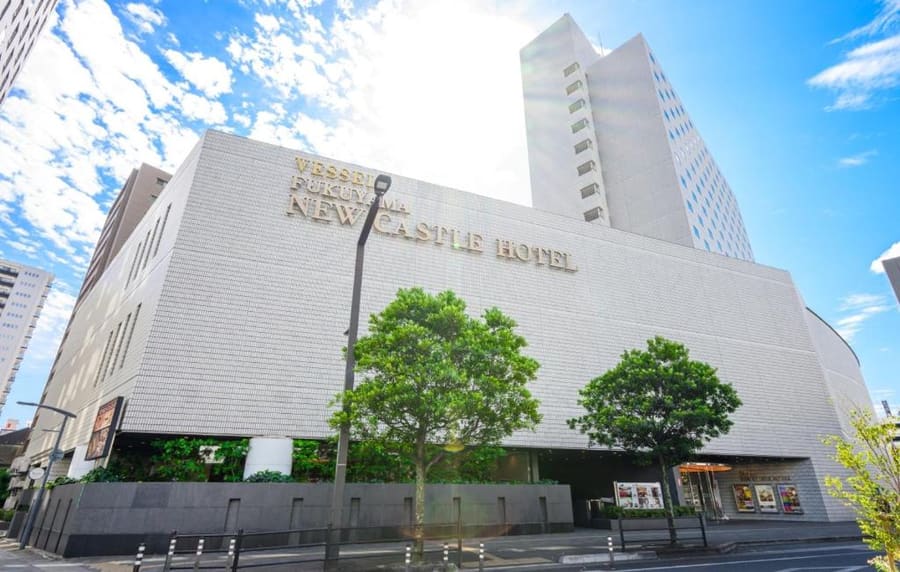
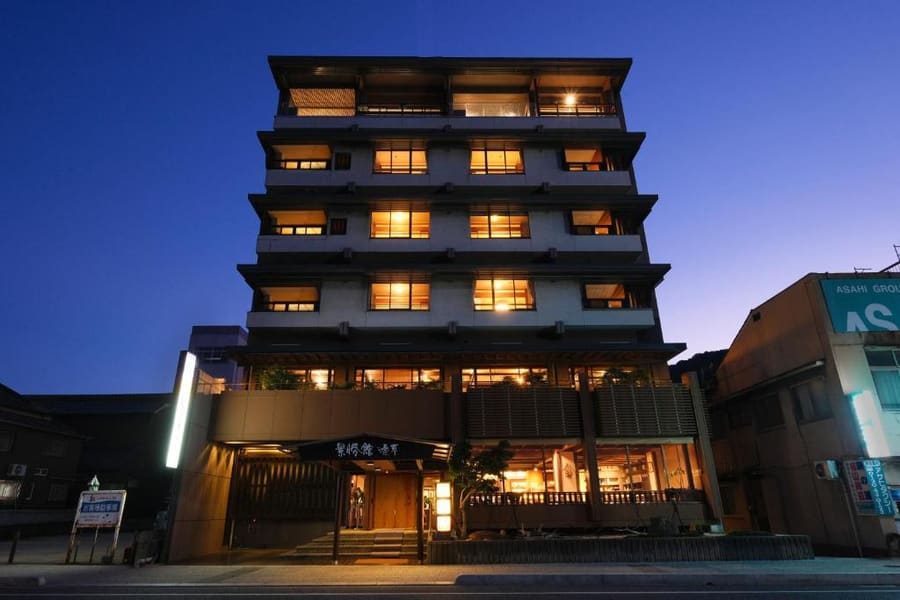
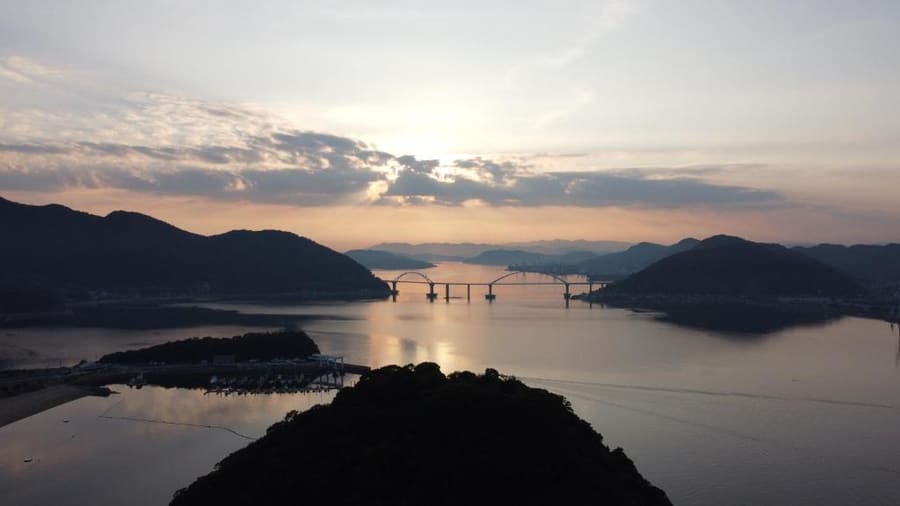
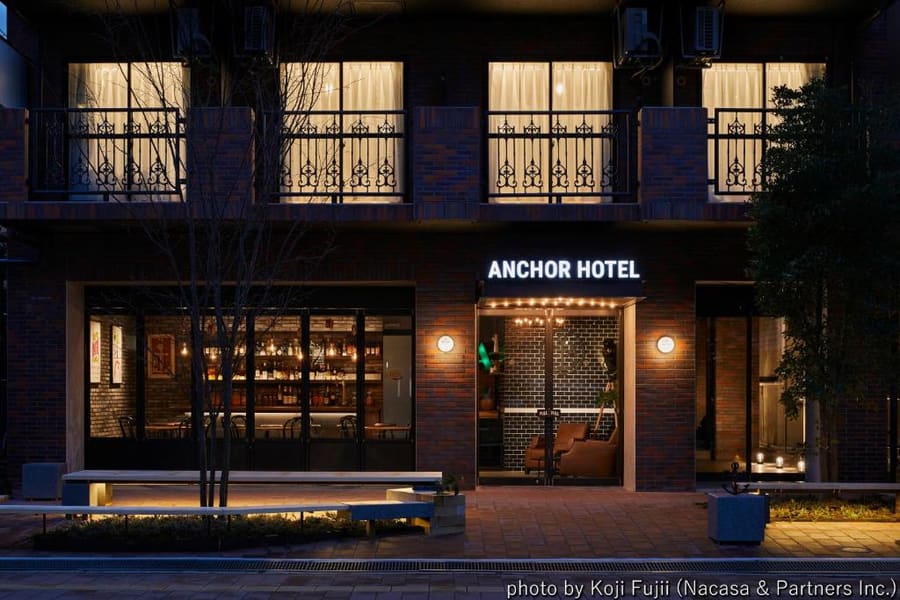
Choose your base based on your primary travel cadence. Station-side hotels let you jump between Shinkansen trains and day trips across the Seto Inland Sea. Staying in Tomonoura exchanges rail access for coastal silence and hot spring ryokan dining.
Live rates, matched to the areas above.
transport
Fukuyama Station serves as the transit spine for the entire district. Shinkansen bullet trains link the city to Hiroshima and Shin-Osaka. Reaching the coast or rural temples requires regional buses departing from the station south exit loop.
De JR Fukuyama Station (Sanyo Shinkansen)
Sakura or Nozomi Shinkansen run directly from Hiroshima Station.
Tomotetsu bus runs from stop 5 at Fukuyama Station to Tomonoura.
Direct highway bus connects Hiroshima Airport (HIJ) to Fukuyama Station.
Useful for groups travelling between Ekimae and Tomonoura port.
All buses running to Tomonoura line up at bay 5 outside Fukuyama Station south exit.
Local Fukuen Line trains depart from platform 7 for northern inland trips toward Kannabe.
The last Tomotetsu bus leaves Tomonoura for Fukuyama Station around 21:00.
cost
Fukuyama costs align with mid-sized Japanese regional cities. Rail transit is efficient, museum fees remain modest, and local food prices stay well below Tokyo or Kyoto equivalents.
Standard single ticket price from Fukuyama Station south exit.
Covers entrance to the main keep museum collections.
Served at traditional restaurants near the station and castle park.
Price varies based on herb infusion formula and distillery brand.
seasonality
MAR – MAY
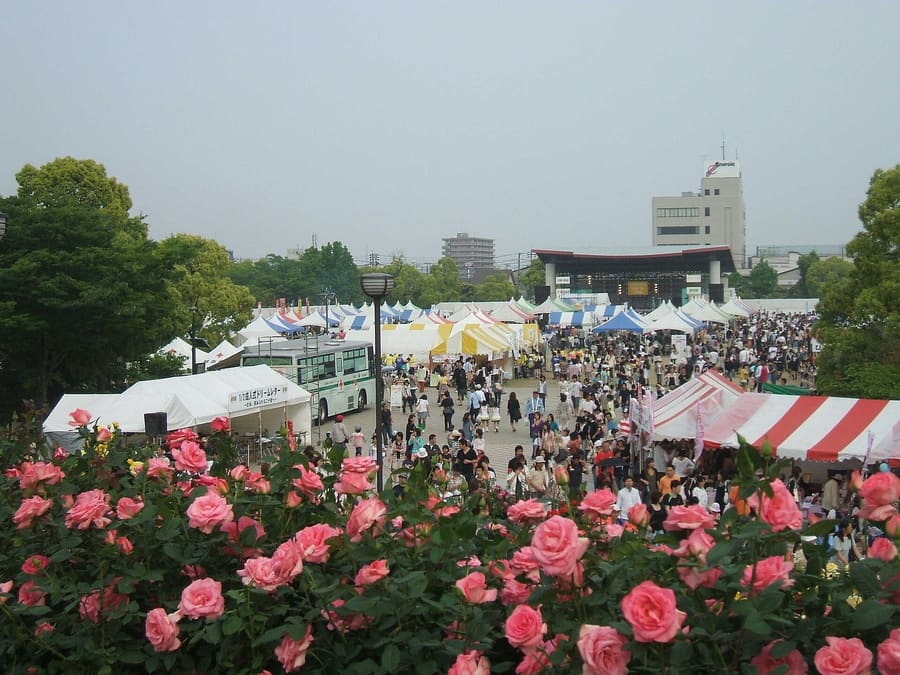
Mild spring weather. Fukuyama Rose Festival takes place in mid-May across city parks.
JUN – AUG
Hot, humid coastal conditions. High summer sea breezes make Tomonoura evenings comfortable.
SEP – NOV
Clear skies and moderate temperatures. Prime season for exploring temple footpaths.
DEC – FEB
Chilly, dry winter days. The local Kuwai harvest reaches peak production.
practicalities
Most historic sites in Fukuyama and Tomonoura admit final visitors at 16:30.
Small craft shops in Tomonoura rely strictly on cash payments.
The Gangi stone harbour steps in Tomonoura grow slick at high tide.
Fukuyama Rose Park displays thousands of bushes, celebrating post-war urban recovery.