landmark
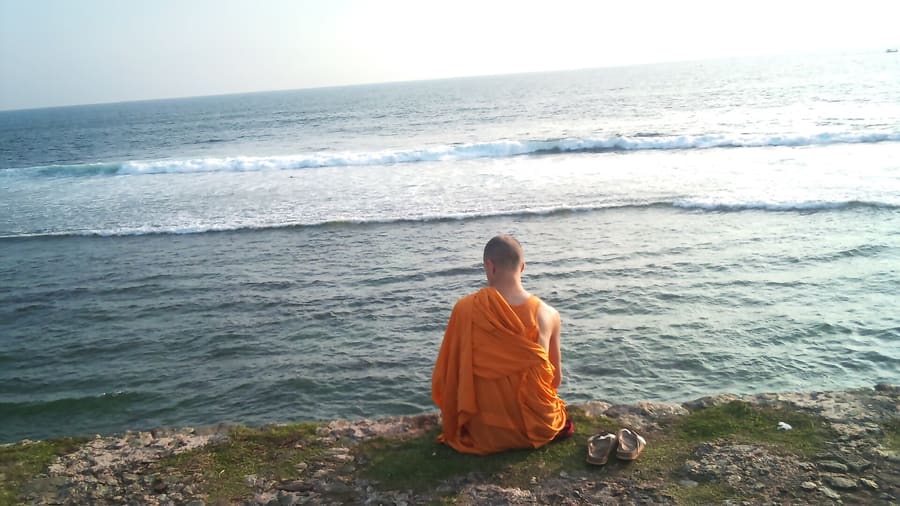
Flag Rock Ramparts
The southernmost point of the Fort walls. Watch local cliff divers jump into the ocean during late afternoon.
Perguntar ao ParleySri Lanka
A granite Dutch bastion anchor on Sri Lanka's south coast.
introduction
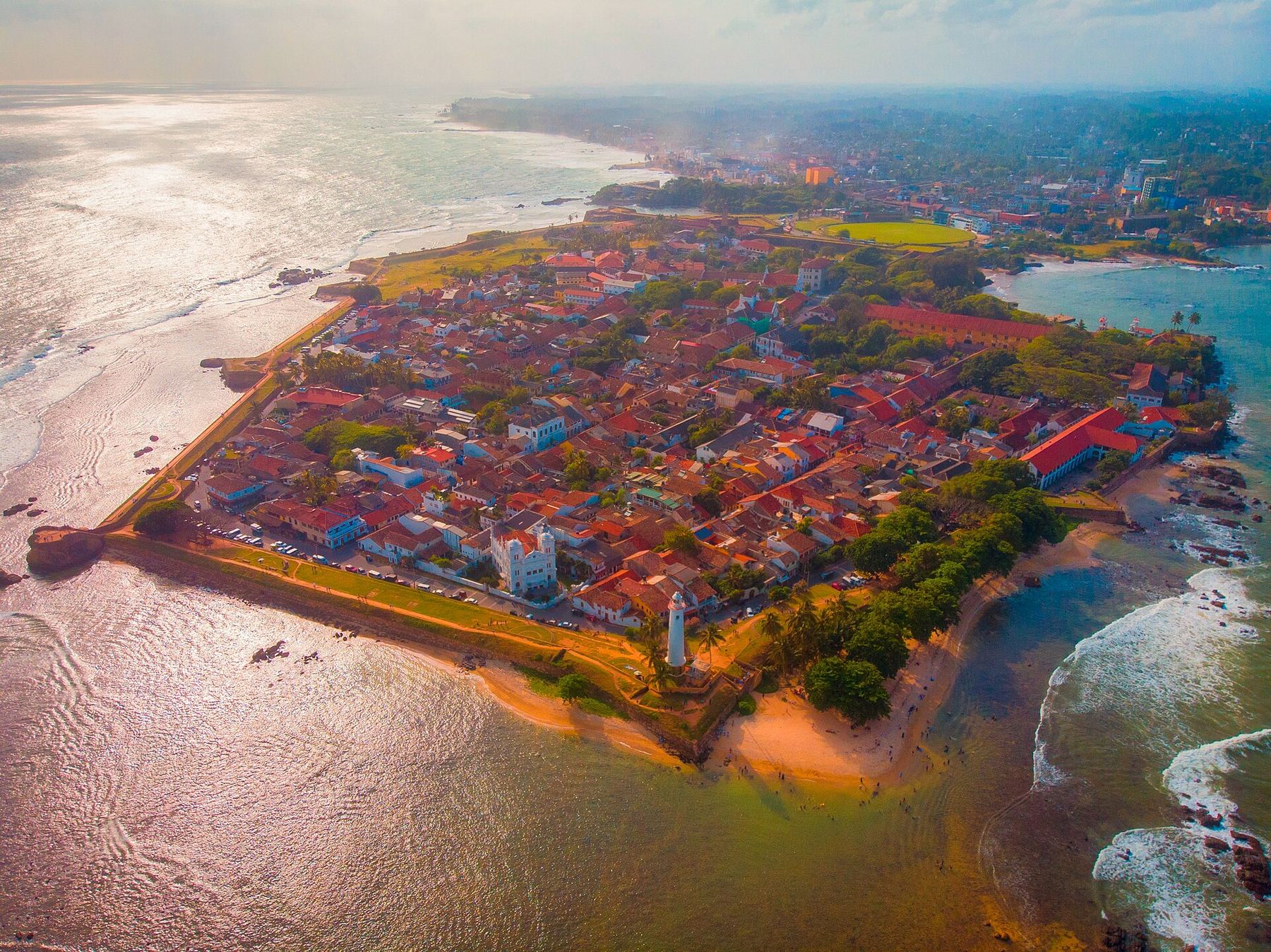
Galle splits cleanly between its granite Dutch fort and the chaotic commercial grid outside its north gate. Inside the walls, you walk 17th-century grid streets where cars yield to pedestrians and boutique hotels occupy thick-walled merchant houses. Outside, tuk-tuks, fish markets, and regional buses operate at maximum Sri Lankan tempo. Expect heavy humidity, steep afternoon rain, and early evening shutdowns inside the Fort walls.
Arrival trick
The Southern Expressway highway bus reaches Galle from Colombo in under two hours, bypassing the congested coastal road.
UNESCO recognition
Galle Fort was named a UNESCO World Heritage site in 1988 as South Asia's largest surviving European fortress.
Planning trick
Power grids can fluctuate, so confirm your guesthouse operates a private generator before confirming a booking.
highlights
landmark
The southernmost point of the Fort walls. Watch local cliff divers jump into the ocean during late afternoon.
Perguntar ao Parley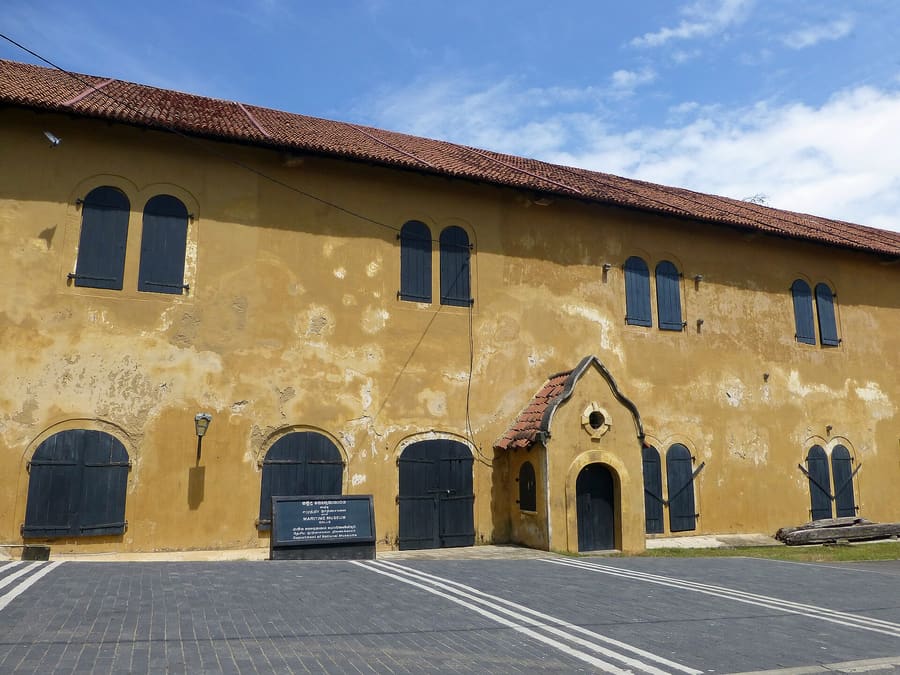
landmark
Housed inside the 1671 Dutch Warehouse above the Fort main gate. Shows shipwreck artifacts from the harbour.
Perguntar ao Parley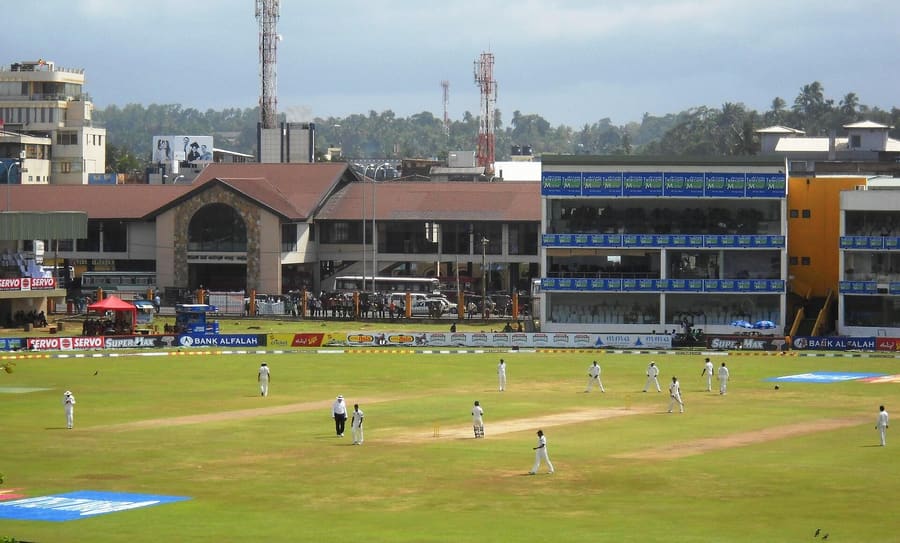
landmark
Bordered by the sea and the Fort walls. Non-match days allow perimeter walks for pitch views.
Perguntar ao Parleyattractions
areas
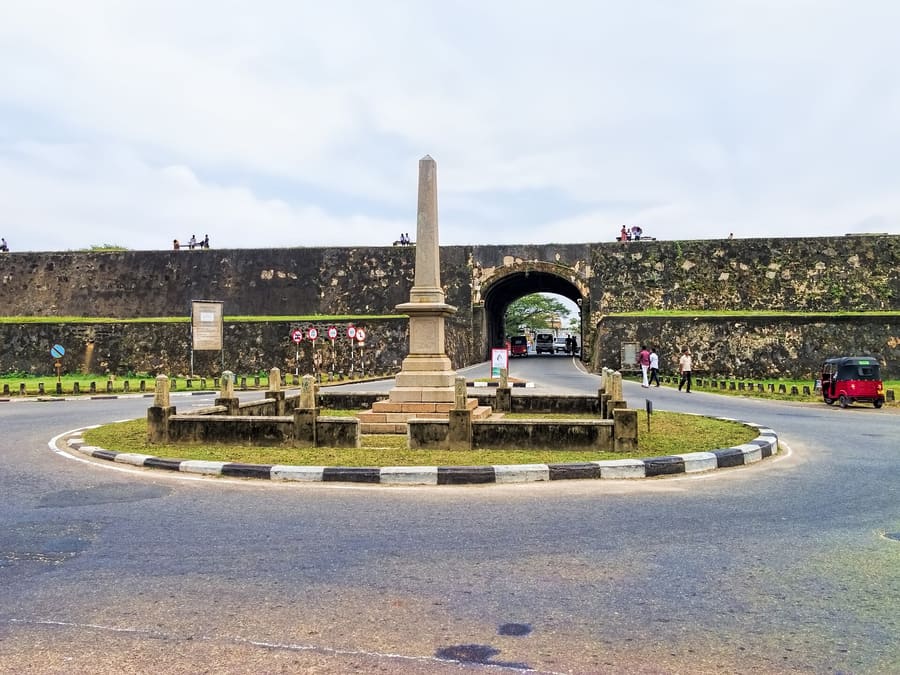
Pedestrian-friendly colonial enclave surrounded by stone ramparts.
PertoLighthouse, Ramparts, Maritime Museum
Perguntar ao Parley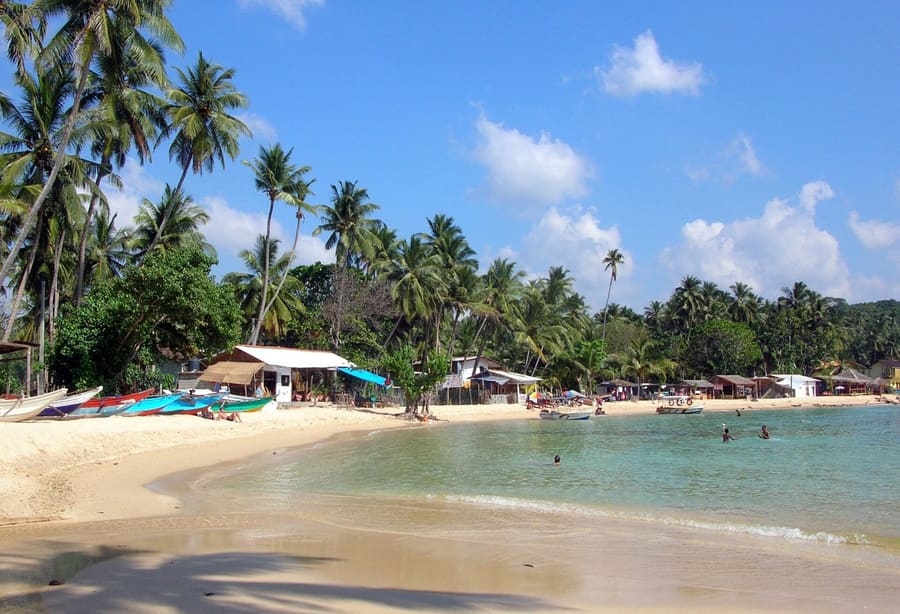
Coastal tourist Strip 5km south with beach bars and watersports.
PertoJungle Beach, Japanese Peace Pagoda
Perguntar ao ParleyCommercial transit hub with spice stalls and bus terminals.
PertoRailway Station, Central Bus Stand, Fish Market
Perguntar ao ParleyQuiet coastal stretch 8km south known for high-end beachfront villas.
PertoThalpe rock pools, Koggala Lake
Perguntar ao Parleyfood
Dining inside Galle Fort revolves around restored Dutch-era courtyard restaurants and upscale international cafes. For authentic southern Sri Lankan cooking, you leave the Fort and seek out small local eateries near the main fish market. Galle's regional cooking leans heavily on goraka (dried garcinia) for sour fish curries and roasted dark curry powders unique to the Southern Province.
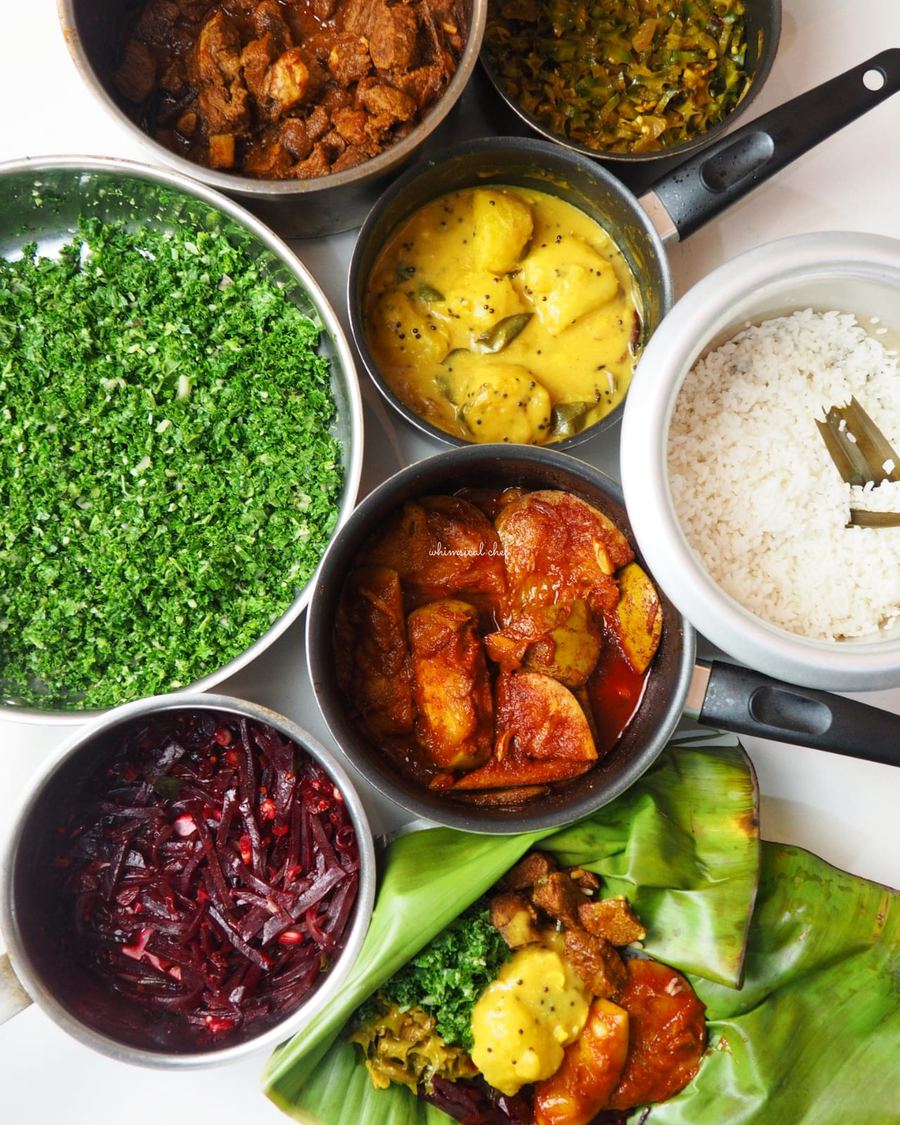
Traditional southern Sri Lankan rice and curry spread featuring local clay pot preparation.
Lankan Foodie · CC BY-SA 4.0Order this dry sour fish curry made with yellowfin tuna and goraka at Lucky Fort Restaurant on Parawa Street.
Eat fresh egg hoppers cooked in wok-shaped pans at stalls along Main Street outside the Fort between 07:00 and 09:00.
Visit the Galle Fish Market next to the public beach before 08:00 to pick up catches straight off local wooden boats.
history
Galle traded with ancient Chinese, Persian, and Arab merchants long before European ships arrived. The Portuguese established a small fort in 1589, but the Dutch East India Company (VOC) conquered the post in 1640 and built the massive stone ramparts you see today. British forces took control in 1796 without bloodshed, leaving the Dutch city plan largely intact.
Portuguese Fortification
Portuguese forces erect initial mud-and-palm fortifications, naming the settlement Santa Cruz.
Dutch VOC Conquest
Dutch forces capture Galle after a four-day siege, initiating construction of solid granite fortifications.
British Transfer
The British take ownership of Galle; commercial shipping eventually shifts to Colombo's deepwater port.
UNESCO World Heritage Site
Galle Fort receives UNESCO status to safeguard its surviving 17th-century fortification structures.
where to stay
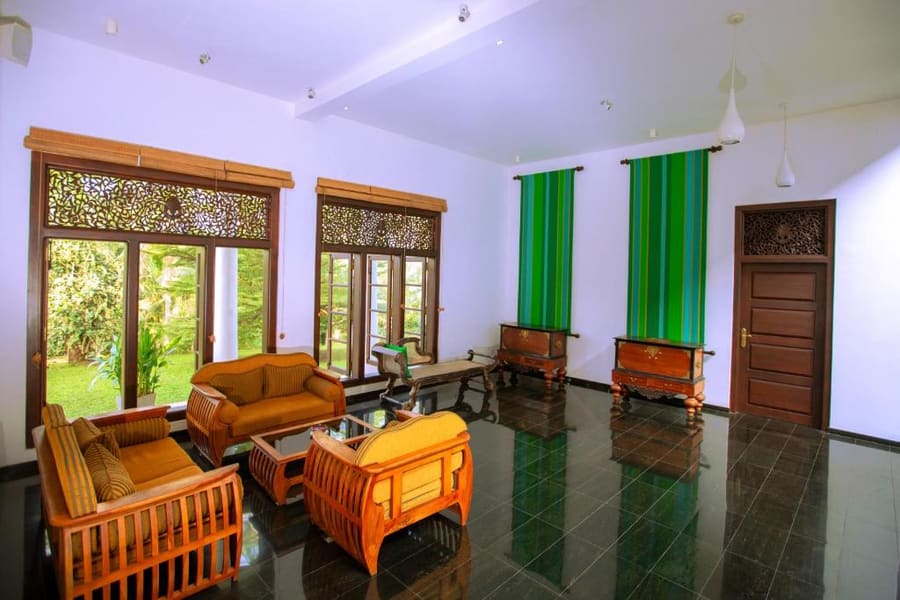
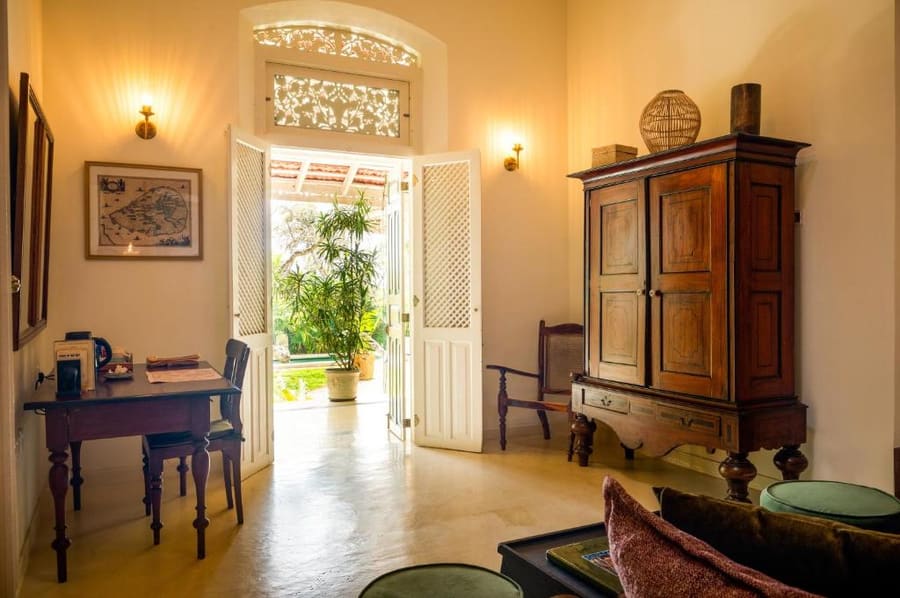
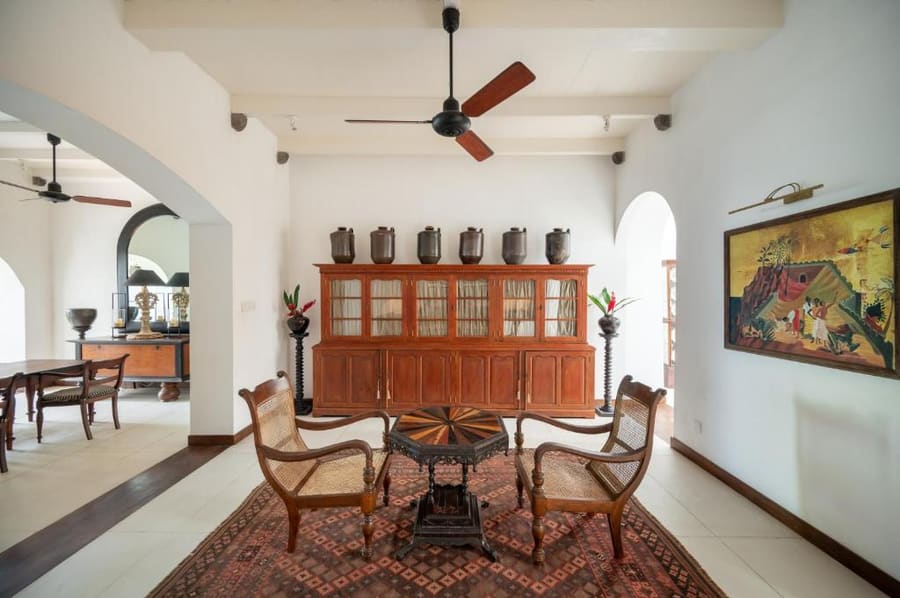
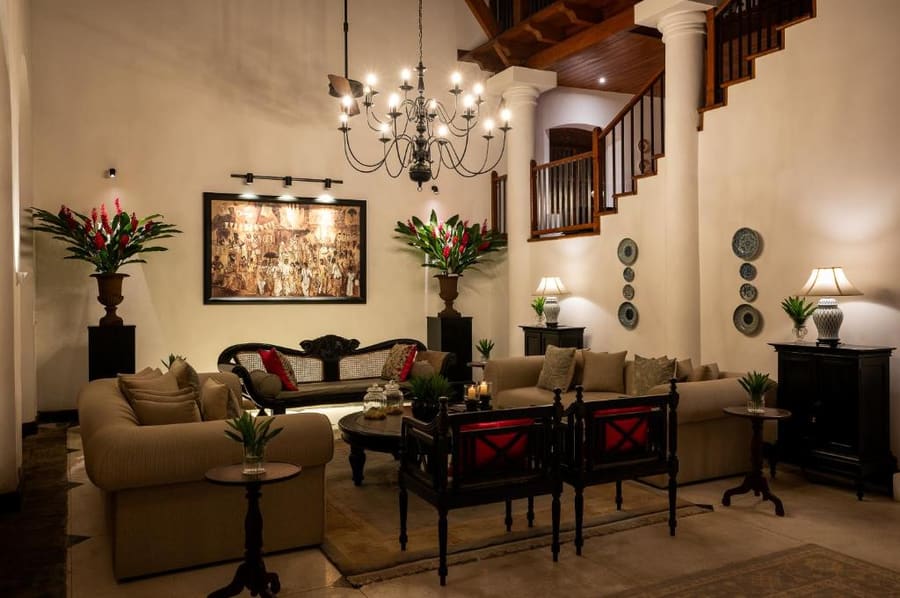
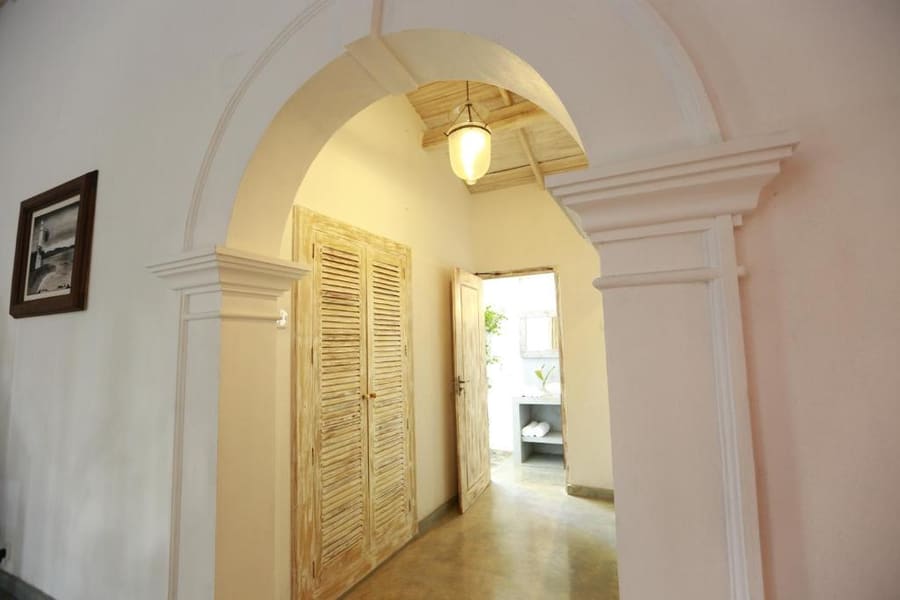
Live rates, matched to the areas above.
transport
Inside Galle Fort, walking is the primary and fastest mode of movement due to narrow single-lane streets. For transit between Galle Fort, Unawatuna, and local train stations, three-wheeled tuk-tuks are readily available. Confirm tuk-tuk rates before getting in or use mobile ride-hailing apps like PickMe for predictable pricing.
De Bandaranaike International Airport (CMB)
Uses the E01 Expressway. Toll fees are usually included in quoted rates.
Highway air-conditioned bus runs from Maharagama expressway bus stand straight to Galle central.
Download the PickMe app to hail metered tuk-tuks and avoid negotiated fare markups in tourist spots.
Sit on the right side of the train when riding south from Colombo Fort to catch unbroken ocean vistas.
You can cross the entire interior of Galle Fort on foot in under fifteen minutes.
Drivers do not accept credit cards or high-denomination notes for short local runs.
cost
Galle operates on a two-tier price structure. Prices inside Galle Fort for meals, espresso, and boutique items match international tourist standards, while local markets in the Bazaar offer standard Sri Lankan domestic rates.
Price for a full multi-curry plate at a local unpretentious eatery outside the Fort gate.
Standard price for specialty coffee served inside restored fort spaces.
Standard rate for a 2km ride between Galle Fort and central bus or rail hubs.
High-season double occupancy rates in converted Dutch heritage properties.
seasonality
DEC – APR
Dry northeast monsoon season brings clear skies, calm seas, and peak tourist crowd density.
MAY – AUG
Southwest monsoon brings heavy sea swells and monsoon downpours. Lower hotel room rates.
SEP – NOV
Inter-monsoons cause unpredictable afternoon thunderstorms with moderate accommodation prices.
practicalities
Rampart stone walls offer zero shade. Walk early morning or late afternoon to avoid mid-day heat.
Most shops inside Galle Fort close by 19:30, and late-night options inside the walls are sparse.
Multiple international ATMs operate along Commercial Bank premises on Church Street inside the Fort.
Do not climb down onto slippery seawall rocks at Flag Rock during high tides or strong swells.
Decline unrequested street walk guides near the main gate who demand high fees at the tour's end.