landmark
Salzwelten Salt Mine
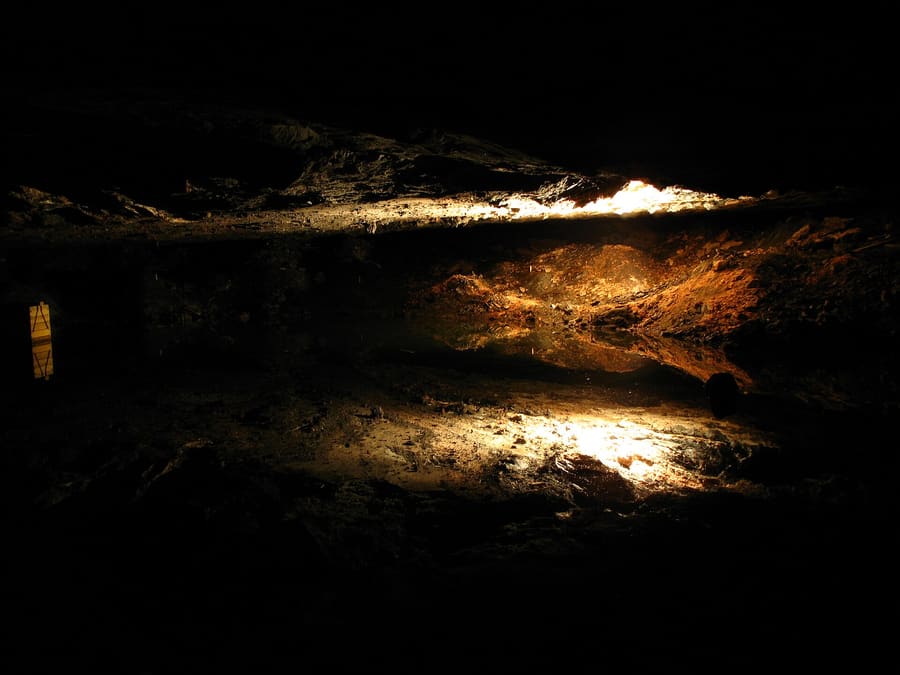
The world's oldest salt mine sits 350 metres above town. Take the funicular up and wear a warm layer for the 8°C mine shafts.
Perguntar ao ParleyÁustria
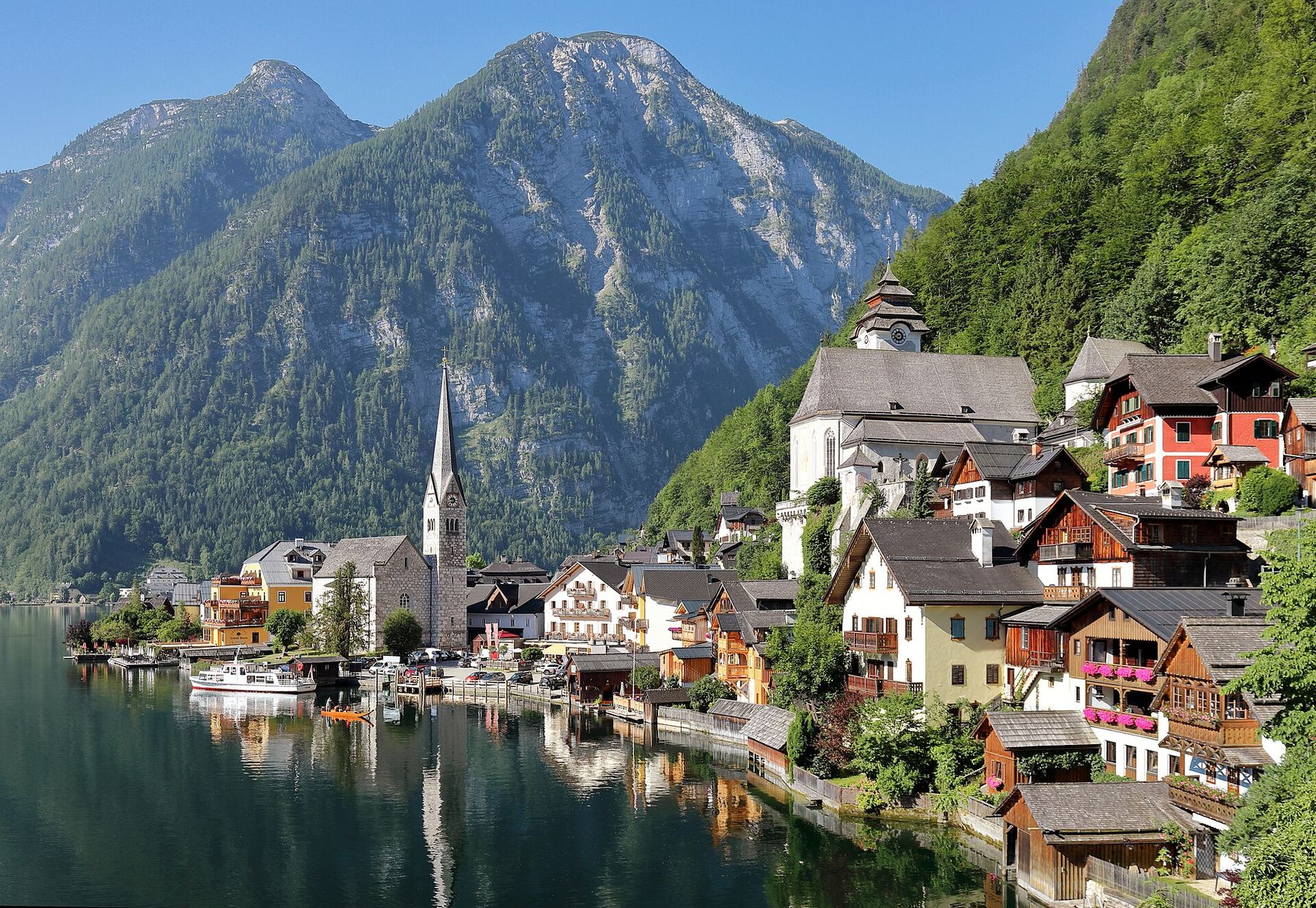
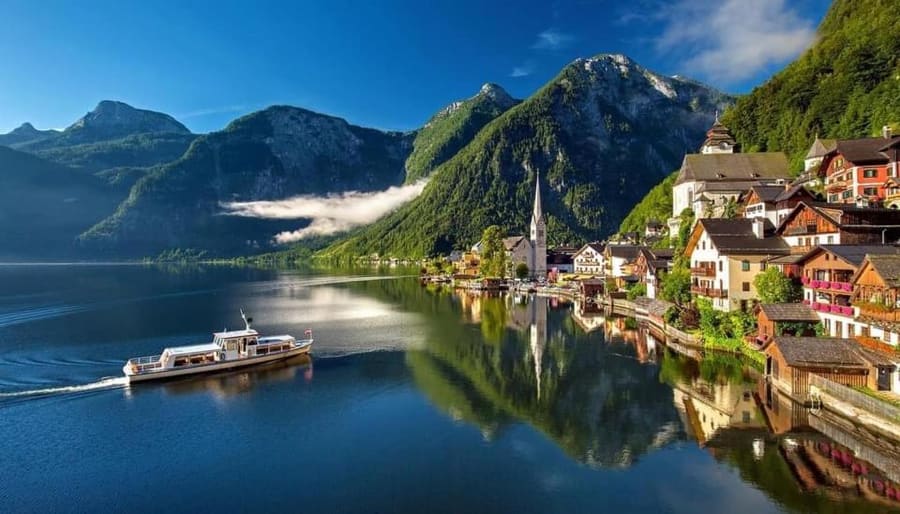
A steep salt town squeezed between mountain and Lake Hallstatt.
introduction
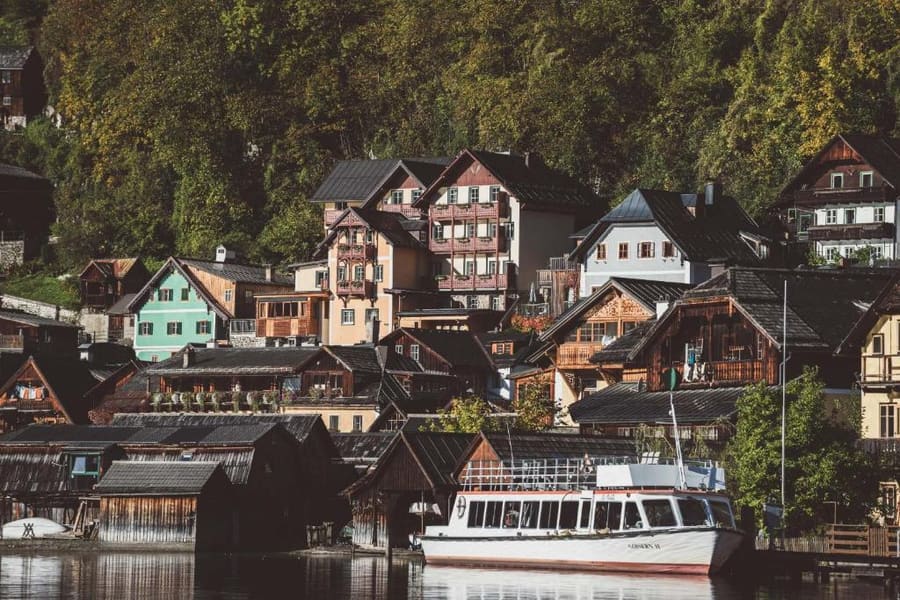
Hallstatt clings to a narrow strip of rock between Lake Hallstatt and the Dachstein Alps. You move through the car-free centre entirely on foot, ascending steep wooden stairways to reach higher residential alleys. Day crowds arrive by ferry and tour bus between 10:00 and 16:00, leaving early mornings and evenings silent.
Cross the lake by ferry
Trains stop at Hallstatt station across the lake. The Stefanie ferry coordinates with every train arrival to carry you directly to the town quay.
UNESCO World Heritage site
Hallstatt forms part of the Hallstatt-Dachstein Cultural Landscape, recognized in 1997 for 7,000 years of continuous salt production.
Stay overnight to escape crowds
Day trippers saturate the main street between 10:00 and 16:00. Staying overnight gives you quiet streets and clear reflections across the water.
highlights
landmark
The world's oldest salt mine sits 350 metres above town. Take the funicular up and wear a warm layer for the 8°C mine shafts.
Perguntar ao Parley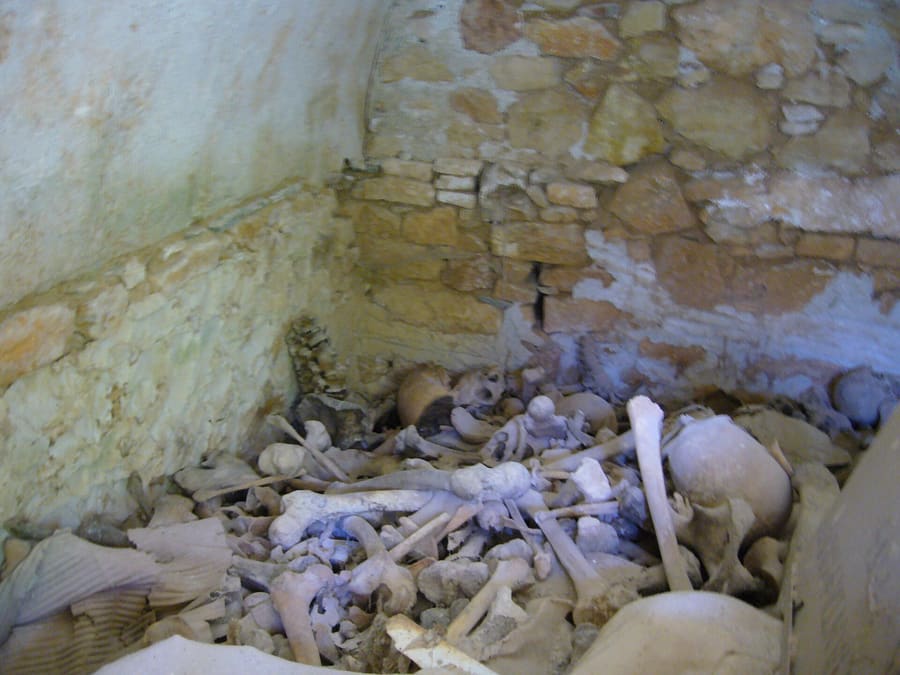
landmark
A 12th-century chapel housing over 600 hand-painted skulls. Space constraints in the graveyard led to this unique local tradition.
Perguntar ao Parley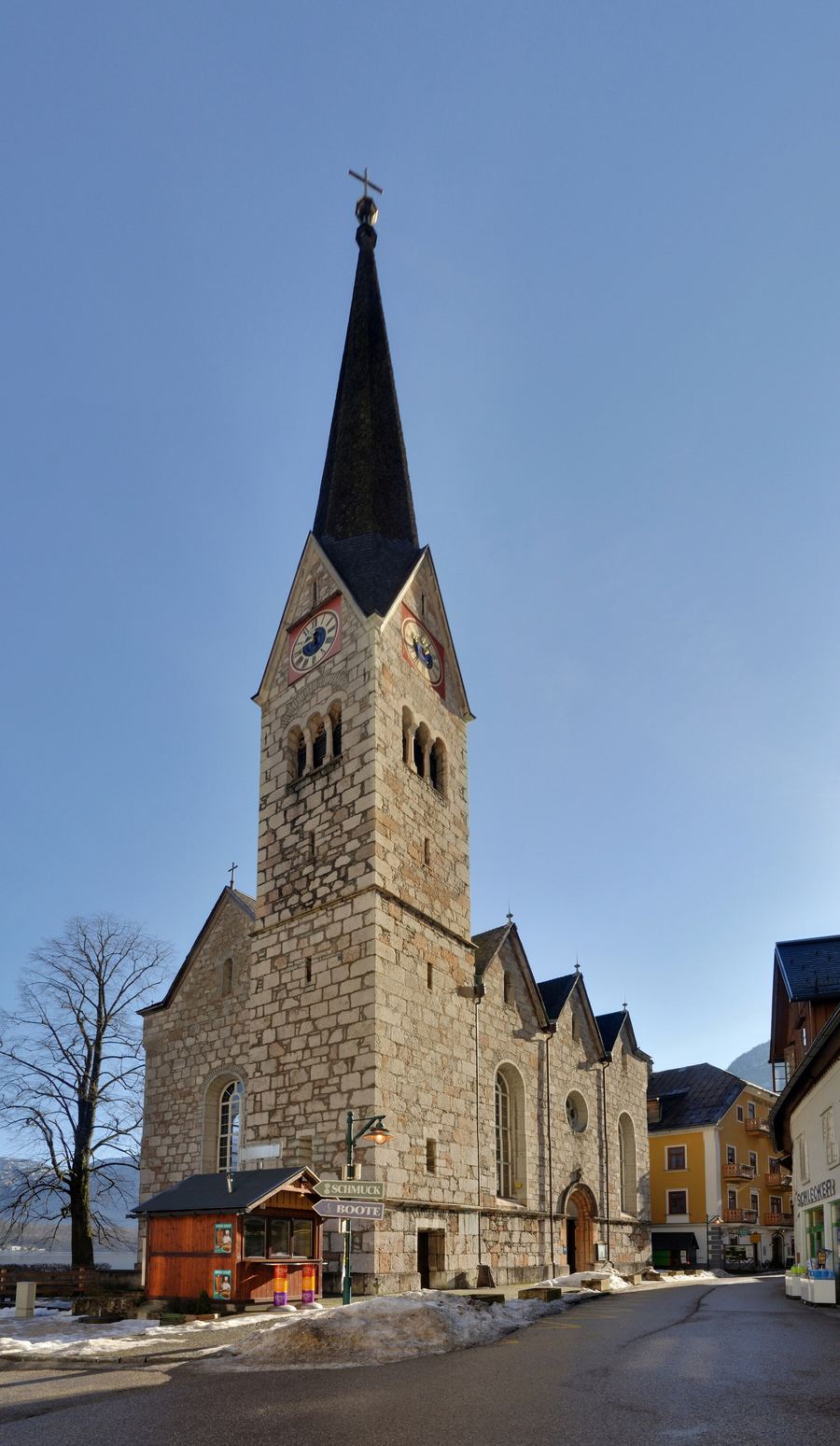
landmark
19th-century neo-Gothic church with a thin steeple featured in every postcard. Free entry, quiet interior away from main street crowds.
Perguntar ao Parleyattractions
areas
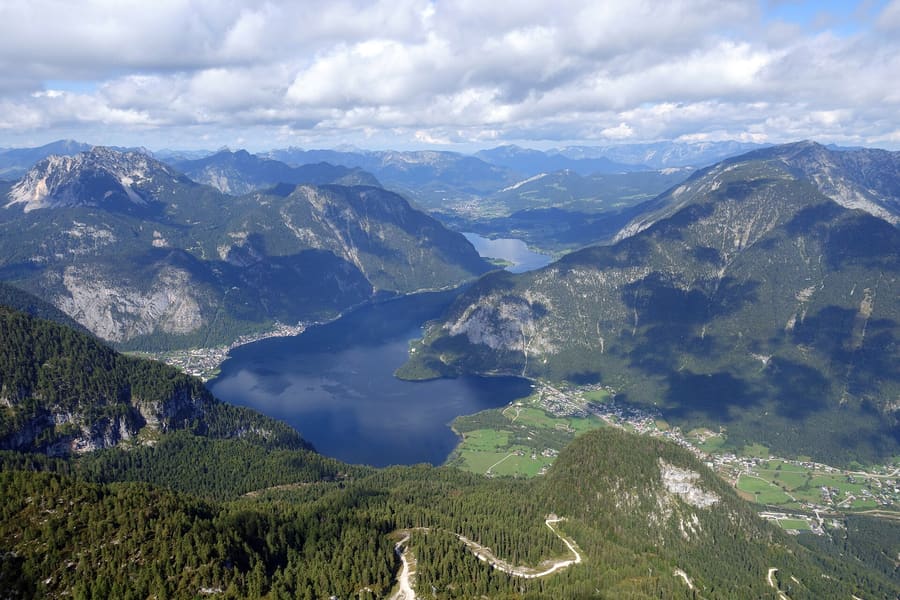
Centuries-old timber houses clustered around the waterfront square with steep alleyways climbing uphill.
PertoCharnel House and central boat docks
Perguntar ao Parley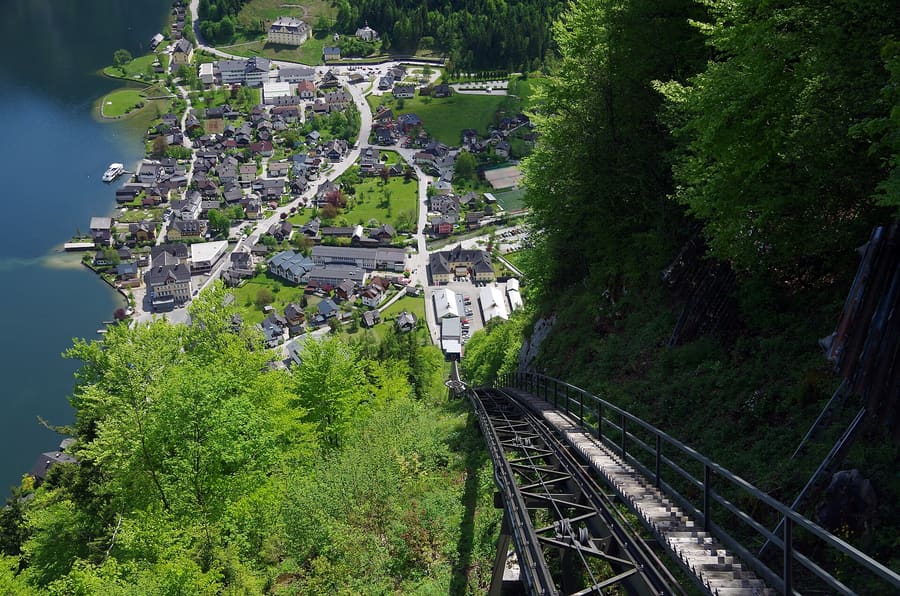
The flatter southern entrance where buses arrive, with modern guesthouses and access to the funicular.
PertoSalzwelten Funicular and bus terminal
Perguntar ao Parley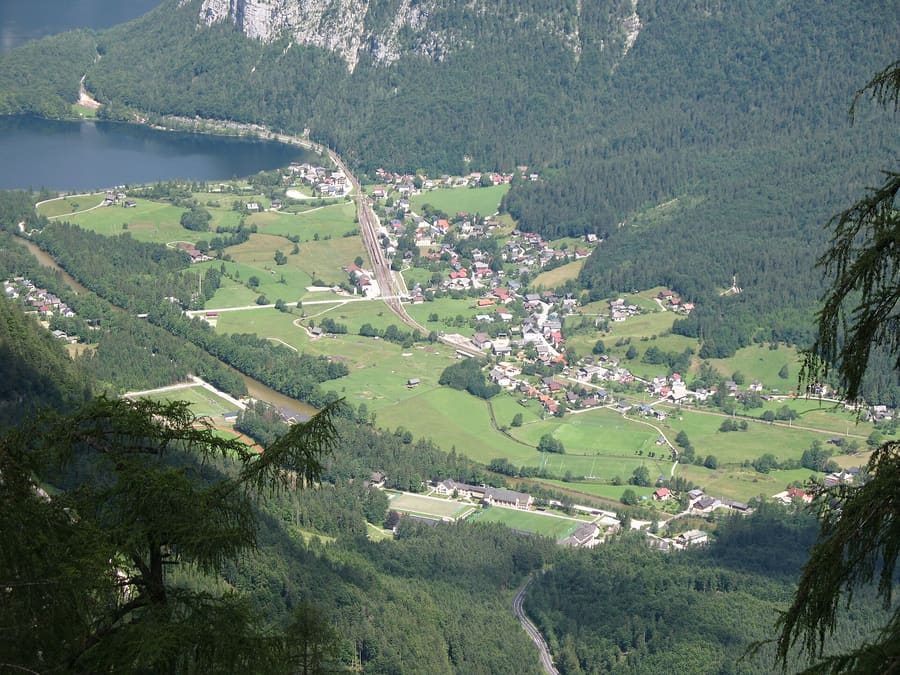
Sprawling village across the lake offering room to breathe and lower room rates.
PertoDachstein Ice Caves and Five Fingers lookout
Perguntar ao ParleyUpper residential streets clinging to the cliff face above the historic centre.
PertoNorth Viewpoint and upper walking trails
Perguntar ao Parleyfood
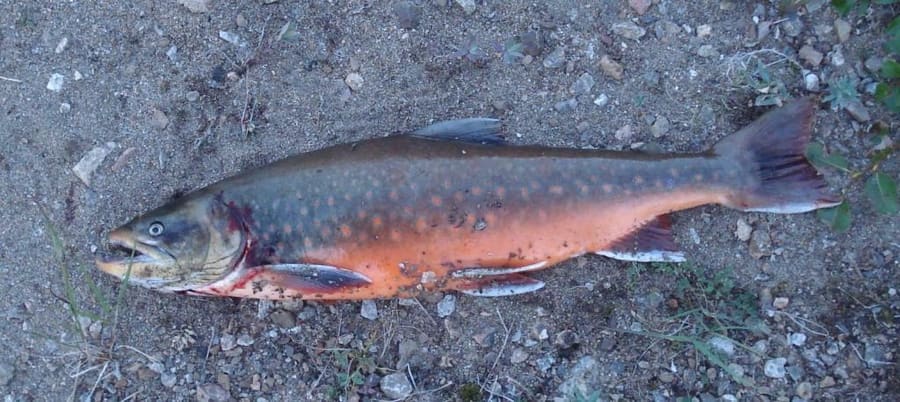
Dining in Hallstatt revolves around Lake Hallstatt's cold-water catch, primarily Reinanke (whitefish) and Saibling (char). Local restaurants source fish directly from Salzkammergut fishermen, serving them whole, pan-fried in butter, or wood-smoked. Away from the lakefront tourist dining halls, small family inns on back alleys offer substantial Upper Austrian dishes like Kasnockn (cheese dumplings served in a cast-iron pan) and slow-roasted pork with dumplings.
Pan-fried Reinanke served whole with parsley potatoes at a lakeside gasthof.
Alison Copeland · CC BY 4.0Specify local Salzkammergut Saibling or Reinanke when ordering fish; imported farm trout appears on generic menus.
Kitchens in traditional gasthöfe often close by 20:00, as day visitors leave and the town quiets down quickly.
Smaller taverns up the hill do not accept card payments for bills under €20.
history
Salt turned Hallstatt into an ancient economic power. High above the lake, miners extracted rock salt from the mountain chambers thousands of years before roads or railways reached the valley. Until the late 19th century, salt blocks left the village on wooden barges across the lake, and workers entered the town only via mountain trails or by water.
Early Salt Mining
The oldest evidence of salt extraction in the world appears in the mountains above Hallstatt.
The Hallstatt Culture
The town gives its name to the early Iron Age culture in Europe, enriched by international trade in rock salt.
The Prehistoric Miner
Miners discover the body of an Iron Age salt miner preserved intact in ancient salt deposits.
Road Access Built
The first road reaches Hallstatt by blasting tunnels through rock, ending centuries of isolation.
UNESCO Designation
The Hallstatt-Dachstein Salzkammergut region is designated a UNESCO World Heritage site.
where to stay
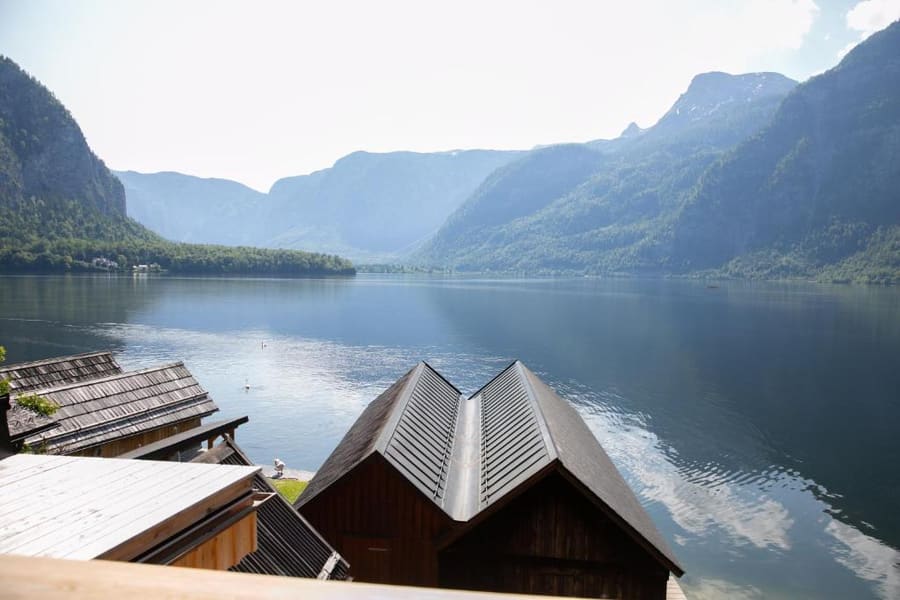
Choose your base by how early you want to step outside and how much luggage you intend to haul up stone steps. Staying in Markt puts you in historic wooden buildings, but vehicles cannot drop you at the door. Lahn offers flat ground and easier luggage access near the bus terminal. Obertraun across the lake provides lower room rates and quiet nights, provided you schedule around ferry operating times.
Live rates, matched to the areas above.
transport
Hallstatt is completely pedestrianized. Visitors arriving by car must park outside the historic core in designated parking garages. The primary public route relies on ÖBB trains to Hallstatt station on the eastern shore, followed by a short ferry crossing into the village.
De Salzburg Airport (SZG)
Bus 2 to Hbf, ÖBB train via Attnang-Puchheim to Hallstatt, then Stefanie ferry across the lake.
Drops off at southern Lahn entrance; automotive access to historic center is strictly prohibited.
Pre-booked shuttles (e.g., CK Shuttle) drop off at designated points outside the pedestrian core.
Must park in designated P1 or P2 lots in Lahn for around €15/day as center is car-free.
ÖBB trains drop you at Hallstatt station across the lake. The Stefanie ferry runs continuously to sync with every arriving train.
Ascends 325 metres up to the salt mine and Skywalk in under three minutes from the Lahn quarter.
Hallstatt is completely car-free for visitors. You can walk from the southern Lahn entrance to the northern end in 15 minutes.
Automotive access is strictly prohibited for non-residents. Park in designated P1 or P2 lots in Lahn for around €15 per day.
cost
Hallstatt commands higher prices for dining and lodging than neighbouring Salzkammergut villages due to its geographical constraints and demand. Planning ahead helps avoid inflated last-minute rates.
Ticket covers the ride up to the Skywalk platform and back down.
Includes the funicular pass, guided underground tour, and slide rides.
One-way crossing on the Stefanie ferry between train station and town.
Fresh locally caught Reinanke or Saibling at traditional gasthöfe.
seasonality
DEC – FEB
Snow-covered roofs and low winter sun. Funicular runs on reduced hours; ferry continues operating.
MAR – MAY
Spring thaw clears mountain paths. Crowds build gradually; spring blossoms line upper walkways.
JUN – AUG
Peak tourist season with heavy day-trip traffic between 10:00 and 16:00. Warm lake temperatures for swimming.
SEP – NOV
Autumn foliage frames the lake. October brings clear alpine views before winter closures begin in November.
practicalities
Between 07:00 and 09:00, streets are completely clear of tour groups, ideal for quiet walks and photography.
Locals live in the historic houses. Respect 'Private' signs and avoid pointing cameras into ground-floor windows.
Facilities near the bus terminal and main square charge a €1 coin fee.
Alpine weather shifts rapidly; mountain rain can turn cold within minutes even in mid-summer.
Drones are strictly forbidden across the entire municipality to protect resident privacy and airspace.