landmark
Idalp
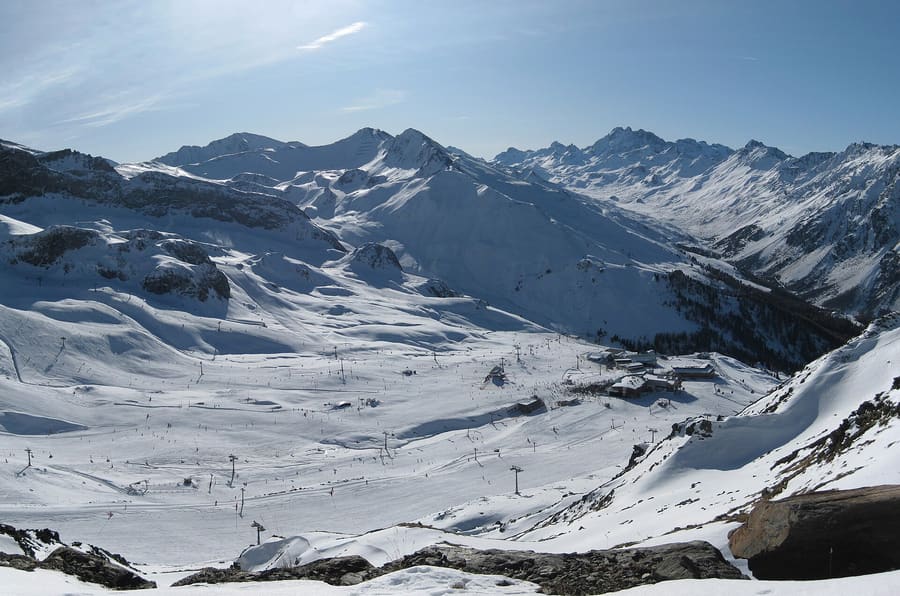
At 2,320 metres, this plateau serves as the central hub for lifts, ski schools, and open-air concerts.
Perguntar ao ParleyÁustria
High-altitude skiing meets high-end Tyrolean nightlife.
introduction
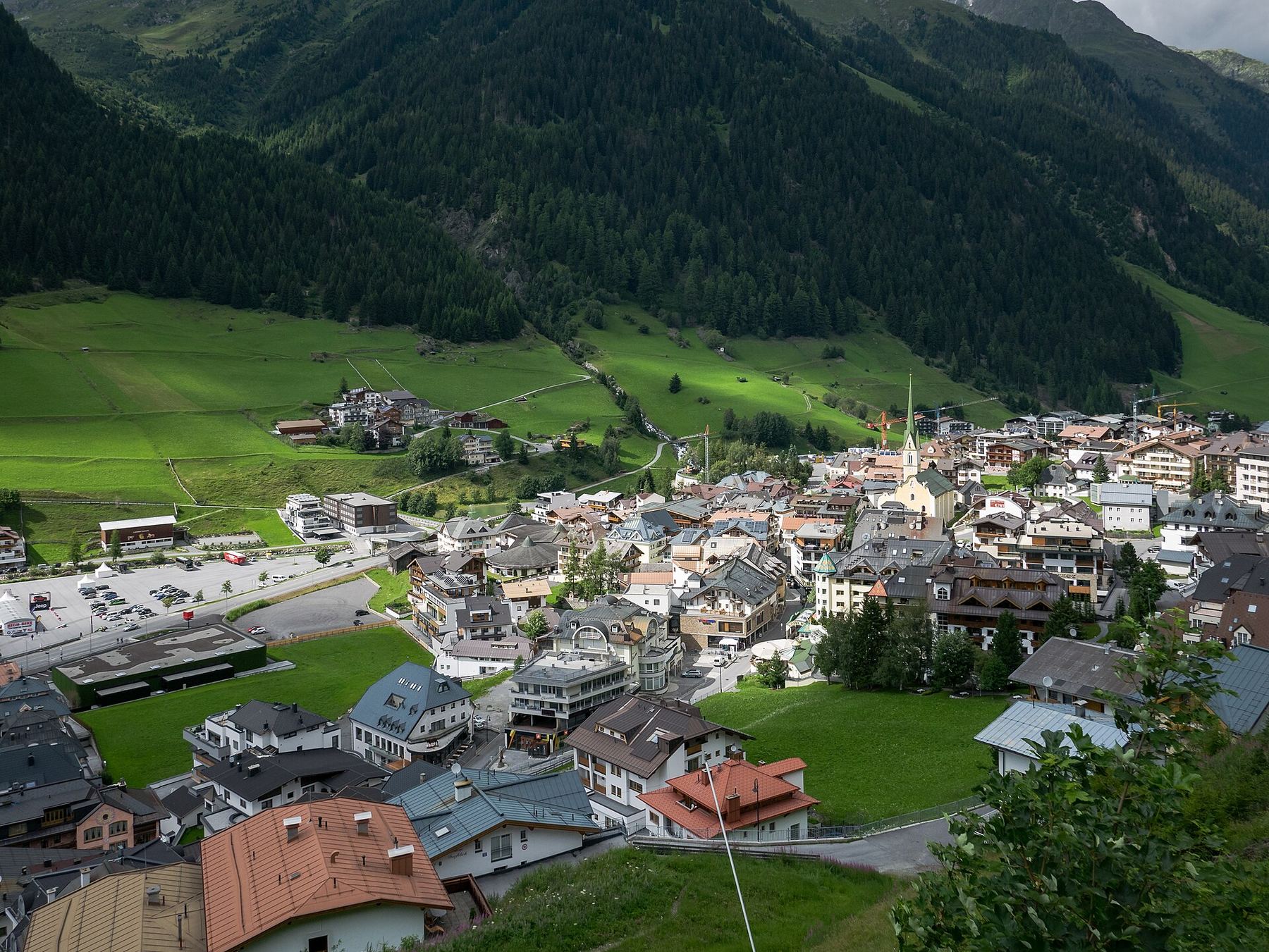
Ischgl is a high-altitude Austrian resort town in the Paznaun valley designed for seamless transit between ski slopes and late-night venues. Underground moving walkways link key gondola hubs, eliminating the need to drive once you arrive. Expect groomed alpine terrain, high-volume après-ski, and strict valley traffic controls.
Arrival trick
Take the train to Landeck-Zams, then postbus 260 directly into Ischgl. A taxi costs four times as much for a twenty-minute speed difference.
Cross-border skiing
Silvretta Arena links Ischgl to duty-free Samnaun in Switzerland, creating 239 kilometres of connected alpine ski slopes.
highlights
landmark
At 2,320 metres, this plateau serves as the central hub for lifts, ski schools, and open-air concerts.
Perguntar ao Parley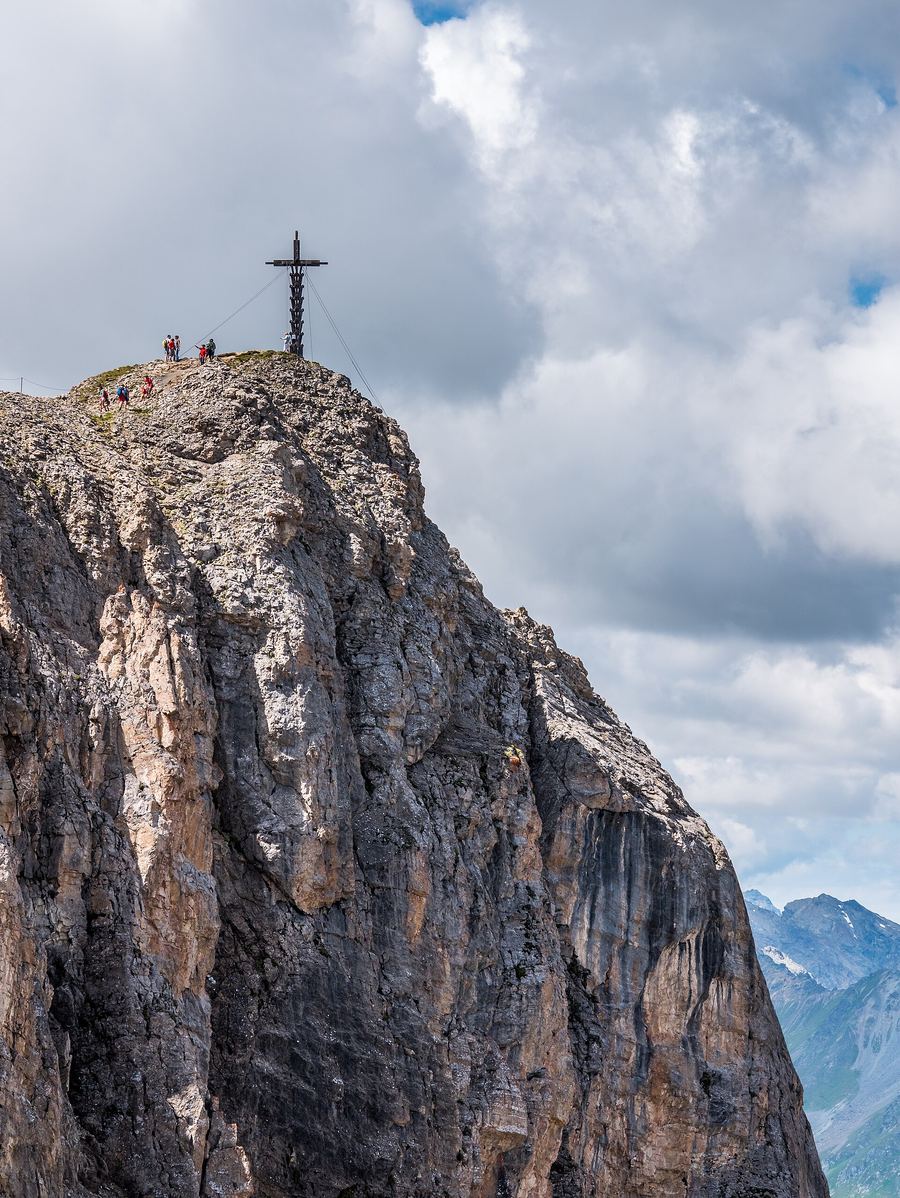
landmark
The highest reachable point in the resort at 2,872 metres. Offers steep black runs and views into Switzerland.
Perguntar ao Parley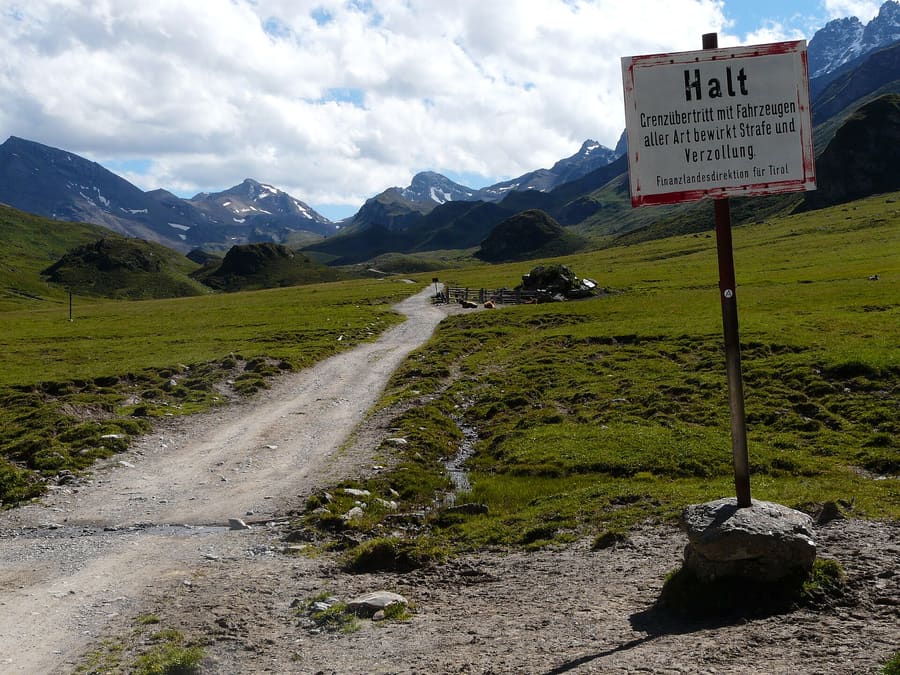
landmark
A high valley running south towards Switzerland. Ideal for winter touring and summer hiking away from lifts.
Perguntar ao Parley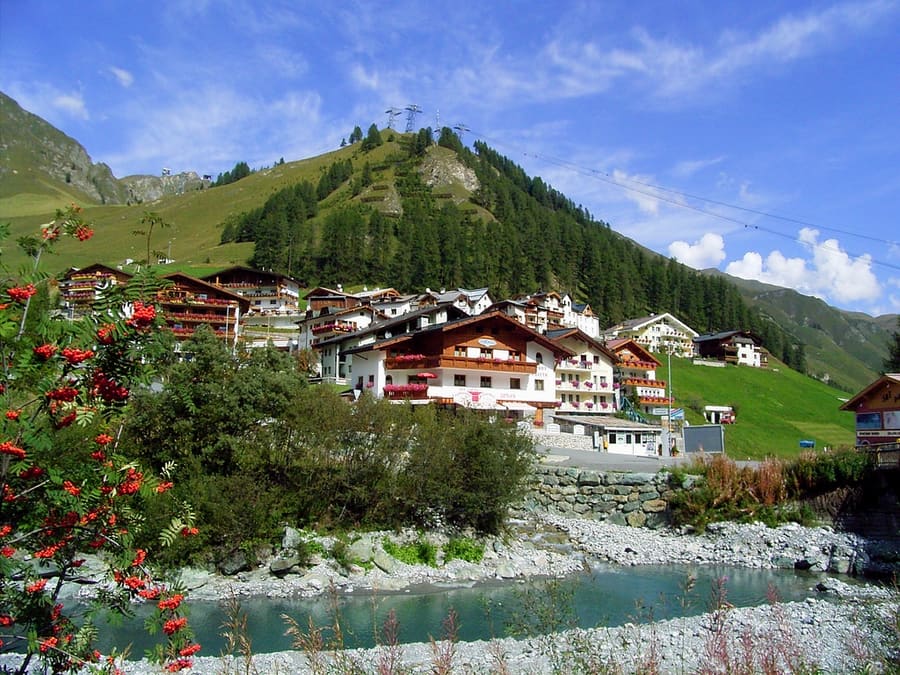
landmark
Ski over the Swiss border into Samnaun for tax-free shopping. Return via the Smuggler's Circuit before lifts close.
Perguntar ao Parleyattractions
areas
Dense, pedestrianized village core packed with luxury hotels, ski shops, and underground venue entrances.
PertoSilvrettabahn and Fimbabahn lift stations.
Perguntar ao ParleyElevated residential sector just east of the village core with quieter boutique stays.
PertoPardatschgratbahn cable car.
Perguntar ao ParleyWestern entrance district centered around high-end thermal wellness and river trails.
PertoSilvretta Therme and western transit stops.
Perguntar ao ParleyQuiet hillside hamlet perched above the valley floor for detached mountain living.
PertoSilvretta high road access and trailheads.
Perguntar ao Parleyfood
Dining in Ischgl splits between traditional Tyrolean mountain huts and high-density award-winning restaurants. Local menus center on Paznauner Almkäse, a protected regional semi-hard to hard cheese served baked, in dumpling soups, or shaved over spätzle. Mid-mountain huts like the Alpenhaus offer restaurant-grade dining above 2,000 metres. Reservations for dinner in the valley floor are non-negotiable throughout peak winter months.
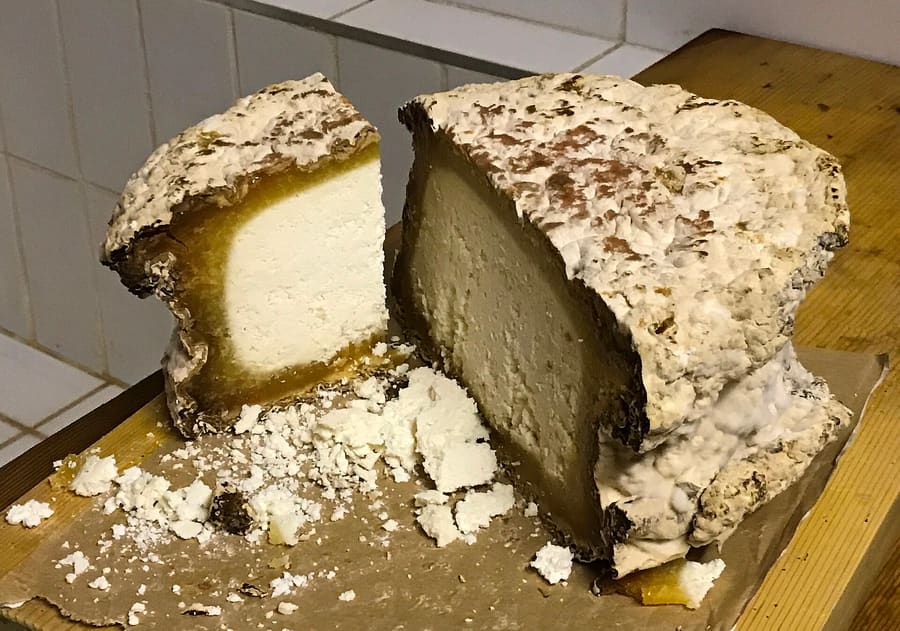
Paznauner Almkäse served with mountain bread.
RudolfSimon · CC BY-SA 3.0Order Käsespätzle made with local aged Paznaun cheese for a sharper taste than standard Austrian versions.
Eat before 11:45 or after 14:00 at mountain huts to avoid peak queueing at table-service terraces.
Valley restaurants require advance booking weeks ahead for high season; walks-ins are routinely turned away.
history
Ischgl transitioned from an isolated mountain farming settlement into an alpine transit hub over the last century. Bordering Switzerland, the local economy long relied on illegal livestock and butter trade across high passes before organized ski infrastructure replaced smuggling in 1963.
Silvrettabahn opens
The construction of the first cable car connects Ischgl village directly to Idalp, launching modern winter tourism.
Samnaun connection
Lifts join with Swiss Samnaun, creating one of Europe's early international cross-border ski arenas.
Top of the Mountain concerts
Ischgl initiates live high-altitude pop concerts at Idalp to open and close every winter ski season.
Silvretta Therme opening
A multi-million euro spa investment shifts the resort towards high-end year-round wellness tourism.
where to stay
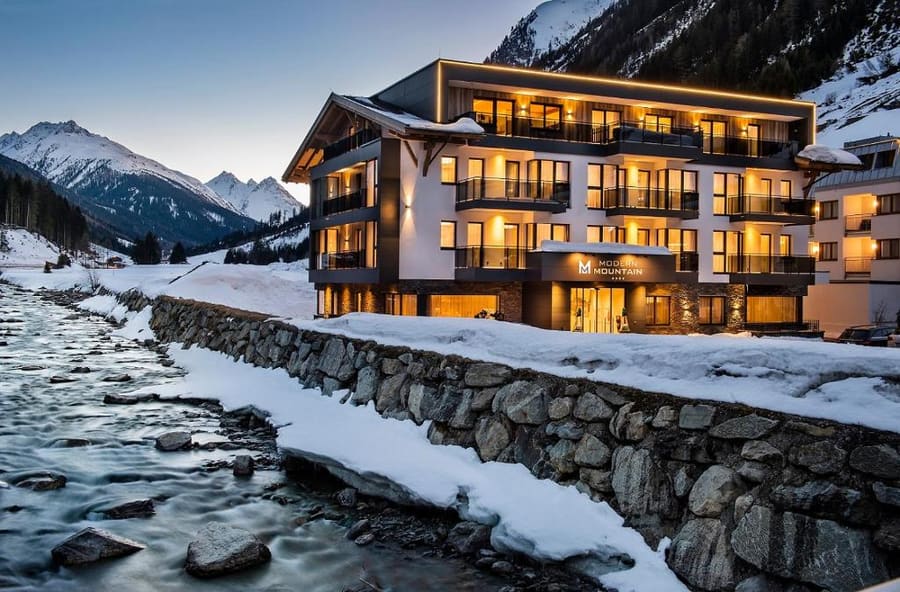
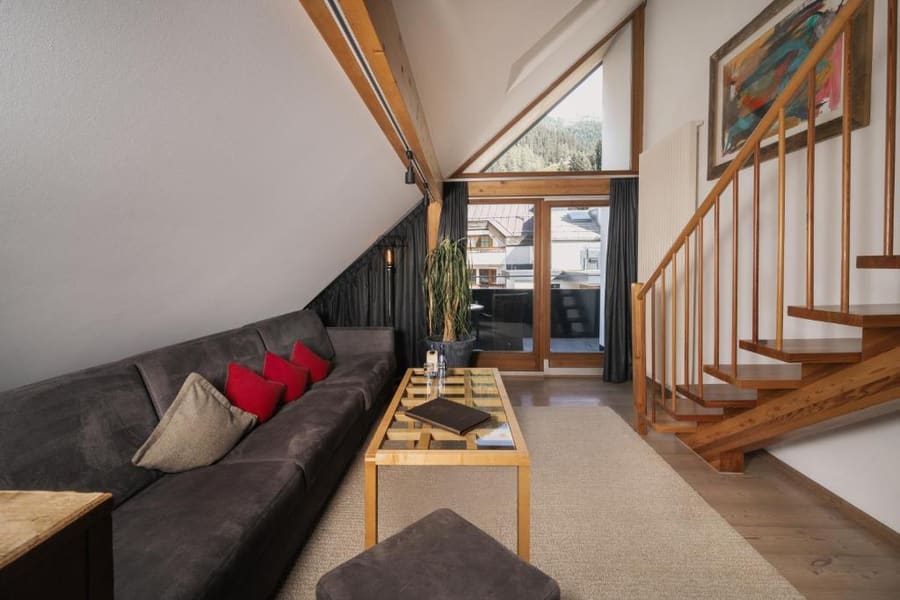
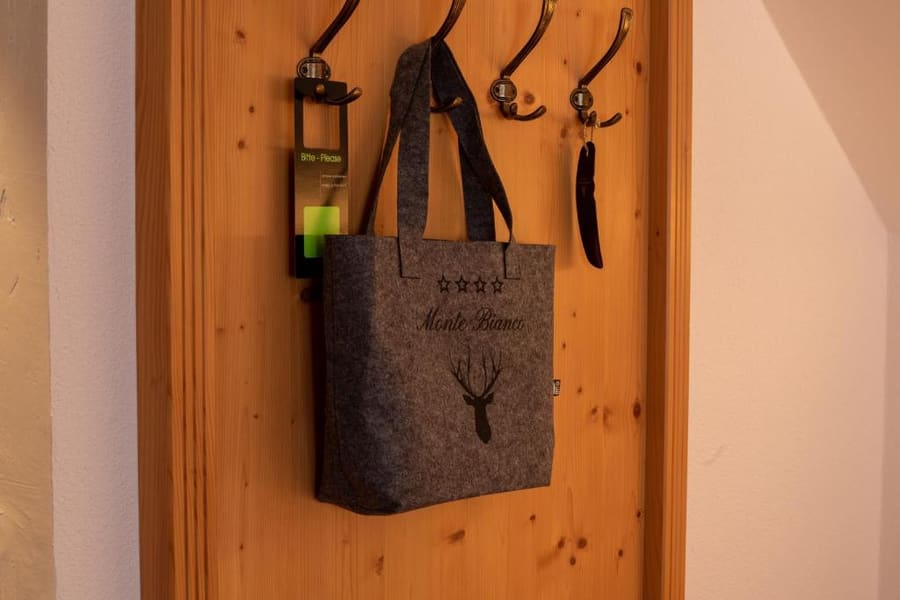
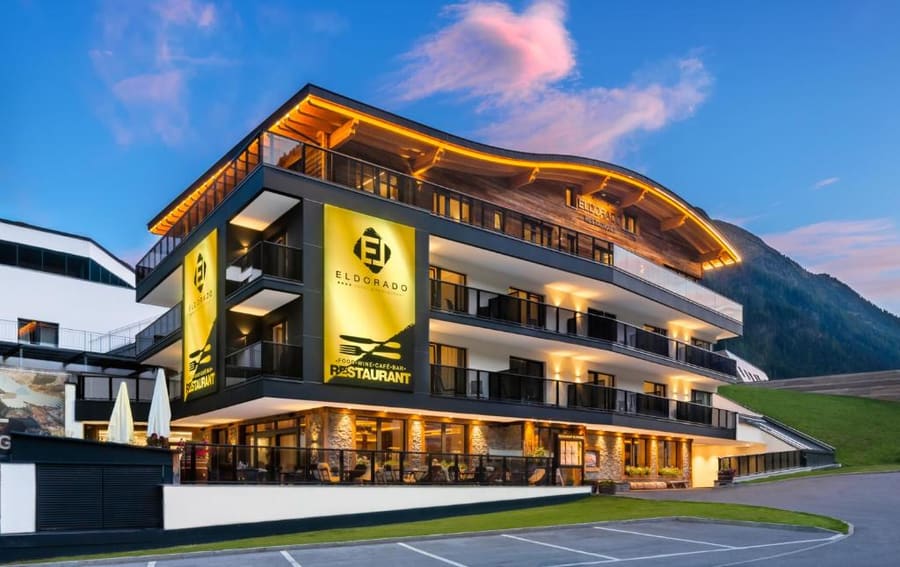
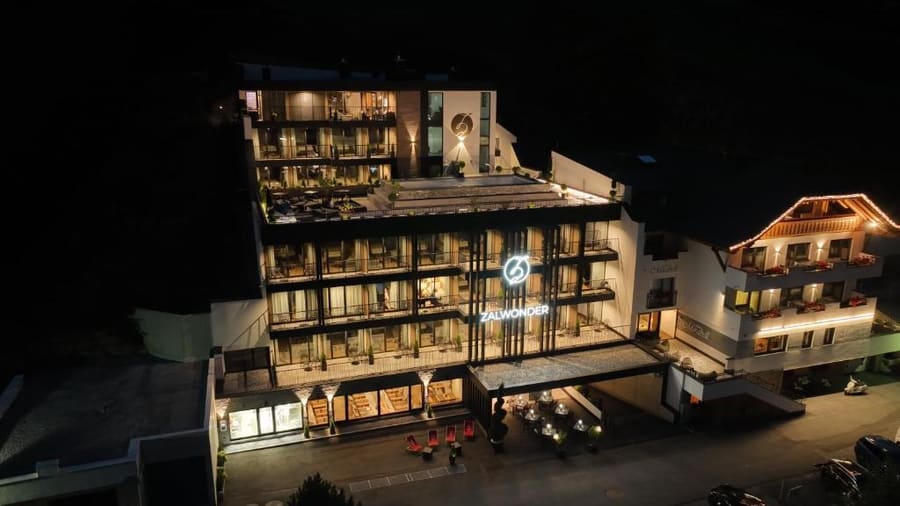
Choose lodging by your tolerance for noise and proximity to ski lifts. Dorfzentrum caters to guests who want immediate cable car access and late-night nightlife. Oberdorf and Prenner offer quieter nights with brief walks to the village center.
Live rates, matched to the areas above.
transport
Ischgl is strictly managed to limit car usage. Pedestrian tunnels with moving walkways connect key areas of the village under the snow. Ski buses run continuously along the Paznaun valley floor between Landeck, See, Kappl, Ischgl, and Galtür.
Use the underground pedestrian tunnels with moving carpets to cross town in ski boots without walking on icy streets.
Ski passes and guest cards grant free travel on all Paznaun valley buses between Landeck and Galtür.
Overnight street parking is banned. Hotels provide garage space, or you must use central parking garages.
The regional night bus runs until 02:30 between Ischgl and neighbouring valley villages during winter.
cost
Ischgl commands premium resort pricing, particularly for food, slope-side drinks, and winter lodging. Planning ahead for passes and spa bookings avoids inflated day-of surcharges.
Covers the entire Silvretta Arena network including Swiss Samnaun access.
Includes access to indoor pools, outdoor heated rooftop tanks, and saunas.
Standard price for Käsespätzle or a main dish at table-service alpine huts.
Prices spike at mid-mountain après bars like Paznauner Taja.
seasonality
DEC – FEB
Peak winter snow coverage. Long lift lines at peak hours and maximum room rates across all districts.
MAR – APR
High-altitude spring skiing with reliable upper snow and long sunny afternoons on hut terraces.
MAY – JUN
Inter-season pause. Cable cars undergo maintenance; many valley restaurants and hotels close completely.
JUL – SEP
Summer hiking season. Lifts reopen for mountain biking; guest cards grant free cable car access.
practicalities
Walking in hard-shell ski boots in the village core is prohibited between 20:00 and 06:00 under local ordinance.
Customs officers spot-check skiers returning from Swiss Samnaun at mountain pass checkpoints.
Sauna zones in Austria and Silvretta Therme are strictly textile-free; bring a towel to sit on.
Top of the Mountain concerts in late November and late April drive 100% hotel occupancy across the valley.