landmark
Sri Dalada Maligawa
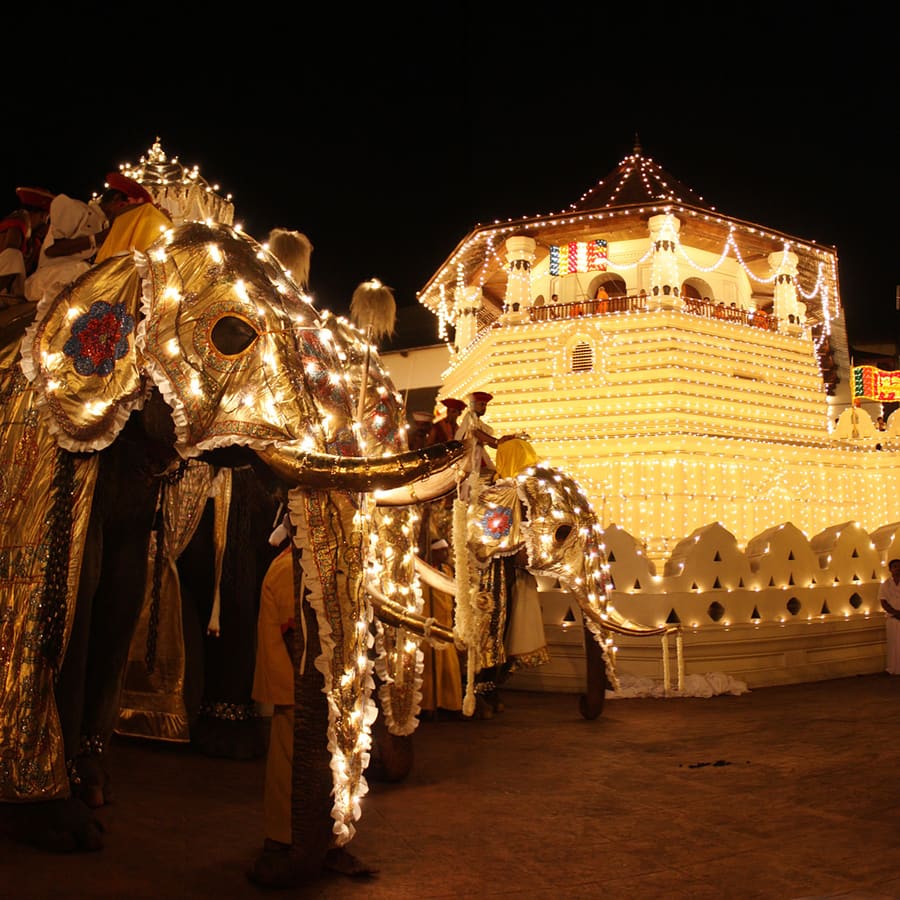
Houses Buddha's tooth relic. Arrive for 05:30, 09:30, or 18:30 puja rituals when the inner chamber doors open.
Perguntar ao ParleySri Lanka
Ancient highland capital built around a lake and a relic.
introduction
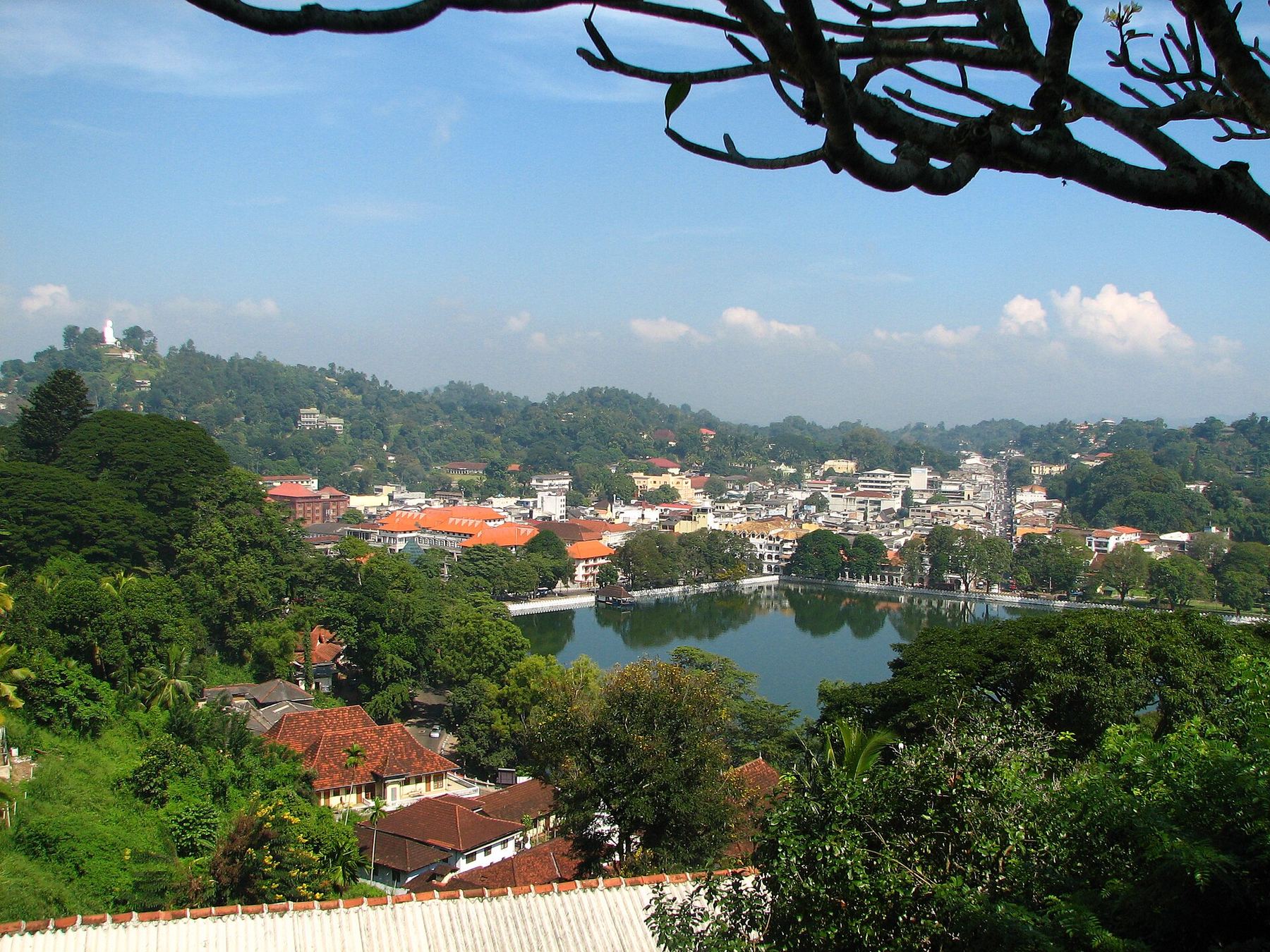
Kandy occupies a cramped basin in the Central Hills, ringed by ridges that keep heat in and traffic slow. Life turns around the artificial lake and the Temple of the Tooth, where ritual drums beat thrice daily. Tuk-tuks dominate the tight grid, so walking the lake perimeter is often faster than riding across town. Expect heavy afternoon showers and steep climbs the moment you leave the valley floor.
Train arrival at Kandy station
Ignore drivers waiting inside the concourse. Walk past the main gate to William Gopallawa Mawatha to flag a street tuk-tuk or use ride-hailing apps.
UNESCO World Heritage site
UNESCO listed the Sacred City of Kandy in 1988 for its surviving royal architecture and unbroken Buddhist ceremonial traditions.
Temple dress code and footwear
Cover shoulders and knees before entering Sri Dalada Maligawa. Shoes must be deposited at the counter, so pack socks to avoid burning feet on exposed stone.
Kandy
Yasiths at English Wikipedia · Public domain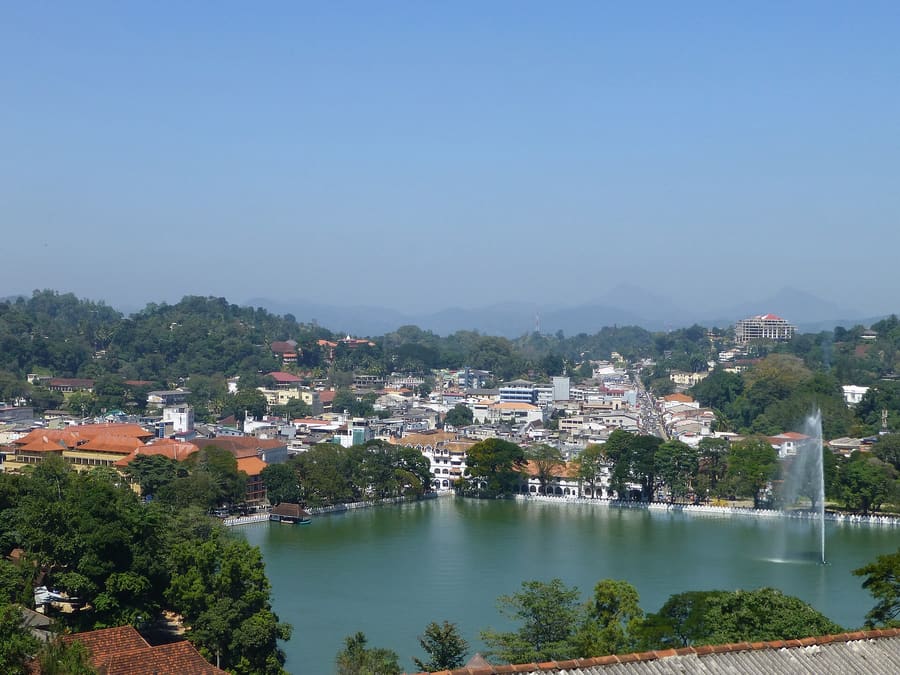
City Centre & Lakefront — Flat, walkable district around Kandy Lake, heavy with diesel fumes and pilgrim crowds.
Ji-Elle · CC BY-SA 3.0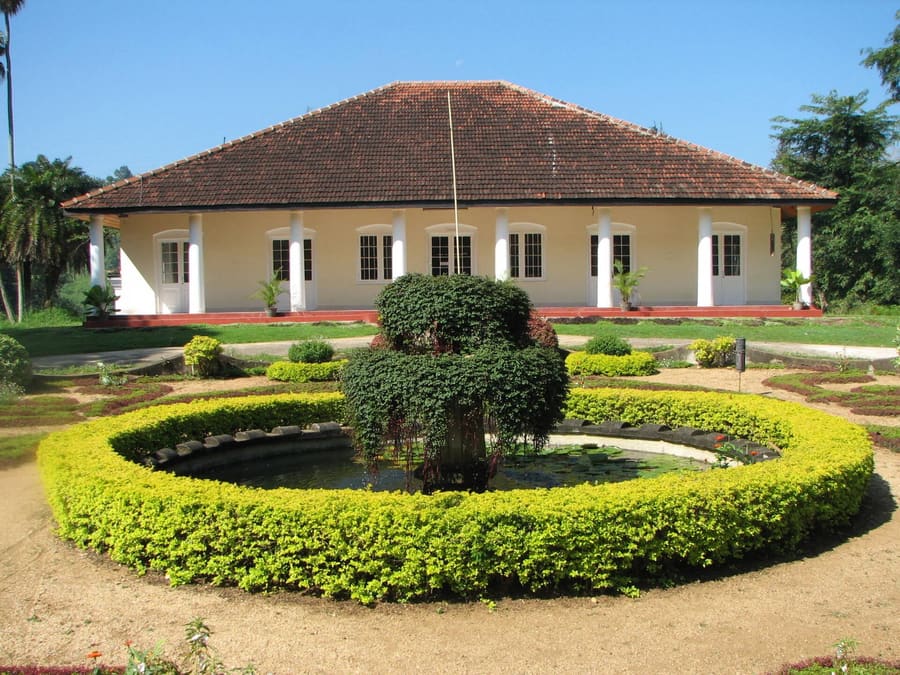
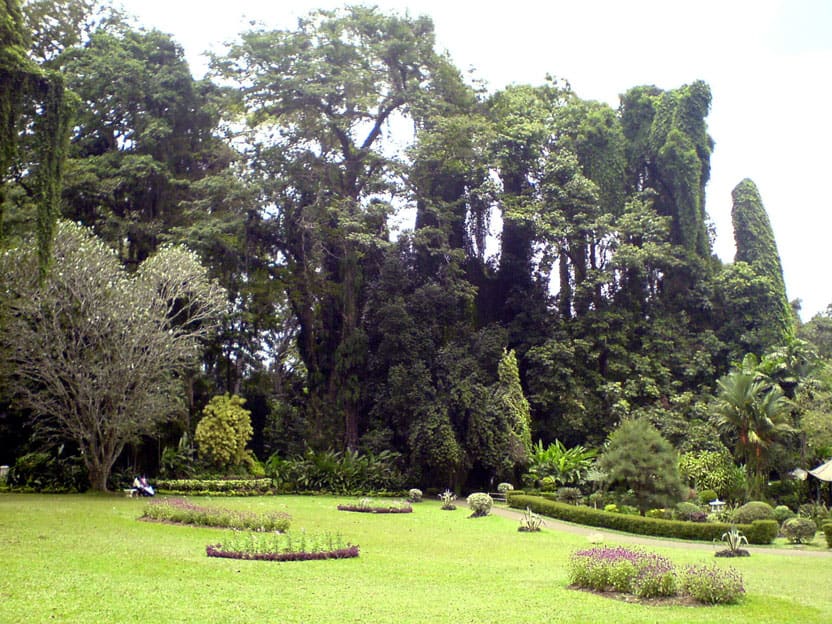
Peradeniya — Leafy university district 6km west along the Mahaweli River, calmer than the central basin.
Bernard Gagnon · CC BY-SA 3.0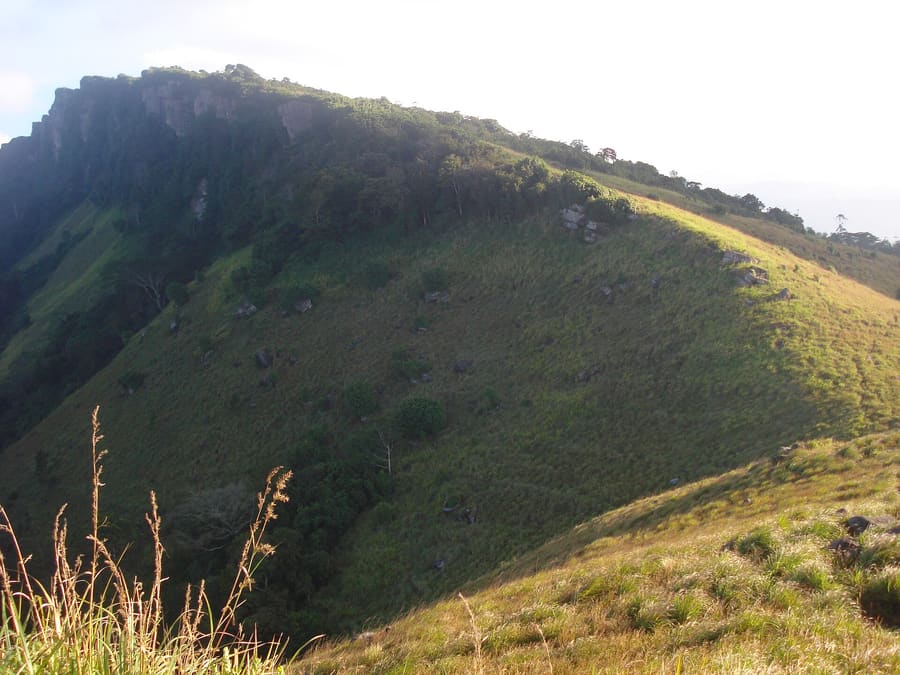
Hantana Hills — High-altitude tea estate slopes south of the city, cooled by hill breezes.
Astronomyinertia · CC BY-SA 3.0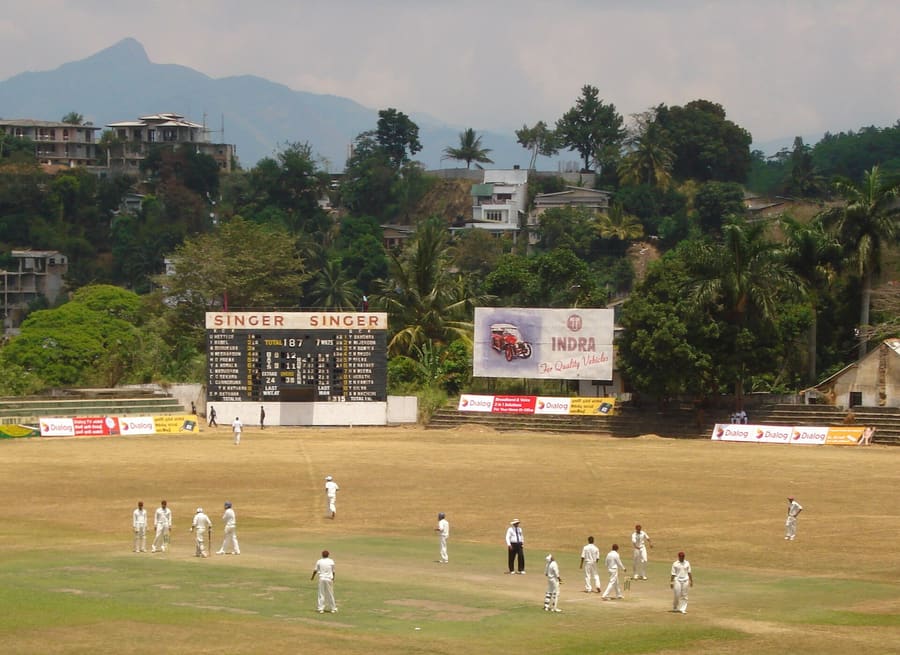
Asgiriya & Udawatta Slopes — Residential hill paths immediately north of the commercial grid, offering ridge perspectives.
Astronomyinertia · CC BY-SA 3.0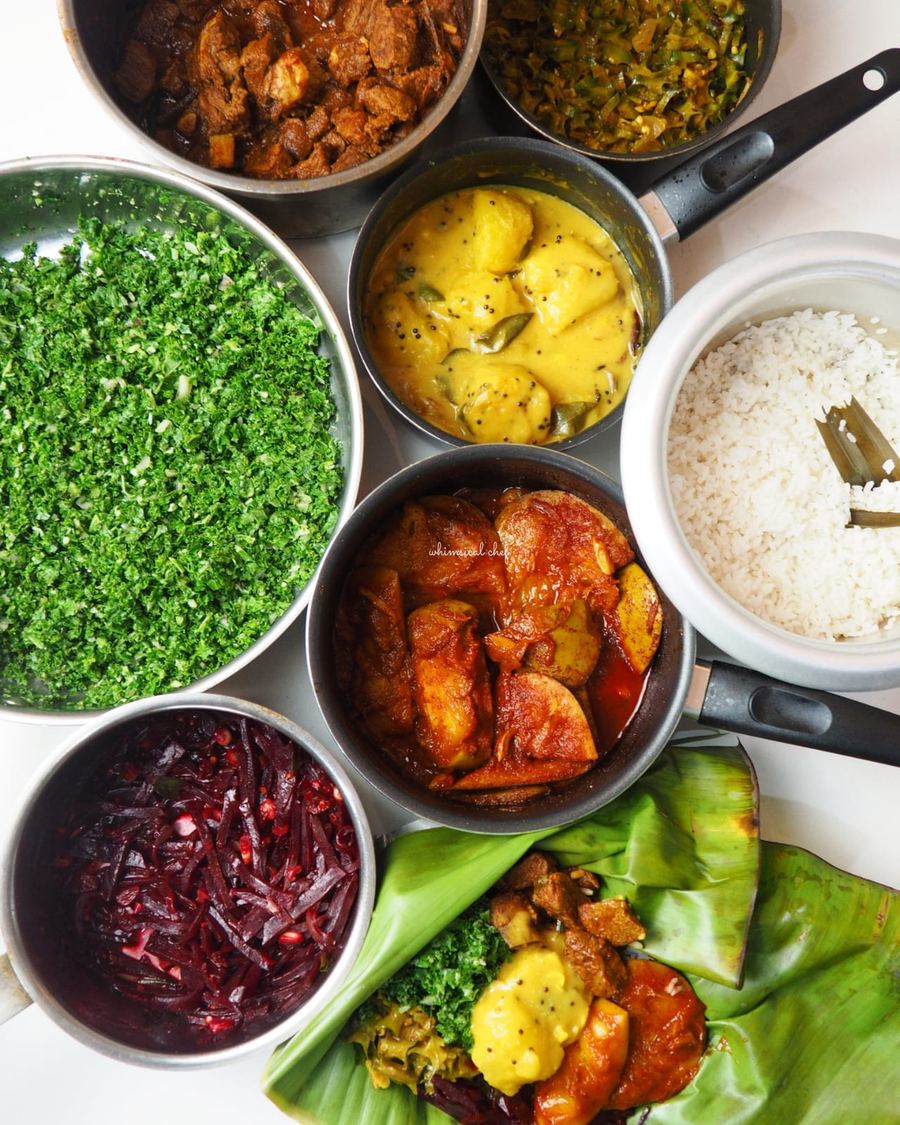
Midday rice and curry spread featuring polos (tender jackfruit) and dhal.
Lankan Foodie · CC BY-SA 4.0highlights
landmark
Houses Buddha's tooth relic. Arrive for 05:30, 09:30, or 18:30 puja rituals when the inner chamber doors open.
Perguntar ao Parley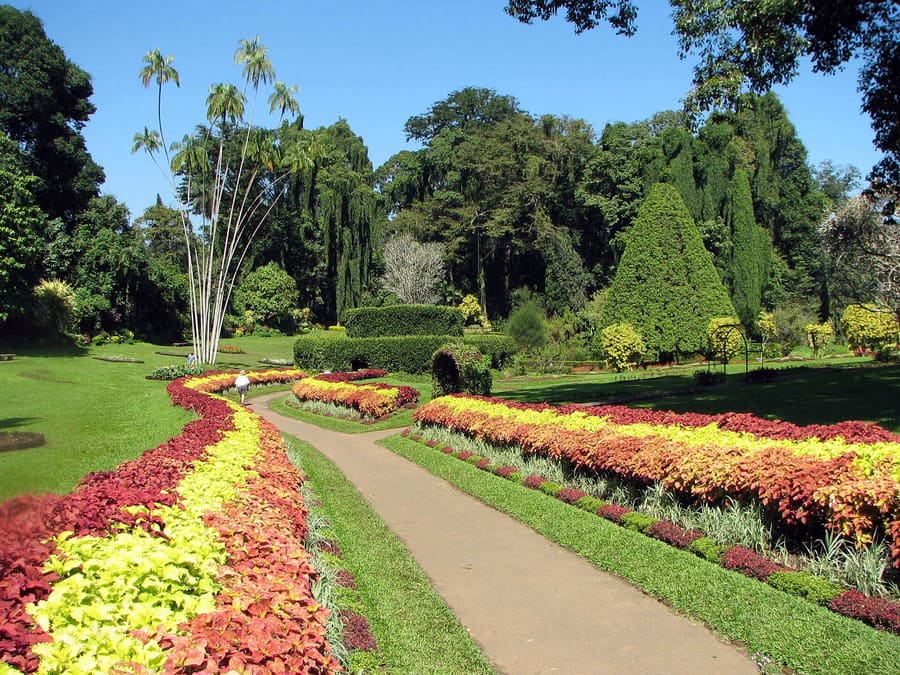
landmark
Sprawling 147-acre garden inside a loop of the Mahaweli River. Go before 10:00 to beat heat and tour buses.
Perguntar ao Parley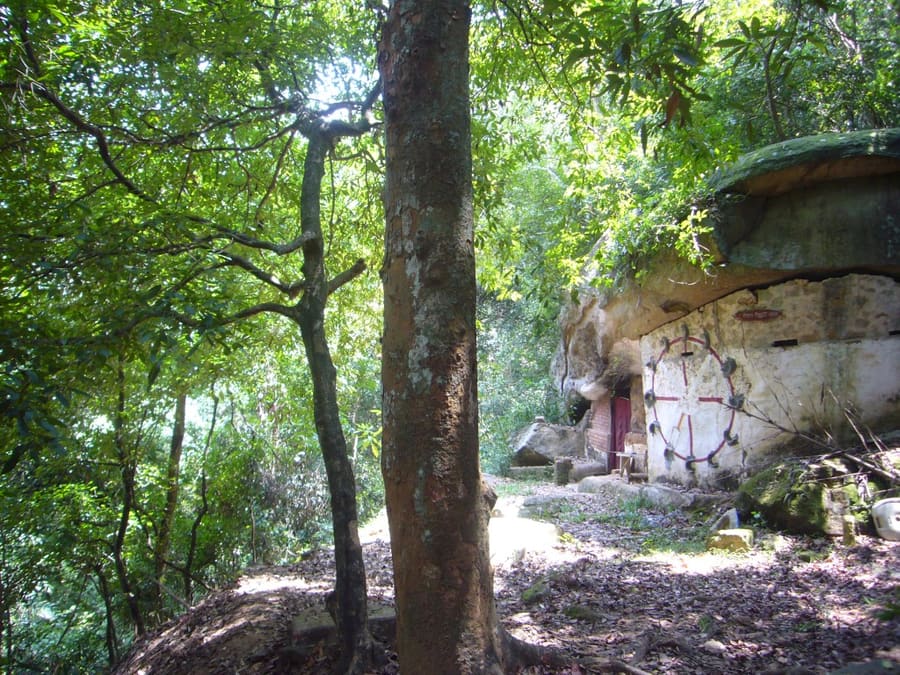
landmark
Forest reserve directly behind the royal palace complex. Carry bug spray and watch for macaques along path trails.
Perguntar ao Parley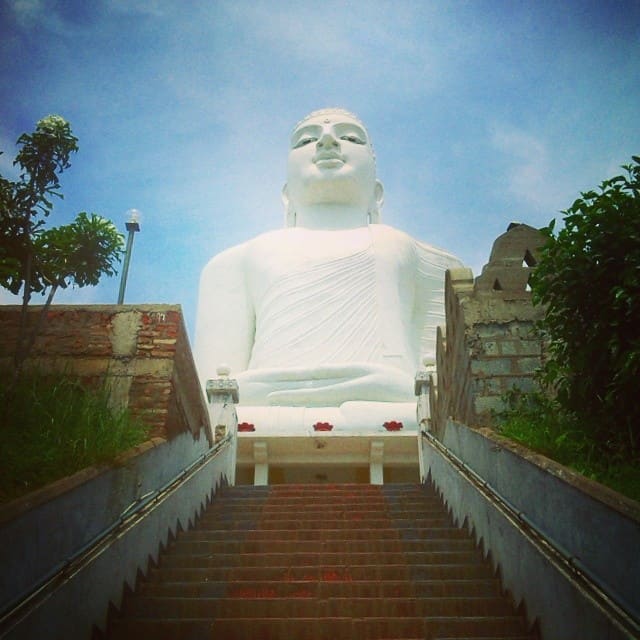
landmark
88-foot seated Buddha visible from most of town. Walk up early morning for clean views across the valley.
Perguntar ao Parley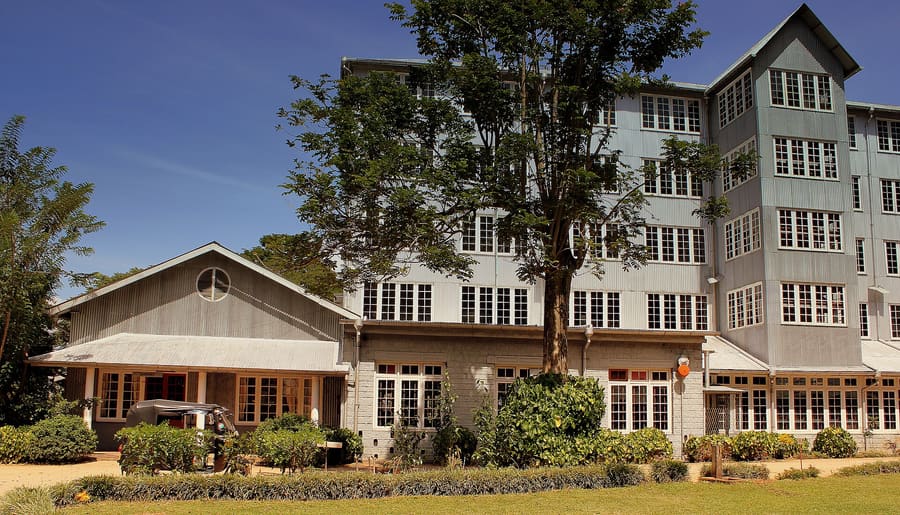
landmark
1925 tea factory showcasing vintage rolling machines. Closed Mondays; tour includes a tasting on the top floor.
Perguntar ao Parleyattractions
areas
Flat, walkable district around Kandy Lake, heavy with diesel fumes and pilgrim crowds.
PertoSri Dalada Maligawa, Kandy Railway Station, Central Market
Perguntar ao ParleyLeafy university district 6km west along the Mahaweli River, calmer than the central basin.
PertoRoyal Botanical Gardens, Peradeniya Junction railway station
Perguntar ao ParleyHigh-altitude tea estate slopes south of the city, cooled by hill breezes.
PertoCeylon Tea Museum, Hanthana mountain trailheads
Perguntar ao ParleyResidential hill paths immediately north of the commercial grid, offering ridge perspectives.
PertoUdawatta Kele Sanctuary, Asgiriya Stadium
Perguntar ao Parleyfood
Kandyan food stands apart from coastal Sri Lankan cooking through its reliance on dark roasted spicing, coconut cream, and mountain garden produce. Local hill rice comes paired with toasted curry powder, black-pepper pork, or jackfruit cooked down into thick, fragrant stew.Bakeries known as short-eat shops line Dalada Veediya, serving pan rolls and egg rotis from early morning until late afternoon. For a complete midday meal, look for eateries where office workers line up for rice and curry served on banana leaves.
Midday rice and curry spread featuring polos (tender jackfruit) and dhal.
Lankan Foodie · CC BY-SA 4.0Rice and curry is prepared for midday service. By 14:00, most traditional lunch spots run out of key dishes.
Most local eateries close by 21:00. Evening dining options after 21:30 are limited mainly to hotel restaurants.
history
Kandy was established as the capital of the Kingdom of Kandy in the late 14th century, choosing a valley location protected by mountains and the Mahaweli River. While coastal kingdoms fell to European forces, Kandy maintained independence for over two centuries.The city held out against Portuguese and Dutch invasions using guerrilla tactics in the surrounding jungles. In 1815, British forces negotiated the Kandyan Convention with local nobles, ending the native monarchy and incorporating the region into British Ceylon.
Relic transferred to Kandy
King Wimaladharmasuriya I brings the Tooth Relic to Kandy, establishing the city as the primary Buddhist authority on the island.
Kandy Lake constructed
Sri Wickrama Rajasinghe, the last king of Kandy, orders the creation of Kiri Muhuda (Kandy Lake) in front of his royal palace complex.
Fall of the kingdom
British troops enter Kandy and depose Sri Wickrama Rajasinghe, concluding over 2,300 years of royal rule in Sri Lanka.
Railway connects Colombo
The mainline railway reaches Kandy, accelerating tea exports from surrounding highland plantations to coastal ports.
where to stay
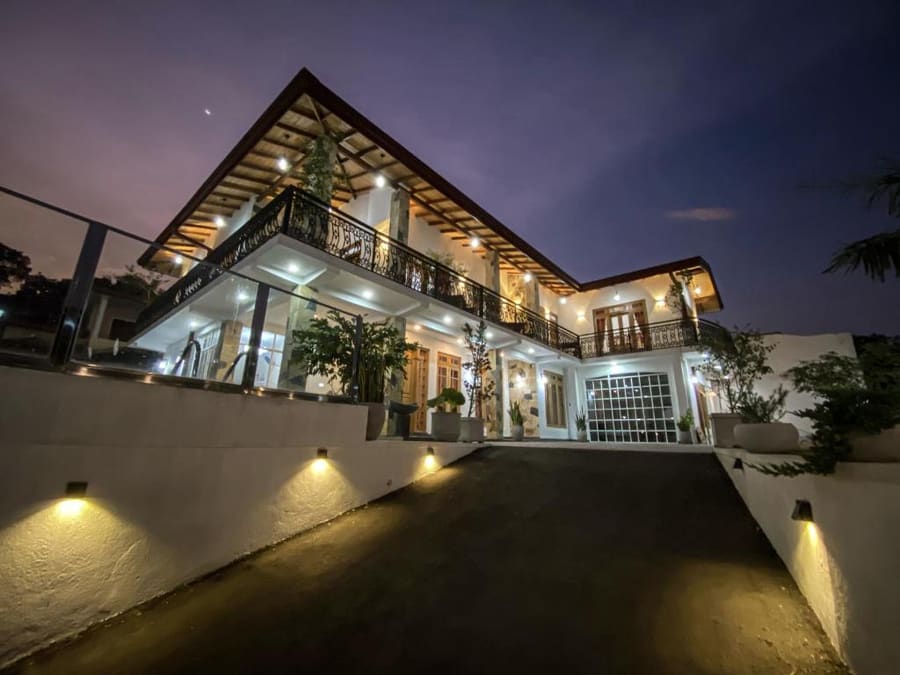
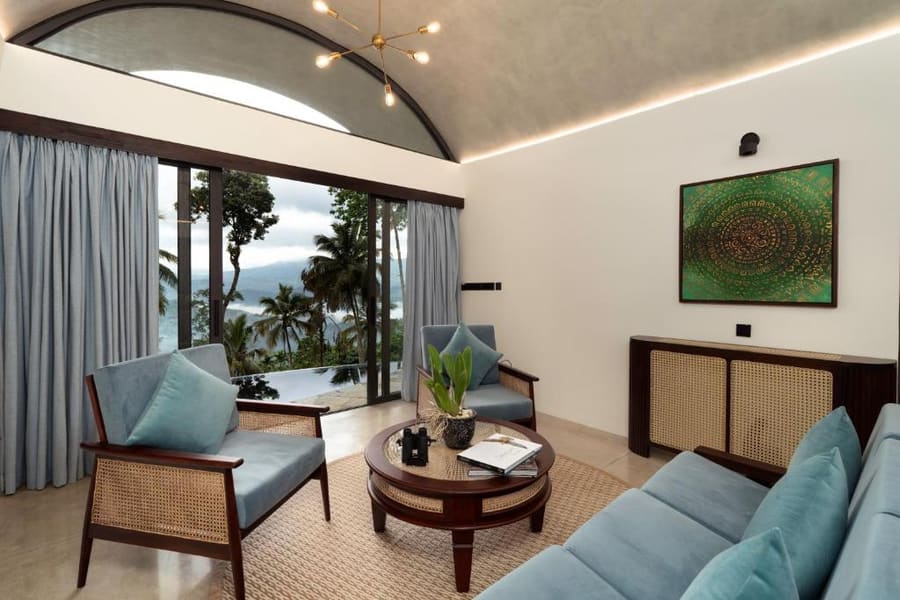
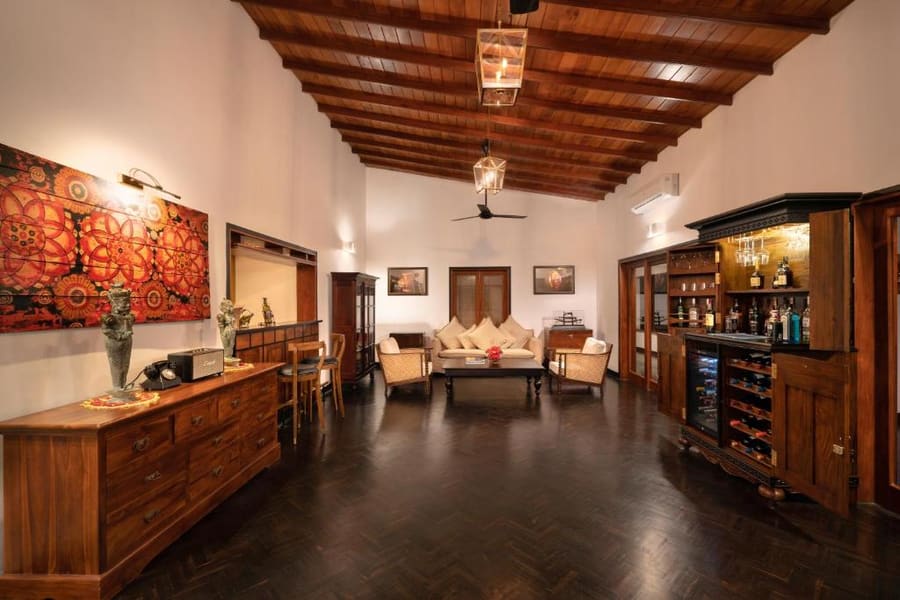
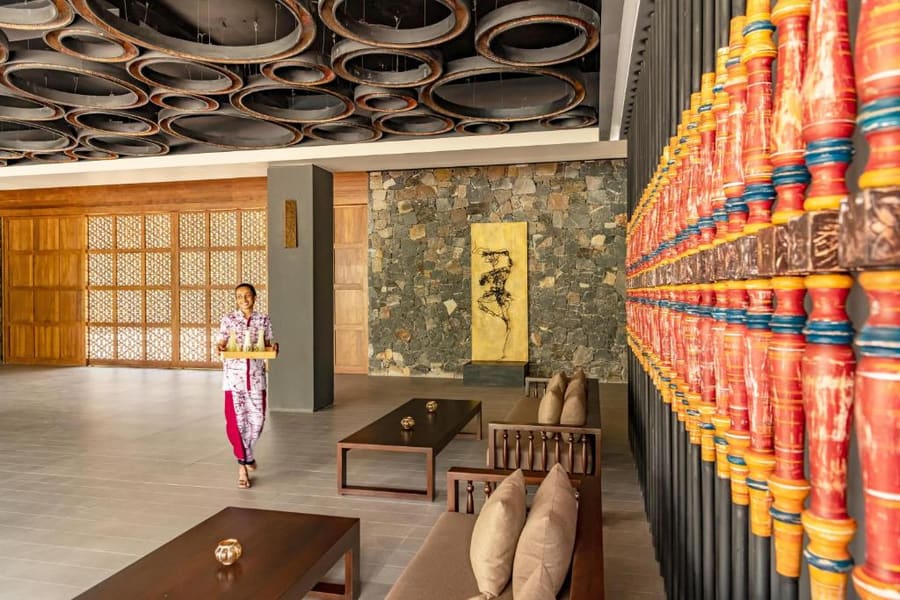
Choose your location based on how you plan to navigate Kandy's terrain. Staying in the flat central basin gives you instant access to the temple and railway, but comes with traffic noise and urban heat. Ridge properties offer cooler mountain air and views, but demand steep walks or frequent tuk-tuk rides for every meal.
Live rates, matched to the areas above.

transport
Kandy is compact but physically constricted by its topography. Central streets jam easily between 07:30–09:00 and 15:30–17:30. Walking along the lake is efficient for short central trips, while three-wheeled tuk-tuks handle the climbs into hill neighbourhoods.
De Bandaranaike International Airport (CMB)
Pre-book at official airport counters inside arrivals; price includes highway toll fees.
Direct AC buses run from Colombo Central Bus Stand; heavy traffic can add an hour.
PickMe and Uber operate in Kandy. Booking via app avoids overcharge disputes on hill climbs.
Reserved 1st and 2nd class tickets open 30 days prior online. Unreserved tickets sell on travel day at the station window.
If taking unmetered street tuk-tuks, negotiate the fare firmly before sitting down.
Buses to Peradeniya depart frequently from the Goods Shed bus stand near Kandy railway station.
cost
Kandy is generally cheaper than coastal resort towns, though ticket prices for major state attractions are priced in foreign tier rates. Carry cash; small restaurants and driver payments rarely take cards.
Covers entry to the main shrine, palace grounds, and World Buddhism Museum.
Standard foreign visitor rate for entry to the botanical grounds.
Price at standard local eateries for a full plate with vegetarian sides.
Covers trips within 2km across the flat city centre basin.
seasonality
JAN – APR
Driest and sunniest period of the year. Ideal conditions for walking around town and hill hiking.
MAY – JUL
Southwest monsoon brings heavy afternoon downpours. Lower hotel rates offset rainy afternoons.
AUG
Esala Perahera festival month. Massive crowds and peak prices; book accommodation months ahead.
SEP – DEC
Inter-monsoon period brings high rainfall and frequent evening thunderstorms across the hills.
practicalities
Remove hats and shoes before stepping onto temple grounds. Never pose for photos with your back turned directly to a Buddha statue.
When hiking in Udawatta Kele or Hantana after rain, wear long socks and apply insect repellent to exposed ankles.
Do not carry visible plastic food bags around Udawatta Kele or temple grounds. Toque macaques actively snatch food from hands.
Bank ATMs are plentiful around Dalada Veediya and Kandy City Centre mall, offering international card withdrawals.
Kandy Lake is a protected sanctuary; swimming, fishing, and wading in the lake are strictly prohibited by city law.