landmark
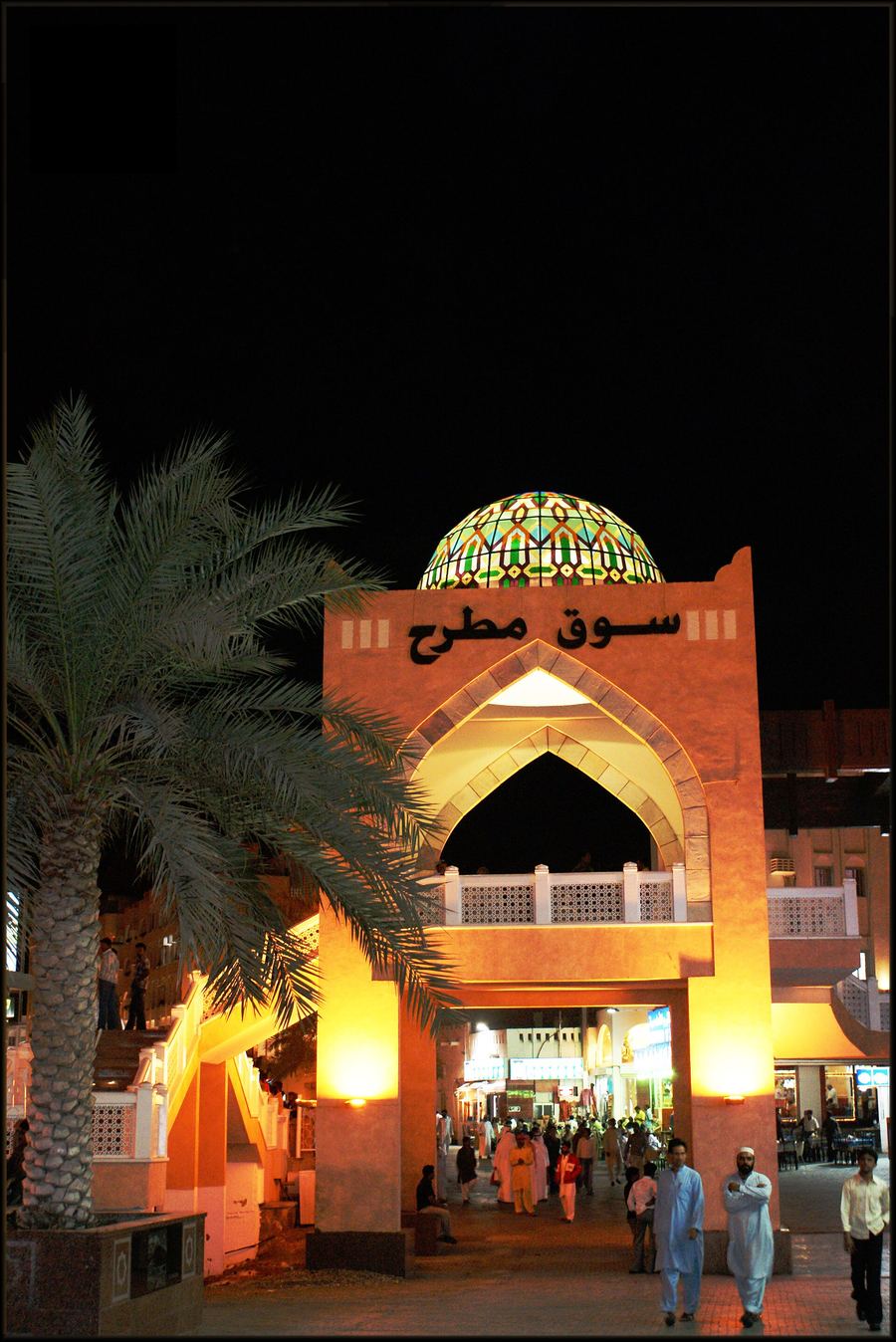
Muttrah Souq
Covered labryinth of frankincense burner shops and silver craft stalls. Bargain calmly for silver purity marks.
Perguntar ao ParleyOmã
A fifty-kilometre coastal ribbon anchored by ophiolite, limestone, and trade.
introduction
Muscat is not a concentrated urban grid. It stretches fifty kilometres along the Gulf of Oman, pinned between jagged volcanic mountains and salt water. Moving around requires wheels and patience with highway interchanges. You come for quiet coastal infrastructure, old trade routes, and low-rise white architecture enforced by Royal Decree.
Arrival taxi strategy
Otaxi app fares beat airport curb taxis by half. Download it on airport Wi-Fi before exiting arrivals.
Grand Mosque dress code
Ankle-length clothing and covered wrists are required. Women need a scarf covering hair and neck entirely.
Friday trading rhythm
Souqs and independent shops shut down between 11:30 and 13:30 for Friday prayers.
Muscat
Andries Oudshoorn · CC BY-SA 2.0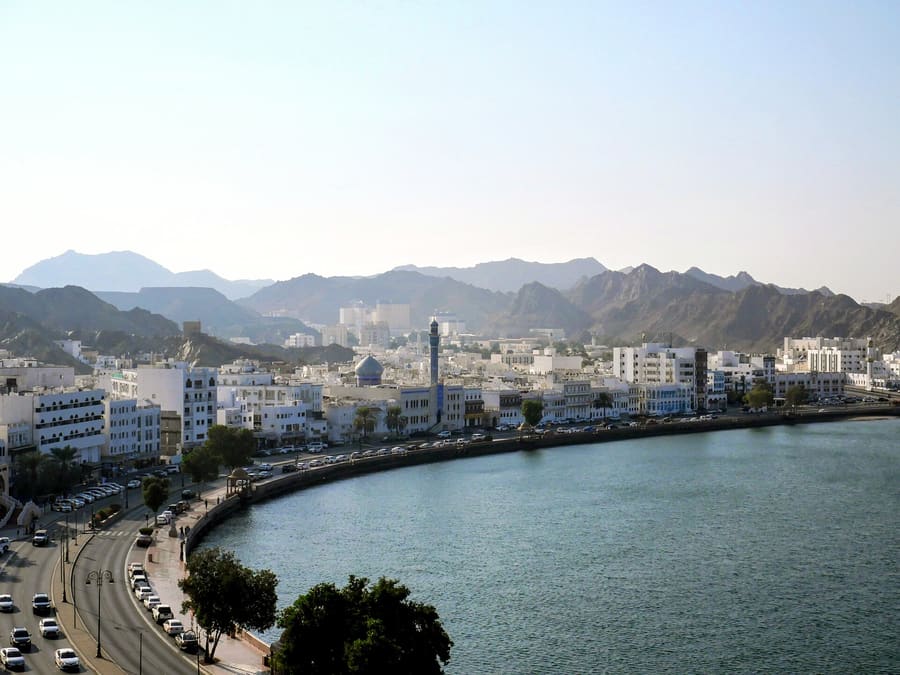
Muttrah — Historic harbor edge with high pedestrian traffic, historic trading houses, and sea breeze.
Izeberg007 · CC0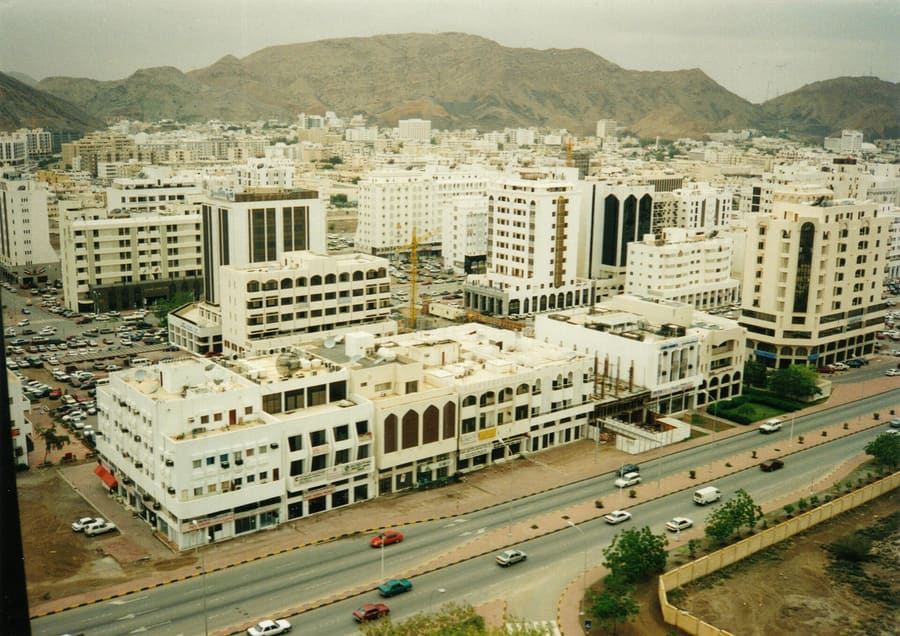
Ruwi — Commercial hub filled with South Asian diners, money exchanges, and electronics shops.
Wusel007 · CC BY-SA 3.0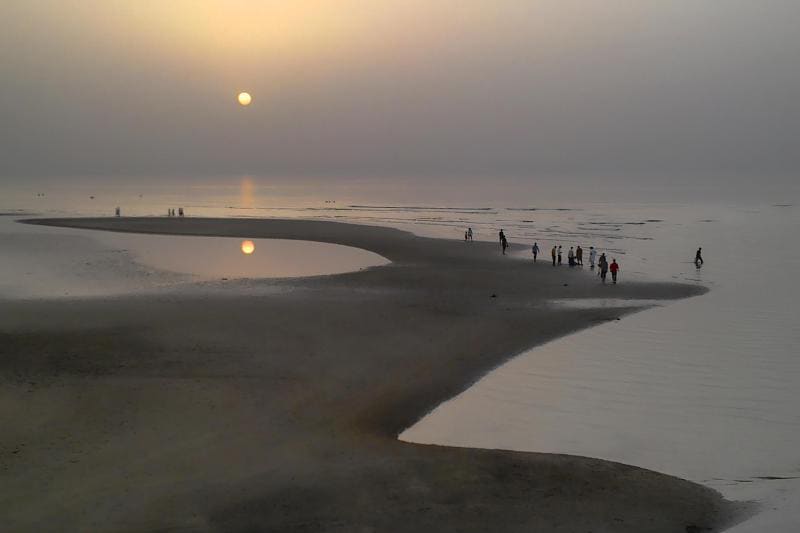
Shati Al-Qurum — Diplomatic district with long sandy beaches, residential villas, and oceanfront cafes.
ShenmueIII · CC BY-SA 3.0highlights
landmark
Covered labryinth of frankincense burner shops and silver craft stalls. Bargain calmly for silver purity marks.
Perguntar ao Parley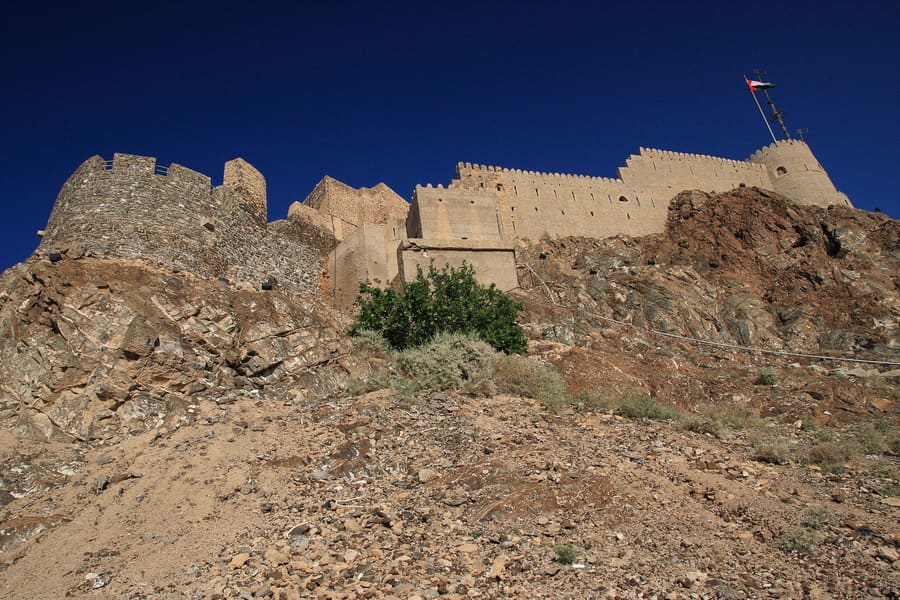
landmark
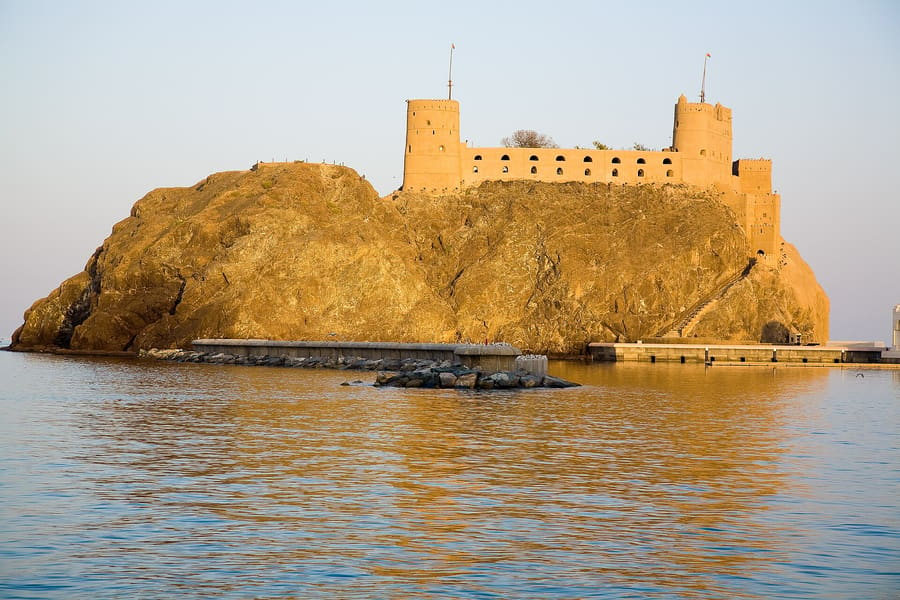
1580s Portuguese hilltop stronghold overlooking the harbor. Step climb pays off at sunset; OMR 3 entry ticket.
Perguntar ao Parley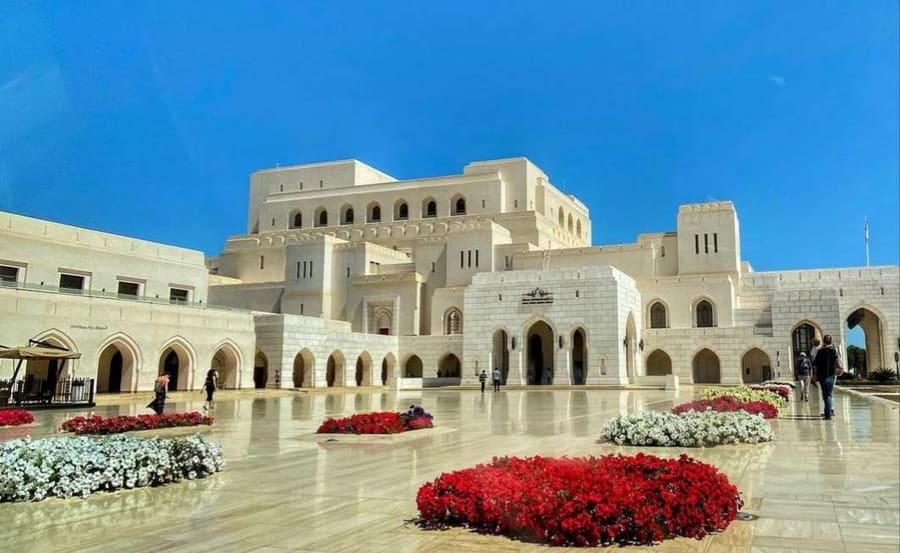
landmark
Italian marble performance venue showcasing Omani woodwork. Morning tour covers stage mechanics and instrument collections.
Perguntar ao Parley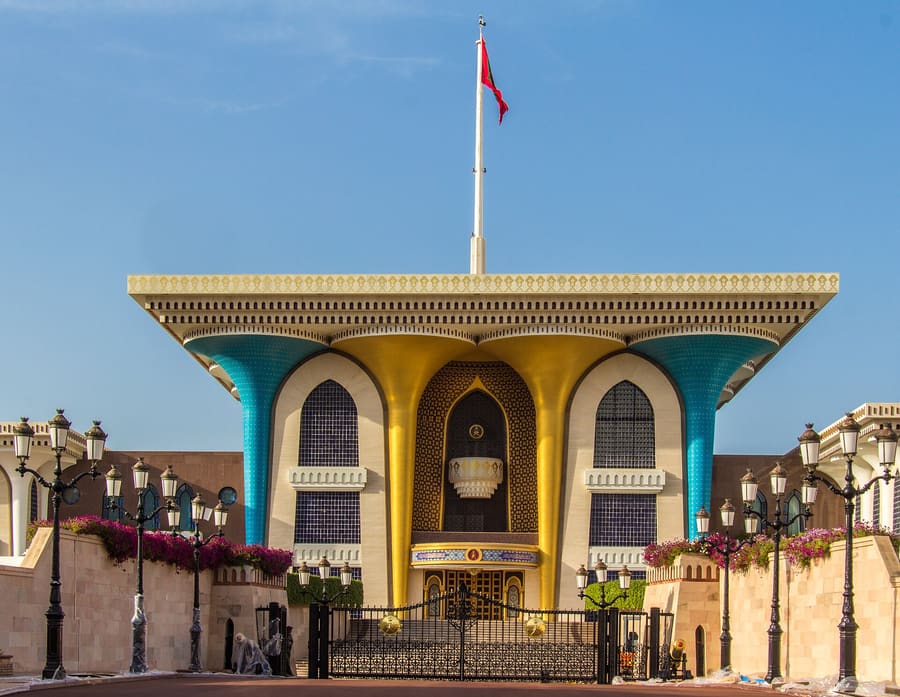
landmark
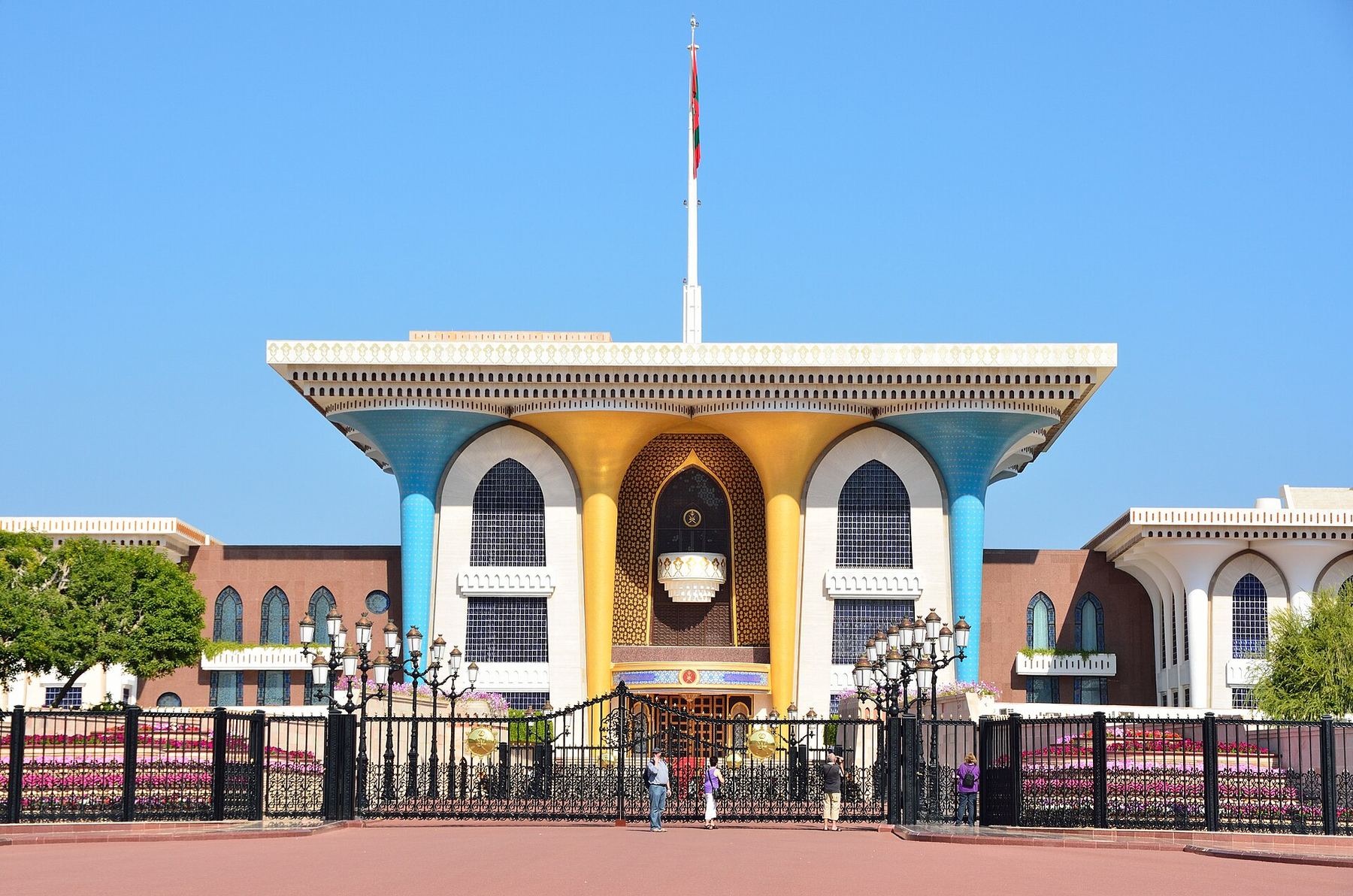
Ceremonial royal palace flanked by Portuguese forts. Interior closed to public; view from gates at Old Muscat end.
Perguntar ao Parley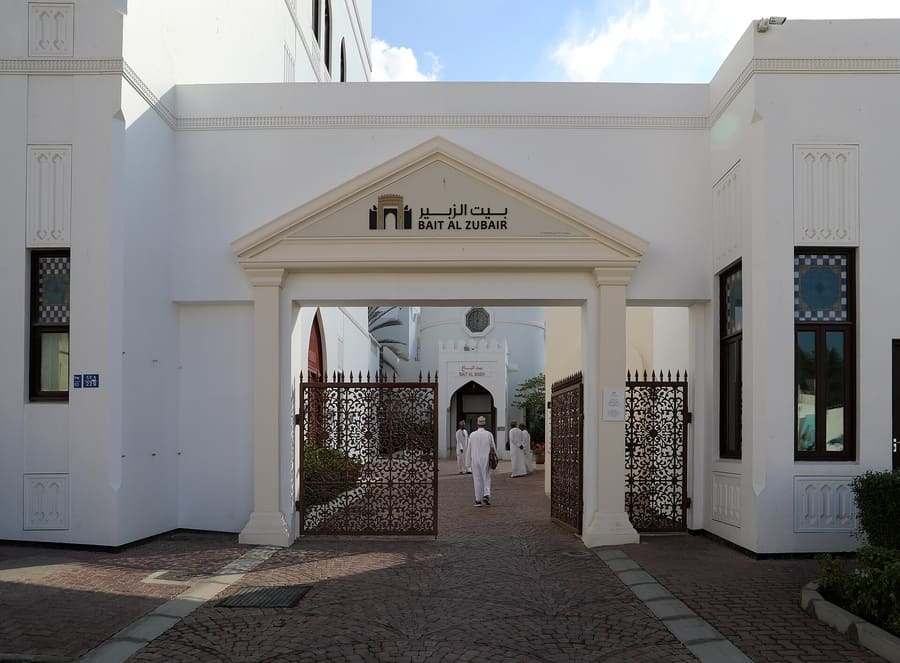
landmark
Private museum displaying Omani weaponry, Khanjar daggers, and historic photography. OMR 3 entry fee.
Perguntar ao Parleyattractions
areas
Historic harbor edge with high pedestrian traffic, historic trading houses, and sea breeze.
PertoMuttrah Souq, Muttrah Fort, Fish Market
Perguntar ao ParleyCommercial hub filled with South Asian diners, money exchanges, and electronics shops.
PertoRuwi Bus Station, Gold Souq, Central Business District
Perguntar ao ParleyDiplomatic district with long sandy beaches, residential villas, and oceanfront cafes.
PertoQurum Beach, Royal Opera House, Restaurant Row
Perguntar ao ParleyMaster-planned waterfront development with private marina, manicured promenades, and western chains.
PertoMuscat International Airport, Marina Beach, Wave Retail
Perguntar ao Parleyfood
Omani food reflects centuries of maritime links across East Africa, India, and Persia. Coastal location means fresh kingfish, hamour, and tuna anchor daily menus, served with spiced rice dishes like majboos. South Asian eateries in Ruwi supply inexpensive parottas, biryanis, and karahi curries.Specialty traditional items require planning. Shuwa — marinated lamb slow-roasted underground in palm leaves — is traditionally an Eid dish, but specific Muscat restaurants prepare it on weekends. Coffee culture centres on kahwa, lightly roasted coffee infused with cardamom and served alongside fresh dates.
Arrive at 06:30 to watch catch landings. Nearby diners grill your freshly purchased fish for a minor cooking charge.
Drive-by tea stalls along Ruwi high street serve hot karak chai for 100 baisa. Drivers honk twice for curb service.
history
Muscat grew as a natural deepwater harbor on the Gulf of Oman. Its strategic position attracted regional empires and foreign navies seeking trade dominance along Indian Ocean sealanes.In 1507, Portuguese commander Afonso de Albuquerque sacked the city, establishing a rule that built the twin forts guarding the harbor. Omanis expelled the Portuguese in 1650, building a maritime empire that extended south to Zanzibar. The modern Omani state took shape after 1970 under Sultan Qaboos bin Said, transforming Muscat into a modern capital while enforcing strict low-rise architectural standards.
Expulsion of Portuguese
Yaruba dynasty forces recapture Muscat, establishing an Omani maritime empire reaching East Africa.
Al Said dynasty begins
Ahmad bin Said al-Busaidi assumes power, founding the ruling dynasty that continues in Oman today.
Modern renaissance
Sultan Qaboos ascends the throne, initiating oil-funded modernization and building national infrastructure.
where to stay
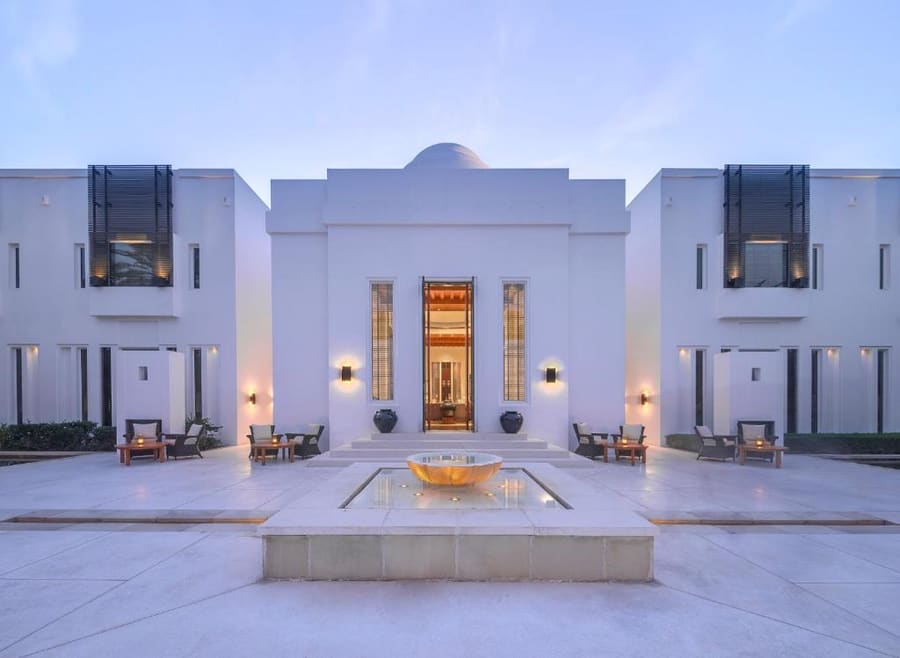
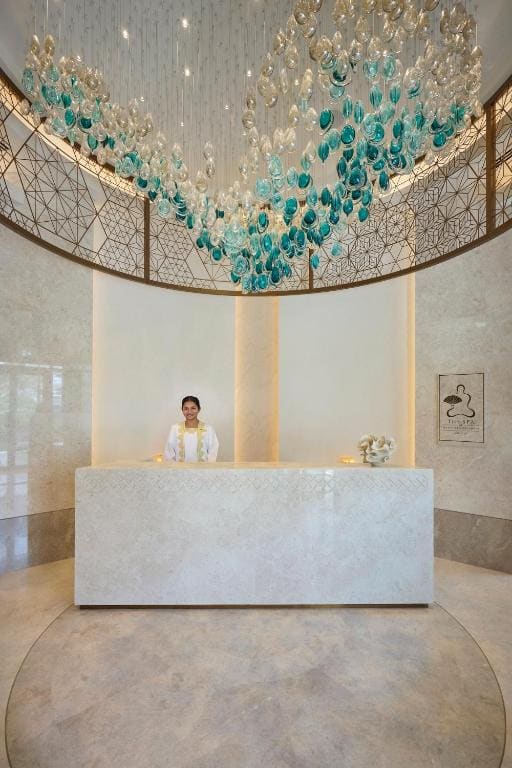
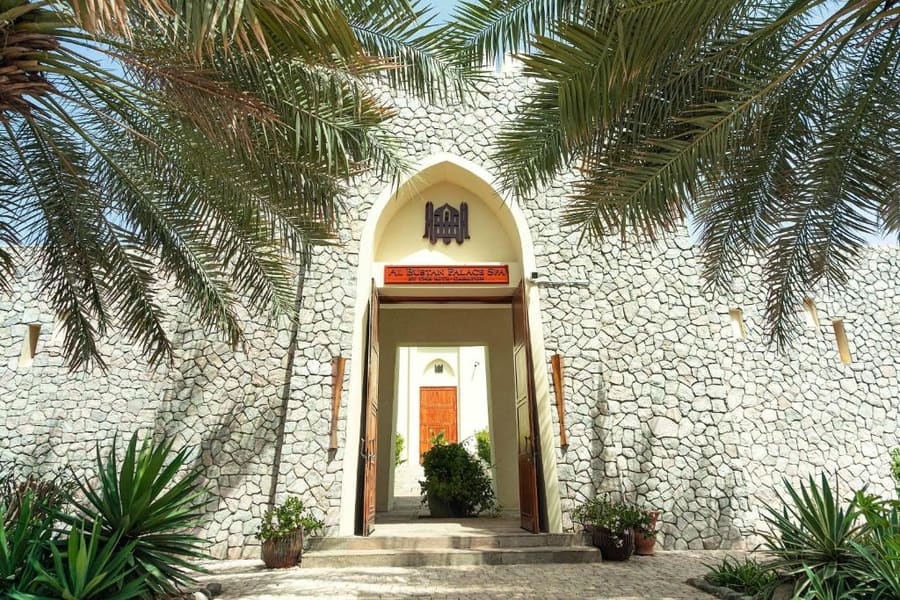
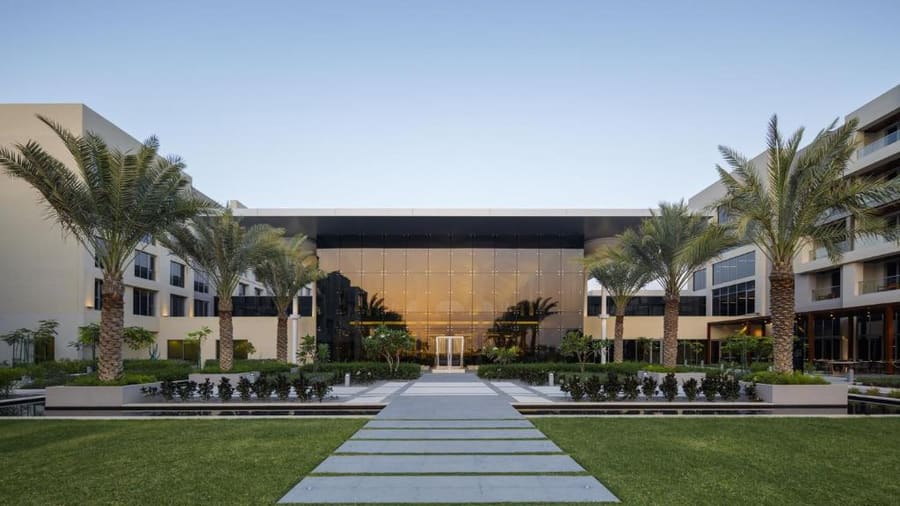
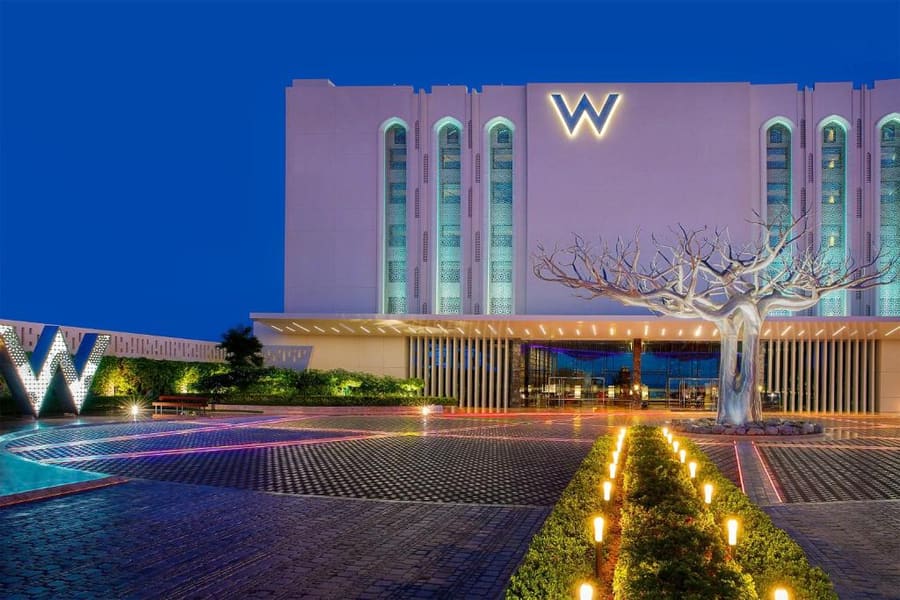
Select your base according to your primary transport mode and evening preferences. Muttrah puts you within walking distance of historic sites, but hotel inventory leans older. Shati Al-Qurum offers international resort standards and beach access at higher nightly rates.Business travelers and short layover visitors often prefer Al Mouj or Seeb for rapid airport access. If relying entirely on rideshare services, staying central near Al Khuwair keeps fare meters lower.
Live rates, matched to the areas above.
transport
Muscat is designed for motor vehicles. Pedestrian infrastructure is limited outside Muttrah Corniche and master-planned zones like Al Mouj. Public buses exist but run on broad intervals across long highway corridors.Renting a car at Muscat International Airport offers maximum mobility. Highway navigation is straight forward, with English signage on all primary routes and dual carriageways connecting major districts.
De Muscat International Airport (MCT)
Book via Otaxi app. Pick-up located outside the main terminal ground floor exit.
Official airport meters start at a higher base rate than local street cabs.
Mwasalat Route 1 runs from airport to Ruwi bus station every 30 minutes.
Local e-hailing apps offer transparent metered pricing and avoid price negotiations on street corners.
Car rentals start around OMR 10 per day. Fuel cost is low compared to European standards.
Radar cameras monitor Sultan Qaboos Street every 2 kilometres. Speeds are strictly enforced.
City buses require exact cash or Mwasalat smart card. Routes cover main arteries, not backstreets.
cost
Oman uses the Omani Rial (OMR), subdivided into 1,000 baisa. The Rial is pegged to the US Dollar at approximately 1 OMR = 2.60 USD. Cards are accepted at mid-to-high end venues, but small souq vendors and budget diners require cash.Daily costs vary widely by travel style. Local food and bus transport are extremely inexpensive, while alcohol taxes and high-end coastal resorts push luxury budgets rapidly upwards.
Street side spiced tea served in small paper cups across commercial districts.
Plate of chicken biryani or fish curry with bread at neighborhood Indian or Omani diners.
10-minute trip between inner districts using local ride-hailing apps.
Three-course Omani seafood meal for one in an established Muttrah restaurant.
seasonality
NOV – FEB
Daytime temperatures stay around 25°C. Prime window for walking tours and outdoor dining; hotel rates peak.
MAR – APR
Temperatures rise to 32°C. Sea conditions remain calm for dolphin watching and coastal boat trips.
MAY – SEP
Extreme heat exceeding 40°C with high humidity. Outdoor exploration limited to early morning hours.
OCT
Transitional period with temperatures moderating around 33°C. Outdoor activities become pleasant again.
practicalities
Apply online at evisa.rop.gov.om prior to arrival. Many nationalities receive 14 days visa-free entry, but check modern rules before flying.
Shoulders and knees must be covered when visiting public spaces and souqs. Beachwear is restricted to hotel pools and private beaches.
Alcohol is served exclusively in licensed international hotels and select high-end restaurants. Non-hotel venues do not stock alcohol.
Boats depart Marina Bandar Al Rowdha at 08:00 daily for spinner dolphin sightings offshore.
Ask permission before photographing residents, particularly Omani women or military facilities.