landmark
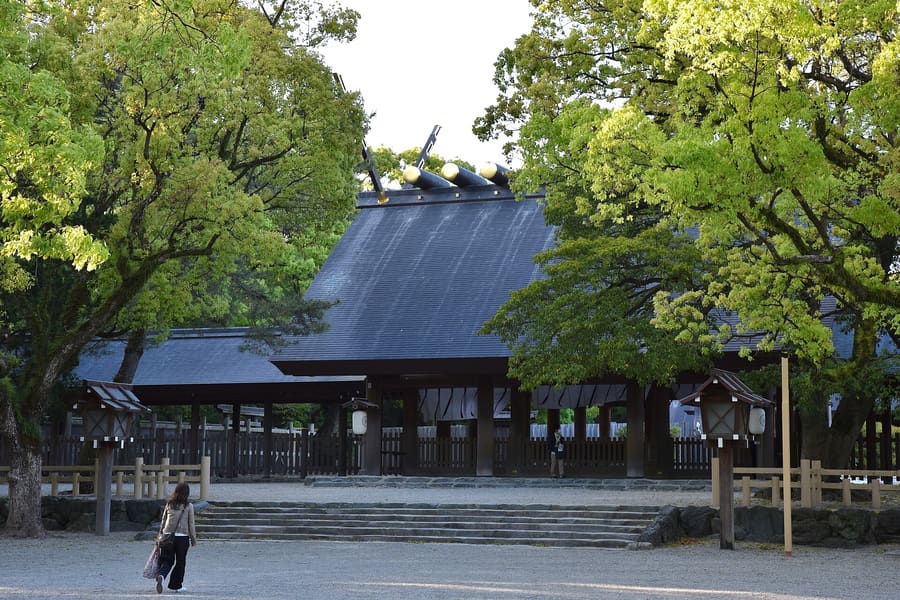
Atsuta Shrine
A sacred forest enclosure housing Japan's mythical Kusanagi sword. Eat flat kishimen noodles in the inner courtyard.
Perguntar ao ParleyJapão
Japan's industrial engine driven by bold food culture.
introduction
Nagoya operates as Japan's manufacturing engine rather than a postcard backdrop. Wide boulevards and underground shopping grids shape a city built for efficient movement. You come here to see how modern Japan builds cars and trains, and to eat food dominated by dark, fermented red miso. It lacks Kyoto's quiet temples, but rewards direct exploration.
Rebuilt masterwork
Nagoya Castle's Hommaru Palace was reconstructed in 2018 using traditional Hinoki cypress joinery. No modern steel was used in the interior frame.
Nagoya
Tomio344456 · CC BY-SA 4.0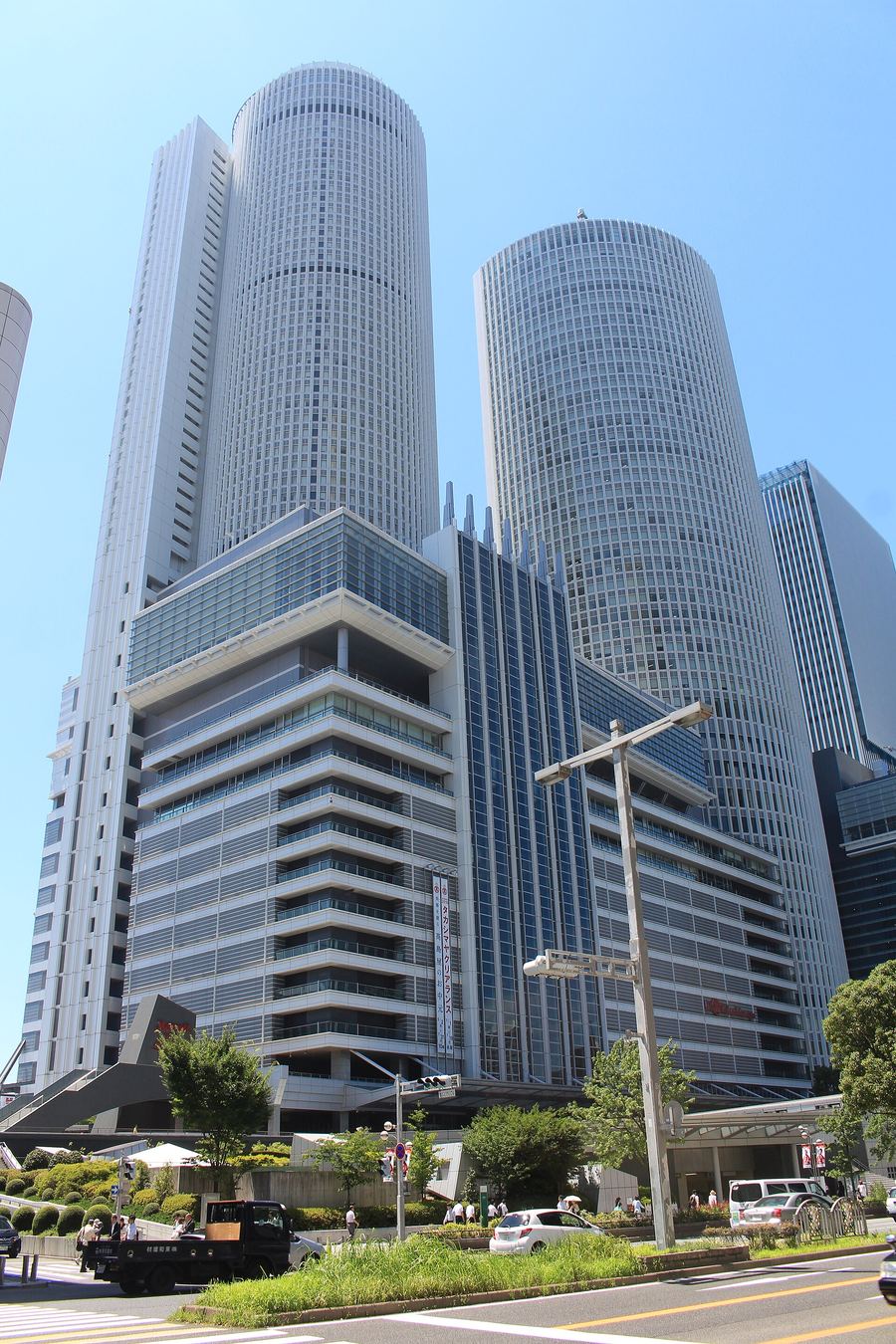
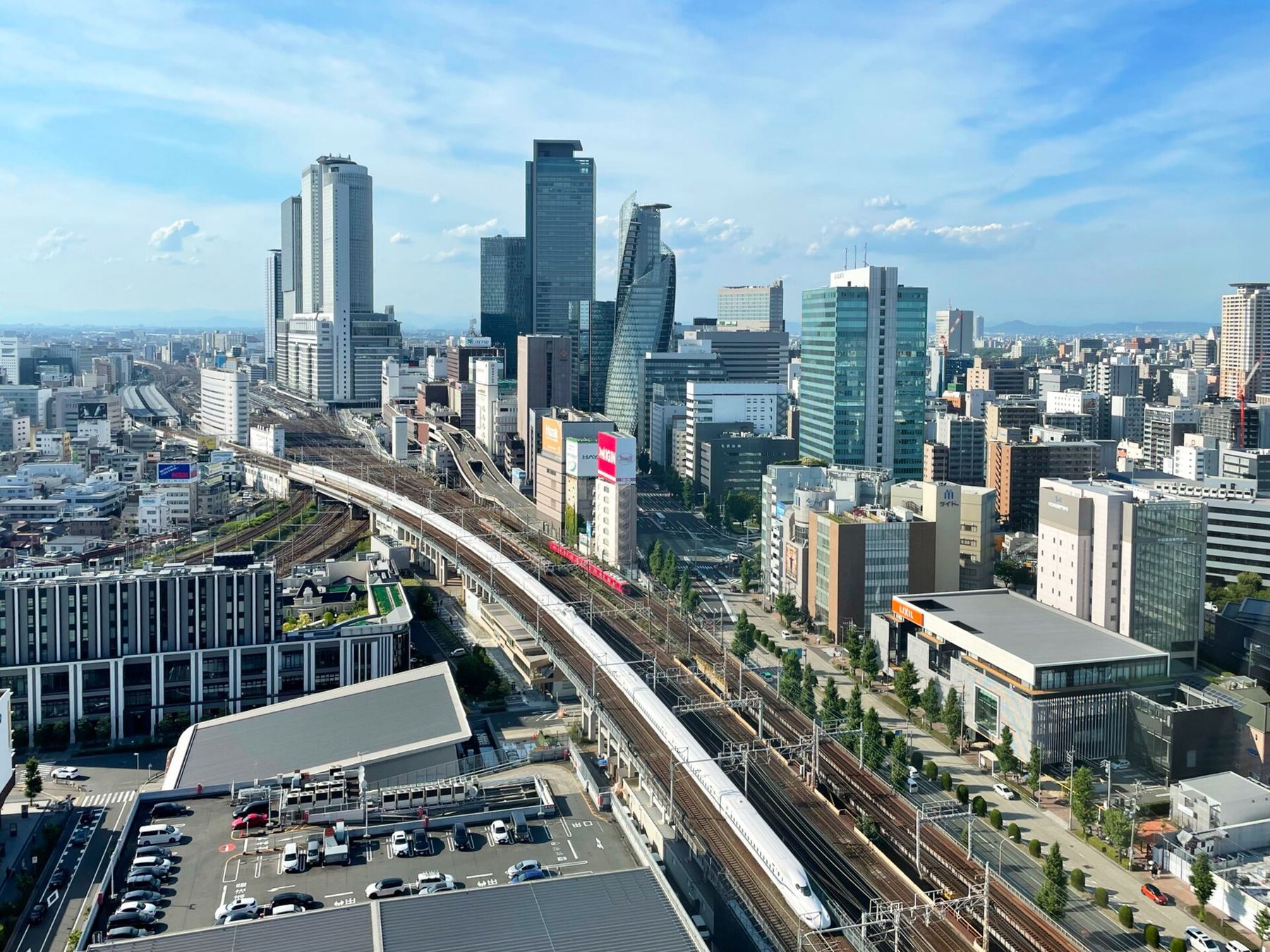
Meieki — Skyscrapers, subterranean shopping labyrinths, and high-speed rail connections.
Alpsdake · CC BY-SA 4.0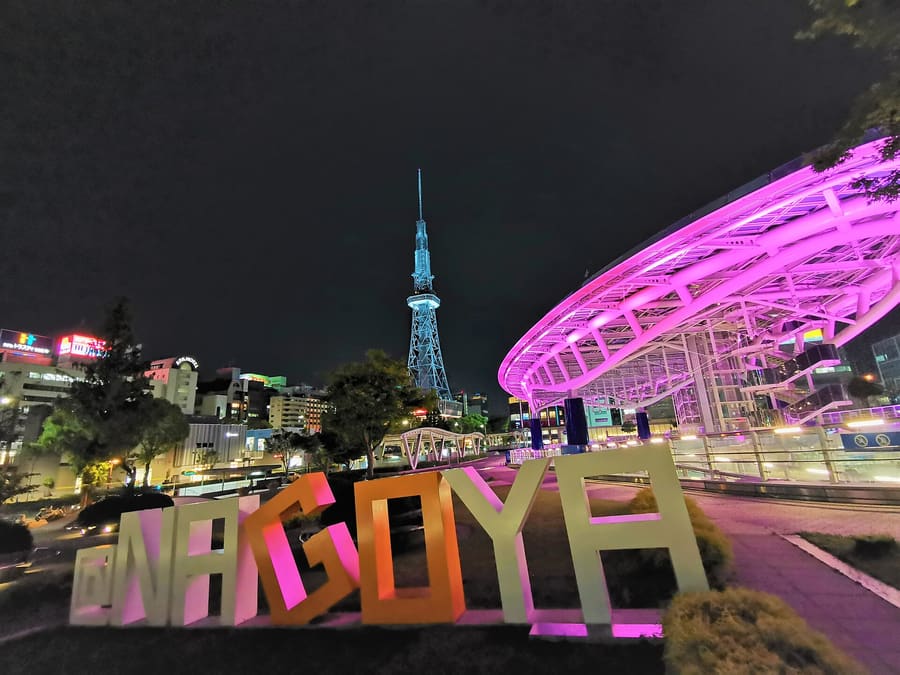
Sakae — Broad avenues, late-night izakayas, flagship retail, and central parks.
Akahito Yamabe · CC BY-SA 4.0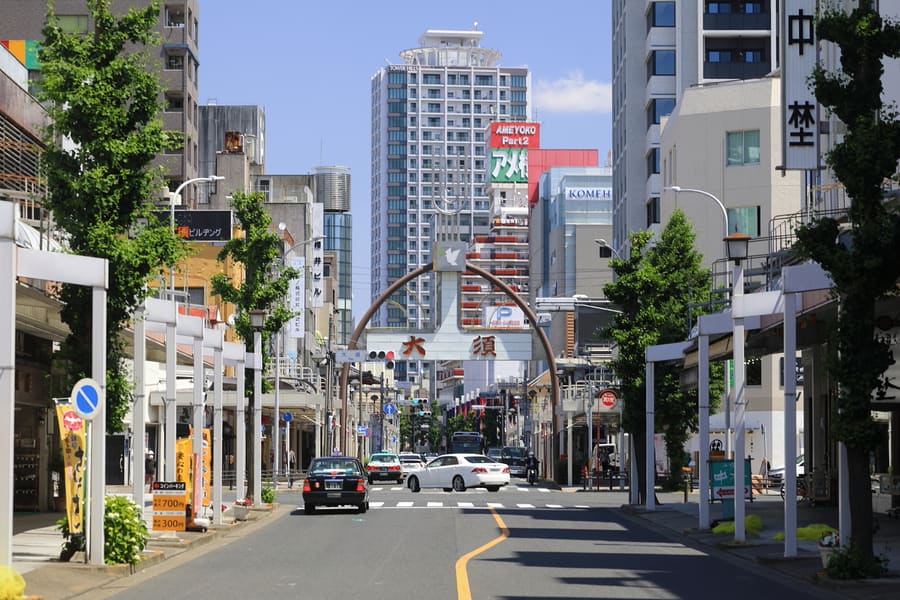
Osu — Covered market streets mixing fried food stalls, electronics, and vintage clothing.
Tomio344456 · CC BY-SA 4.0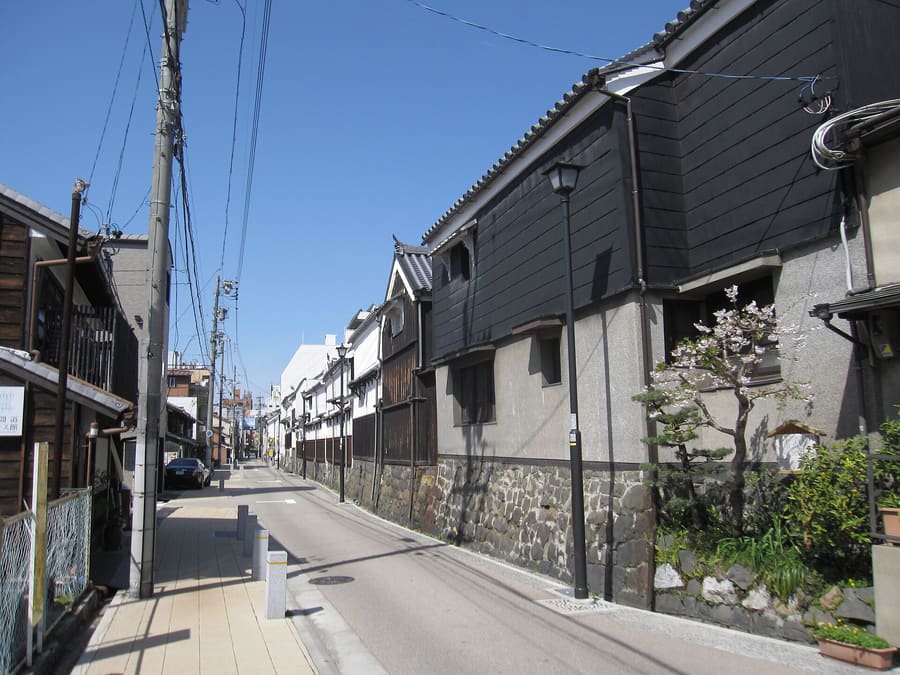
Endoji & Nagono — Preserved Edo-period storehouses and quiet glass-enclosed covered markets.
Gryffindor · CC BY-SA 3.0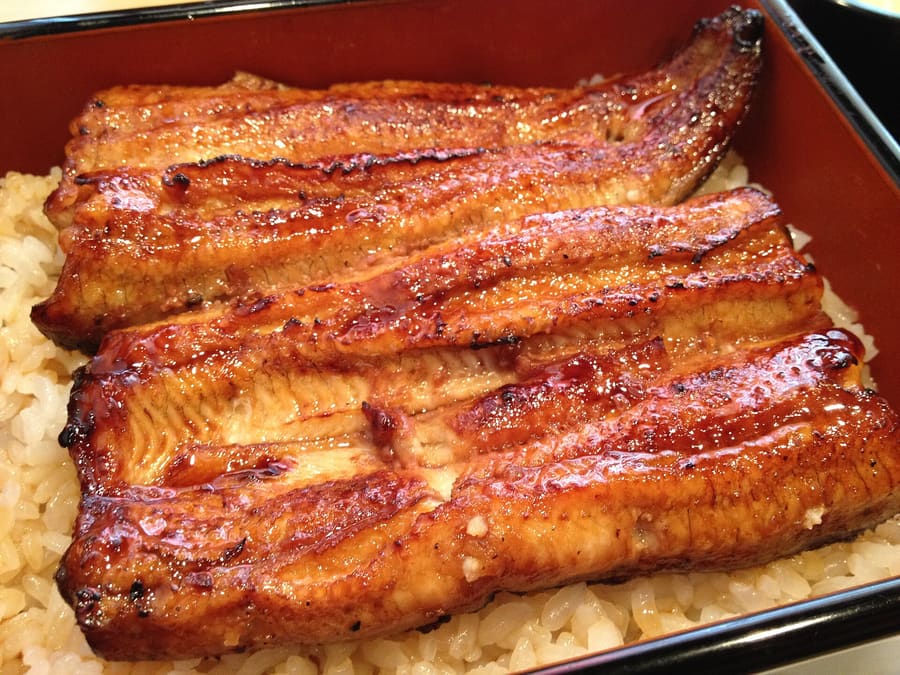
Hitsumabushi served in a traditional wooden tub with condiments and broth.
Naotake Murayama · CC BY 2.0highlights
landmark
A sacred forest enclosure housing Japan's mythical Kusanagi sword. Eat flat kishimen noodles in the inner courtyard.
Perguntar ao Parley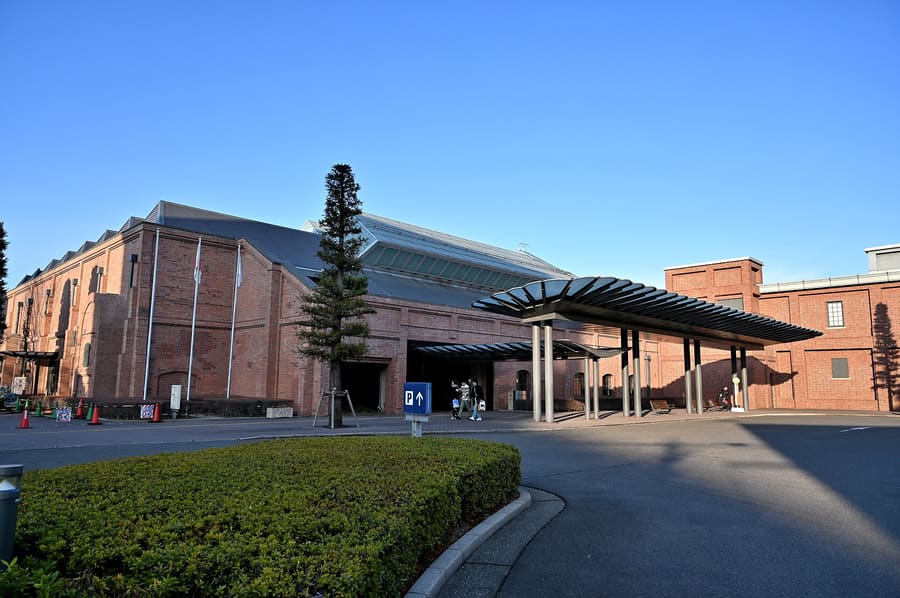
landmark
Traces Toyota from steam-powered looms to automated car assembly lines. Live mechanical demonstrations run all day.
Perguntar ao Parley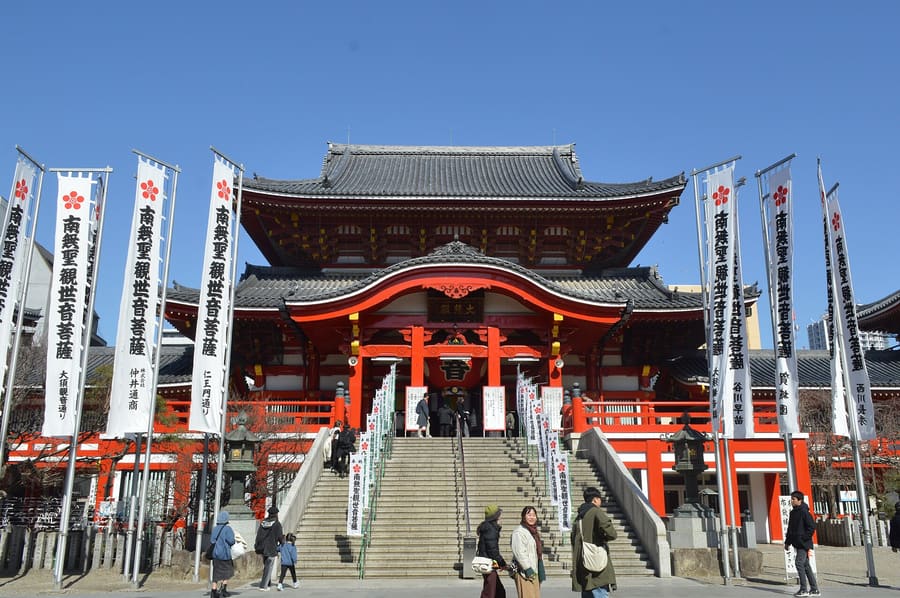
landmark
Vibrant temple anchoring retro covered shopping arcades. The flea market runs on the 18th and 28th of every month.
Perguntar ao Parley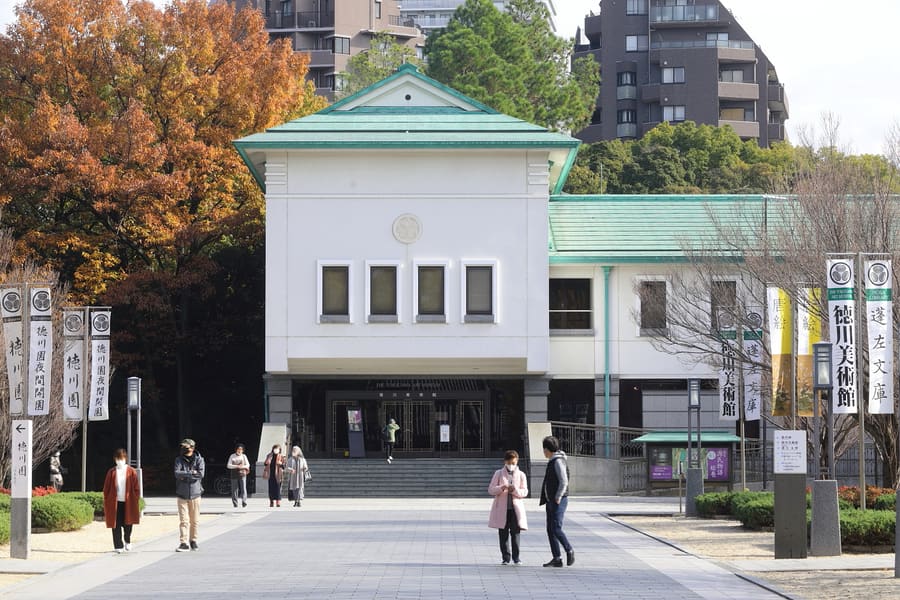
landmark
Displays authentic samurai armor, swords, and tea utensils owned by the Owari Tokugawa clan. Combines with adjacent gardens.
Perguntar ao Parleyattractions
areas
Skyscrapers, subterranean shopping labyrinths, and high-speed rail connections.
PertoToyota Museum and Shinkansen platforms.
Perguntar ao ParleyBroad avenues, late-night izakayas, flagship retail, and central parks.
PertoMirai Tower, Oasis 21, and subway intersections.
Perguntar ao ParleyCovered market streets mixing fried food stalls, electronics, and vintage clothing.
PertoOsu Kannon temple and Shirakawa Park.
Perguntar ao ParleyPreserved Edo-period storehouses and quiet glass-enclosed covered markets.
PertoNagoya Station and Hori Canal walk.
Perguntar ao Parleyfood
Nagoya culinary culture relies on red hatcho miso, a dark soybeans paste fermented for up to three years. Local cooks use it as a thick sauce on deep-fried pork cutlets, creating misokatsu. You eat hitsumabushi eel in three distinct stages: plain over rice, with green onions and wasabi, and finished with green tea broth.Morning culture starts at traditional coffee shops called kissaten. Ordering a single black coffee before 11:00 gets you free buttered toast and a boiled egg or red bean paste. The city also invented Taiwan ramen, a spicy broth dish laden with garlic and minced pork.
Hitsumabushi served in a traditional wooden tub with condiments and broth.
Naotake Murayama · CC BY 2.0Order any hot beverage at local chains like Komeda's Coffee before 11:00. You receive thick-cut toast with sweet Ogura red bean paste at no extra charge.
Divide your eel rice bowl into four quarters. Eat the first plain, the second with toppings, the third with tea broth, and the fourth in your favorite style.
Sekai no Yamachan serves peppery, twice-fried chicken wings. Pair them with cold draft beer at late-night izakayas across Sakae.
history
Nagoya grew around the fortress constructed by warlord Tokugawa Ieyasu in 1610. Positioned between Kyoto and Edo, it controlled critical trade corridors along the Tokaido road. Industrialization accelerated in the early 20th century when Sakichi Toyota invented automated weaving looms, launching a manufacturing empire that later shifted to automobiles. Heavy industrial capacity made the city a primary air raid target in 1945, flattening much of the timber core.
Castle foundation
Tokugawa Ieyasu orders construction of Nagoya Castle to secure the Tokaido trade route.
Wartime destruction
Air raids destroy the original castle palace keep and central merchant districts.
Palace rebirth
Hommaru Palace reopens following a decade-long restoration using historic timber joinery.
where to stay
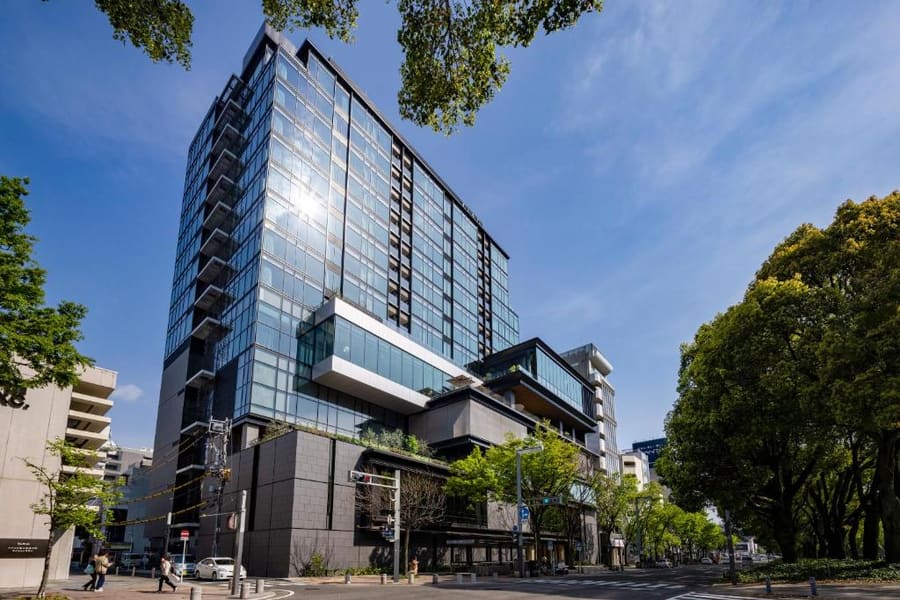
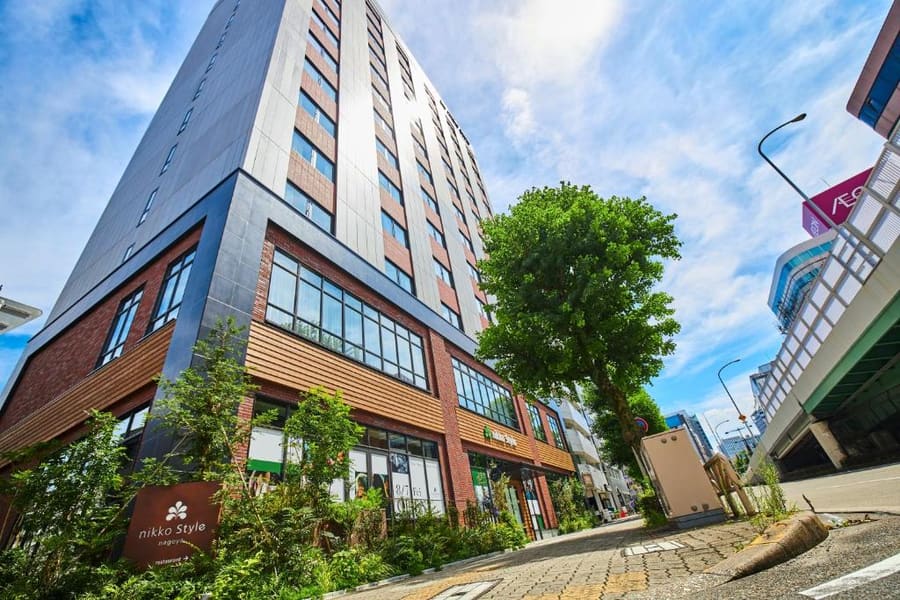
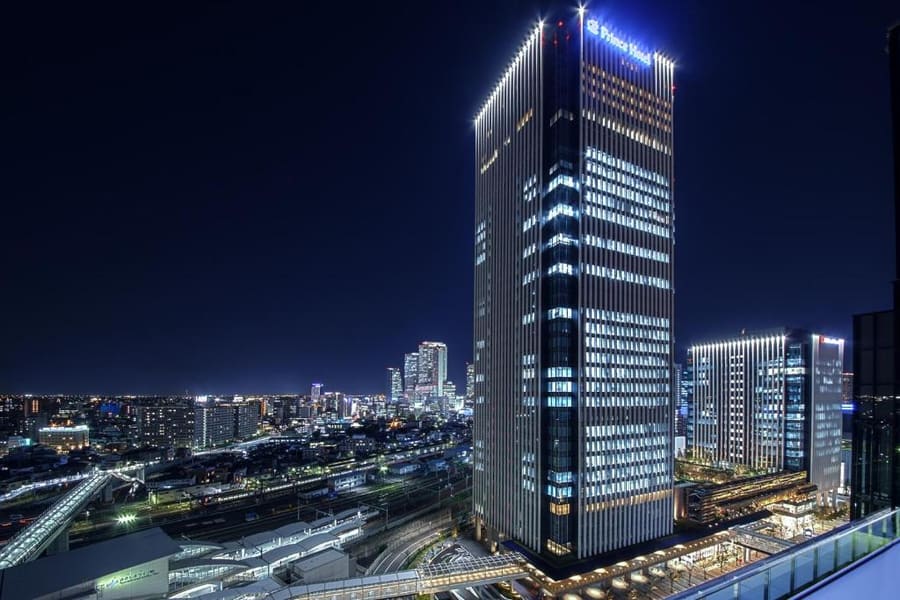
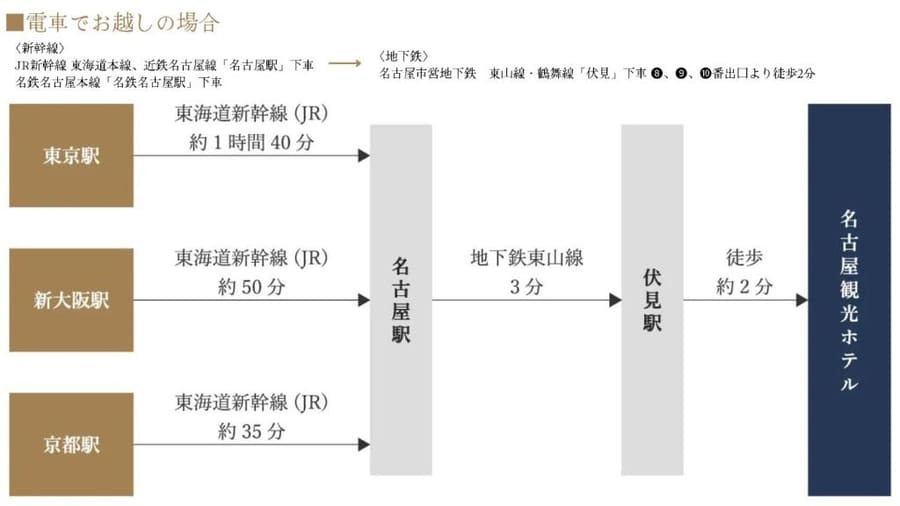
Choose your base by transit priorities. Meieki puts you directly above Shinkansen platforms and airport trains, making early departures effortless. Sakae offers immediate access to restaurants, park walks, and evening drink spots. Osu suits budget travelers who want street market energy over hotel tower luxury.
Live rates, matched to the areas above.
transport
Nagoya operates six subway lines on a clean grid layout. The Higashiyama Line connects Meieki to Sakae in five minutes. Major IC transit cards like Suica, Pasmo, and ICOCA work on all local subway lines and city buses.
De Centrair Central Japan International Airport (NGO)
Centrair Limousine Bus drops off directly at major Sakae hotels.
Highway toll fees add to base meter rates.
The Yellow Higashiyama Line and Purple Meijo Line intersect at Sakae and Motoyama. The Meijo Line operates as a continuous loop.
Tap Suica or ICOCA at turnstiles. Local Manaca cards share identical cross-functionality across Japan.
Meieki and Sakae feature vast underground malls. Follow high-level directional signage to navigate rainy days dry.
cost
Nagoya provides reasonable dining prices compared to Tokyo. Dining on local specialties like misokatsu or ramen stays under 1,500 yen for lunch, while high-end hitsumabushi eel meals run higher due to ingredients.
Standard price range at established specialists like Houraiken or Bincho.
Includes deep-fried pork cutlet, red miso gravy, rice, and cabbage at Yabaton.
Valid for 24 hours from first tap on all city subway gates.
Includes complimentary toast and egg before 11:00.
seasonality
MAR – MAY
Spring brings cherry blossoms around Nagoya Castle moat. Mild walking weather across central parks.
JUN – AUG
High humidity and severe summer heat. Rely heavily on air-conditioned underground shopping networks.
SEP – NOV
Clear autumn days and vibrant fall foliage at Tokugawa Garden. Excellent conditions for urban sightseeing.
DEC – FEB
Cold winters with occasional dustings of snow. Clear skies and shorter queues at popular eel restaurants.
practicalities
Small street stalls in Osu arcades and older kissaten accept cash only. Keep 10,000 yen in notes handy.
Stand on the left side of escalators in Nagoya, leaving the right side open for walking passengers.
Nagoya Station offers hundreds of coin lockers, but central units fill by 10:00 on weekends.
7-Eleven ATMs accept international cards 24 hours a day with simple English instructions.
Public garbage cans are rare outside train platforms. Carry trash back to your hotel room or convenience store bins.