landmark
Haohe River Moat
A medieval city moat turned 15-kilometer ring park. Night boat tours depart from East Park dock until 20:30.
Perguntar ao ParleyChina
Where the Yangtze meets the sea, shaped by mill heritage.
introduction
Nantong sits at the mouth of the Yangtze River opposite Shanghai. Formed around a double-loop moat called the Haohe, the city balances early 20th-century industrial heritage with rapid modern transit expansions. You move easily between mountain river overlooks, historic textile quarters, and urban parks using two metro lines. Expect high-salt estuary seafood, coastal winds, and a quieter pace than its southern neighbors.
Recognition
Nantong Museum, established in 1905 by industrialist Zhang Jian, is recognized as China's first public museum.
Planning trick
Nantong Metro Line 1 connects the central Haohe moat area directly to Langshan. Tap in using Alipay or WeChat transit codes.
Nantong
Glabb · CC BY-SA 3.0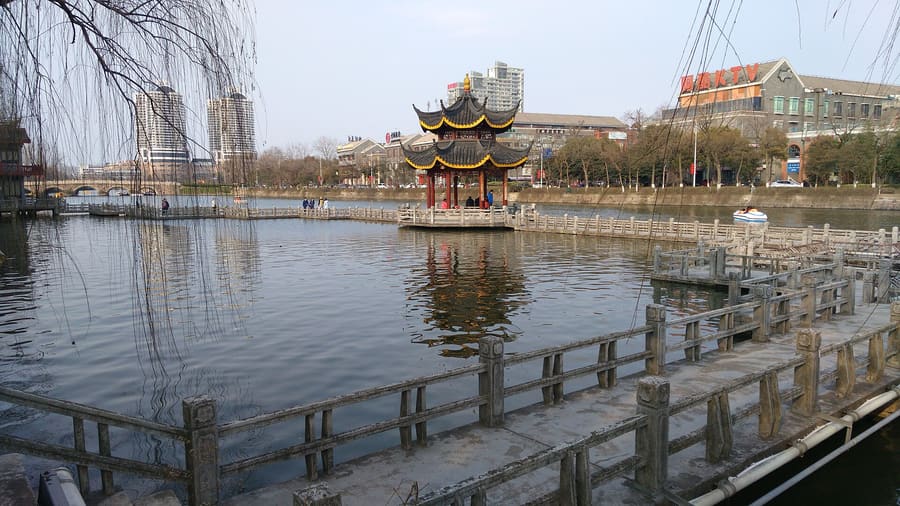
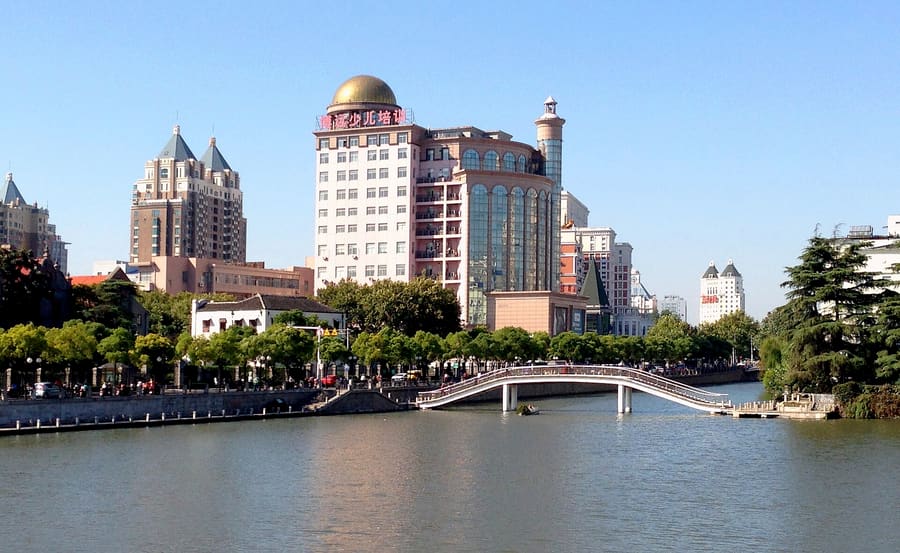
Chongchuan Old Town — Dense ring moat precinct packed with street food, retail streets, and traditional housing.
song songroov · CC BY 3.0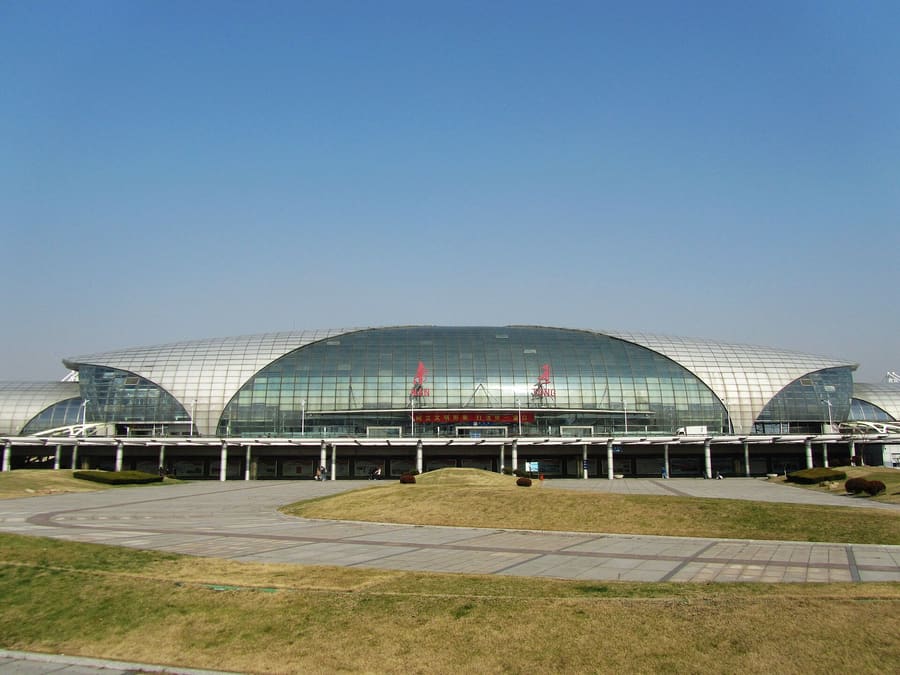
Gangzha & Tangzha — Former industrial mill district transformed into modern malls and canal heritage sites.
猫猫的日记本 · CC BY-SA 3.0highlights
landmark
A medieval city moat turned 15-kilometer ring park. Night boat tours depart from East Park dock until 20:30.
Perguntar ao Parley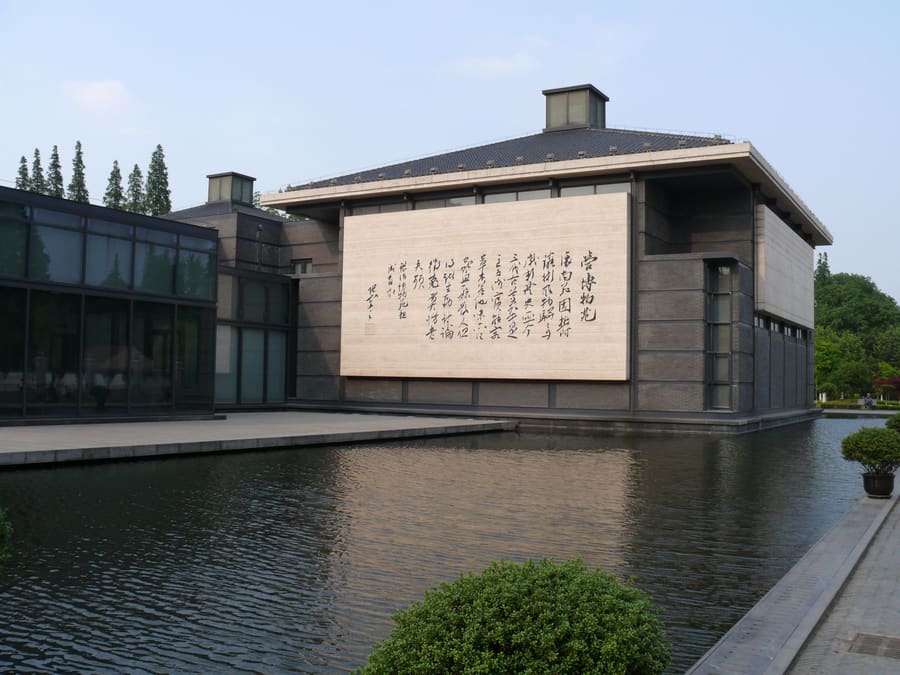
landmark
China's first public museum, set in a botanical garden. Entry is free; scan your passport at the gate.
Perguntar ao Parleyattractions
areas
Dense ring moat precinct packed with street food, retail streets, and traditional housing.
PertoNantong Museum and Haohe docks.
Perguntar ao ParleyFormer industrial mill district transformed into modern malls and canal heritage sites.
PertoTangzha town and Vientiane City mall.
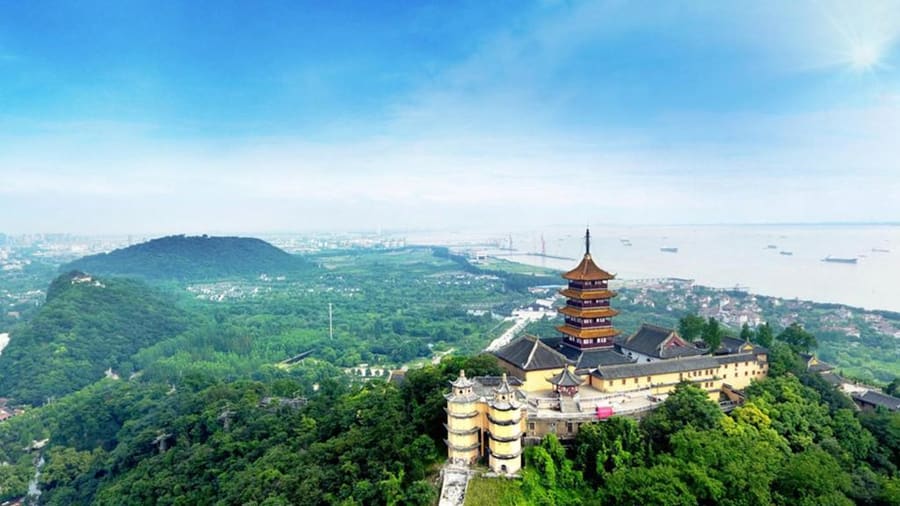
Perguntar ao ParleyScenic southern riverfront dominated by green peaks, temples, and riverside boardwalks.
PertoLangshan peak and Yangtze wetlands.
Perguntar ao ParleySprawling new district featuring lake parks, modern convention centers, and wide boulevards.
PertoZilang Lake Park and Grand Theatre.
Perguntar ao Parleyfood
Nantong dining relies on its location between freshwater rivers and saltwater flats. Estuary catches like razor clams and mud snails arrive daily at local markets. Meals focus on light seasonings, ginger, and rice wine to emphasize raw freshness.
Order steamed razor clams cooked with garlic and vermicelli at central seafood restaurants along Qingnian Road.
Local eateries stew this native fowl in clear broth with ginger and wild bamboo shoots.
Nantong cooks stew local taro with pork belly until gelatinous, then serve it cold or hot as a savory staple.
history
Nantong grew from a salt production outpost on the Yangtze estuary into a defensive river fortress during the Tang Dynasty. In 1895, scholar-turned-industrialist Zhang Jian selected the town for his model modern city initiative. He established the Dasheng Cotton Mill, one of China's earliest modern private textile enterprises, alongside schools, museums, and weather stations here within three decades.
Moat Construction
Workers dig the Haohe River moat to defend the newly established military outpost.
Dasheng Cotton Mill
Zhang Jian opens the Dasheng Cotton Mill, initiating China's first modern industrial city plan.
First Public Museum
Nantong Museum opens to the public, combining natural history with botanical gardens.
Bridge Rail Link
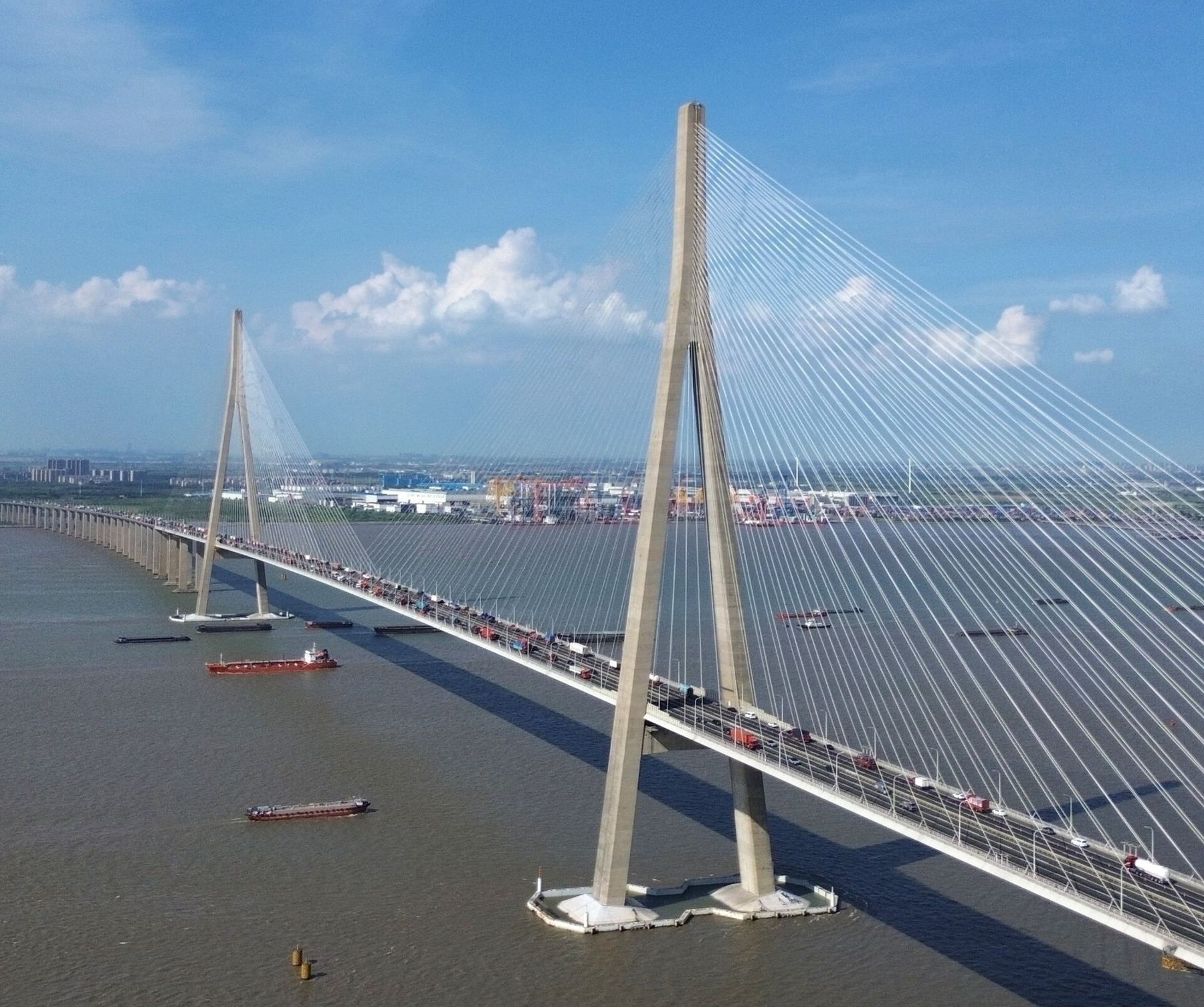
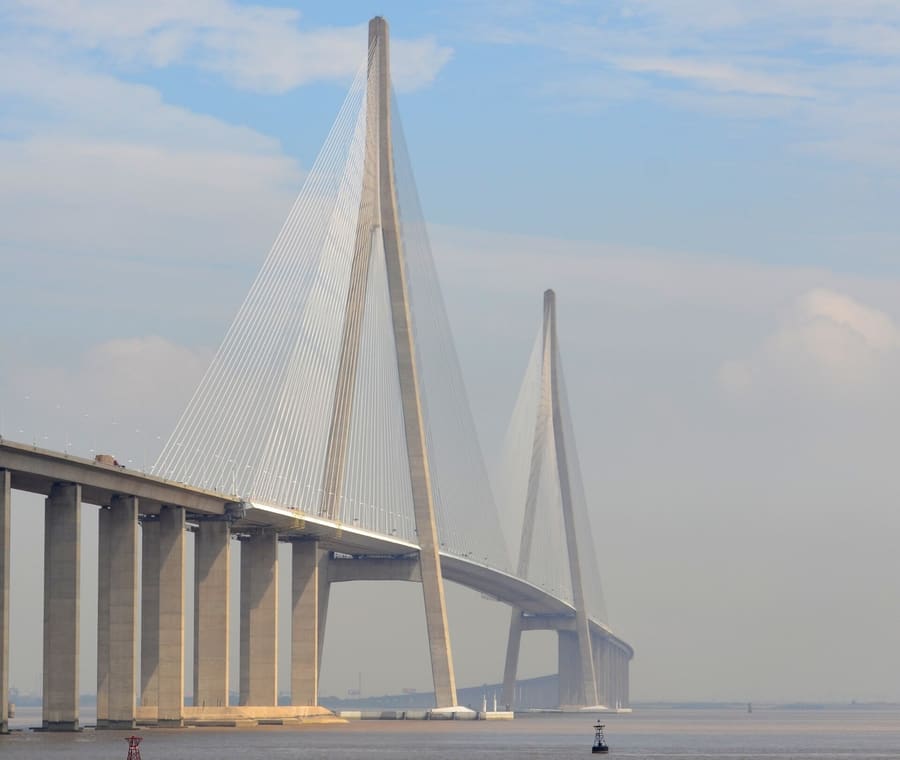
The Shanghai-Su-Tong Yangtze River Bridge opens, cutting rail time to Shanghai to one hour.
where to stay
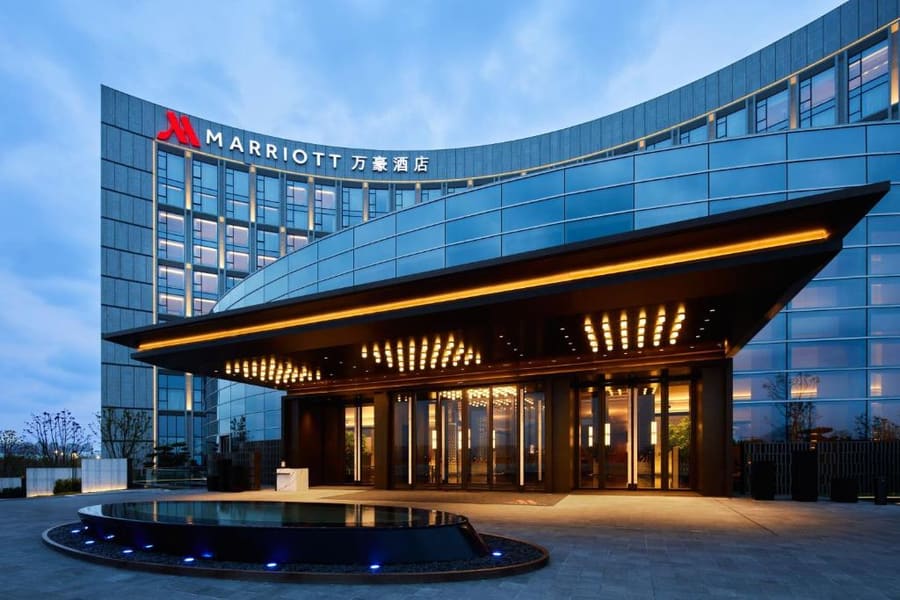
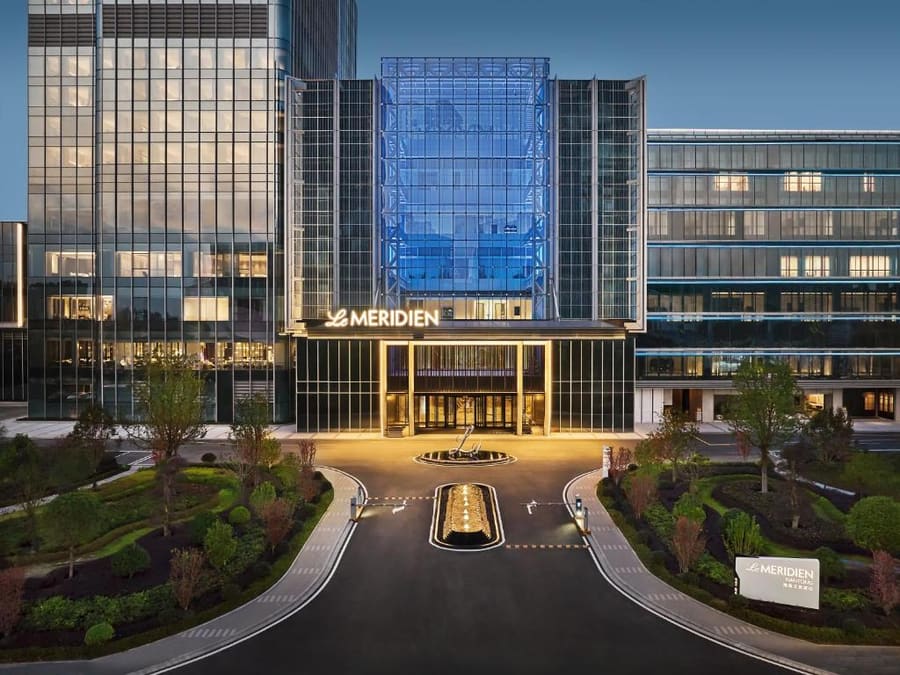
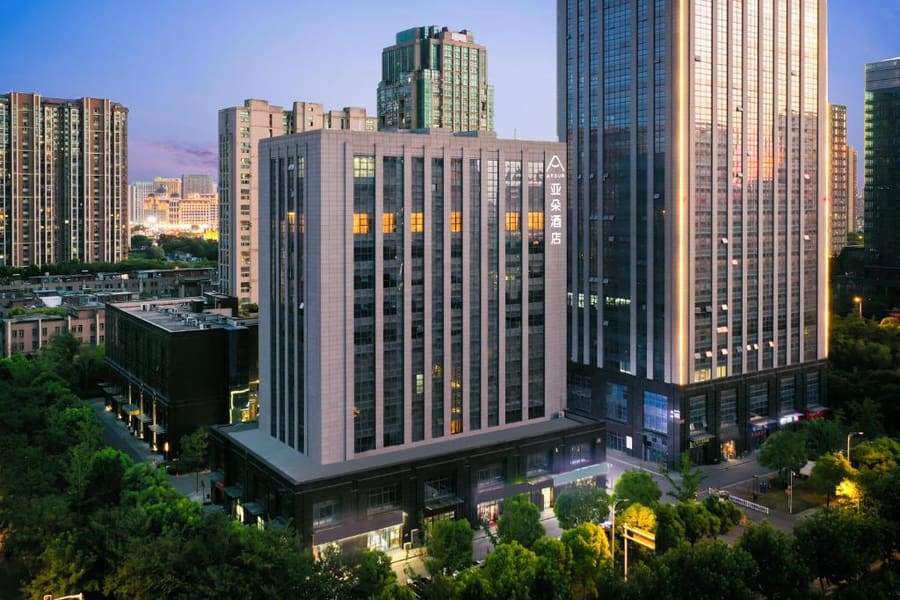
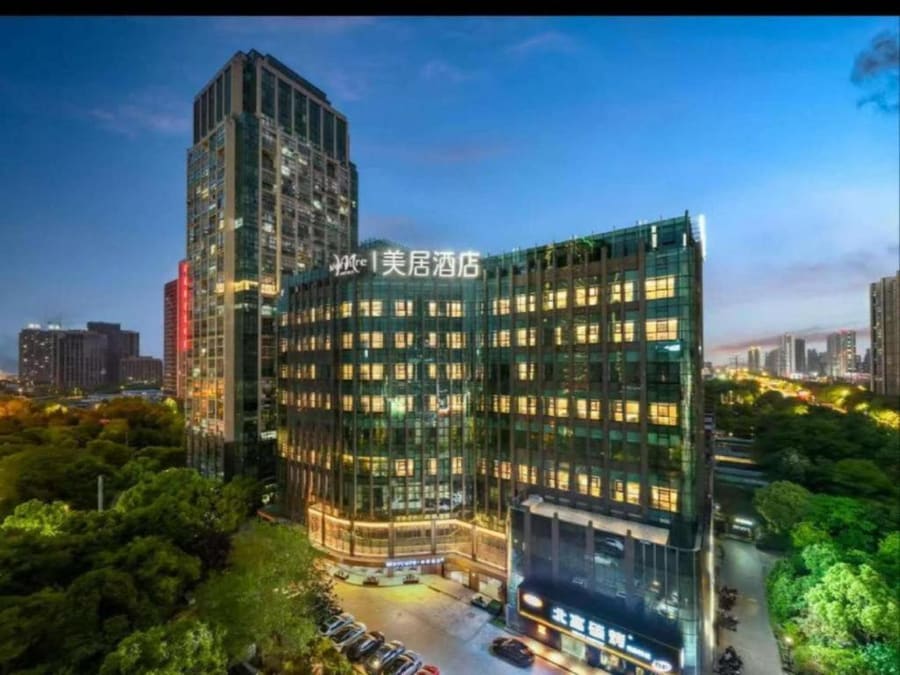
Choose your base by transit convenience and sight focus. Chongchuan Old Town keeps you within walking distance of evening food and the Haohe moat. Southern riverfront hotels offer fresh air and Yangtze views, while northern stations suit early train connections.
Live rates, matched to the areas above.
transport
Nantong operates two subway lines and an extensive city bus network. Ride-hailing cars are fast and cheap across the flat urban terrain.
De Nantong Xingdong International Airport (NTG) / Nantong West Station
From Xingdong Airport (NTG) to downtown Chongchuan via G345 highway.
Buses depart NTG airport after every domestic flight arrival to Central Coach Station.
Use the Alipay Transit tab set to Nantong Metro to scan directly through subway turnstiles.
Local city buses cost ¥2 per ride; drivers do not give change if mobile pay fails.
Metro Line 1 gets crowded between 07:30–09:00 near South Street interchange.
Taxis are sparse around Junshan; call rides through DiDi or WeChat mini-programs.
cost
Nantong costs significantly less than Shanghai across accommodation, dining, and transit. Daily budgets go further here.
A bowl of local seafood noodles or taro pork dish at a neighborhood eatery.
Three river seafood dishes and local beer at a sit-down restaurant.
Fares depend on distance traveled across Line 1 or Line 2.
Includes access to hill trails and Guangjiao Temple grounds.
seasonality
MAR – MAY
Spring brings blooming trees around Haohe moat and comfortable walking temperatures around 18°C.
JUN – AUG
Summers are hot and humid with occasional coastal typhoons. Mornings suit outdoors, afternoons indoors.
SEP – NOV
Crisp autumn air and clear skies make this peak season for Langshan climbing and river seafood.
DEC – FEB
Cold winter winds blow off the estuary. Temperatures hover near 2°C with light crowds.
practicalities
Nantong Museum and industrial heritage halls shut every Monday for maintenance.
English signage is rare outside transit hubs; keep photo-translation apps ready on your phone.
Link your foreign credit card to Alipay before arriving to pay seamlessly at shops and metro gates.
Estuary winds along the Yangtze embankment are sharp even on warm sunny days.
River park boardwalks near Langshan submerge during exceptional spring high tides.