landmark
Boso no Mura
An open-air living history museum reproducing a 19th-century Chiba farming village. Rent traditional Edo attire at the gate.
Perguntar ao ParleyJapão
Edo-era temple heritage ten minutes from Tokyo's airport
introduction
Narita is far more than Tokyo's international transit hub. A 1,000-year-old temple complex forms the town's core, connected to the train station by a winding Edo-period trading street. You reach central Narita in ten minutes from the airport terminals. The town rewards a dedicated overnight stay or a disciplined long layover.
Arrival trick
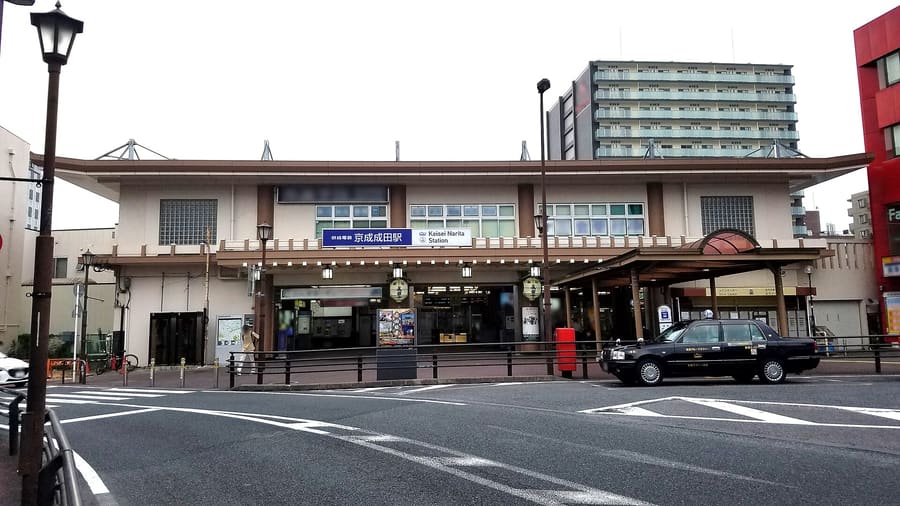
The JR and Keisei stations sit 100 metres apart in central Narita. Take whichever train leaves first from Airport Terminal 2 or 3.
Recognition
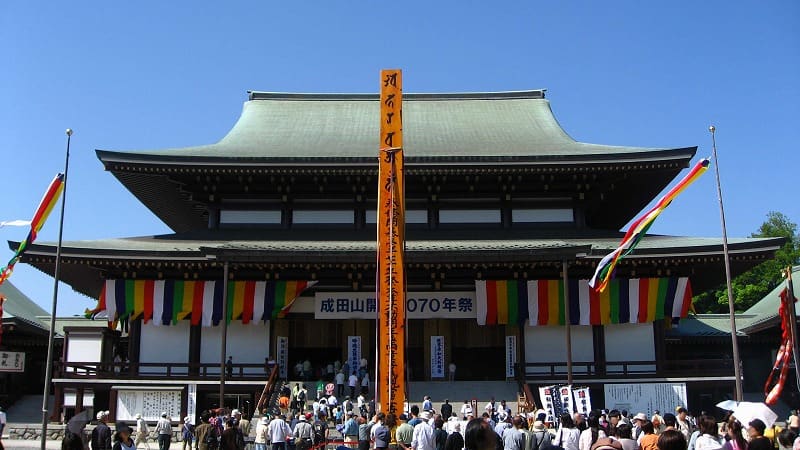
Naritasan Shinshoji Temple attracts over ten million visitors annually, making it one of Japan's most visited Buddhist sites.
Planning trick
Eat grilled eel on Omotesando before 14:00. Most unagi kitchens butcher limited daily stock and close when sold out.
Narita
LERK · CC BY-SA 4.0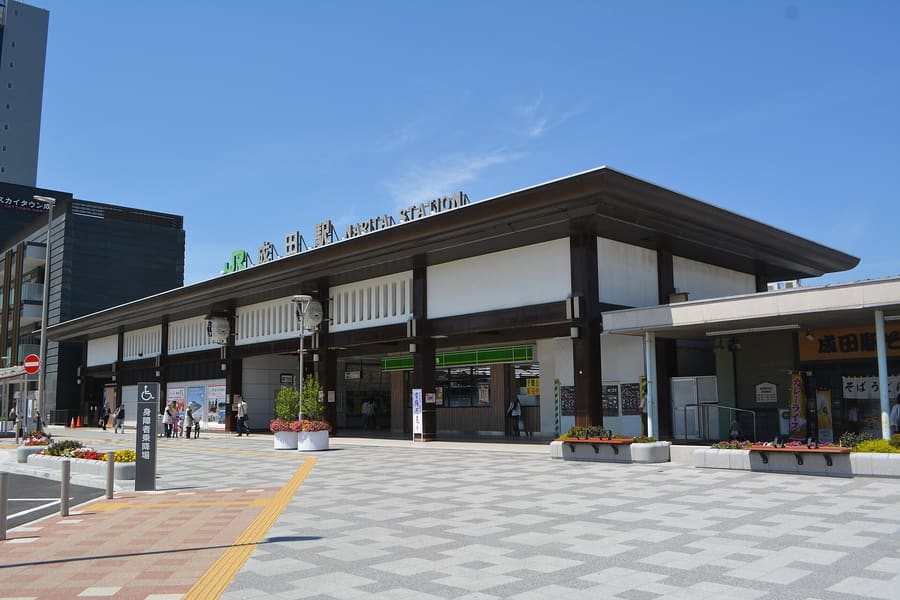
Station District — Practical transit junction packed with izakayas, convenience stores, and business hotels.
Katorisi · CC BY-SA 4.0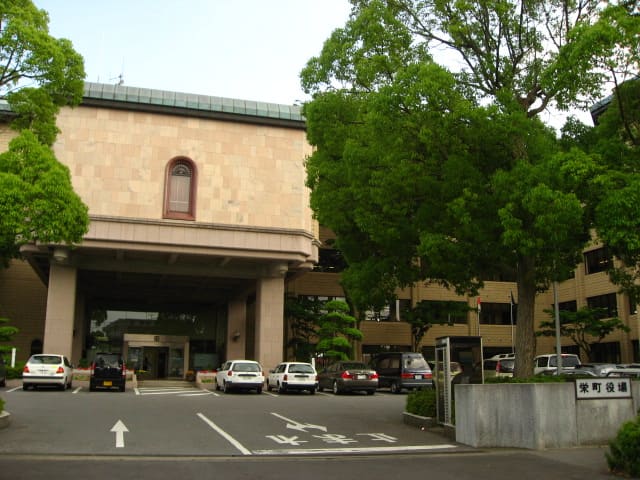
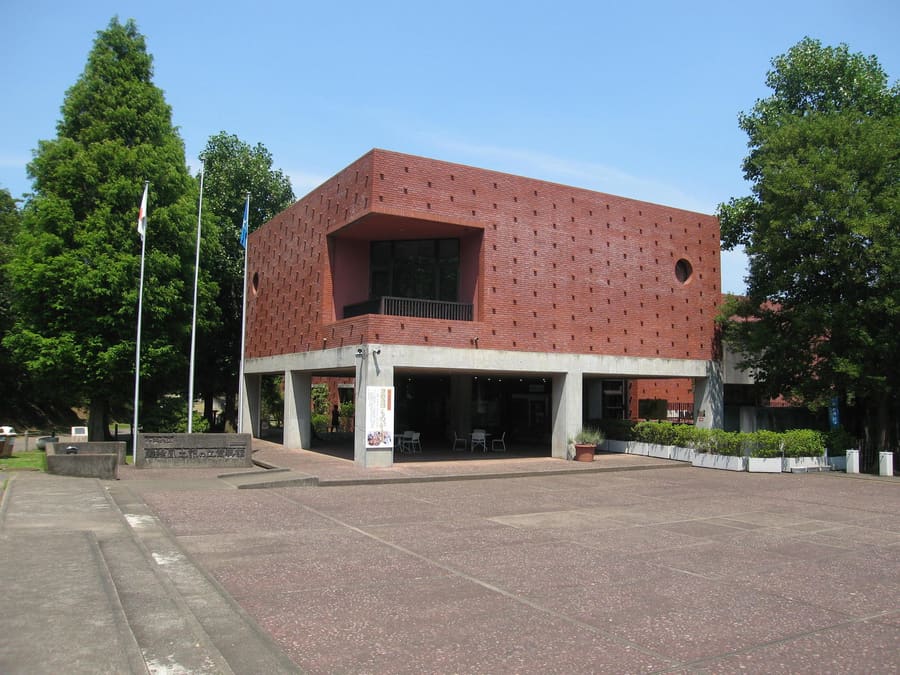
Sakae & Outskirts — Quiet rural farmland, historic tombs, and open-air heritage grounds.
ja:user:Hoku-sou-san · CC BY-SA 3.0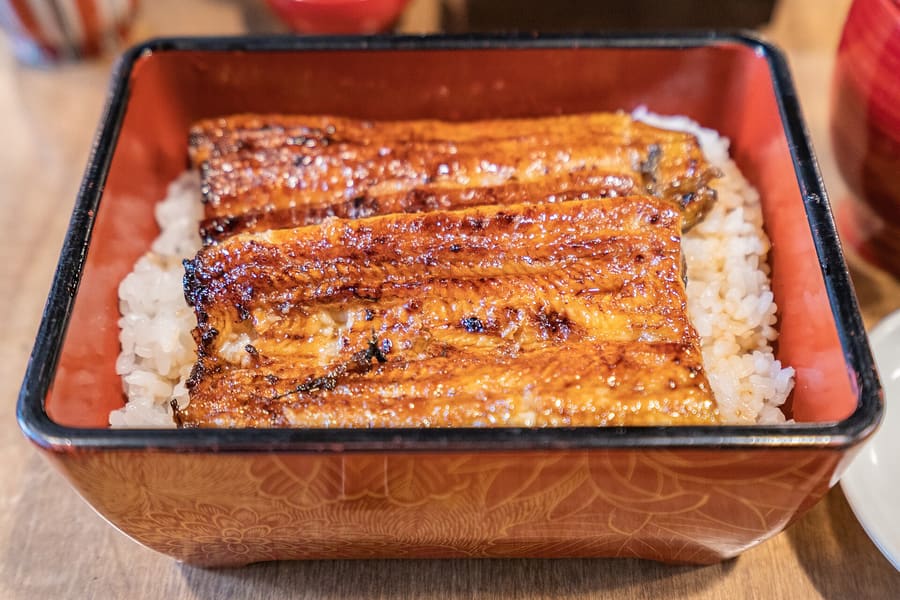
Unajyu grilled over oak charcoal on Narita Omotesando.
Wei-Te Wong from Taipei City, Taiwan, Republic of China · CC BY-SA 2.0highlights
landmark
An open-air living history museum reproducing a 19th-century Chiba farming village. Rent traditional Edo attire at the gate.
Perguntar ao Parley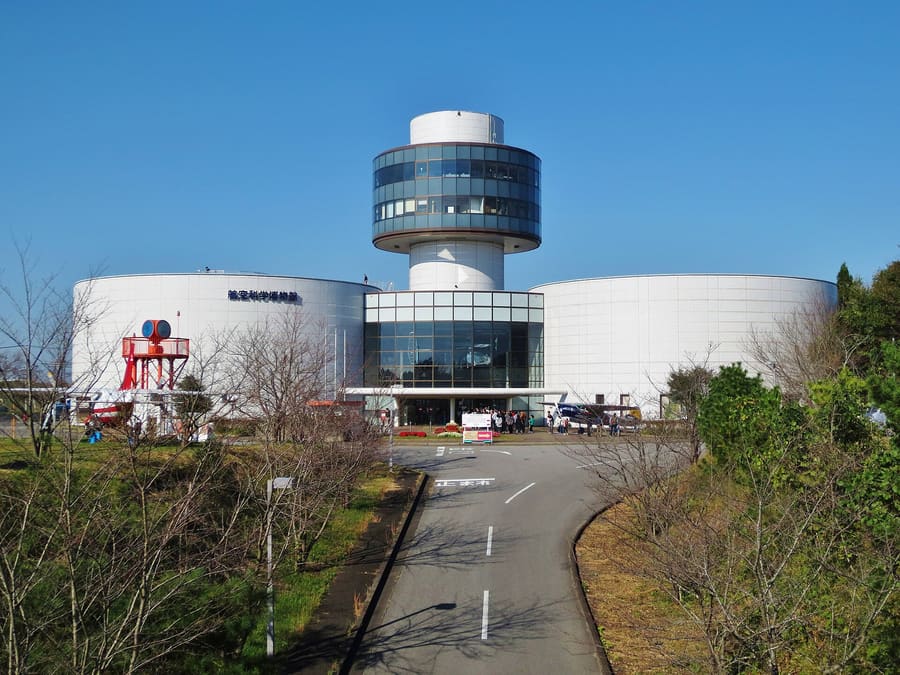
landmark
Positioned directly beside Narita's southern runway. Watch long-haul jets land from the fifth-floor observation deck.
Perguntar ao Parley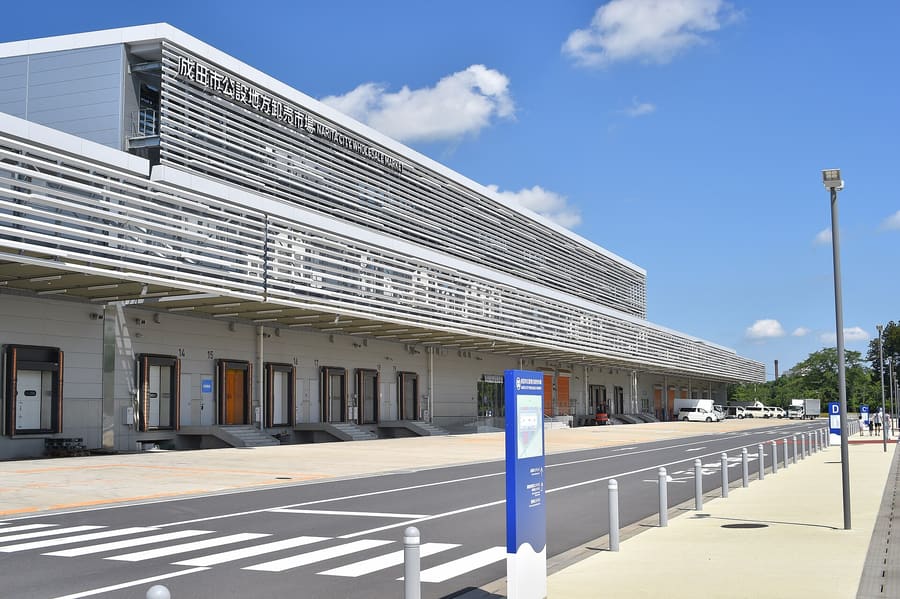
landmark
A wholesale food market catering to local chefs and airport caterers. Visit on open Saturdays for fresh seafood stalls.
Perguntar ao Parleyattractions
areas
Practical transit junction packed with izakayas, convenience stores, and business hotels.
PertoJR Narita and Keisei Narita stations
Perguntar ao ParleyQuiet rural farmland, historic tombs, and open-air heritage grounds.
PertoBoso no Mura and Lake Imba
Perguntar ao ParleyHistoric wooden storefronts, charcoal smoke, and steep flagstone lanes.
PertoNaritasan Shinshoji Temple and Naritasan Park
Perguntar ao ParleySprawling Western resort hotels bordered by pine forests and runway approach paths.
PertoNarita International Airport terminals
Perguntar ao Parleyfood
Unagi is Narita's defining culinary tradition. During the Edo period, pilgrims fueled their long walk from Tokyo with freshwater eel caught in Lake Imba. Today, restaurants along Omotesando slice and grill freshwater eel over oak charcoal. You order unajyu, served over rice in a lacquered box with a salty-sweet tare sauce.
Unajyu grilled over oak charcoal on Narita Omotesando.
Wei-Te Wong from Taipei City, Taiwan, Republic of China · CC BY-SA 2.0Chiba produces most of Japan's peanuts. Pick up peanut-shaped sweet bean wafers at Yoneya on Omotesando.
Visit Nabeten brewery shop on Omotesando to sample Choumeisen sake, brewed using water from the temple well.
history
Narita grew around Naritasan Shinshoji Temple, founded in 939 to quell a provincial rebellion. For centuries, it remained a quiet pilgrimage stop along the Tone River route. The mid-20th century transformed the agricultural region into Japan's primary international aviation gateway.
Kabuki Pilgrimages
Famous actor Ichikawa Danjuro I performs plays honoring Fudo Myoo, sparking mass pilgrimages from Edo.
Airport Opening
Narita International Airport opens after years of intense local farmer and student protests.
Market Relocation
Narita Wholesale Market moves to a modernized facility to expand international food exports.
where to stay
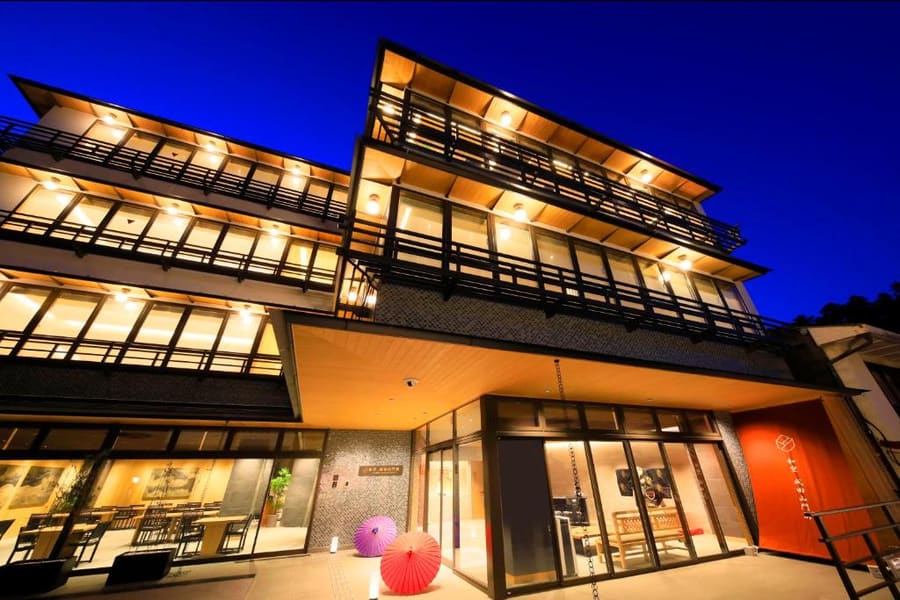
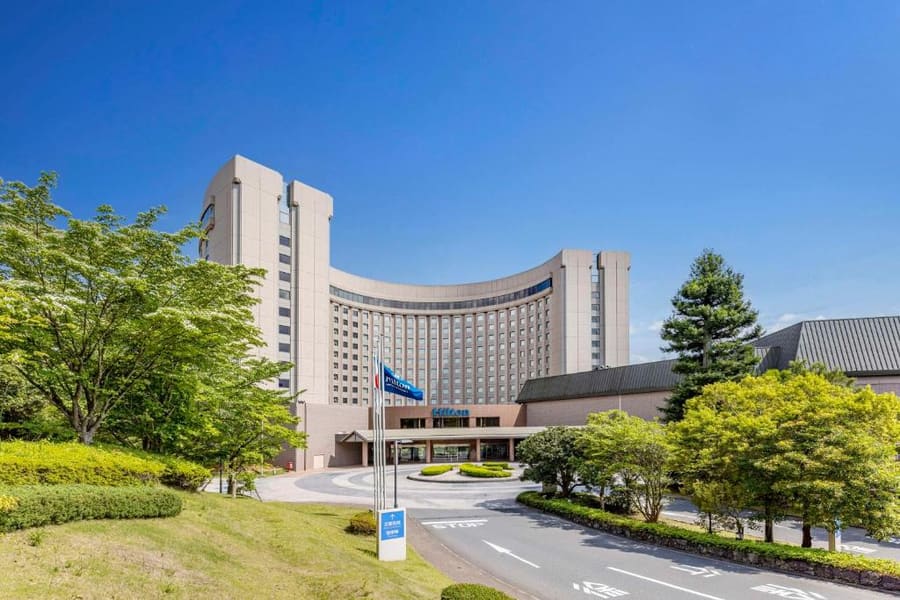
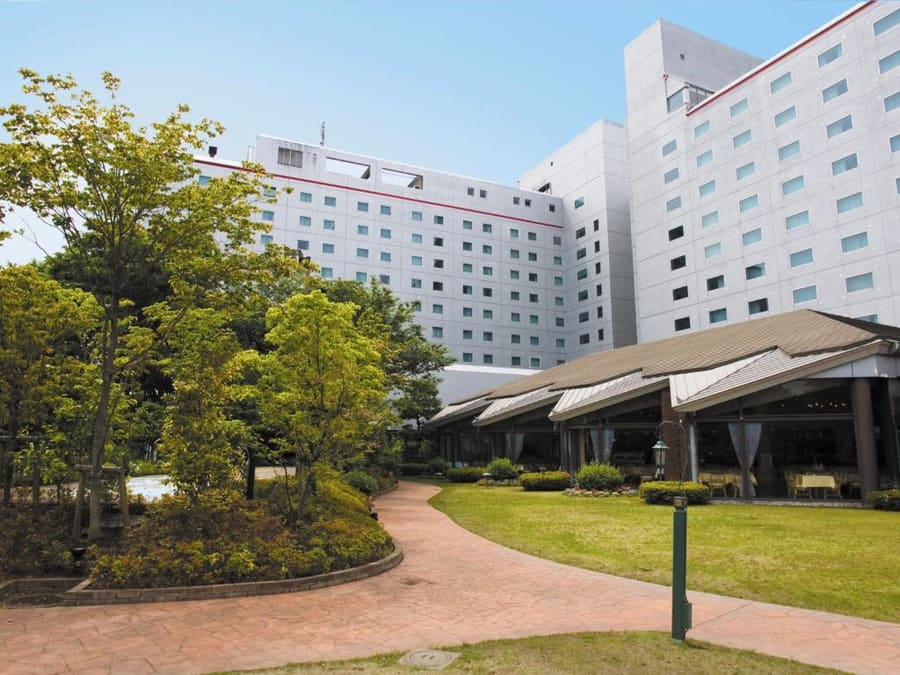
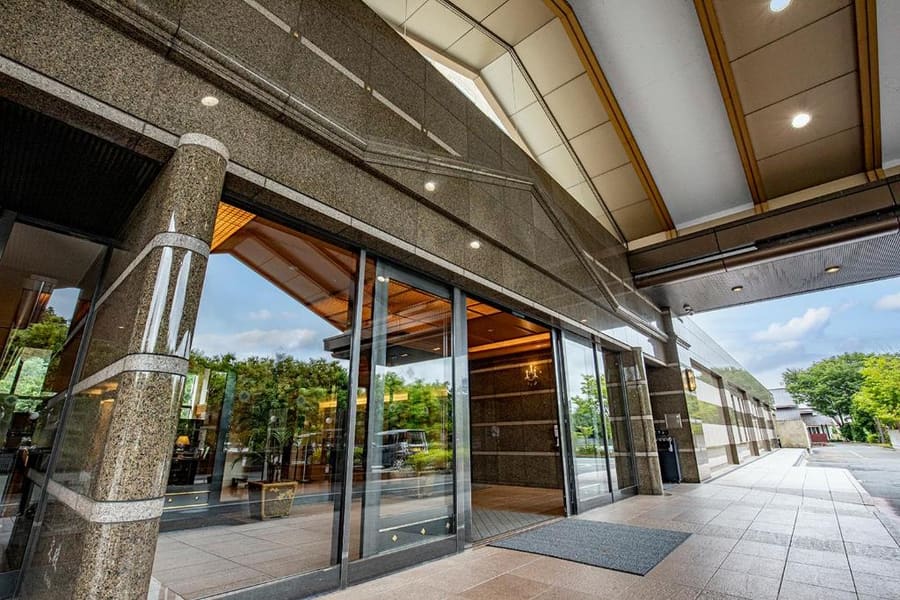
Choose by your departure time and appetite for night activity. Station hotels suit late arrivals needing direct train links to Tokyo or the airport. Temple district ryokans provide early morning access to monk rituals.
Live rates, matched to the areas above.

transport
Central Narita is compact and best explored on foot. Train lines connect the airport to central stations in under eleven minutes.
De Narita International Airport (NRT)
Keisei Line and JR Narita Line run direct from Terminals 1 and 2-3 to central Narita.
Fixed-rate options are rare for short local trips; ensure the meter runs.
Major airport hotels run private shuttle buses from Terminals 1 and 2 stops.
Both rail lines run parallel between the airport and town. Keisei runs more frequent local trains.
Suica and Pasmo IC cards work on all local Narita buses and train lines.
The walk from JR Narita Station to Shinshoji Temple takes 15 minutes downhill.
Chiba Kotsu buses link JR Narita Station to Boso no Mura and the flight museum.
cost
Narita is significantly cheaper than central Tokyo for dining and lodging. Eel dinners and temple amulets form the primary expenses.
Standard price for a full freshwater eel served with rice and soup on Omotesando.
Adult admission fee to the open-air history museum.
Price ranges according to the size of the blessed wooden plaque requested.
Distance-based bus fare from central Narita station to outer sights.
seasonality
MAR – MAY
Mild weather and cherry blossoms in Naritasan Park. Book Omotesando eel tables early during Golden Week in May.
JUN – AUG
Hot and humid with heavy rain. The Narita Gion Festival in July draws 450,000 visitors with massive wheeled floats.
SEP – NOV
Clear autumn skies and peak fall foliage in Naritasan Park during late November.
DEC – FEB
Cold and dry. Over three million worshippers visit Shinshoji Temple during Hatsumode in early January.
practicalities
Shinshoji hosts Goma fire rituals multiple times daily. The 06:00 morning session is least crowded.
Remove your shoes before entering the Great Main Hall. Carry them in the plastic bags provided.
Popular restaurants like Kawatoyo issue numbered ticket vouchers starting at 10:00.
Use coin lockers at JR or Keisei stations rather than wheeling large suitcases down Omotesando.
Naritasan Park features steep stone stairs and uneven paths. Wear sturdy walking shoes.