landmark
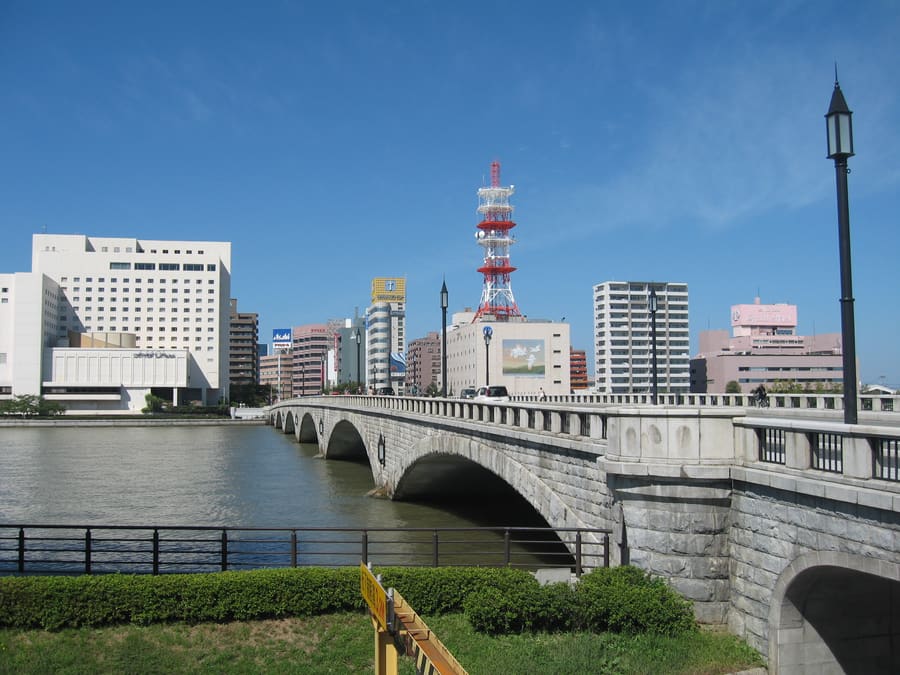
Bandai Bridge
Six stone arches surviving the 1964 earthquake. Walk the wide pedestrian paths at dusk for river lighting.
Perguntar ao ParleyJapão
Sake, snow-fed rice, and Japan's longest river port.
introduction
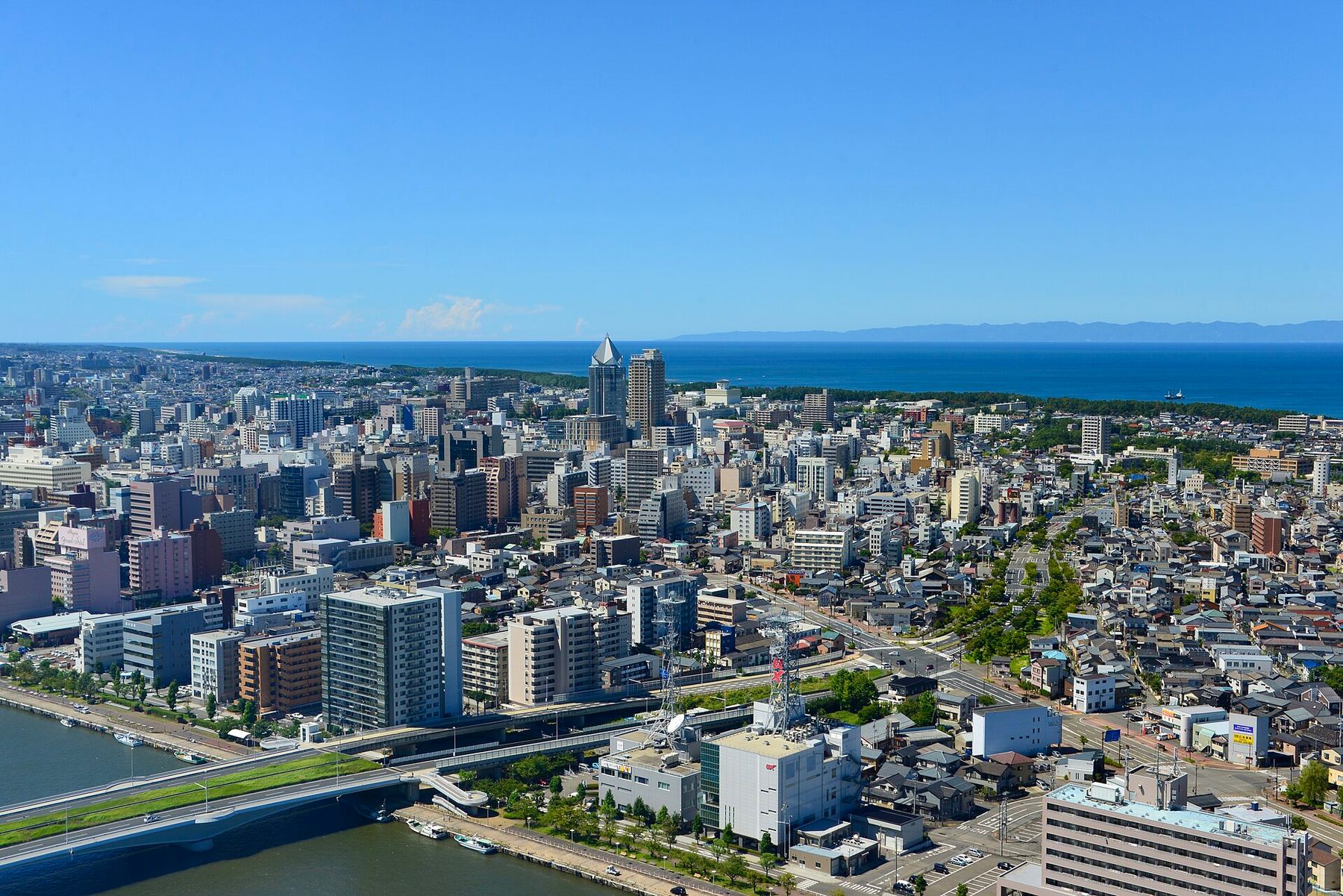
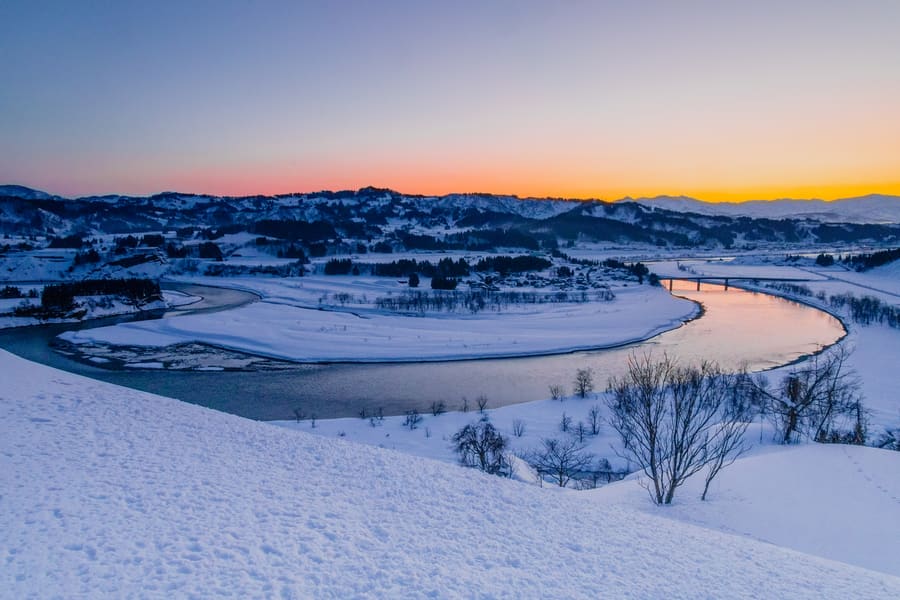
Niigata sits where the Shinano River meets the Sea of Japan on Honshu's west coast. Heavy winter snowmelt from the Echigo mountains feeds rice paddies that yield Japan's top Koshihikari grain and nearly ninety sake breweries. The city moves at a pragmatic coastal pace, divided into a modern transit grid on the East Bank and historic geisha districts on the West Bank. You come here to drink pristine sake, eat fresh sea life, and board ferries to Sado Island.
Bus terminal boarding
Niigata Station reorganized its bus terminal inside the central building. IC cards work on all major city routes.
Sado ferry booking
Sado Kisen car ferry reservations open 60 days before departure. Summer weekend sailings sell out quickly.
Niigata
Koichi_Hayakawa · CC BY 4.0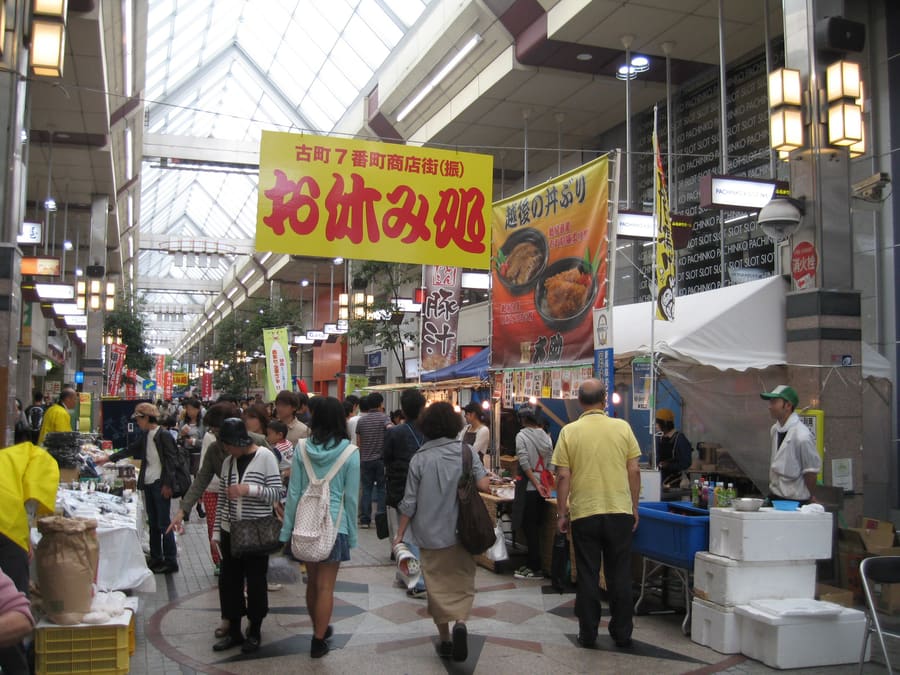
Furumachi — Historic West Bank district with arcade shopping streets, old tea houses, and classic seafood izakayas.
DAI-nk · CC BY-SA 3.0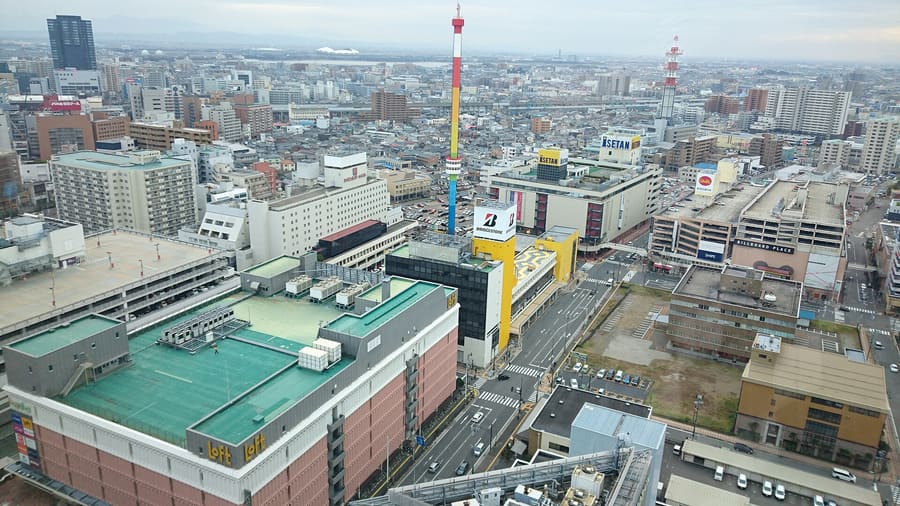
Bandai City — Mid-river commercial strip anchored by department stores, bus terminals, and open pedestrian plazas.
Koba20 · CC BY-SA 4.0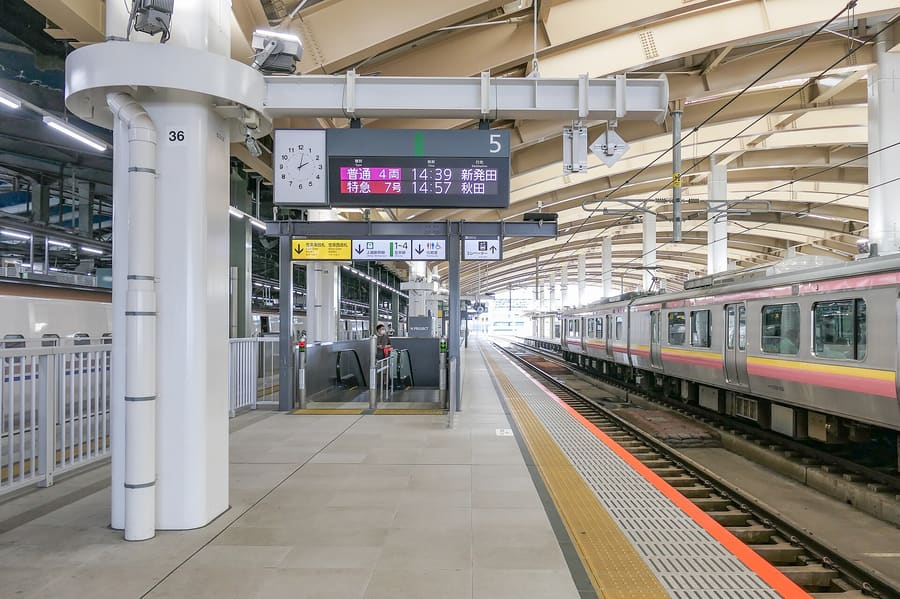
Niigata Station Area — Transit-focused East Bank hub filled with business hotels, sake bars, and subterranean food courts.
MaedaAkihiko · CC BY-SA 4.0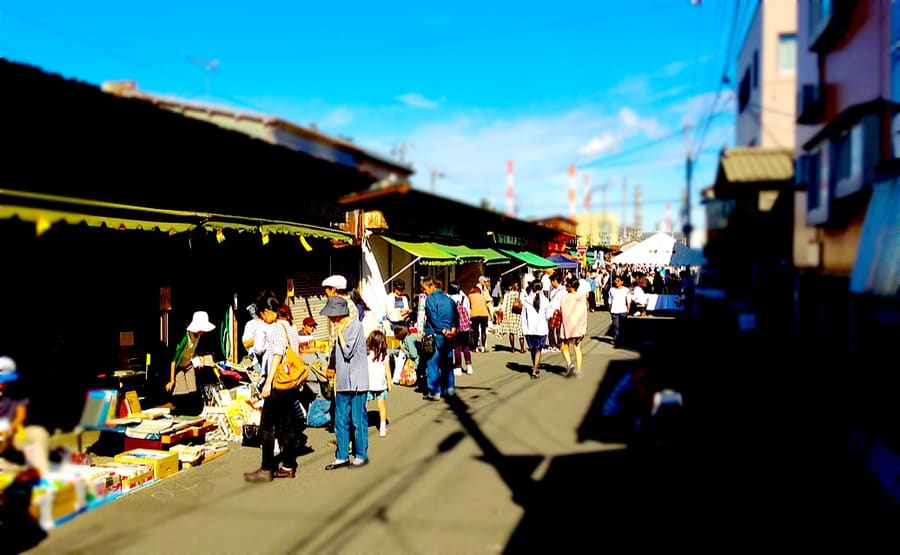
Nuttari Terrace — A converted row of old wooden market stalls now filled with micro-breweries, bakeries, and craft shops.
Inomata toshiyuki · CC BY-SA 4.0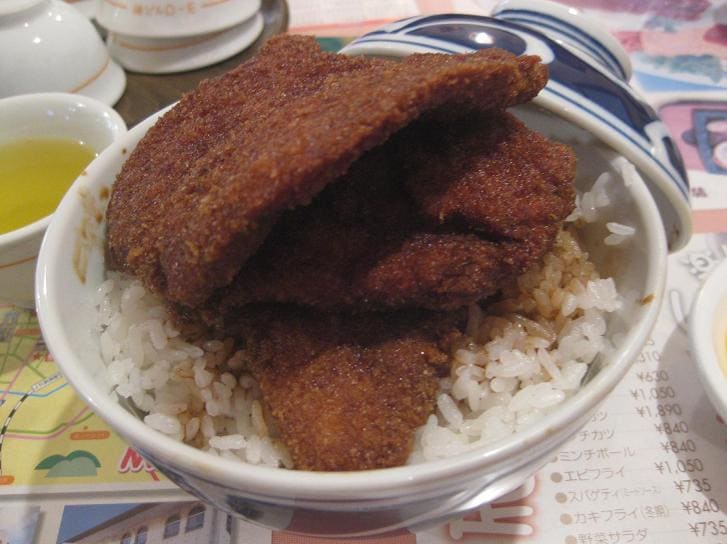
Tarekatsu-don features thin soy-glazed pork cutlets layered over steamed Koshihikari rice.
Kyoww · Public domainhighlights
landmark
Six stone arches surviving the 1964 earthquake. Walk the wide pedestrian paths at dusk for river lighting.
Perguntar ao Parley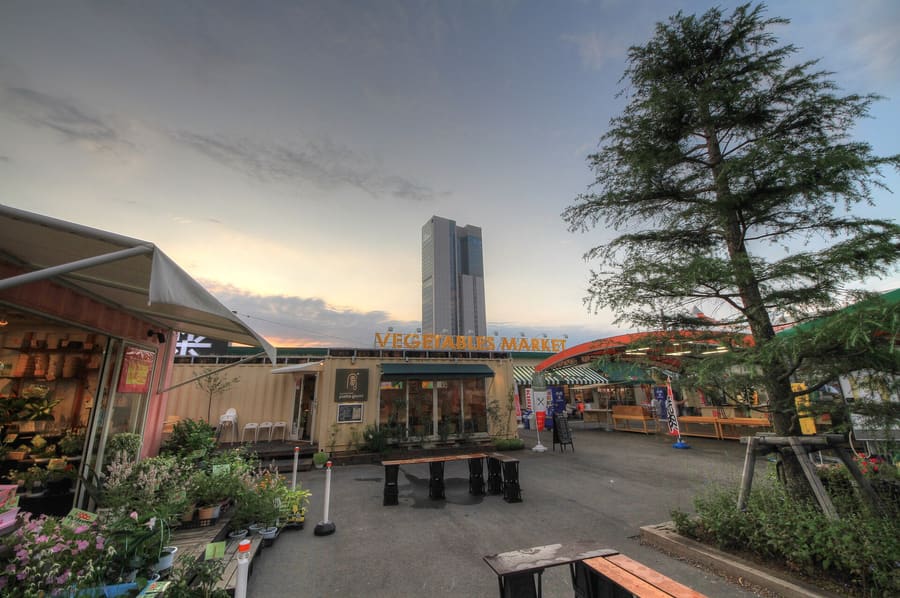
landmark
Working port fish market with standing sushi stalls and charcoal grilled squid. Arrive before 11:00 to dodge lunch queues.
Perguntar ao Parley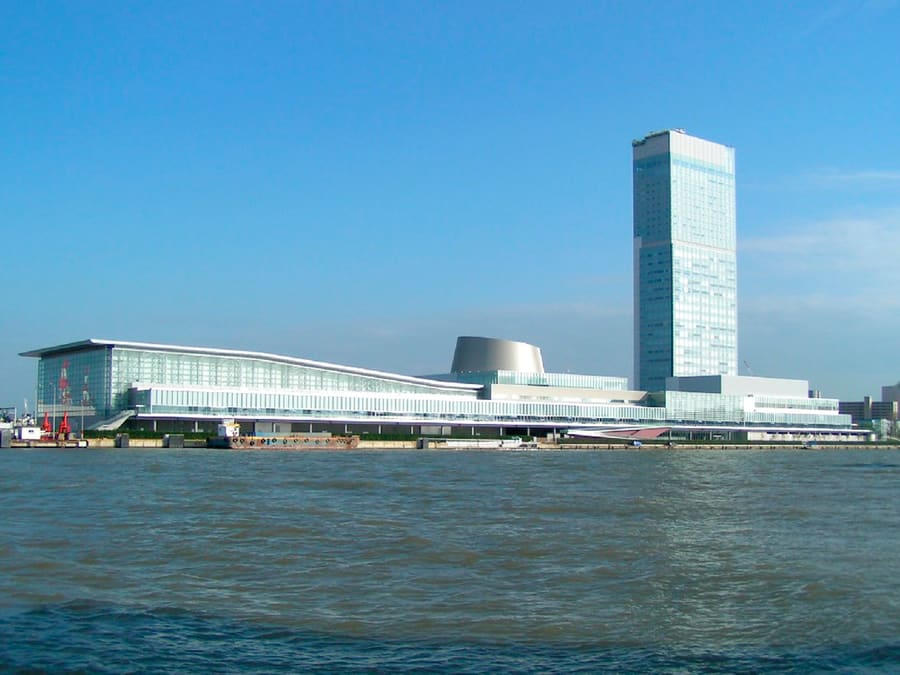
landmark
Free 31st-floor view of the Sado Channel and Shinano River mouth inside Toki Messe tower.
Perguntar ao Parley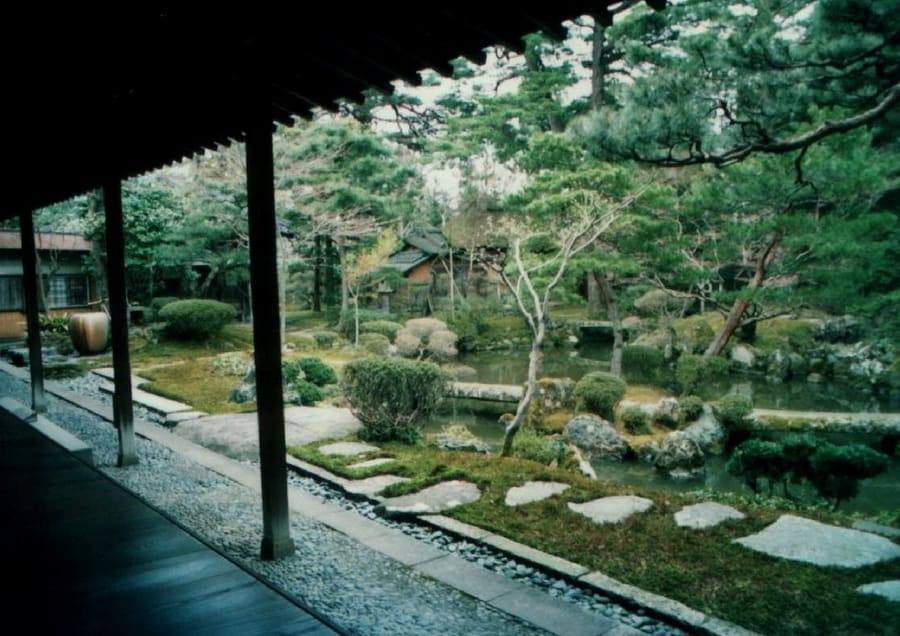
landmark
Former merchant villa in Furumachi with a quiet moss garden. Lower crowds than the main estate in Inland Niigata.
Perguntar ao Parleyattractions
areas
Historic West Bank district with arcade shopping streets, old tea houses, and classic seafood izakayas.
PertoNorthern Culture Museum Branch, Hakusan Shrine
Perguntar ao ParleyMid-river commercial strip anchored by department stores, bus terminals, and open pedestrian plazas.
PertoBandai Bridge, Shinano River Walk
Perguntar ao ParleyTransit-focused East Bank hub filled with business hotels, sake bars, and subterranean food courts.
PertoPonshokan, Bandai Bus Terminal
Perguntar ao ParleyA converted row of old wooden market stalls now filled with micro-breweries, bakeries, and craft shops.
PertoPier Bandai, Fermentation Street
Perguntar ao Parleyfood
Niigata dining revolves around two engines: mineral-rich meltwater from the Echigo Mountains and surrounding ranges and cold currents in the Sea of Japan. The plain produces Koshihikari rice, which local chefs cook with high moisture to maintain a firm, glossy bite. Coastal proximity means seafood moves from boat to market floor in hours.Instead of the thick egg-and-dashi katsudon found elsewhere in Japan, Niigata serves Tarekatsu-don. Thin pork cutlets are fried in fine breadcrumbs, dipped immediately into a sweet soy glaze, and laid plain over hot rice. Regional winter cooking relies on Noppe, a clear vegetable stew thickened with taro (satoimo) and topped with salmon roe.
Tarekatsu-don features thin soy-glazed pork cutlets layered over steamed Koshihikari rice.
Kyoww · Public domainOrder the classic three-piece set at Tonkatsu Taro in Furumachi, where the dish originated in the 1930s.
Benkei at Pier Bandai serves standing-only conveyor sushi using local port catches. Queue before 10:45 to get in the first group.
Red snow crab season runs from autumn through spring. Local stalls sell whole steamed crabs directly on the dock.
history
Niigata grew as a critical canal port on the Sea of Japan during the Edo period. Merchants used the Shinano and Agano river networks to send agricultural yields south via Kitamaebune trading ships. When Japan opened international trade under the 1858 Ansei Treaties, Niigata was designated one of five open treaty ports.Industrial expansion and land reclamation shaped modern Niigata throughout the twentieth century. The 1964 Niigata Earthquake caused severe liquefaction across reclaimed river flats, prompting strict structural rebuilds. Today, the city operates as the primary economic hub for the Hokuriku coast, connected to Tokyo by high-speed rail.
Treaty Port Designation
Niigata is selected as one of five Japanese ports opened to foreign commerce under the Ansei Treaties.
Bandai Bridge Complete
The current six-arch stone structure opens, establishing a durable link between the West and East banks.
Niigata Earthquake
A magnitude 7.5 quake strikes off the coast, leading to widespread civil engineering standard revisions.
Joetsu Shinkansen Opens
High-speed rail connects Niigata to Tokyo Station in two hours, cutting travel time by half.
where to stay
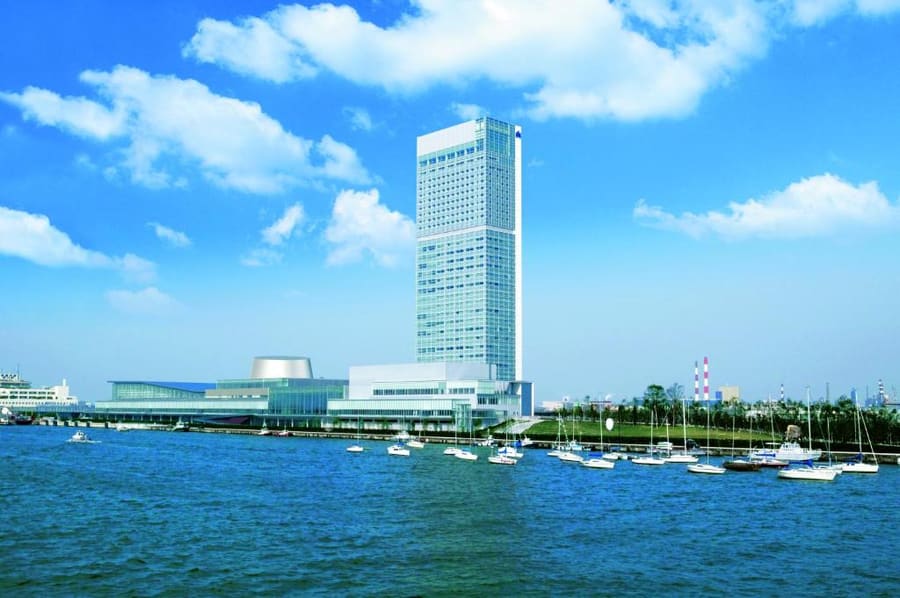
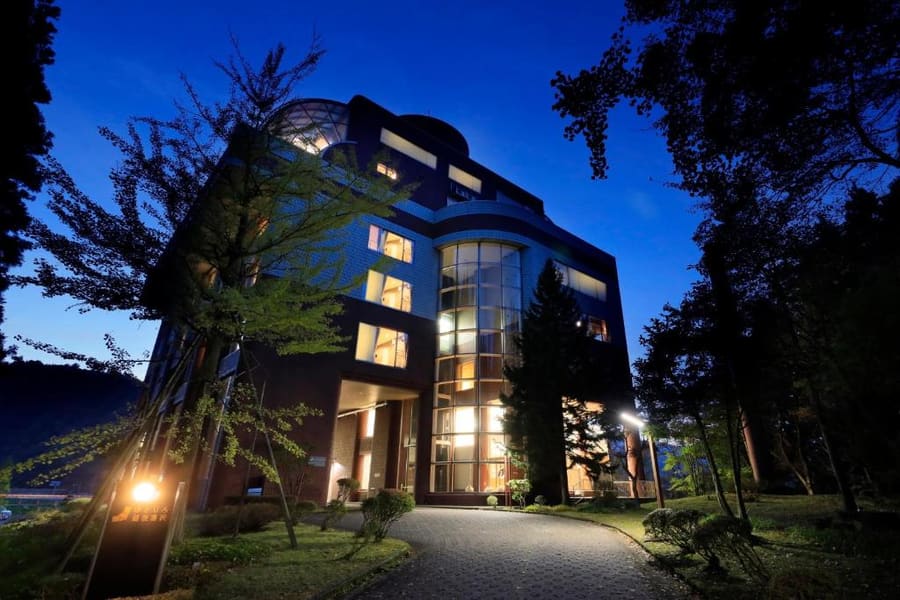
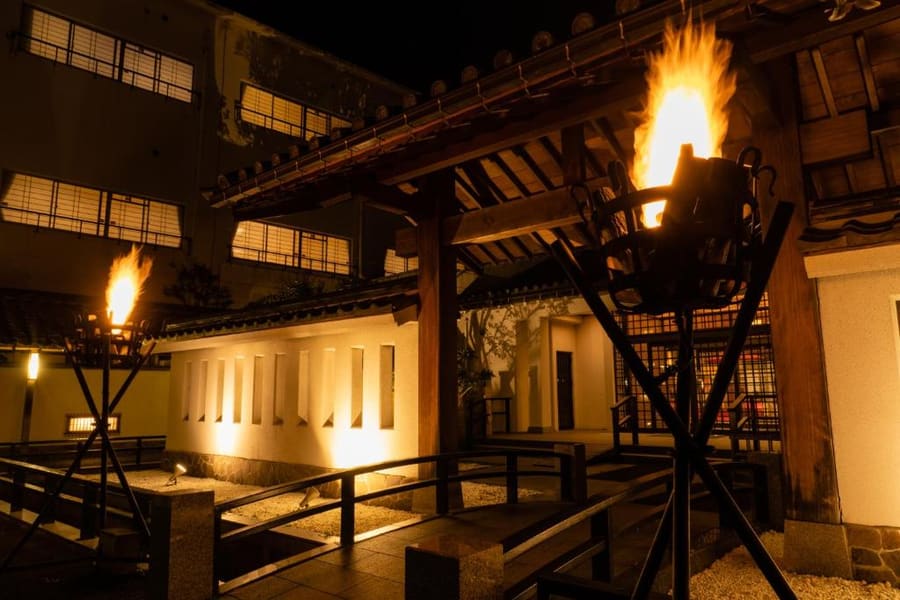
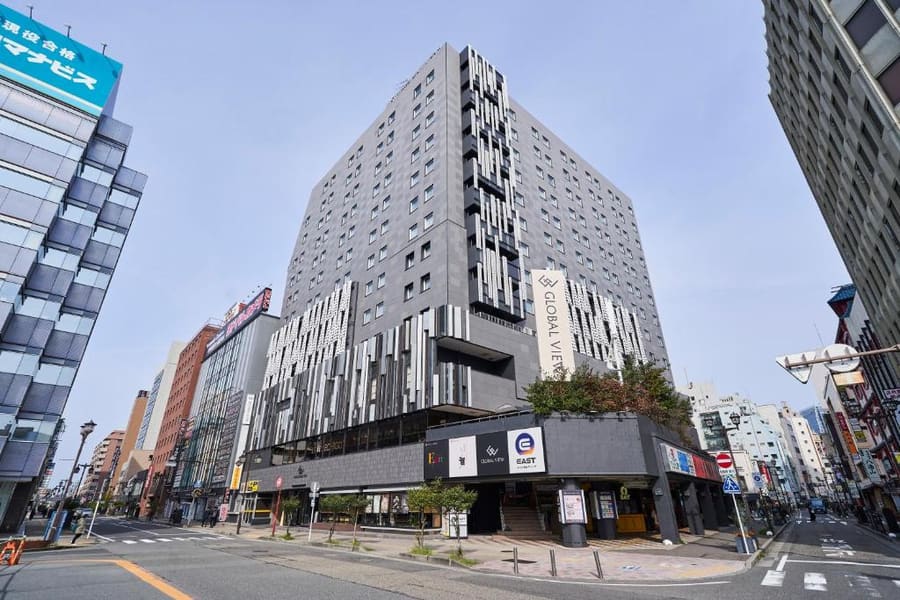
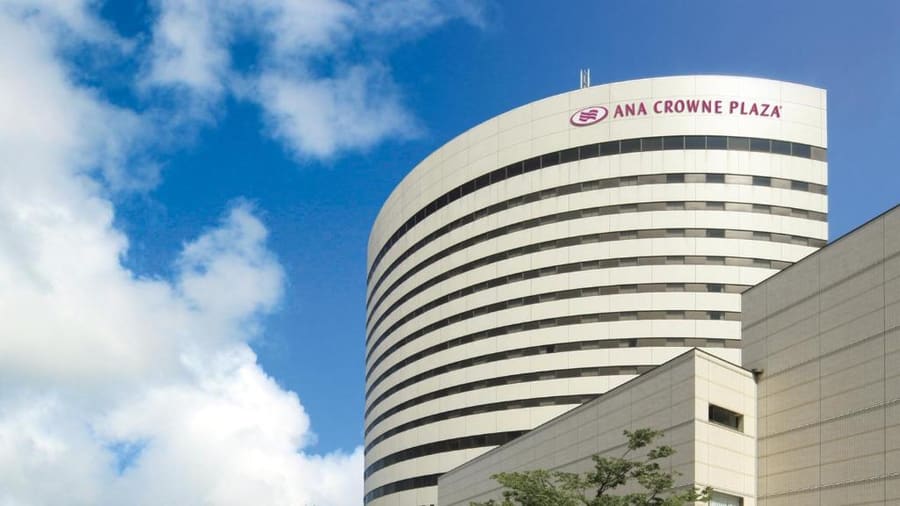
Choose your base by your primary transit mode. Staying near Niigata Station gives you direct access to the Shinkansen, airport buses, and the Ponshokan tasting room. Bandai City works best for shoppers and walkers who want central river views. Furumachi suits travellers looking for older izakayas and quieter evening streets.
Live rates, matched to the areas above.
transport
Niigata is a linear city split by the Shinano River. The East Bank hosts the Shinkansen line, while the West Bank holds the older civic quarter. Walking between the two across Bandai Bridge takes twenty minutes. Local buses run frequently along the central axis connecting the station, Bandai City, and Furumachi.
De Niigata Airport (KIJ)
Non-stop bus runs directly to Niigata Station South Exit matching flight arrivals.
Local route bus stopping at intermediate city stops before ending at the station.
Available outside domestic arrivals. Rates increase by 20 percent after 22:00.
The Toki express train connects Tokyo Station to Niigata Station in 110 minutes on the Joetsu line.
Buses leave Niigata Station Bandai Exit for the Sado Kisen ferry terminal every 15 minutes.
cost
Niigata offers lower hotel and dining costs than Tokyo or Kyoto. Seafood prices reflect direct port access, making high-grade sashimi and sushi affordable at local markets.
Includes soy-glazed pork cutlets over Koshihikari rice, miso soup, and pickles.
seasonality
DEC – FEB
Heavy snowfall on surrounding mountains. Winter seafood and hot sake peak in city izakayas.
MAR – MAY
Snow melts into rivers. Cherry blossoms peak along the Shinano River banks in mid-April.
JUN – AUG
Warm coastal weather. August brings the massive Niigata Festival fireworks over the river.
SEP – NOV
Rice harvest season across the Echigo Plain. Clear skies and prime autumn foliage in nearby hills.
practicalities
Many traditional Furumachi restaurants close their kitchens by 21:00 on weeknights.
While transit takes IC cards, small stalls inside Pier Bandai prefer cash payments.
Sake labels at Ponshokan list sweetness ratings and regional codes in Japanese numerals.
Major arcades in Furumachi feature covered roofs and heated pavement to melt sea snow.
High winter winds can delay or cancel hydrofoil boat sailings across the Sado Channel.