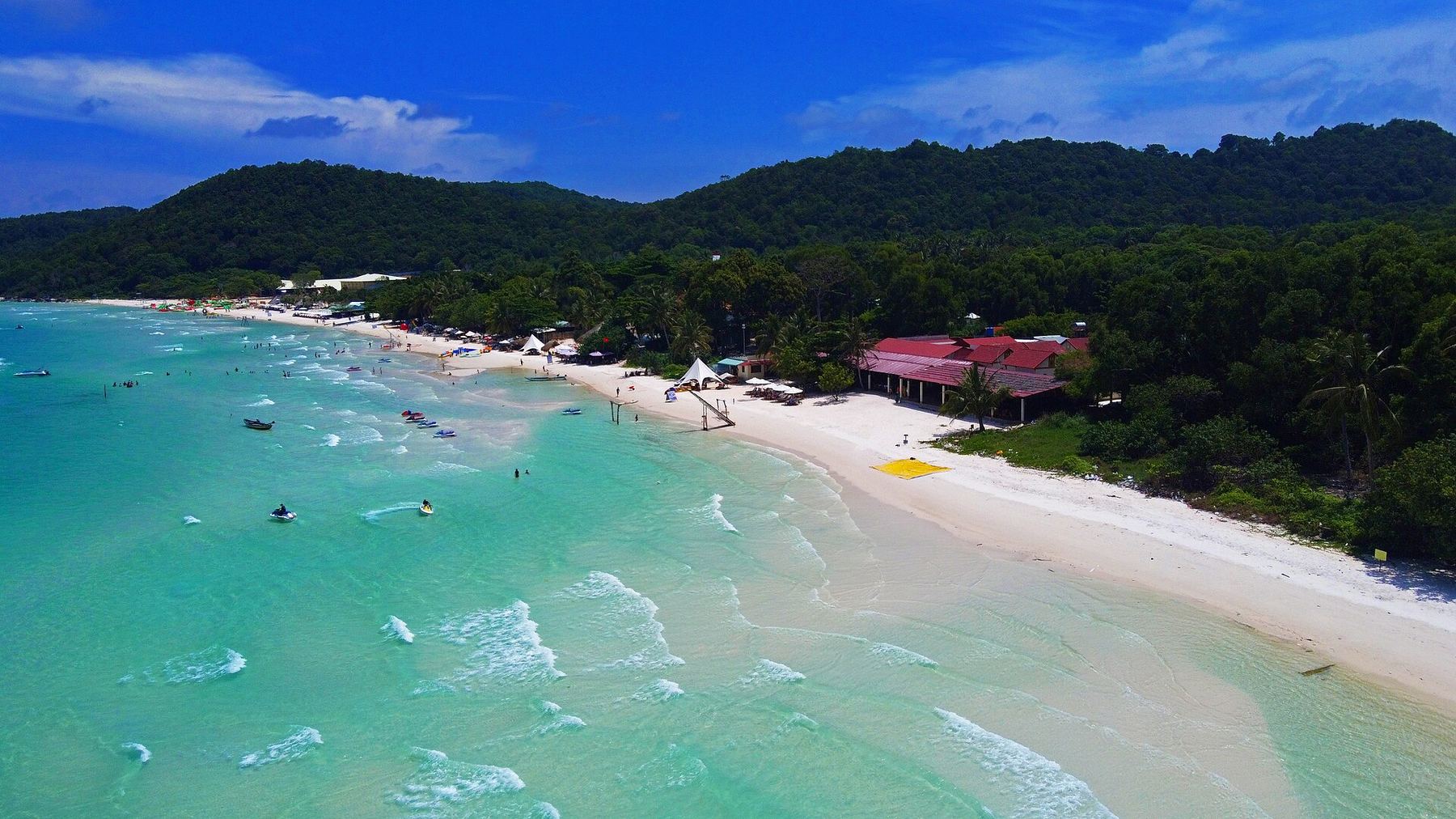
landmark
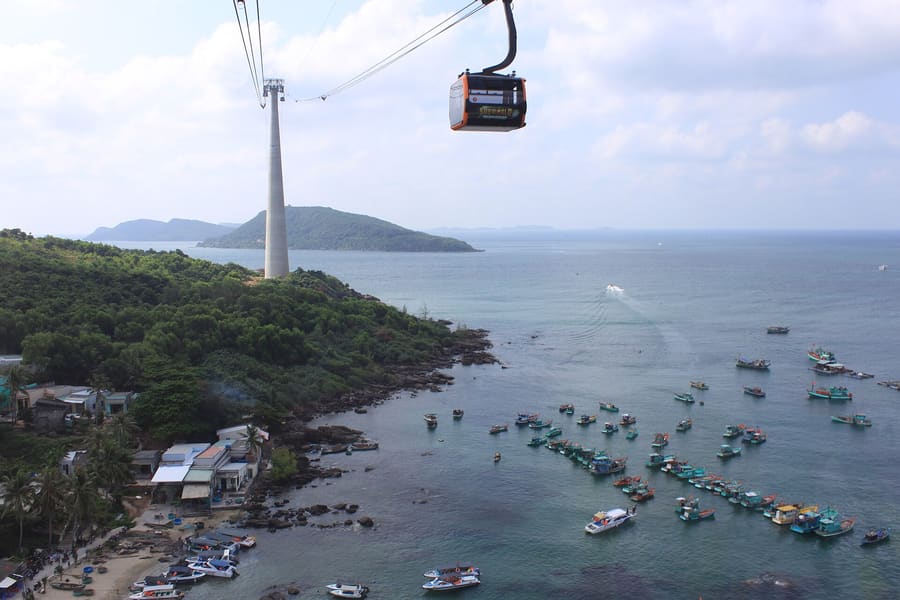
Hon Thom Cable Car
An eight-kilometre oversea cable car connecting An Thoi to Hon Thom island. Ride early in the morning to skip queue lines.
Perguntar ao ParleyVietnã
Pepper farms, fish sauce, and rapid resort development.
introduction
Phu Quoc sits in the Gulf of Thailand as Vietnam’s largest island, split between fishing hubs and coastal resorts. Route DT45 connects Duong Dong to the northern coast, while Route DT46 is the highway leading to southern enclaves such as An Thoi. Taxis get expensive quickly, so renting a scooter or using Grab is essential for independent exploring. Expect quiet pepper plantations alongside massive resort development.
Visa-free entry
Phu Quoc grants a 30-day visa exemption for international arrivals flying directly or transferring via Vietnamese airports.
UNESCO Biosphere Reserve
Kien Giang Biosphere Reserve covers Phu Quoc National Park, protecting native evergreen forest across the northern range.
Scooter rental requirement
Police check international driving permits along DT45; riding without one risks fines or impounded vehicles.
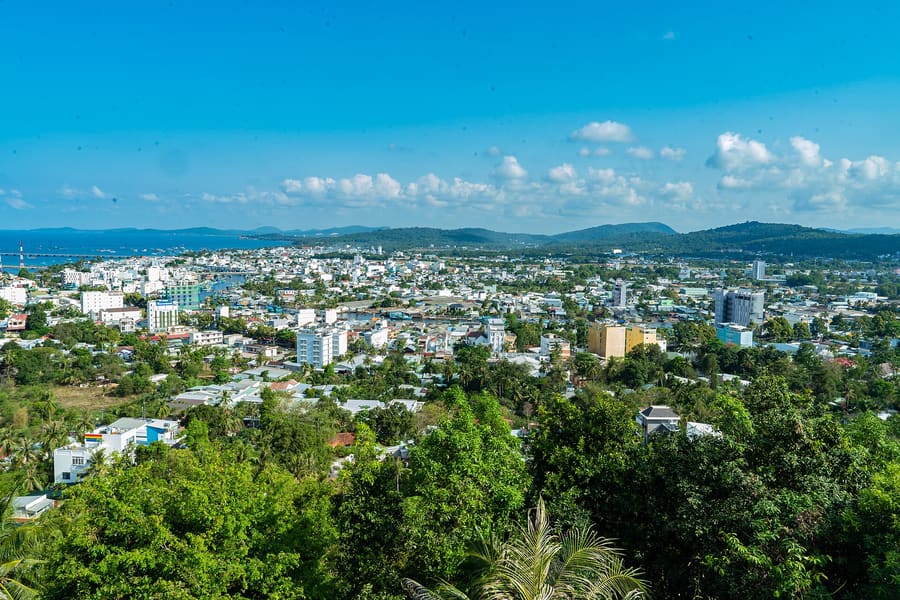
Phu Quoc
[//commons.wikimedia.org/wiki/User:Trantuonglam Trantuonglam] · CC BY-SA 4.0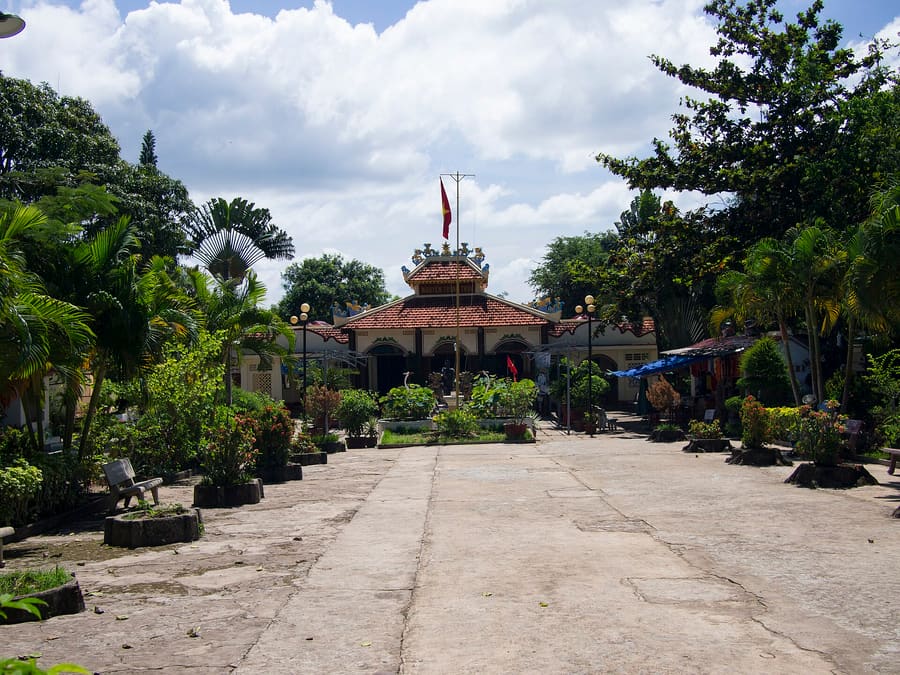
Ganh Dau — A quiet northern cape offering views of the Cambodian coastline across narrow waters.
Tokeisan · CC BY-SA 3.0highlights
landmark
An eight-kilometre oversea cable car connecting An Thoi to Hon Thom island. Ride early in the morning to skip queue lines.
Perguntar ao Parley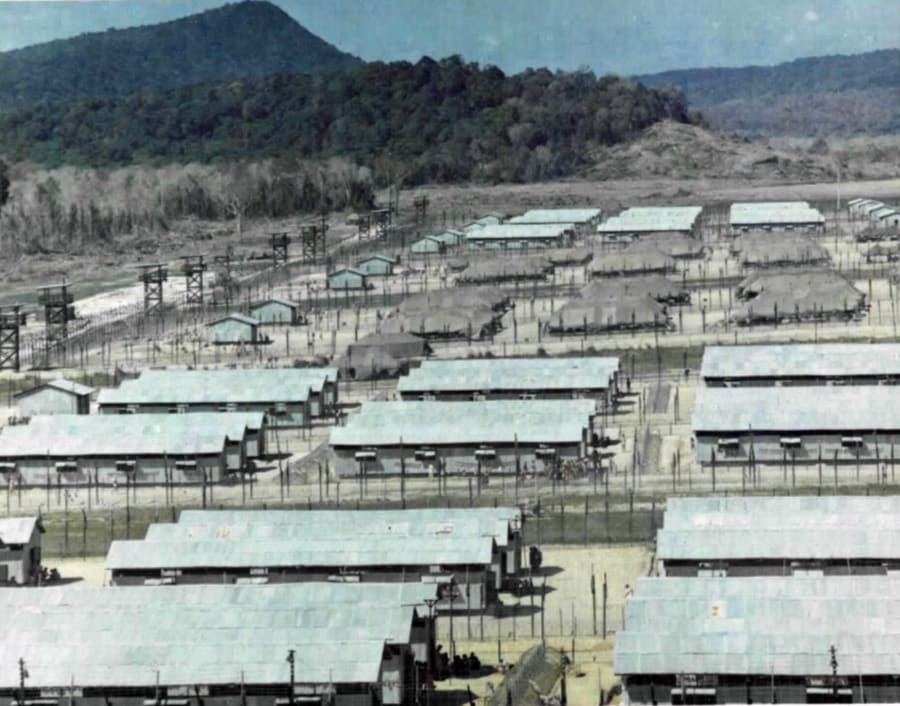
landmark
A former wartime detainment facility displaying preserved tiger cages and historical exhibits. Entry is free.
Perguntar ao Parley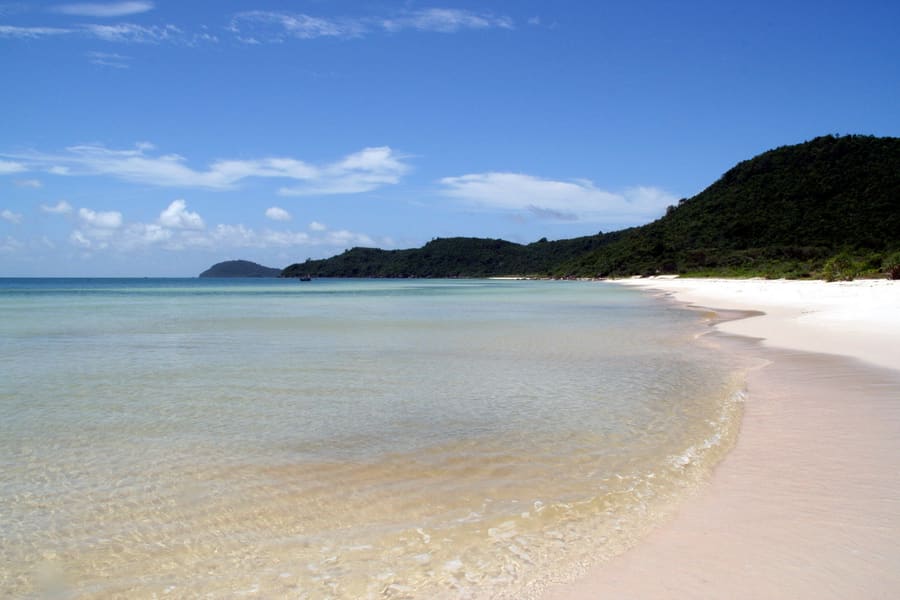
landmark
Protected forest covering the northern mountain chain with dirt hiking tracks. Rent a sturdy scooter to explore canopy roads.
Perguntar ao Parleyattractions
areas
A quiet northern cape offering views of the Cambodian coastline across narrow waters.
PertoPhu Quoc National Park
Perguntar ao ParleyThe main administrative town, filled with night markets, local eateries, and harbor traffic.
PertoDuong Dong Market and Dinh Cau Shrine
Perguntar ao ParleyA 20-kilometre stretch lined with beachfront resorts, sunset bars, and tiled walking strips.
PertoDuong Dong town center
Perguntar ao ParleySouthern port town dominated by fishing harbors, island ferries, and Mediterranean-themed developments.
PertoHon Thom Cable Car station
Perguntar ao Parleyfood
Phu Quoc cuisine relies heavily on surrounding coastal catches and locally grown black pepper. The island's amber fish sauce (nước mắm) ferments in wooden vats on site and seasoned almost every local broth. Bún quậy, a fresh seafood noodle soup where diners mix their own kumquat-chili sauce, originated in Duong Dong. Night market vendors serve sea urchins grilled directly over charcoal with scallion oil and crushed peanuts.
At Kiến Xây, line up to mix your sauce from chili, kumquat, sugar, and salt before picking up your hot soup bowl.
Confirm prices per hundred grams at Duong Dong Night Market before selecting lobsters or crabs from live display tanks.
Visit Khải Hoàn barrel house in Duong Dong in the morning to view traditional fermentation vats before afternoon heat.
history
Phu Quoc spent centuries as a sparsely populated island in the Gulf of Thailand, claimed at various points by Cambodian and Vietnamese rulers. French administrators established coconut and pepper plantations during the colonial era. During mid-20th-century conflicts, military forces operated a major detainment camp near An Thoi. The opening of an international airport in 2012 shifted the island economy from fishing and farming into rapid tourist resort expansion.
Regional trade routes
King Ang Duong of Cambodia notes trading posts on Koh Tral, the Khmer name for Phu Quoc.
Colonial plantations
French developers plant coconut groves and expand pepper farming across interior valley hills.
Coconut Tree Prison
Military forces construct a large detainment complex holding tens of thousands of prisoners.
International airport launch
Phu Quoc International Airport opens, allowing direct flights and sparking resort construction.
where to stay
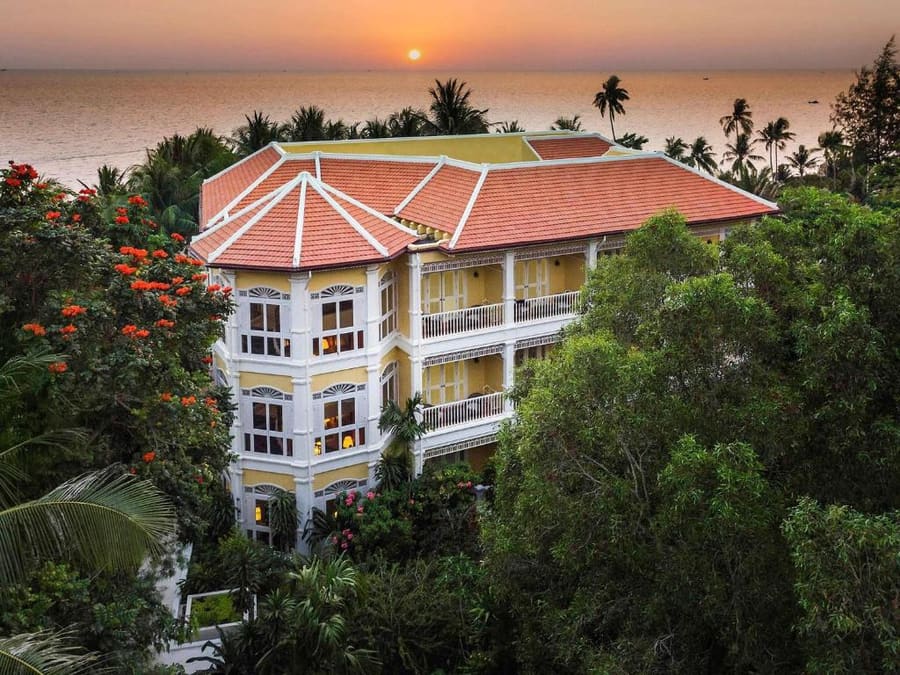
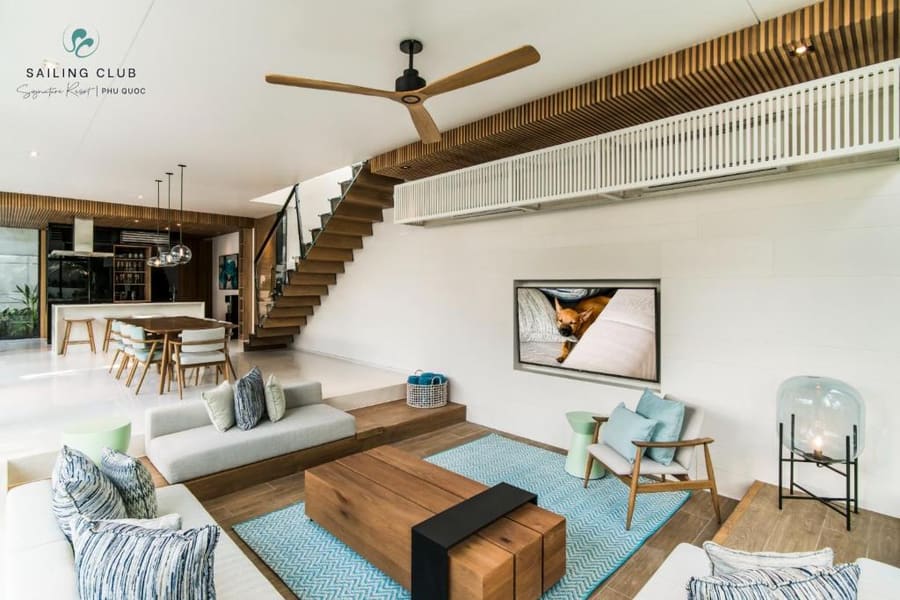
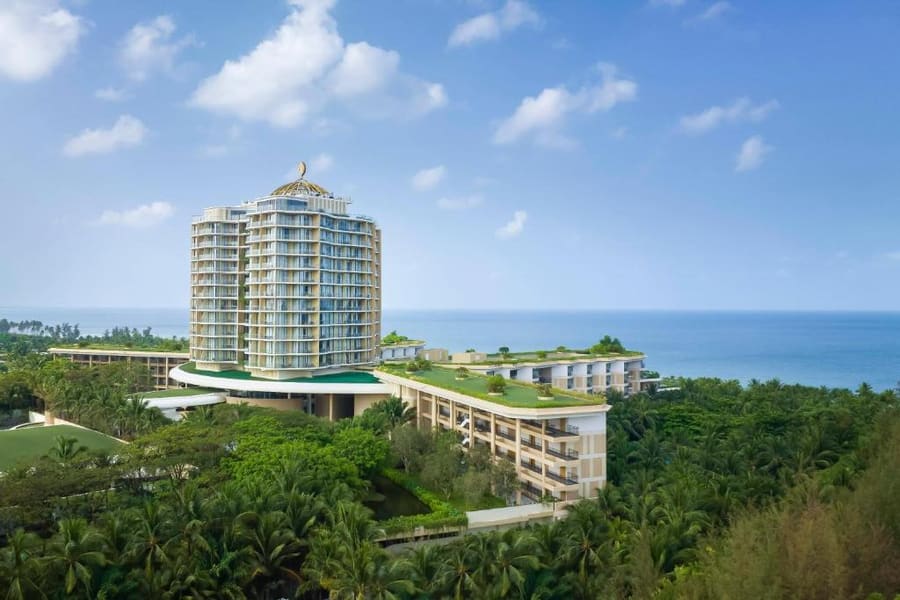
Choose your accommodation area based on preferred transport and noise tolerance. West coast resorts along Long Beach give fast access to the airport and Duong Dong restaurants. Southern bases suit travellers prioritizing island boat tours and cable car rides, while northern bays offer quiet resort grounds away from commercial center traffic.
Live rates, matched to the areas above.


transport
Public transit options remain limited on Phu Quoc. Ride-hailing apps work well between the airport, Duong Dong, and Long Beach, but coverage thins out on remote northern or southern caps. Renting an automatic scooter gives full mobility if you hold a valid driving permit.
De Phu Quoc International Airport (PQC)
Metered cabs wait outside arrivals; confirm driver turns the meter on before departure.
Grab cars service airport arrivals to Long Beach and Duong Dong reliably.
Buses connect PQC terminal to central Duong Dong town.
Scooters cost roughly 120,000 to 150,000 VND per day; check tires and brakes before driving off.
Grab operates smoothly around Duong Dong and Long Beach, but drivers rarely take trips out to Ganh Dau.
Monsoon winds cause speedboat cancellations from Rach Gia; check weather updates before mainland transfers.
VinBus electric shuttles operate select routes linking the airport, major resorts, and northern attraction sites.
cost
Island supply chains mean baseline goods cost more on Phu Quoc than on mainland Vietnam. Local noodle shops in Duong Dong remain affordable, whereas beachfront resort dining matches international resort pricing.
Fresh seafood noodle soup bowl at specialized town eateries.
Daily fee for a standard automatic scooter, excluding fuel.
Includes return cable car ticket to Hon Thom island.
Per piece price at night market grill stalls.
seasonality
NOV – MAR
Dry season brings calm seas and clear skies. Resort rates reach peak levels.
APR – MAY
Temperatures rise and humidity climbs before rains start. Sea water remains clear.
JUN – SEP
Monsoon rains bring heavy swells to west coast beaches. Room rates drop sharply.
OCT
Transitional month with shifting weather patterns and declining rainfall.
practicalities
Box jellyfish appear in southern coastal waters from May to October; check beach notices.
ATMs concentrate around Duong Dong and Long Beach; carry cash when traveling to northern villages.
Farm harvests run from February to April, offering the best view of pepper drying racks.
Water visibility around southern An Thoi islands peaks between December and March.
When rough monsoon waves hit Long Beach, eastern bays like Bai Sao often stay calm.