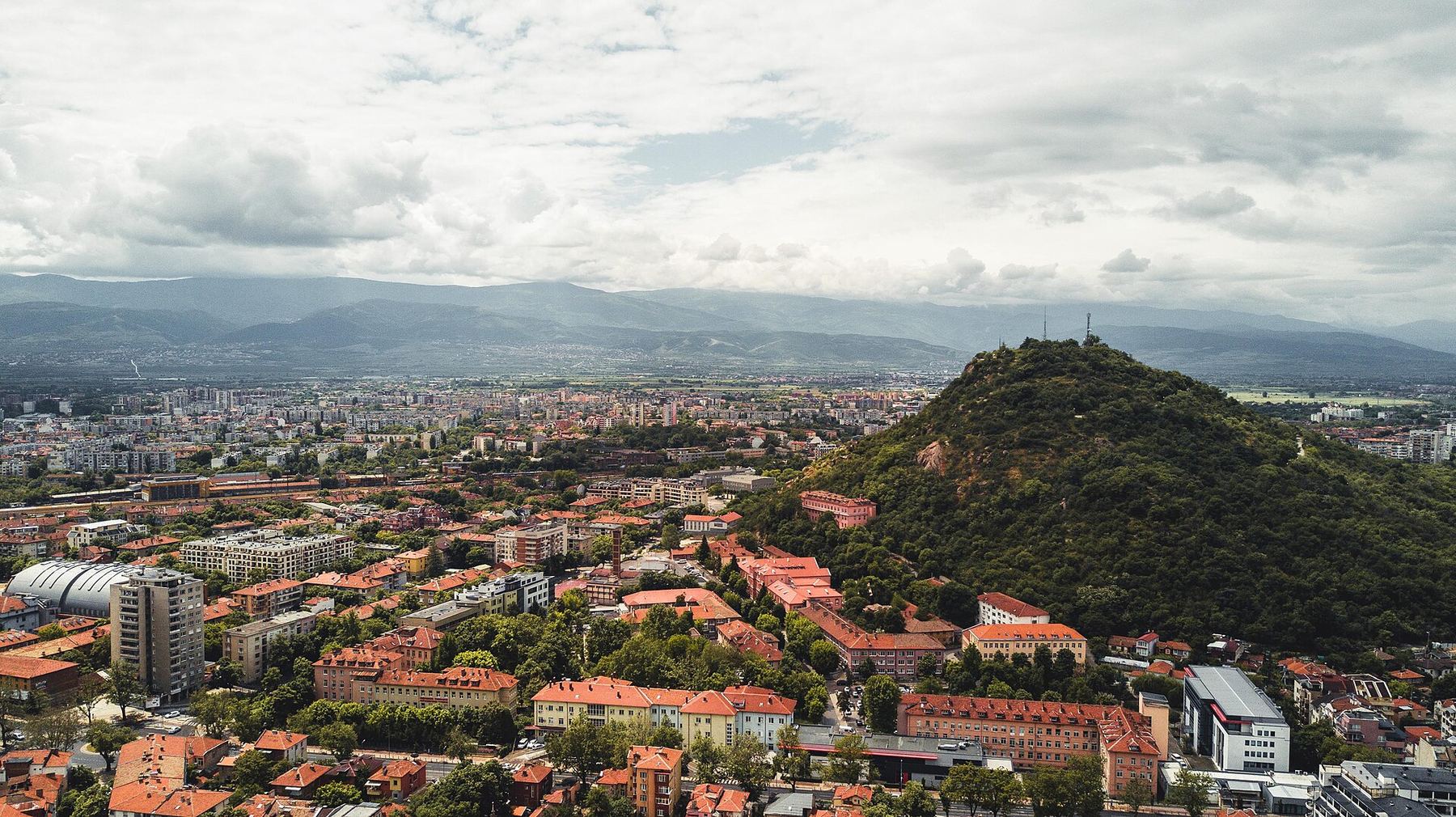
landmark
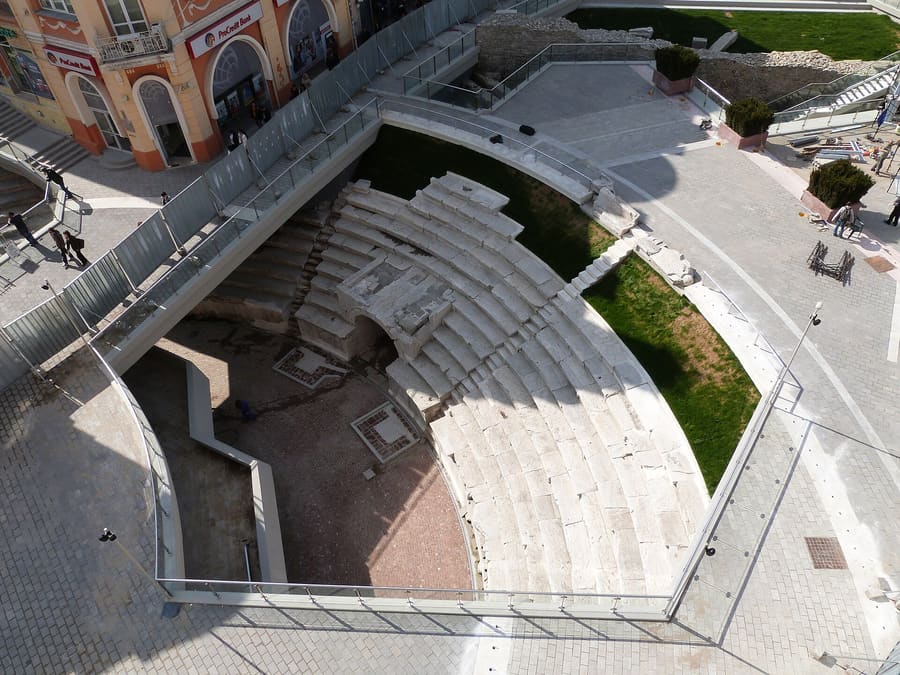
Roman Stadium of Philippopolis
Seated 30,000 spectators under modern street level. The northern curve is visible beneath Dzhumaya Square with free entry.
Perguntar ao ParleyBulgária
Thracian roots, Roman ruins, and a revitalized Kapana.
introduction
Plovdiv balances Roman archaeological ruins with a dense, walkable 19th-century Old Town. You navigate the city on foot along a major pedestrian central axis connecting green park spaces to hilltop viewpoints. Expect steep granite cobblestones, lively outdoor cafe dining in Kapana, and layered Thracian history.
Plovdiv Airport transport
Plovdiv Airport handles sparse seasonal flights. Most international travelers arrive at Sofia Airport and take a direct 90-minute bus from Sofia Central Bus Station.
European Capital of Culture 2019
Plovdiv served as a European Capital of Culture in 2019. The designation spurred major restoration in the Kapana district and the Ancient Theatre.
Old Town cobblestones
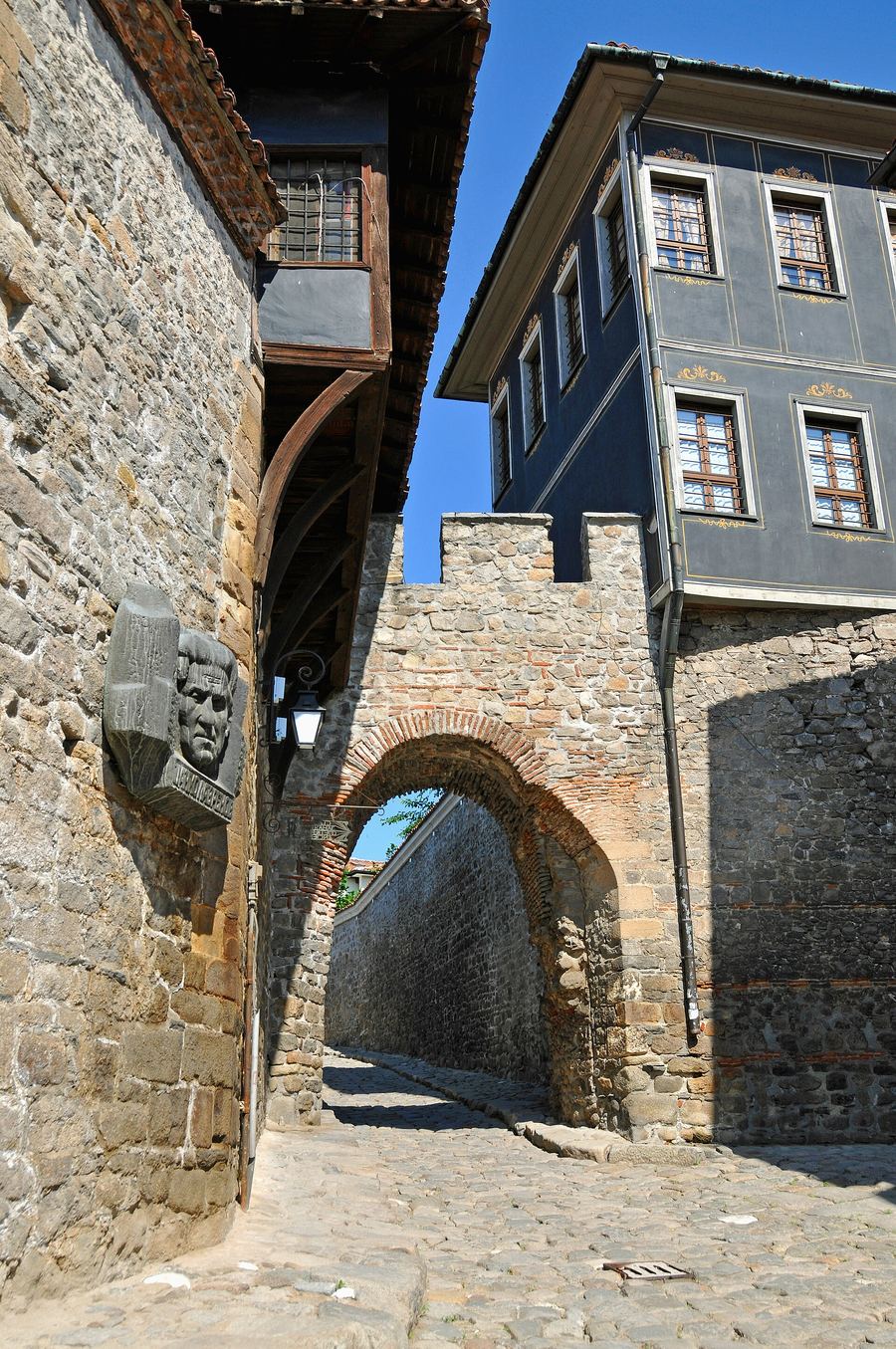
Cobblestones in the Old Town consist of irregular granite river rocks. Flat walking shoes prevent injury on steep sections like Saborna Street.
Plovdiv
Dennis G. Jarvis · CC BY-SA 2.0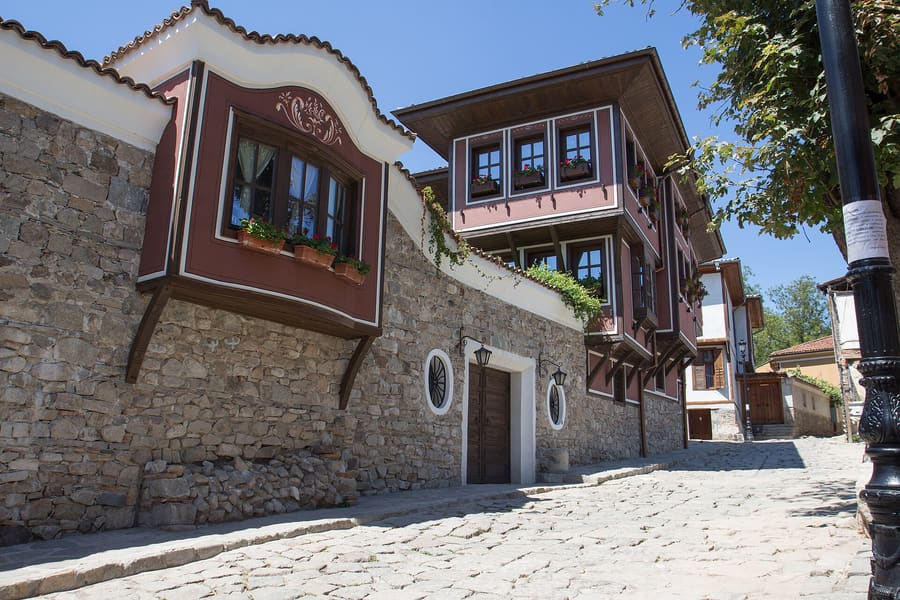
Old Town — Preserved 19th-century Revival mansions lining steep cobblestone lanes on three hills.
Faces&&Places · CC BY 2.0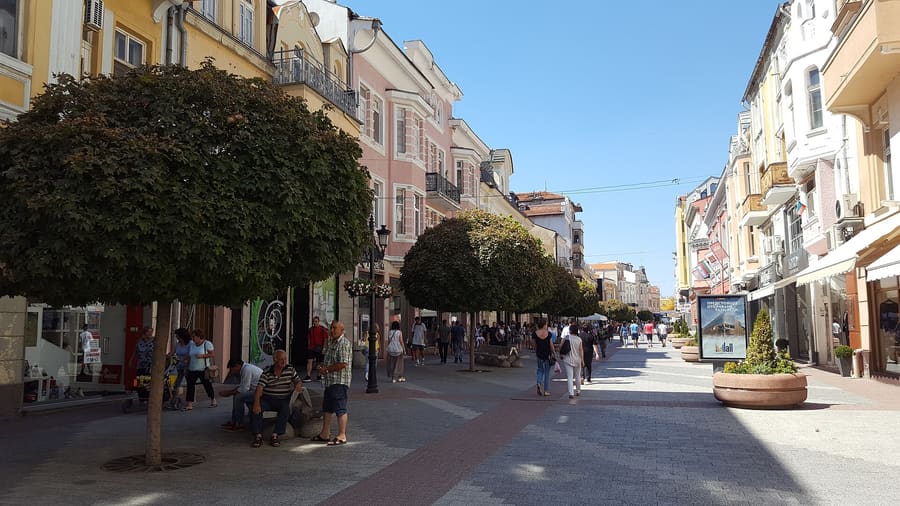
Center & Main Street — One of Europe's longest pedestrian thoroughfares, bordered by 1920s facade architecture.
Realsteel007 · CC BY-SA 4.0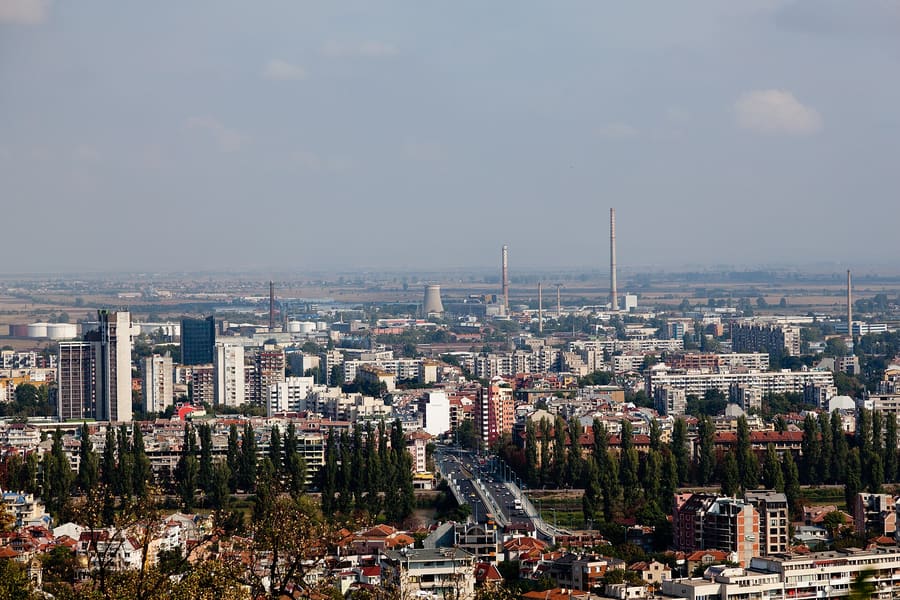
Karshiaka — A residential neighborhood north of the Maritsa River with modern business hotels and local eateries.
Morris Depot Kid · CC BY 2.0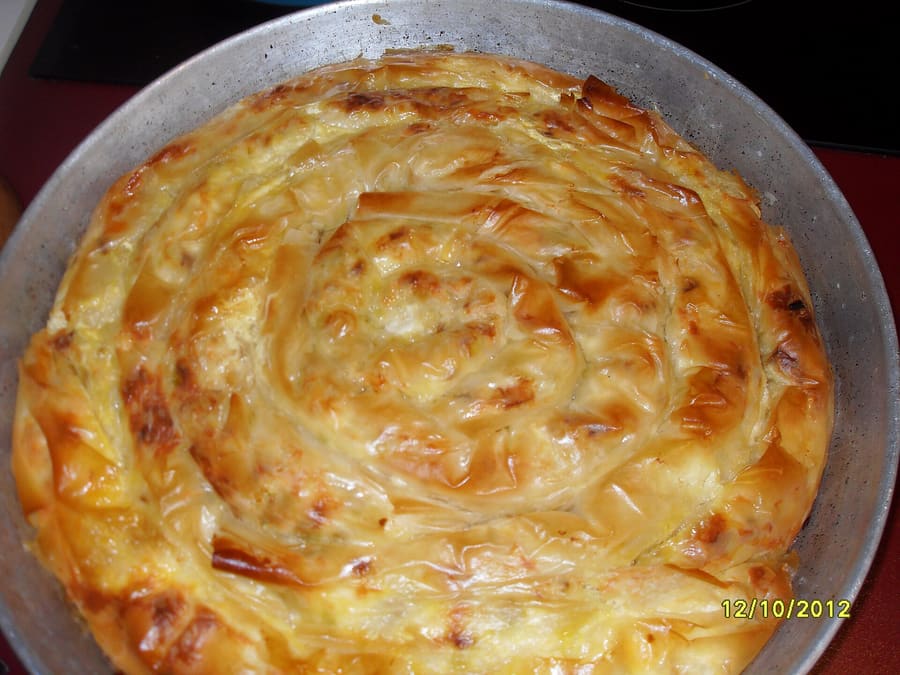
A fresh banitsa pastry served with Bulgarian white sirene cheese.
Sheku80 · CC BY-SA 3.0highlights
landmark
Seated 30,000 spectators under modern street level. The northern curve is visible beneath Dzhumaya Square with free entry.
Perguntar ao Parley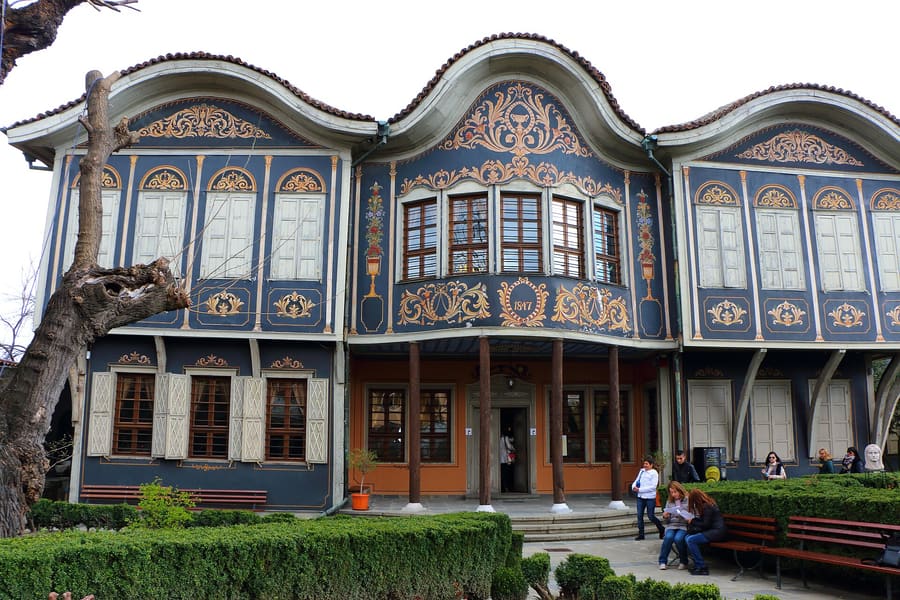
landmark
Housed in the 1847 Kuyumdzhiev House. Displays Revival-era crafts and national costumes inside a timber frame mansion.
Perguntar ao Parley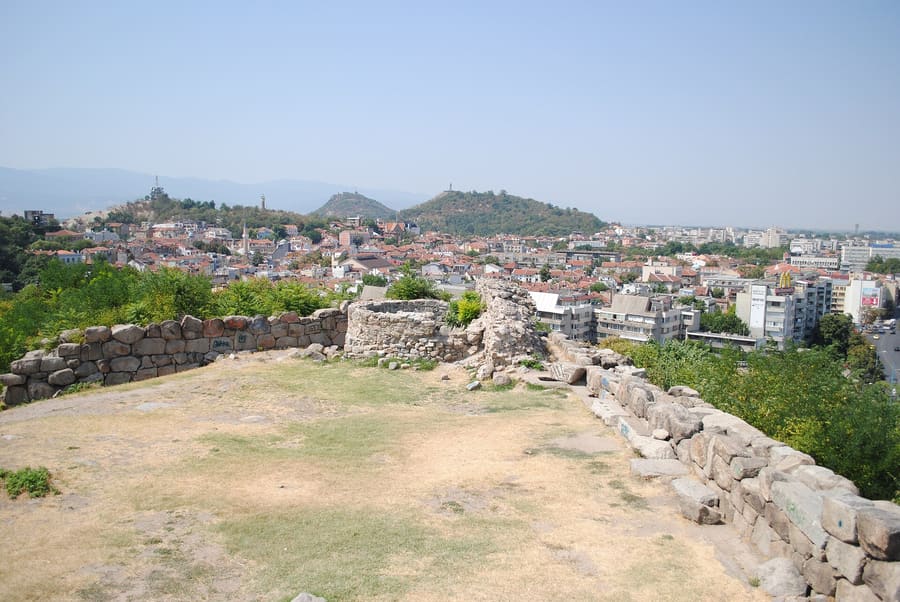
landmark
The highest point of Old Town with ruined fortification walls. Visit at sunset for views over the Maritsa river.
Perguntar ao Parley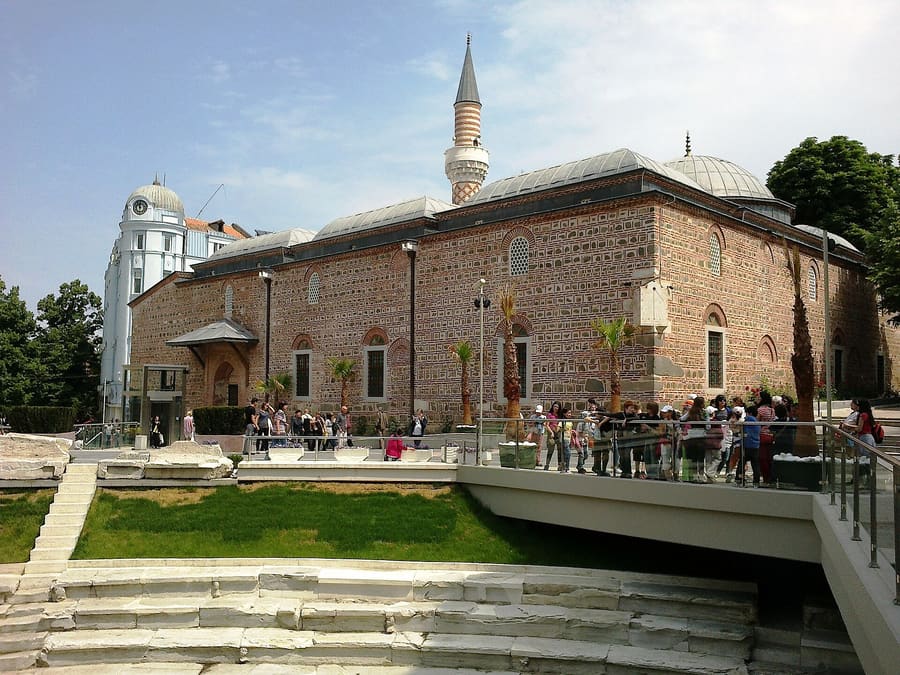
landmark
Constructed in 1363 on the site of a Byzantine church. The ground-floor Turkish coffee house serves authentic tea and baklava.
Perguntar ao Parley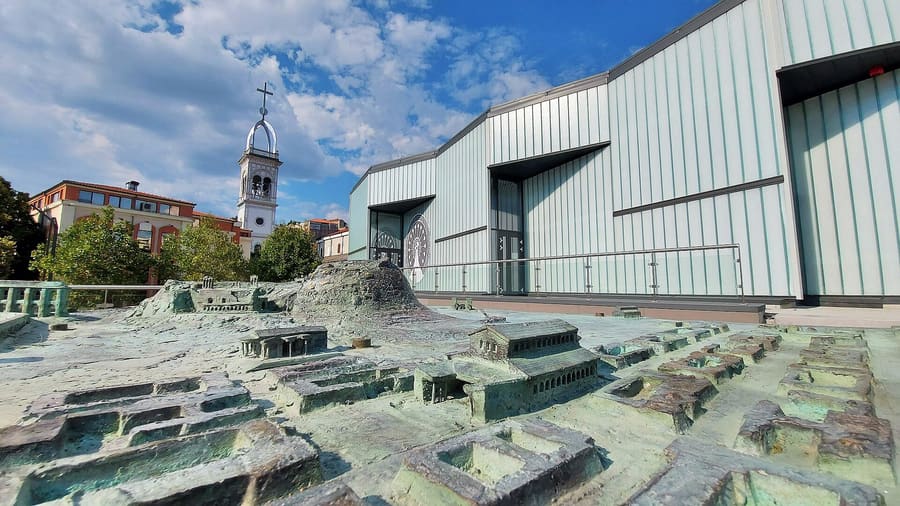
landmark
Houses 2,000 square meters of 4th-century floor mosaics. Walk on glass elevated walkways directly above bird motifs.
Perguntar ao Parleyattractions
areas
Preserved 19th-century Revival mansions lining steep cobblestone lanes on three hills.
PertoNebet Tepe, Ethnographic Museum, Roman Theatre
Perguntar ao ParleyOne of Europe's longest pedestrian thoroughfares, bordered by 1920s facade architecture.
PertoRoman Stadium, Tsar Simeon Garden, Kapana
Perguntar ao ParleyA residential neighborhood north of the Maritsa River with modern business hotels and local eateries.
PertoMaritsa River, International Fair Plovdiv, Covered Bridge
Perguntar ao ParleyA pedestrian grid of former artisan workshops turned into craft beer bars, cafes, and studios.
PertoDzhumaya Mosque, Main Street, Old Town
Perguntar ao Parleyfood
Dining in Plovdiv revolves around Thracian plain agriculture and Bulgarian grill traditions. Local taverns, known as mehanas, serve pork skewers, shopska salad with white sirene cheese, and oven-baked clay pot stews like gyuvetch.For breakfast, bakeries sell banitsa filled with sirene cheese alongside boza, a fermented wheat beverage. Kapana hosts contemporary restaurants offering Bulgarian natural wines and craft beers alongside modern interpretations of Balkan staples.
A fresh banitsa pastry served with Bulgarian white sirene cheese.
Sheku80 · CC BY-SA 3.0Grilled minced meat rolls are seasoned with savory (chubritsa) and cumin. Eat them at Rahat Tepe with cold Zagorka beer.
Mavrud is an ancient indigenous Bulgarian grape cultivated in the Thracian Valley around Plovdiv. Ask for local vintages at Kapana wine bars.
This cold soup made from yogurt, cucumbers, garlic, dill, and walnuts is served chilled throughout Plovdiv during July and August.
history
Plovdiv ranks among the oldest continuously inhabited cities in Europe. Continuous settlement spans over 6,000 years, beginning with Thracian hilltop fortifications on Nebet Tepe before Philip II of Macedon conquered the city in 342 BC and renamed it Philippopolis.The Roman Empire transformed the city into the regional capital of Thrace, constructing a massive theatre, stadium, and aqueducts. Ottoman rule brought Turkish architecture and mosques in the 14th century, followed by a Bulgarian National Revival period in the 19th century that yielded Plovdiv's wooden-framed mansions.
Macedonian Expansion
Philip II of Macedon conquers the Thracian settlement and renames the town Philippopolis. He builds stone fortifications atop Nebet Tepe.
Ottoman Conquest
Ottoman forces capture Filibe. Construction begins on Dzhumaya Mosque over former Christian sacred sites.
National Revival
Wealthy Bulgarian merchants construct timber-frame mansions in Old Town, establishing the Plovdiv architectural style.
European Cultural Capital
Plovdiv becomes the first Bulgarian city designated as European Capital of Culture, triggering citywide historic restoration.
where to stay
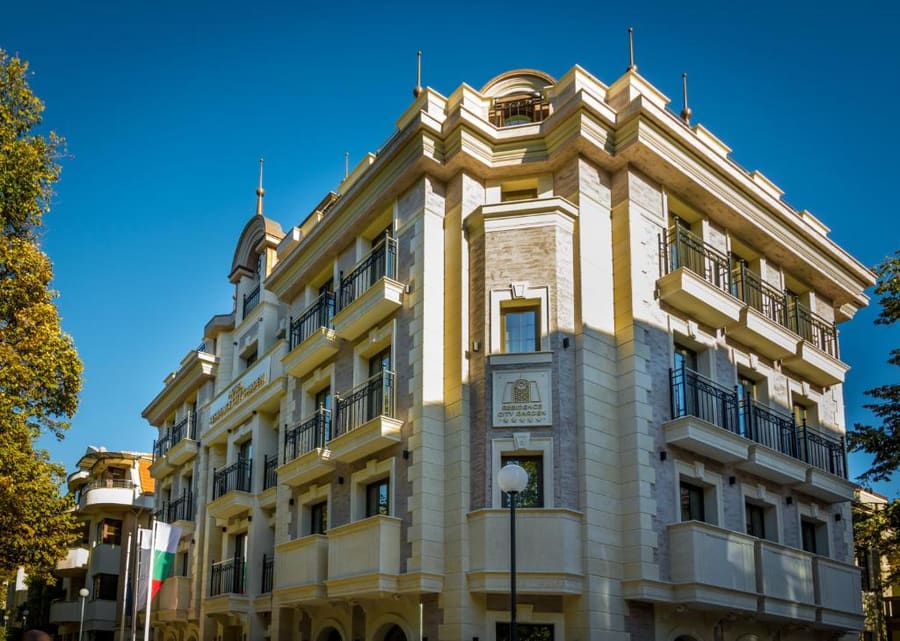
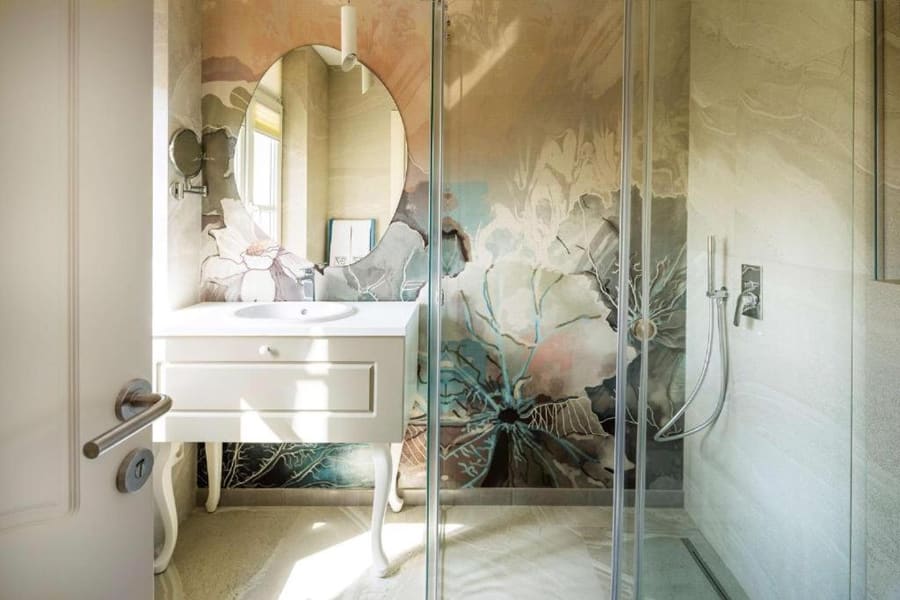
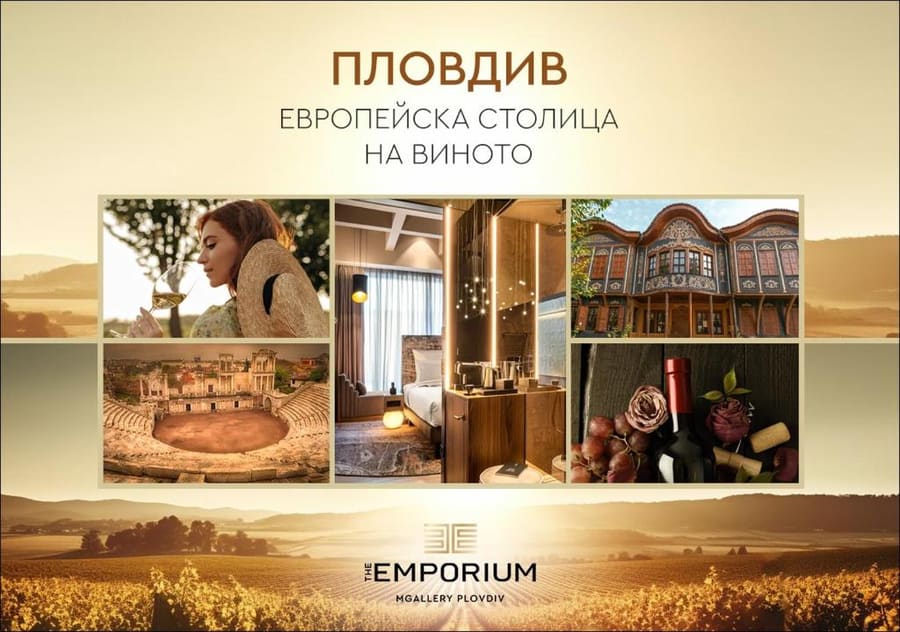
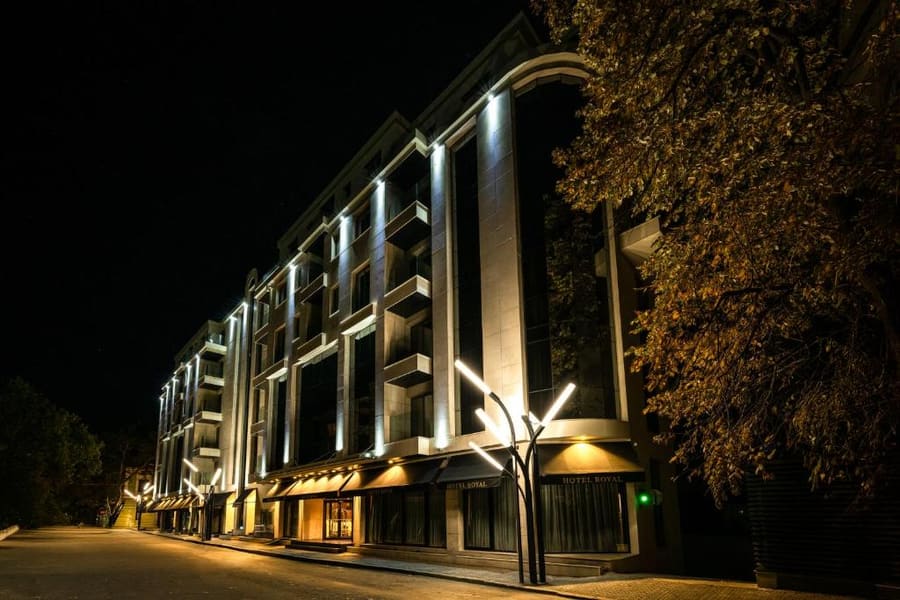
Base your choice on top floor mobility and noise tolerance. Old Town offers guesthouses inside restored Revival mansions, but cobblestones and steep inclines make luggage roll impossible. Kapana suits night owls who want step-free access to dining, while the Main Street corridor offers full-service modern hotels close to parks.
Live rates, matched to the areas above.
transport
Plovdiv is fundamentally a walking city. The entire central zone from Tsar Simeon Garden through Kapana to Nebet Tepe is pedestrianized. Public buses connect outlying rail stations to the city center for short trips.
City buses cost 1 BGN per ride. Pay the conductor or driver on board using small coins.
Old Town restricts vehicle entry to residents with permits. Park at the foot of the hill in public parking lots.
Licensed taxis use meters starting around 2 BGN. Flag down Triumf or Eco Taxi cars.
Knyaz Alexander I Street stretches 1.8 kilometers without vehicular traffic.
cost
Plovdiv remains significantly cheaper than Western European destinations and slightly lower in price than Sofia. Cash remains essential for small bakeries, public buses, and local markets.
Price varies between neighborhood bakeries and specialty cafes in Kapana.
Includes a Shopska salad and a main meat dish at local mehanas.
Combined ticket options available for multiple Old Town house museums.
Valid for one ride; purchased from the conductor inside the bus.
seasonality
MAR – MAY
Daytime temperatures sit between 15°C and 22°C. Ideal condition for walking steep Old Town hills.
JUN – AUG
Temperatures frequently exceed 35°C in the valley. Evening opera shows run at the Ancient Theatre.
SEP – NOV
Autumn brings wine harvest events in Thracian Valley. Pleasant daytime walking weather continues.
DEC – FEB
Cold temperatures with light snow. Museums remain open, but outdoor terrace culture pauses.
practicalities
Bulgarians reverse head gestures for agreement and refusal. A slight nod means 'no', a head tilt means 'yes'.
Bulgaria uses the Bulgarian Lev (BGN). Small vendors, markets, and bus conductors do not accept cards.
Street signs in central areas show Latin characters, but local bus stops use Cyrillic script.
Municipal house museums in Old Town close early on Sundays or rotate rest days in winter.
Tsar Simeon Garden fountains play music and light shows on Thursday, Friday, and Saturday summer nights.