landmark
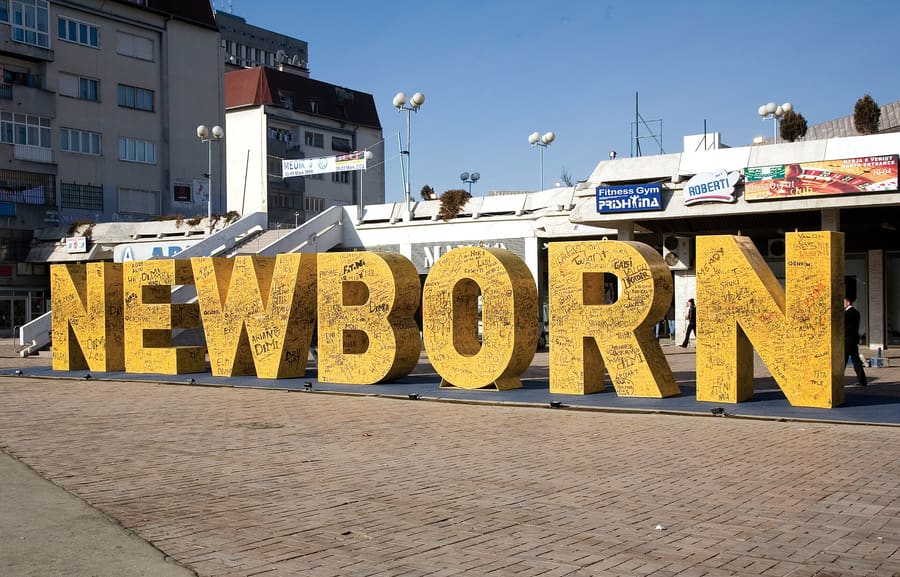
Newborn Monument
Unveiled on Independence Day in 2008. The letters are repainted every February 17 with a new thematic design.
Perguntar ao ParleyKosovo
Walkable post-war coffee capital built on brutalism.
introduction
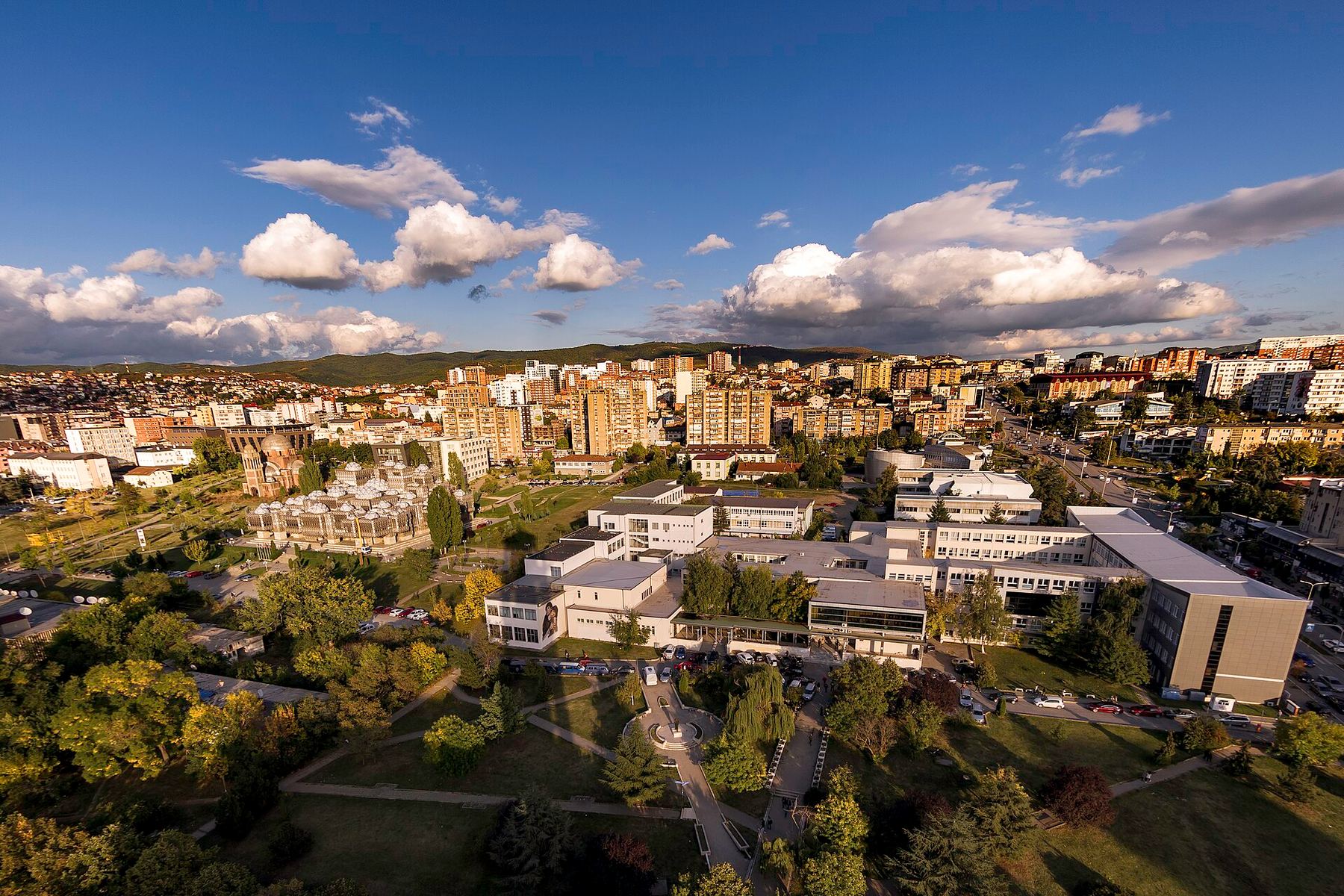
Pristina is a compact capital defined by street-level energy and modern Balkan history. You move through it easily on foot along central pedestrian corridors. Do not expect old-world symmetry; expect concrete Yugoslav landmarks mixed with lively coffee terraces.
Arrival from PRN
Bus 1A runs hourly from the terminal to the main bus station for €3. Taxis charge a flat rate of €15 to central hotels.
Macchiato standards
Local baristas use professional Italian espresso setups. A double macchiato costs around €1.20 across the central district.
Power grid practicals
Nearby coal plants cause winter air quality dips. Pack a light mask if you visit between November and February.
Pristina
IsmailGagica · CC BY-SA 4.0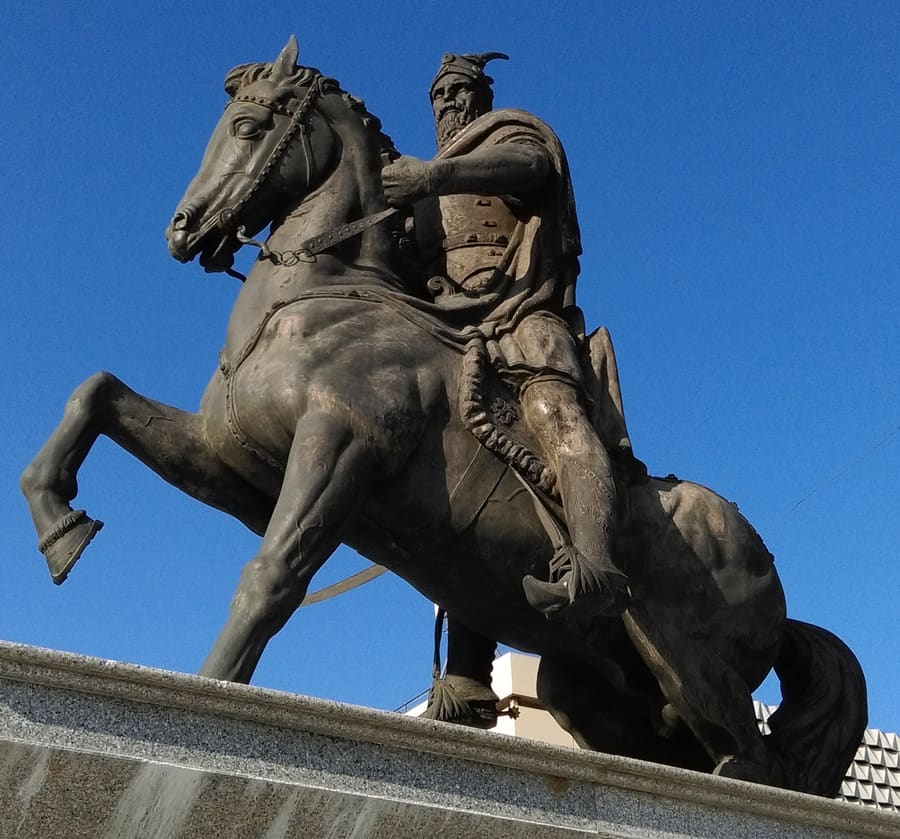
Qendra — Pedestrian-only boulevards, public monuments, and dense sidewalk coffee culture.
Resnjari · CC BY-SA 4.0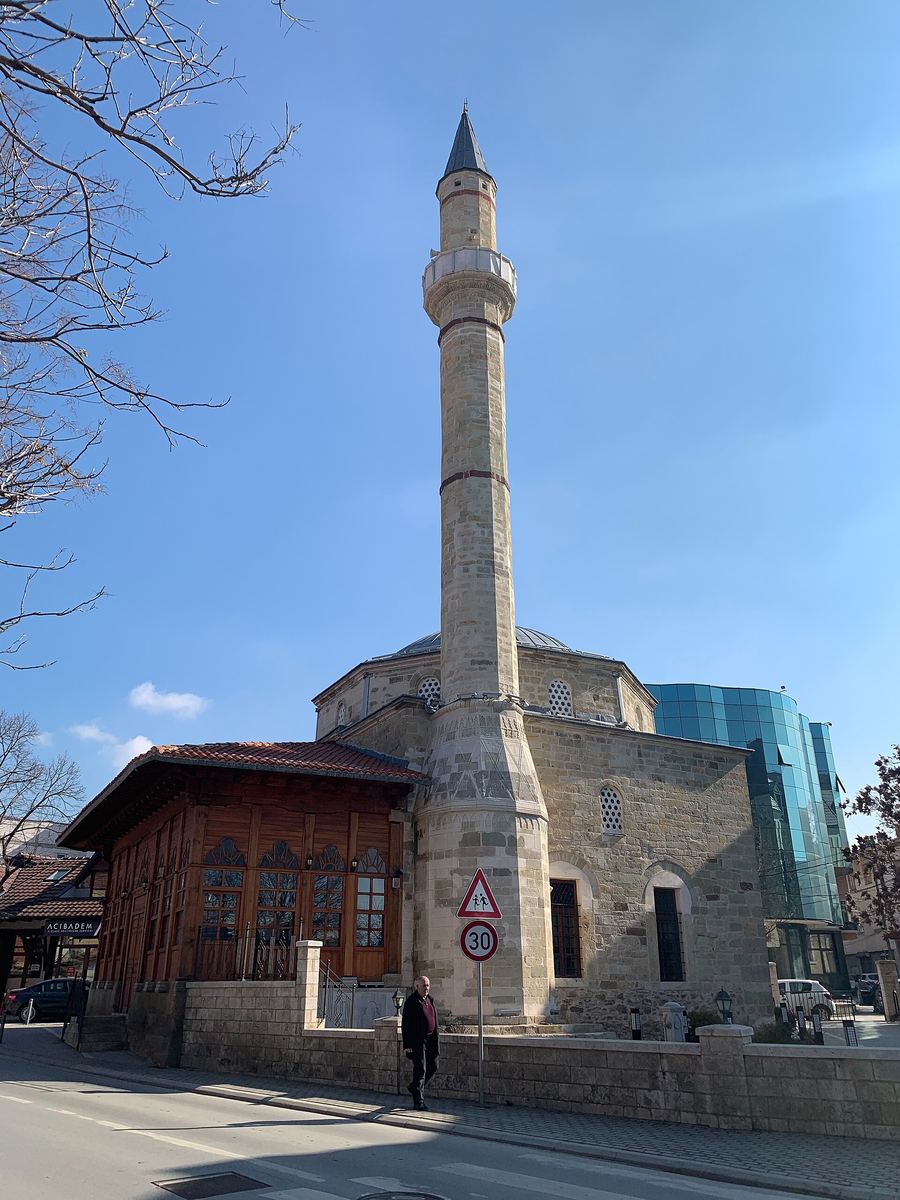
Çarshia — Winding alleys, historic mosques, traditional dining, and active local trade.
Robot8A · CC BY-SA 4.0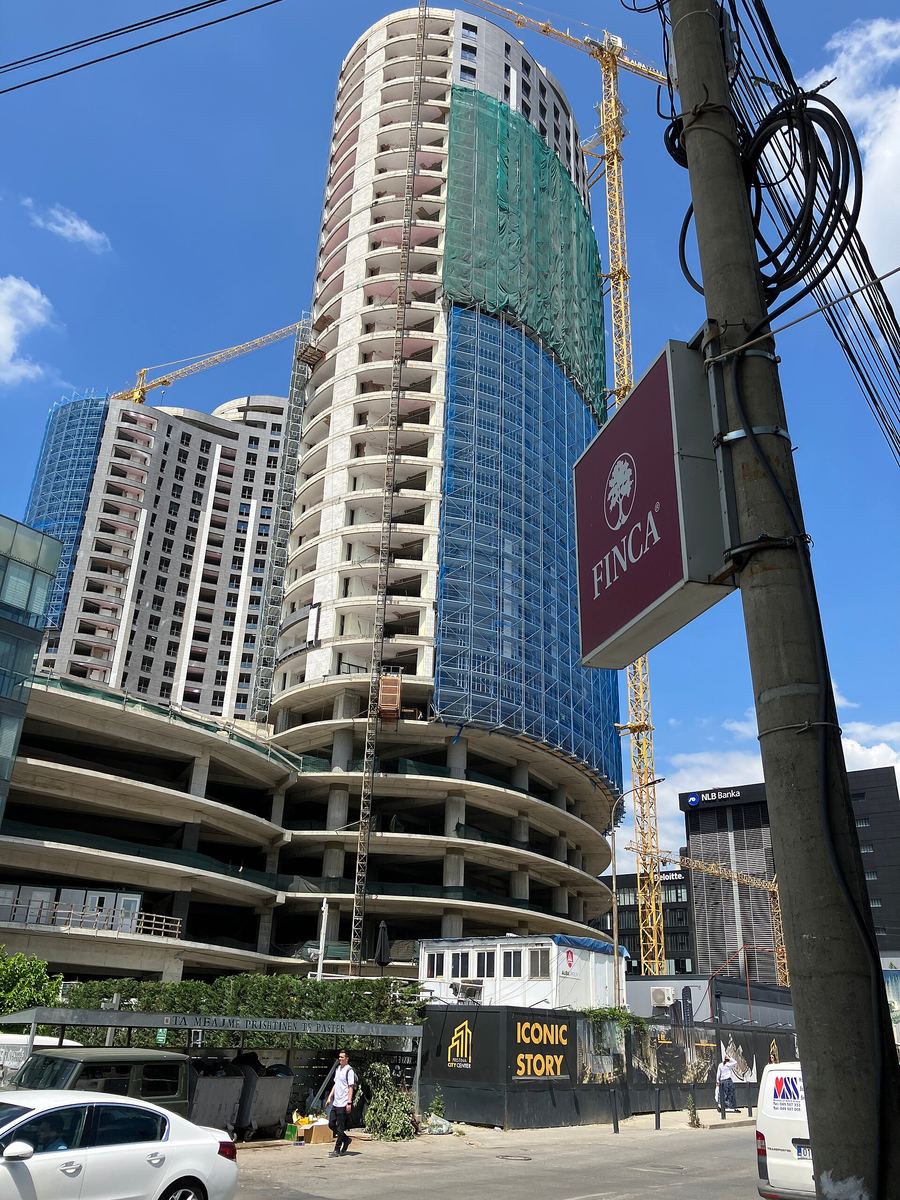
Pejton — Low-rise neighborhood with modern espresso bars, bakeries, and quiet streets.
Erica Fischer · CC BY 2.0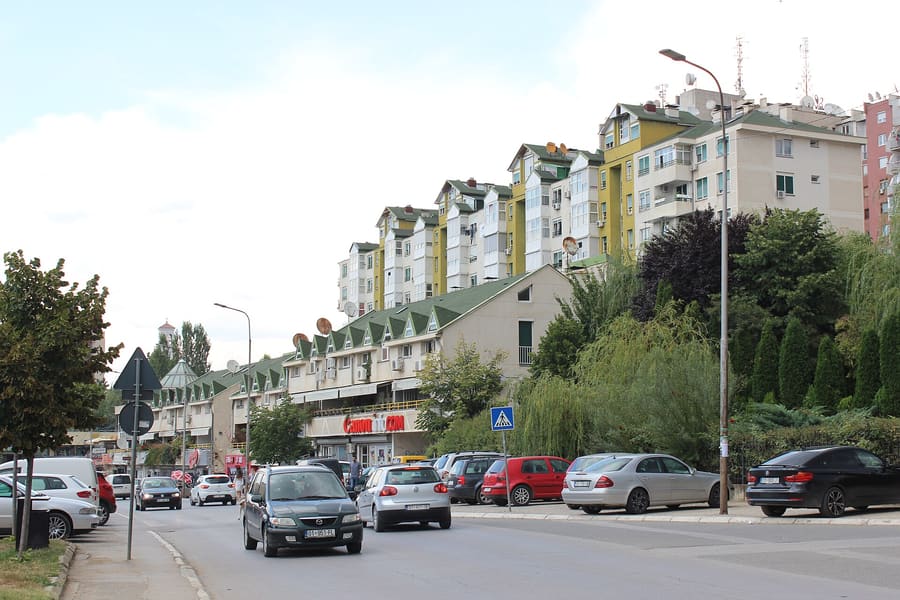
Dardania — Yugoslav residential blocks, wide corridors, small shops, and local taverns.
Shkurte ramushi · CC BY-SA 4.0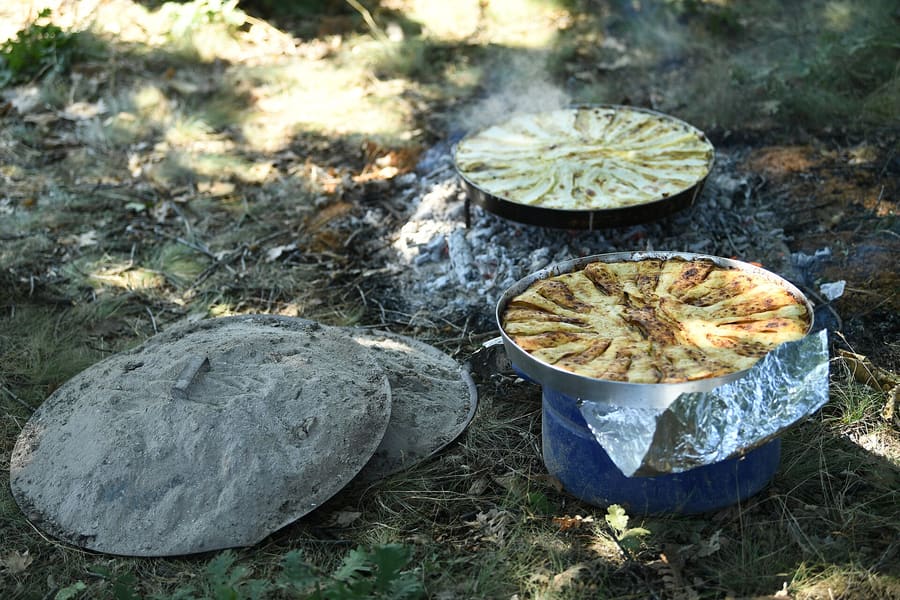
Fliya is traditionally baked layer by layer using a metal dome lid called a saç.
Arbenllapashtica · CC0highlights
landmark
Unveiled on Independence Day in 2008. The letters are repainted every February 17 with a new thematic design.
Perguntar ao Parley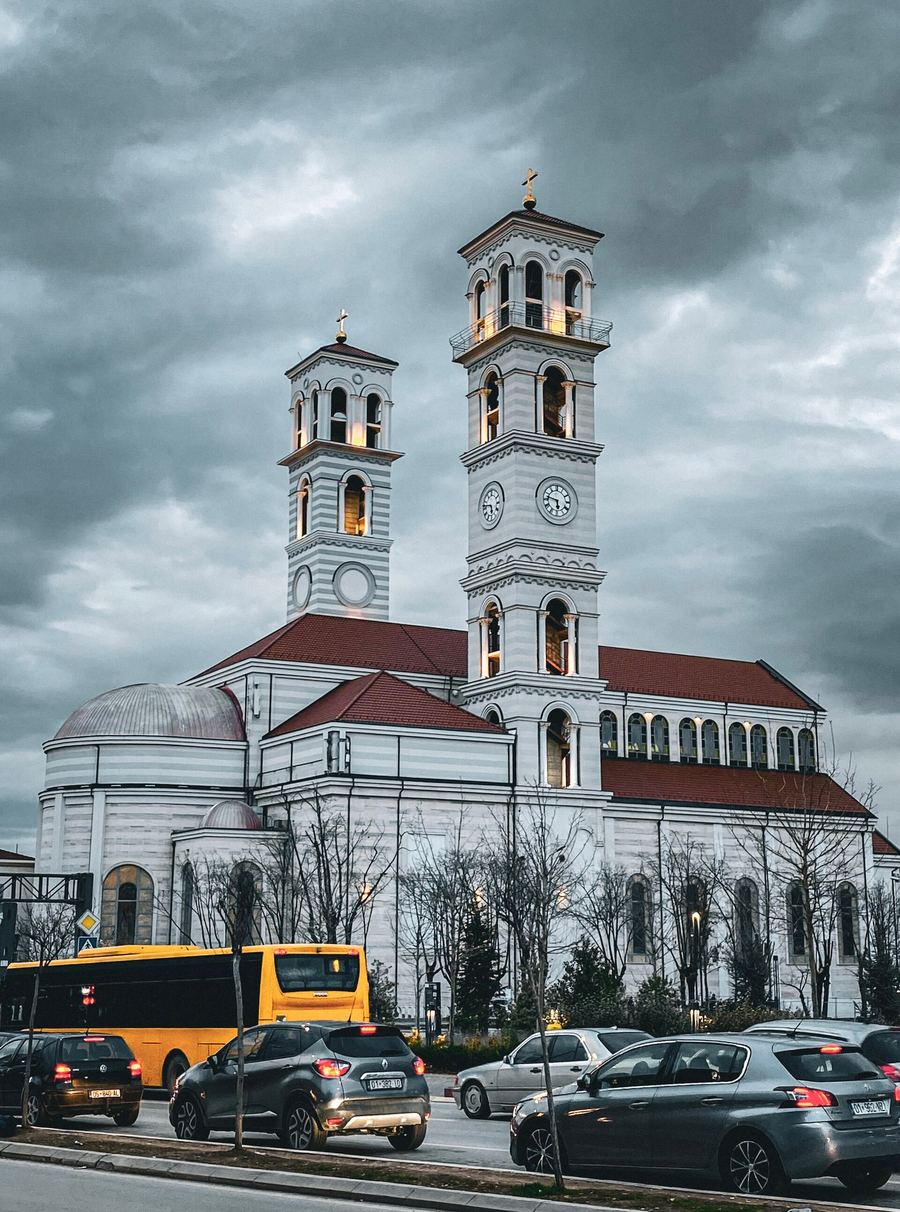
landmark
Modern Roman Catholic cathedral consecrated in 2017. Take the glass elevator up the bell tower for a panoramic city view.
Perguntar ao Parley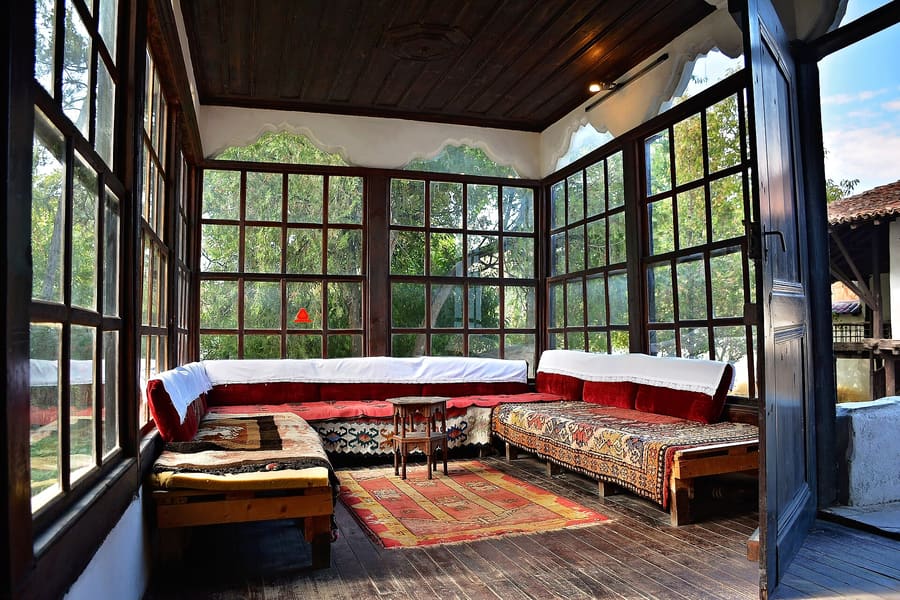
landmark
18th-century Ottoman residential complex. Guided tours explain traditional life and dress in early urban Kosovo.
Perguntar ao Parley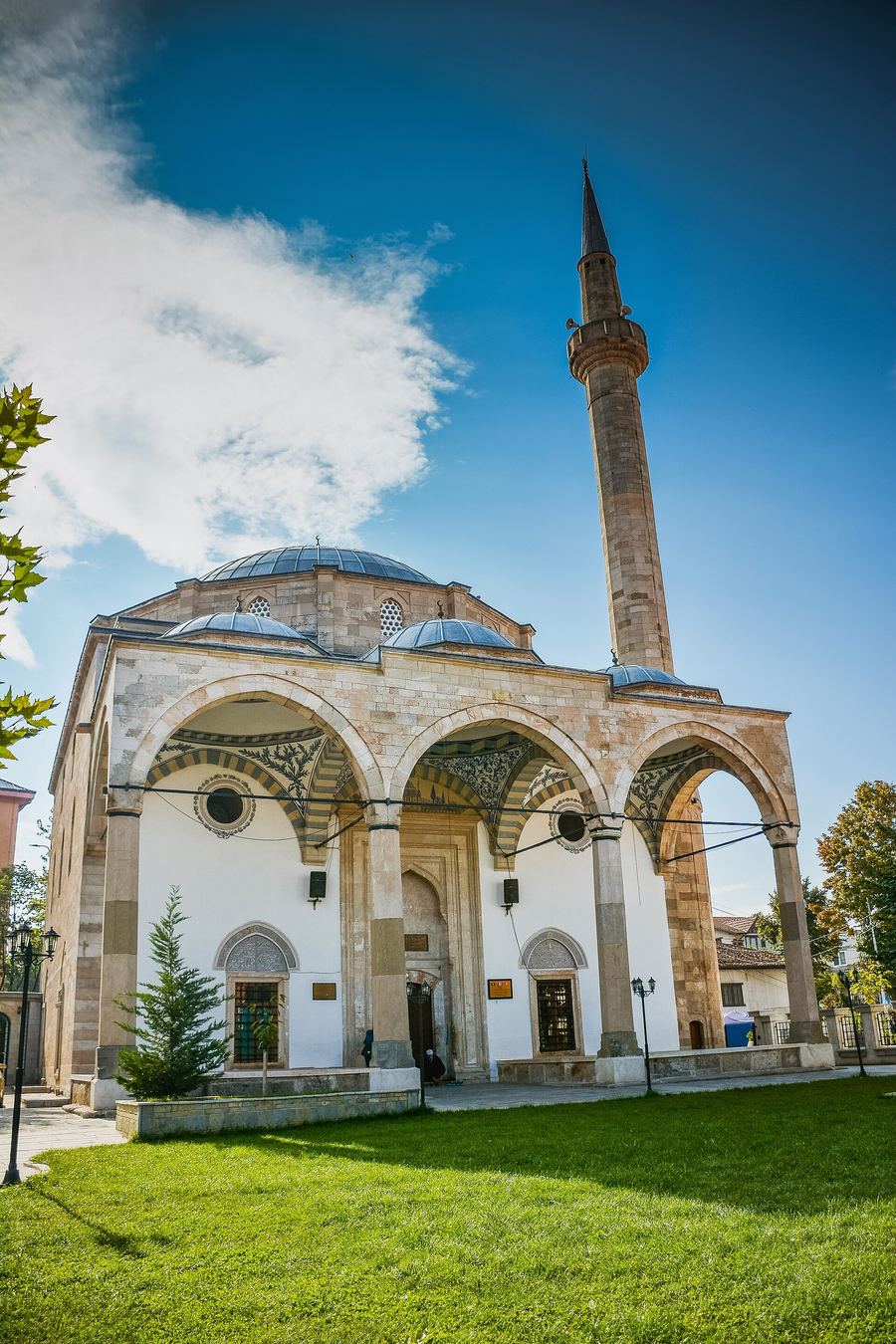
landmark
Built in 1461 by Sultan Mehmed II. The single dome structure remains the core landmark of the old bazaar quarter.
Perguntar ao Parley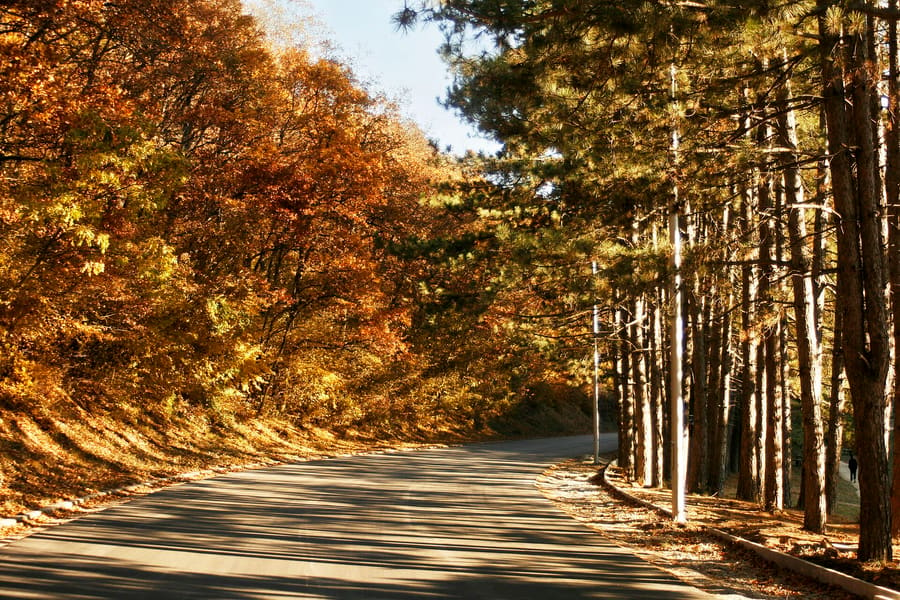
landmark
62-square-kilometre forest reserve on the eastern edge of town. Rent a bicycle or walk the paved trails to the hill peak.
Perguntar ao Parleyattractions
areas
Pedestrian-only boulevards, public monuments, and dense sidewalk coffee culture.
PertoMother Teresa Boulevard and Skanderbeg Square.
Perguntar ao ParleyWinding alleys, historic mosques, traditional dining, and active local trade.
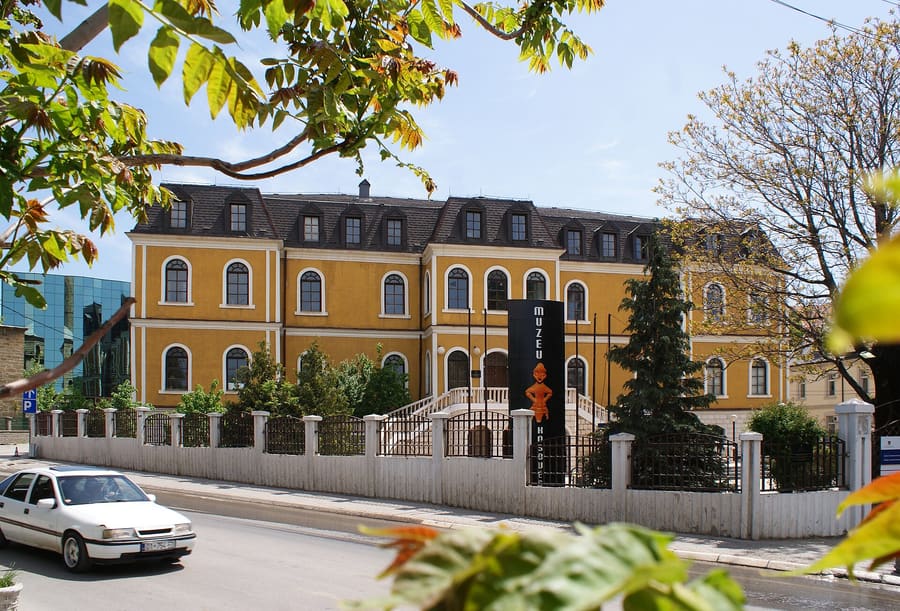
PertoEthnological Museum and Imperial Mosque.
Perguntar ao ParleyLow-rise neighborhood with modern espresso bars, bakeries, and quiet streets.
PertoCentral train tracks and Youth Palace.
Perguntar ao ParleyYugoslav residential blocks, wide corridors, small shops, and local taverns.
PertoBill Clinton Boulevard and main bus station.
Perguntar ao Parleyfood
Pristina takes espresso seriously. Post-1999 international presence brought high-end Italian machines and trained baristas to every block. You order a double macchiato as a default morning order. For meals, traditional taverns serve fliya, a dish of baked batter layers cooked over iron lids, alongside grilled meats.
Fliya is traditionally baked layer by layer using a metal dome lid called a saç.
Arbenllapashtica · CC0Ask for a makiato e madhe (large macchiato). It costs around €1.20 and matches Milan standards.
Restaurants fill after 20:00. Traditional taverns like Liburnia require reservations on weekend evenings.
Bakery windows sell warm byrek filled with cheese or minced meat for roughly €1.50.
history
Pristina grew from a medieval market town into a prominent Ottoman administrative centre. Yugoslav urban planning after 1945 replaced much of the historic bazaar with modern concrete government structures. Following the 1998–1999 Kosovo War and 2008 independence declaration, Pristina reshaped itself into a modern administrative hub.
Battle of Kosovo
Ottoman forces defeat Balkan coalitions nearby, establishing centuries of Ottoman rule in the region.
Yugoslav redesign
Pristina becomes capital of the Autonomous Province of Kosovo, starting brutalist public construction.
NATO intervention
UN administration takes control of Pristina following the end of the Kosovo War.
Independence
Kosovo declares independence in Pristina, commemorated by the unveiling of the Newborn monument.
where to stay
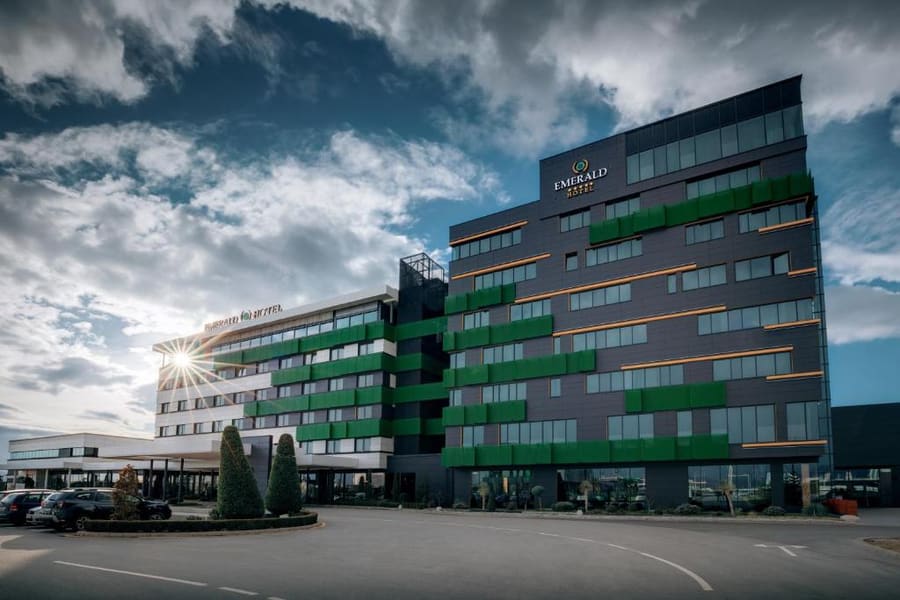
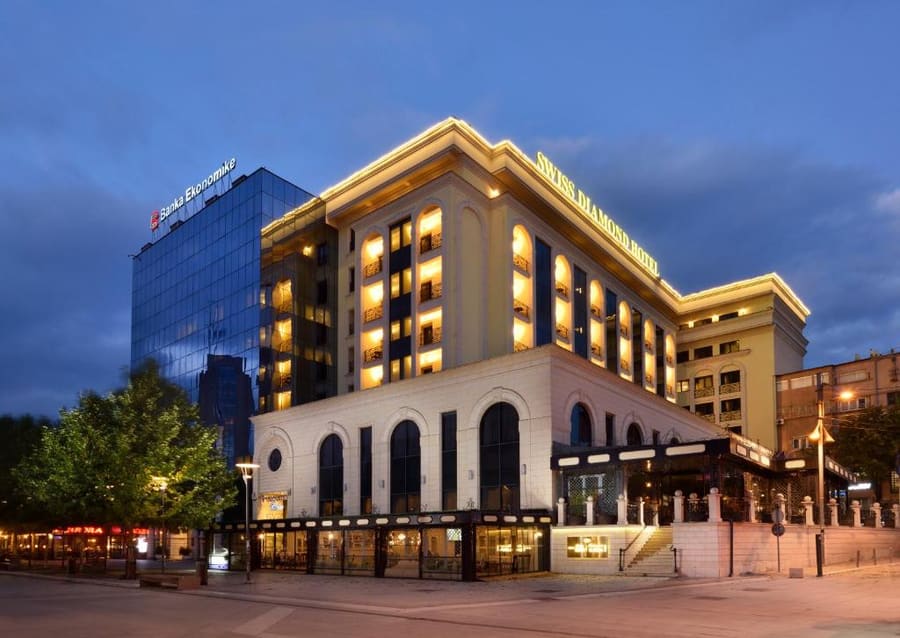
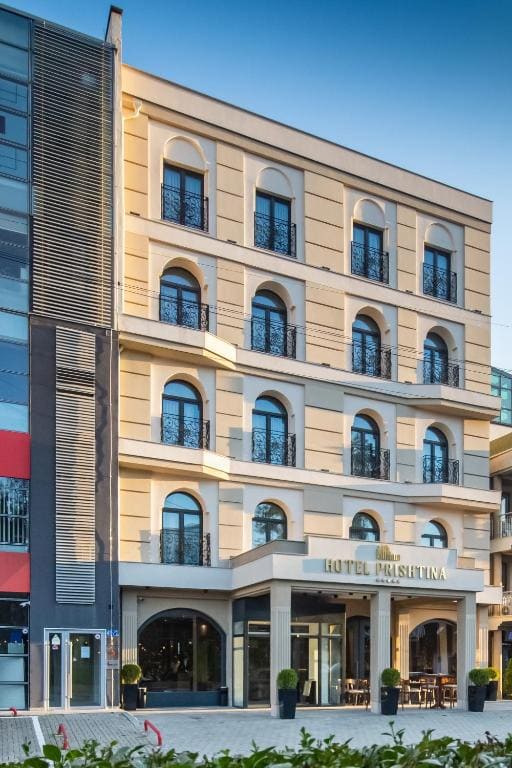
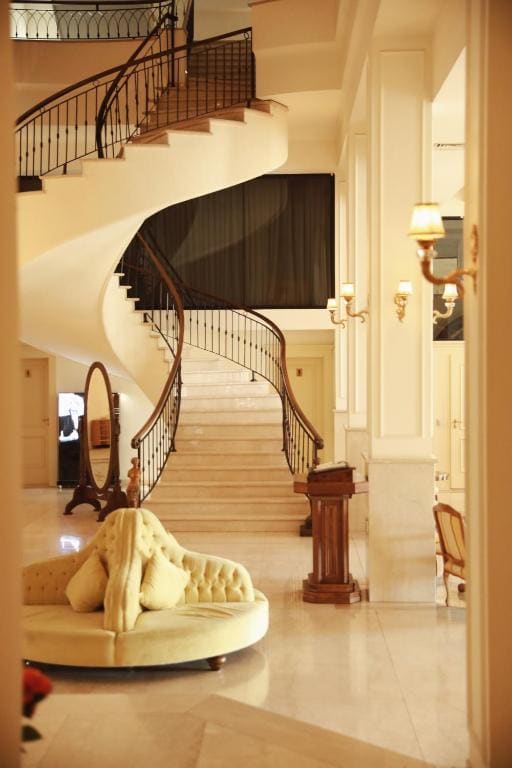
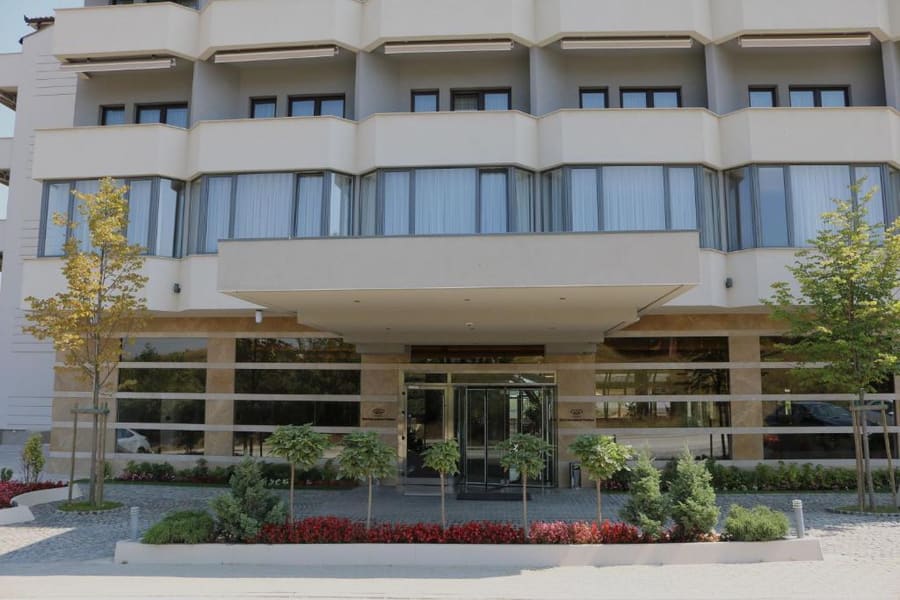
Choose your accommodation based on noise tolerance and walking distance. Stay in Qendra if you want step-free access to cafes and public plazas. Pick Pejton or Çarshia for quieter side streets with faster access to traditional dining.
Live rates, matched to the areas above.
transport
Pristina is easy to navigate on foot. Yellow city buses operated by Trafiku Urban run frequent lines connecting central districts to the bus terminal and Germia Park. Taxis are plentiful, metered, and inexpensive.
De Pristina International Airport Adem Jashari (PRN)
Line 1A connects the terminal to the central bus station and downtown hourly.
Official airport taxis charge a fixed rate to the city centre.
A single bus ride on Trafiku Urban costs €0.50. Pay the conductor in cash when you board.
Street hailing works well, but apps like Blue Taxi or Speed Taxi offer exact GPS tracking.
Mother Teresa Boulevard is entirely car-free, allowing smooth walking between major central sights.
Intercity buses depart from Stacioni i Autobusëve, located 2 kilometres southwest of Qendra.
cost
Pristina is one of the most affordable capital cities in Europe. Kosovo uses the Euro (€) as its official currency. Cash remains essential for small bakeries, taxis, and outdoor stalls.
Standard pricing across central cafes and local bars.
Includes grilled meat platter, fresh salad, and local beer.
Fixed price per single journey across all urban lines.
Double room including breakfast near the city centre.
seasonality
MAR – MAY
Mild weather with temperatures around 15–20°C. Ideal for walking around central monuments.
JUN – AUG
Hot summer days exceeding 30°C. Outdoor terrace culture peaks late in the evening.
SEP – NOV
Cooler days and vivid foliage in Germia Park. Air quality remains clear until late autumn.
DEC – FEB
Cold winter weather with frequent snow. Coal heating creates occasional smog in low basin areas.
practicalities
Major hotels and supermarkets take cards. Small bakeries, taxis, and cafes require Euro cash.
Albanian is the primary language. Young locals and service workers speak fluent English.
Many central shops and pharmacies close on Sundays, though cafes operate normally.
Tap water is generally fine for washing, but tap drinking habits vary. Bottled water is cheap and widely used.
Pristina is safe for solo pedestrians late at night. Exercise standard caution near poorly lit construction zones.