landmark
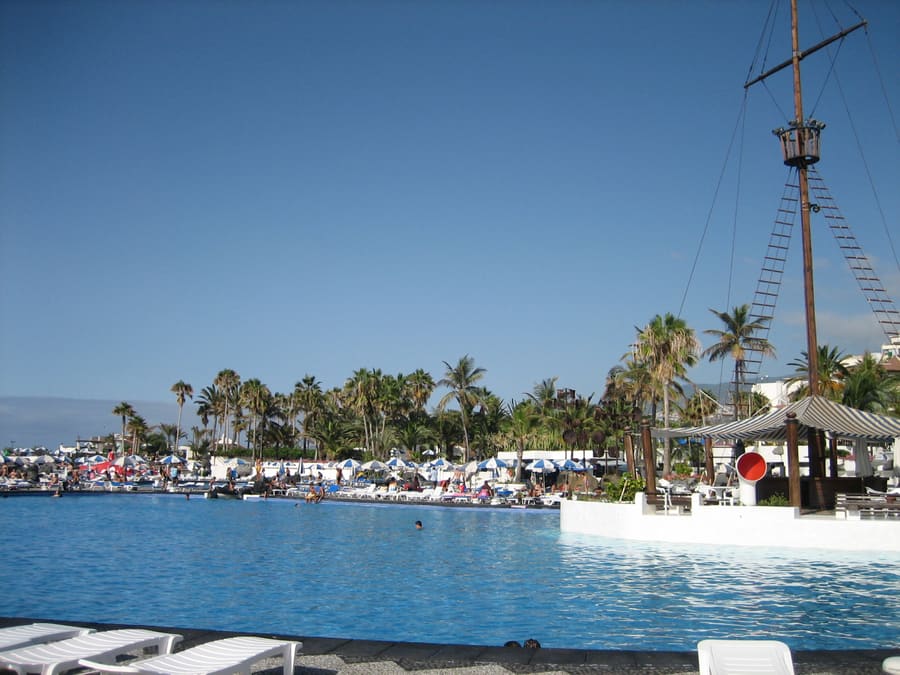
Lago Martiánez
César Manrique's 33,000 m² open-air seawater pool complex built into the oceanfront. Entry costs €5.50.
Perguntar ao ParleyEspanha
Volcanic salt pools and town life on Tenerife's north coast.
introduction
Puerto de la Cruz sits on Tenerife's steep, green northern coast. It operates as a functioning Canarian city rather than a purpose-built southern beach resort. You navigate its grid by foot, moving from black sand shores to cobblestone squares shaded by palms. Clouds frequently roll down from Mt Teide by afternoon, keeping temperatures mild and gardens lush.
Arrival trick
Take TITSA bus 30 from North Airport directly to the central terminal in 30 minutes.
Architectural distinction
César Manrique designed Lago Martiánez in 1977, transforming raw coastline into salt pools.
Planning advice
Stay in the lower town if steep uphill walks back to your room present a challenge.
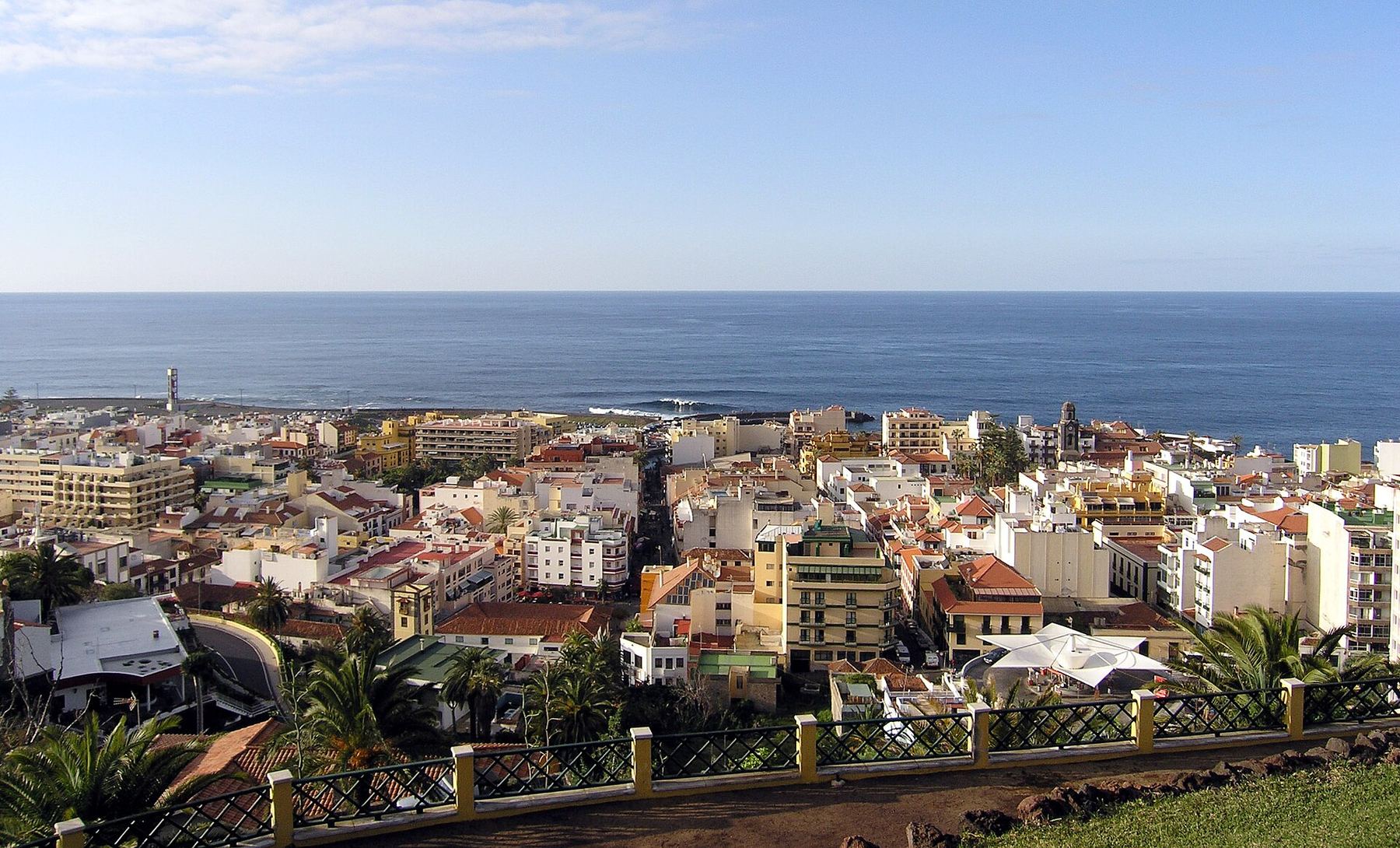
Puerto de la Cruz
myself (User:Piotrus) · CC BY-SA 3.0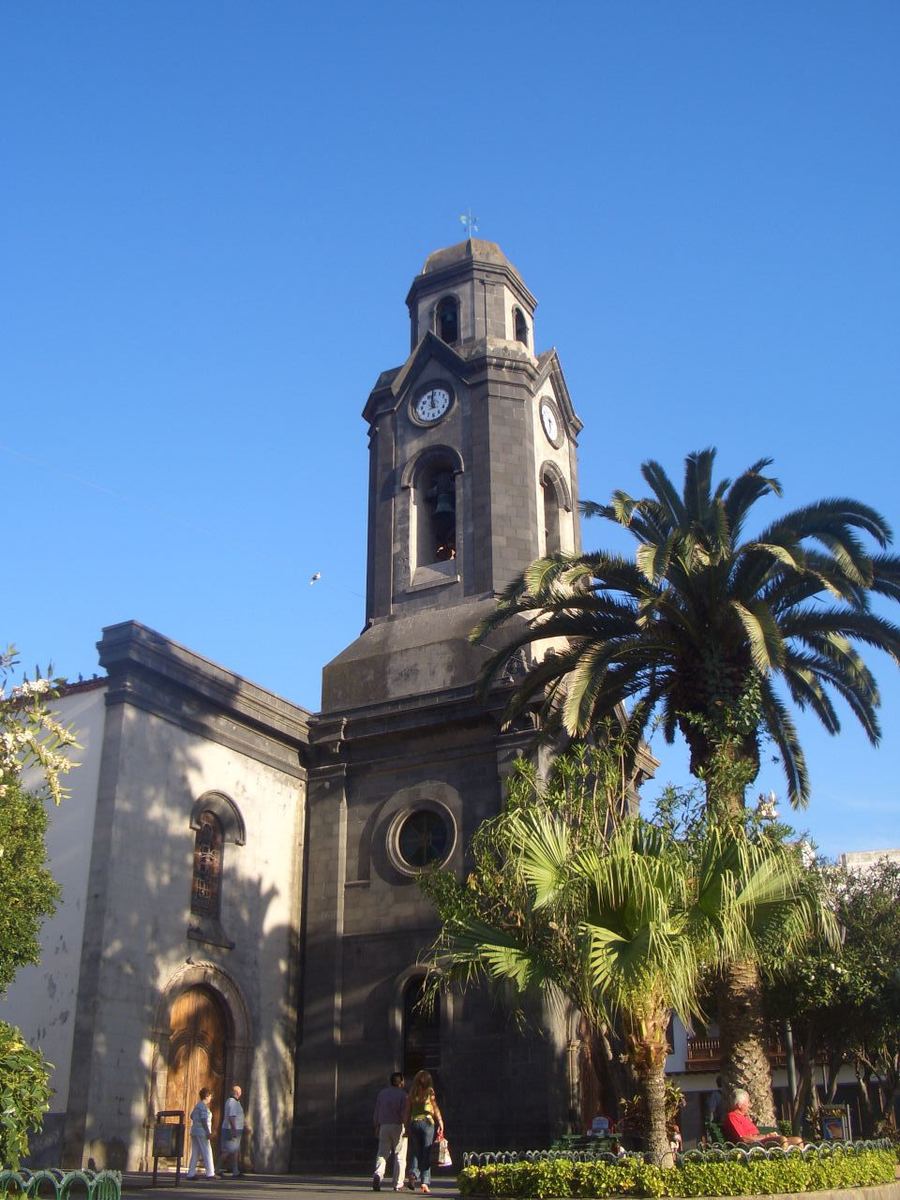
El Centro — Historic core centered on Plaza del Charco and the old fishing harbour.
DHausBT · CC BY 2.0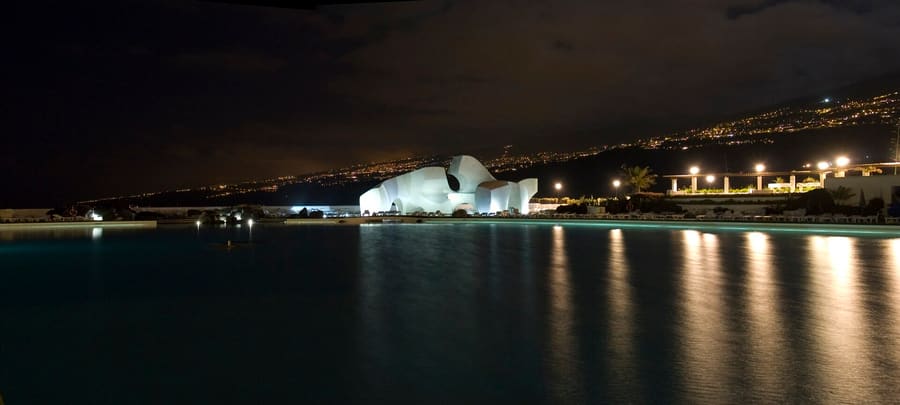
Martiánez — High-rise resort area sitting directly beside the sea pools and black sand beach.
freakyman from Puerto de la Cruz, Spain · CC BY 2.0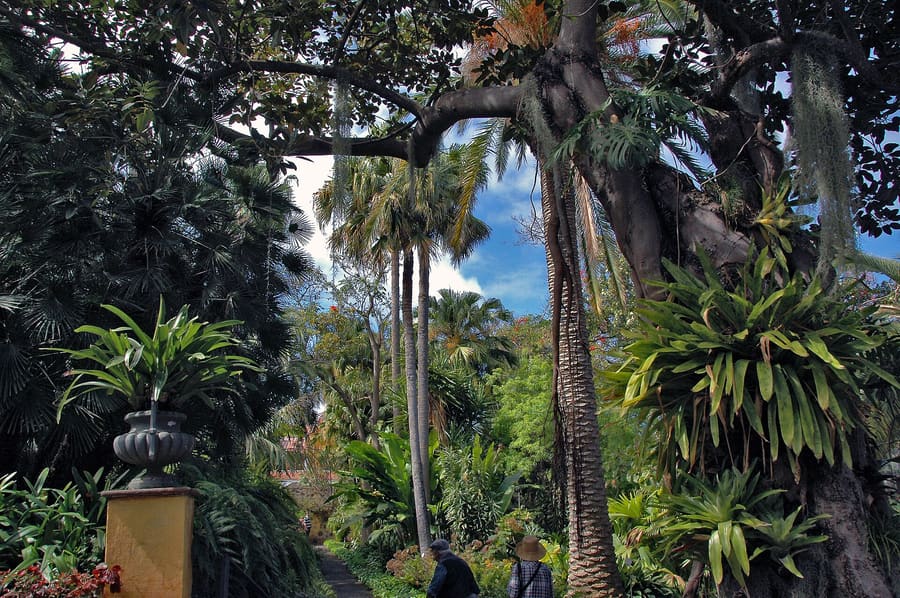
La Paz — Residential cliff-top neighbourhood offering sweeping coast views and quiet garden streets.
Rolf Cosar · CC BY-SA 4.0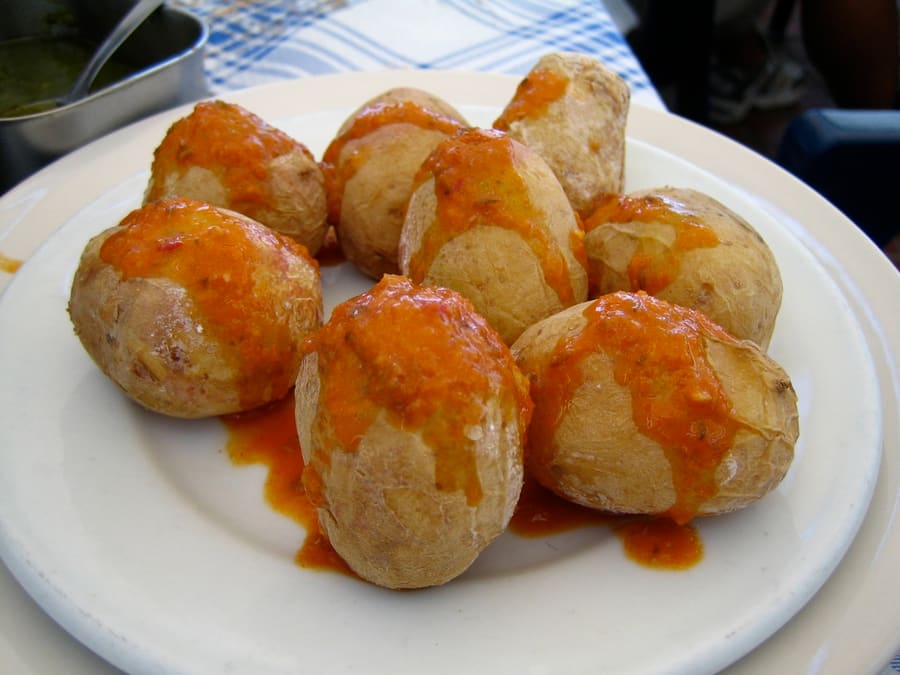
Papas arrugadas served with red and green mojo sauce.
Fer.. · CC BY 2.0highlights
landmark
César Manrique's 33,000 m² open-air seawater pool complex built into the oceanfront. Entry costs €5.50.
Perguntar ao Parley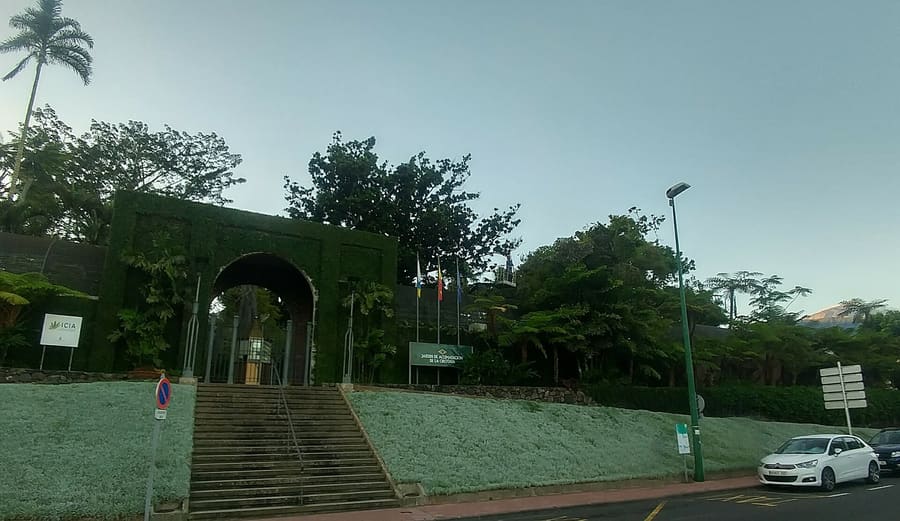
landmark
Founded in 1788 to acclimatise exotic plants from Spanish colonies. Admission is €3.00.
Perguntar ao Parley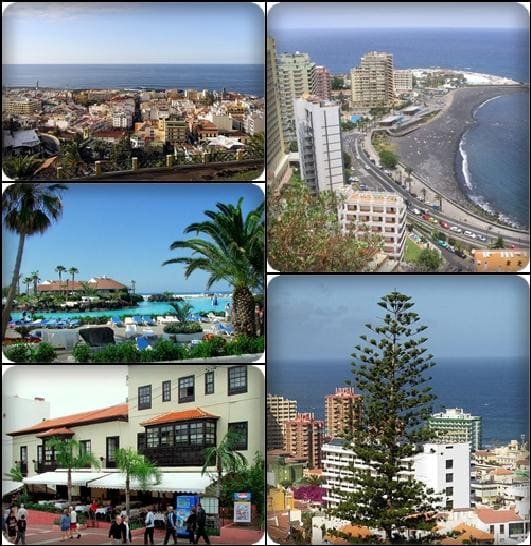
landmark
Black volcanic sand cove bordered by sub-tropical gardens. Atlantic swells can create strong shorebreak.
Perguntar ao Parley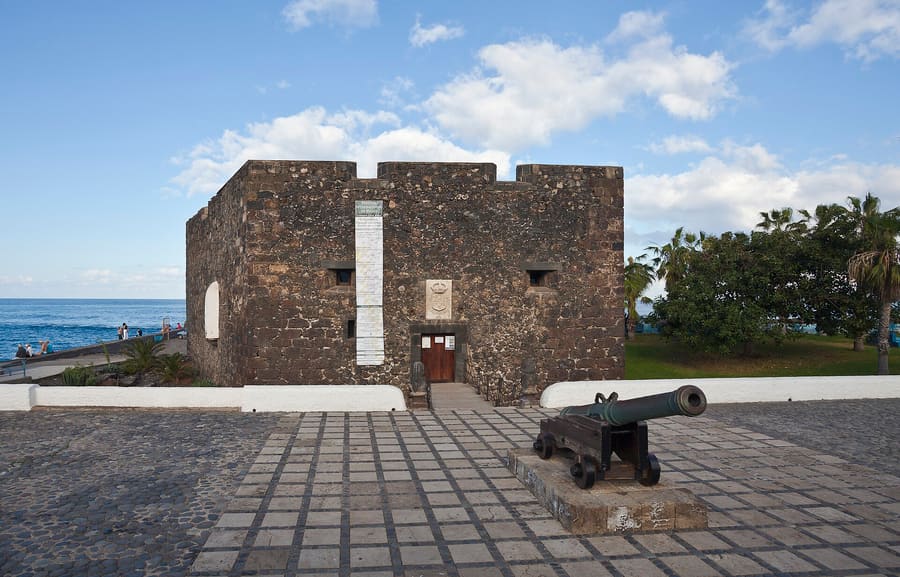
landmark
A 17th-century colonial stone fort positioned at the mouth of the beach. Now holds temporary art exhibitions.
Perguntar ao Parleyattractions
areas
Historic core centered on Plaza del Charco and the old fishing harbour.
PertoHarbour and Lago Martiánez
Perguntar ao ParleyHigh-rise resort area sitting directly beside the sea pools and black sand beach.
PertoLago Martiánez and ocean promontory
Perguntar ao ParleyResidential cliff-top neighbourhood offering sweeping coast views and quiet garden streets.
PertoJardín Botánico and Mirador de La Paz
Perguntar ao ParleyPedestrianized alleyways filled with street art, seafood taverns, and local craft shops.
PertoPlaya Jardín and Plaza del Charco
Perguntar ao Parleyfood
Puerto de la Cruz eats differently from the southern resort towns. Dining here relies on fresh Atlantic catch served in coastal taverns, fish restaurants, and fishermen's guilds (cofradías). Expect salted fish, red and green mojo sauces, and wrinkled potatoes on almost every table. Local goat cheese and slow-cooked pork belly round out traditional menus.
Papas arrugadas served with red and green mojo sauce.
Fer.. · CC BY 2.0Drive ten minutes uphill to local informal eateries in La Orotava for cheap home-cooked pork and house wine.
Atlantic wreckfish arrives at harbour restaurants daily. Order it grilled with mojo verde at lunch for the freshest quality.
Bread and butter placed on the table carry a charge of €1.00 to €2.00 per person. Send it back if you do not want it.
history
Puerto de la Cruz originated as the port for the wealthier inland town of La Orotava. Ships exported Malmsey wine to Britain from this harbour in the 17th century. By the late 19th century, British travellers turned the town into a winter health resort. Massive tourism development followed in the 1960s, balanced by artist César Manrique's public landscape interventions in the 1970s.
Port Development
Constructed as the sea gateway for La Orotava, growing into northern Tenerife's principal trading hub for wine and sugar.
Grand Hotel Taoro
The opening of Spain's first luxury sanatorium hotel established Puerto de la Cruz as a pioneer in health tourism.
Lago Martiánez Opens
Artist César Manrique completes his seawater lake complex, setting a new standard for Canarian coastal urbanism.
where to stay
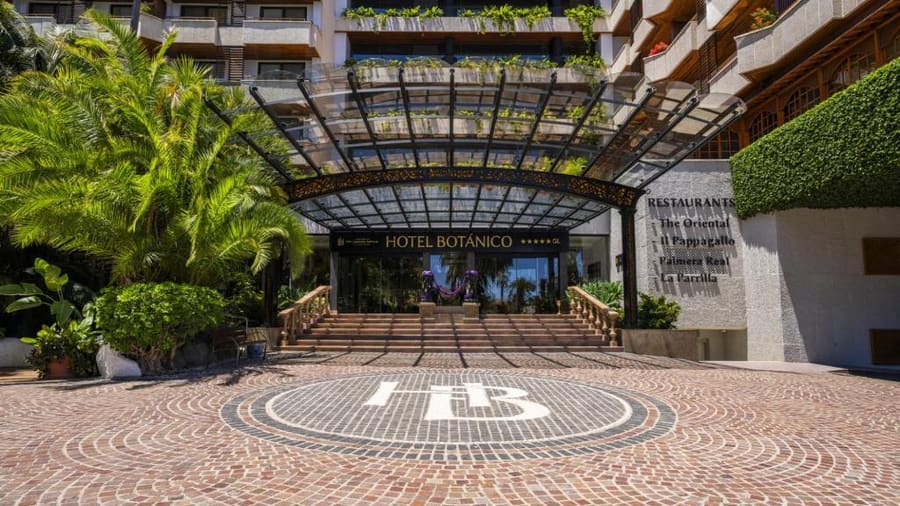
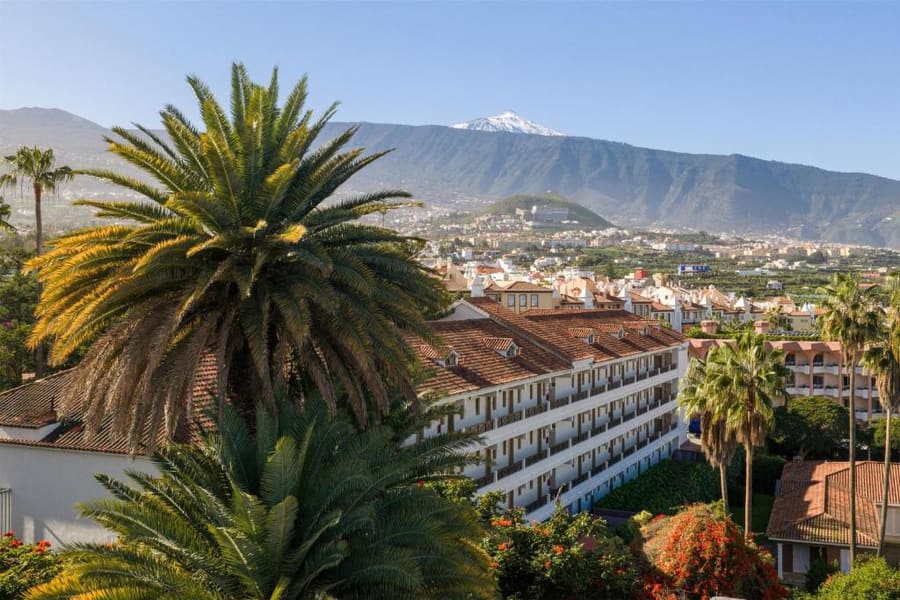
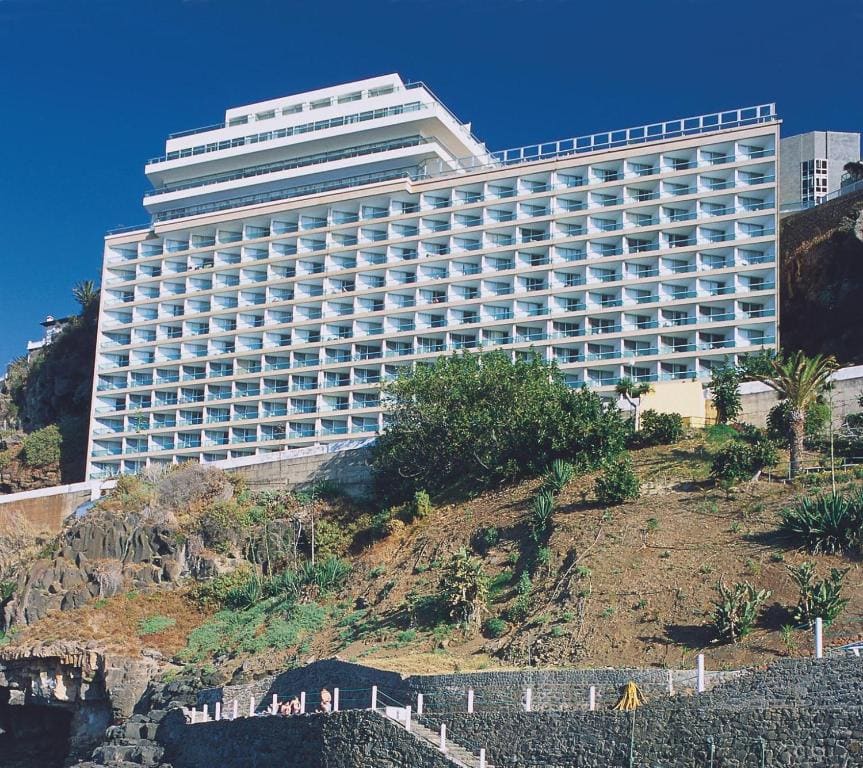
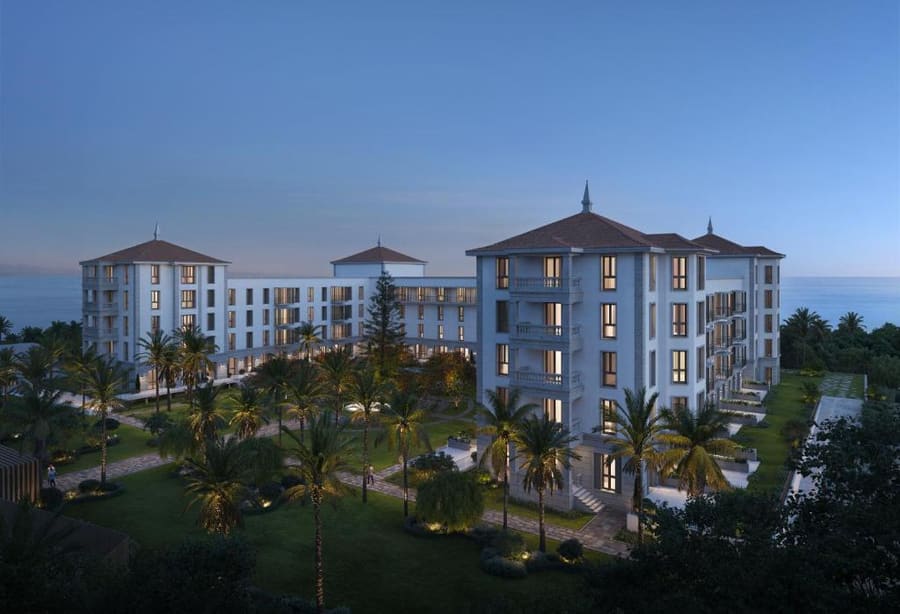
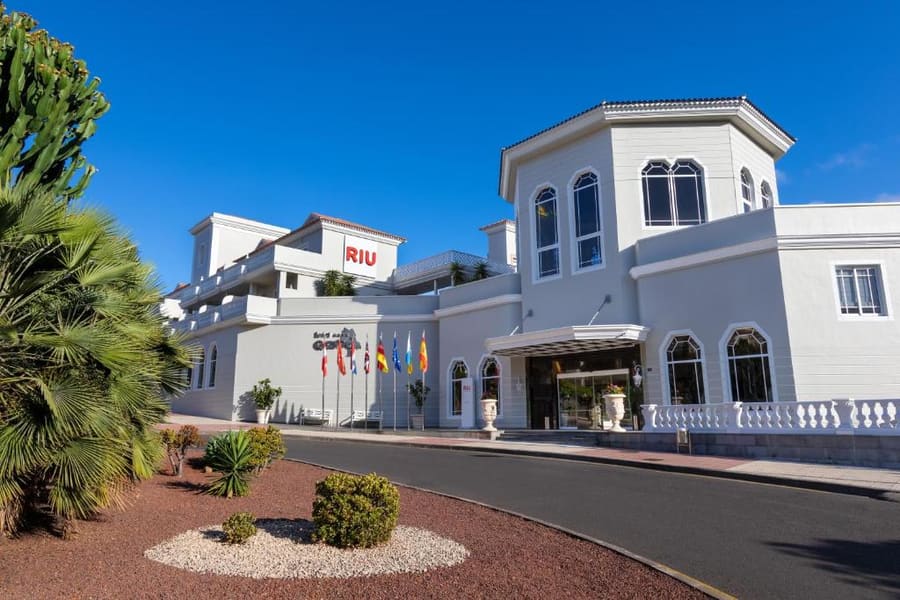
Choose your base based on your willingness to tackle steep hills. The lower town puts sea pools, harbour dining, and beaches at flat walking distance. The upper cliffs offer quieter hotels and ocean vistas, but demand legwork or bus trips every time you descend.
Live rates, matched to the areas above.
transport
The town centre is fully walkable, but vertical elevation changes define the urban layout. TITSA buses handle routes uphill and connect efficiently to both island airports.
De Tenerife North Airport (TFN)
TITSA line 30 runs non-stop between TFN and Puerto de la Cruz bus terminal.
Available directly outside TFN terminal. Fares increase after 22:00 and on holidays.
Buy a contactless Ten+ card at the bus station or tap your bank card for discounted fares on TITSA buses.
Estación de Guaguas sits on Calle Hermanos Fernández Perdigón, ten minutes on foot from Plaza del Charco.
Use route 381 to climb the steep hill from the harbour up to La Paz and the Botanical Garden for €1.45.
Local taxis use official meters. White cabs display a green light on top when available for hail.
cost
Northern Tenerife offers significantly lower daily costs than the island's southern tourist enclaves. Local bars serve coffee and wine at Canarian prices rather than resort rates.
Includes a sun lounger for the day. Parasols cost an additional €2.50.
A traditional Barraquito contains condensed milk, Licor 43, espresso, and foam.
Fresh daily catch sold by weight usually runs €35–€45 per kilogram.
Entry is purchased directly at the main gate on Calle Retama.
seasonality
NOV – FEB
Mild winter weather brings European long-stayers. Sea can be rough; mountain cloud covers town by afternoon.
MAR – MAY
Clearer skies, blooming flora, and warm swimming conditions in ocean pools with moderate crowds.
JUN – AUG
Warmest ocean temperatures. High humidity and local Spanish holiday visitors populate the beaches.
SEP – OCT
Warmest sea water of the year and quietest beaches after summer holidays end.
practicalities
Playa Jardín features powerful ocean undercurrents. Never swim when red flags fly.
Independent shops outside tourist zones close between 13:30 and 16:30 daily.
Spanish is essential in uphill guachinches, though English and German are spoken in town.
24-hour duty pharmacies (Farmacia de Guardia) rotate daily; check notices posted on pharmacy windows.