landmark
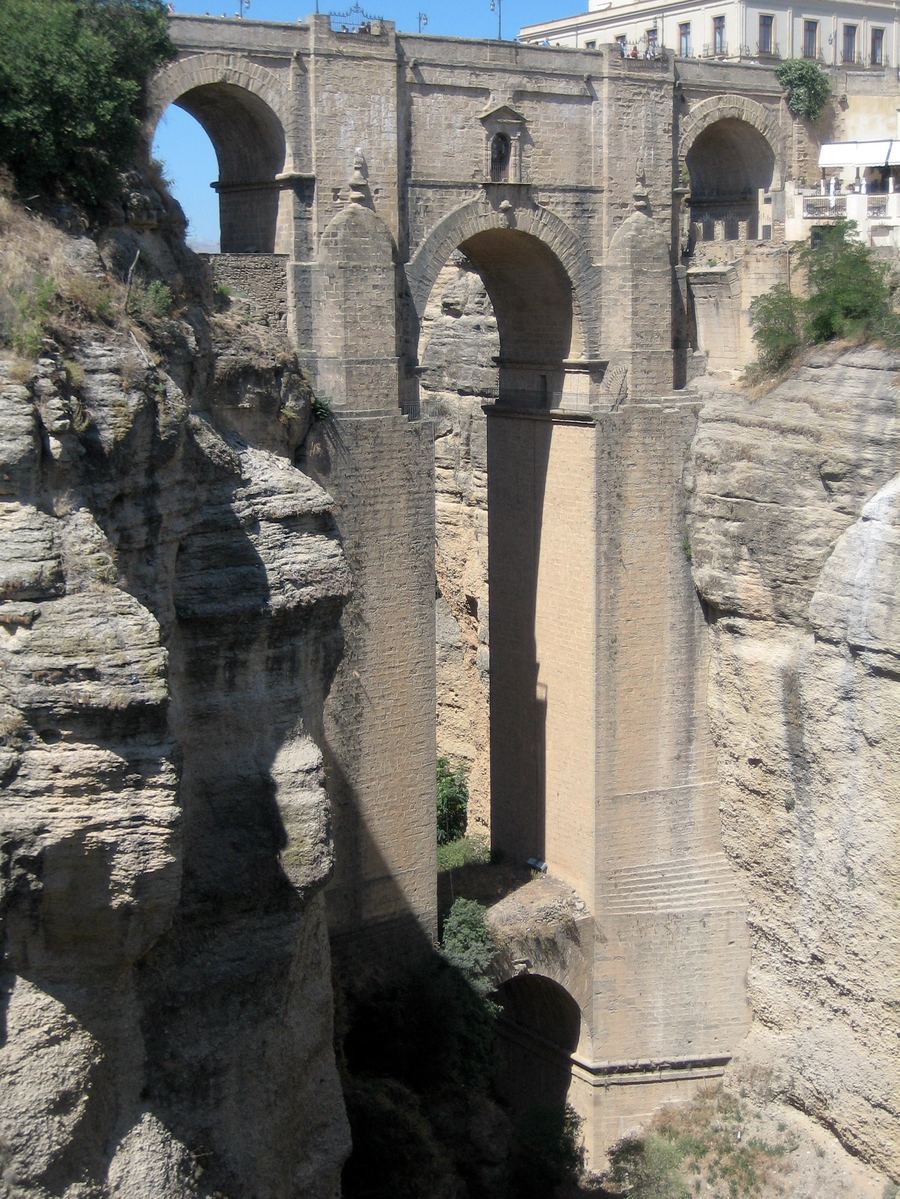
Puente Nuevo
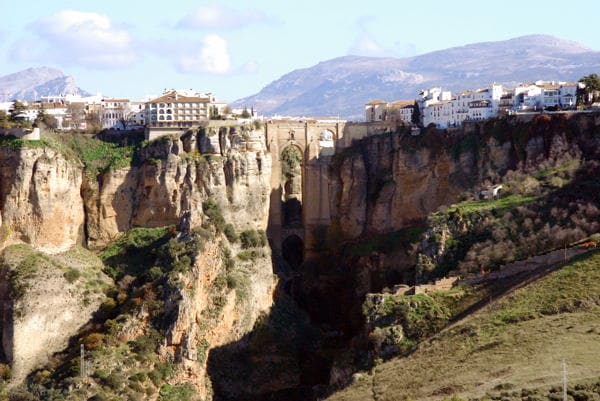
The 98-metre stone bridge spanning the Tajo gorge. Walk down Carretera de los Molinos for the cleanest photo angle.
Perguntar ao ParleyEspanha
A cliff-edge town divided by a 120-metre gorge.
introduction
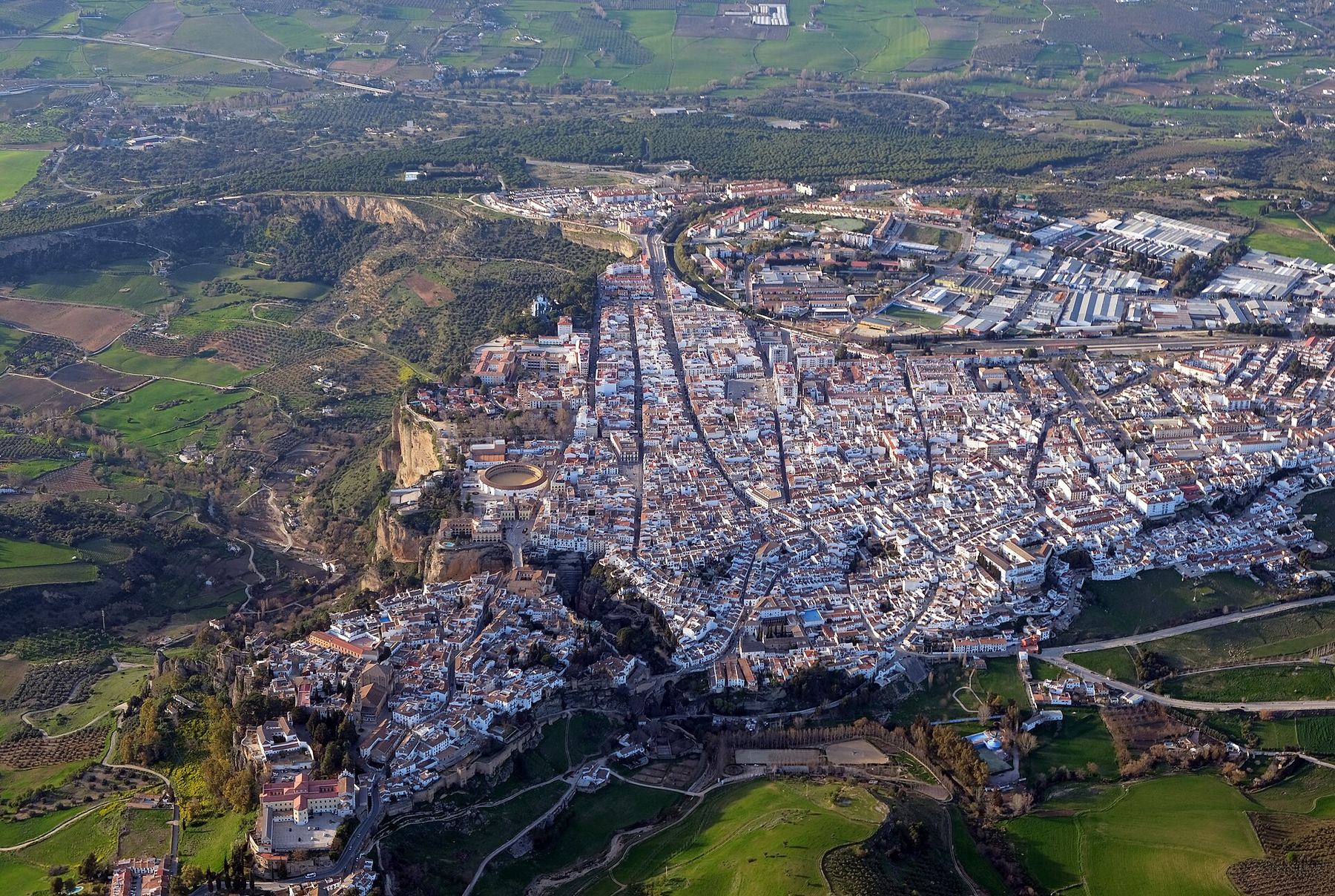
Ronda sits on a high plateau split by the 120-metre Tajo gorge. The town divides cleanly into two halves: the medieval Moorish quarter to the south and the 18th-century grid to the north. Moving between them requires crossing the massive stone bridge. Day tourists flood the main overlook from mid-morning to late afternoon, leaving the town quiet at night.
Train arrival shortcut
The train station sits in the upper town. Walk downhill along Calle Espinel to reach the gorge in twelve minutes.
Oldest stone bullring in Spain
Ronda holds the country's oldest stone ring, opened in 1785. The venue shaped modern foot-based bullfighting.
Beat the day-tripper surge
Tour buses arrive from Málaga by 11:00. Visit the main bridge viewpoints early in the morning or after 17:00.
Ronda
phoenicoperus · Public domain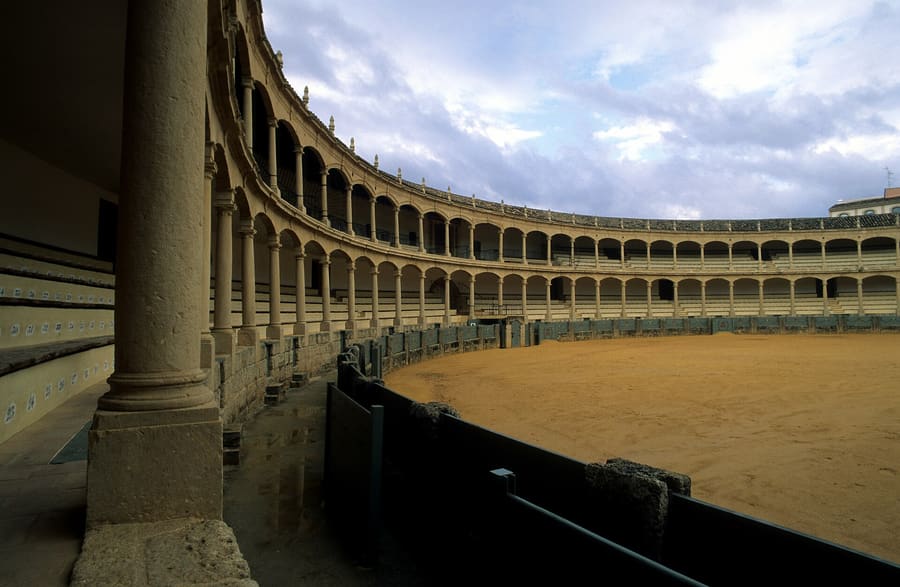
El Mercadillo — The 18th-century commercial district north of the bridge with shopping and lively plazas.
Andreas Tille · CC BY-SA 3.0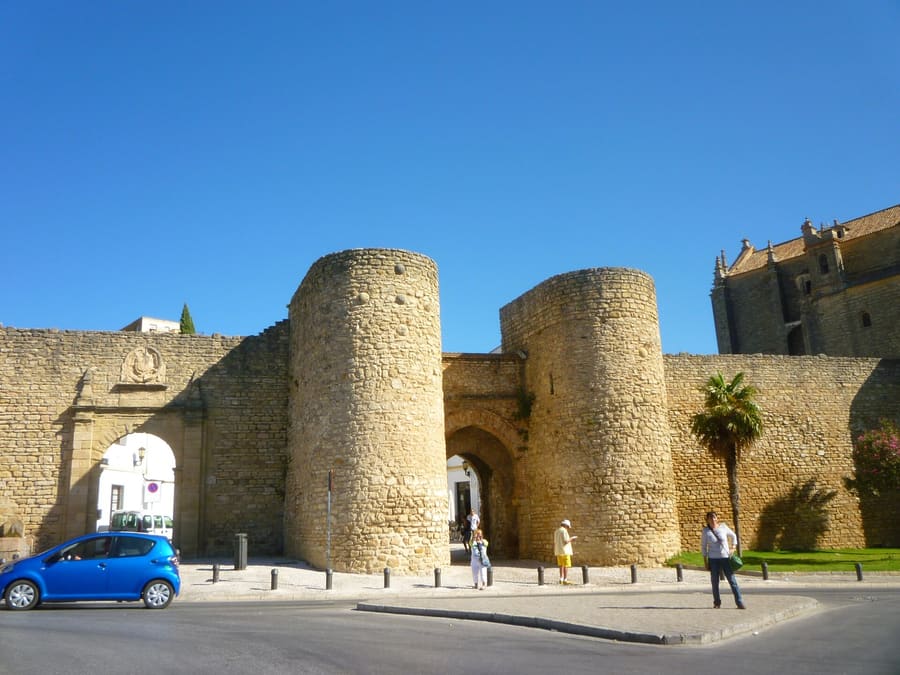
San Francisco — A quiet residential neighborhood outside the southern medieval city walls.
Aldo Ardetti · CC BY-SA 4.0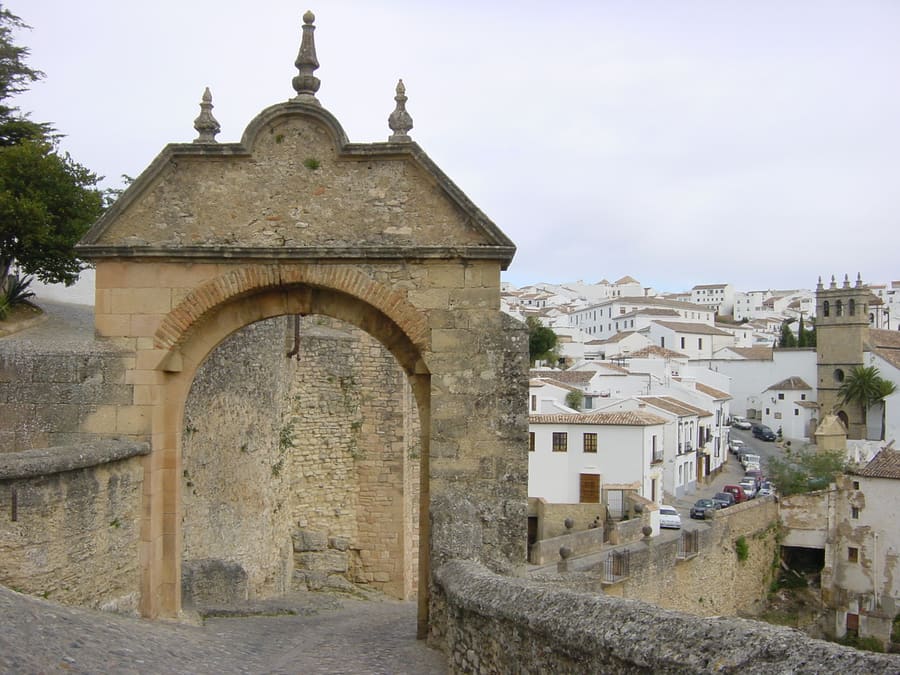
Padre Jesús — A traditional hillside neighborhood framing the older bridges in the valley floor.
Allie_Caulfield · CC BY 2.0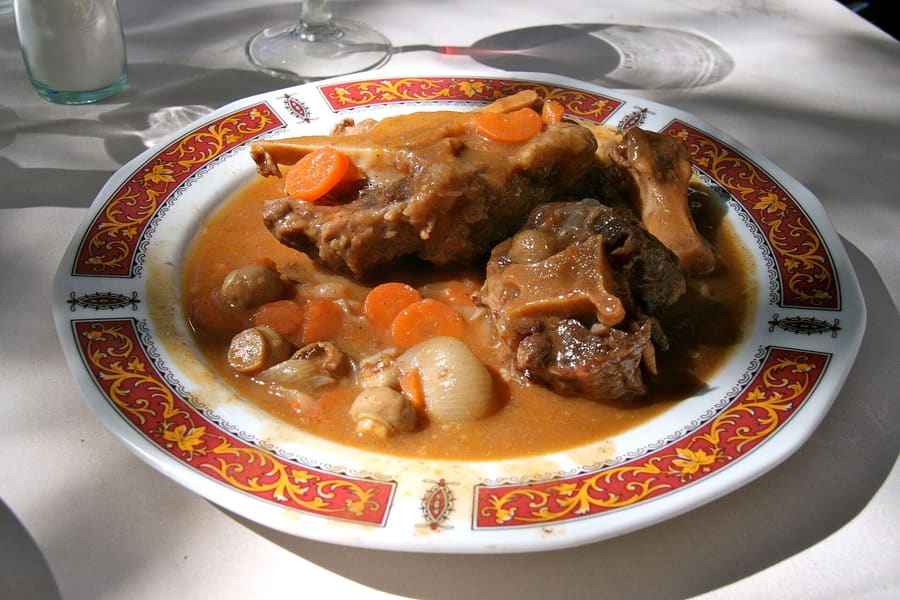
Rabo de toro served in traditional earthenware.
Tamorlan · CC BY-SA 3.0highlights
landmark
The 98-metre stone bridge spanning the Tajo gorge. Walk down Carretera de los Molinos for the cleanest photo angle.
Perguntar ao Parley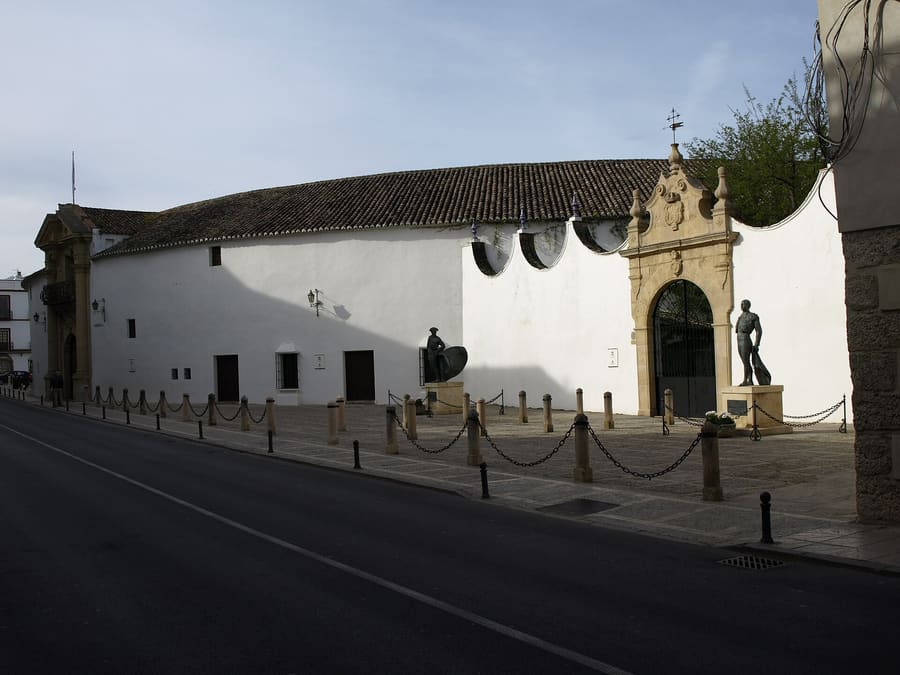
landmark
Built in 1785 with dual-tier columns. Ticket includes access to the ring floor, museum, and royal harness collection.
Perguntar ao Parley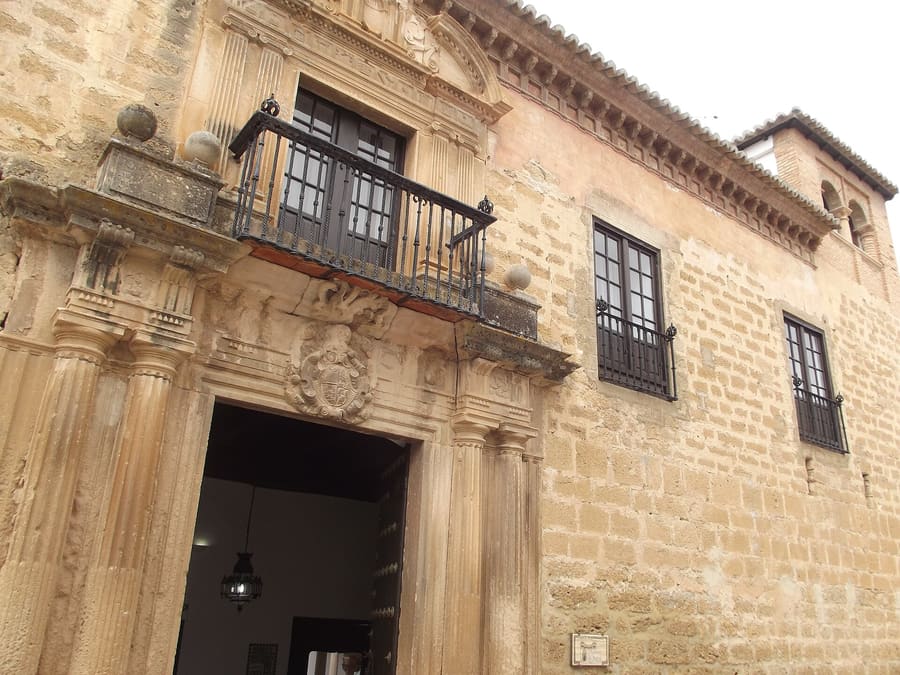
landmark
Former residence of Moorish rulers with quiet courtyard gardens. Houses Ronda's municipal archaeology museum.
Perguntar ao Parley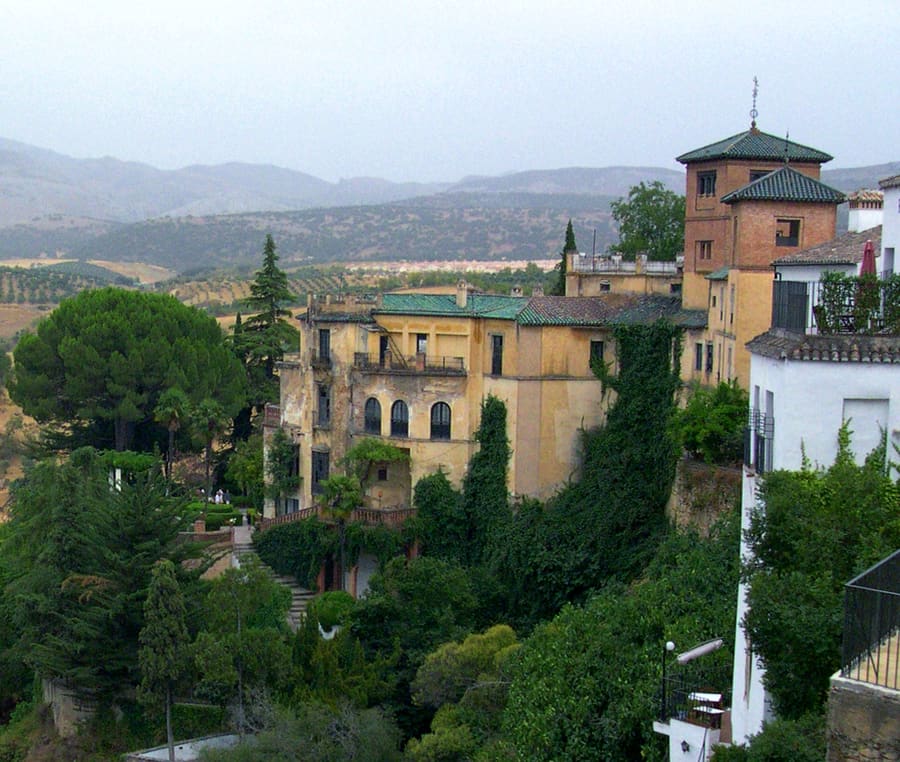
landmark
Includes an 80-metre water mine staircase cut directly into the cliff wall. Descend 300 steps to river level.
Perguntar ao Parley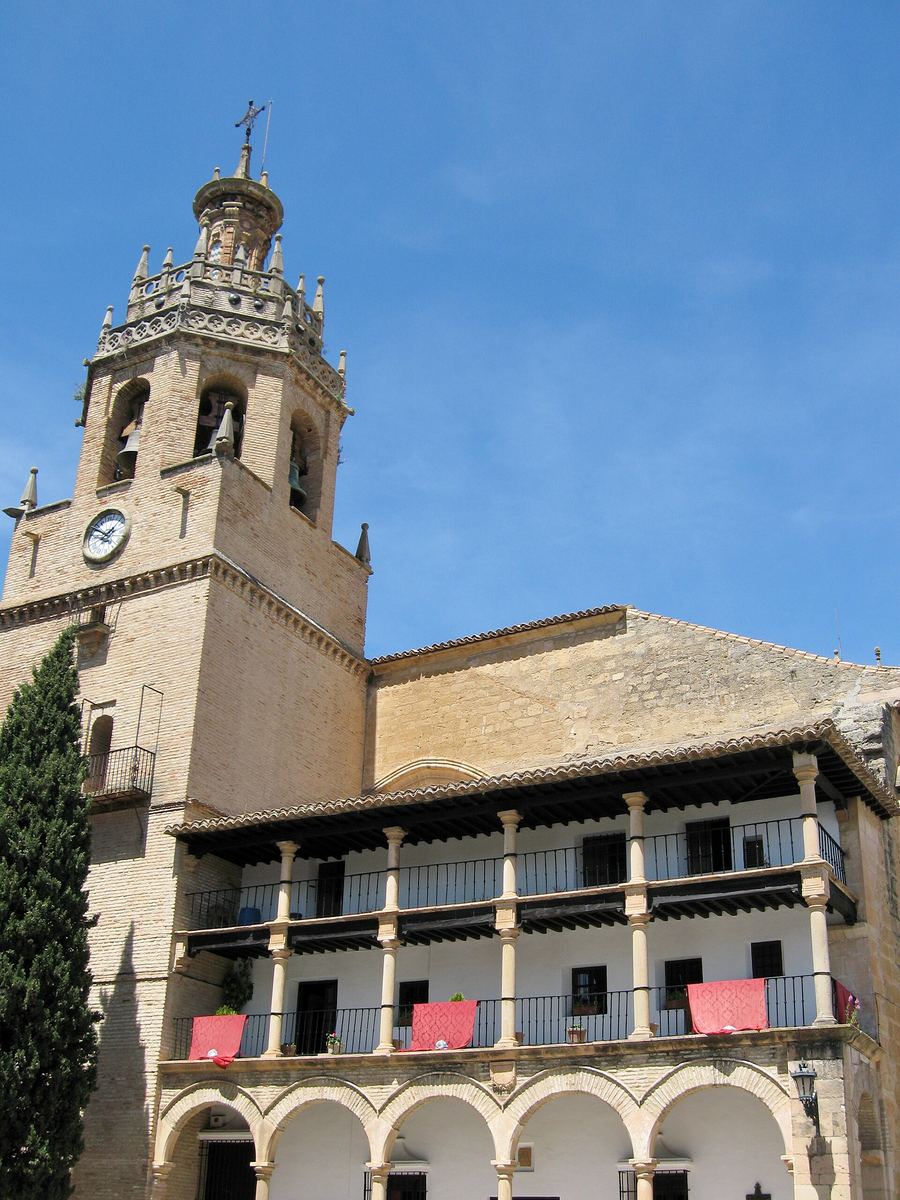
landmark
Built over a former mosque, retaining its mihrab arch. The upper balcony overlooks Plaza Duquesa de Parcent.
Perguntar ao Parleyattractions
areas
The 18th-century commercial district north of the bridge with shopping and lively plazas.
PertoPlaza de Toros and train station
Perguntar ao ParleyA quiet residential neighborhood outside the southern medieval city walls.
PertoPuerta de Almocábar and city walls
Perguntar ao ParleyA traditional hillside neighborhood framing the older bridges in the valley floor.
PertoPuente Viejo and Baños Árabes
Perguntar ao Parleyfood
Ronda's mountain climate shapes its food culture around heavy meats and local wines. Oxtail stew (rabo de toro) is the city's signature dish, slow-braised in red wine. Local wineries in the surrounding Serranía de Ronda produce notable Syrah and Petit Verdot bottles under their own D.O. status.
Rabo de toro served in traditional earthenware.
Tamorlan · CC BY-SA 3.0This bar on Calle Jerez serves a modernized rabo de toro tapa alongside local Serranía wines.
Try Yemas del Tajo, a local confection made of egg yolks and sugar, prepared fresh on Calle Espinel.
Skip the cliffside terrace menus and head two blocks inland to Plaza del Socorro for reasonable tapas prices.
history
Ronda's position on a steep plateau made it a key stronghold for centuries. First fortified by Celts and Romans, it became an independent Moorish kingdom in the 11th century. The Catholic Monarchs captured the city in 1485, initiating centuries of urban expansion across the gorge.
Moorish Conquest
Ronda becomes a key Muslim fortress town, establishing the street layout of La Ciudad.
Catholic Reconquest
King Ferdinand takes Ronda after a heavy siege, ending centuries of Islamic rule.
Puente Nuevo Complete
The 98-metre bridge opens after 34 years of construction, linking both town halves.
Civil War Conflict
The Tajo gorge becomes a site of political executions, later written about by Ernest Hemingway.
where to stay
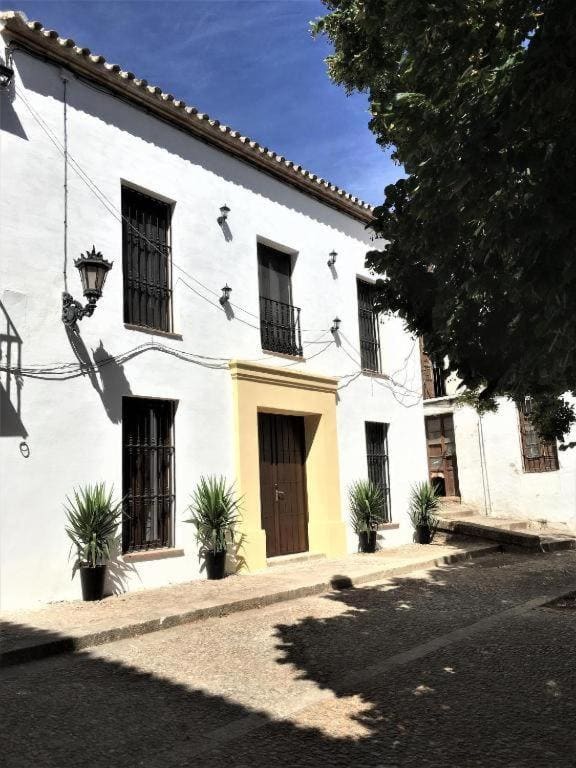
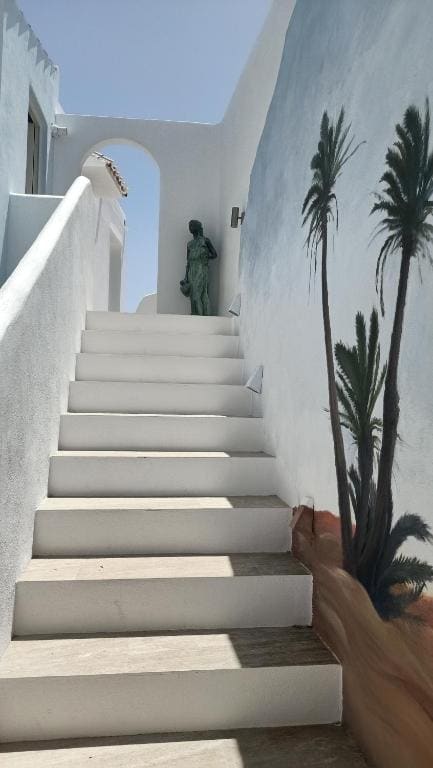
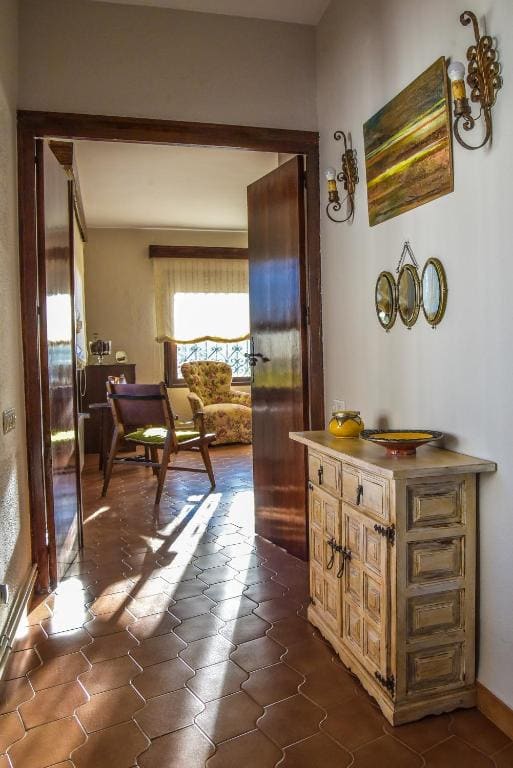
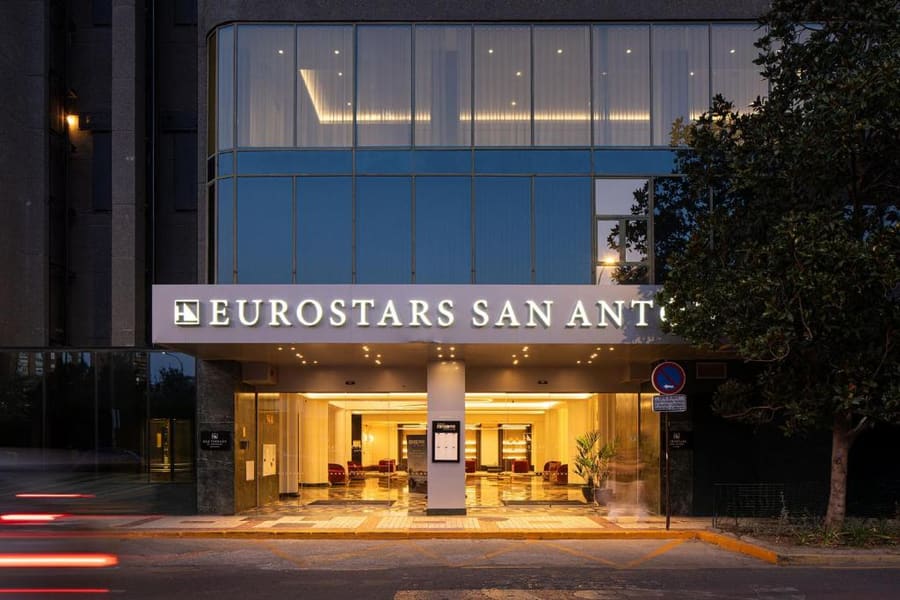
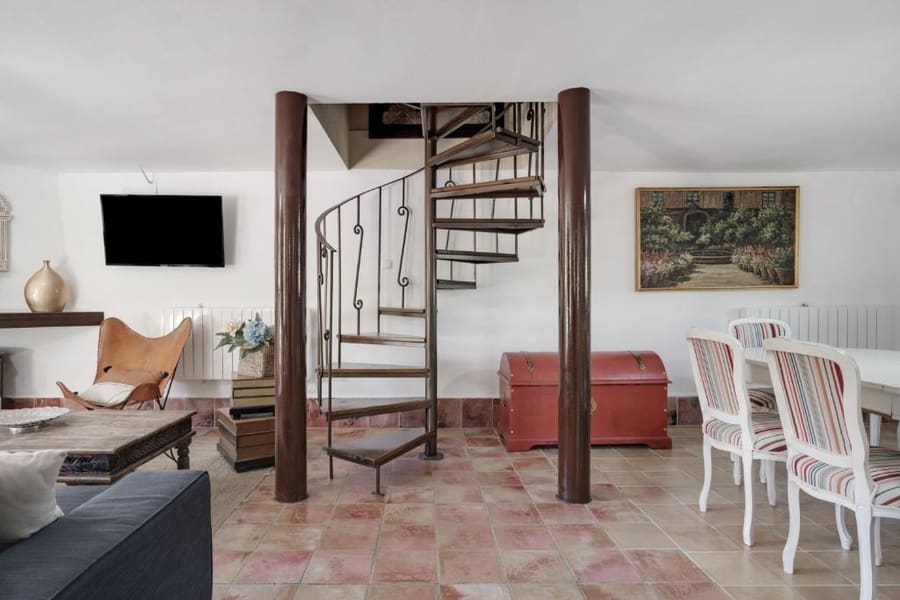
Choose your stay based on topography and noise tolerance. Staying in La Ciudad offers quiet medieval streets after dark. Staying in El Mercadillo places you near restaurants and transit options, though daytime foot traffic is higher.
Live rates, matched to the areas above.
transport
Ronda is entirely walkable. Cars are more of a burden than an asset inside the center due to narrow streets and restricted traffic zones in La Ciudad.
De Málaga-Costa del Sol Airport (AGP)
Avanza buses depart outside T3 arrivals. Direct services are limited; book ahead in peak season.
Take C1 Cercanías to Málaga-María Zambrano, then transfer to a direct Media Distancia train to Ronda.
Available outside T3. Night (22:00-06:00) and weekend surcharges apply.
Park in the subterranean lot at Calle Espinel to avoid fine enforcement zones in La Ciudad.
Crossing from the train station in El Mercadillo to the southern end of La Ciudad takes only 20 minutes on foot.
If arriving by car, park in the subterranean lot at the entrance of Calle Espinel to avoid camera zones in La Ciudad.
The local urban bus runs between the train station and San Francisco quarter if you want to avoid walking uphill.
cost
Ronda is generally less expensive than coastal Marbella or regional hubs like Seville, though view-facing restaurants charge a premium.
Access to the small exhibition room inside the bridge structure.
Local D.O. wines served at bars in El Mercadillo.
Standard sit-down restaurant pricing in traditional taverns.
Includes access to the bathhouse ruins and introductory video room.
Pay the driver directly with cash or small notes.
seasonality
MAR – MAY
Daytime temperatures are mild and valley wild flowers bloom. Excellent window for walking down into the gorge.
JUN – AUG
Midday heat regularly exceeds 35°C. Day-trip crowds are dense between 11:00 and 16:00.
SEP – OCT
Grape harvest season in surrounding vineyards. Warm days with cool mountain evenings.
NOV – FEB
Cold mountain air and frequent fog. Quiet streets and lower hotel rates, but shorter daylight hours.
practicalities
The stone paths down to the gorge viewpoints are dusty and polished smooth by millions of footsteps.
Independent shops on Calle Espinel close between 14:00 and 17:00 before reopening in the evening.
The city's main festival features 18th-century period dress and major bullfights; hotels book out months ahead.
Arrive 30 minutes before sunset at Alameda del Tajo for space along the balcony railings.