landmark
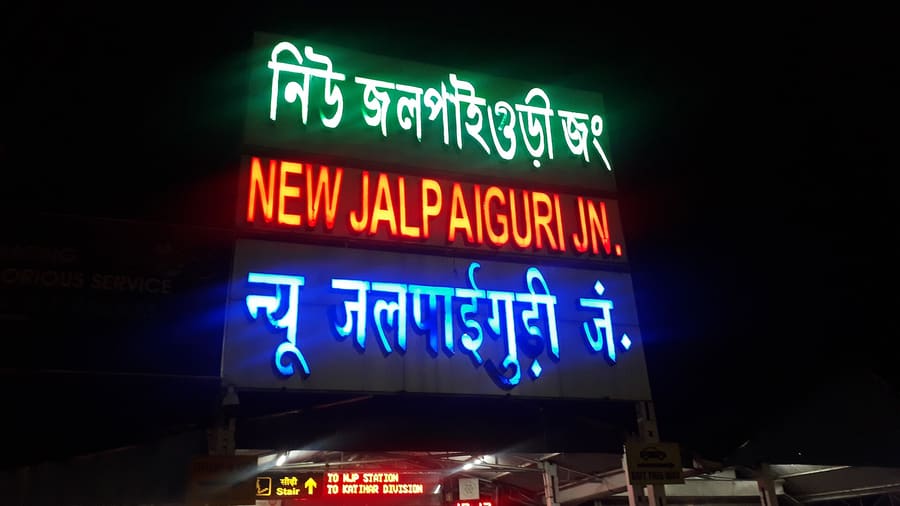
New Jalpaiguri Railway Station
The main rail interchange for Northeast India. Pre-book express trains to Kolkata or Delhi months in advance during festival seasons.
Perguntar ao ParleyÍndia
The Himalayan gateway city built on trade and transit.
introduction
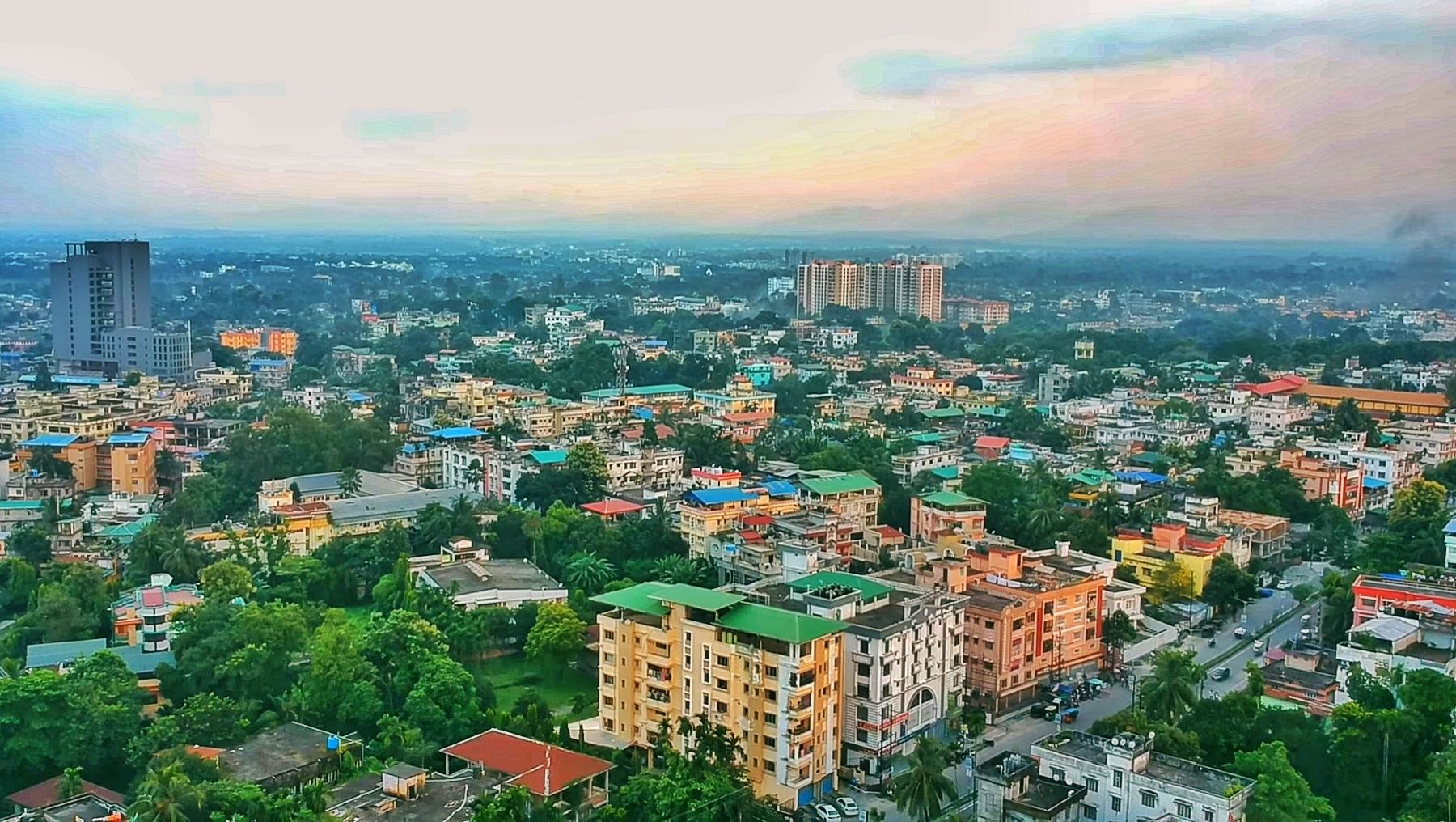
Siliguri operates as the primary commercial and transport choke point connecting mainland India to Northeast India, Sikkim, and Bhutan. Most travellers treat the city as an obligatory stopover before ascending into the Eastern Himalayas. Navigating town requires maneuvering heavy traffic along Hill Cart Road and Sevoke Road. Expect a practical, fast-paced trading hub defined by wholesale markets, transport nodes, and regional tea auctions.
Arrival trick
Bagdogra Airport sits 12 km west of the town center. Book pre-paid taxis at the official counter inside the arrivals hall to lock in fixed rates.
Monsoon planning
Monsoon rains between July and September trigger landslides across North Bengal. Keep two spare buffer days if you travel onward to Gangtok or Darjeeling.
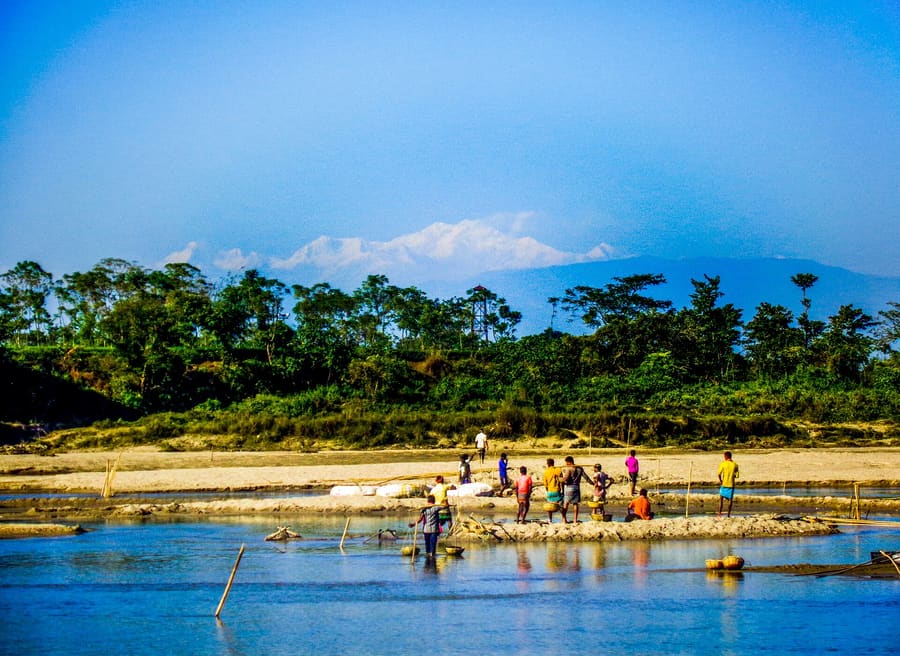
Siliguri
Nasif05 · CC BY-SA 4.0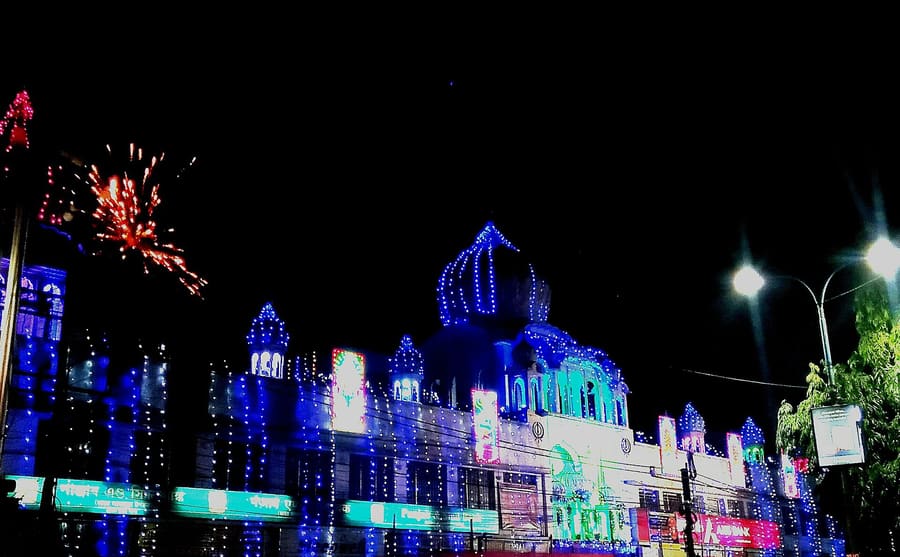
Hill Cart Road — Traditional market spine packed with trade vendors, banks, and local eateries.
Suhan0007 · CC BY-SA 4.0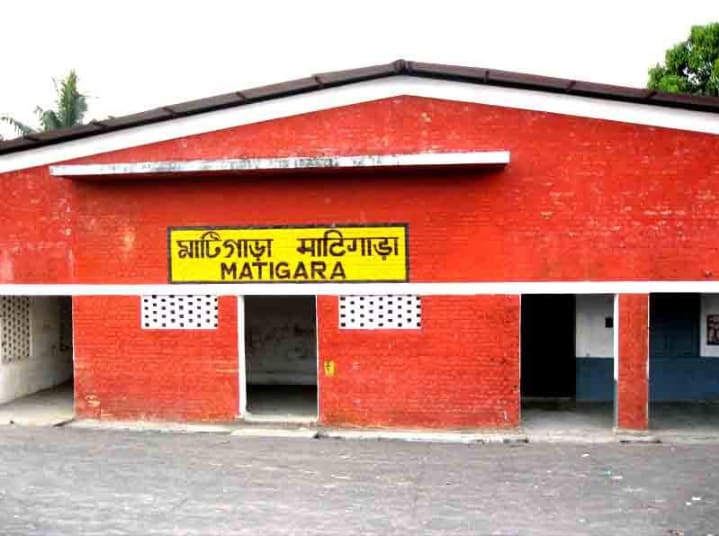
Matigara — Expanding western suburb featuring modern resort compounds and tea estate proximity.
B1999ttu · CC BY-SA 4.0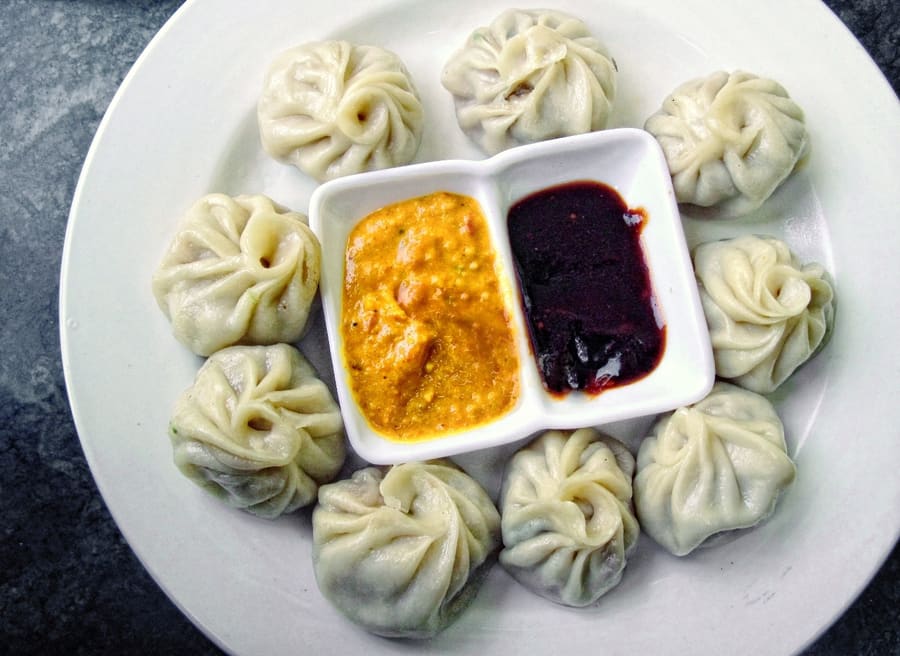
Pork and chicken momos with garlic-chilli chutney sold across Siliguri roadside stalls.
Kushal Goyal · CC BY-SA 3.0highlights
landmark
The main rail interchange for Northeast India. Pre-book express trains to Kolkata or Delhi months in advance during festival seasons.
Perguntar ao Parley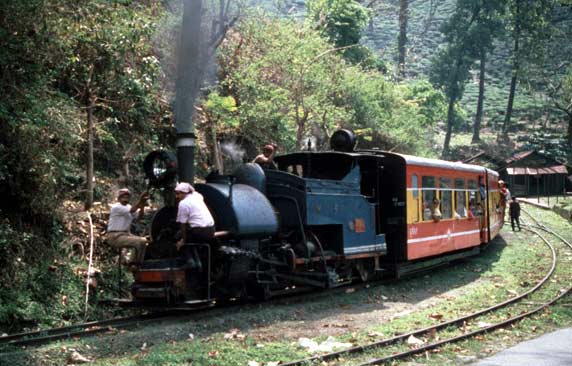
landmark
Narrow-gauge mountain railway operating steam and diesel locomotives. Buy tickets via standard railway booking platforms before arriving.
Perguntar ao Parley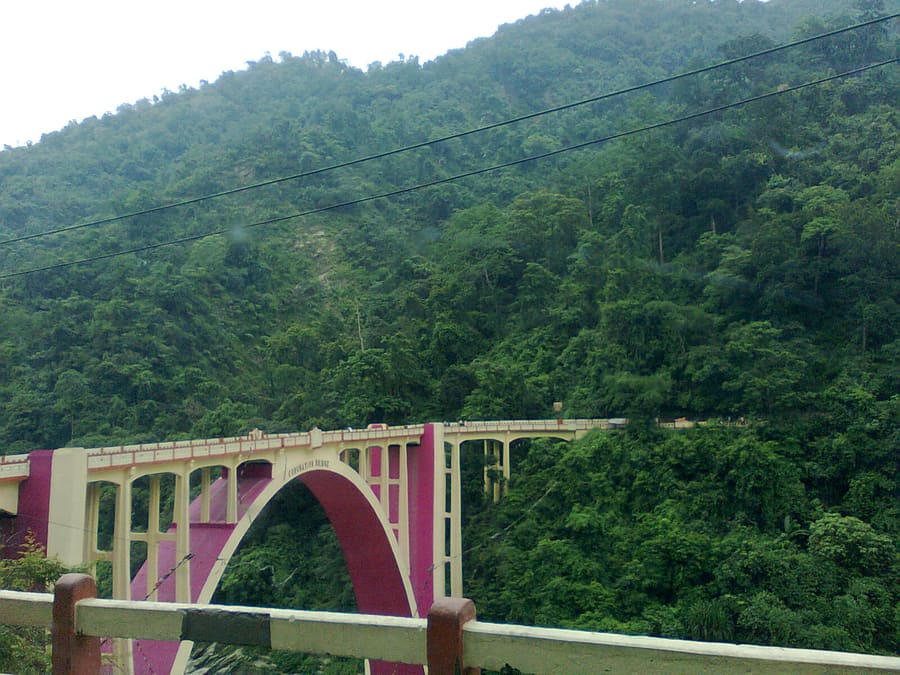
landmark
Spans the Teesta River on National Highway 31. Stop brief on the south bank for photographs of the steel-reinforced concrete arch.
Perguntar ao Parley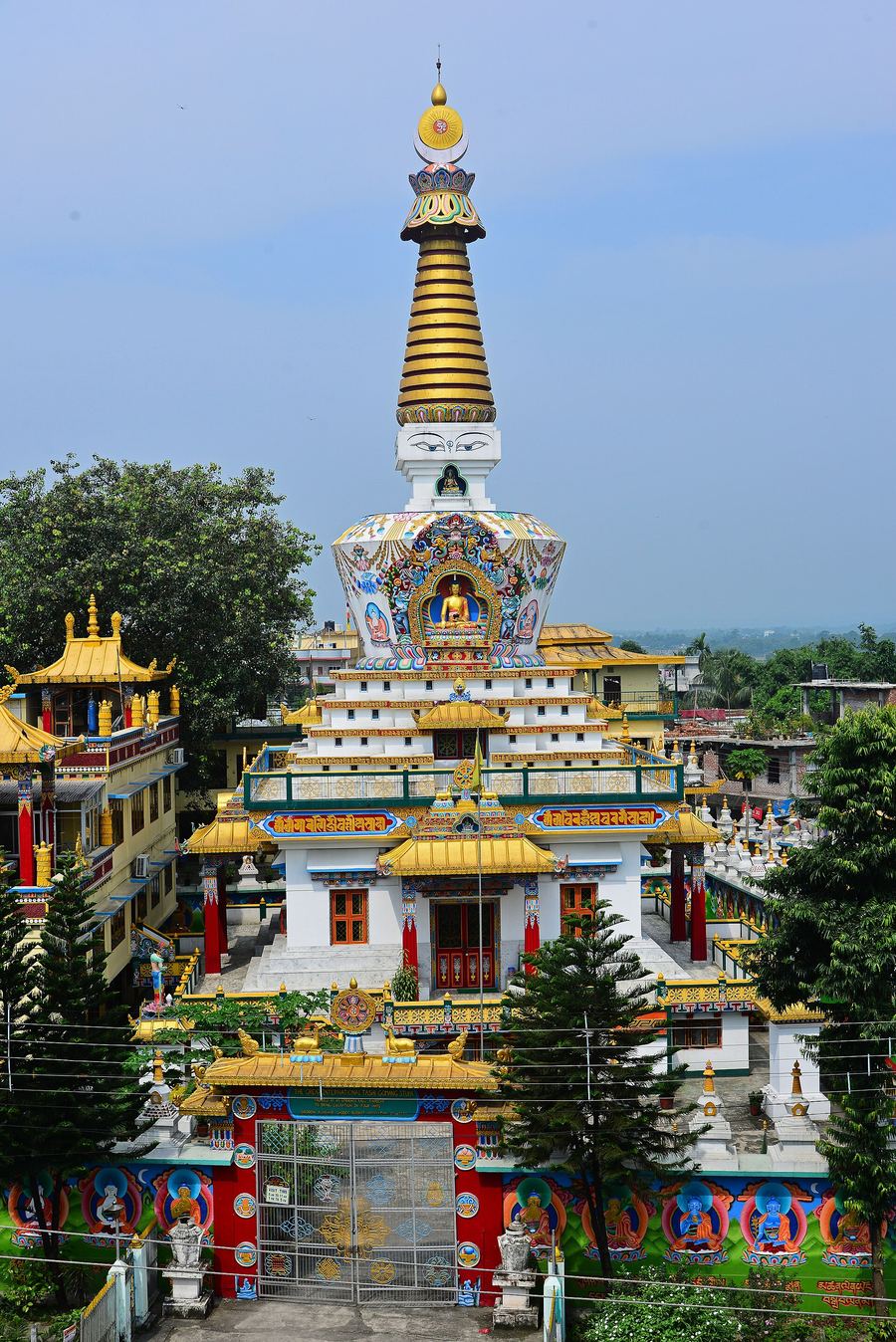
landmark
Tibetan Buddhist monastery founded by Tibetan lamas. Houses a 100-foot stupa holding revered religious relics.
Perguntar ao Parleyattractions
areas
Traditional market spine packed with trade vendors, banks, and local eateries.
PertoHong Kong Market and Bidhan Market.
Perguntar ao ParleyExpanding western suburb featuring modern resort compounds and tea estate proximity.
PertoBagdogra Airport and Uttorayon township.
Perguntar ao ParleyCommercial artery lined with shopping centers, modern hotels, and auto dealerships.
PertoSalugara Monastery and northern highway connections.
Perguntar ao ParleyResidential precinct near Siliguri Junction with budget hotels and transit services.
PertoSiliguri Junction railway station and main bus stands.
Perguntar ao Parleyfood
Siliguri's food stalls reflect its location between Bengal, Tibet, Nepal, and Assam. Steamed momos served with fiery red-chilli and tomato chutney dominate morning and evening street corners along Hill Cart Road.Bengali fish thalis featuring katla or pabda curry are standard lunch fare in the eateries near Bidhan Market. Tibetan and Nepali influences mean thukpa noodle soups and pork shafalay pastries are equally accessible across neighborhood diners.
Pork and chicken momos with garlic-chilli chutney sold across Siliguri roadside stalls.
Kushal Goyal · CC BY-SA 3.0Choose busy street vendors where momos come straight from multi-tiered metal steamers.
Bengali lunch outlets serve fresh rice and fish curries strictly between 12:30 and 15:00.
Street stalls and market eateries operate almost exclusively on cash or local UPI payments.
history
Siliguri grew from an obscure village on the Mahananda River into a critical logistics node when British authorities developed tea plantations in Darjeeling during the 19th century. The opening of narrow-gauge railway links in 1881 solidified its role as the transport hub for tea distribution.The 1947 partition of India turned Siliguri into the 'Siliguri Corridor'—a narrow strip of land connecting Northeast India to the rest of the country. This geopolitical position accelerated population growth and infrastructure investments.
Corridor Creation
Partition creates the geopolitical Siliguri Corridor, turning the town into a strategic transport funnel.
NJP Opened
New Jalpaiguri station opens to process broad-gauge rail traffic across Eastern India.
Urban Expansion
Retail developments along Sevoke Road cement Siliguri as North Bengal's trade hub.
where to stay
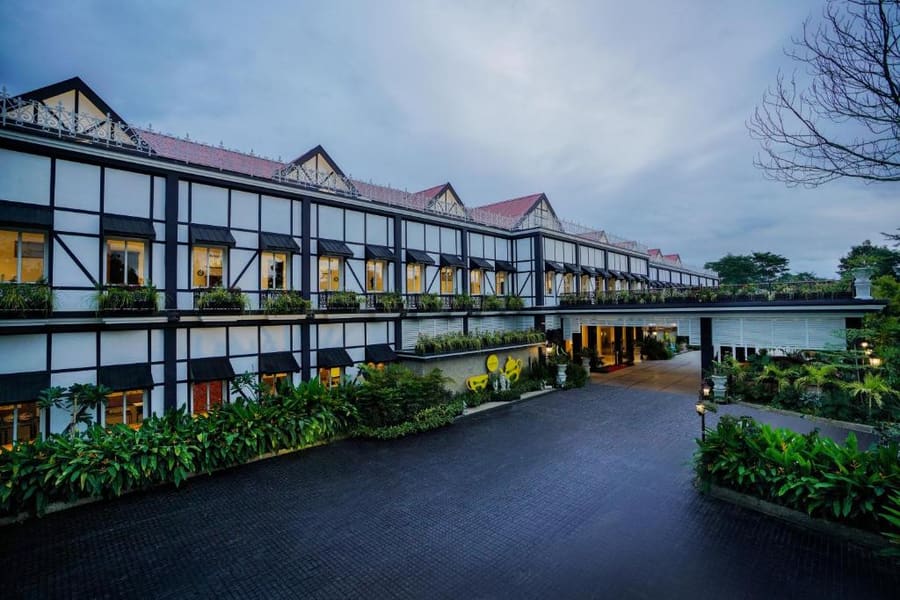
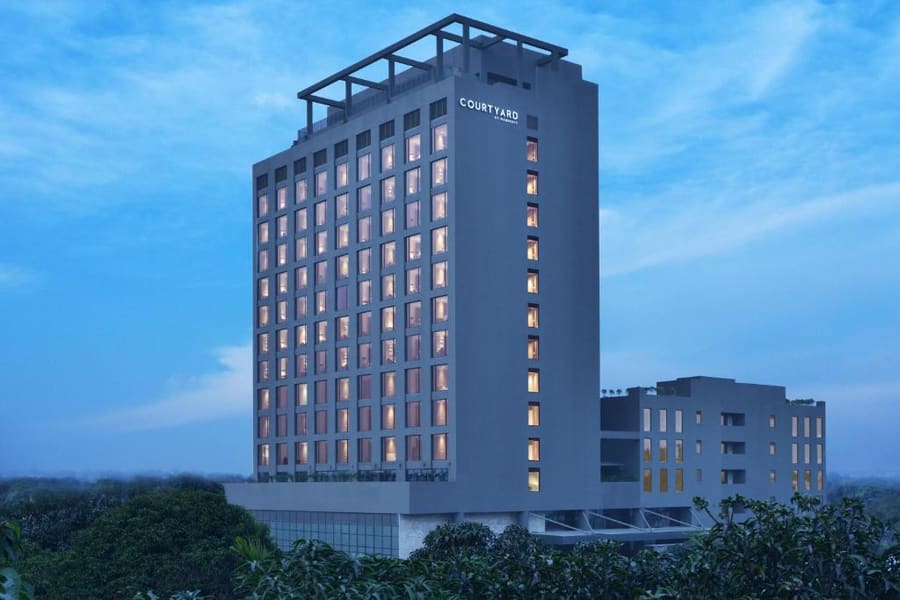
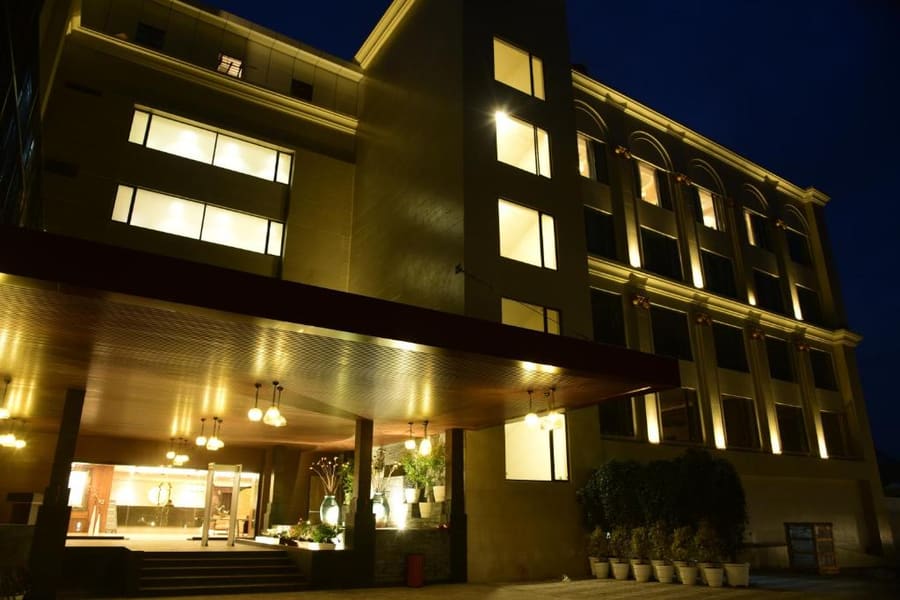
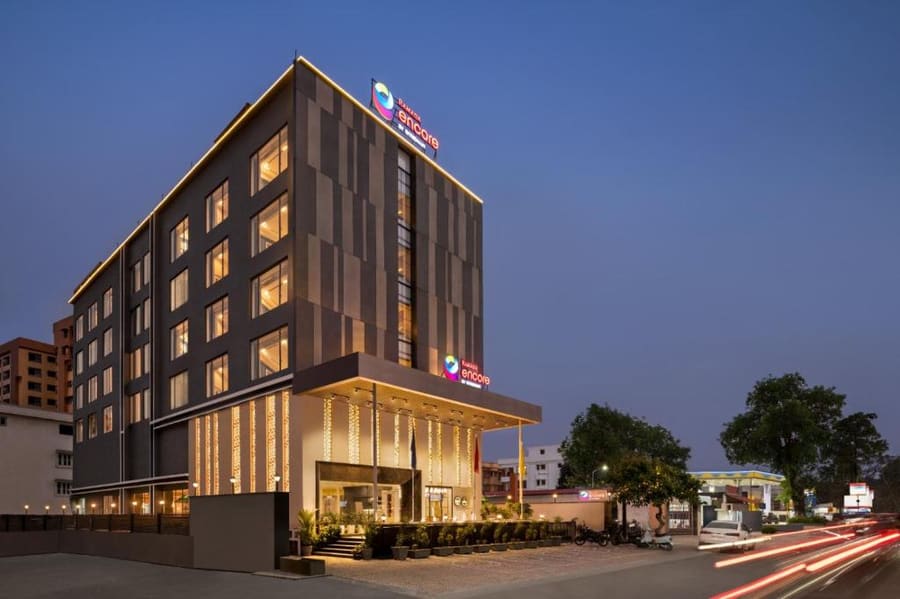
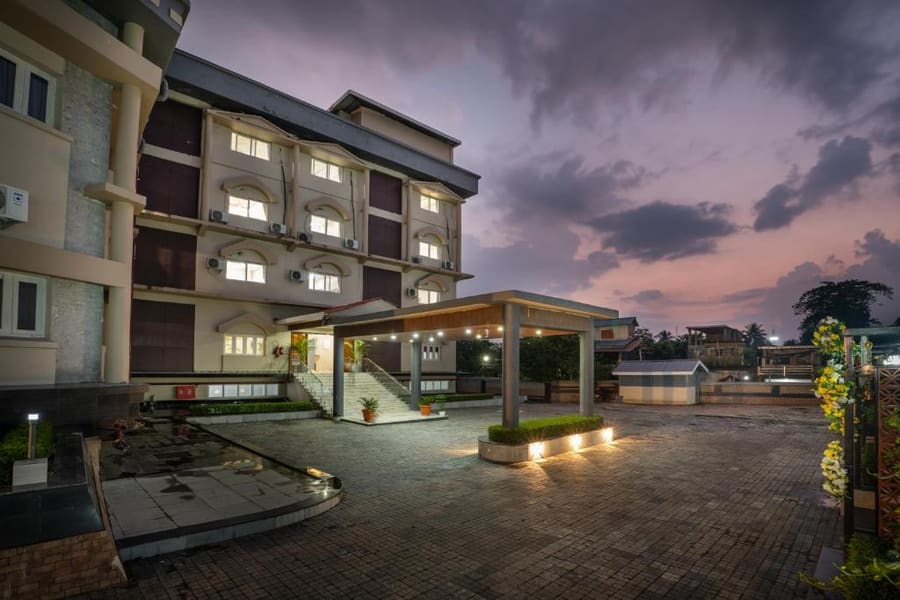
Base your hotel decision on your onward journey. If catching an early morning train or hill taxi, pick Pradhan Nagar or Hill Cart Road. For business travel or upscale amenities, look along Sevoke Road or the Matigara bypass.
Live rates, matched to the areas above.
transport
Siliguri lacks an underground metro. Mobility relies on auto-rickshaws, shared electric rickshaws (e-rickshaws), taxis, and app-based cab aggregators. Traffic moves slowly along primary corridors like Hill Cart Road during business hours.
De Bagdogra Airport (IXB)
Pay fixed rates at the official airport prepaid counter.
Pickup points sit outside the primary airport security gate.
State buses run periodically from the main road outside the airport.
Use local e-rickshaws ('totos') for short distance transit along neighborhood lanes.
Auto-rickshaws rarely use meters. Settle the fixed fare before boarding.
Allow an extra 30 minutes when crossing the Mahananda Bridge during evening rush hour.
Board shared Tata Sumos for Darjeeling or Gangtok near Siliguri Junction.
cost
Siliguri remains budget-friendly compared to major Indian metros like Delhi or Mumbai. Transport and basic meals are inexpensive, though mid-range hotel pricing inflates during peak Himalayan holiday periods.
Price varies depending on vegetable, chicken, or pork filling.
Includes rice, dal, vegetable side, and seasonal river fish curry.
Per person fare on standard shared routes along main roads.
One seat in a shared vehicle departing from Siliguri Junction.
seasonality
OCT – NOV
Clear skies after monsoon. Clear views of hills and comfortable transit temperatures.
DEC – FEB
Cool winter weather. Ideal for city exploration and transit into higher altitude snow areas.
MAR – MAY
Rising temperatures exceeding 35°C. High tourist volume moving through to hill stations.
JUN – SEP
Heavy monsoon rainfall. Frequent mountain road closures and high humidity in town.
practicalities
Hong Kong Market and many retail shops stay closed on Sundays.
ATMs line Sevoke Road and Hill Cart Road, but carry cash for small transit drivers.
Carry an umbrella from June to September; street flash flooding happens quickly.
Inner Line Permits for Sikkim can be processed at the Sikkim Tourism office on Hill Cart Road.
Start mountain drives before 08:00 to clear city bottleneck traffic.