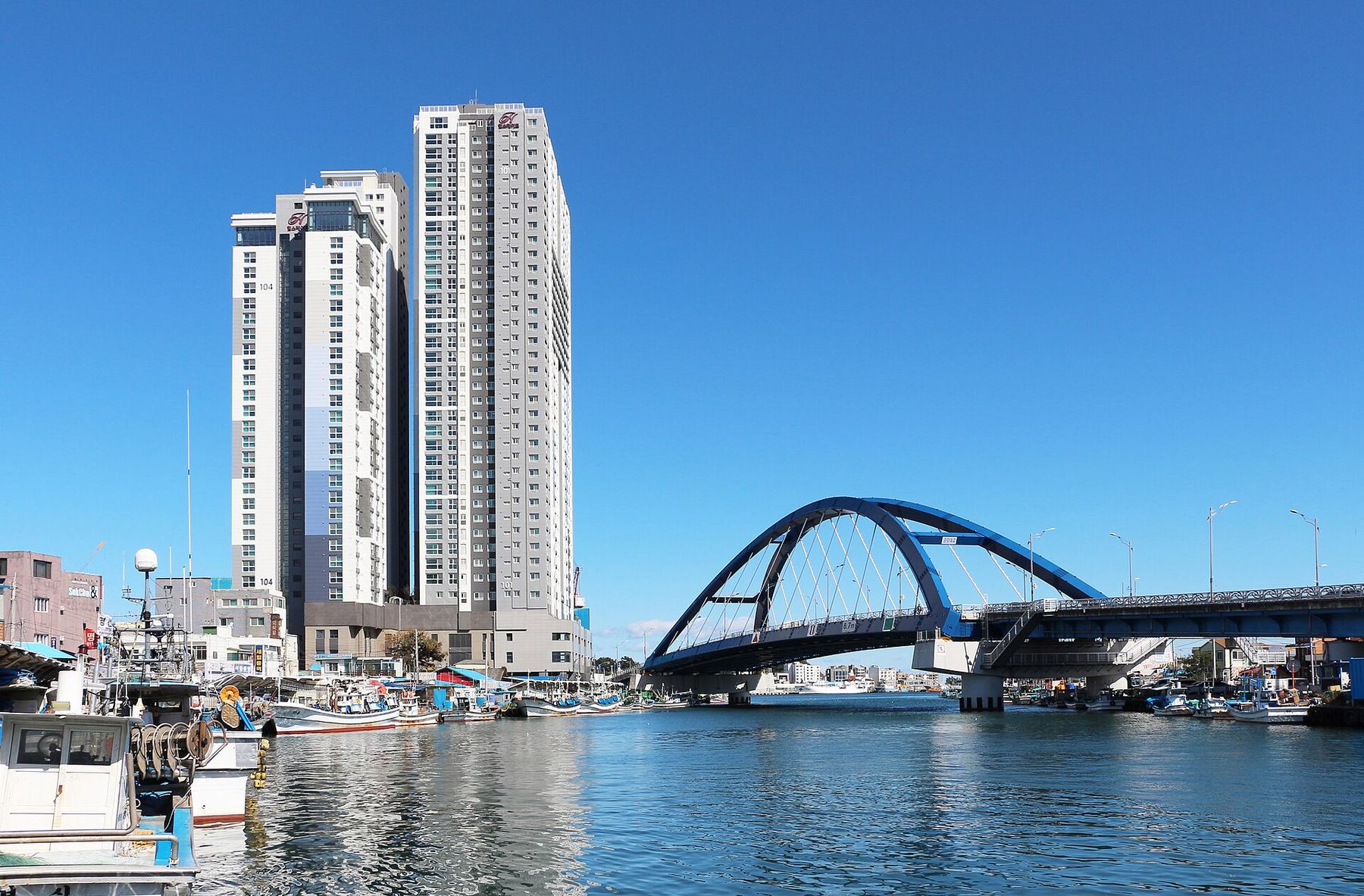
landmark
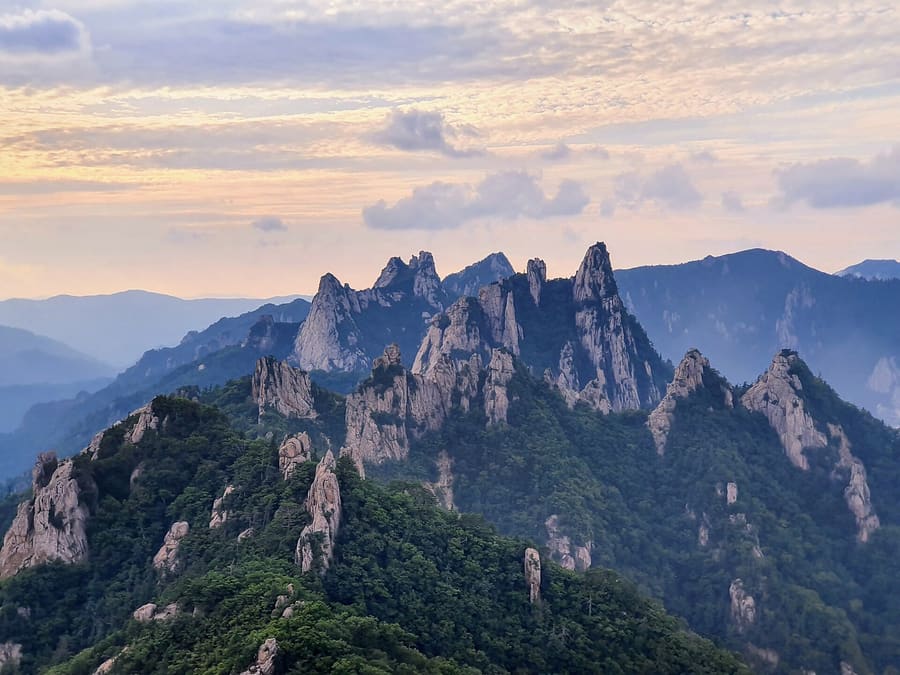
Seoraksan National Park
Sharp granite peaks, ancient pine forests, and steep hiking trails. Take bus 7 or 7-1 from downtown straight to the main park entrance.
Perguntar ao ParleyCoreia do Sul
Granite peaks meet fishing docks on the East Sea coast.
introduction
Sokcho sits squeezed between granite mountain ridges and the East Sea. You come here to hike sharp peaks before noon and eat cold buckwheat noodles by the docks before dinner. Urban sprawl gives way quickly to fishing harbors and steep forest trails. Expect heavy traffic on weekend afternoons when Seoul residents drive in for coastal air.
UNESCO Biosphere Reserve
Seoraksan National Park holds UNESCO Biosphere Reserve status for its rare granite peaks and alpine plant species.
Weekend trail and market congestion
Seoul crowds fill mountain trails and market stalls on Saturdays. Visit on weekdays to avoid hour-long parking lines.
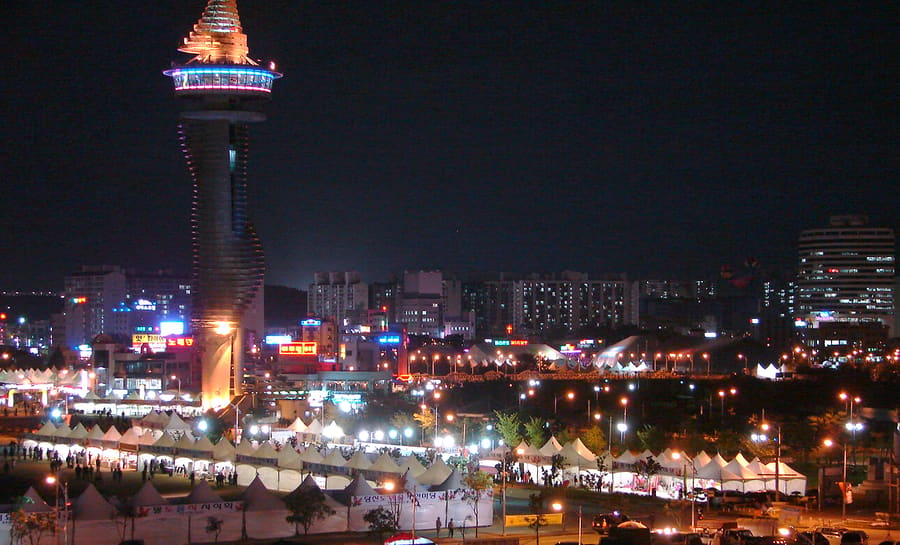
Sokcho
Steve46814 (talk) · CC BY-SA 3.0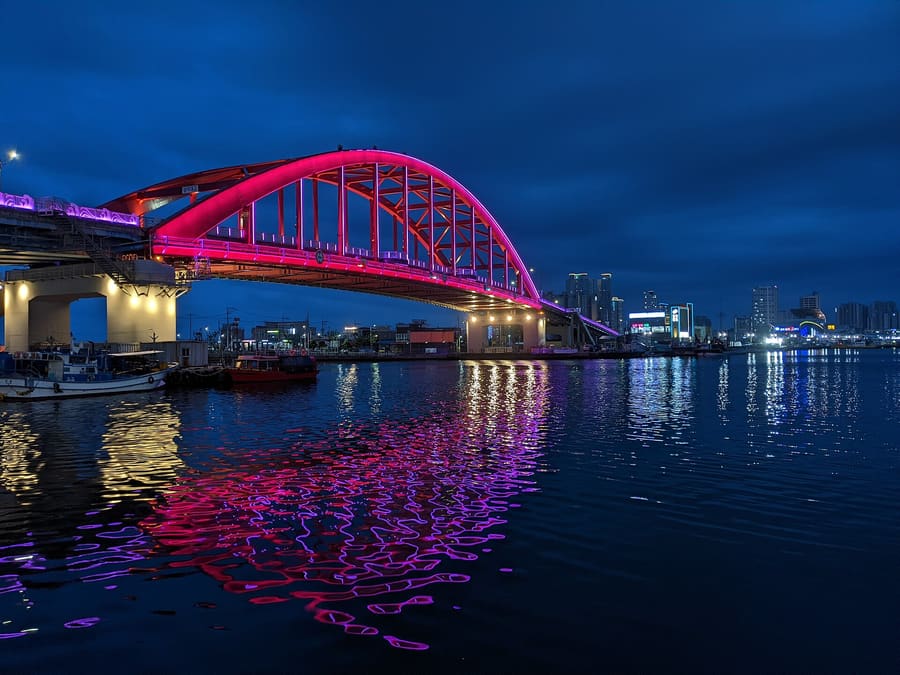
Abai Village — Quiet sandy spit with low-rise alleys, squid sundae restaurants, and sea breeze.
Oxidising · CC BY-SA 4.0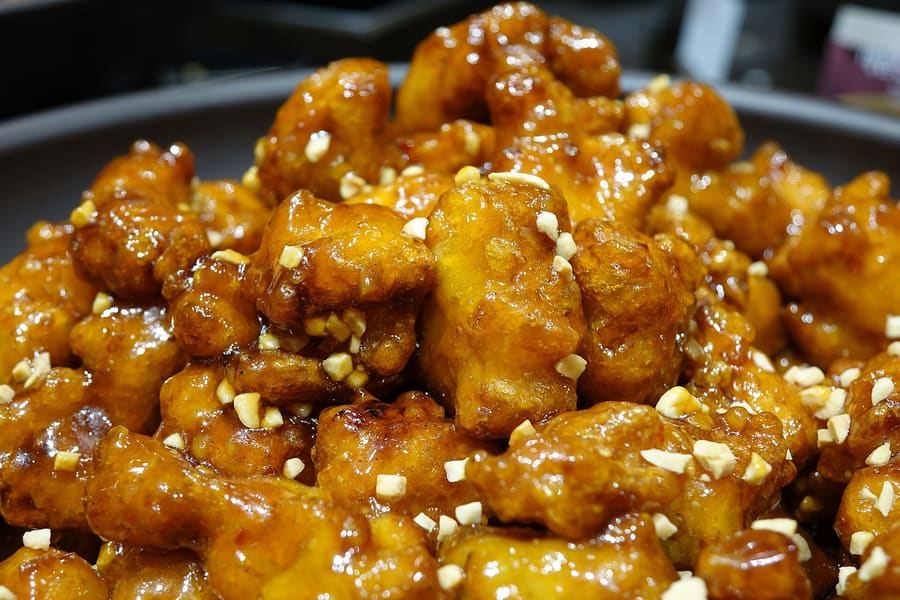
Dakgangjeong sold in sturdy cardboard carryout boxes across Sokcho Market.
hyun chun kim · CC0highlights
landmark
Sharp granite peaks, ancient pine forests, and steep hiking trails. Take bus 7 or 7-1 from downtown straight to the main park entrance.
Perguntar ao Parley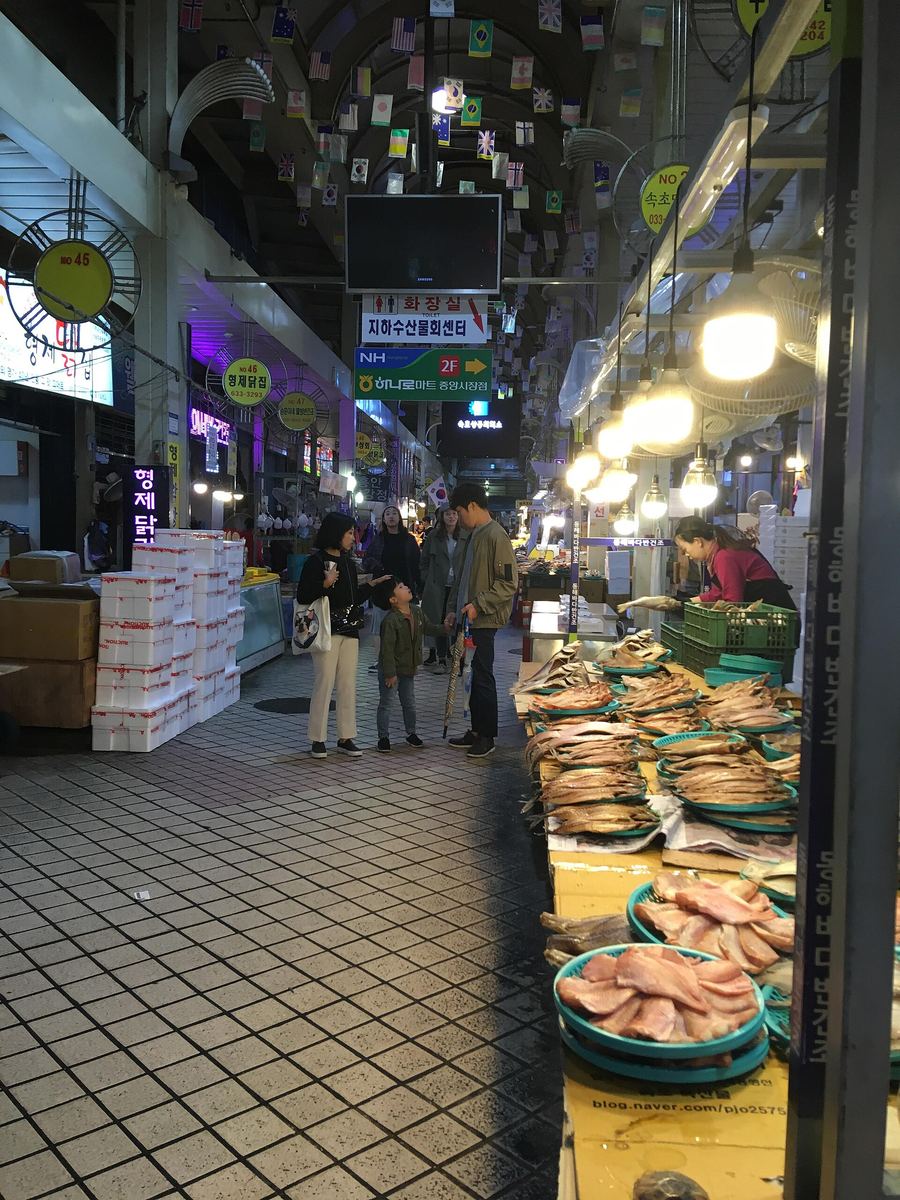
landmark
Multi-story seafood and snack market famous for sweet fried chicken. Order dakgangjeong in box portions and eat near the harbor.
Perguntar ao Parley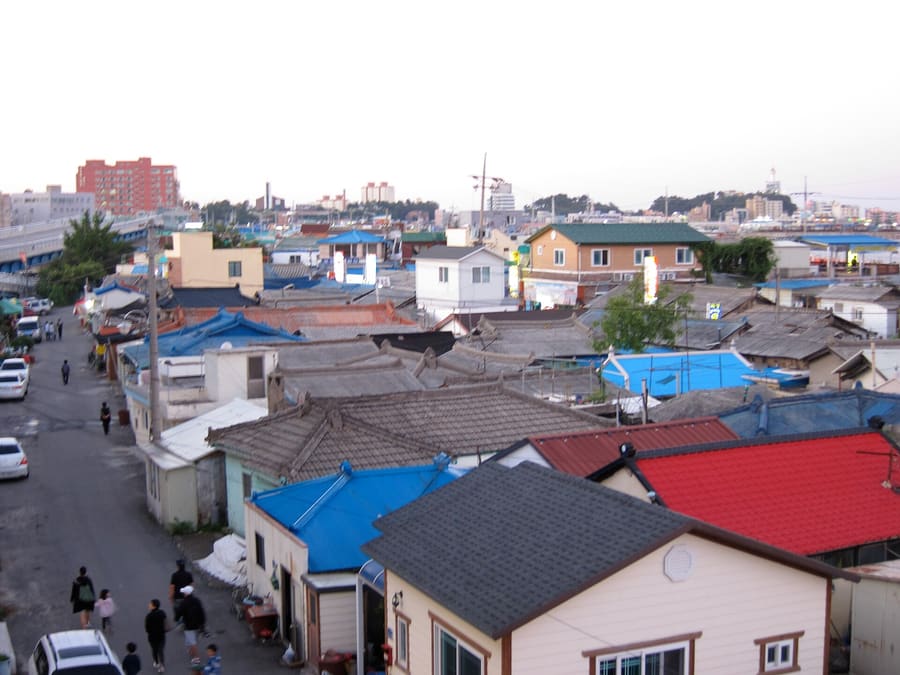
landmark
Settlement founded by North Korean refugees during the Korean War. Cross the narrow channel on the hand-pulled Gaetbae wooden ferry.
Perguntar ao Parley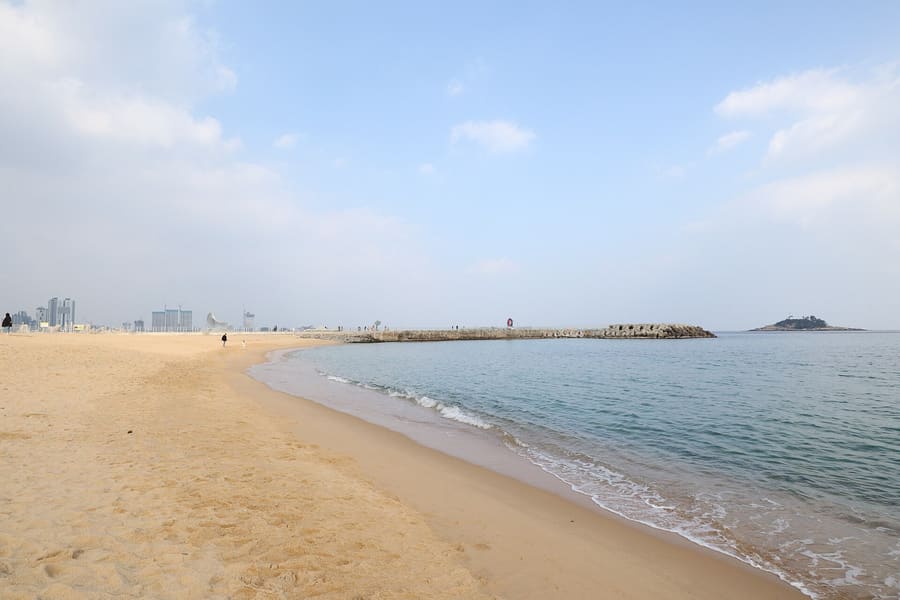
landmark
Wide sandy beach lined with pine trees and clear East Sea water. Pine forests shield the sand from the main road traffic.
Perguntar ao Parleyattractions
areas
Quiet sandy spit with low-rise alleys, squid sundae restaurants, and sea breeze.
PertoGaetbae ferry pier and Sokcho Beach
Perguntar ao ParleyDensely packed commercial hub centred on the traditional covered market and fishing piers.
PertoAbai Village ferry and central intercity terminal
Perguntar ao ParleyModern seaside neighborhood filled with high-rise hotels, cafes, and sandy shoreline.
PertoSokcho Beach and Cheongchoho Lake
Perguntar ao ParleyInland valley district dominated by hot spring resorts at the base of Seoraksan.
PertoSeoraksan National Park entry gate
Perguntar ao Parleyfood
Sokcho cuisine reflects its fishing harbor heritage and North Korean refugee roots. Local menus focus heavily on raw fish soup, squid sausages, and chilled buckwheat noodles. You order dakgangjeong by the whole box, meant to stay crispy even after cooling.
Dakgangjeong sold in sturdy cardboard carryout boxes across Sokcho Market.
hyun chun kim · CC0Cold raw fish soup served over crushed ice with chili broth. Local spots near Yeonggeumjeong add sea urchin in early summer.
Stalls in Sokcho Market fry chicken continuously. Buy your box early in the day to skip forty-minute weekend queues.
history
Sokcho grew from a quiet fishing village into a major city due to twentieth-century geopolitics. After August 1945, the 38th parallel division placed the region under Northern control until the Korean War. The Korean War shifted the border north in the eastern sector, leaving North Korean refugees trapped in what became South Korean territory.
Divided coast
Sokcho falls north of the 38th parallel under Soviet military administration.
Armistice line shift
The Korean War armistice places Sokcho inside South Korea, trapping refugees south.
National Park designation
Seoraksan becomes South Korea's fifth national park, launching Sokcho's tourism economy.
International Tourism Expo
Cheongchoho Lake undergoes massive urban development to host the Gangwon International Expo.
where to stay
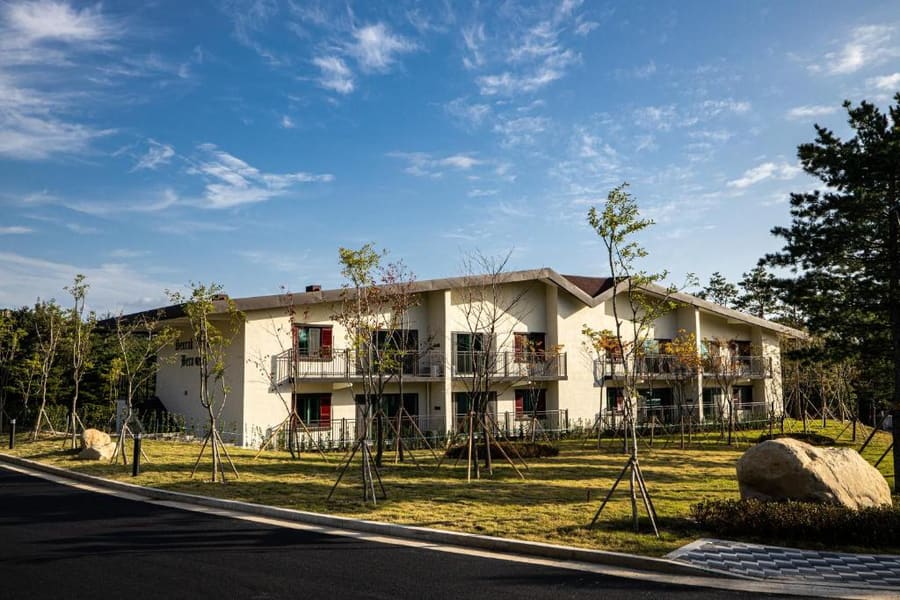
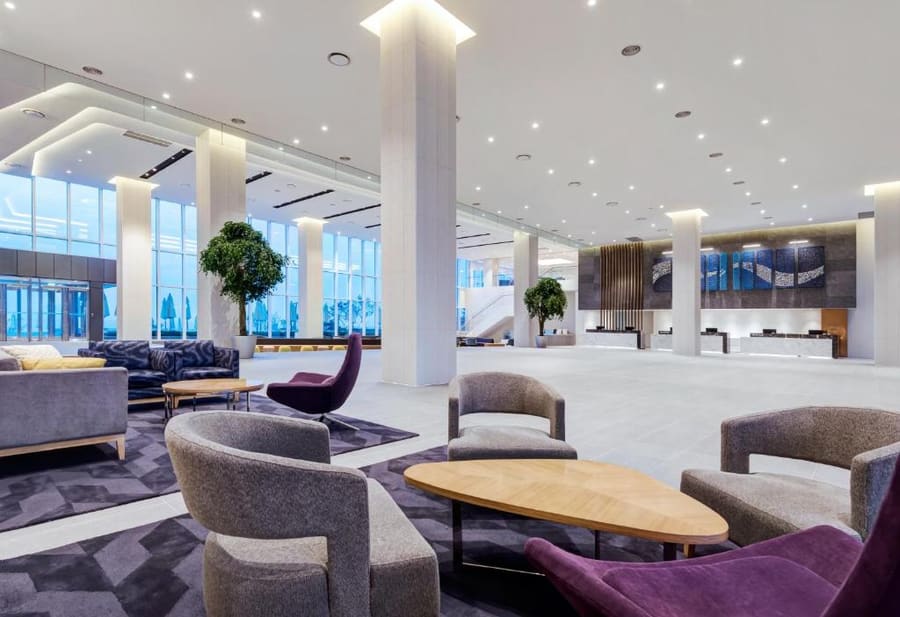
Choose your base by your morning plans. Stay in Joyang-dong if you want sunrise ocean views and sandy steps. Choose Nohak-dong if your primary goal is hiking Seoraksan before park gates fill.
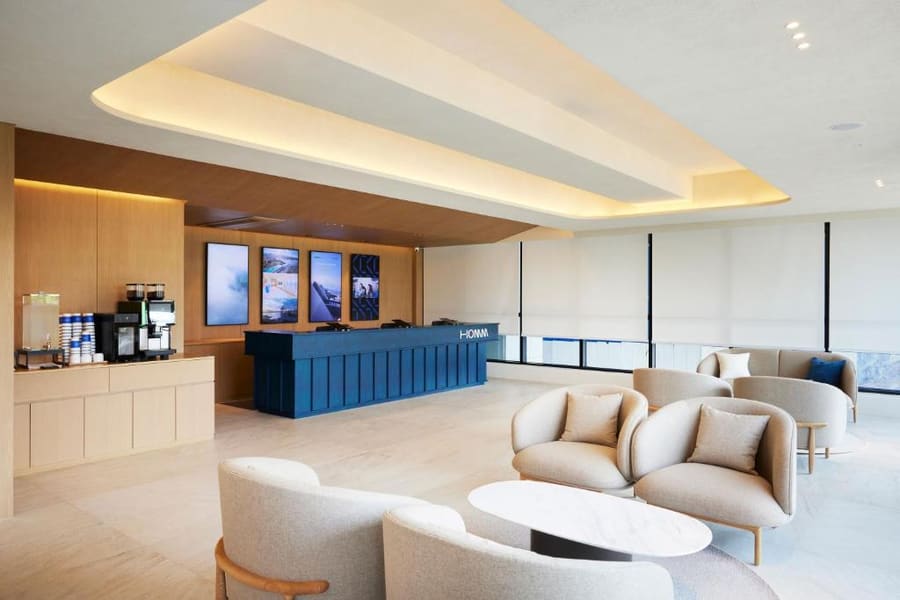
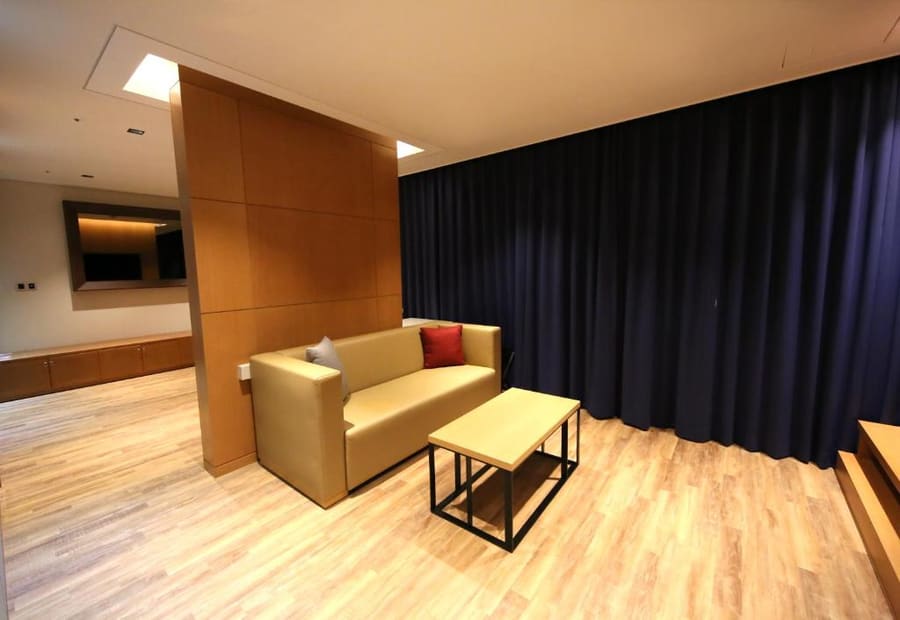
Live rates, matched to the areas above.
/ee9d6ce7ef10.jpg)
transport
Sokcho has no passenger rail line. Express and intercity buses from Seoul drop you at either the Express Bus Terminal in Joyang-dong or the Intercity Bus Terminal in Jungang-dong. Local buses and taxis cover all urban points easily.
Sokcho lacks train service until the new high-speed rail line opens. Buses from Seoul are your main option.
Standard Korean transit cards work on all local Sokcho city buses.
Bus 7 runs every fifteen minutes directly to Seoraksan park gate.
cost
Sokcho is moderately priced compared to Seoul. High-season summer weekends drive hotel rates up significantly, but food and local transit remain cheap year-round.
Cash only for the quick hand-pulled harbor crossing to Abai Village.
Generous box of sweet crispy chicken feeds two to three people easily.
Round-trip ticket to Gwongeumseong Fortress peak.
seasonality
MAR – MAY
Crisp air and spring blossoms on Seoraksan. Ideal weather for mountain hiking without heat.
JUN – AUG
Peak beach season with warm waters. Expect crowded streets and expensive hotel rooms.
SEP – NOV
Autumn foliage peaks on Seoraksan in mid-October. Book accommodation weeks ahead.
DEC – FEB
Freezing winds and snowy peaks. Quiet town with excellent winter seafood markets.
practicalities
Park gates open at sunrise. Arrive by 07:00 on weekends to secure parking near the entrance.
Sokcho Tourist Market vendor stalls accept major credit cards and transit cards.
Sokcho Beach strictly permits swimming only during official summer operations from July to August.
Bank ATMs inside convenience stores accept international cards for cash withdrawals.
Seoraksan cable car tickets are sold same-day on-site only. Buy yours immediately upon park arrival.