landmark
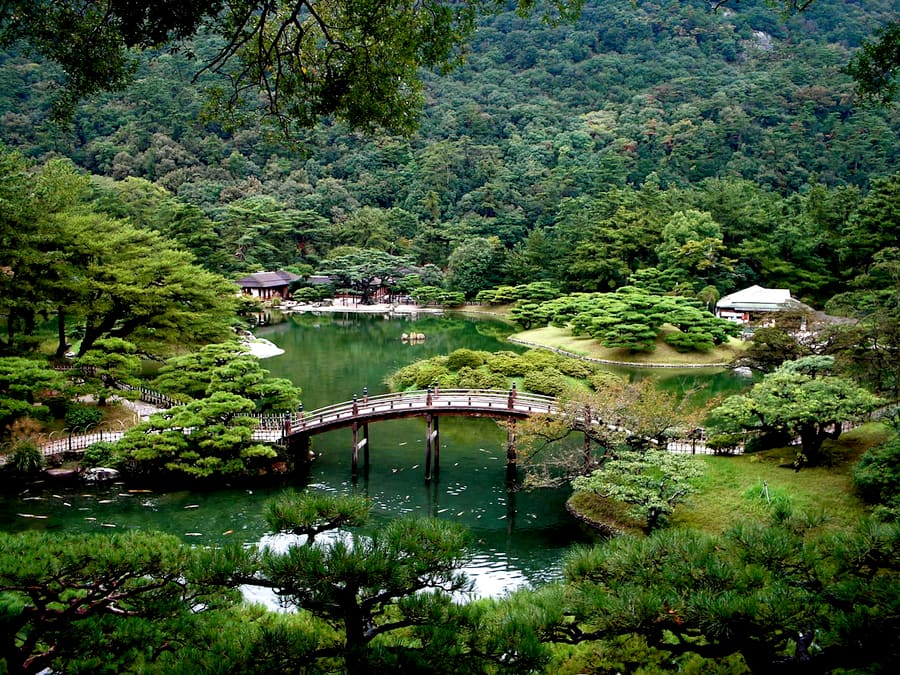
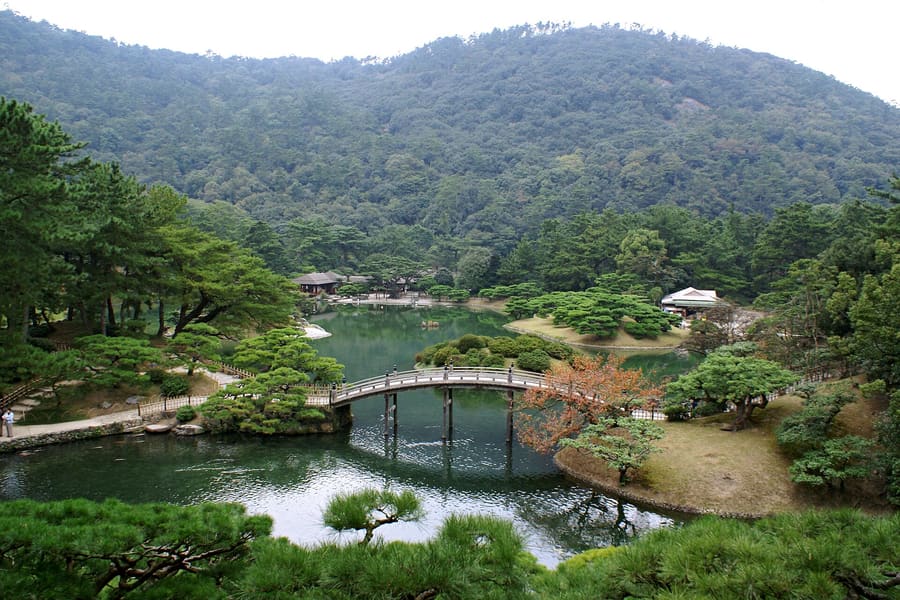
Ritsurin Garden
A 75-hectare feudal garden built over 100 years. Visit before 08:00 to see gardeners sculpting 1,400 pine trees without crowds.
Perguntar ao ParleyJapão
Gateway to Seto Inland Sea art and Japan's udon capital.
introduction
Takamatsu sits on the northern coast of Shikoku, serving as the primary ferry hub for the art islands of the Seto Inland Sea. It is a practical, grid-layout city shaped by Edo-period clan history and modern maritime transit. You navigate it best using the local Kotoden railway and bikes rented directly from the main station. Expect flat terrain, direct salt-water castle moats, and an obsessively serious noodle culture.
Arrival by train
JR Takamatsu Station ends directly at the harbour pier. You can walk from train to ferry in under five minutes.
Landscape distinction
Ritsurin Garden is designated a Special Place of Scenic Beauty, holding the highest national tier of cultural protection.
Island transit strategy
Buy ferry tickets at Sunport pier 20 minutes before departure. High-speed launches sell out faster than car ferries.
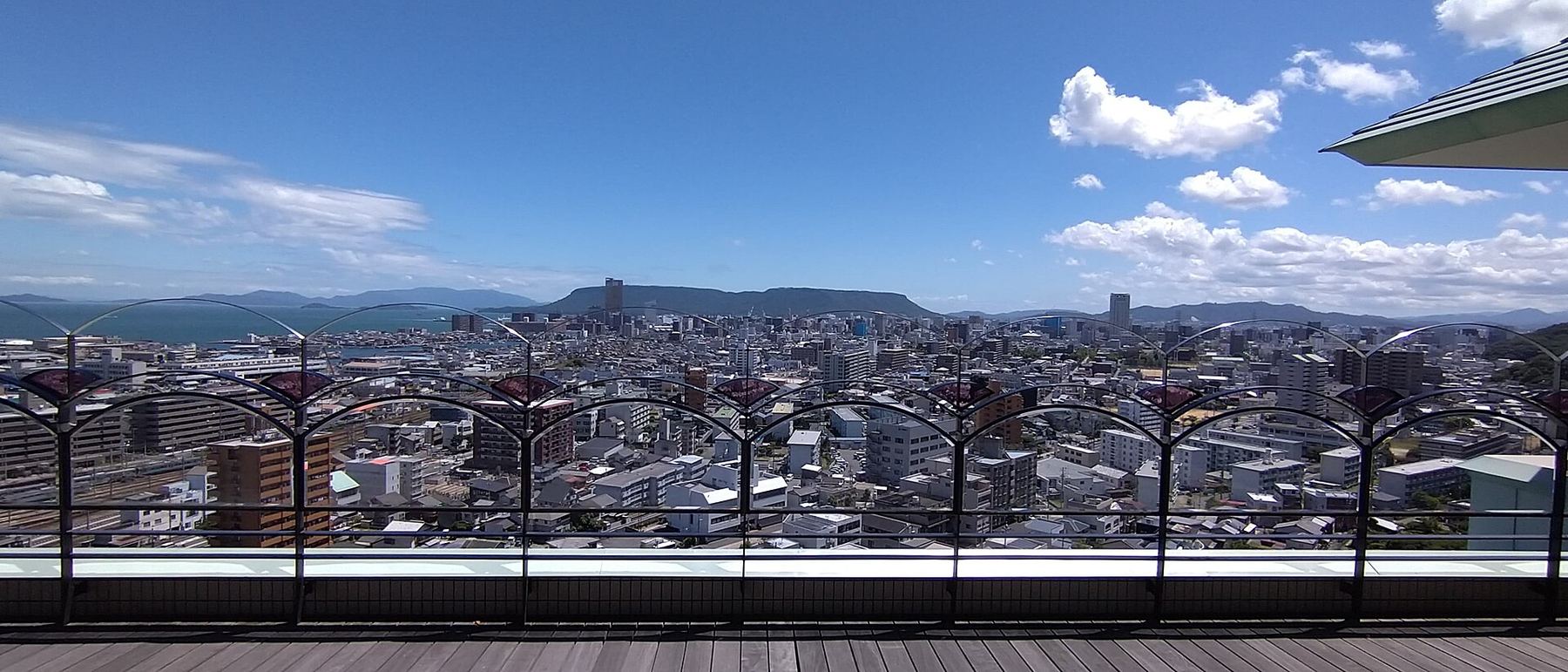
Takamatsu
663highland · CC BY 2.5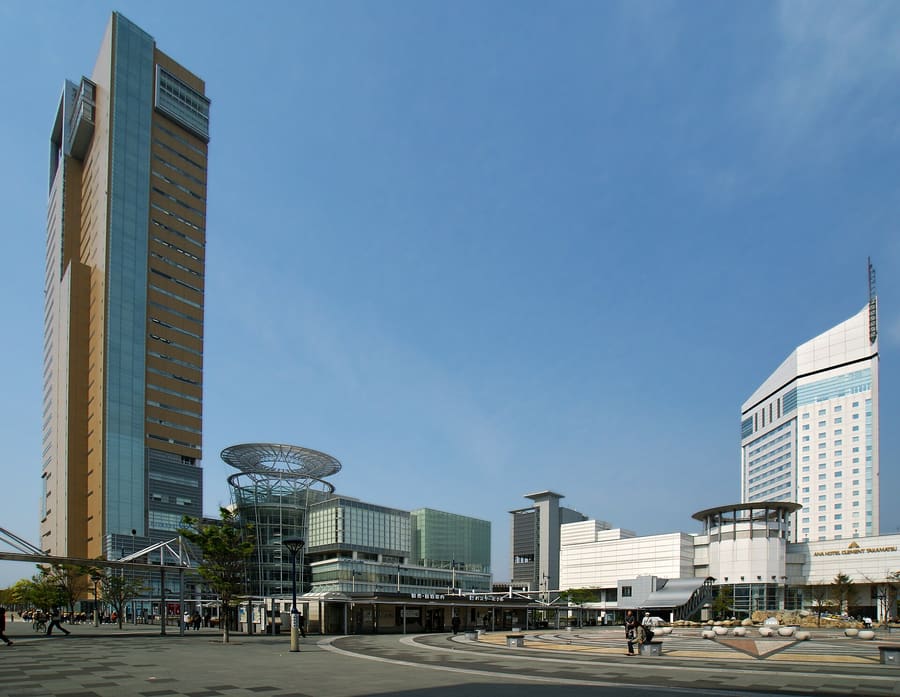
Sunport & Station Area — Wide waterfront plazas, ferry docks, and high-rise transport hubs.
663highland · CC BY-SA 4.0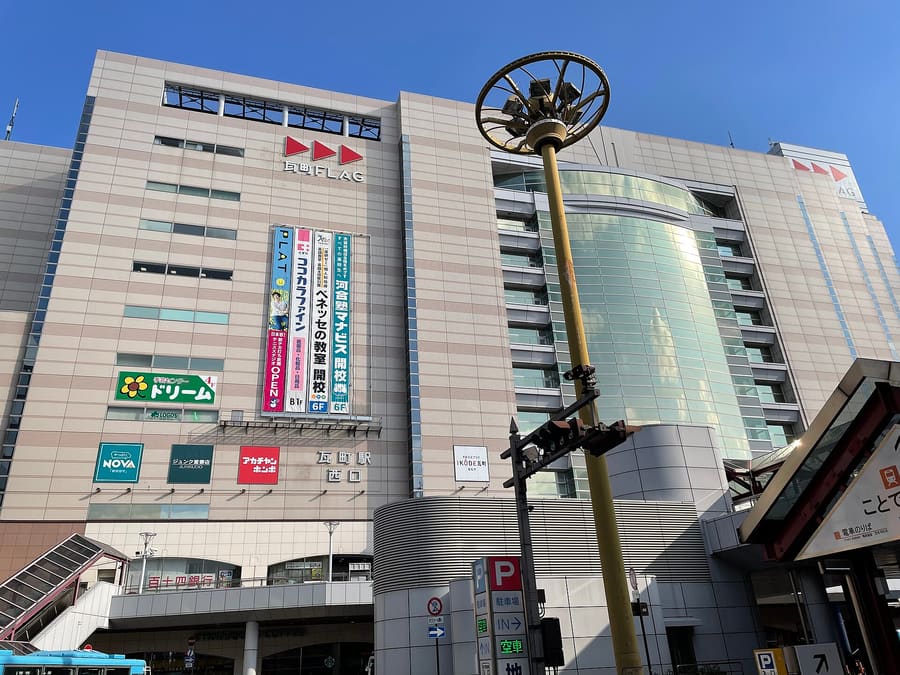
Kawaramachi — The practical downtown transit knot packed with Izakaya and noodle shops.
カンザス · CC BY-SA 4.0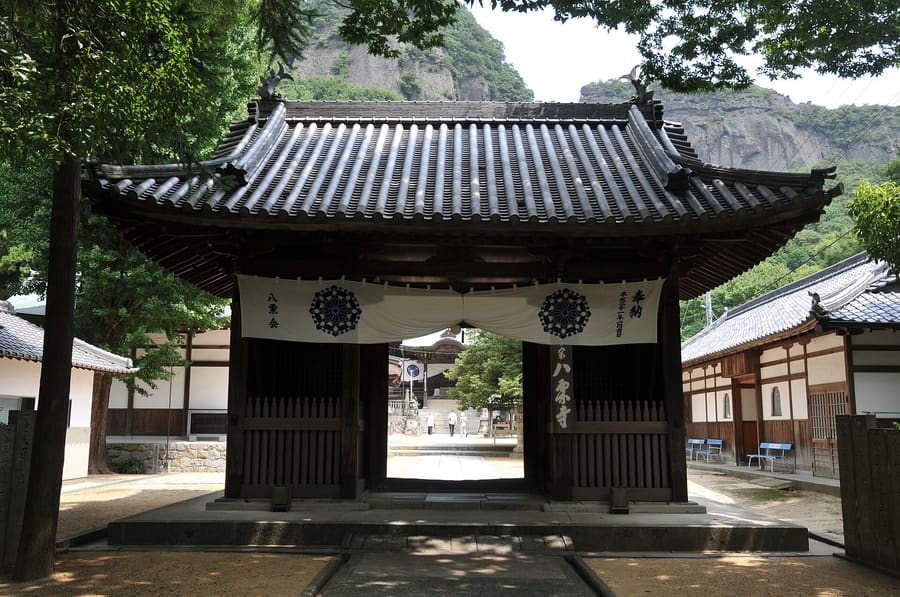
Yashima & Mure — Quiet eastern suburban district defined by granite quarries, stone craft, and coastal cliffs.
Reggaeman · CC BY-SA 3.0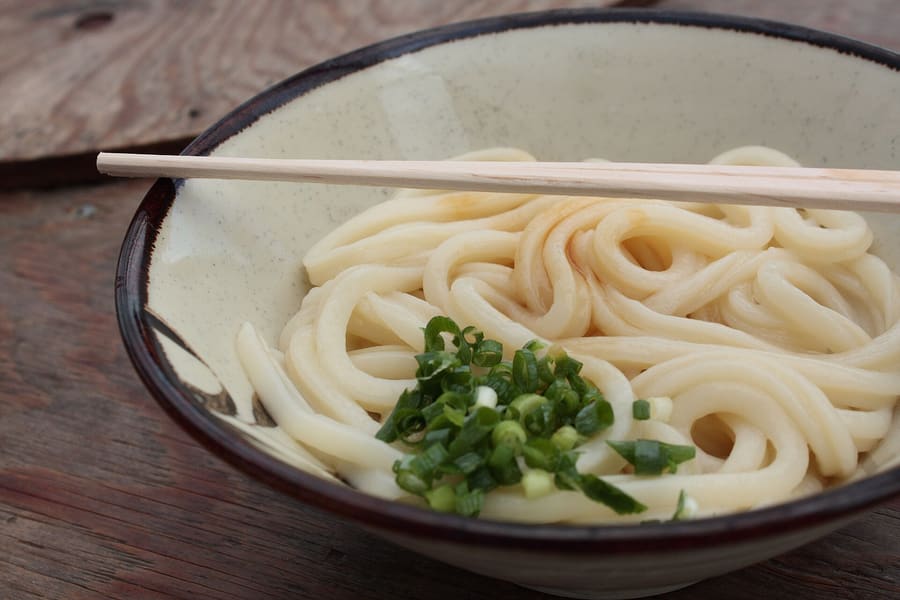
Self-service Sanuki udon served fresh at a neighborhood shop in downtown Takamatsu.
sekido · CC BY 2.0highlights
landmark
A 75-hectare feudal garden built over 100 years. Visit before 08:00 to see gardeners sculpting 1,400 pine trees without crowds.
Perguntar ao Parley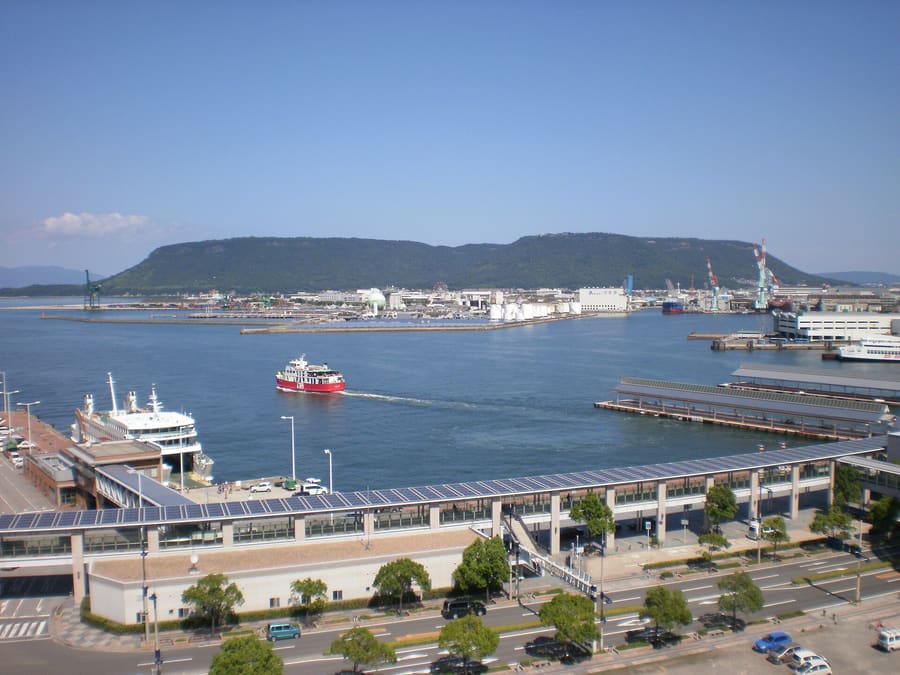
landmark
A flat-topped volcanic mesa overlooking the Seto Inland Sea. Take the Yashima Shuttle bus from Kotoden Yashima Station.
Perguntar ao Parley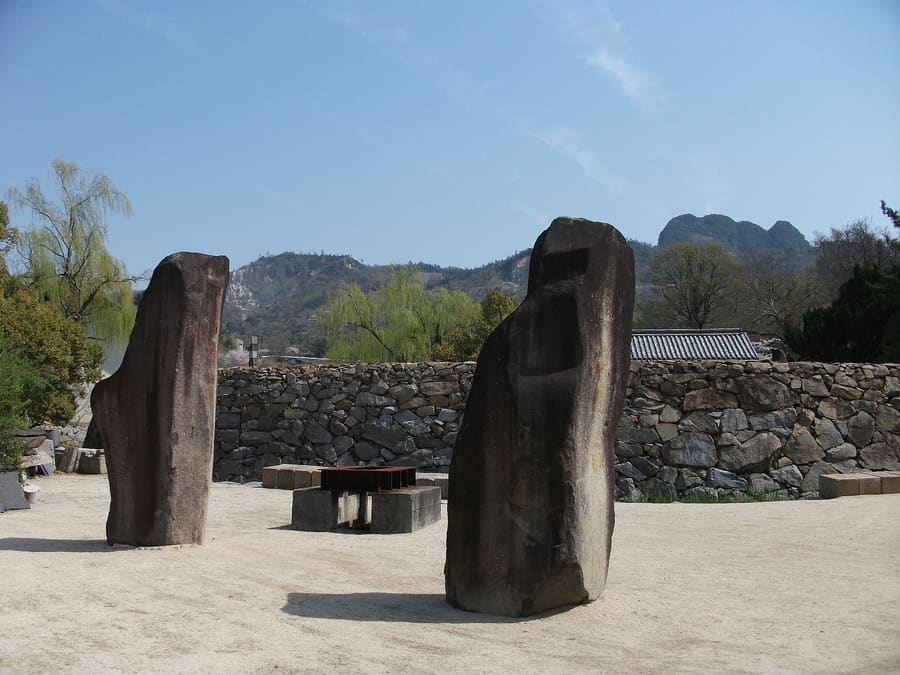
landmark
The sculptor's former studio in Mure holding 150 unfinished works. Advance reservation by mail or online form is mandatory.
Perguntar ao Parley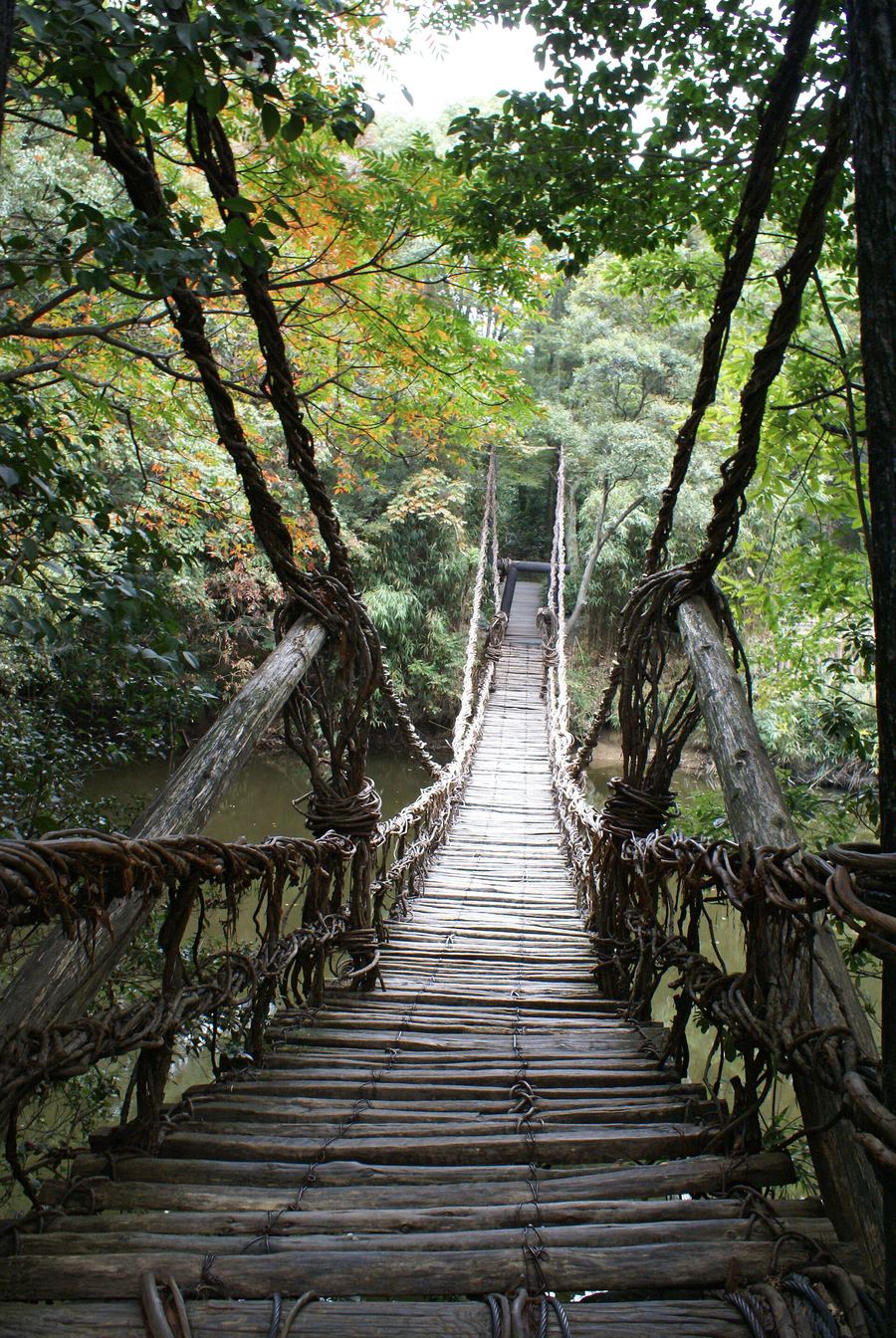
landmark
An open-air museum exhibiting 33 traditional buildings moved from across Shikoku. Wear flat shoes for the steep paved paths.
Perguntar ao Parleyattractions
areas
Wide waterfront plazas, ferry docks, and high-rise transport hubs.
PertoTakamatsu Port and Tamamo Park.
Perguntar ao ParleyThe practical downtown transit knot packed with Izakaya and noodle shops.
PertoKotoden Kawaramachi Station and Lion Dori alley.
Perguntar ao ParleyQuiet eastern suburban district defined by granite quarries, stone craft, and coastal cliffs.
PertoIsamu Noguchi Museum and Shikoku Mura.
Perguntar ao Parleyfood
Takamatsu is the undisputed heart of Sanuki udon culture. Over 500 shops operate across Kagawa prefecture, serving thick wheat noodles with a distinct firm chew. Local etiquette favors self-service (*serufu*) shops: you choose your noodle serving size, blanch the noodles in hot water yourself, pick fried toppings, and pour broth from table containers. The local companion dish is *Honetsukidori*—spiced roasted chicken legs served on the bone with garlic and pork lard.
Self-service Sanuki udon served fresh at a neighborhood shop in downtown Takamatsu.
sekido · CC BY 2.0Traditional udon shops open as early as 06:00 and close by 14:00 or as soon as fresh noodle dough runs out.
Neighborhood self-service noodle shops almost exclusively take cash. Keep 100-yen coins ready at the counter.
history
Takamatsu grew as a castle town under the Ikoma clan in 1588 before passing to the Matsudaira branch of the Tokugawa shogunate. Its position along the Seto Inland Sea made it a critical maritime defense and commerce port. Air raids damaged much of the historic timber quarter in 1945, driving a modern urban rebuild focused around wide arcades, port terminals, and preserved Edo-era garden grounds.
Castle Construction
Ikoma Chikamasa begins construction of Takamatsu Castle using seawater for its moat defense system.
Matsudaira Rule
Matsudaira Yorishige takes control, establishing Takamatsu domain as a key loyalist stronghold.
Meiji Restoration
Feudal domain status ends; Takamatsu Castle falls out of military use and becomes Tamamo Park.
Seto Ohashi Opening
The Great Seto Bridge opens, connecting Kagawa to Honshu by rail and road for the first time.
Setouchi Triennale Launch
The first Setouchi Triennale turns Takamatsu Port into the global springboard for Seto island art.
where to stay
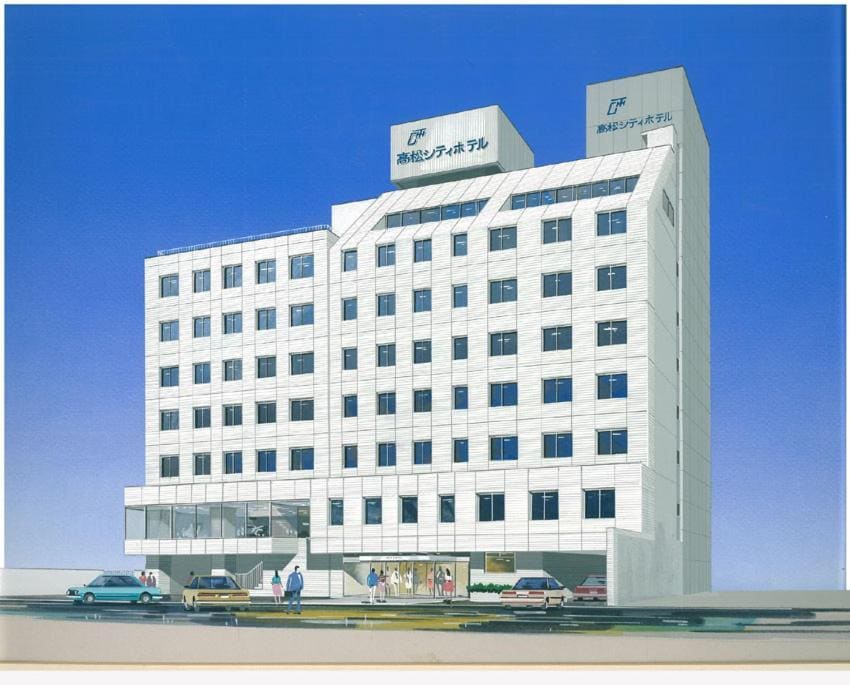
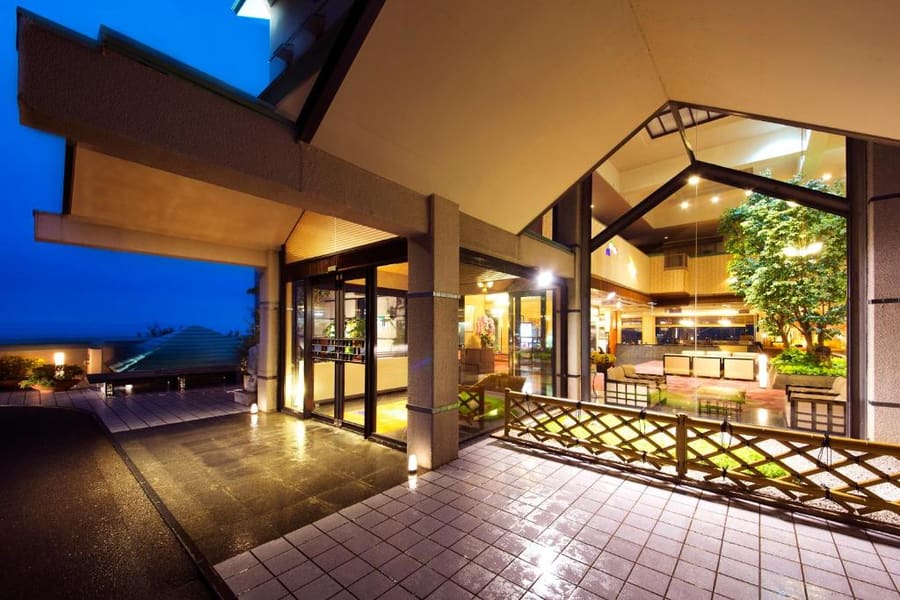
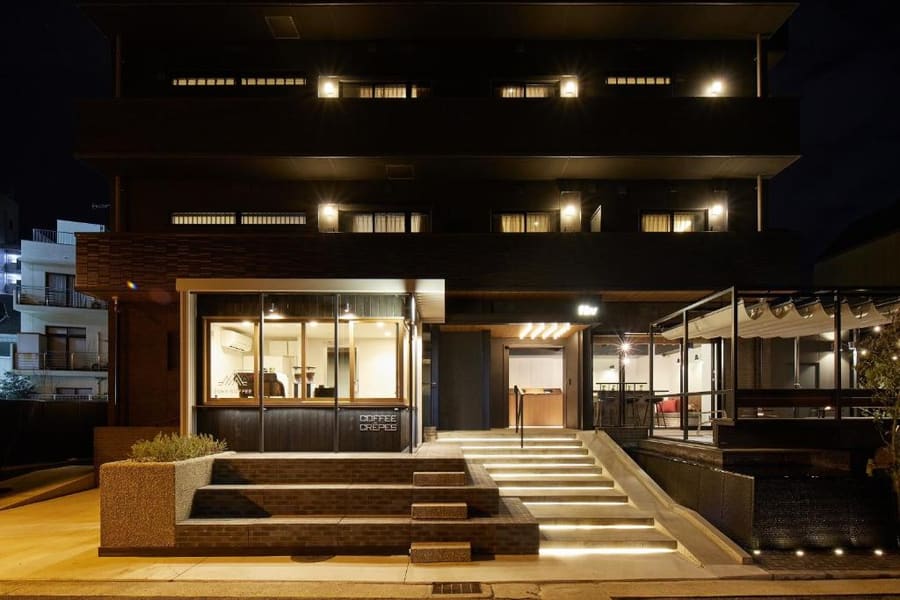
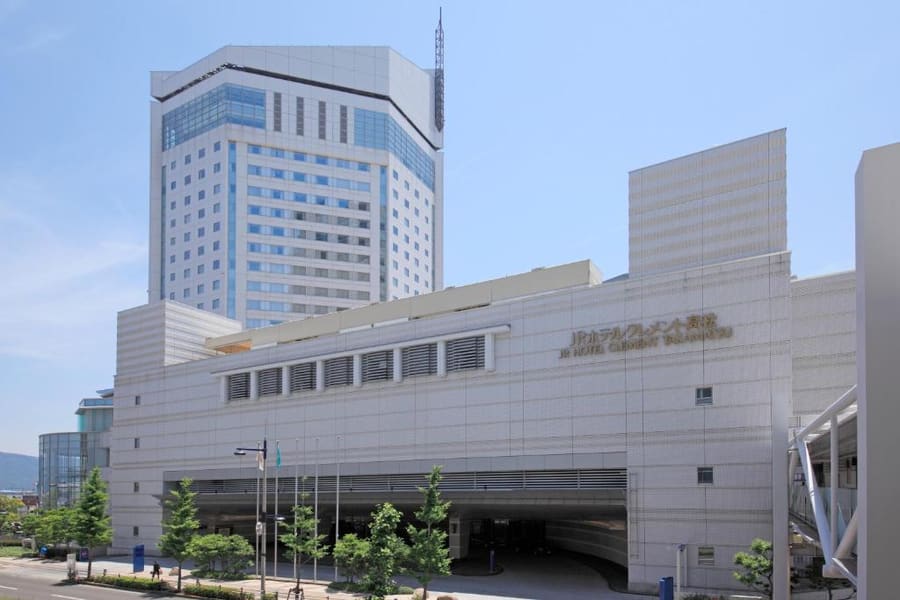
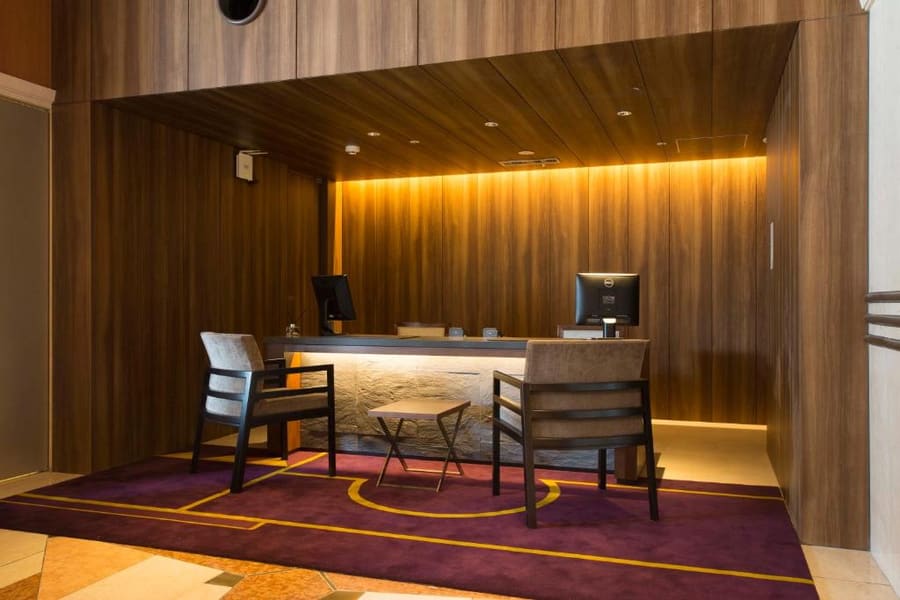
Choose your location based on morning travel targets. If taking early ferries to Naoshima or Teshima, sleep near Takamatsu Station or Sunport. If you prioritize late dining and izakaya access, book around Kawaramachi Station.
Live rates, matched to the areas above.
transport
Takamatsu is exceptionally flat and navigable. The private Kotoden railway network connects key downtown nodes and outer sights like Ritsurin Garden and Kotohira. For inner city trips, the Takamatsu City Rental Bicycle system provides automated bike share from underground hubs.
De Takamatsu Airport (TAK)
Buses depart outside arrival hall directly after domestic flight arrivals, stopping at Kawaramachi and Takamatsu Station.
Available at the airport curb; fixed rates are rarely offered so metered fares apply.
Kotoden operates its own IruCa card, but major national IC cards (ICOCA, Suica, Pasmo) are accepted at all gates.
Register at Takamatsu Station underground bike port with ID for ¥200 per 24 hours of unlimited city cycling.
Boarding for island ferries begins 15 minutes prior to departure. Queues form early during art triennale periods.
Ferry ticket vending machines accept credit cards, but smaller launch operators prefer cash.
cost
Takamatsu offers lower daily expenses than Tokyo or Osaka. Food costs are modest due to cheap udon, though regional transit and island ferry fares require planning.
A basic kake udon bowl starts around ¥300, with tempura sides adding ¥120–200 per piece.
The municipal rental bike scheme offers the best transit rate in Japan.
Adult entry ticket giving access to all 75 hectares of manicured gardens.
One-way adult ticket between Takamatsu Port and Naoshima Island.
seasonality
MAR – MAY
Mild spring weather ideal for garden walking and island hopping. Cherry blossoms peak in late March around Ritsurin Garden.
JUN – AUG
Hot and humid summer with clear skies over Seto Inland Sea. Ferry decks are pleasant, but daytime heat requires hydration.
SEP – NOV
Comfortable temperatures and autumn foliage peak in mid-November. Excellent conditions for cycling the city grid.
DEC – FEB
Crisp, cool days with low rainfall. Island ferry schedules run slightly reduced winter timetables.
practicalities
Stores along Marugamemachi arcade open at 10:00 or 11:00 and close early around 19:00 or 20:00.
While high-rise malls take cards, independent fishmongers and noodle stands require cash.
Outer ferry decks offer zero shade; carry a hat and sunscreen for 50-minute sea crossings.
The last ferries back from Naoshima and Teshima leave before 20:00. Missing the last ferry leaves you stranded.