landmark
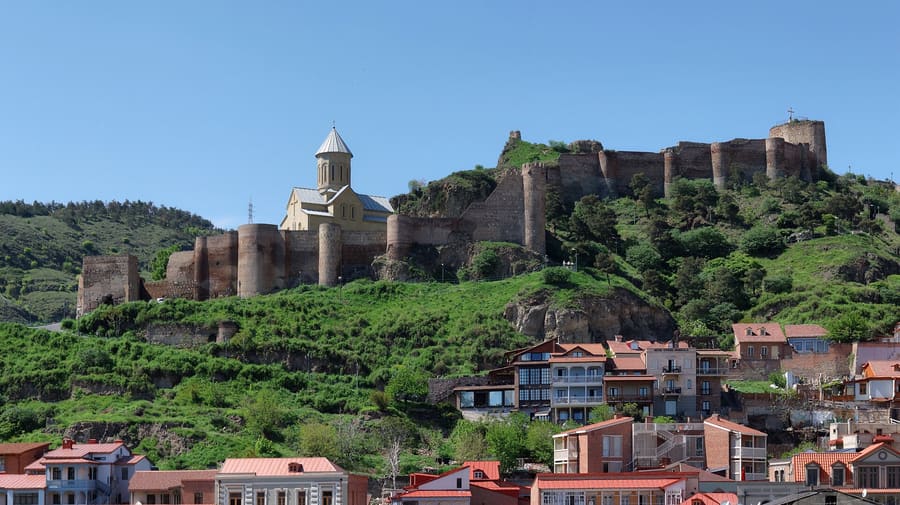
Narikala Fortress
4th-century fortress ruins. Take the cable car from Rike Park to bypass the steep uphill walk.
Perguntar ao ParleyGeórgia
Sulfur baths, brutalist metro lines, and late suppers.
introduction
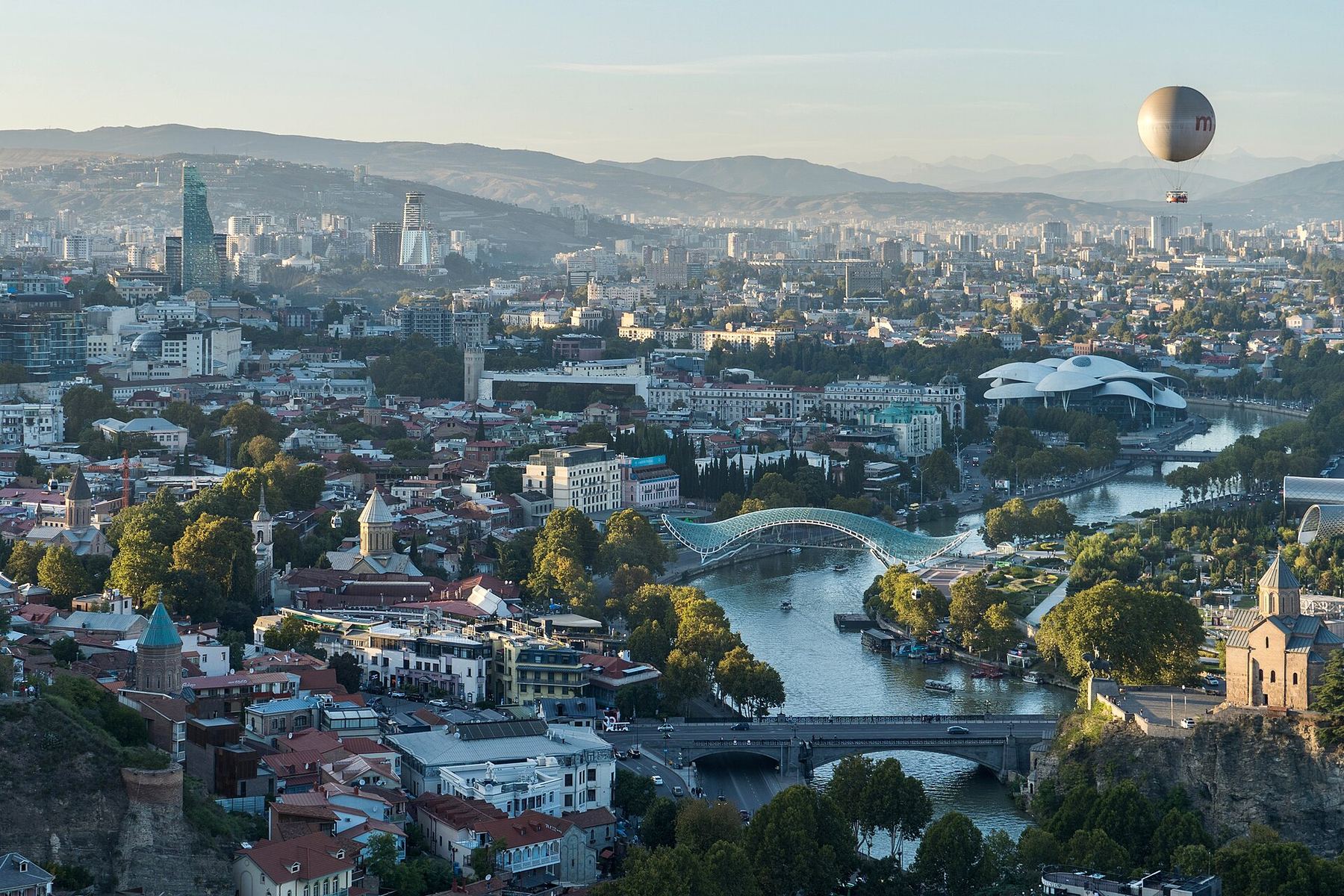
Tbilisi sits inside a narrow valley carved by the Mtkvari river. Steep cliffs constrain the city center, forcing vehicle traffic onto a few main avenues while historic quarters climb the rocks. You move between 19th-century residential courtyards, Soviet brutalism, and natural wine bars. Expect cheap transit, heavy traffic, and dinners that stretch far past midnight.
Airport transfer option
Take municipal bus #337 from outside arrivals for 1 GEL. It reaches Liberty Square in 45 minutes.
Oldest bath quarter
The domed brick bathhouses in Abanotubani have harnessed hot sulfur springs continuously since the 5th century.
Metromoney card
Purchase a Metromoney card for 2 GEL at any metro station. It covers metro rides, municipal buses, and the Rike cable car.
Tbilisi
George Kvizhinadze from Tbilisi, Georgia · CC BY-SA 2.0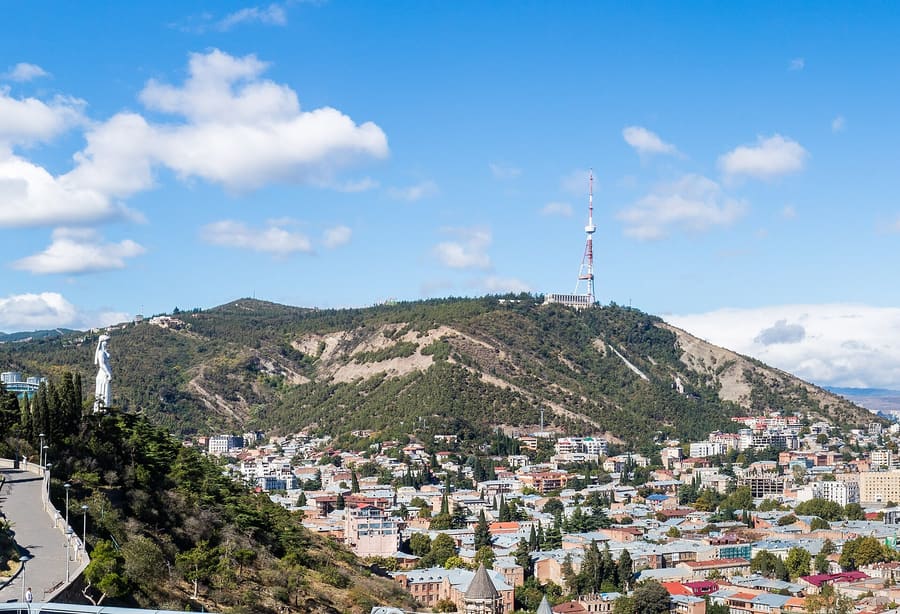
Sololaki — Crumbled 19th-century mansions, courtyard wine spots, steep walking alleys.
Diego Delso · CC BY-SA 4.0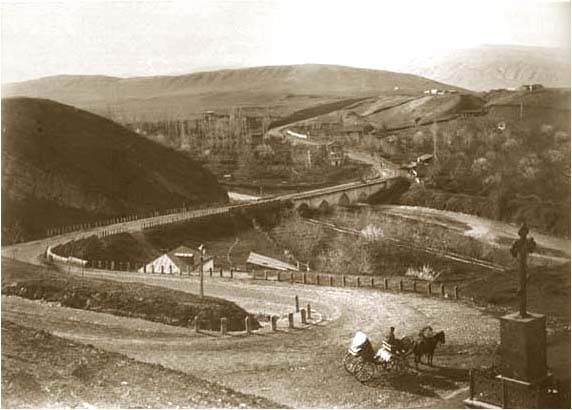
Vera — Quiet residential hill district packed with independent cafes and bakeries.
Alexander Engel · Public domain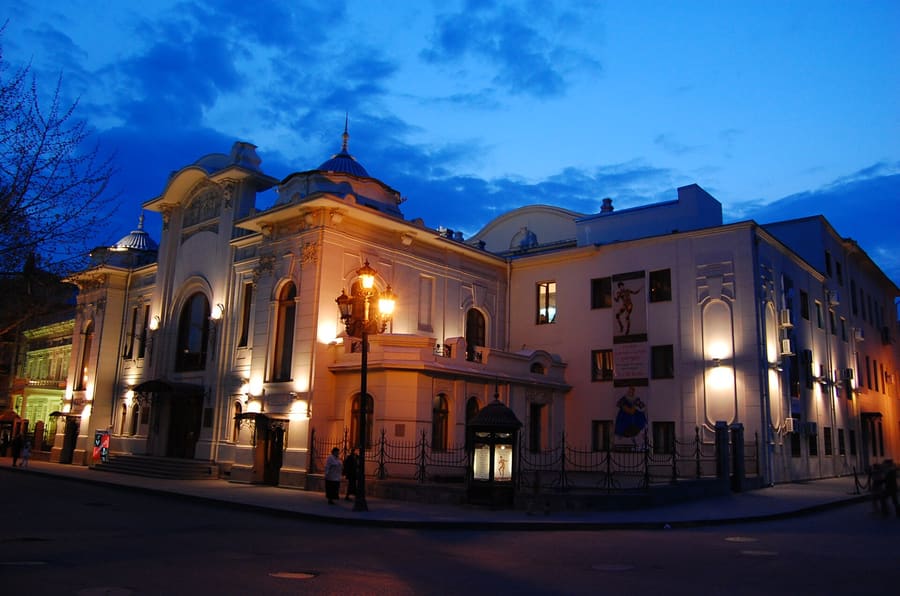
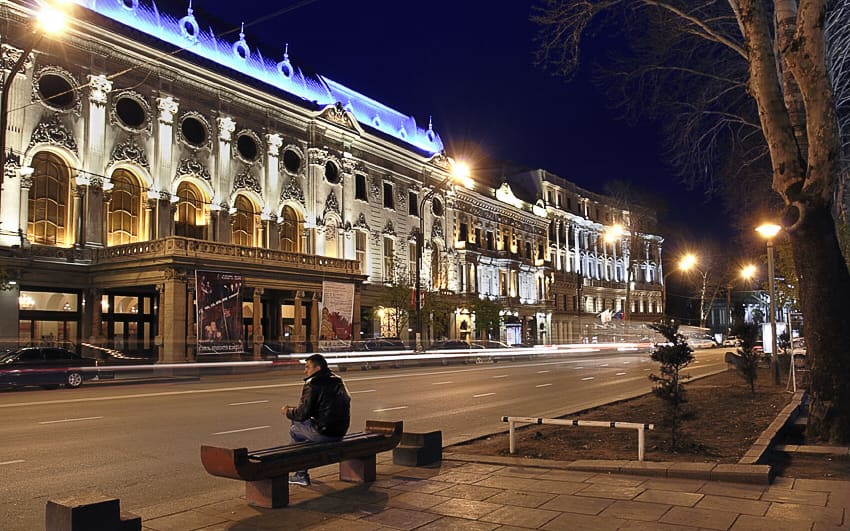
Chugureti — Artisan courtyards, Fabrika creative hub, and 19th-century German architecture.
თეიმურაზ ბლიუმგარდტ · Public domain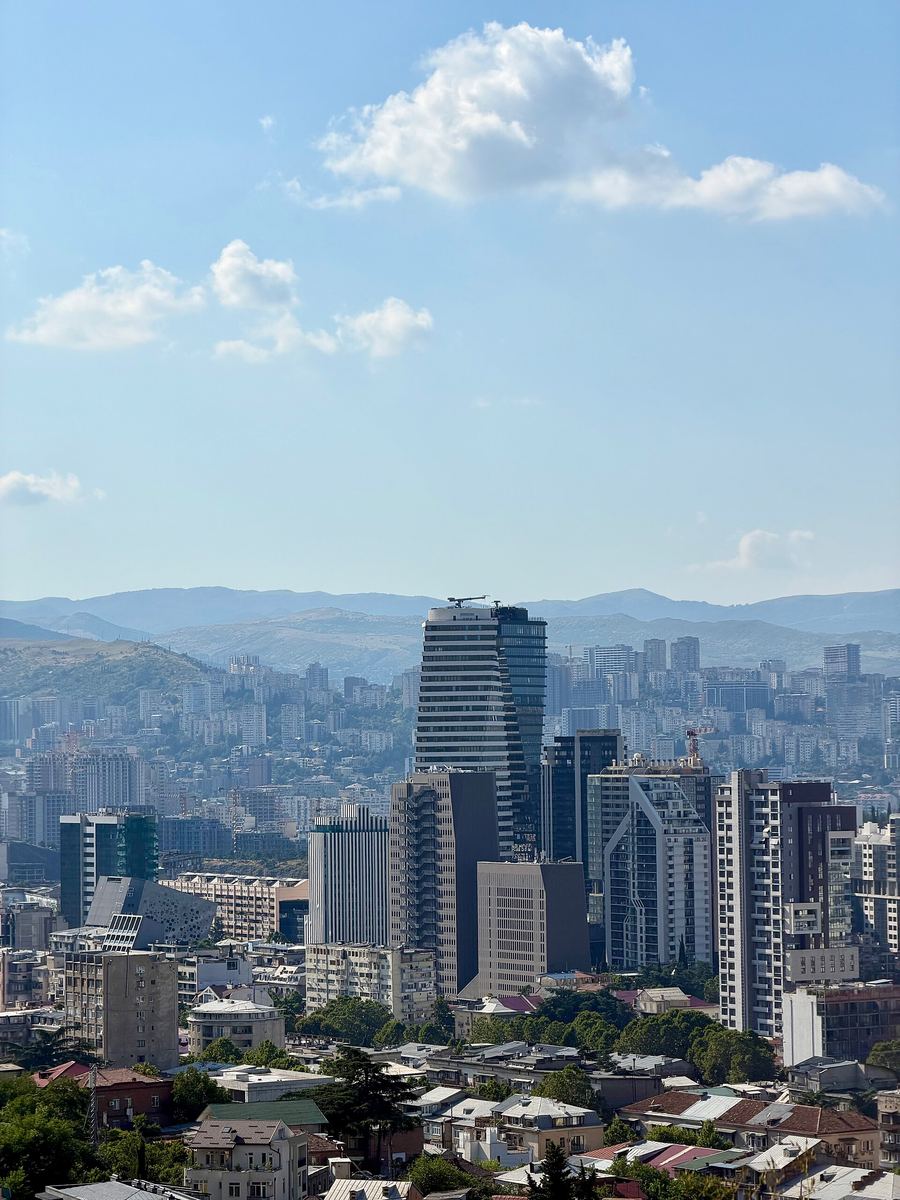
Vake — Upscale residential district with modern restaurants, expat spots, and large parks.
LeontinaVarlamonva · CC BY-SA 4.0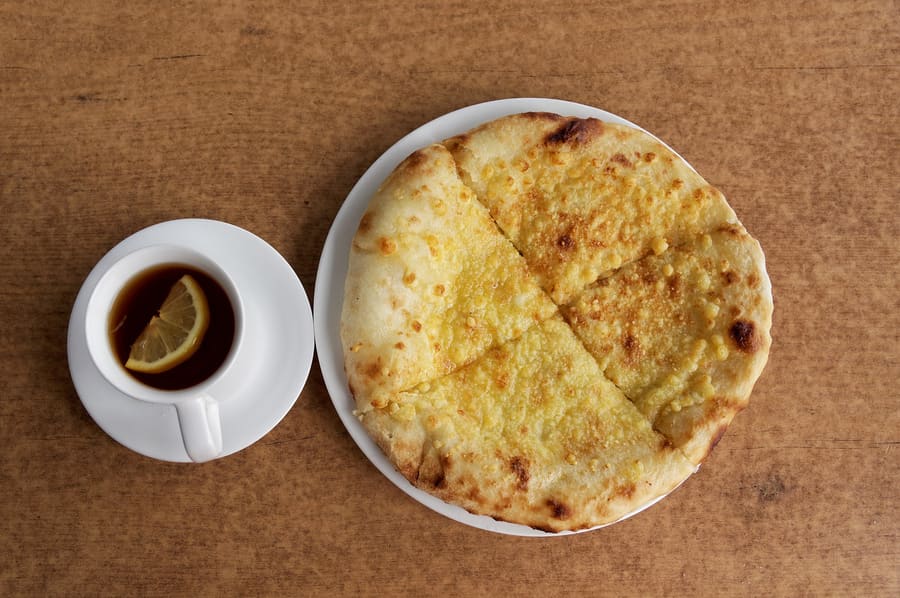
Adjaruli khachapuri served hot with butter and fresh egg yolk.
Vyacheslav Argenberg · CC BY 4.0highlights
landmark
4th-century fortress ruins. Take the cable car from Rike Park to bypass the steep uphill walk.
Perguntar ao Parley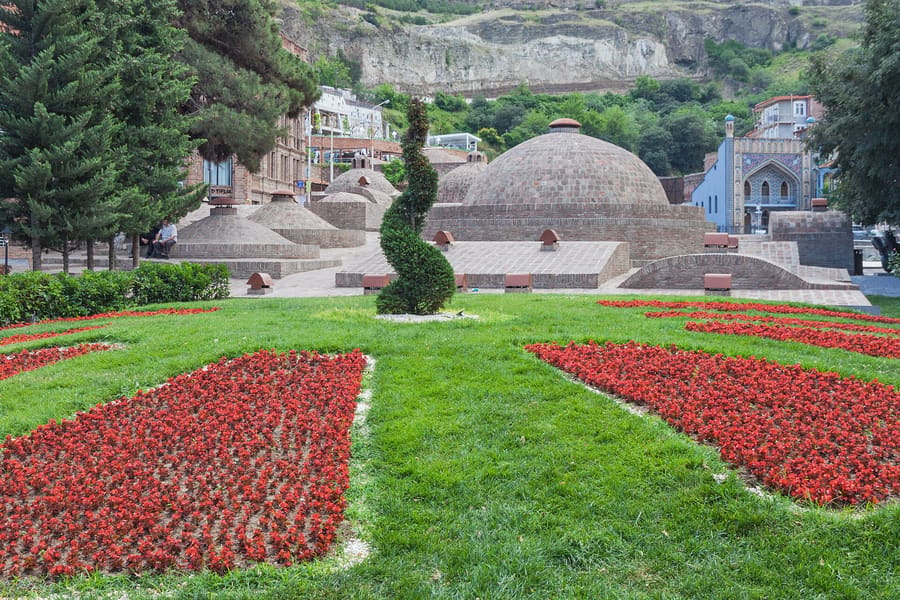
landmark
Subterranean hot spring bathhouses. Reserve a private rooms hours in advance during cold months.
Perguntar ao Parley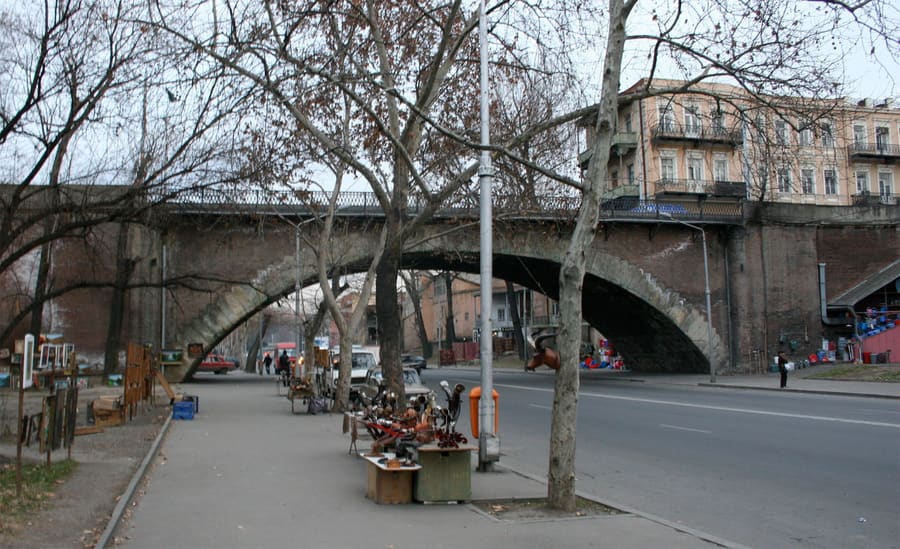
landmark
Sprawling flea market selling Soviet relics and antiques. Vendors set up daily by late morning.
Perguntar ao Parley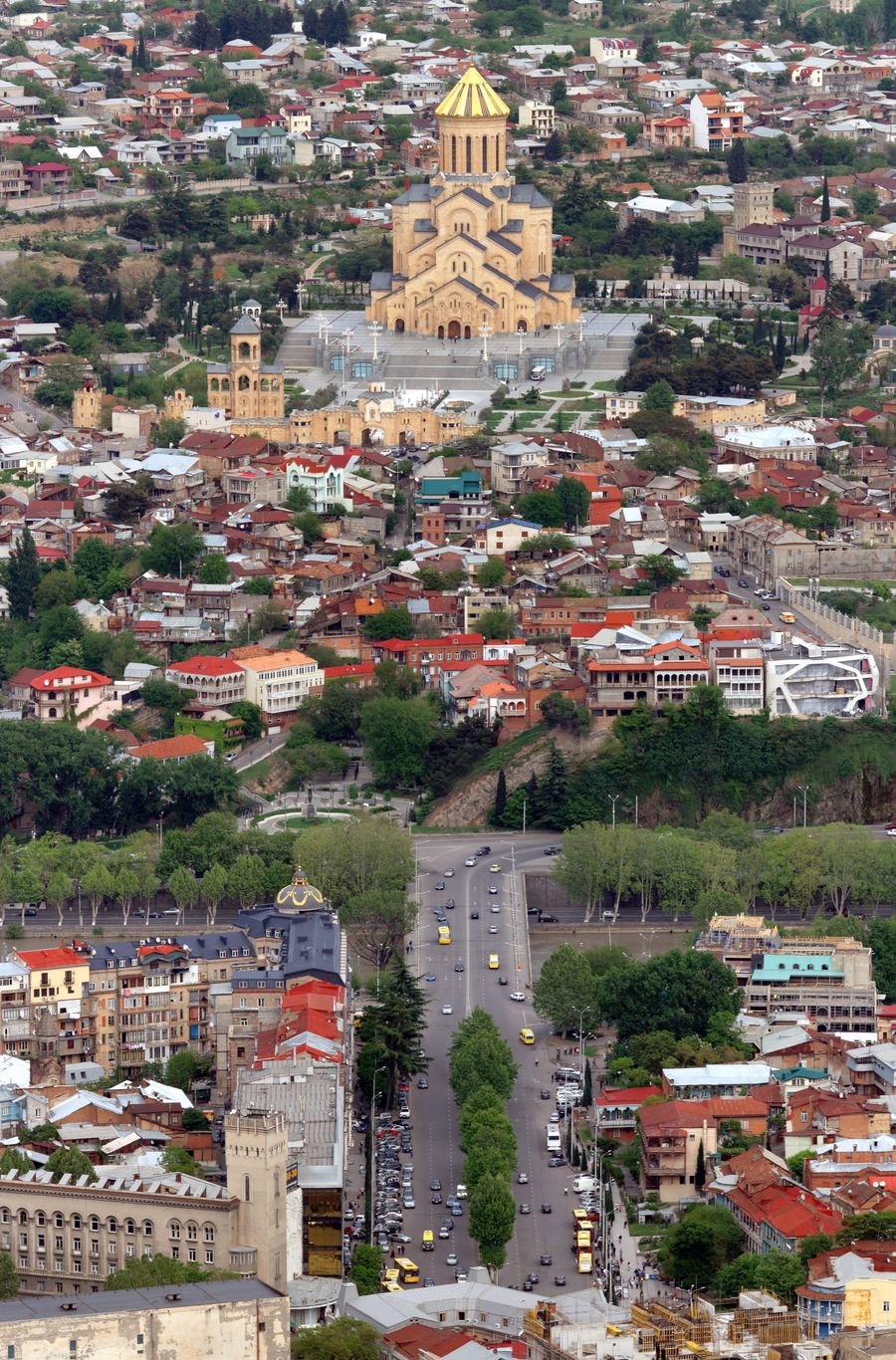
landmark
Massive modern Orthodox cathedral dominating Elia Hill. Dress conservatively to enter.
Perguntar ao Parley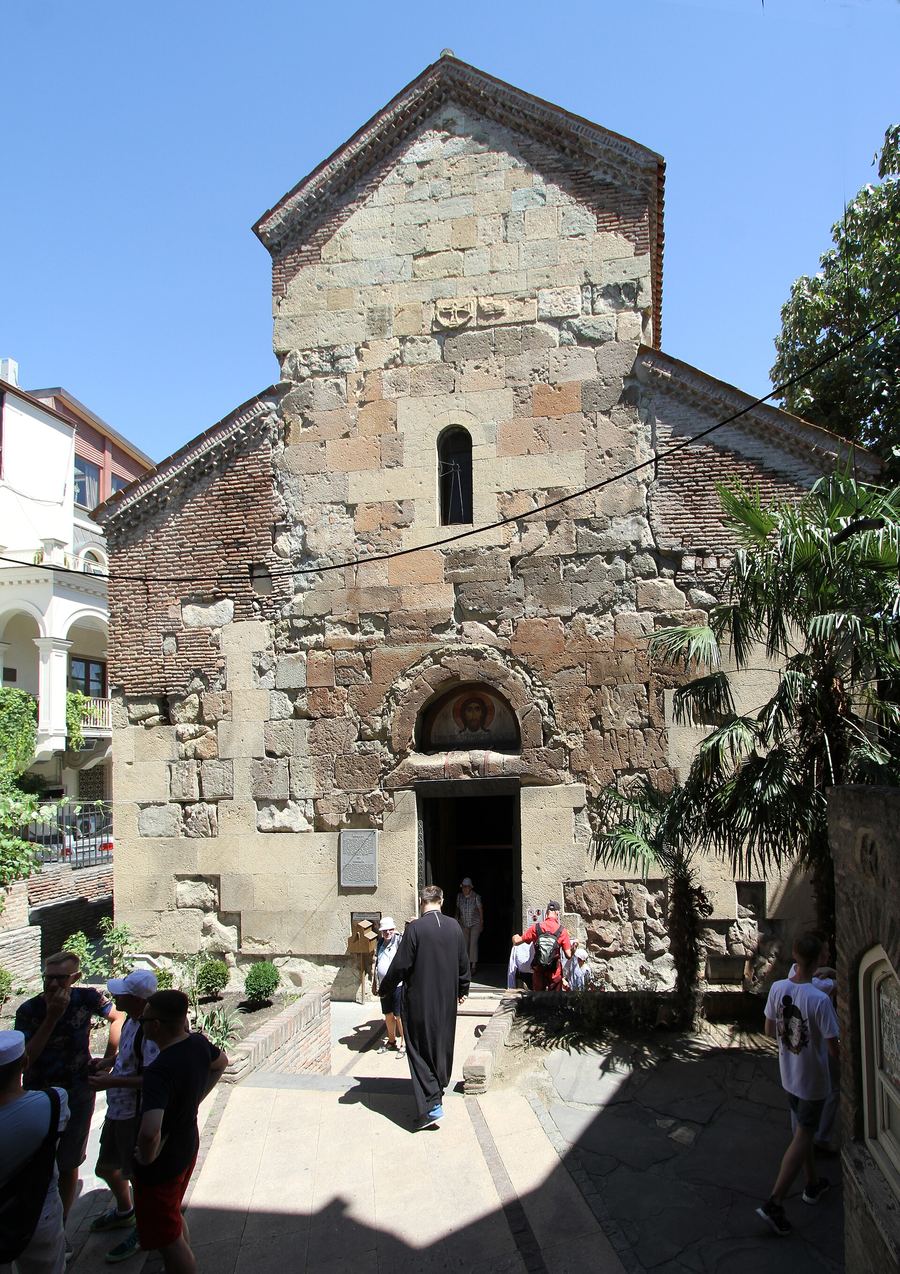
landmark
The city's oldest surviving church, built in the 6th century. Features ancient stone carvings.
Perguntar ao Parleyattractions
areas
Crumbled 19th-century mansions, courtyard wine spots, steep walking alleys.
PertoLiberty Square and Narikala
Perguntar ao ParleyQuiet residential hill district packed with independent cafes and bakeries.
PertoMtatsminda and Rustaveli Avenue
Perguntar ao ParleyArtisan courtyards, Fabrika creative hub, and 19th-century German architecture.
PertoDry Bridge Market and Station Square
Perguntar ao ParleyUpscale residential district with modern restaurants, expat spots, and large parks.
PertoVake Park and Turtle Lake
Perguntar ao Parleyfood
Meals in Tbilisi center on shared dough, fire-roasted meats, and amber wines aged in clay qvevri vessels. You order khinkali (dumplings) by the count, eating them by hand to capture the interior broth. Georgian cuisine uses walnut paste, garlic, and wild herbs across vegetable and meat dishes alike. Natural wine dominates local lists, fermented without commercial yeast.
Adjaruli khachapuri served hot with butter and fresh egg yolk.
Vyacheslav Argenberg · CC BY 4.0Eat khinkali with your fingers. Hold the thick top knot, bite a small hole, sip the hot broth, and leave the dough knob on the plate.
Order amber wine made in traditional underground clay pots. Try white grape varieties like Rkatsiteli or orange-style Kisi.
Tbilisi dines late. Most popular restaurants fill up after 20:00 and keep tables active well past midnight.
history
Tbilisi was founded at hot springs along Silk Road trade routes. Its location in a valley corridor made it a target for rival empires over fifteen centuries.
City Founded
King Vakhtang Gorgasali discovers sulfur springs and moves his capital from Mtskheta to Tbilisi.
Persian Sack
Agha Mohammad Khan destroys much of the city, forcing rebuilding efforts under subsequent rule.
Russian Annexation
Georgia enters the Russian Empire, leading to European-style grid construction along Rustaveli Avenue.
Post-Soviet Era
Independence brings severe power shortages and civil turmoil before modern economic restructuring.
where to stay
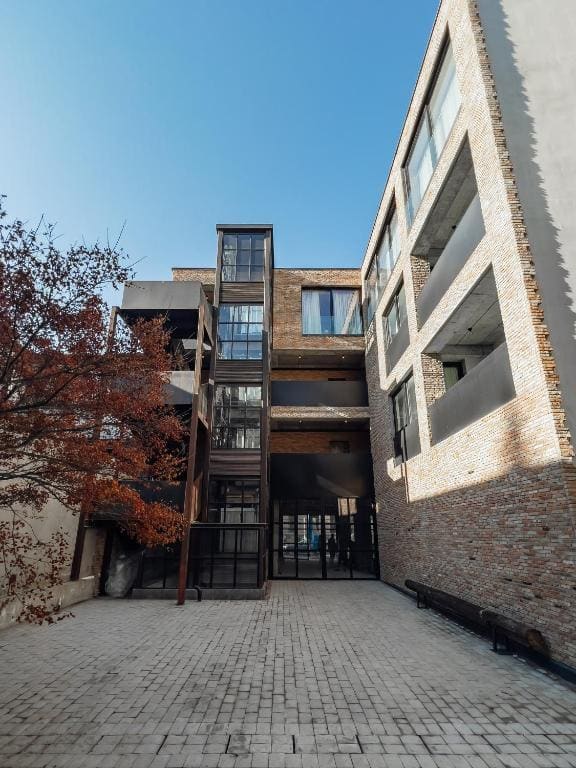
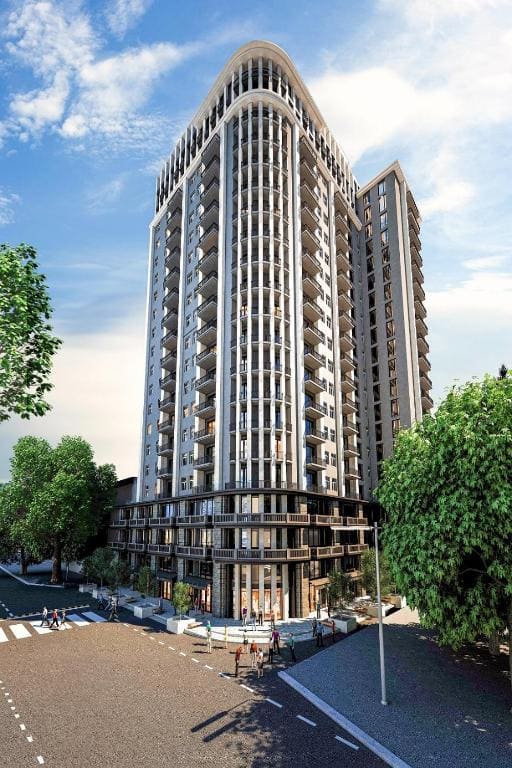
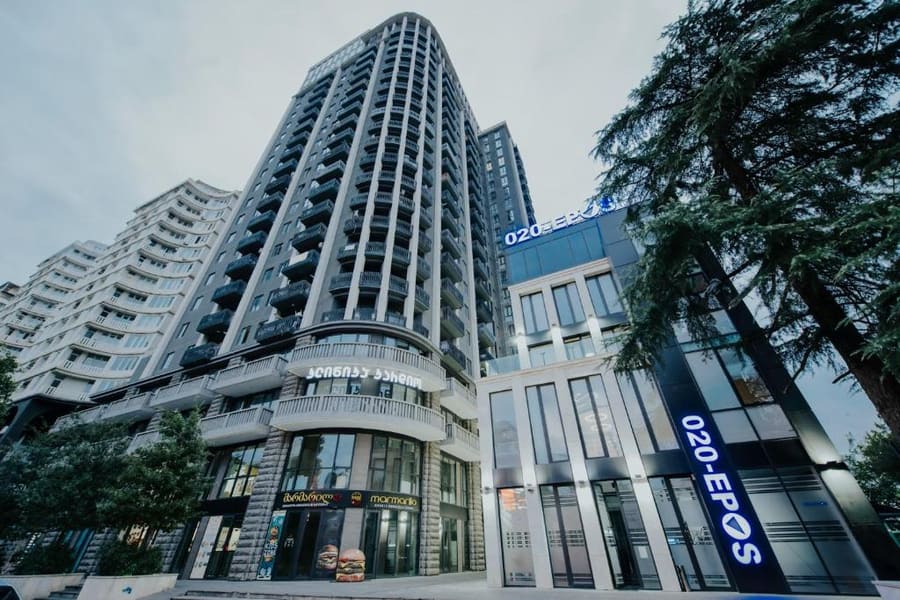
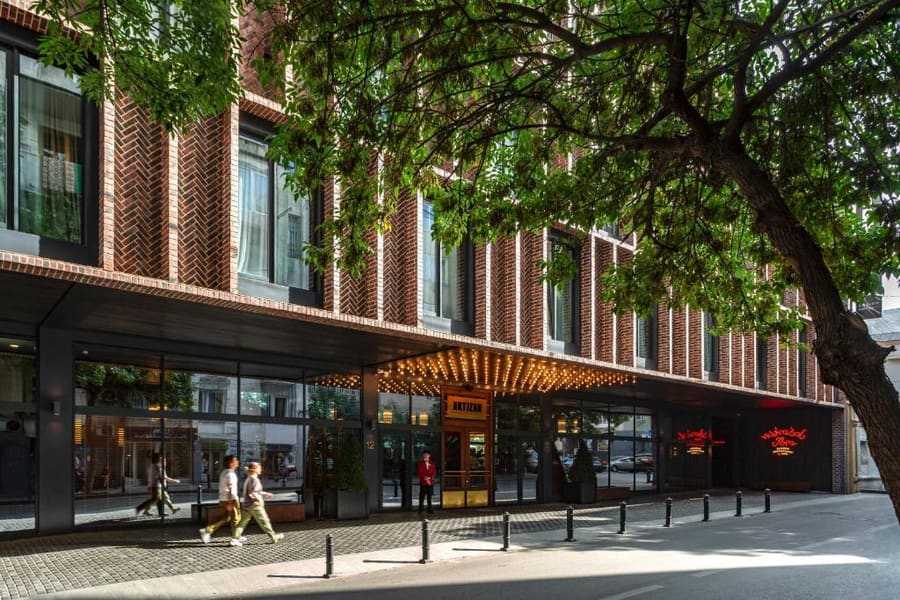
Choose your stay by street topography and transit access. Older riverfront districts require hill climbing, while central avenues offer flat walking.
Live rates, matched to the areas above.
transport
Tbilisi operates a simple two-line metro system backed by municipal buses and minivans. Traffic congestion freezes central arteries during peak morning and evening hours.
De Tbilisi International Airport (TBS)
Bus #337 runs directly between airport arrivals and Liberty Square every 15-20 minutes.
Book via Bolt app inside the terminal to lock price before entering the car.
Official airport taxis cost more than app rides. Negotiate before opening doors.
The metro avoids central gridlock entirely. Deep Soviet escalators access tracks quickly along the central river corridor.
Use the Bolt app instead of flagging street cabs. Drivers rarely use meters and street pricing varies widely.
Avoid road transport across the Mtkvari bridges between 17:30 and 19:30 on weekdays.
cost
Tbilisi remains affordable compared to Western European cities, though high-end natural wine bars charge international rates.
Most traditional taverns mandate a minimum order of five dumplings per filling type.
Pours of artisanal qvevri amber wine in central wine bars.
Flat rate covering one ride with free transfers within 90 minutes on a Metromoney card.
Rates vary by bathhouse tier and size of the private vault room.
seasonality
MAR – MAY
Mild temperatures and spring flowers across the hillsides. Warm day walks with comfortable evening air.
JUN – AUG
Sultry summer heat traps air in the valley. Locals escape to hill country on summer weekends.
SEP – NOV
Ideal autumn conditions coincide with grape harvest season (Rtveli) in nearby wine regions.
DEC – FEB
Cold winters bring sparse crowds and lower hotel rates, making thermal sulfur baths popular.
practicalities
Georgian uses its own unique 33-letter alphabet (Mkhedruli). Transit signs include English, but offline translation apps help.
Shops and cafes open late. Do not expect coffee shops or breakfast spots to operate before 09:00 or 10:00.
Cards are accepted almost everywhere in central districts. Keep cash for vendors at the Dry Bridge Market.
Bring sturdy walking shoes with firm grip. Cobblestones in older quarters are slippery and uneven.
Women must cover their heads and knees to enter Orthodox churches. Men must wear long trousers.