landmark
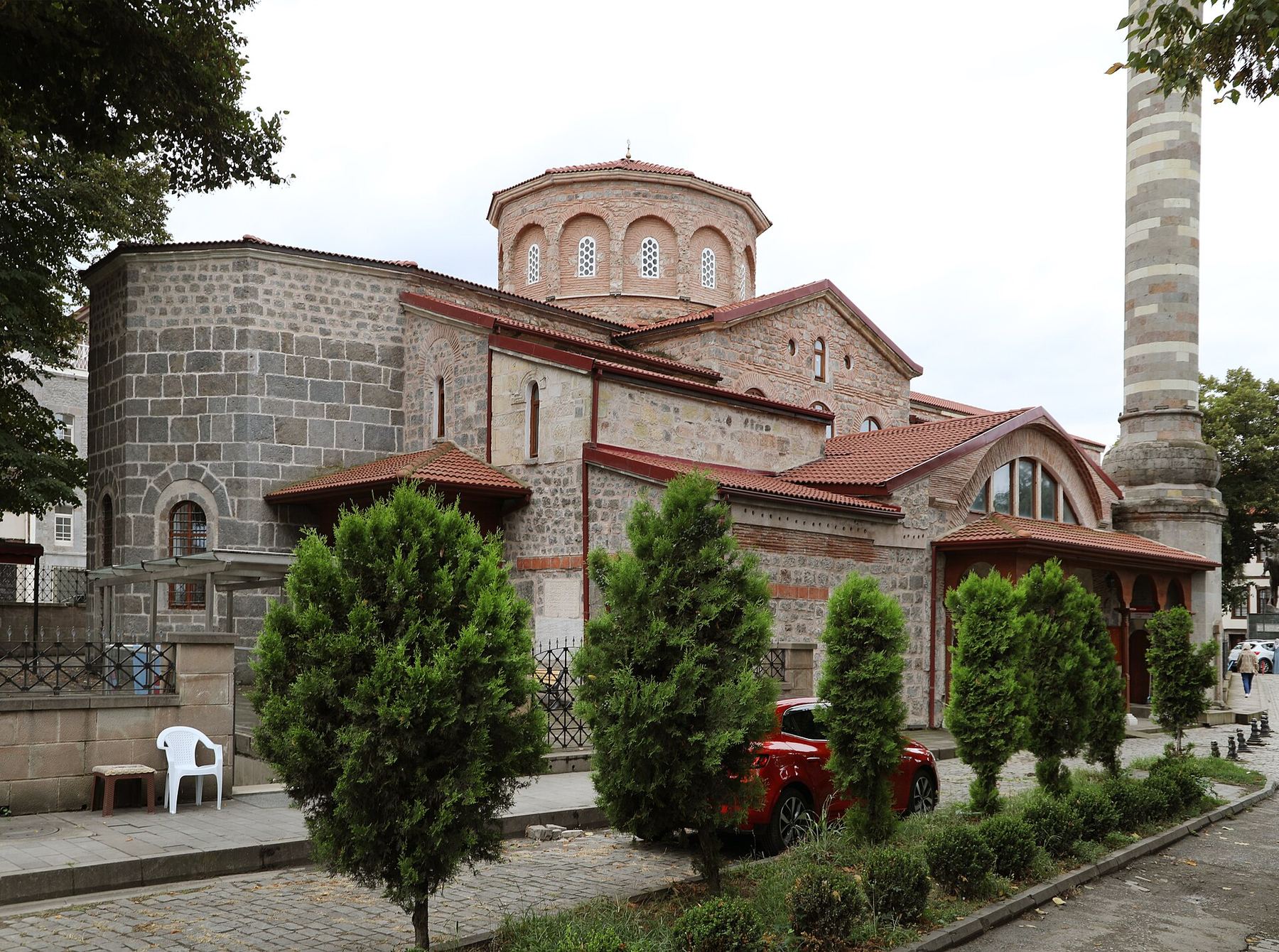
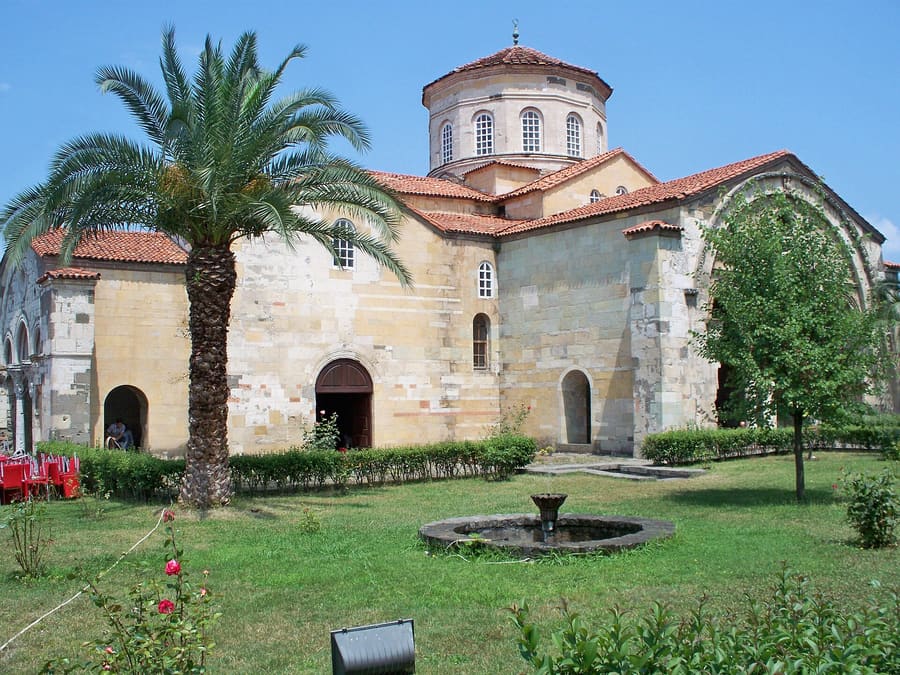
Trabzon Hagia Sophia
Thirteenth-century Byzantine church with fine stone reliefs and ceiling frescoes. Located two kilometres west of central Meydan.
Perguntar ao ParleyTurquia
Black Sea trade port backed by tea slopes and Byzantine stone.
introduction
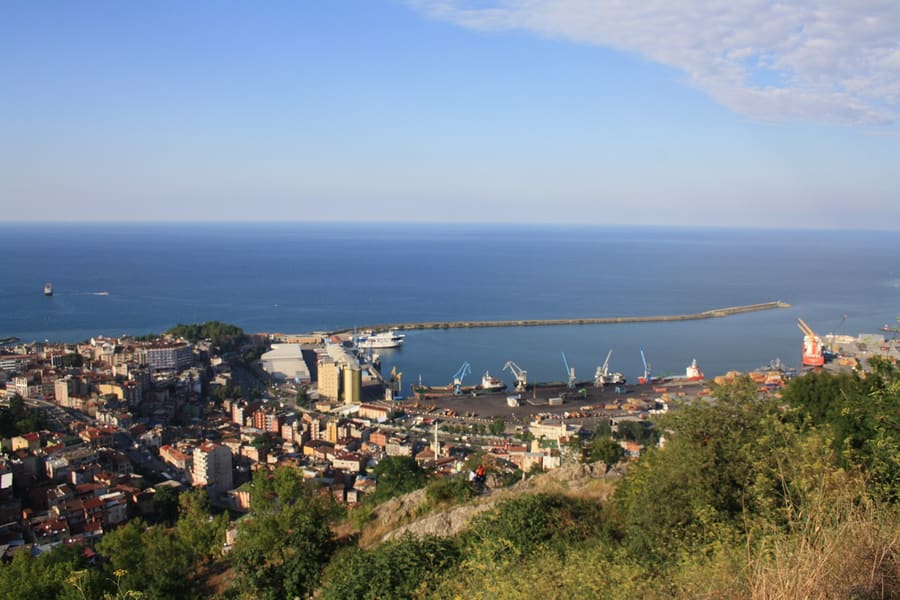
Trabzon stretches along a narrow strip between the Black Sea and the Pontic Mountains. You navigate the city by steep dolmuş routes running uphill from the coast to the cliffside ridge. Rain falls often, keeping the hillside tea fields green year-round. Expect sharp sea winds, heavy butter in your food, and Ottoman-era stone lanes.
Sumela Monastery
Sumela Monastery sits on a cliff face in Altındere National Park. It holds UNESCO tentative listing status.
Mountain weather strategy
Pack waterproof shell coats year-round. Coastal sun often turns into mountain fog above Maçka by mid-afternoon.
Trabzon
Tarih · CC BY-SA 4.0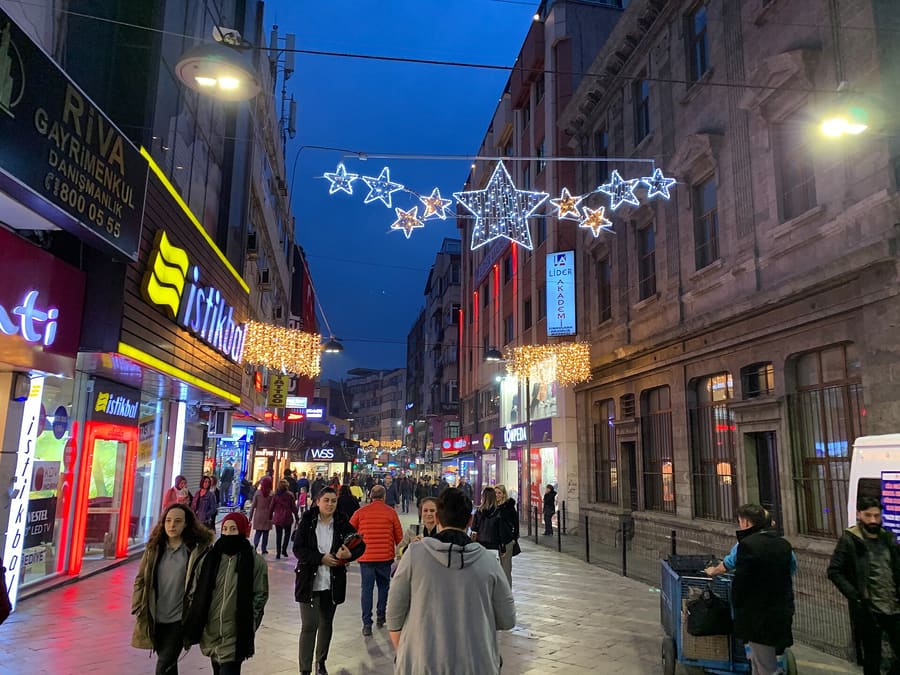
Meydan — Central square ringed by transit stops, tea gardens, and grill houses.
Robot8A · CC BY-SA 4.0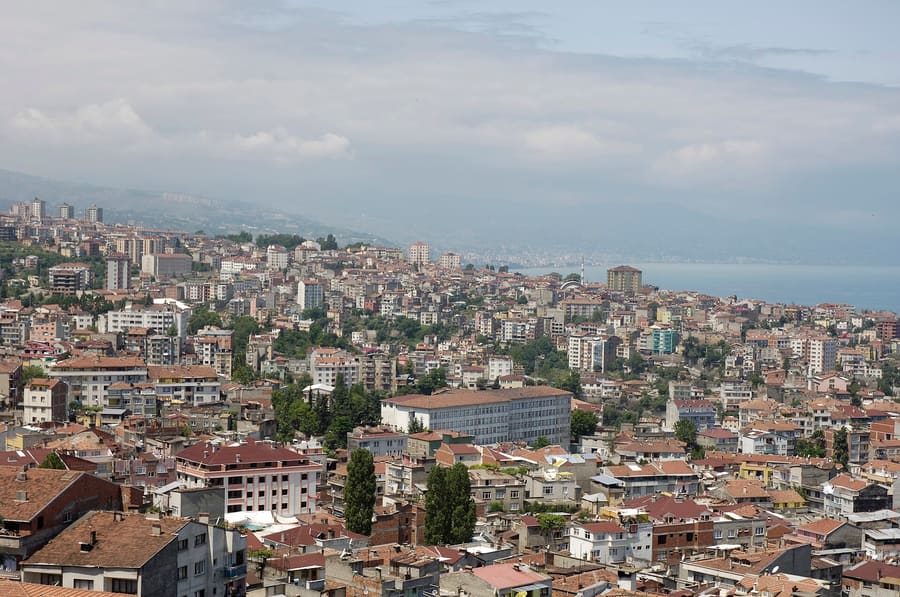
Ortahisar — Historic residential quarter between the old ravines and fort walls.
Dosseman · CC BY-SA 4.0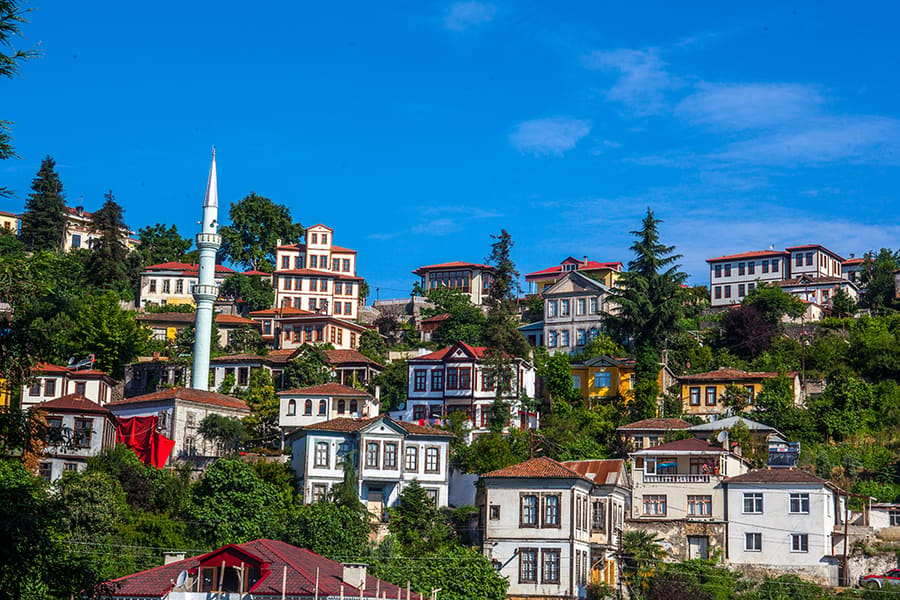
Akçaabat — Coastal district thirteen kilometres west, famous for seaside meatball dining.
Muhammed6169 · CC BY-SA 4.0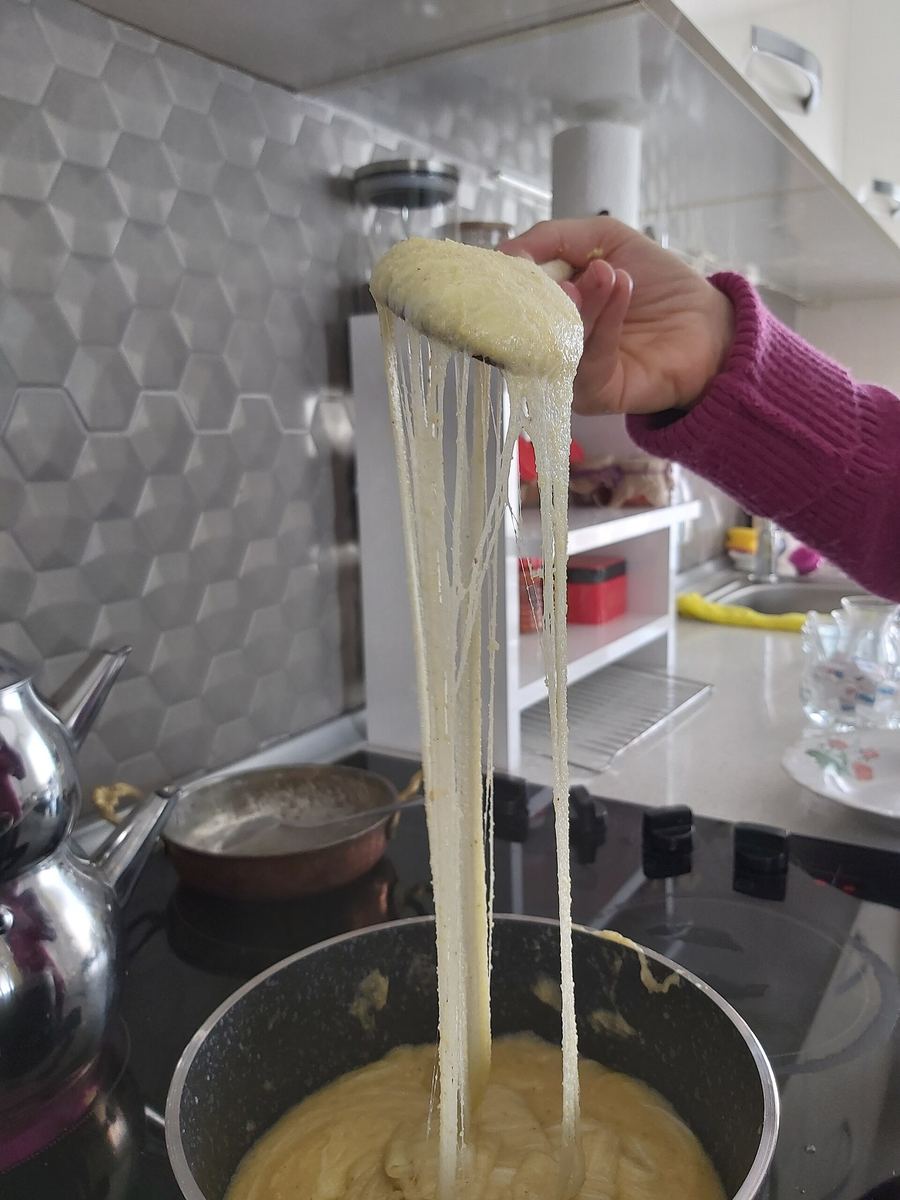
Kuymak served bubbling hot in a traditional copper sahan skillet.
Basak · CC BY-SA 4.0highlights
landmark
Thirteenth-century Byzantine church with fine stone reliefs and ceiling frescoes. Located two kilometres west of central Meydan.
Perguntar ao Parley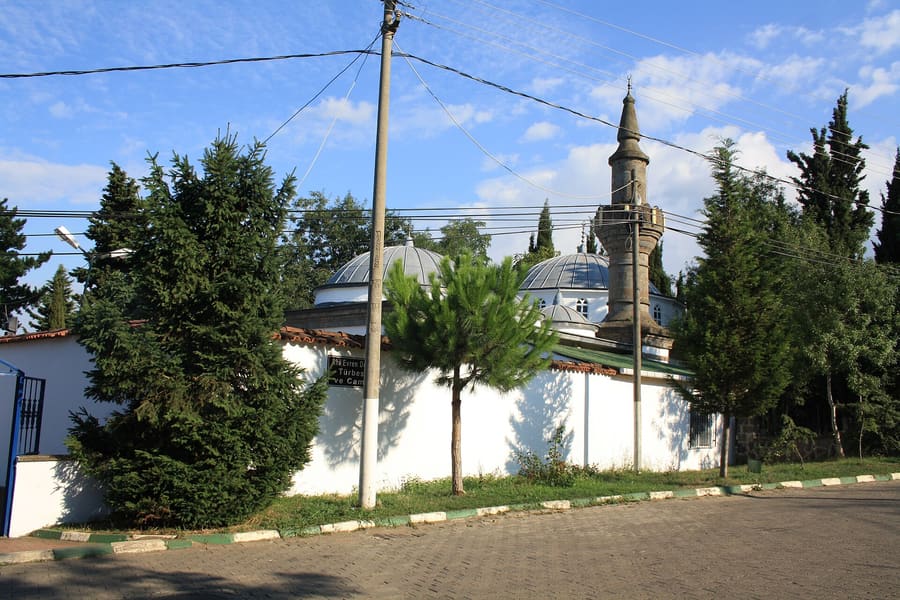
landmark
Hilltop garden overlooking the entire harbour and city center. Take a five-minute dolmuş up for sunset samovar tea.
Perguntar ao Parley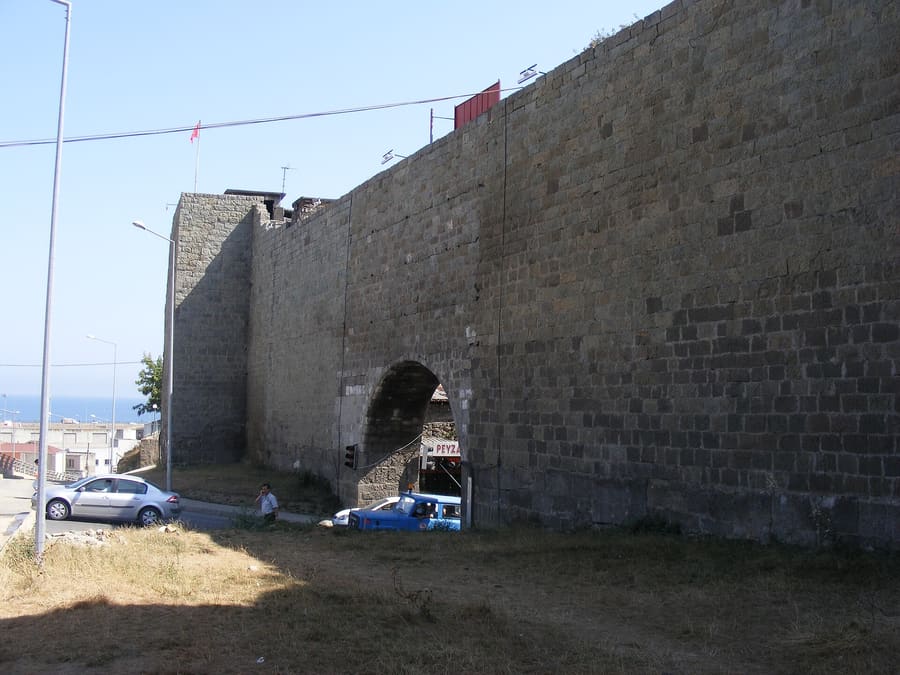
landmark
Ancient defensive walls spanning from the shore to the upper hills. Walk the quiet bridge across Zagnos valley.
Perguntar ao Parley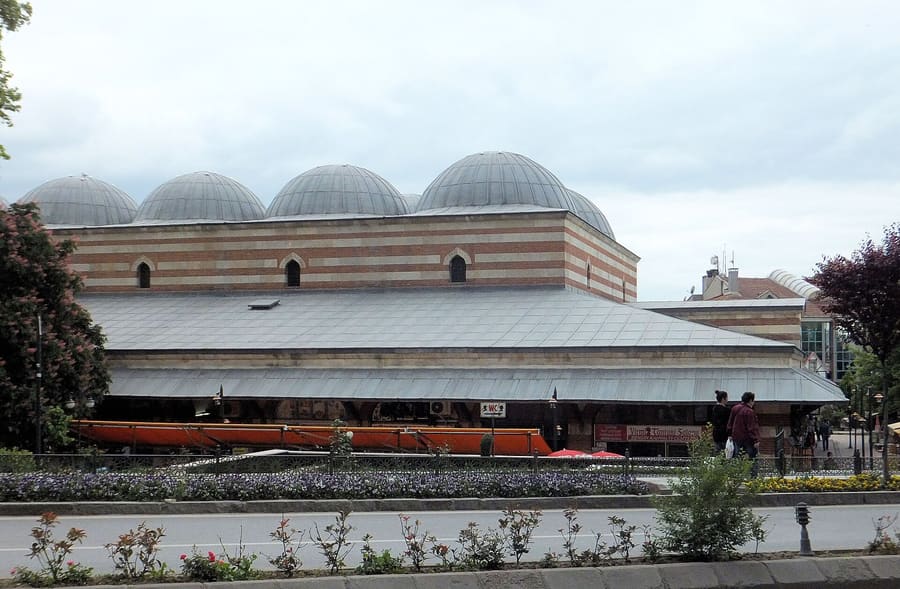
landmark
Historic bazaar district packed with copper smiths and tea shops. Pick up hand-hammered copper pans for making kuymak.
Perguntar ao Parleyattractions
areas
Central square ringed by transit stops, tea gardens, and grill houses.
PertoKemeraltı Market and coastal dolmuş stops
Perguntar ao ParleyHistoric residential quarter between the old ravines and fort walls.
PertoTrabzon Castle and Zagnos Valley Park
Perguntar ao ParleyCoastal district thirteen kilometres west, famous for seaside meatball dining.
PertoSera Lake and western beaches
Perguntar ao ParleyModern resort and shopping district east near the airport.
PertoTrabzon Airport and Cevahir Outlet Mall
Perguntar ao Parleyfood
Trabzon cooking relies heavily on local dairy, corn, and fresh anchovies. Trabzon butter is yellow, rich, and melted into almost every hot pan. Kuymak leads breakfast menus, cooked in small two-handled copper skillets until the cheese strings continuously. Along the shore, hamsi (anchovies) appear dusted in cornmeal and fried in radial patterns. Meat eaters head to Akçaabat for charbroiled minced patties spiced with garlic and mixed with breadcrumbs.
Kuymak served bubbling hot in a traditional copper sahan skillet.
Basak · CC BY-SA 4.0Order kuymak alongside fresh flatbread at Boztepe tea gardens or Meydan bakeries.
Hamsi season runs from November to March when cold waters make the fish plump.
history
Founded by Milesian Greek settlers in the eighth century BC, Trapezous grew into a major Black Sea trade terminal. It sat at the northern terminus of mountain trade passes heading into Persia. After the fourth crusade sacked Constantinople in 1204, Byzantine royals founded the Empire of Trebizond here. The city held out until 1461, when Ottoman forces under Sultan Mehmed II annexed the realm.
Greek Foundation
Settlers from Sinope establish Trapezous as a trading outpost on the Black Sea coast.
Empire of Trebizond
Alexios I Megas Komnenos establishes an independent Byzantine successor state.
Ottoman Conquest
Mehmed II captures Trabzon, incorporating the region into the Ottoman Empire.
Republic Era
Population exchanges reshape the region into a major Turkish tea and hazelnut trade hub.
where to stay
Choose your location based on your transport strategy. Meydan gives you direct access to every minibus line in the province. Ortahisar places you inside historic lanes with restored boutique stays. Kaşüstü suits drivers and travellers who want international chain standards near the coast.
transport
Trabzon relies on minibuses known locally as dolmuş. They depart continuously from Meydan to all city districts and nearby mountain valleys. Taxis operate on meters, but drivers prefer cash. Navigating the city centre on foot involves frequent steep climbs up from the sea.
Board minibuses at designated stops around Meydan. Pay the driver cash when taking your seat.
Dolmuş runs drop off sharply after 22:00. Rely on taxis for late-night journeys.
Destination signs are displayed behind the front windscreen of every minibus.
cost
Prices in Trabzon reflect local provincial standards rather than Istanbul tourist rates. Card acceptance is widespread in restaurants and hotels, but cash remains mandatory for dolmuş trips and small tea stalls.
seasonality
MAR – MAY
Mild days with heavy mountain blooms. Frequent spring showers require reliable waterproof jacket.
JUN – AUG
Peak season for plateau visits. High humidity along the coast and heavy traffic toward Sumela.
SEP – NOV
Clear autumn skies and cooler hiking temps in higher valleys. Tea harvest finishes by October.
DEC – FEB
Cold coastal winds and snow in high pastures. Prime season for fresh Black Sea anchovies.
practicalities
Trabzon receives rain in every month. Always carry an umbrella or lightweight raincoat.
As an active mosque, shoulders and knees must be covered, and women cover their heads.
Independent bazaar shops in Kemeraltı close on Sundays. Central cafes remain open.
Keep ₺10 and ₺20 notes ready for minibus drivers. Large notes delay boarding.
High plateau sites like Zigana Pass run ten degrees colder than coastal Meydan.