landmark
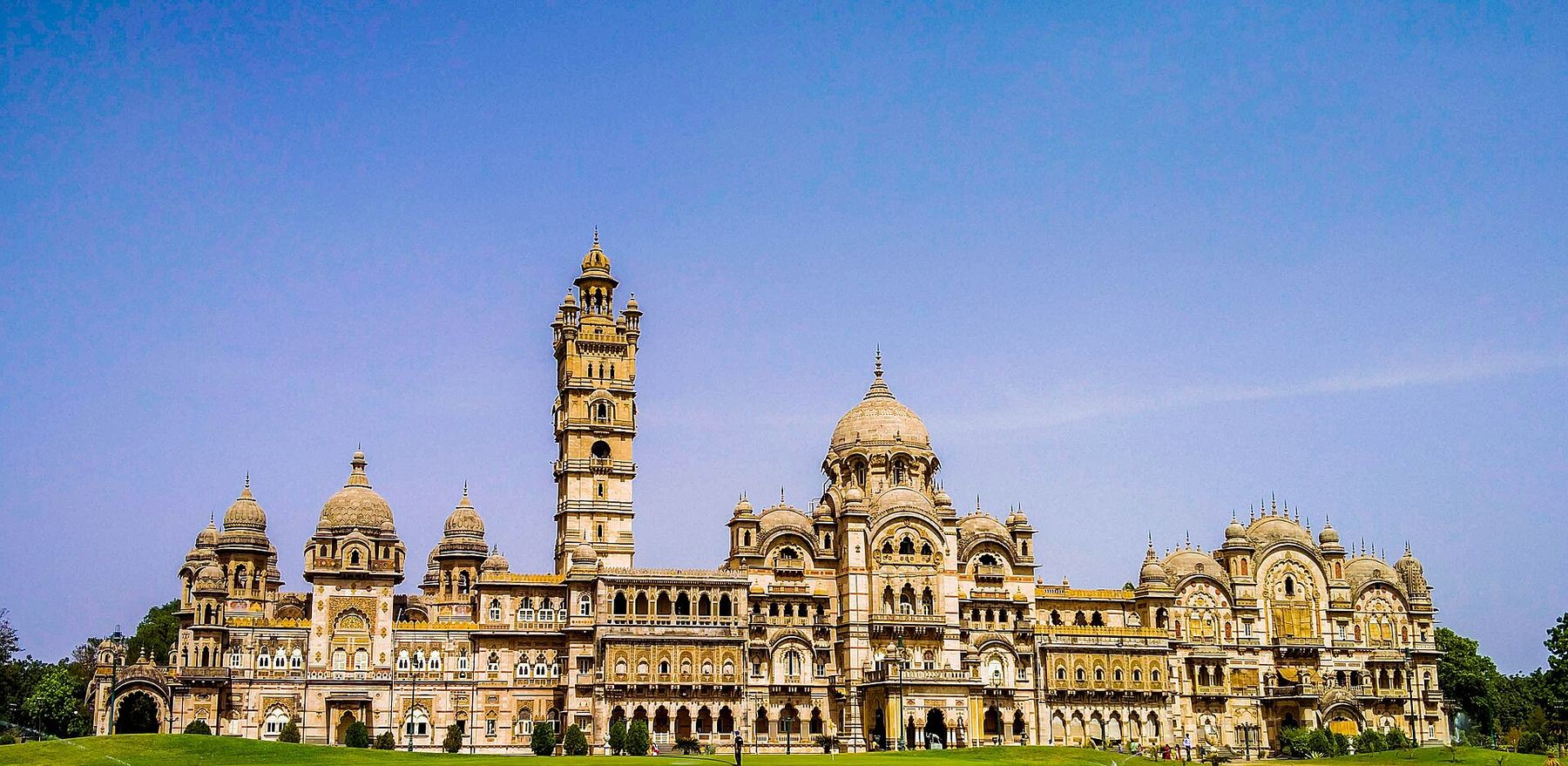
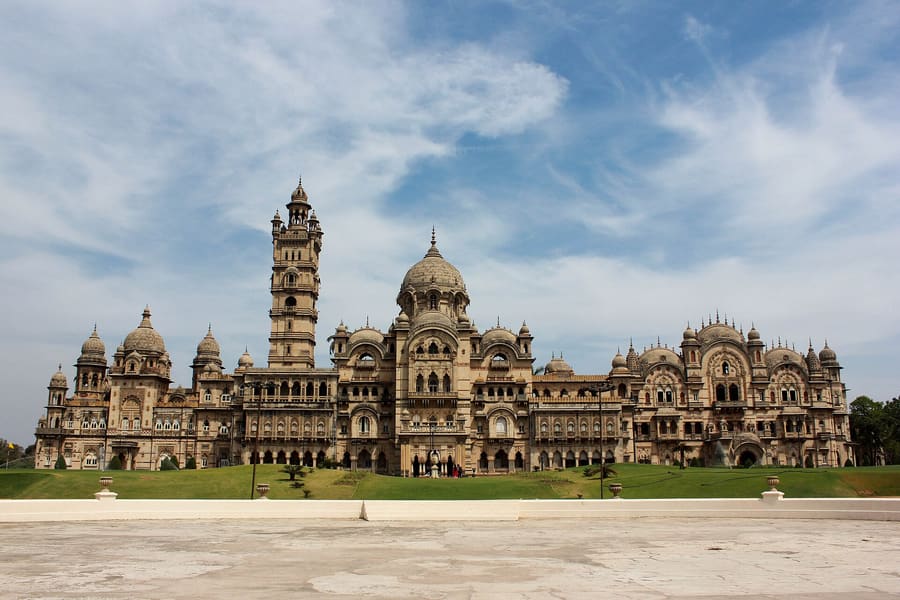
Laxmi Vilas Palace
Built in 1890, this Indo-Saracenic palace is four times the size of Buckingham Palace. The admission ticket includes an audio tour.
Perguntar ao ParleyÍndia
The Gaikwad cultural capital of Gujarat.
introduction
Vadodara runs at a calmer tempo than Ahmedabad, shaped by the urban vision of Maharaja Sayajirao Gaikwad III. The city splits between the dense historic center east of the Vishwamitri River and modern residential avenues to the west. Auto-rickshaws handle short city journeys efficiently. Shops close during peak afternoon heat, leading into lively evening street food markets.
Station rickshaw booth
Use the prepaid auto-rickshaw booth outside Vadodara Junction main exit. Drivers outside the queue charge double for short trips.
Gaikwad urban legacy
Maharaja Sayajirao Gaikwad III introduced free primary education and public libraries here in 1906, decades before national mandates.
Palace audio guide timing
Laxmi Vilas Palace ticket sales close at 16:30. Arrive by 14:30 to complete the mandatory audio tour before grounds close.
Vadodara
Snehrashmi · CC BY-SA 4.0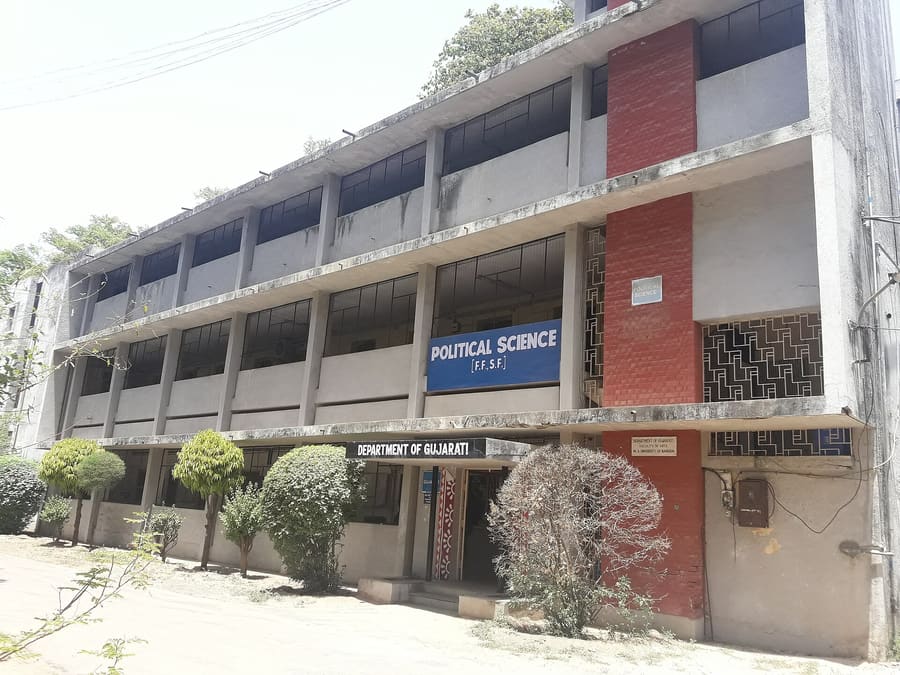
Sayajiganj — Transit hub filled with budget hotels, sweet shops, and Maharaja Sayajirao University students.
Gazal world · CC BY-SA 4.0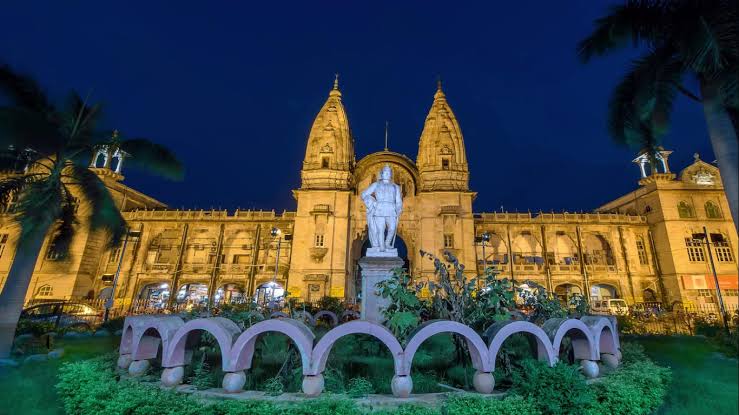
Raopura & Old City — Traditional district with narrow pol alleys, busy textile markets, and historic wadas.
Saurabh baroda · CC BY-SA 4.0highlights
landmark
Built in 1890, this Indo-Saracenic palace is four times the size of Buckingham Palace. The admission ticket includes an audio tour.
Perguntar ao Parleylandmark
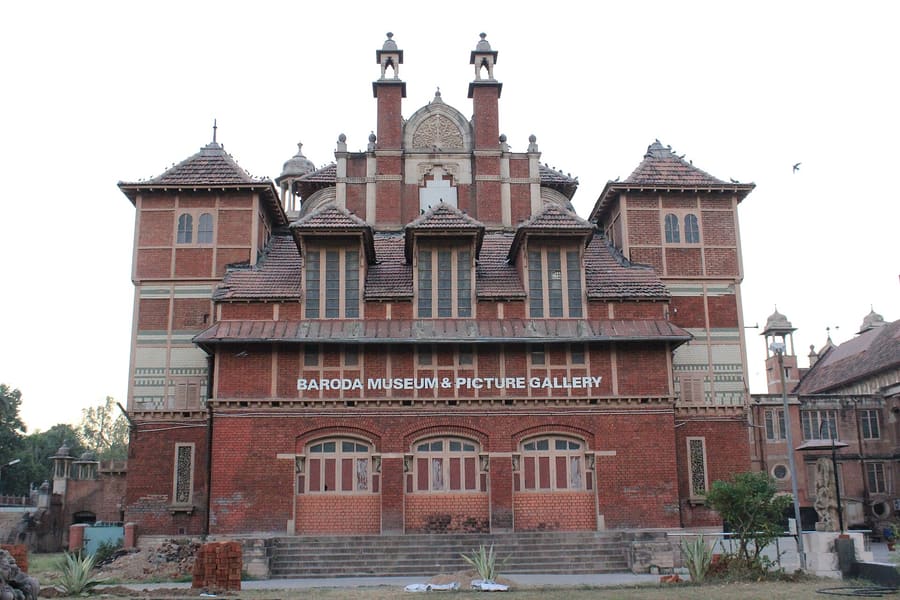
Houses European oil paintings and an Egyptian mummy inside Sayaji Baug. It is closed on official state holidays.
Perguntar ao Parley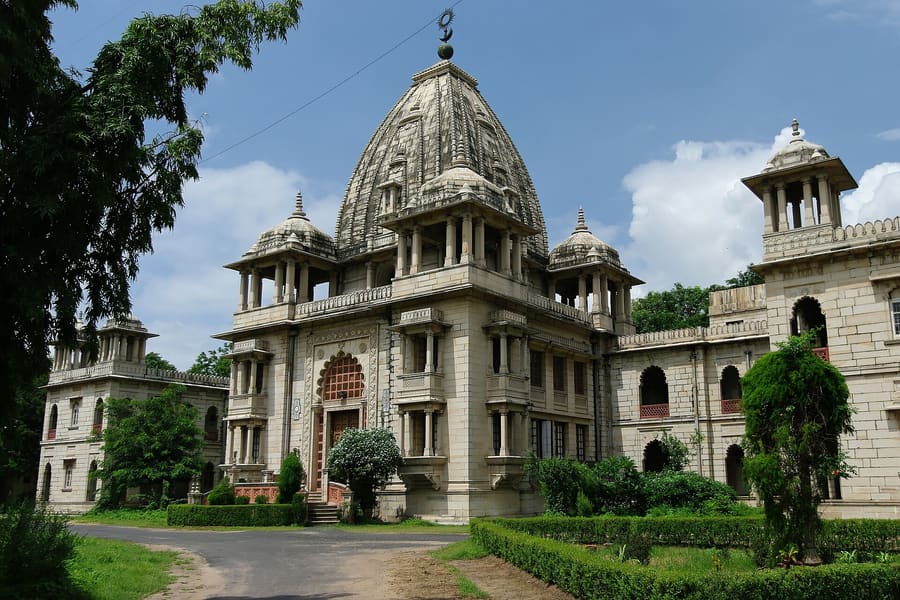
landmark
The Gaikwad royal cenotaph complex features murals painted by Nandalal Bose. Entry is free for all visitors.
Perguntar ao Parley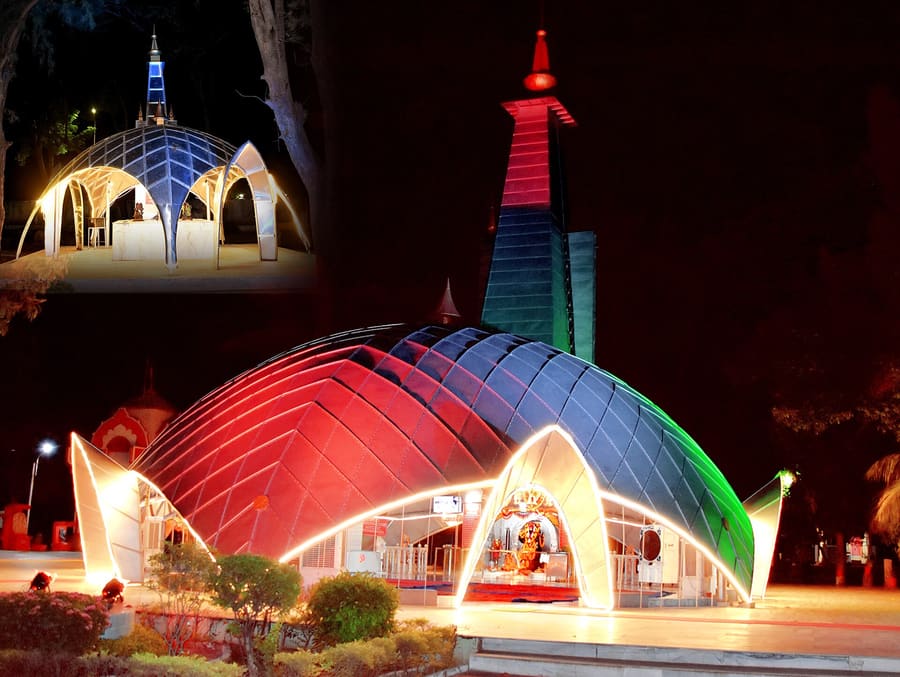
landmark
An aluminum geodesic temple run by the Indian Army Corps of EME. Bring valid photo identification to enter the campus.
Perguntar ao Parley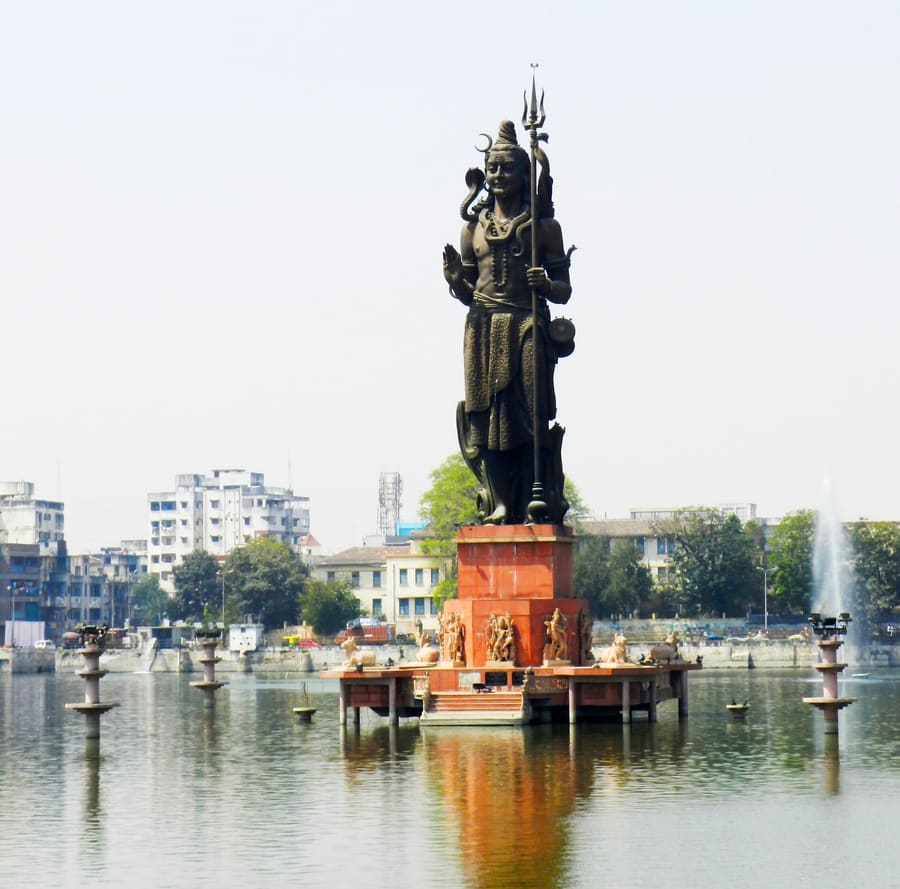
landmark
A central 16th-century lake anchored by a 120-foot Shiva statue. The surrounding promenade stays well-lit until midnight.
Perguntar ao Parleyattractions
areas
Transit hub filled with budget hotels, sweet shops, and Maharaja Sayajirao University students.
PertoVadodara Junction and Sayaji Baug.
Perguntar ao ParleyTraditional district with narrow pol alleys, busy textile markets, and historic wadas.
PertoMandvi Gate and Sursagar Lake.
Perguntar ao ParleyTree-lined streets housing upscale dining, retail showrooms, and modern business hotels.
PertoVadodara Junction western exit.
Perguntar ao ParleyUniversity district featuring casual cafes, quick-service eateries, and leafy avenues.
PertoEME Temple and MS University campus.
Perguntar ao Parleyfood
Vadodara cooking leans sweeter than northern regional food, but local street dishes deliver sharp heat. The defining local snack is sev usal, a spiced pea curry topped with crunchy gram flour noodles and served with scallions and local bread. Mahakali Sev Usal near Nyaymandir has served this specific dish since 1927.A formal lunch means a traditional Gujarati thali. Unlimited refills of lentils, seasonal vegetable curries, rotlis, and buttermilk arrive on a steel platter. Dining places like Shree Kathiyawadi Khadki serve rustic regional variations from western Gujarat.Dry snacks, known as farshan, are central to local food habits. Jagdish Farshan in Raopura pioneered bhakarwadi—spiced coconut roll pinwheels—and dry chevdo mixes that locals buy by the kilogram.
Thali restaurants operate strictly from 11:30 to 14:30 and 19:00 to 22:00. Arriving at 15:00 leaves you with fast food choices.
When ordering sev usal, ask for tari on the side. This spice oil allows you to control the heat level yourself.
Fresh sugarcane juice stalls open across Alkapuri during peak afternoon heat. Stalls use press machines with ginger and mint.
history
Vadodara takes its name from Vadapadraka, meaning a village among banyan trees. Pilaji Gaikwad established his stronghold at Songadh in 1721; Vadodara was seized from the Mughal Empire in 1734 by his successor, Damajirao Gaikwad II, establishing the Gaikwad dynasty that ruled Baroda State for over two centuries.The city transformed under Maharaja Sayajirao Gaikwad III, who reigned from 1875 to 1939. He constructed railways, established compulsory primary education, built public hospitals, and commissioned modern civic institutions. He also funded the education of Dr. B.R. Ambedkar, who later drafted the Indian Constitution.Baroda State merged into the Dominion of India in 1949. Today the city functions as an industrial and academic hub while preserving its royal architecture.
Maratha conquest
Pilaji Gaikwad captures the city, establishing rule under the Gaikwad dynasty.
Accession of Sayajirao III
Sayajirao Gaikwad III takes the throne, initiating sweeping civic and educational reforms.
Laxmi Vilas completed
Major Indology-inspired palace constructed by architect Major Charles Mant.
Indian Integration
Baroda State formalizes integration into independent India under Maharaja Pratap Singh.
where to stay
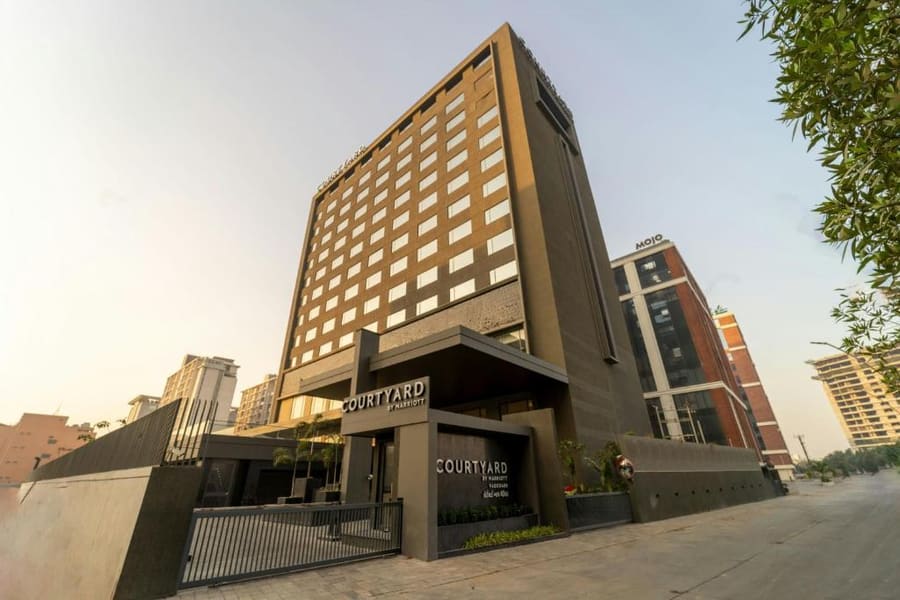
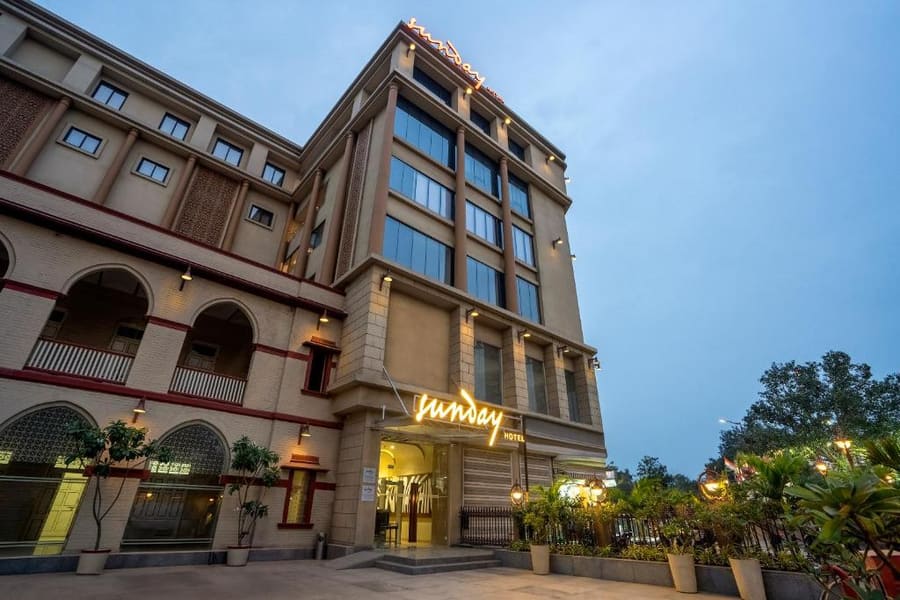
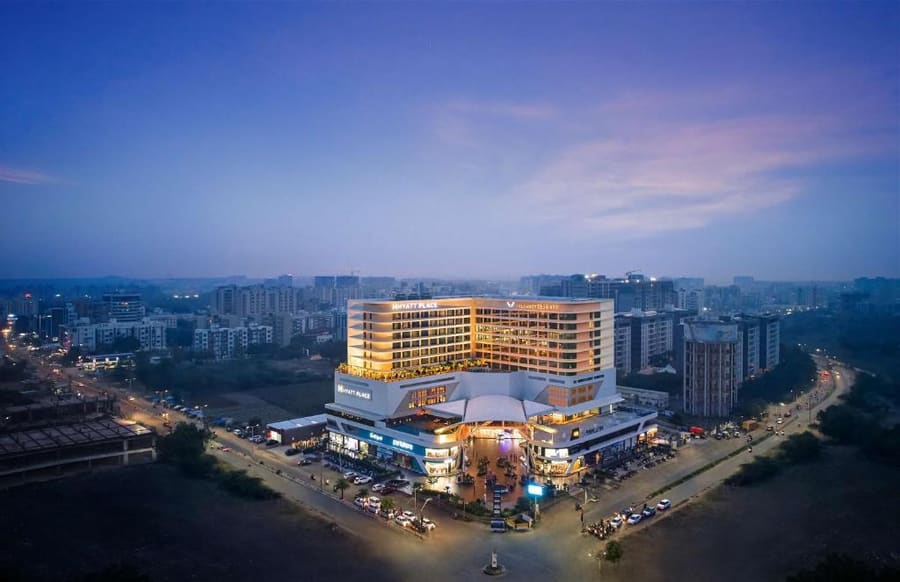
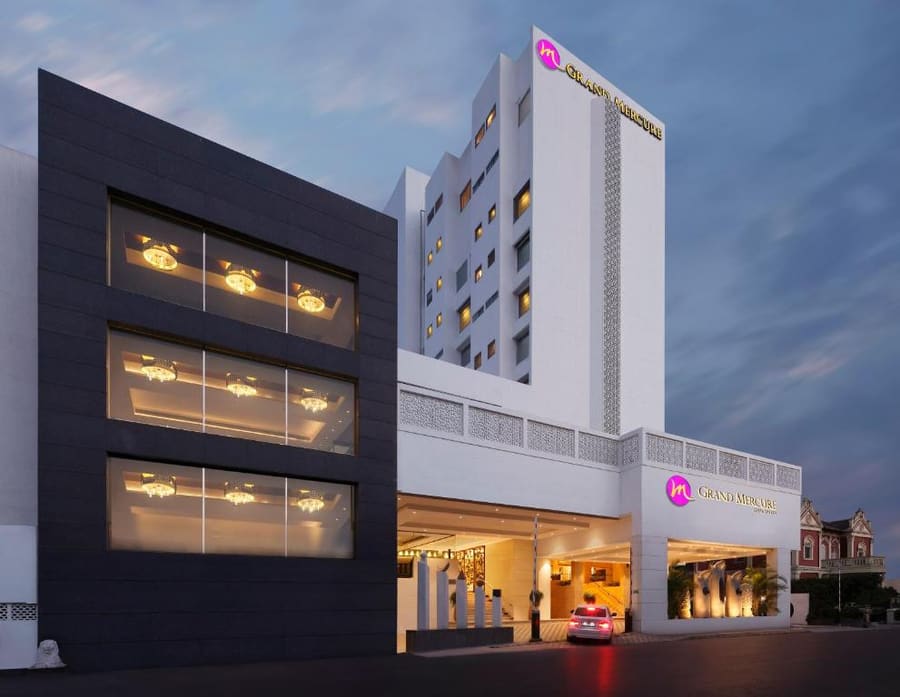
Select your neighborhood based on your primary travel goal. Business travelers and families seeking quiet nights should choose Alkapuri. Budget visitors and those taking early trains should target Sayajiganj. Travelers who prioritize step-out access to historic markets belong in Raopura.
Live rates, matched to the areas above.
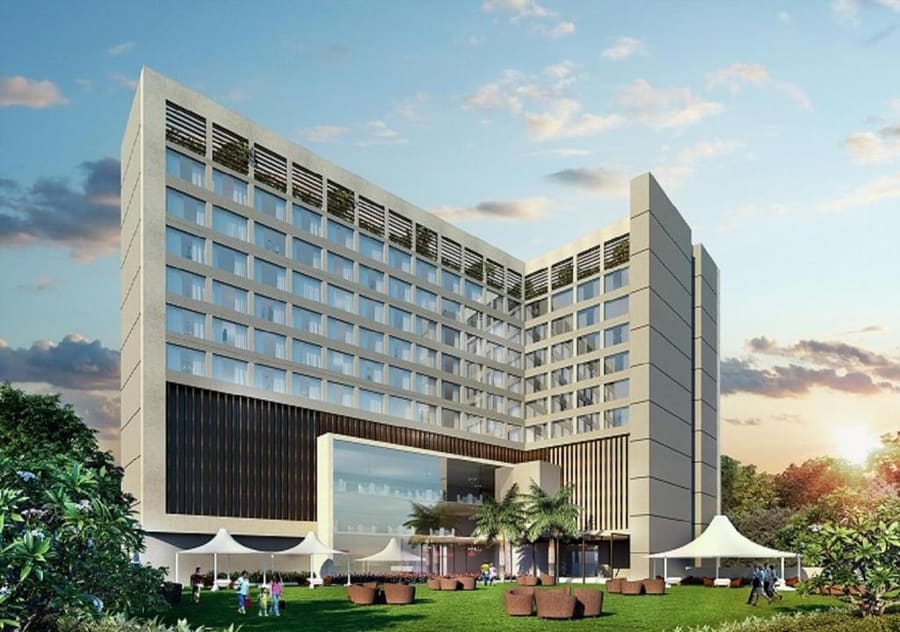
transport
Vadodara lacks a metro system. Auto-rickshaws are the main transport mode for getting across town. App-based rideshare apps operate reliably for cars and motorbikes across all major districts.
De Vadodara Airport (BDQ)
Official prepaid taxi counter operates inside the arrivals hall.
Uber and Ola drivers pick up outside the airport gate perimeter.
Negotiate the fare before loading luggage into auto-rickshaws.
Auto-rickshaw drivers rarely turn on meters. Agree on the total fare with the driver before stepping inside.
Vadodara Junction has two main exits. Exit Platform 1 for Sayajiganj; exit Platform 6 for Alkapuri.
Rickshaw drivers and market stalls rarely have change for ₹500 notes. Carry ₹20 and ₹50 notes.
Roads around Mandvi Gate and Station Road jam between 18:00 and 20:00. Budget extra travel time.
cost
Vadodara remains one of the more affordable major cities in western India. Food and inner-city transit are inexpensive, while heritage entry fees vary between domestic and foreign visitors.
Unlimited mid-range restaurant thali meal including breads, curries, and sweets.
Single portion of spiced pea curry served with two bread rolls at street stalls.
Standard entry fee including the full audio tour device.
Typical fare for a 2-3 kilometer trip across central city zones.
seasonality
OCT – FEB
Mild weather with temperatures around 20-30°C. Peak travel season coinciding with Navratri celebrations.
MAR – MAY
Extreme heat exceeding 40°C. Sightseeing is limited to early mornings and air-conditioned spaces.
JUN – SEP
Monsoon rains bring high humidity and sporadic local flooding along the Vishwamitri River.
practicalities
Traditional markets in Raopura close between 13:00 and 16:00 for afternoon breaks.
Remove footwear before entering temples. Shoulders and knees must remain covered.
UPI mobile payments are accepted at almost all stalls. Credit card support is limited to larger hotels.
Tap water is unpotable for travelers. Buy sealed bottled water or use filtered water stations.
The Vishwamitri River contains wild marsh crocodiles. Avoid walking along unpaved riverbanks.