landmark
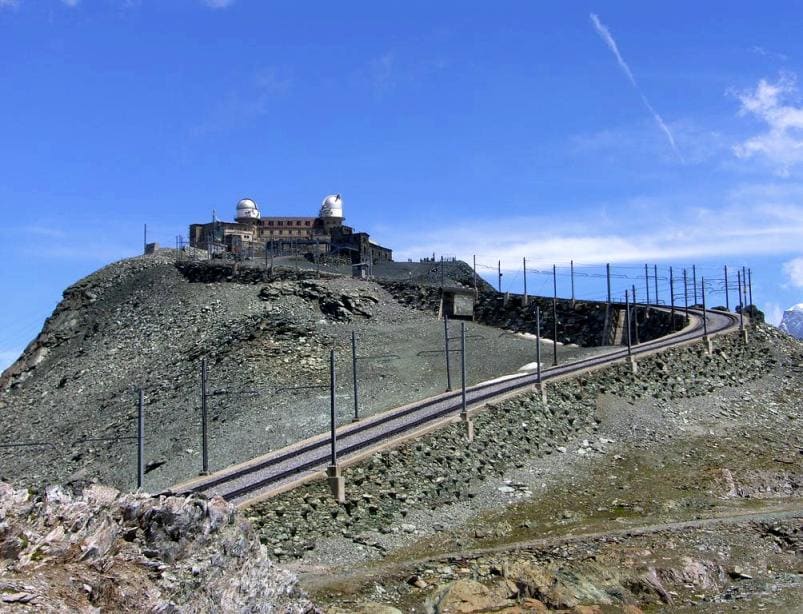
Gornergrat Railway
Electric cog railway ascending to 3,089 metres. Sit on the right side of the carriage for uninterrupted views during the climb.
Perguntar ao ParleySuíça
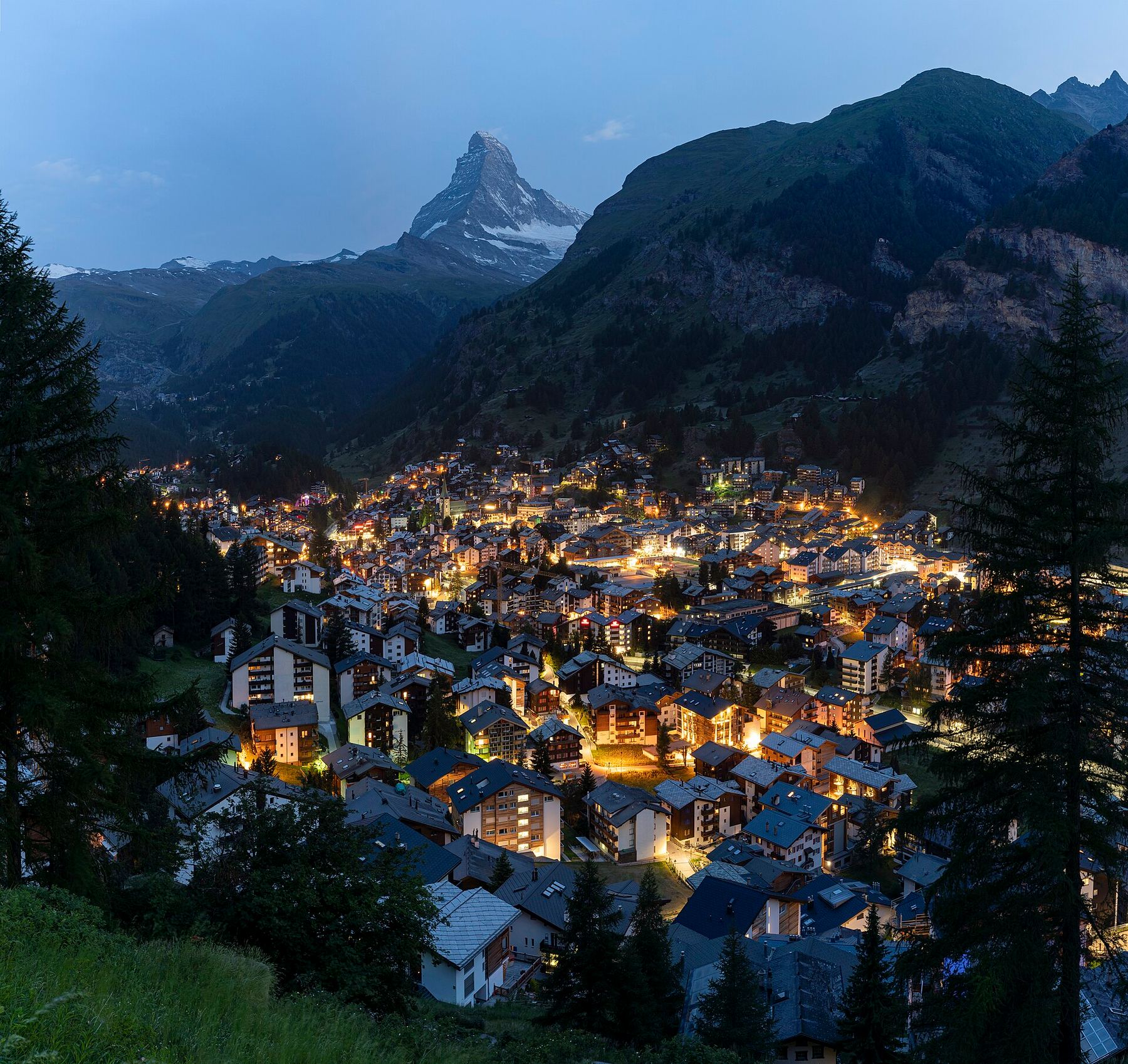
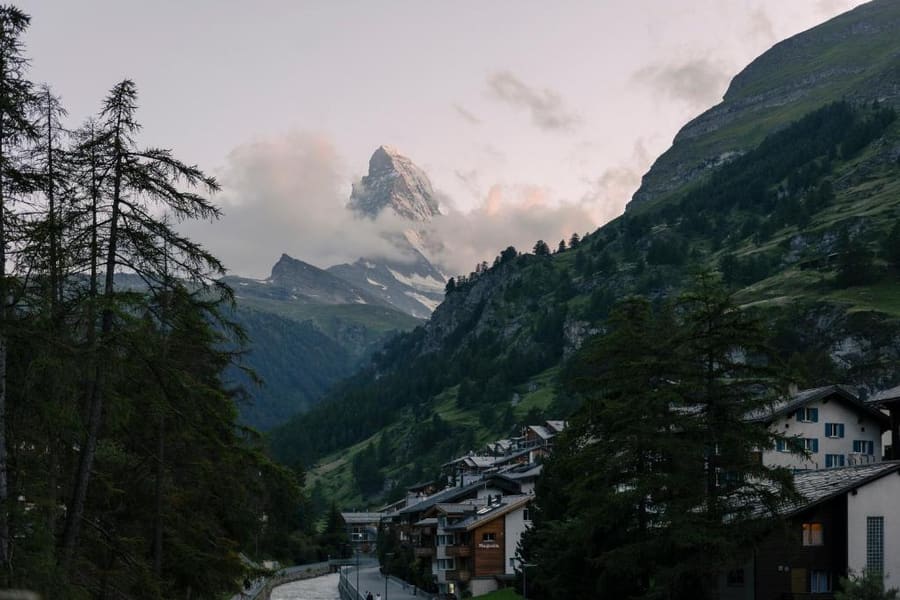
Car-free alpine transit base below the 4,478m Matterhorn.
introduction
Zermatt is a high-altitude Valaisian transit hub built around mountain railways and electric taxis. You move on foot or via subterranean funiculars, cog trains, and cableways that reach above 3,800 metres. Expect steep valley walls, private vehicle restrictions, and rigorous alpine scheduling.
Arrival via Täsch
Drive to Täsch and park in the terminal. The shuttle train runs every 20 minutes directly to Zermatt station.
Alpine pioneer railway
The Gornergrat Railway opened in 1898 as Europe's first fully electric cog railway. It climbs 1,485 metres in 33 minutes.
Off-peak lift closures
Ski lifts and mountain railways close for seasonal overhaul between late April and late May, and again in November.
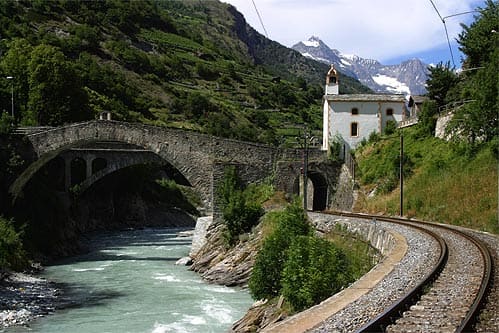
Zermatt
Roland Zumbühl (Picswiss), Arlesheim (Commons:Picswiss project) · CC BY-SA 3.0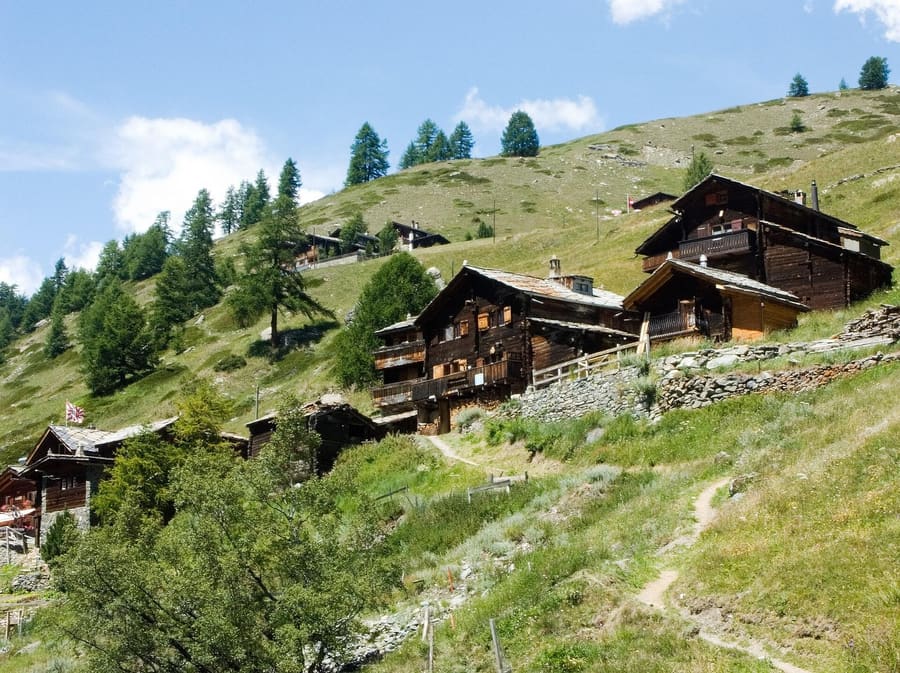
Winkelmatten — Quiet southern residential quarter with unblocked views of the Matterhorn east face.
Zermatt photos · CC BY-SA 3.0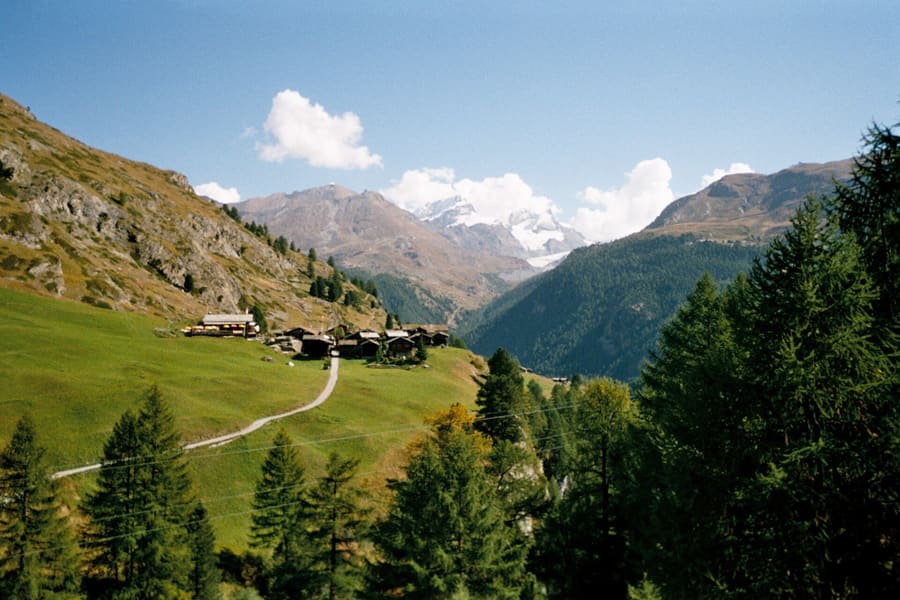
Ried — Elevated hillside quarter above the northern end offering maximum daily sunshine.
DrTW at Dutch Wikipedia · CC BY-SA 3.0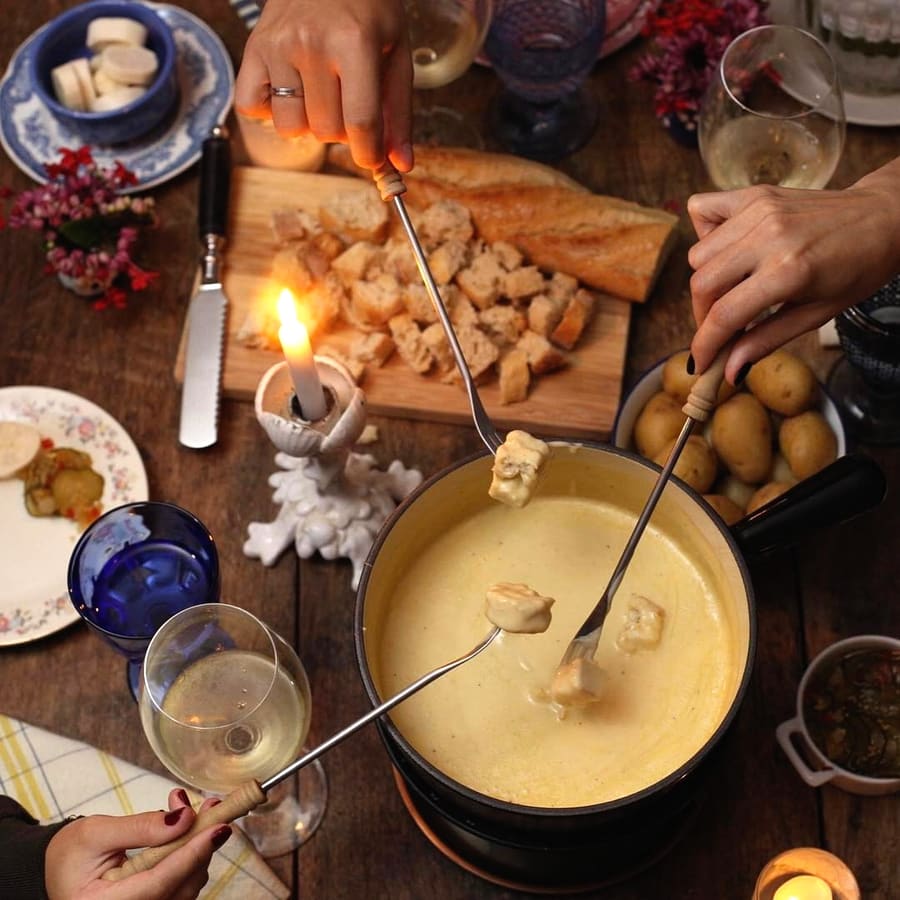
Raclette melted from half-wheels, served with boiled potatoes and pickled onions.
Juliano Mendes · CC BY 2.0highlights
landmark
Electric cog railway ascending to 3,089 metres. Sit on the right side of the carriage for uninterrupted views during the climb.
Perguntar ao Parley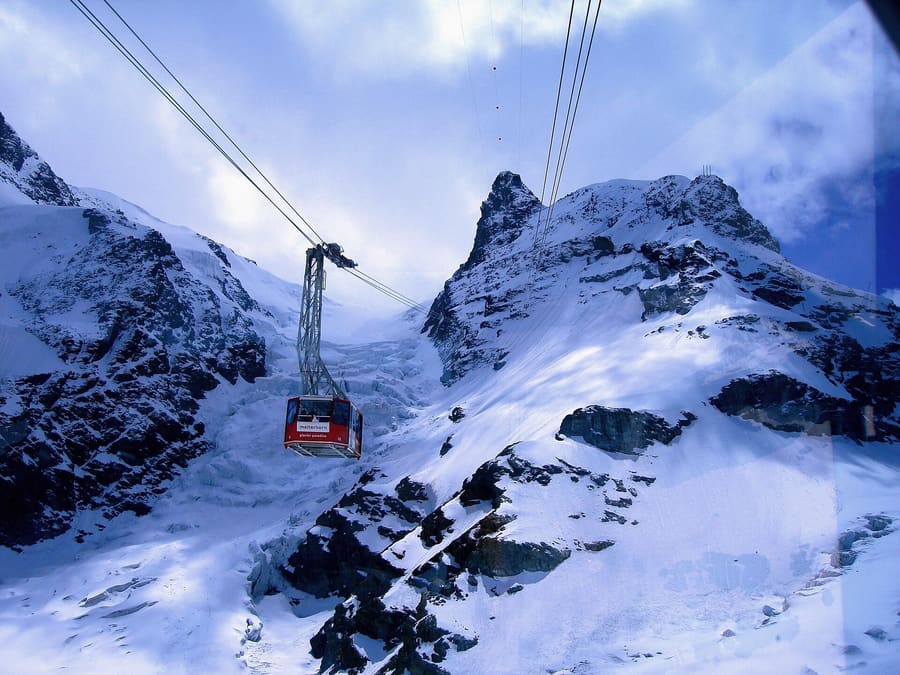
landmark
Highest cable car station in Europe at 3,883 metres. Pack warm layers even in mid-summer due to glaciated summit conditions.
Perguntar ao Parley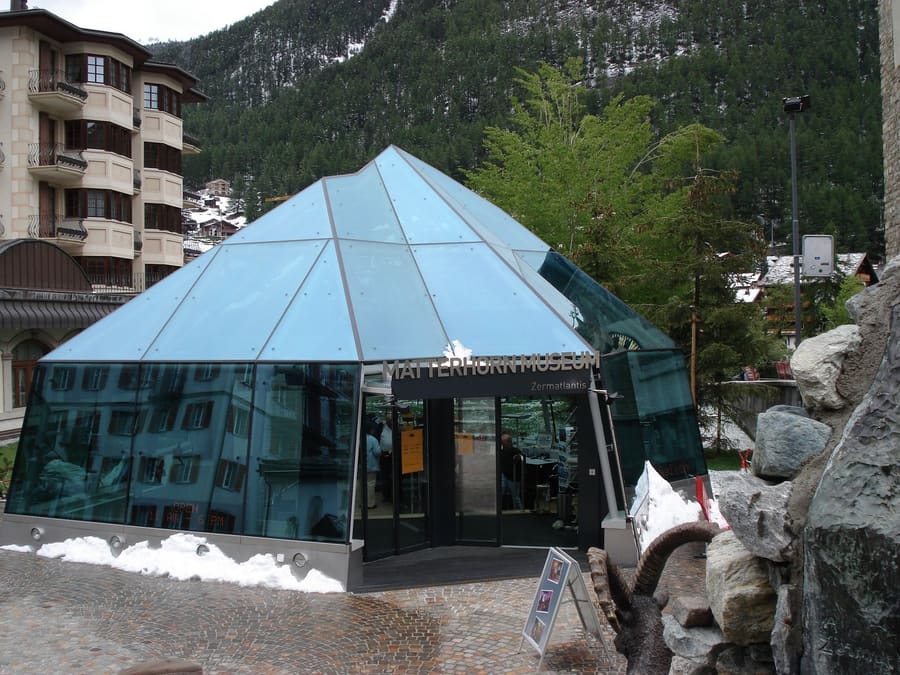
landmark
Underground museum constructed beneath glass cubes in the church square. Shows original climbing ropes from the 1865 first ascent.
Perguntar ao Parley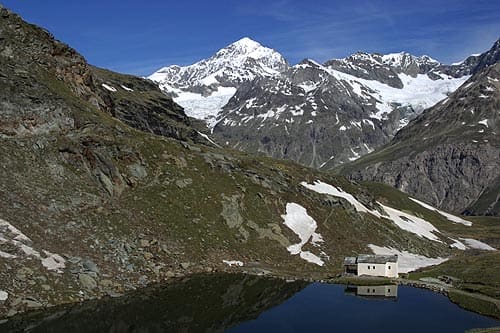
landmark
Alpine lake reflecting the Matterhorn at 2,583 metres. Serves as the starting station for the Matterhorn Glacier Trail.
Perguntar ao Parleyattractions
areas
Quiet southern residential quarter with unblocked views of the Matterhorn east face.
PertoMatterhorn Express Gondola Terminal
Perguntar ao ParleyElevated hillside quarter above the northern end offering maximum daily sunshine.
PertoSunnegga Funicular Station
Perguntar ao ParleyBusy village core packed with shops, electric taxis, and immediate railway access.
PertoZermatt Main Station and Gornergrat Railway
Perguntar ao ParleyCentral residential zone positioned midway between the main station and southern lifts.
PertoMatterhorn Museum and Kirchplatz
Perguntar ao Parleyfood
Alpine topography dictates the diet. High pastures produce heavy cheeses like Raclette du Valais AOP, served melted alongside potatoes and gherkins. In mountain huts above Findeln, winter dining centers on Valais dried beef (Walliser Trockenfleisch) and Cholera, a layered vegetable and apple pastry born during 19th-century epidemics.
Raclette melted from half-wheels, served with boiled potatoes and pickled onions.
Juliano Mendes · CC BY 2.0Mountain restaurants like Chez Vrony or Zum See require lunch reservations days in advance during ski season.
Order raclette by the single plate in traditional Valais Stubli rather than taking large fondue pots.
Dining costs rise with altitude; expect main dishes on mountain slopes to start at CHF 35.
history
For centuries, Zermatt remained an isolated farming hamlet accessible only by foot or mule. The arrival of British mountaineers in the mid-19th century transformed the valley economy permanently from subsistence agriculture to high-altitude tourism.
First Matterhorn ascent
Edward Whymper reaches the summit via Hörnli Ridge. Four climbers perish on the descent, triggering global media attention.
Gornergrat railway opens
Europe's first electric cog railway transports passengers up to 3,089 metres.
Car Ban referendum
Zermatt residents vote to ban combustion engine vehicles to protect air quality and retain village atmosphere.
where to stay
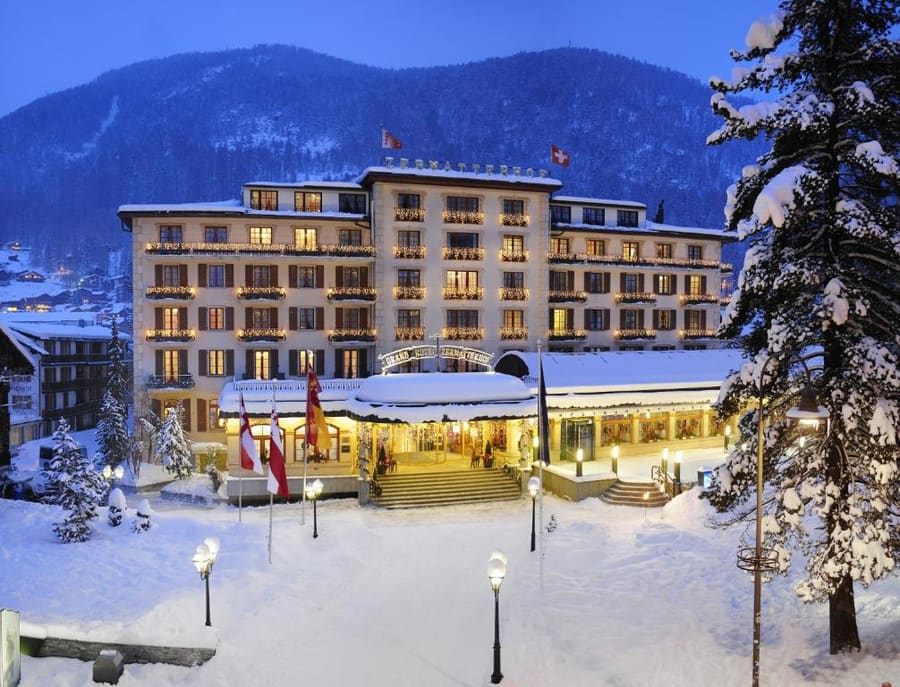
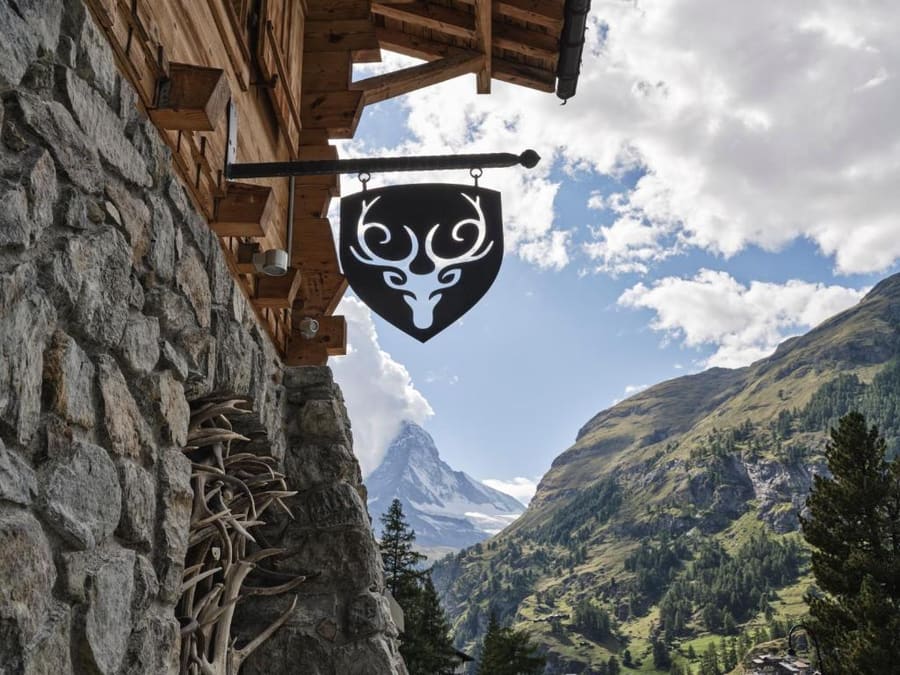
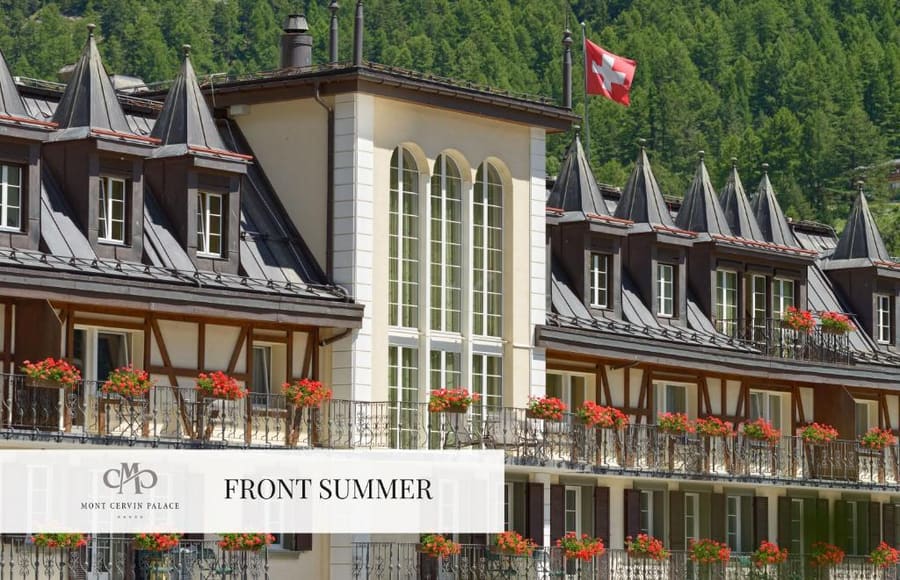
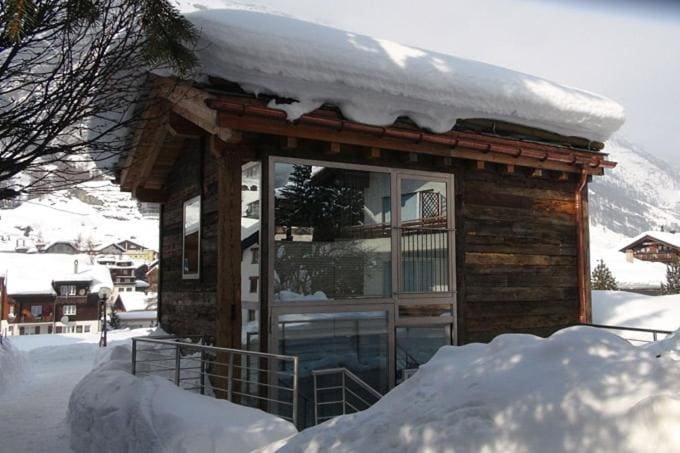
Choose your base by proximity to your primary mountain transport line. Staying near the main station suits train arrivals and Gornergrat trips, while southern properties reduce the walk to the Matterhorn Express.
Live rates, matched to the areas above.
transport
Zermatt prohibits combustion cars. Transport relies on walking, small electric taxis, two electric bus routes, and mountain transport infrastructure.
De Täsch Railway Station
Matterhorn Gotthard Bahn Shuttle-Zug runs every 20 minutes to Zermatt station.
Licensed shuttle taxis drop off at the entrance of car-free Zermatt.
Marked 6 km hiking path following the river from Täsch.
The Shuttle-Zug Täsch runs every 20 minutes and takes 12 minutes to reach Zermatt.
Red and Green e-bus lines connect the station with lift bases; free with a valid ski pass.
The Zermatt Peak Pass grants unlimited rides on all mountain lifts and cog railways.
Walking end-to-end through the village takes 25 minutes along flat, paved terrain.
cost
Prices reflect high logistics costs in an isolated mountain valley. Budget carefully for mountain transport, which constitutes your single largest variable expense.
Rates vary dynamically depending on season and departure time.
Covers the Zermatt sector; extra surcharge applies for cross-border Cervinia access.
Price per person in village restaurants, excluding drinks.
seasonality
DEC – MAR
Peak winter ski season. High hotel rates; reserve accommodation and ski passes months in advance.
APR – MAY
Spring ski season transitions to shoulder maintenance. Many high lifts close in May.
JUN – AUG
High summer hiking window. Warm days on lower trails, full lift operations, heavy alpine trail crowds.
SEP – NOV
Golden larch trees and crisp hiking weather in early autumn. Village infrastructure slows by late October.
practicalities
At 3,883m on Klein Matterhorn, exert yourself slowly and stay hydrated to handle thin air.
Mountain cable cars close between 16:00 and 17:00. Missing the last descent results in expensive rescue or long walks.
Yields a 50 percent discount on the Gornergrat railway and Matterhorn Glacier Paradise cable car.
Store skis at lift stations overnight rather than carrying them back through village streets.
Tap water throughout Zermatt comes from alpine springs and is safe to drink.