landmark
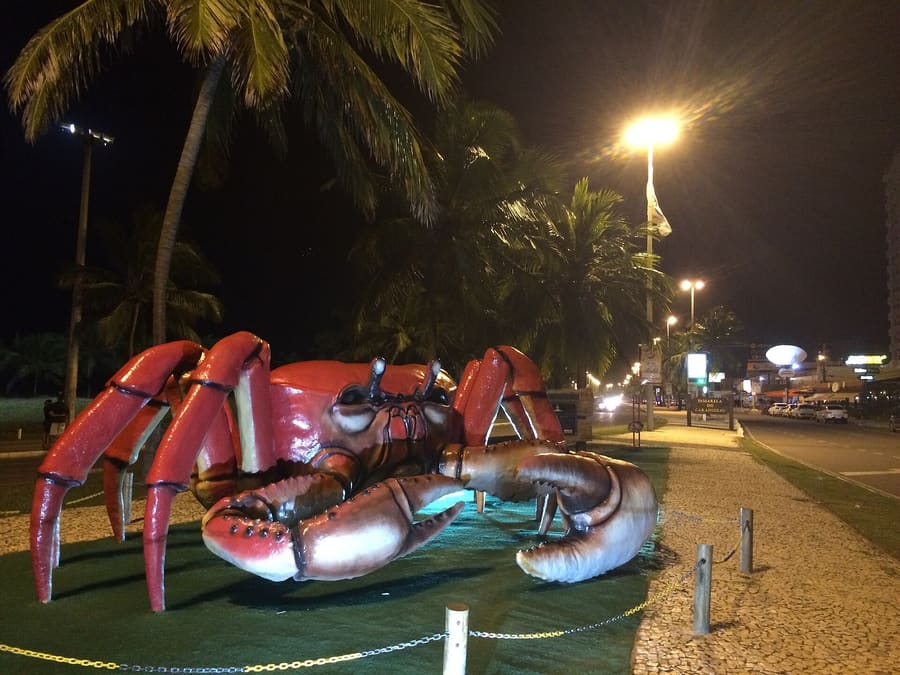
Passarela do Caranguejo
A six-hundred-meter strip of open-air crab shacks on Atalaia's southern end. Order whole boiled mud crab with a mallet.
Спросить ParleyБразилия
Grid streets, river estuaries, and crab hammers by the sea.
introduction
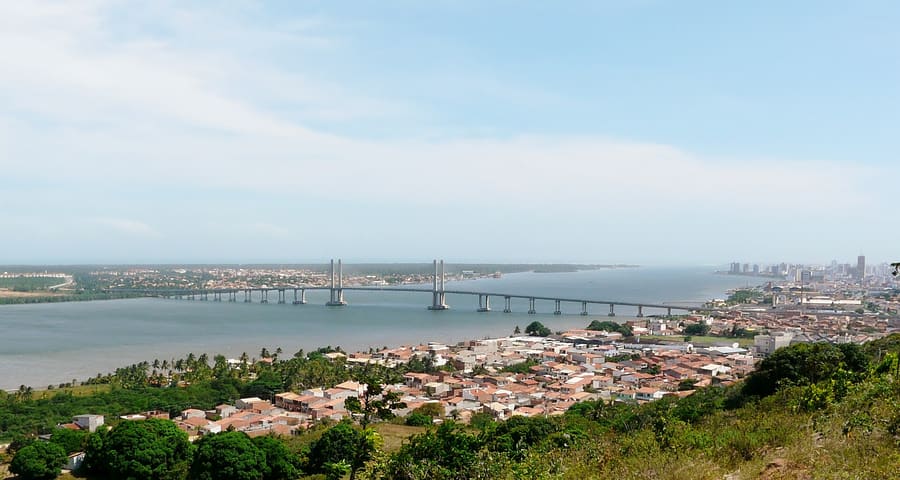
Aracaju runs along the Sergipe River and the Atlantic shoreline on a strict grid laid out in 1855. You move easily between the historic market district in the north and the wide ocean boardwalk of Atalaia in the south. The city trades loud resort spectacles for calm estuarine waters and fresh mud crabs crushed with wooden mallets. Expect a humid coastal tropical climate, flat terrain, and direct transport links along the coast.
Arrival trick
Santa Maria Airport sits 3 kilometers from Atalaia beach. Rideshares reach most coastal hotels in under ten minutes.
Planned capital status
Aracaju was built in 1855 as one of Brazil's first planned state capitals. Its chess-board street grid was designed to serve the river port.
Tide planning
Catamaran trips to Coroa do Goré sandbar depart only on low tide. Check local tide tables before booking morning tours from Orla do Pôr do Sol.
Aracaju
Victor Adriano · CC BY 2.0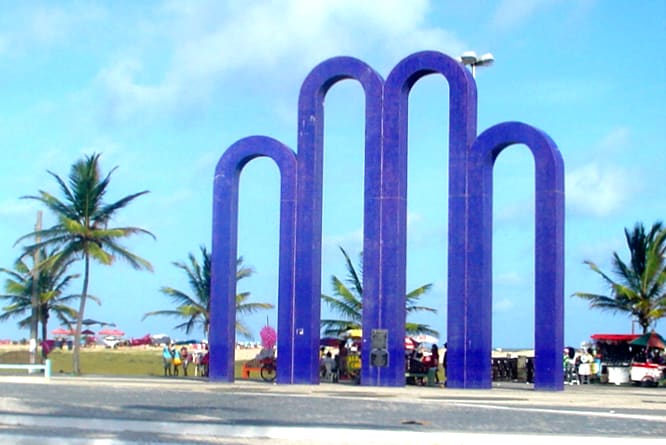
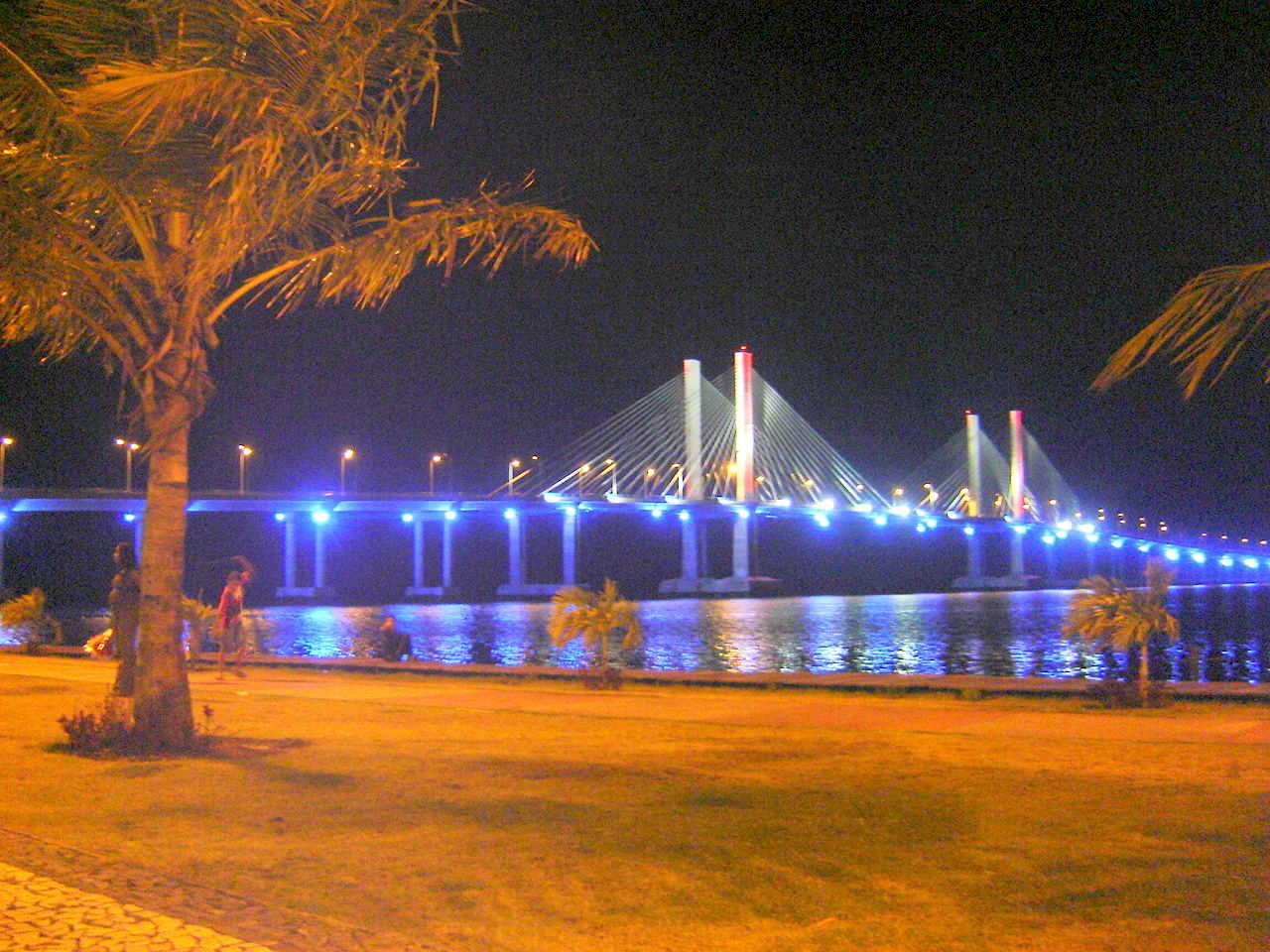
Atalaia — Wide coastal strip dominated by hotels, open-air seafood restaurants, and a six-kilometer paved park.
Tito Garcez · Public domain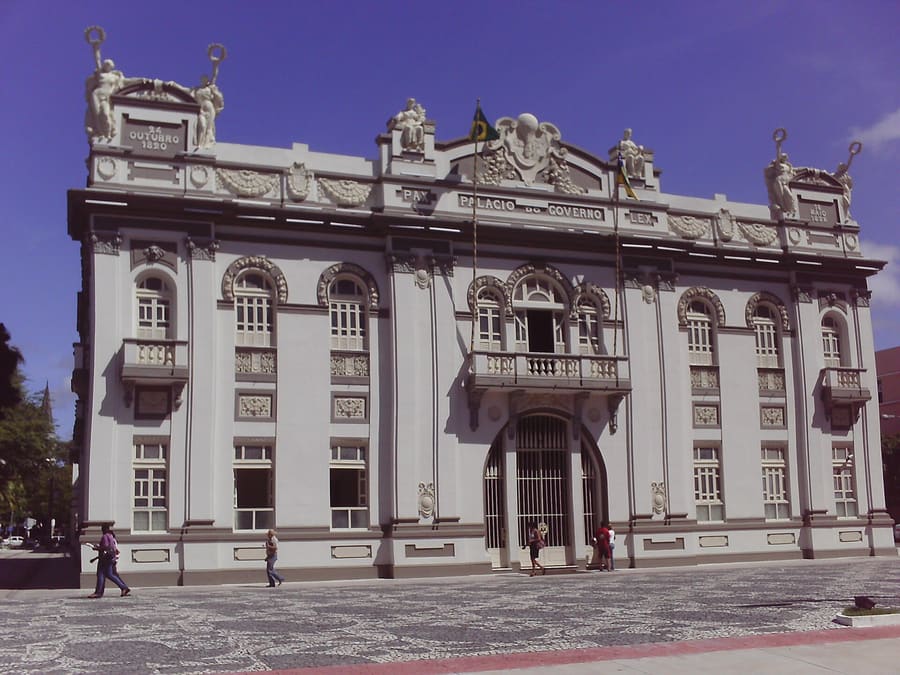
Centro — Dense commercial grid filled with market halls, government plazas, and cultural centers along the river.
Douglas Leoni · CC BY-SA 3.0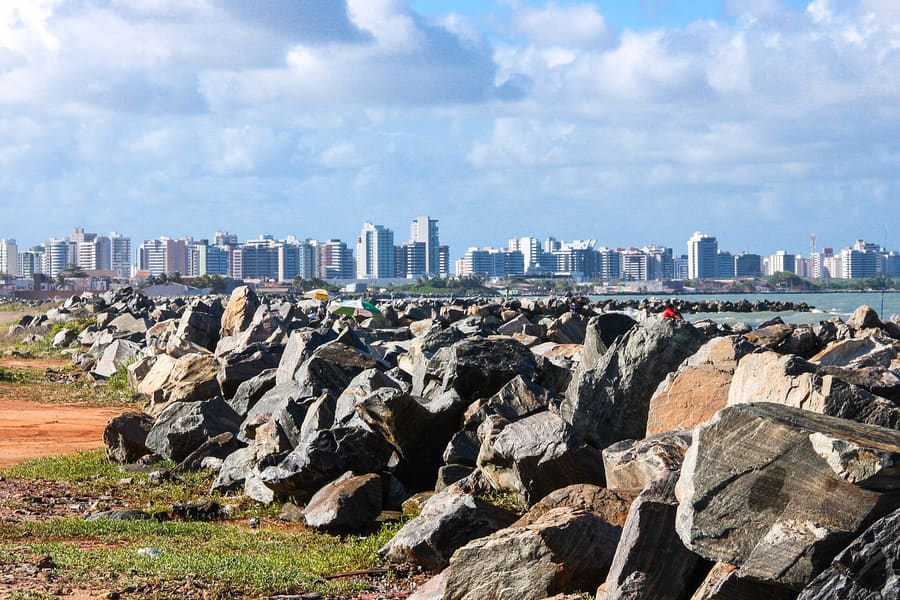
Coroa do Meio — Transition zone between river and sea with mid-range hotels, quiet residential streets, and river views.
Ruidival Marques · CC BY-SA 3.0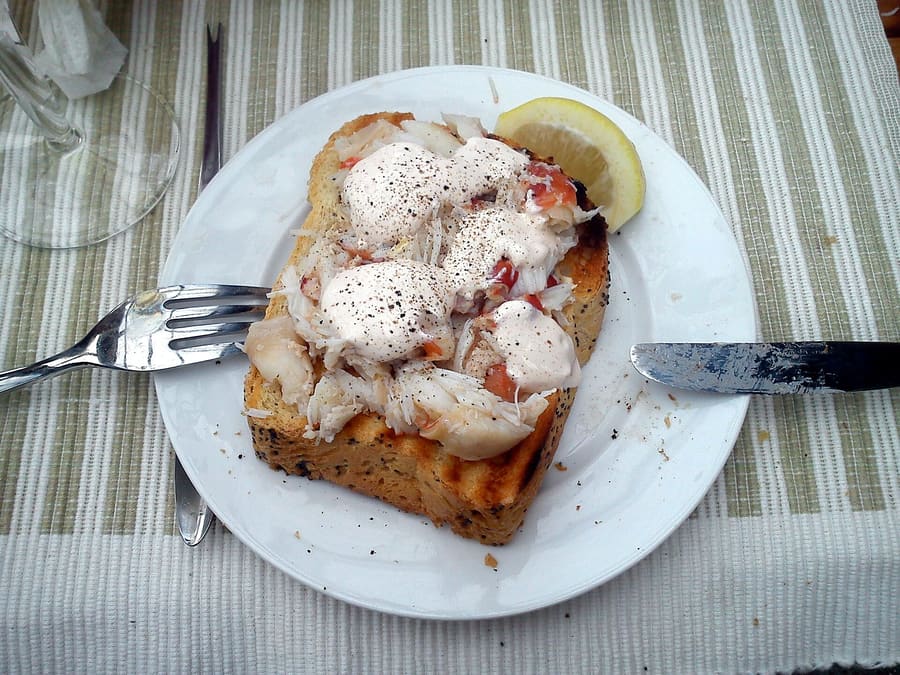
Boiled mud crabs served with vinaigrette, cassava flour, and wooden mallets.
cyclonebill from Copenhagen, Denmark · CC BY-SA 2.0highlights
landmark
A six-hundred-meter strip of open-air crab shacks on Atalaia's southern end. Order whole boiled mud crab with a mallet.
Спросить Parley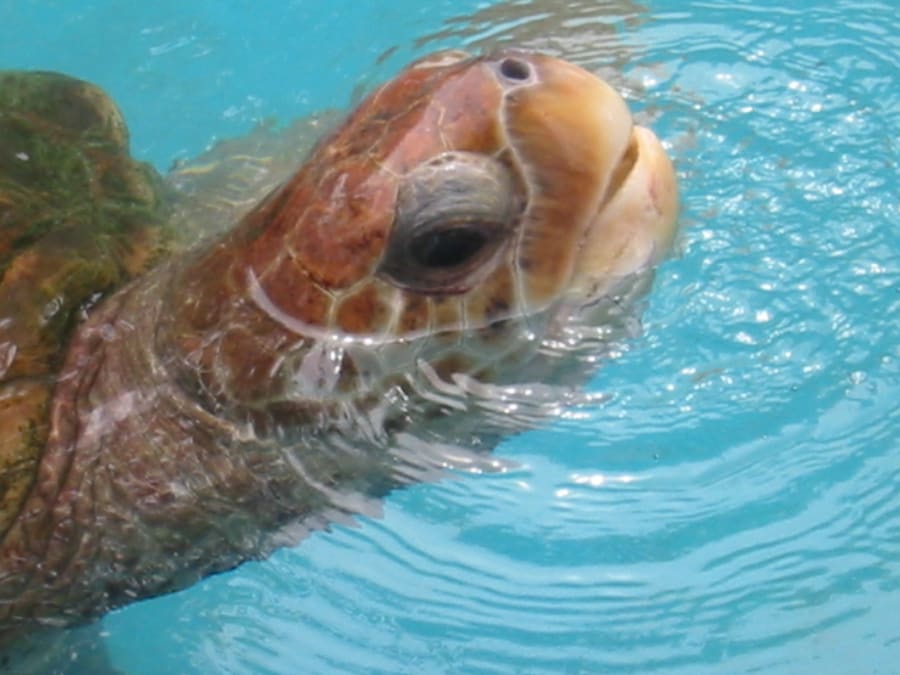
landmark
A turtle-shaped aquarium managed by Projeto TAMAR. Walk the outdoor tanks to see native sea turtles and nurse sharks.
Спросить Parley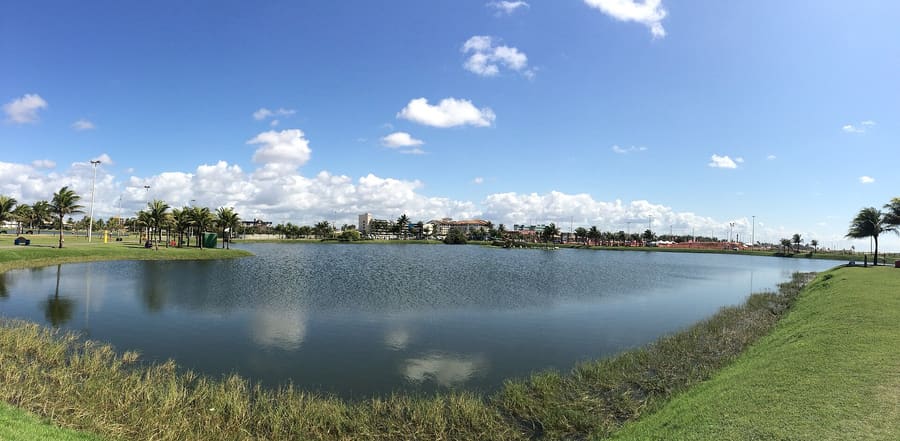
landmark
Six kilometers of illuminated boardwalk with running tracks and food kiosks. Rent a bicycle near the central lakes.
Спросить Parley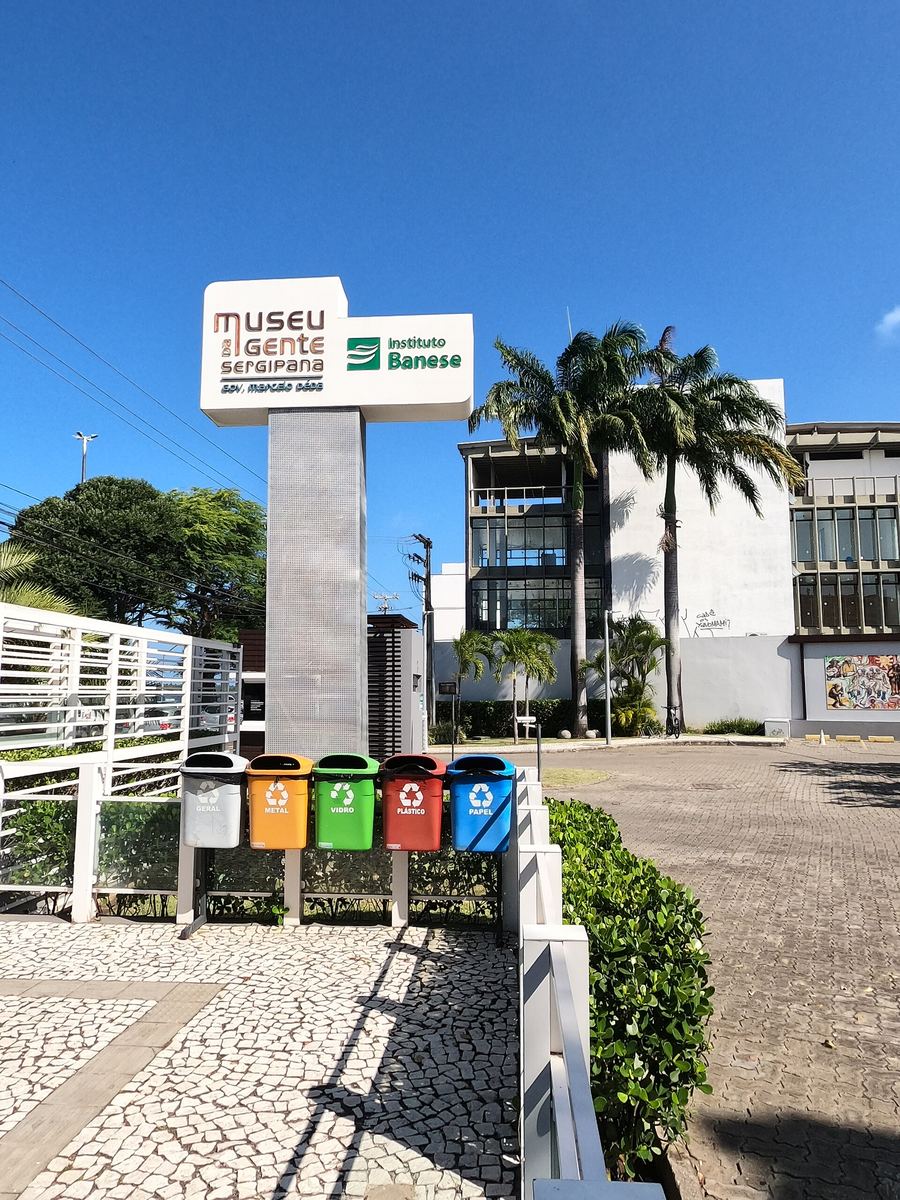
landmark
An interactive museum inside a restored 1926 building. Exhibits focus on regional dialects, folklore, and river ecology.
Спросить Parley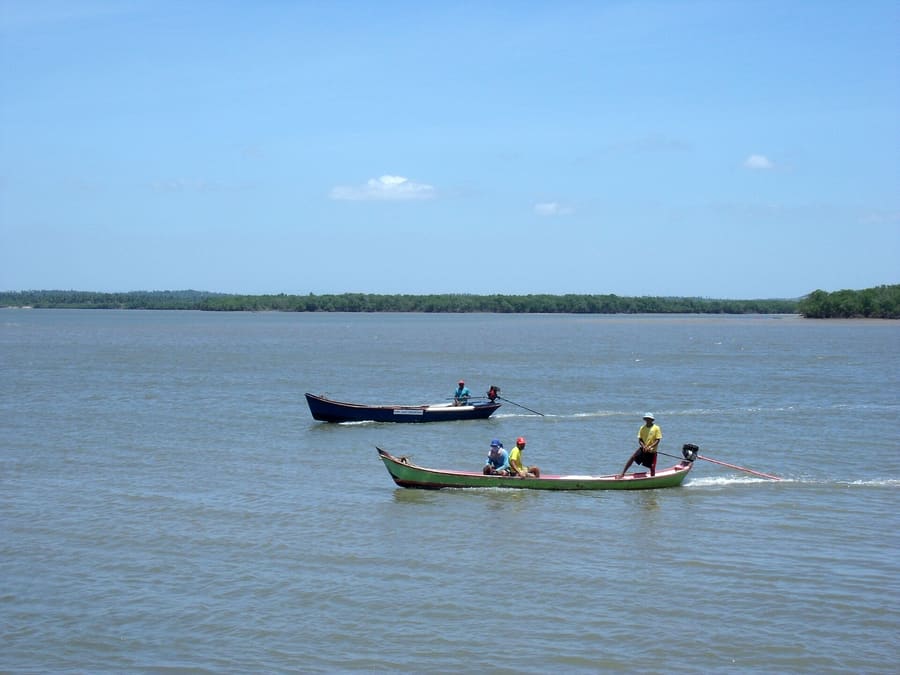
landmark
A riverside pier in Mosqueiro where boats launch for estuarine sandbars. Arrive by 16:30 for sunset over the Rio Vaza-Barris.
Спросить Parleyattractions
areas
Wide coastal strip dominated by hotels, open-air seafood restaurants, and a six-kilometer paved park.
РядомPassarela do Caranguejo and Oceanário
Спросить ParleyDense commercial grid filled with market halls, government plazas, and cultural centers along the river.
РядомMercado Antônio Franco and Museu da Gente Sergipana
Спросить ParleyTransition zone between river and sea with mid-range hotels, quiet residential streets, and river views.
РядомOrla de Atalaia and Riomar Shopping
Спросить ParleyUpscale residential district bordering mangrove forests with an elevated boardwalk and dining options.
РядомParque Sementeira and Shopping Jardins
Спросить Parleyfood
Aracaju eats from the mangrove and the river. Caranguejo-uçá (mud crab) defines local dining along the Passarela do Caranguejo. Tables come equipped with wooden boards and mallets to crack the boiled shells. Carne-de-sol (sun-dried beef) and pirão de capote (thick cassava porridge cooked in broth) anchor inland menus.
Boiled mud crabs served with vinaigrette, cassava flour, and wooden mallets.
cyclonebill from Copenhagen, Denmark · CC BY-SA 2.0Shacks sell mud crabs individually. A standard meal is three or four crabs per person, served with farofa and vinaigrette.
Thursday is 'Quinta do Caranguejo' across Aracaju. Restaurants stock fresh catches and stay open past midnight.
Aratu is a red mangrove crab meat often cooked in coconut milk or fried into savoury pastries called pastel de aratu.
history
Aracaju became the capital of Sergipe in 1855, replacing the inland town of São Cristóvão. Engineer Pirro designed a strict orthogonal grid along the Sergipe River to streamline sugar and cotton exports. During World War II, German submarines torpedoed ships off the coast, prompting Brazil to enter the war.
Capital relocated
Provincial president Inácio Barbosa moves the capital from São Cristóvão to Aracaju for direct sea access.
Atheneu Sergipense built
The city expands its civic core with grand public architecture, including the present Museu da Gente Sergipana building.
Offshore torpedoing
Axis submarines sink Brazilian merchant ships off Sergipe's coast, triggering national protests that bring Brazil into World War II.
Oil discovery
Petrobras discovers offshore oil reserves, turning Aracaju into an administrative base for Brazilian energy production.
where to stay
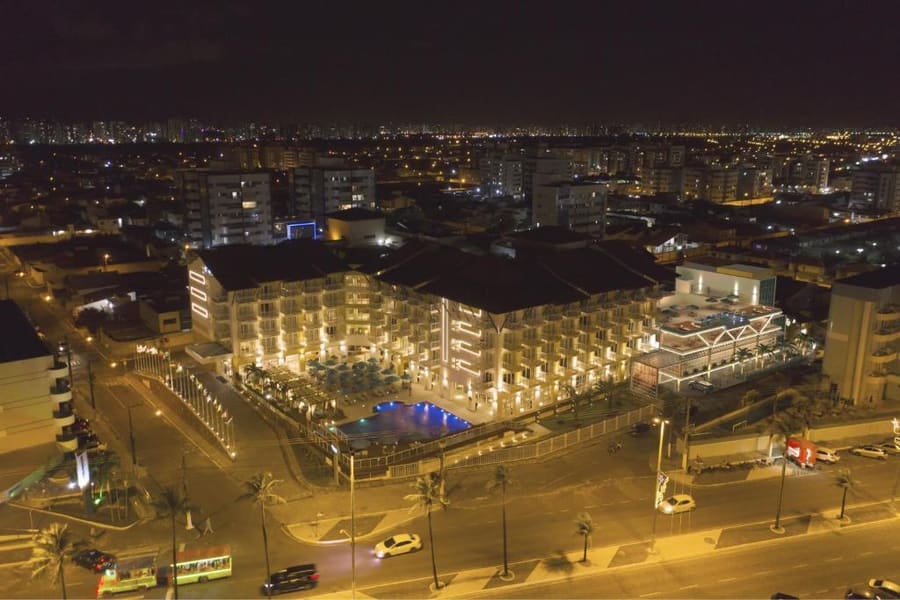
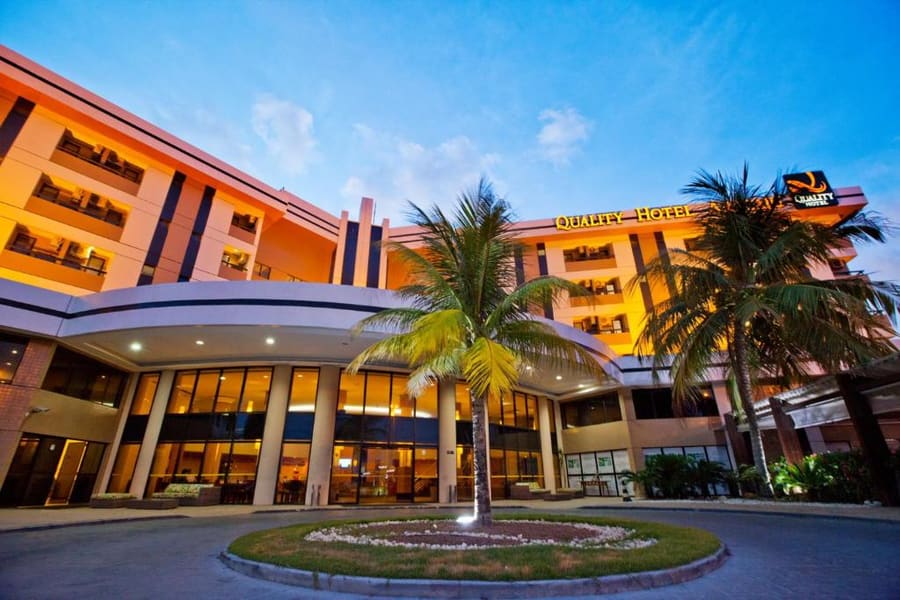
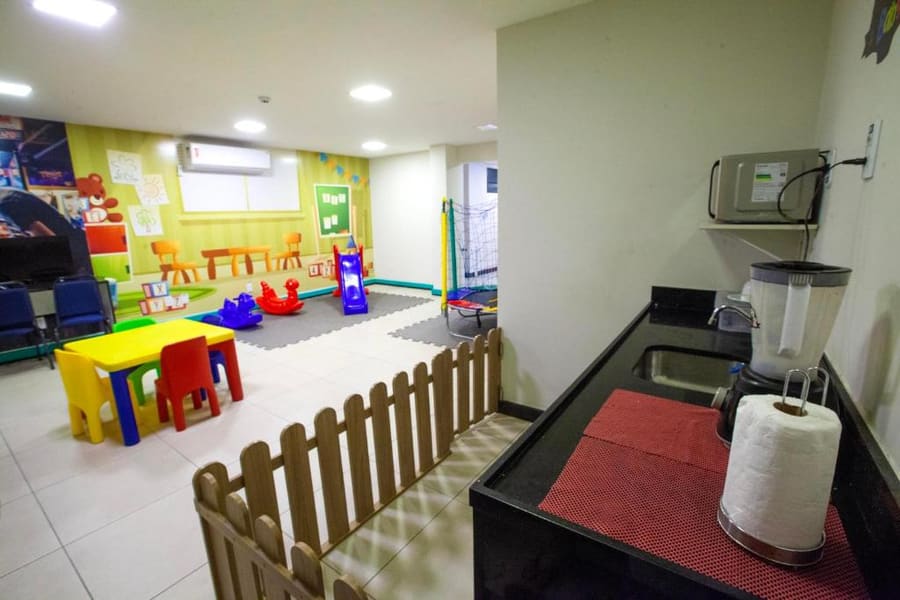
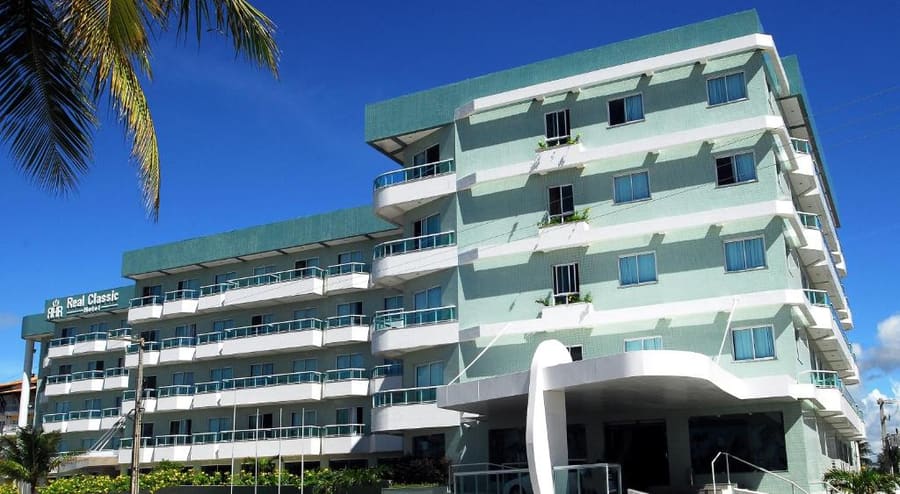
Choose by your preferred schedule. Stay in Atalaia if you want to walk to dinner and beach boardwalks after dark. Stay in Centro or Coroa do Meio if you prefer proximity to historic sites and lower room rates.
Live rates, matched to the areas above.
/9853de909b29.jpg)
transport
Aracaju is flat and straightforward to navigate. The city relies on rideshare applications and a municipal bus system centered around integrated terminals.
Из Santa Maria Airport (AJU)
Best choice for Atalaia hotels. Pick-up is directly outside arrival doors.
Official airport cabs operate on fixed rates posted at the terminal counter.
Line 008 connects the airport to Terminal Zona Sul in Atalaia.
Municipal buses run through hubs like Terminal Zona Sul. Pay cash at terminal booths or use the Mais Aracaju smartcard.
Uber and 99 operate reliably across Aracaju. Drivers accept rides between Atalaia and Centro without long wait times.
Traffic bottlenecks along Avenida Beira Mar between 07:30–09:00 and 17:00–18:30 as commuters cross between zones.
The beachfront promenade features a dedicated wide bike path. Rental stations line the walkway near the lakes.
cost
Aracaju remains one of the more affordable coastal capitals in Northeast Brazil. Eating seafood and taking short rideshares keep daily budgets low.
Crabs are sold individually at shacks along Passarela do Caranguejo.
Midday meals in Centro markets offer dried meat, rice, beans, and cassava flour.
Fares between Atalaia and Treze de Julho stay low throughout the day.
Includes boat transport from Orla do Pôr do Sol to the river sandbar.
seasonality
SEP – FEB
Dry season with constant sea breezes and clear skies. Ideal for river boat tours and beach walking.
MAR – MAY
Transitional season with occasional rain showers. Hotel prices drop and crowds thin out.
JUN – JUL
Peak winter rainy season, but coinciding with Forró Caju festival in June. Expect heavy rain and lively street dances.
AUG
Rains taper off. Warm weather returns with lower accommodation rates before the summer rush.
practicalities
River outflows give Aracaju's ocean water a brownish tint. The water is clean, but visibility is low.
Downtown retail closes by 13:00 on Saturdays and stays shut on Sundays. Plan market visits for weekday mornings.
Sergipe celebrates Saint John's festival extensively in June. Traditional accordion music and street parties dominate the city.
While credit cards are common, small craft vendors in Mercado Antônio Franco prefer cash for small purchases.
River currents in the Rio Vaza-Barris are strong. Swim only in designated shallow areas around sandbars.