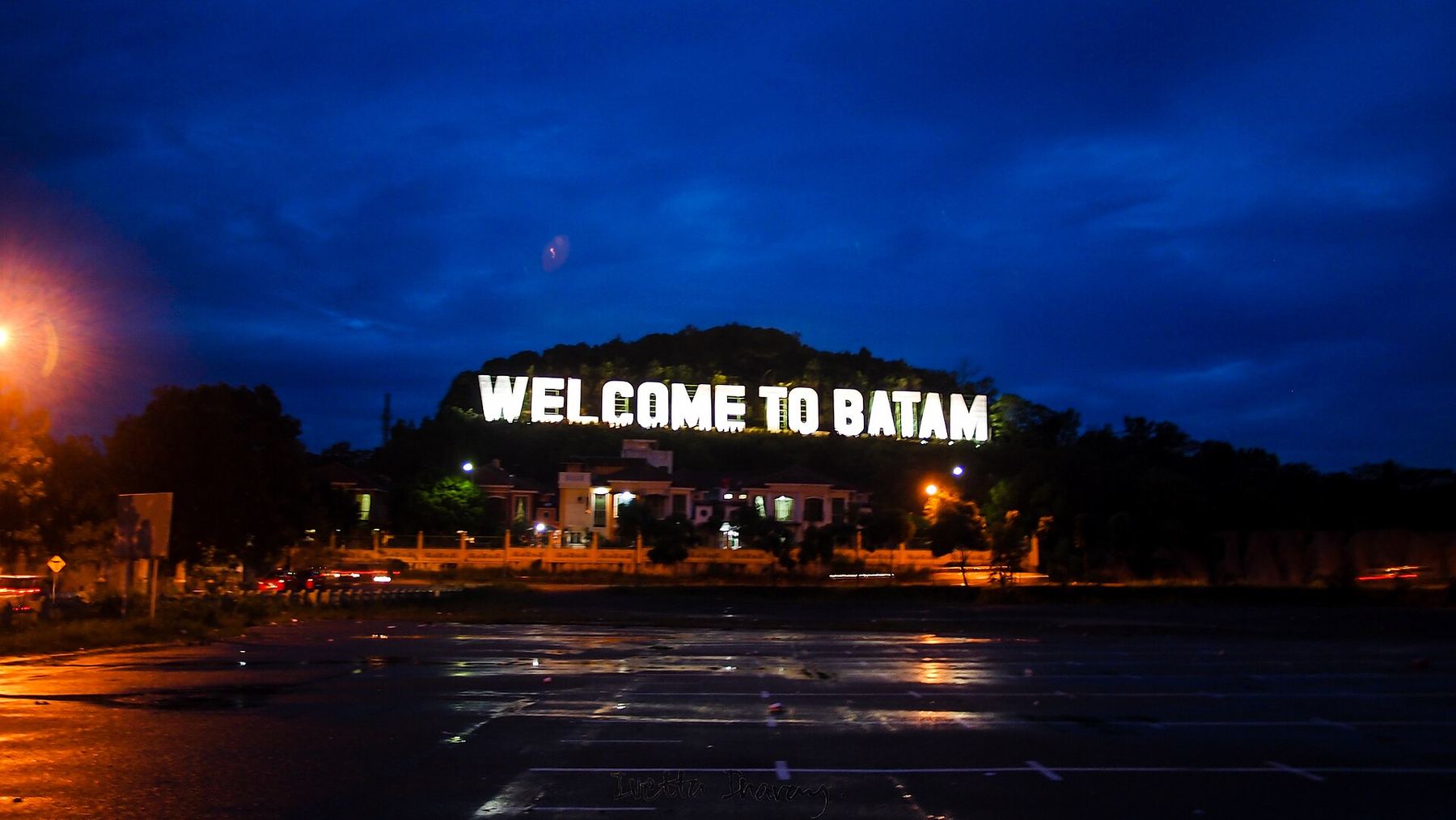
landmark
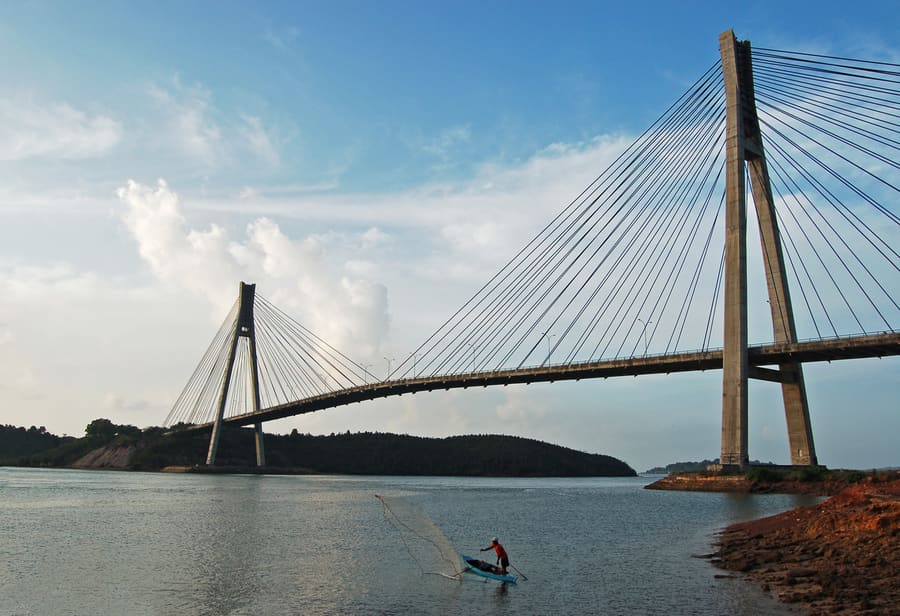
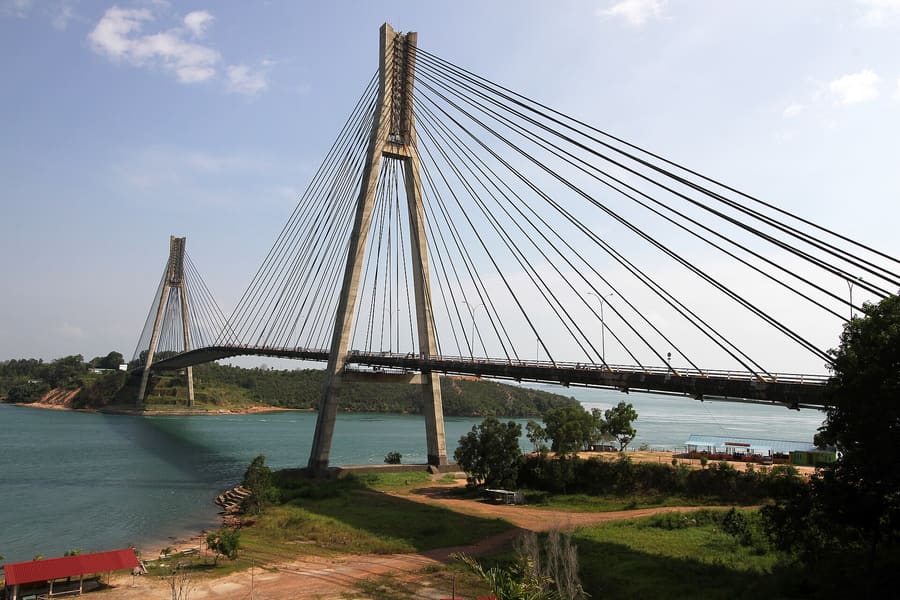
Barelang Bridge
A chain of six bridges connecting Batam to smaller southern islands. Visit at sunset for street-food stalls along the main span.
Спросить ParleyИндонезия
Singapore’s factory backlot turned weekend escape.
introduction
Batam is a sprawling industrial island in the Riau Archipelago, situated 20 kilometers south of Singapore. You arrive by high-speed ferry or domestic flight, entering a landscape of manufacturing zones, commercial hubs, and waterfront seafood kelongs. Pedestrian infrastructure does not exist between districts; you rely on ride-hailing applications or hired drivers for every trip. Expect a practical, commerce-driven atmosphere built around leisure, dining, and spa services.
Arrival trick
Clear Indonesian customs faster at Harbour Bay terminal than at Batam Centre, as passenger volume there is significantly lower.
Free Trade Zone
Batam operates as a Special Economic Zone, making alcohol and imported electronics exempt from standard Indonesian luxury taxes.
Transit planning
Download Grab or Gojek before leaving the ferry terminal; local street taxis frequently overcharge standard fixed routes.
Batam
Cabajar · CC BY-SA 4.0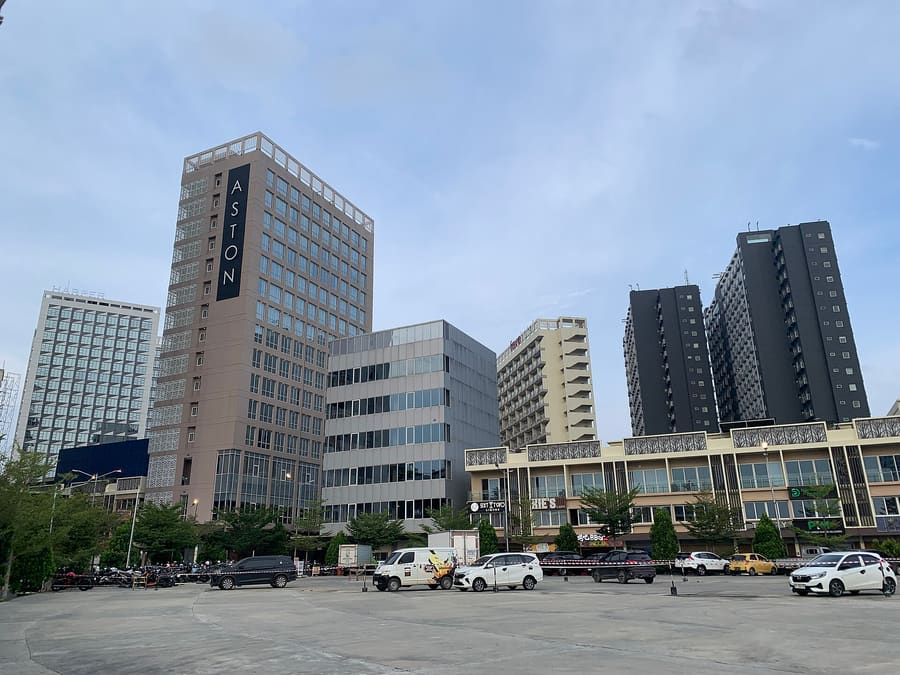
Nagoya — A dense commercial grid packed with massage centers, electronics shops, and street stalls.
Zoresirinhongen · CC BY-SA 4.0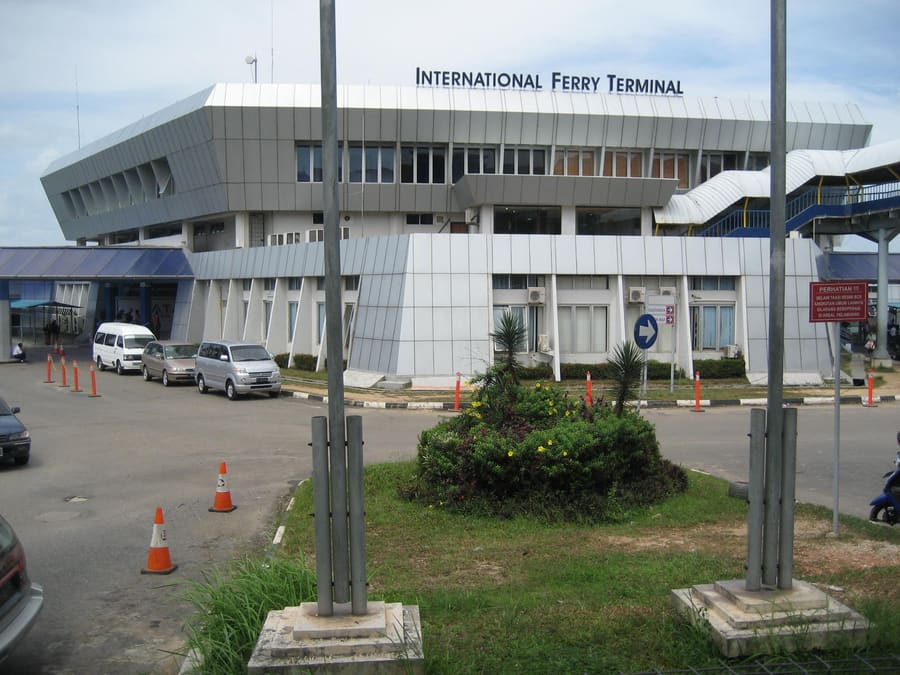
Batam Centre — The administrative heart featuring wide avenues, government plazas, and big malls.
Original uploader was Masgatotkaca at id.wikipedia · CC BY-SA 3.0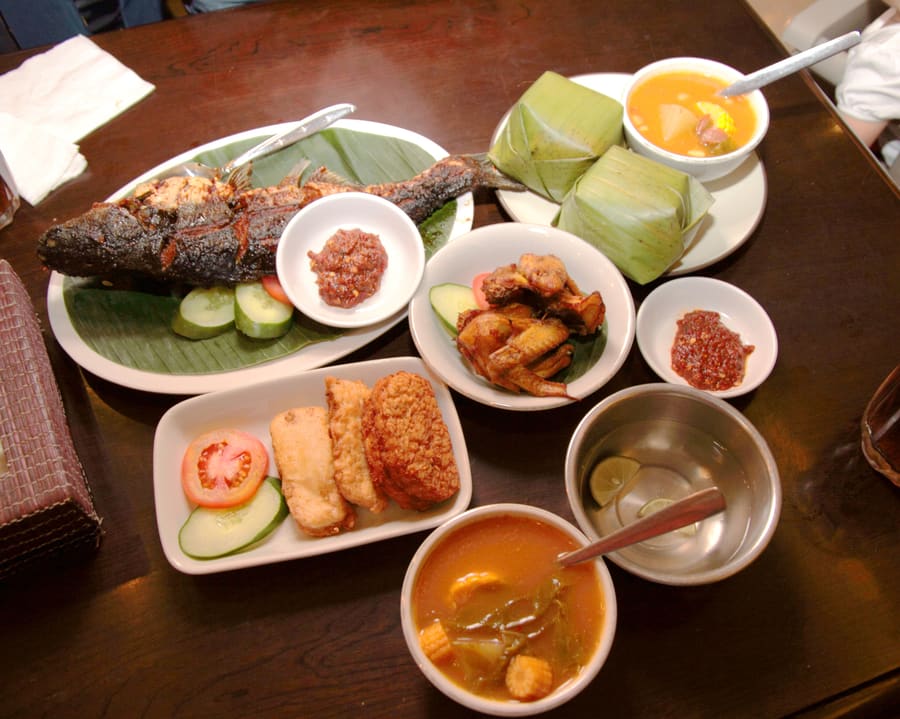
Freshly boiled gonggong served with local spicy chili dip at a Batam kelong.
Zul Rosle from Kuala Lumpur, Malaysia · CC BY 2.0highlights
landmark
A chain of six bridges connecting Batam to smaller southern islands. Visit at sunset for street-food stalls along the main span.
Спросить Parley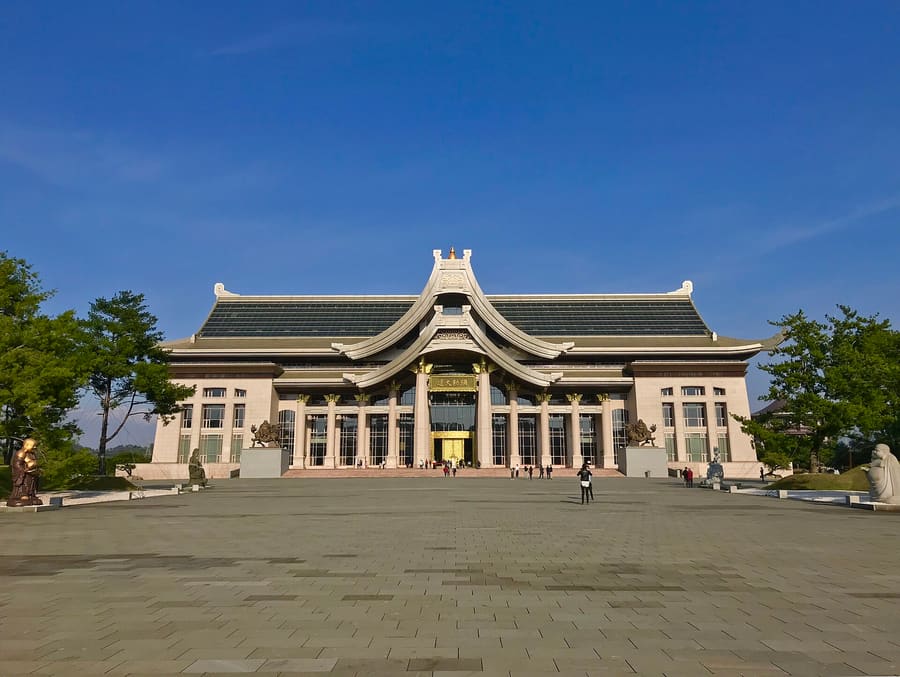
landmark
One of the largest Buddhist temples in Southeast Asia. The vegetarian food court on the ground floor serves inexpensive mock-meat dishes.
Спросить Parley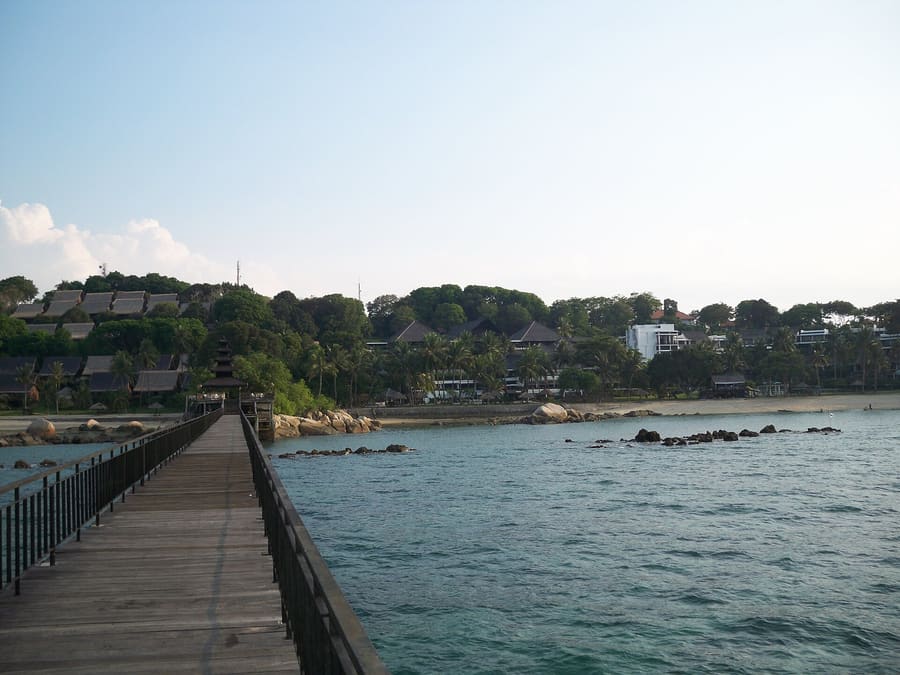
landmark
A quiet northeastern coastline facing the Singapore Strait. Resort private beaches here avoid the industrial traffic of the main hubs.
Спросить Parleyattractions
areas
A dense commercial grid packed with massage centers, electronics shops, and street stalls.
РядомNagoya Hill Mall and Harbour Bay ferry port.
Спросить ParleyThe administrative heart featuring wide avenues, government plazas, and big malls.
РядомMega Mall Batam Centre and the primary ferry terminal.
Спросить ParleyA modern waterfront promenade built around a high-speed ferry terminal and hotel towers.
РядомFerry terminals to Singapore and Johor.
Спросить ParleyA tranquil resort peninsula lined with golf courses, private beaches, and boat marinas.
РядомNongsa Pura Ferry Terminal and golf clubs.
Спросить Parleyfood
Batam eats seafood straight from the water. The regional specialty is gonggong, a sea snail boiled in salted water and served with a garlic-chili dipping sauce. You pull the snail meat out with a toothpick. Kelong-style wooden restaurants built over tidal flats serve live mud crabs, salted-egg squid, and steamed white snapper.
Freshly boiled gonggong served with local spicy chili dip at a Batam kelong.
Zul Rosle from Kuala Lumpur, Malaysia · CC BY 2.0Specify live weight when ordering seafood at kelong restaurants. Gonggong is priced per portion, but fish and crabs are priced by the 100 grams.
Waterfront places fill up by 18:30 on Friday and Saturday when Singapore weekenders arrive. Arrive at 17:30 to secure a water-view table without a reservation.
Large seafood establishments accept major credit cards, but smaller roadside stalls require cash in Indonesian Rupiah.
history
Until the 1970s, Batam was a sparsely populated island of coastal fishing villages. Indonesia transformed it into an industrial free-trade zone to capture spillover investment from nearby Singapore. The government established the Batam Industrial Development Authority to build deep-water ports, paved roads, and electronics manufacturing parks. Bridges were constructed in the 1990s to link Batam to neighboring southern islands.
Industrial Status
Presidential decree designates Batam as an industrial logistics base under state oil company Pertamina.
BIDA Established
The Batam Industrial Development Authority takes charge of land allocation and infrastructure expansion.
Barelang Bridges
Six bridges open, connecting Batam to Rempang and Galang islands to unlock rural land for development.
Free Trade Zone Enacted
Indonesia officially grants Batam full Free Trade Zone status, removing import duties on raw materials.
where to stay
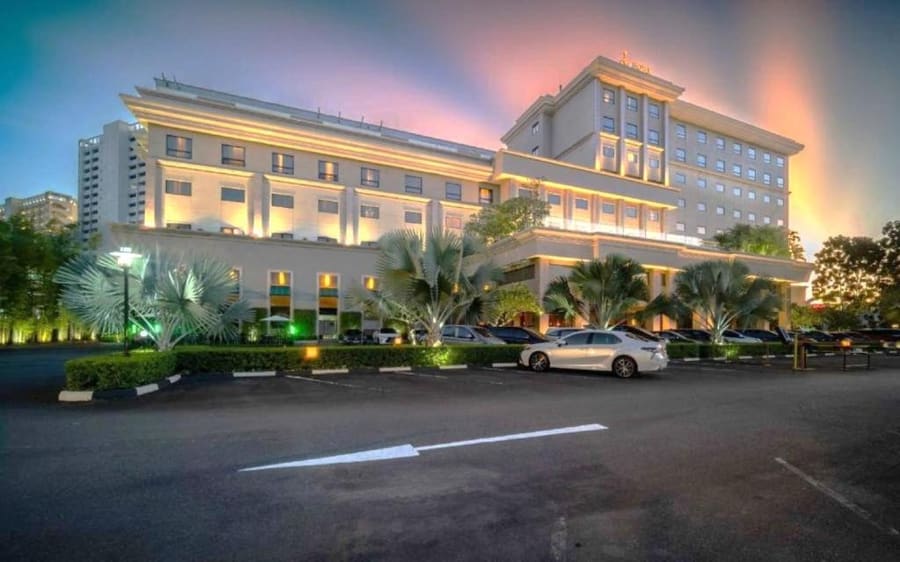
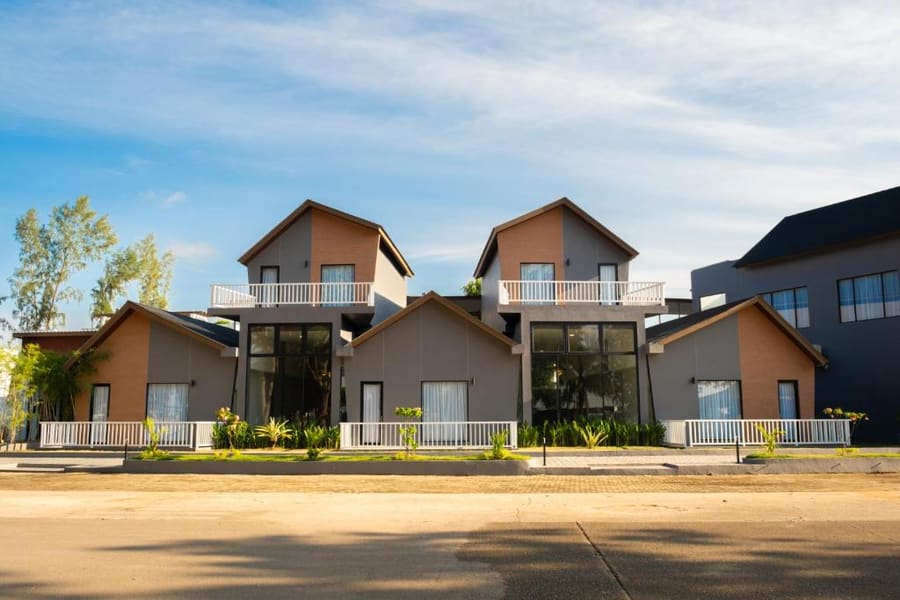
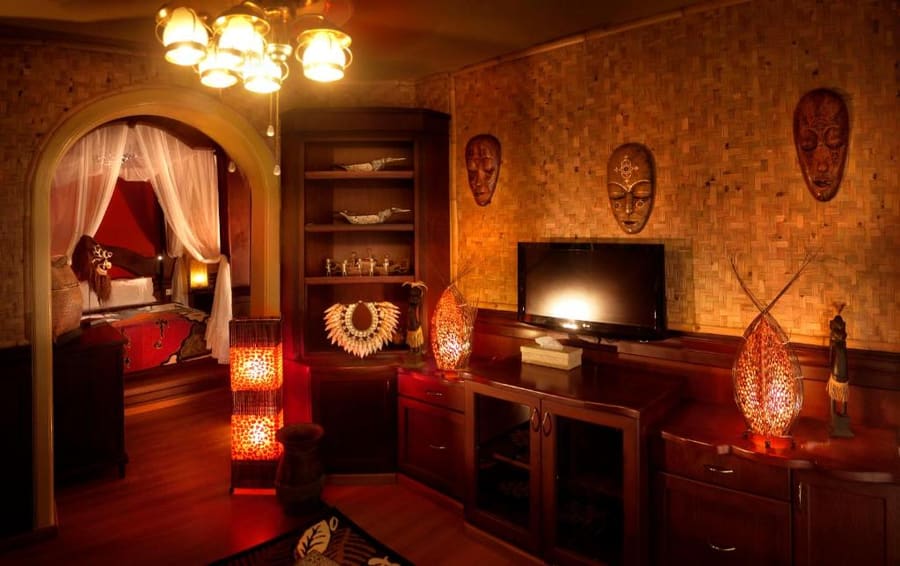
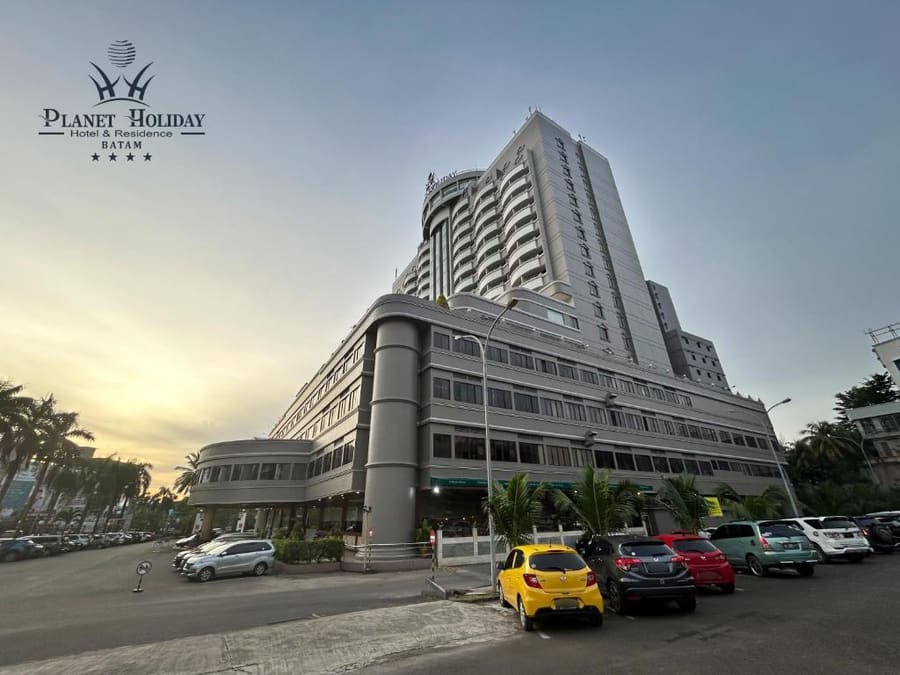
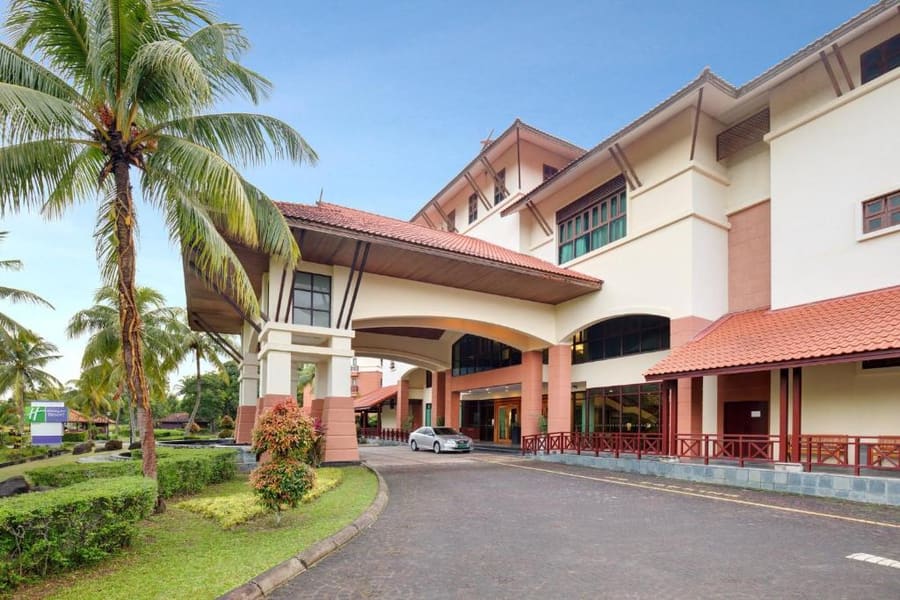
Choose your base by your travel speed. If you want direct ferry arrivals and late-night seafood, stay in Harbour Bay. If you come for shopping and cheap massages, choose Nagoya. If you seek quiet beaches and golf, book a resort in Nongsa.
Live rates, matched to the areas above.
transport
Most international visitors arrive via ferry from Singapore's HarbourFront or Tanah Merah terminals. Once on the island, public transit is limited to irregular angkot minibuses. Ride-hailing services are the primary way to travel between districts.
Batam is on Western Indonesia Time (UTC+7), which is one hour behind Singapore (UTC+8). Adjust your watch on arrival.
Check if your nationality requires an Indonesian Visa on Arrival, which costs IDR 500,000 payable by card or cash.
Drivers cannot always pick up directly outside arrival doors due to local taxi union rules; walk to the designated main road gate.
Hiring a private car and driver for 10 hours costs around IDR 600,000–800,000 including fuel, ideal for island-wide day trips.
cost
Batam is significantly cheaper than neighboring Singapore. Dining, spa services, and transport offer strong purchasing power for international visitors, though imported goods in malls carry standard prices.
Covers fresh fish, gonggong, crab, and rice per person at waterfront kelongs.
Standard rate at clean, reputable urban spa parlors in Nagoya.
Terminal departure fees are typically included in ferry ticket prices purchased online.
Covers 3–5 kilometer trips within the Nagoya or Harbour Bay districts.
seasonality
JAN – MAR
Northwest monsoon brings occasional rain showers, but sea crossings remain generally manageable.
APR – SEP
Driest months with calm seas and sunny skies. Ideal window for golf and coastal kelong visits.
OCT – DEC
Northeast monsoon brings heavy rainfall and choppy waters. Expect heavy Singapore holiday weekend crowds.
practicalities
Humidity is high year-round. Carry bottled water, as tap water in Batam is not drinkable.
Money changers in Nagoya offer competitive rates for SGD and USD. Always count cash before leaving the counter.
Arrive at ferry terminals 60 minutes before departure to pass immigration and luggage screening.
Bahasa Indonesia is the primary language. Basic English is spoken widely in hotels, spas, and major malls.
If you get seasick, take motion sickness medication before boarding high-speed catamarans across the Singapore Strait.