landmark
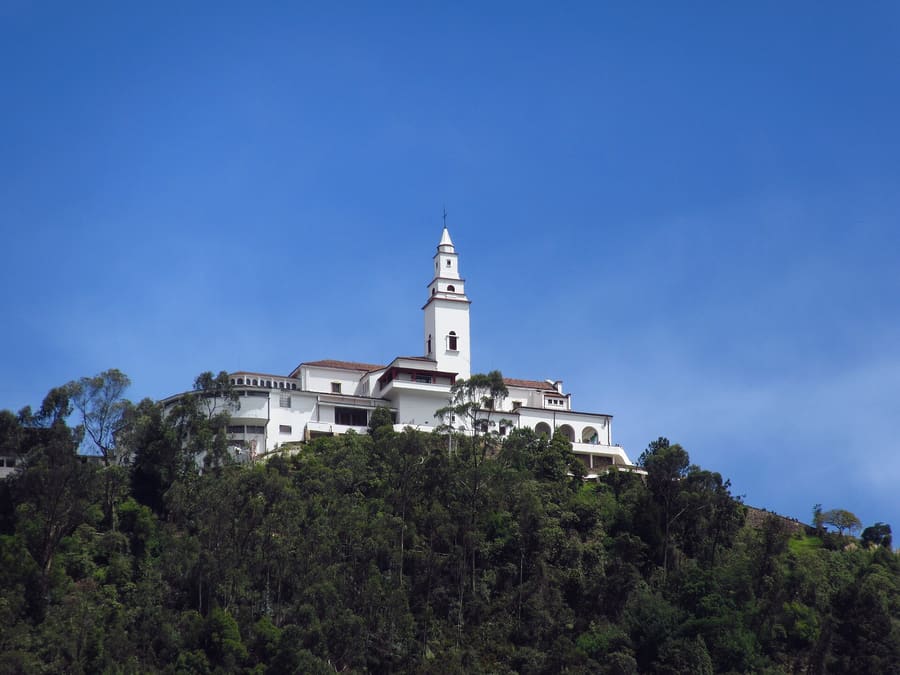
Cerro de Monserrate
3,152-metre peak offering views of the city basin. Take the funicular up before 08:00 to dodge cloud cover and long lines.
Спросить ParleyКолумбия
High-altitude grit, mountain cold, and restless intellect.
introduction
Bogotá sits at 2,640 metres on an Andean plateau, cooler and sharper than the tropical coast. Mountains frame the east side, giving you an immediate compass. You navigate by street numbers and altitude, moving between historic colonial alleys and modern high-altitude districts. Pace yourself on arrival; the thin air and dense traffic reward steady momentum.
Airport transport trick
Ignore unofficial drivers in arrivals. Take the official Taxi Imperial desk queue or order via Cabify to avoid inflated fares.
UNESCO City of Music
Bogotá joined the UNESCO Creative Cities Network as a City of Music in 2012, reflecting its deep live music infrastructure.
Sunday street closure
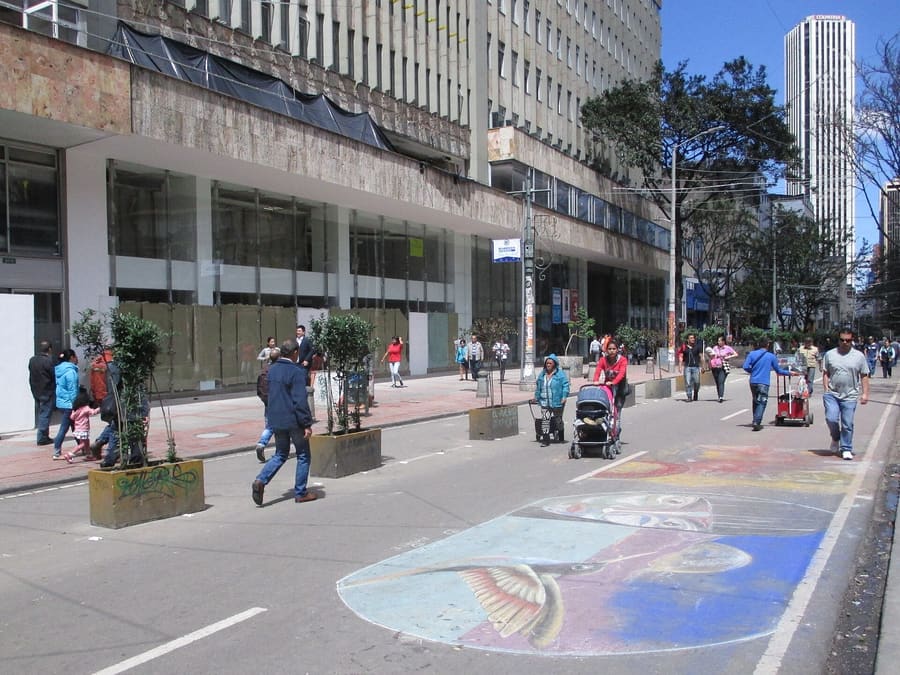
Over 120 kilometres of main roads close to cars every Sunday for Ciclovía. Rent a bike early before shops run out.
Bogotá
Felipe Restrepo Acosta · CC BY-SA 4.0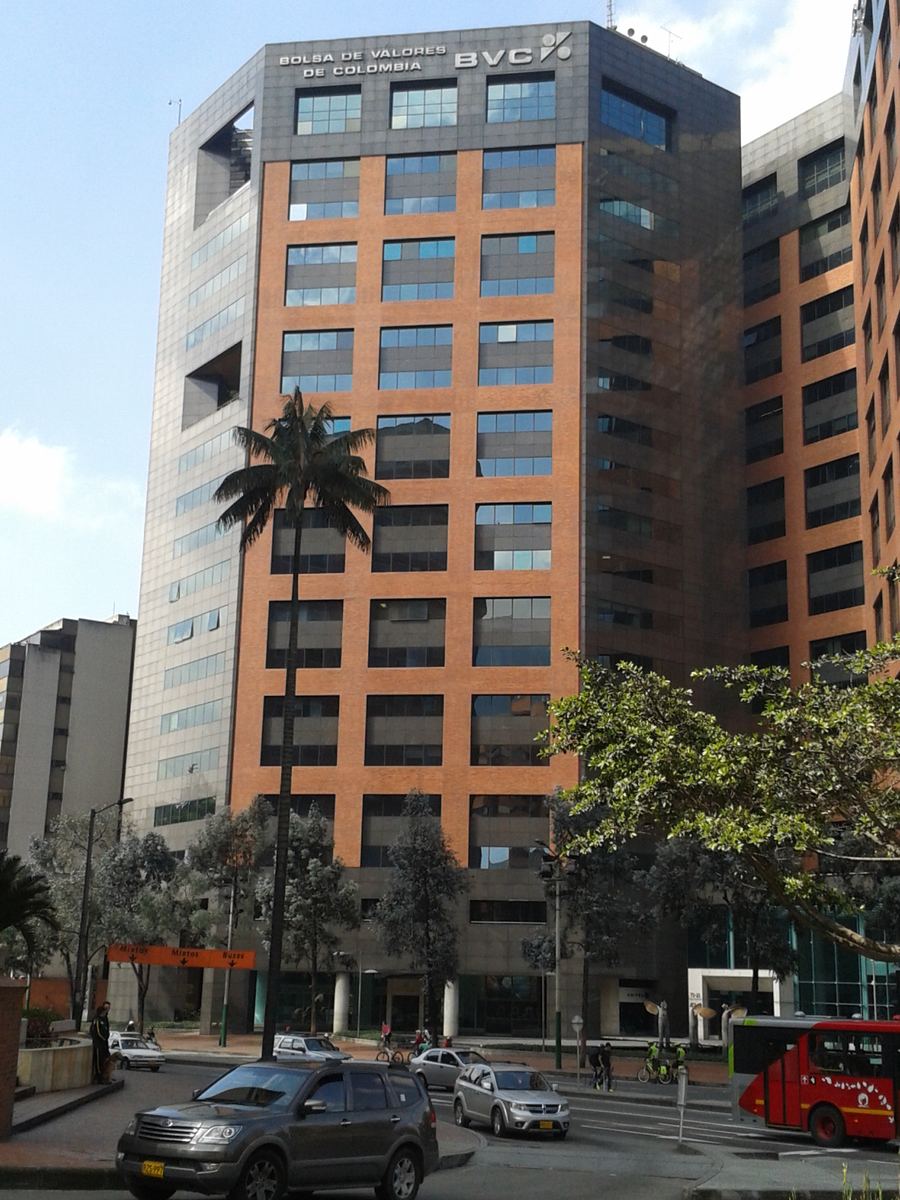
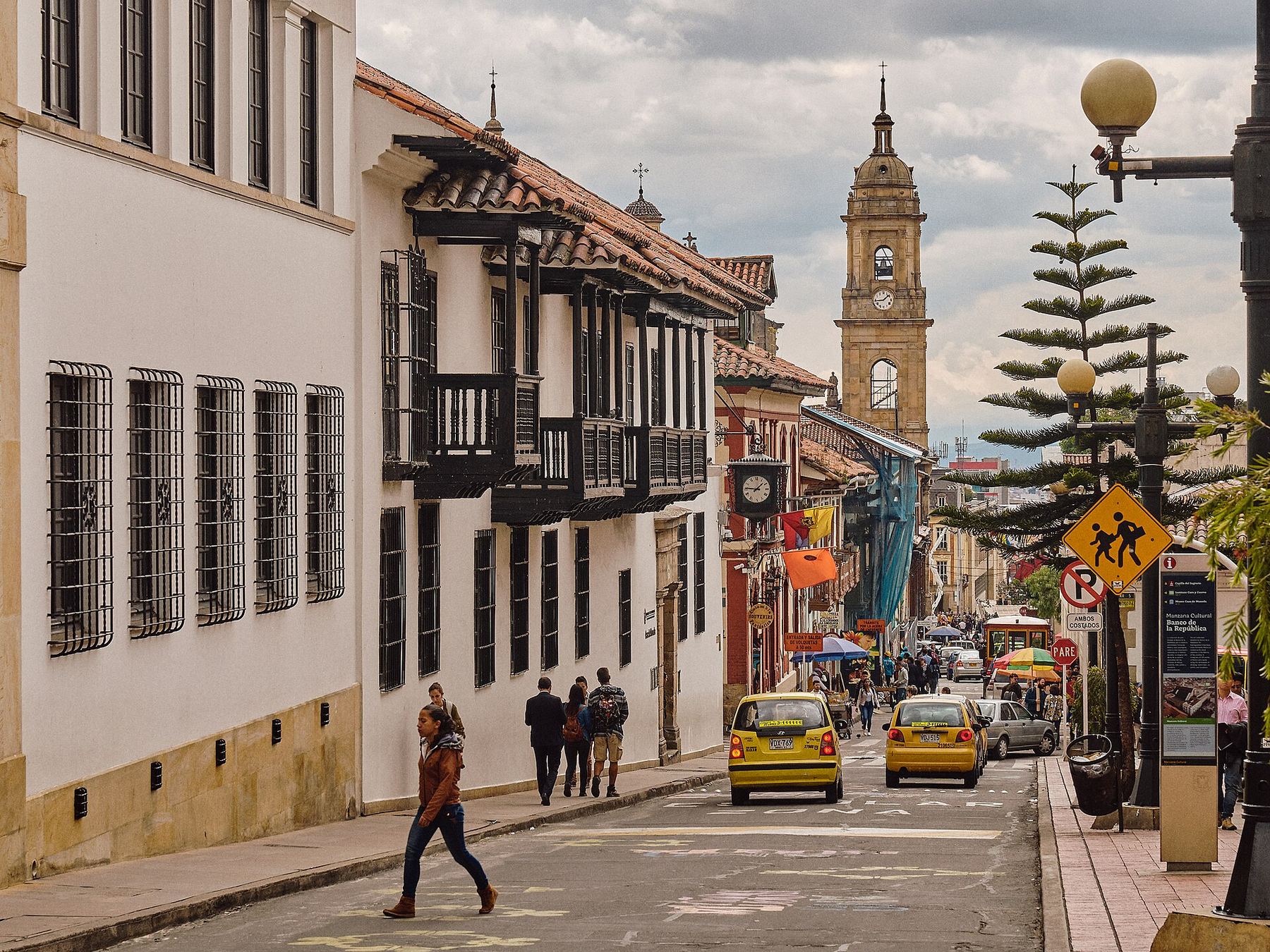
Chapinero — Gastronomic core with coffee shops, independent bars, and residential brick blocks.
Brawmo · CC BY-SA 4.0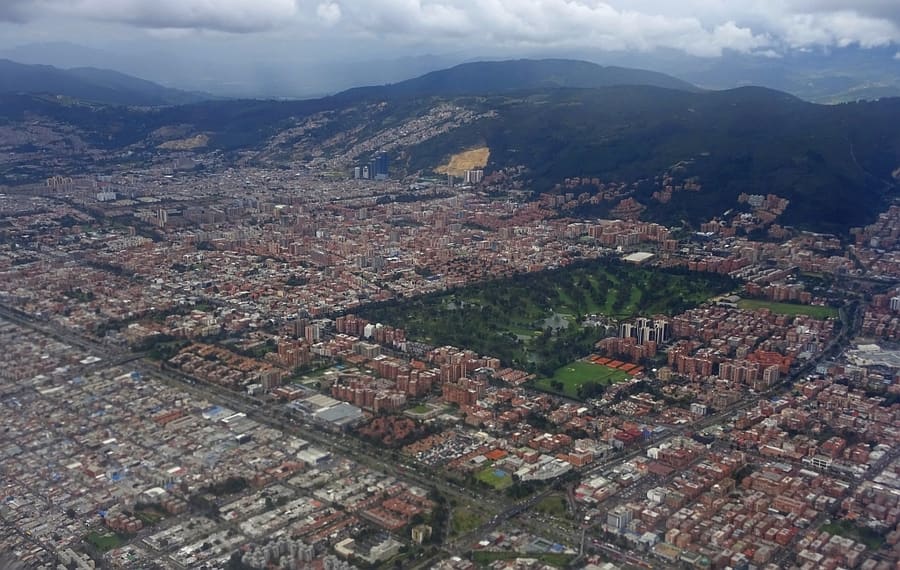
Usaquén — Former village absorbed by the city, known for Sunday flea markets and cobbled plazas.
Tisquesusa · CC BY 4.0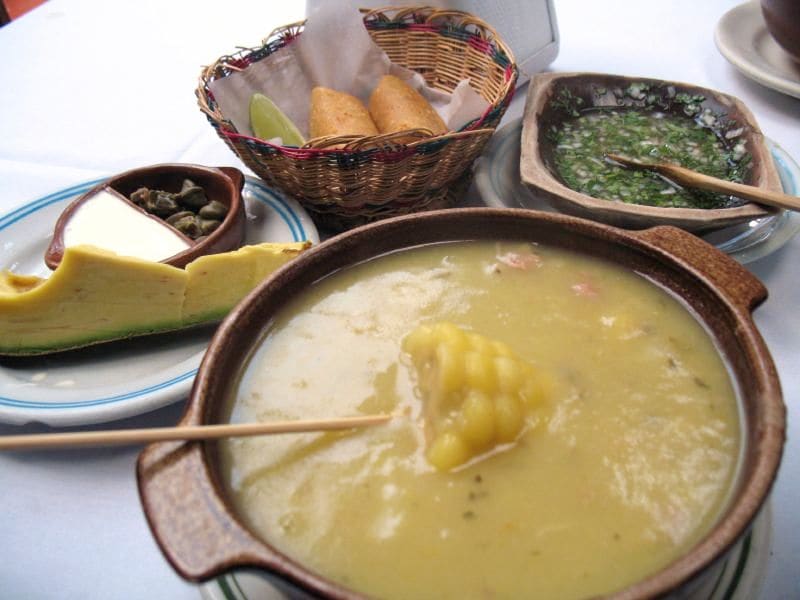
A traditional bowl of Ajiaco santafereño served with capers, cream, avocado, and rice.
Mauricio Giraldo from Bogotá, Colombia · CC BY-SA 2.0highlights
landmark
3,152-metre peak offering views of the city basin. Take the funicular up before 08:00 to dodge cloud cover and long lines.
Спросить Parley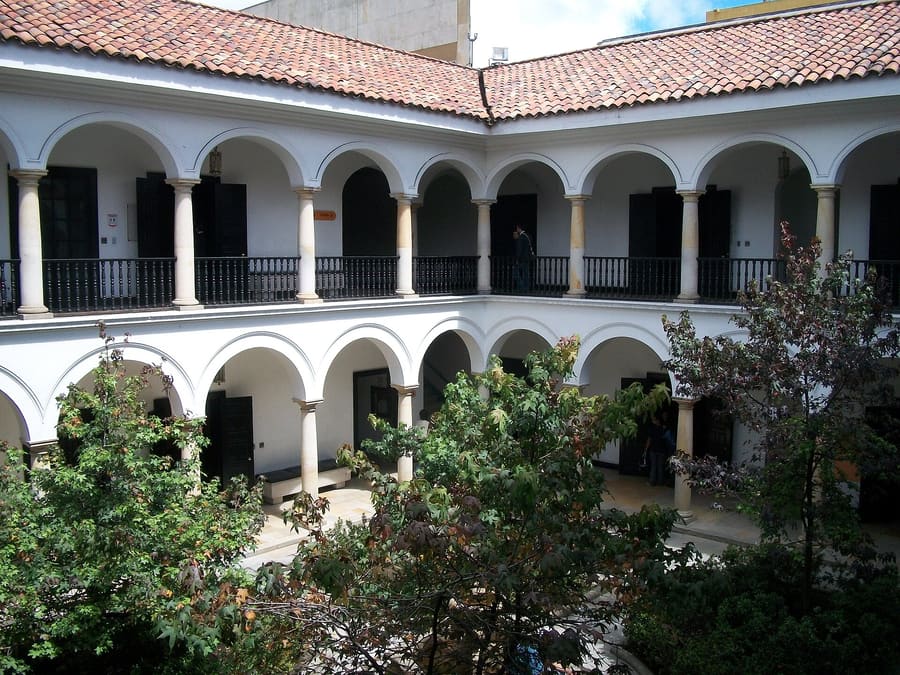
landmark
Free art museum featuring Fernando Botero's rotund figures alongside works by Picasso and Monet. Closed Tuesdays.
Спросить Parley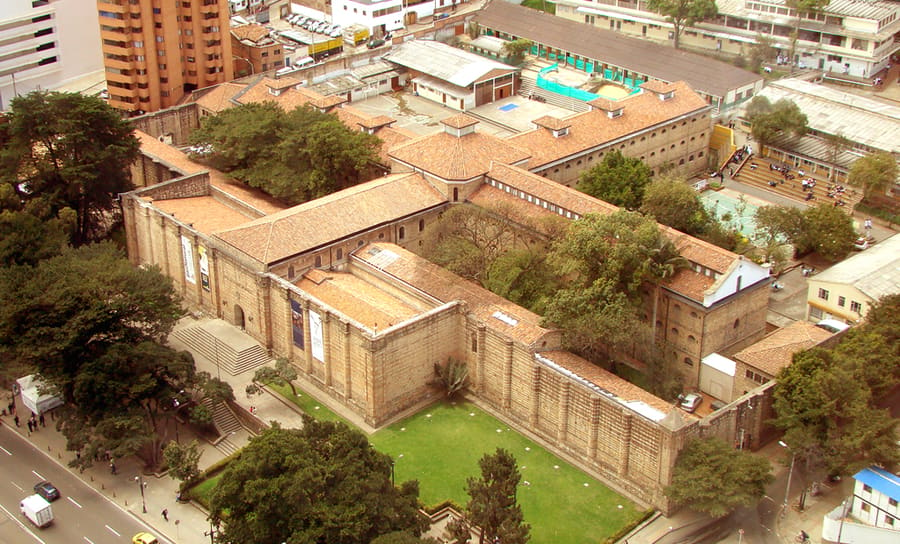
landmark
Colombia's oldest museum, housed in a 19th-century panopticon prison. Exhibits track national history across 17 galleries.
Спросить Parleyattractions
areas
Gastronomic core with coffee shops, independent bars, and residential brick blocks.
РядомZona G, Quintacto
Спросить ParleyFormer village absorbed by the city, known for Sunday flea markets and cobbled plazas.
РядомHacienda Santa Bárbara
Спросить ParleyHistoric center with steep streets, graffiti art, student cafés, and heavy foot traffic.
РядомMuseo del Oro, Plaza de Bolívar
Спросить ParleyUpmarket retail district packed with high-end restaurants, malls, and late-night clubs.
РядомAndino Mall, El Retiro
Спросить Parleyfood
Bogotá's cuisine responds directly to its cool mountain climate. Starches and slow-simmered soups dominate local tables, built around native Andean potatoes and corn. Dining runs from traditional soup halls in La Candelaria to world-class tasting menus in Chapinero Alto.
A traditional bowl of Ajiaco santafereño served with capers, cream, avocado, and rice.
Mauricio Giraldo from Bogotá, Colombia · CC BY-SA 2.0Order this soup at La Puerta Falsa near the cathedral. Mix in the capers, heavy cream, and avocado slice served on the side.
Order hot chocolate served with a slab of salty white cheese. Drop the cheese directly into the hot drink to melt before eating.
Ask vendors for lulo, maracuyá, guanábana, and granadilla. Try them whole or fresh-squeezed without added sugar.
history
Originally Bacatá, the central settlement of the Muisca confederation, the city was refounded by Gonzalo Jiménez de Quesada in 1538. Isolated high in the Andes, Bogotá grew into a major intellectual and political center of South America.
Spanish Foundation
Gonzalo Jiménez de Quesada establishes Santa Fe de Bogotá on the site of Muisca settlement Bacatá.
Independence
Simón Bolívar enters the city after victory at Boyacá, making Bogotá capital of Gran Colombia.
El Bogotazo
The assassination of political leader Jorge Eliécer Gaitán sparks riots that destroy much of the historic center.
TransMilenio Launch
The city opens its bus rapid transit network, transforming urban transit across the plateau.
where to stay
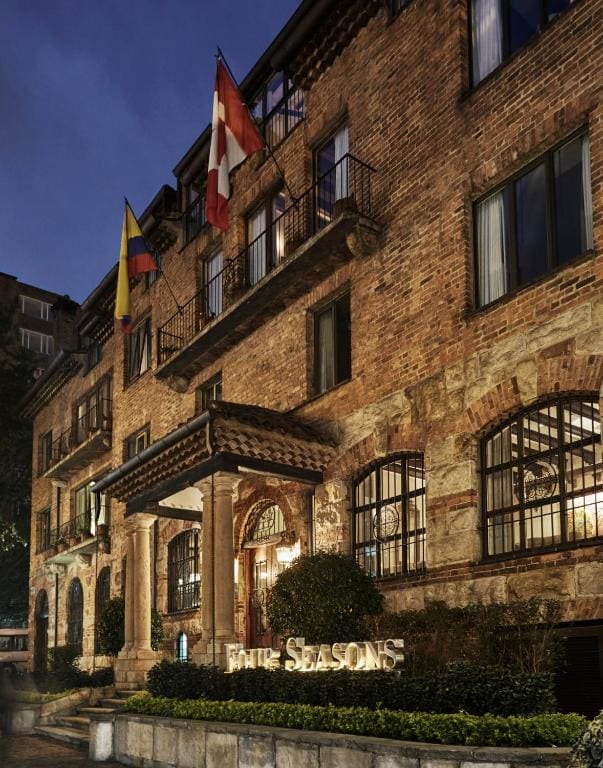
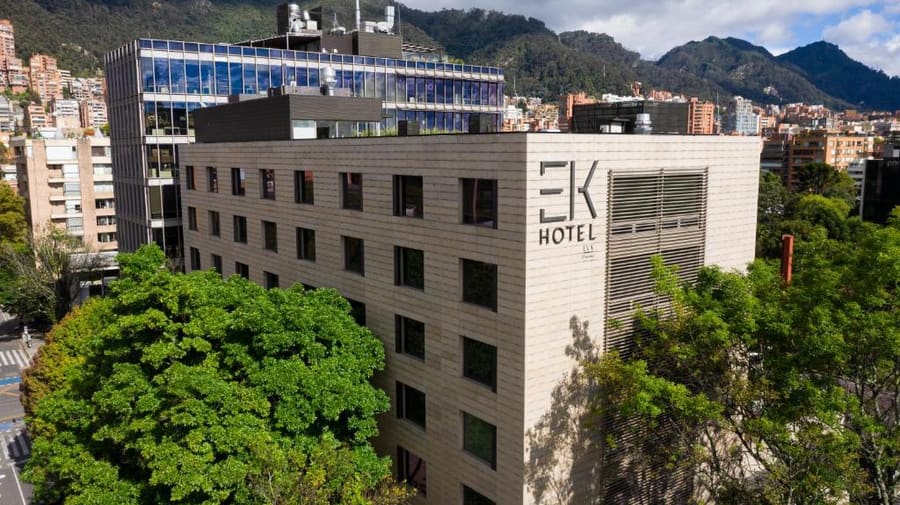
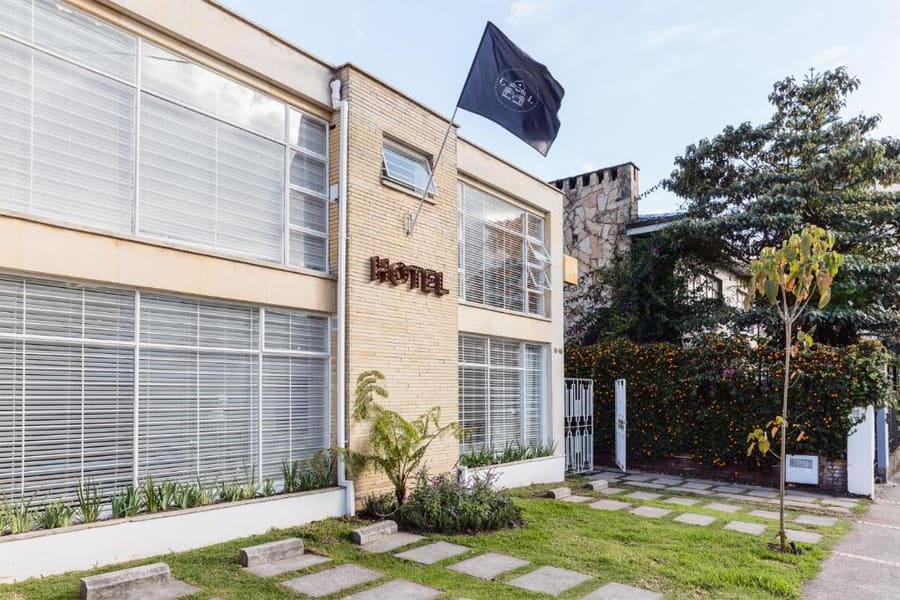
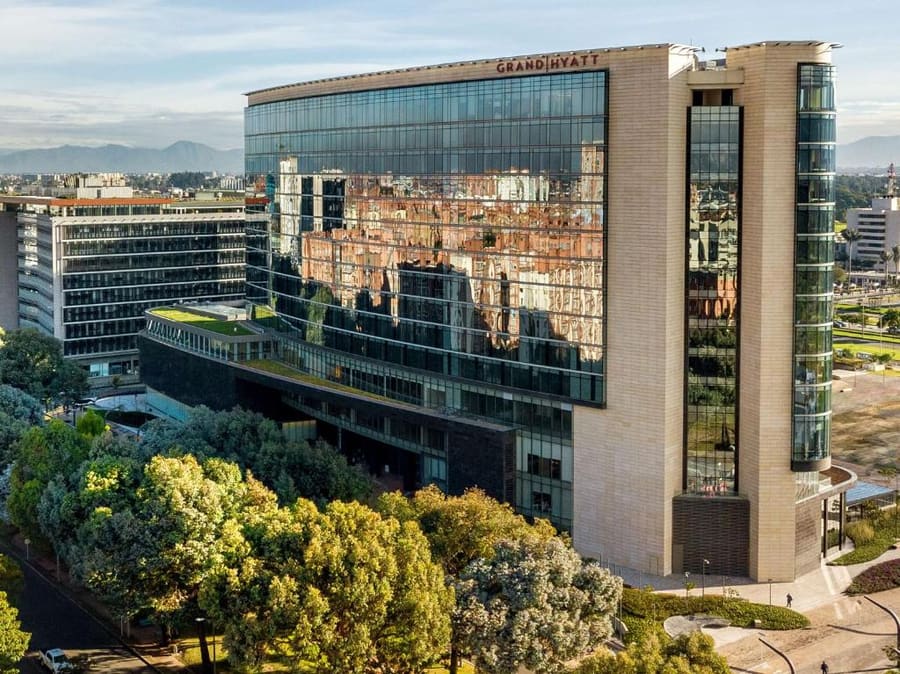
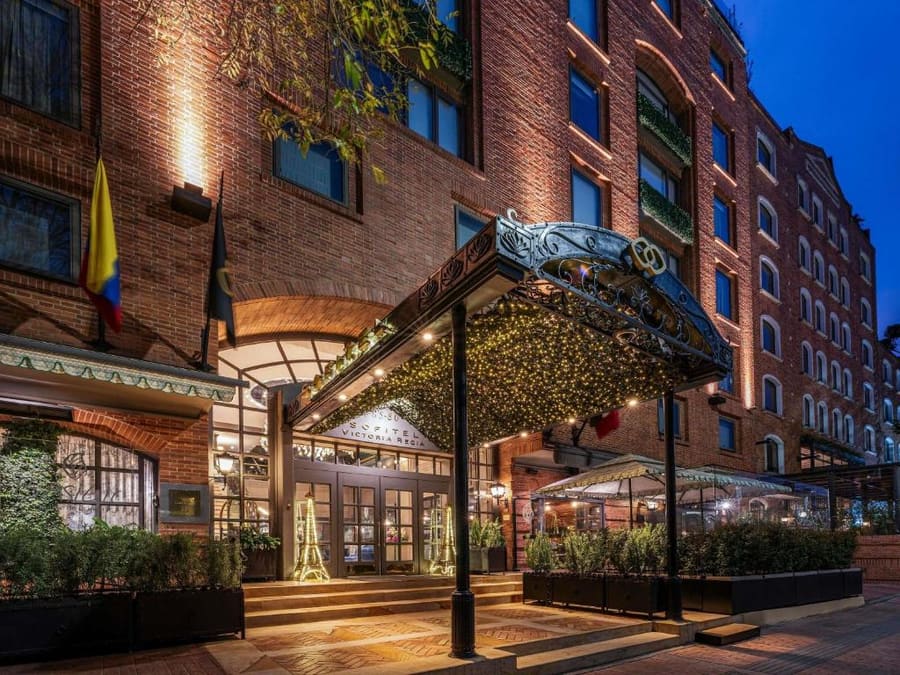
Choose your base by your priority: sightseers benefit from staying near central museums, while food lovers and late-night diners belong farther north in Chapinero or Zona Rosa. Traffic makes cross-city travel slow during morning and evening rush hours.
Live rates, matched to the areas above.
transport
Bogotá's transit centers on the TransMilenio bus rapid transit system alongside ride-hailing apps. Yellow taxis are abundant but street hailing is discouraged after dark.
Из BOG
Pick up at third-curb designated zones outside arrivals.
Pay fixed ticket rate at official airport counter before exiting.
Feeder bus (Alimentador) links airport to Portal El Dorado TransMilenio station.
Buy a rechargeable TuLlave card at any TransMilenio station for city bus transit.
TransMilenio route numbers indicate specific stops. Check platform displays before boarding.
App rides offer GPS tracking and driver verification for late transfers.
TransMilenio cars pack tightly between 07:00–09:00 and 17:00–19:30.
cost
Bogotá remains affordable compared to North American and European capitals. Cash is necessary for street food vendors, market stalls, and small neighbourhood bakeries.
Standard price for a full soup lunch set in traditional La Candelaria restaurants.
Single-origin pour-over coffee in Chapinero specialty coffee shops.
Standard adult ticket for cable car or funicular ascent.
Flat ride cost across the bus network using TuLlave card.
seasonality
DEC – FEB
Driest months with clear skies and cold mornings. Peak tourism period around Christmas and New Year.
MAR – MAY
Heavy afternoon rains common. Carry a water-resistant jacket daily.
JUN – AUG
Moderate rainfall with cool temperatures. Steady trade winds clear air quality.
SEP – NOV
Wettest period of the year. Expect urban street flooding during heavy downpours.
practicalities
At 2,640 metres, stay hydrated and refrain from heavy alcohol on your first day.
Temperatures stay between 8°C and 19°C year-round. Dress in layers.
Carreras run north-south parallel to the mountains; Calles run east-west perpendicular to them.
Main avenues close to motor vehicles 07:00–14:00 every Sunday for cyclists and runners.
Major restaurants accept credit cards, but street vendors and small taxis require cash.