landmark
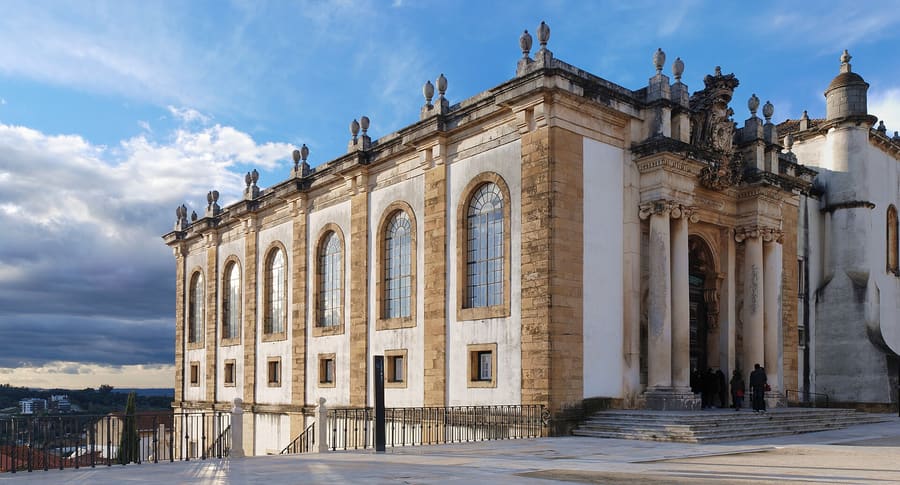
Biblioteca Joanina
Baroque library housing 60,000 historic volumes guarded by a resident colony of bats. Reserve timed entry online well in advance.
Спросить ParleyПортугалия
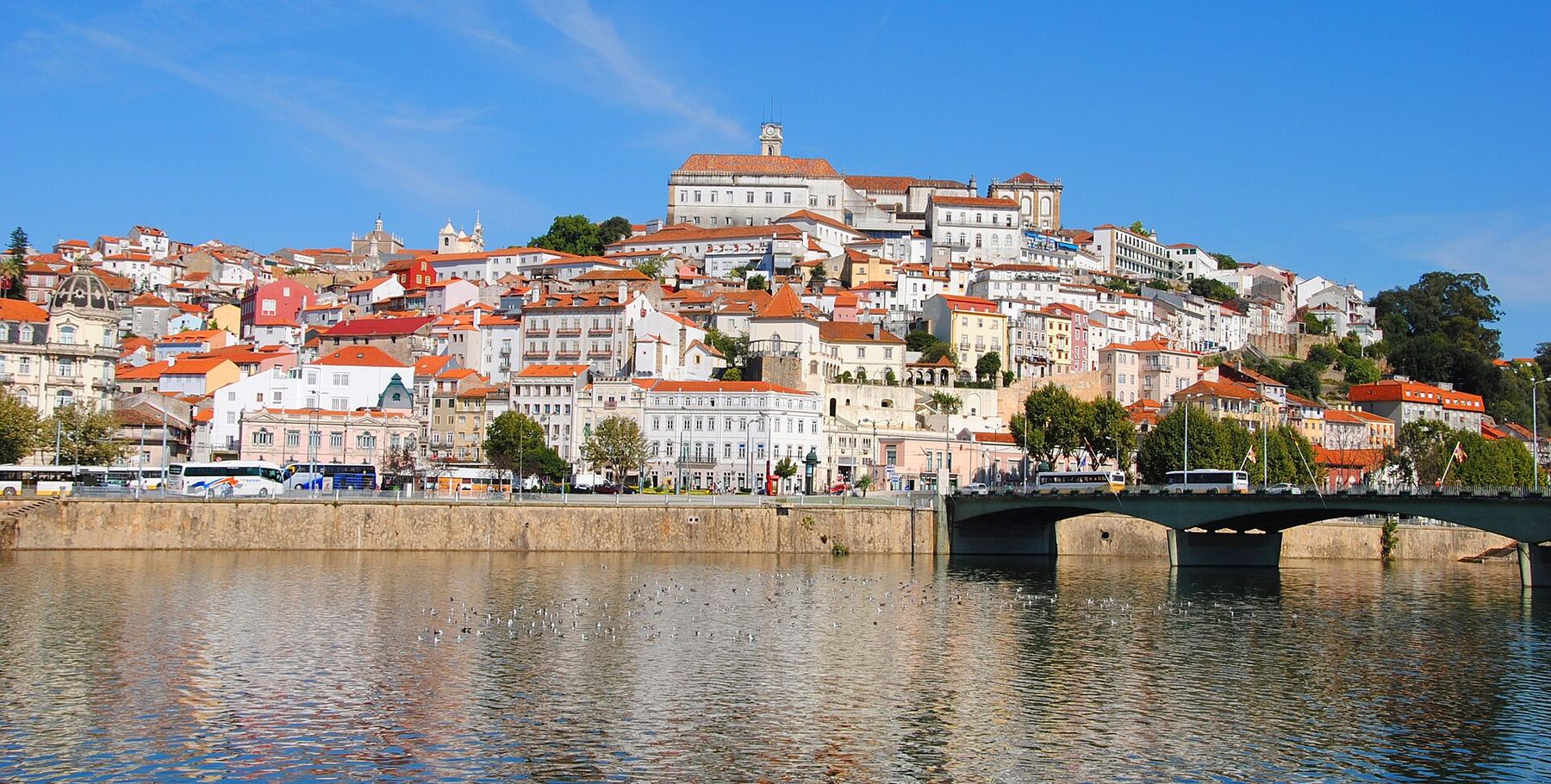
Portugal’s medieval academic capital above the Mondego.
introduction
Coimbra climbs steeply from the Mondego River to a hilltop university founded in 1290. The city splits sharply between the historic university height of Alta and the riverside commercial grid of Baixa. Walking means navigating stone staircases and slick limestone cobbles, so footwear requires real traction. Trains connect the city to Porto and Lisbon in under two hours, making it a natural stopping point.
UNESCO university precinct
The University of Coimbra and its upper town gained UNESCO status in 2013. The 18th-century Biblioteca Joanina limits visitors to strict timed slots.
Biblioteca Joanina timing
Book your university ticket days ahead online. Arrive ten minutes before your ticket window, as missed slots are non-refundable.
Coimbra
syvwlch [2] · CC BY 2.0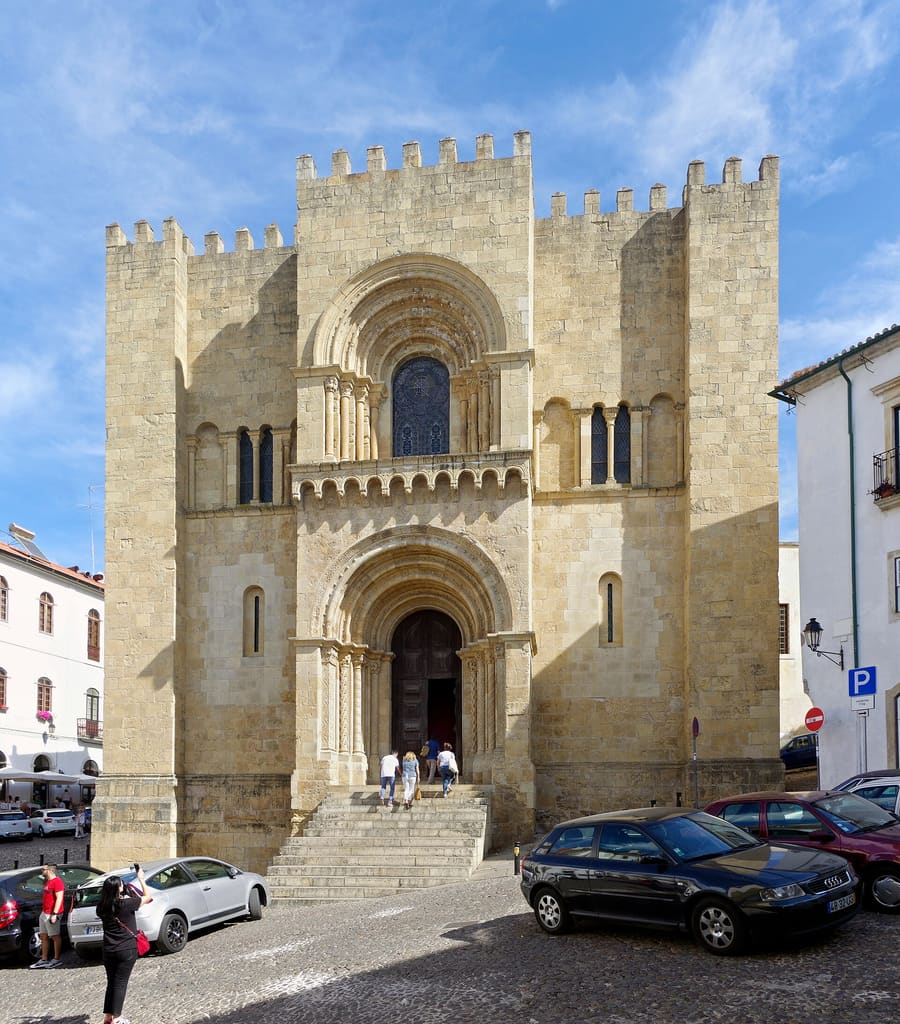
Alta — Steep alleys, student housing, historic faculty buildings, and sweeping valley views.
Berthold Werner · CC BY-SA 3.0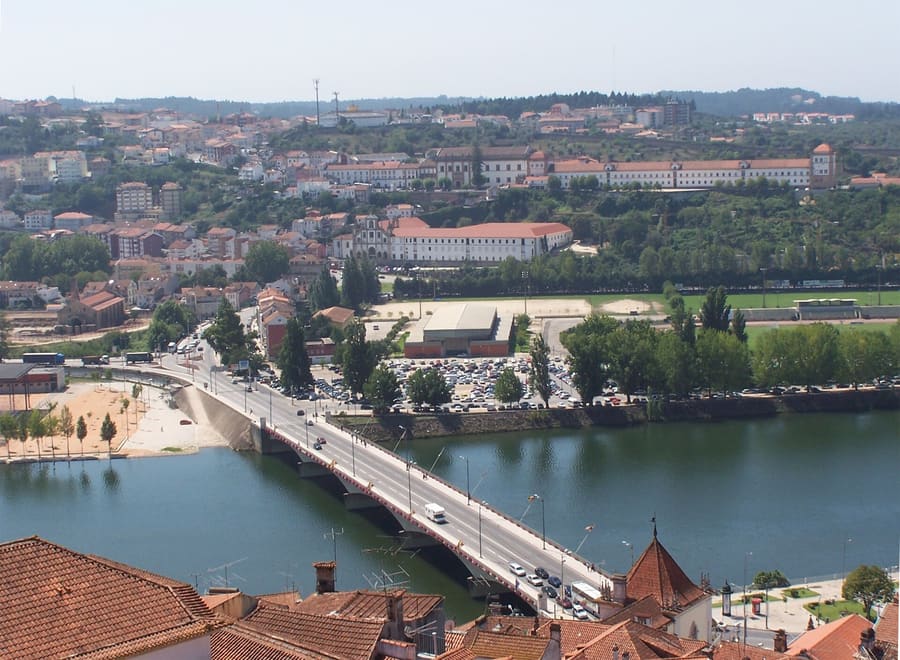
Santa Clara — Quiet south-bank residential enclave with historic convent ruins and green spaces.
Fulviusbsas · Public domain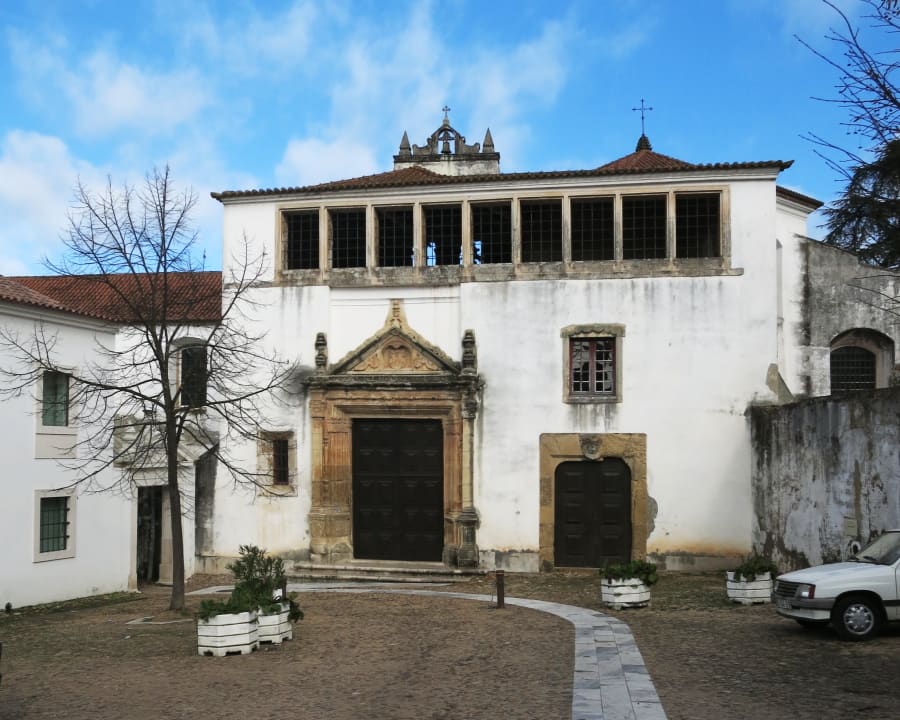
Celas — Uptown residential district with local cafes, hospitals, and modern academic branches.
Manuelvbotelho · CC BY-SA 4.0highlights
landmark
Baroque library housing 60,000 historic volumes guarded by a resident colony of bats. Reserve timed entry online well in advance.
Спросить Parley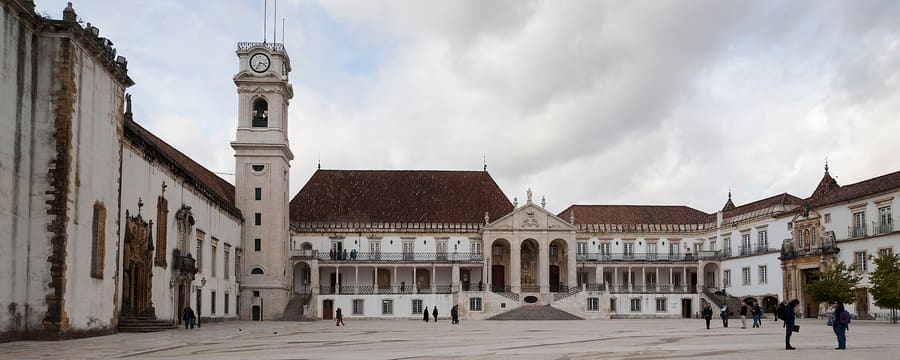
landmark
The central courtyard of the 13th-century university overlooking the city. Climb the university tower for views over the Mondego.
Спросить Parley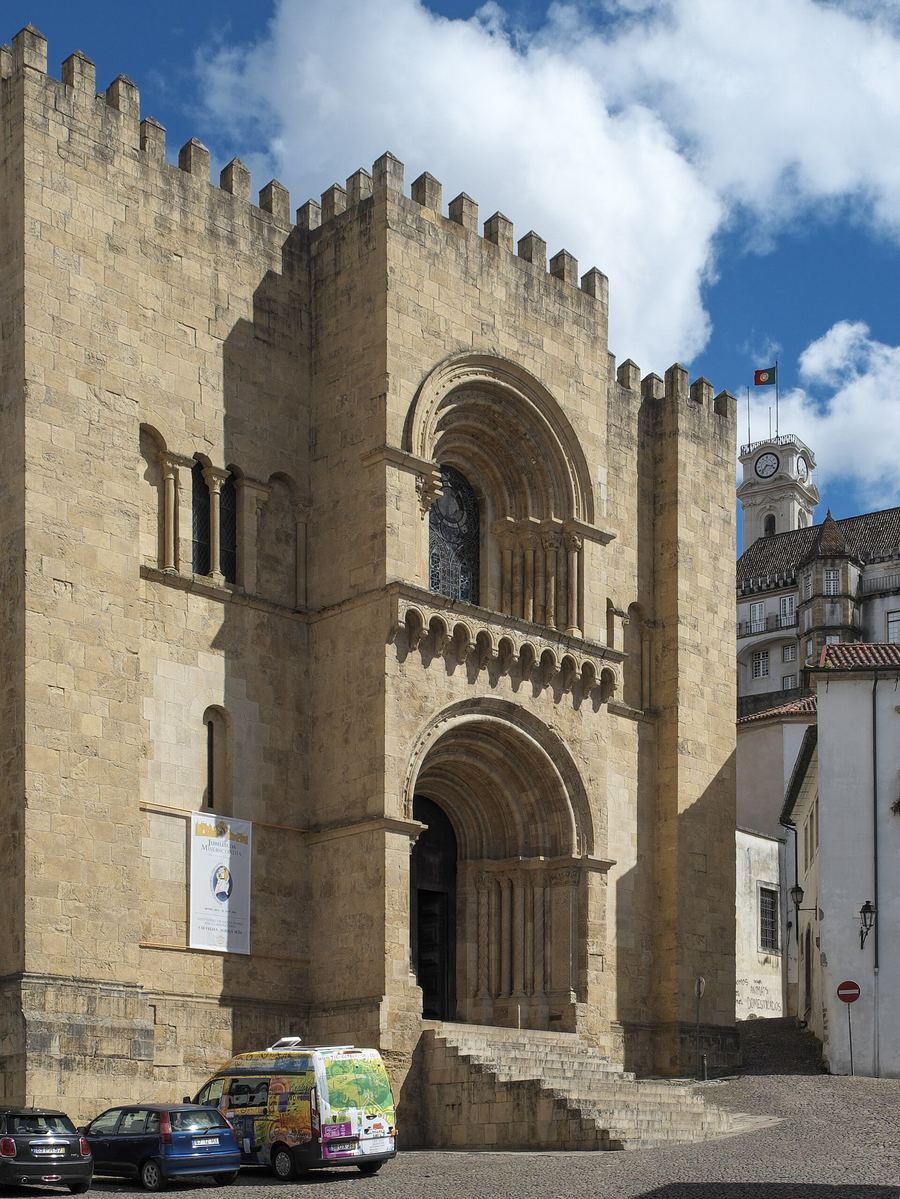
landmark
A 12th-century fortress-like Romanesque cathedral built during the Reconquista. The austere interior features a gilded Gothic altarpiece.
Спросить Parley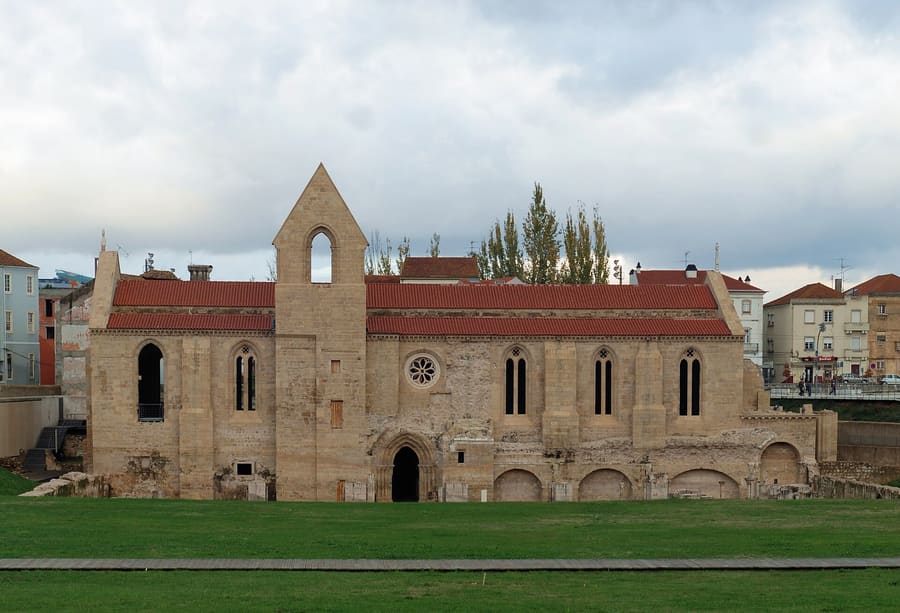
landmark
Gothic convent ruins partially submerged by centuries of river flooding. The modern visitor center explains the site’s drainage.
Спросить Parley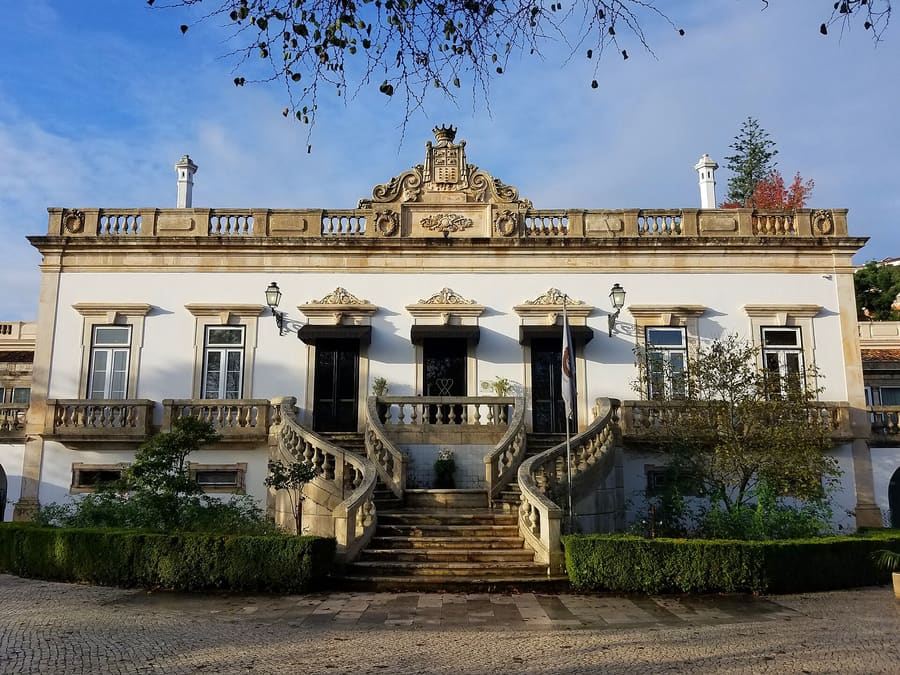
landmark
Historic estate gardens linked to the 14th-century tragic romance of Inês de Castro. The quiet grounds feature ancient redwoods.
Спросить Parley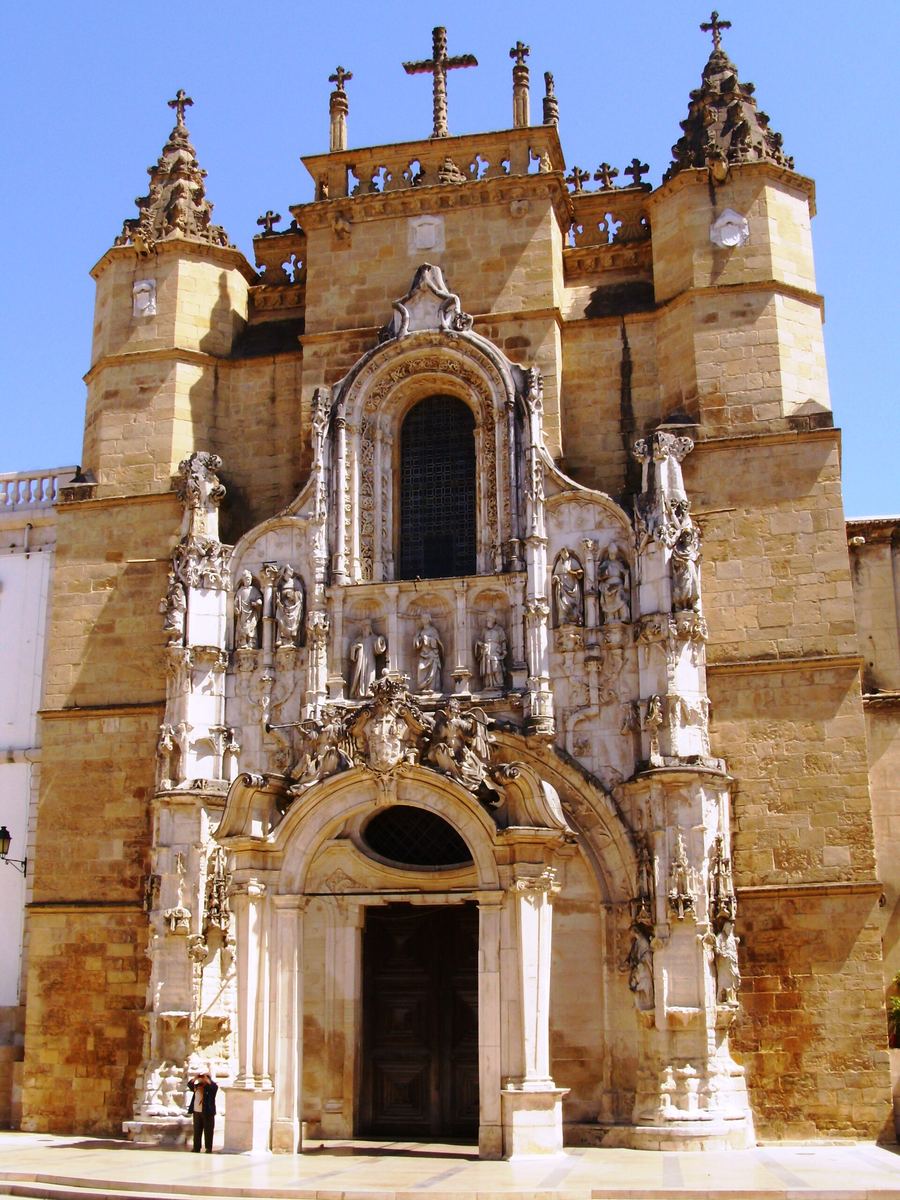
landmark
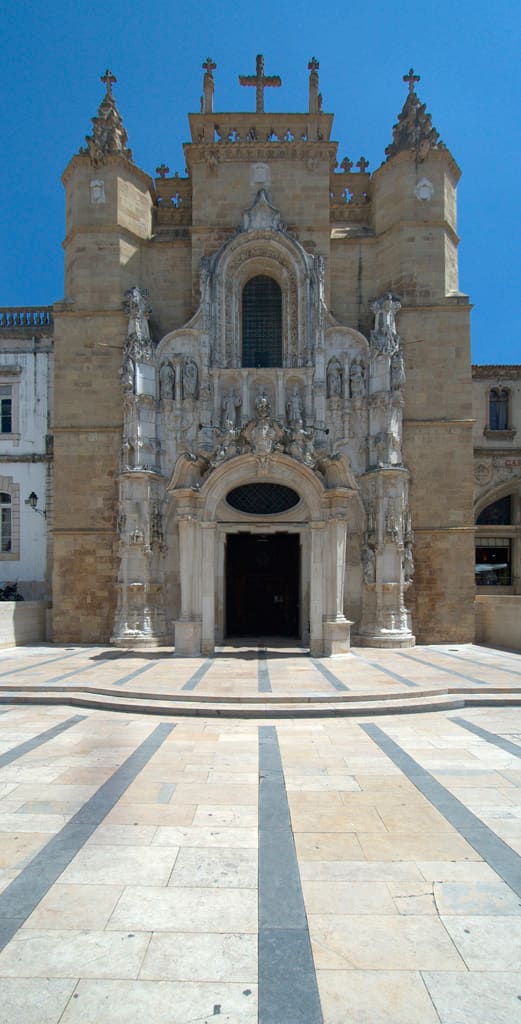
12th-century monastery containing the tombs of Portugal’s first two kings. Look for the ornate Manueline cloister behind the nave.
Спросить Parleyattractions
areas
Steep alleys, student housing, historic faculty buildings, and sweeping valley views.
РядомPaço das Escolas and Sé Velha
Спросить ParleyQuiet south-bank residential enclave with historic convent ruins and green spaces.
РядомSanta Clara-a-Velha and Quinta das Lágrimas
Спросить ParleyUptown residential district with local cafes, hospitals, and modern academic branches.
РядомUniversity Hospitals and Celas Convent
Спросить ParleyPedestrian retail avenues, traditional bakeries, flat terrain, and riverfront access.
РядомCoimbra-A station and Santa Cruz
Спросить Parleyfood
Coimbra's culinary identity centers on clay-pot roasting and monastic confectionery. Chanfana, goat slow-simmered in red wine inside black clay pots, originated in the surrounding Beira region to preserve meat. In the city's traditional tascas, meals conclude with egg-heavy sweets like pastéis de Santa Clara, inherited from local convents.
Coimbra Fado is performed exclusively by male students or alumni in black cloaks, tuned lower and structured around academic verse rather than urban longing.
Authentic Chanfana must be cooked and served in black earthenware vessels from Olho Marinho. Ask your server if it was baked in a wood-fired oven.
Pastelarias around Praça do Comércio fresh-bake Pastéis de Santa Clara each morning. Eat them early before the wafer crust softens.
history
Coimbra served as the capital of Portugal from 1131 to 1255 during the consolidation of the kingdom. The founding of its university in 1290—later relocated permanently to Coimbra in 1537—transformed the city into the country's intellectual engine. The division between gown and town shaped both its physical architecture and social structure for centuries.
National Capital
King Afonso Henriques moves the Portuguese capital to Coimbra, establishing the royal court and building Santa Cruz Monastery.
University Founded
King Dinis establishes the General Study in Lisbon, which alternates between Lisbon and Coimbra before setting permanently here.
Permanent Royal Transfer
King João III permanently transfers the university to the Royal Palace in Alta, establishing Coimbra as the academic capital.
Biblioteca Joanina Built
King João V finances the construction of the Baroque library, funded by gold wealth imported from colonial Brazil.
UNESCO Designation
UNESCO inscribes the University of Coimbra – Alta and Sofia on the World Heritage list for its educational heritage.
where to stay
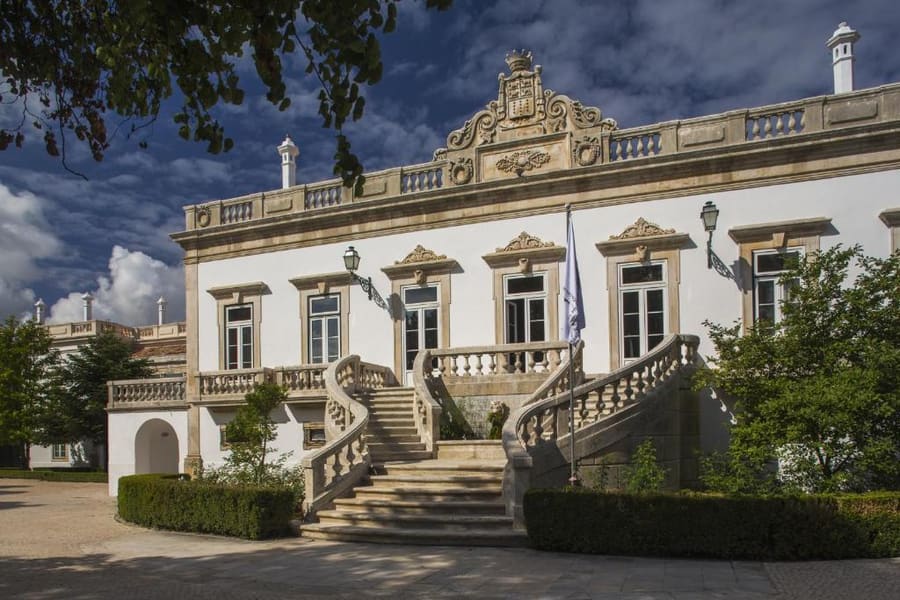
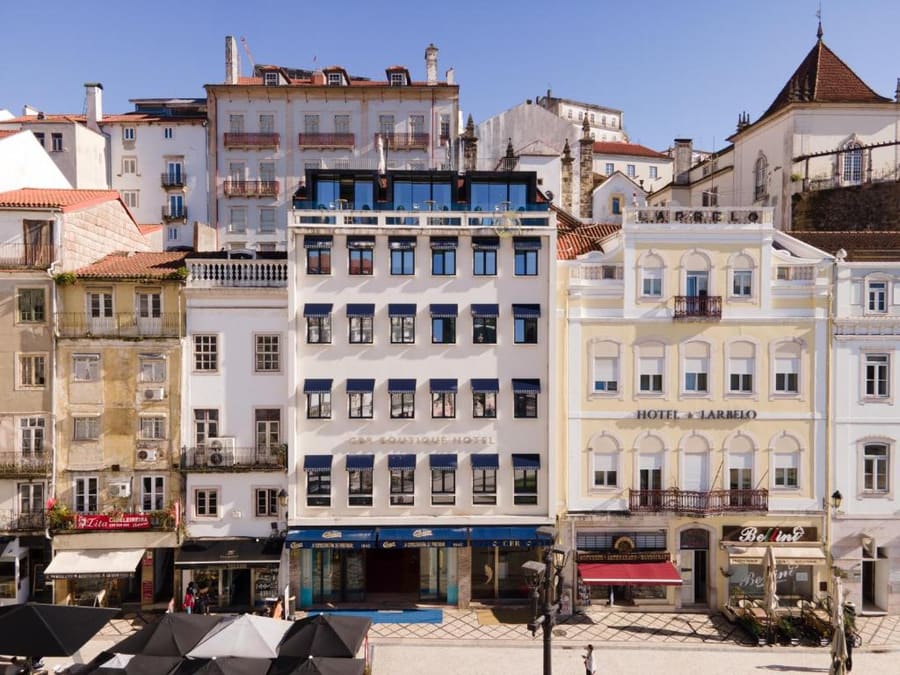
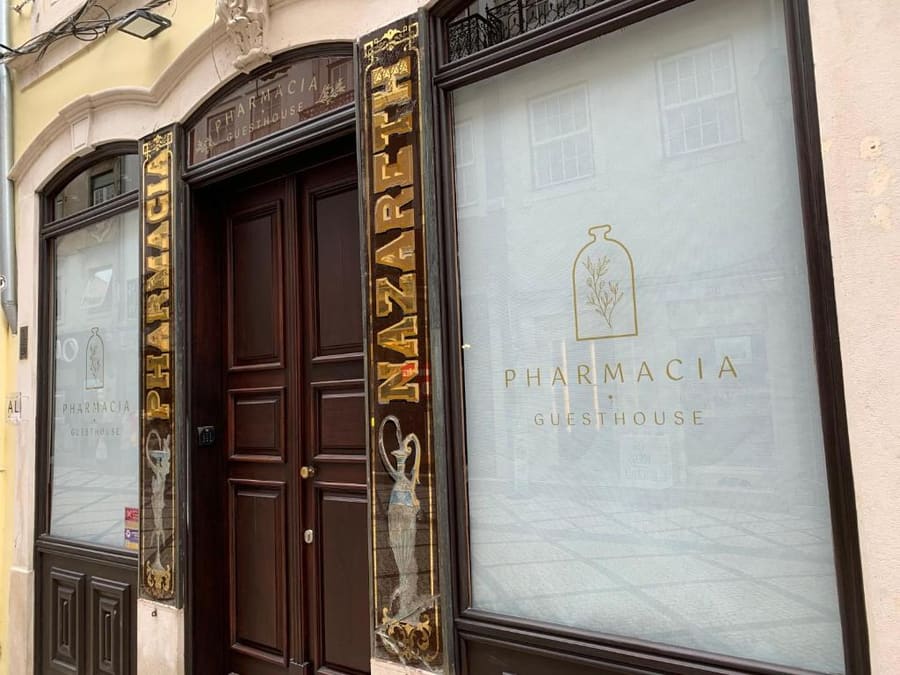
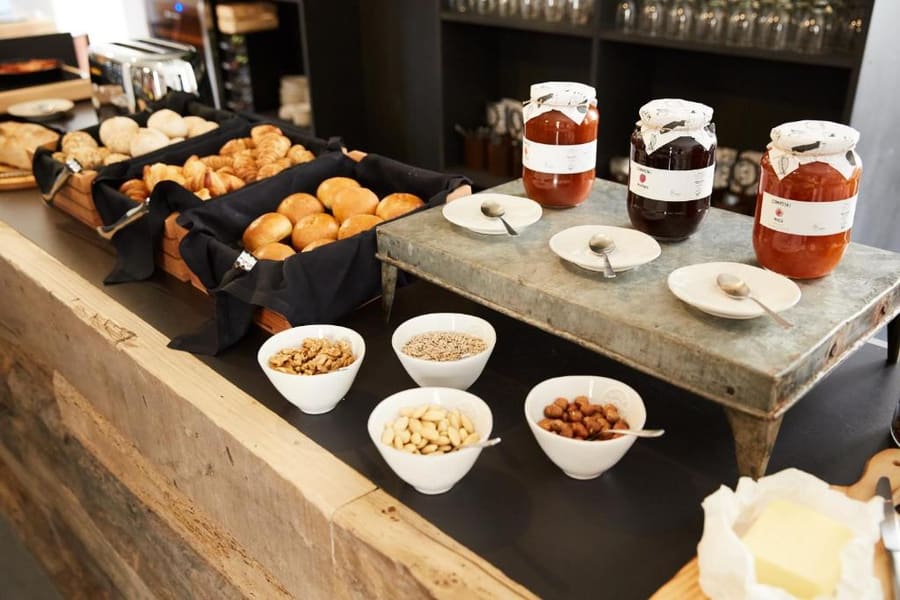
Choose by your tolerance for hills and luggage transportation. Alta offers historic atmosphere directly beside the university but involves severe staircases and restricted vehicle access. Baixa provides level ground and easy train connections, while Santa Clara across the river offers quiet hotel grounds.
Live rates, matched to the areas above.

transport
Coimbra's core is compact but sharply vertical. Most travellers arrive by rail and explore on foot, supplementing steep climbs with the municipal elevador or local SMTUC buses.
Из Coimbra-B Railway Station (Hub)
Standard fare from Coimbra-B to central Baixa or Alta hotels with luggage.
Bolt and Uber operate widely; pickup at Coimbra-B is directly outside the main entrance.
SMTUC Line 5 or 29 links Coimbra-B to Avenida Fernão de Magalhães and Baixa.
Skip the brutal climb up to Alta by taking the public elevator from Mercado D. Pedro V up to Rua de Montarroio.
Pre-load an SMTUC rechargeable card at kiosks for cheaper per-ride fares on city buses and trolleybuses.
The calçada portuguesa stone pavements become extremely slick when wet or worn smooth by foot traffic.
cost
Coimbra is notably cheaper than Lisbon or Porto, largely driven by its huge student population. Dining and casual drinking offer high value in the Baixa and university quarters.
Grants access to the Baroque Library, Royal Palace, Saint Michael's Chapel, and Science Museum.
Includes soup, main course, drink, and coffee at traditional Baixa tascas during weekdays.
Typically includes a 50-minute performance and a glass of regional Dão or Beira wine.
Purchased onboard SMTUC buses; pre-loaded card trips cost significantly less.
seasonality
MAR – MAY
Mild temperatures and active university life. The Queima das Fitas student festival in May brings massive street crowds.
JUN – AUG
Hot inland days reaching 35°C. University is on break, leaving Alta quiet but reducing student cultural events.
SEP – OCT
Warm days and the start of the academic year. Ideal weather for walking the steep historic center.
NOV – FEB
Cooler, rainy months with fewer visitors. Monastic sites and museums remain uncrowded.
practicalities
The annual student graduation festival lasts a week in May, filling streets with parade floats, music, and heavy drinking.
Students in black cloaks (traje académico) are not dressed up for tourists; respect formal academic ceremonies.
Smaller cafes around Sé Velha prefer cash for purchases under five euros.
Walk to this public garden in Celas for panoramic sunset views over the city without the tourists at the university.
Parque Verde do Mondego offers flat paved river paths and kayak rentals away from the steep cobblestones.