landmark
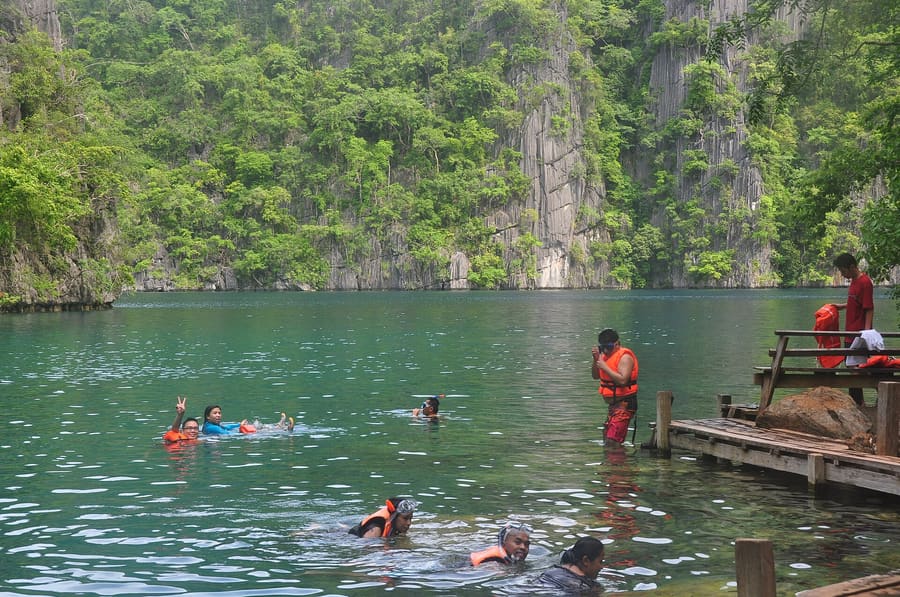
Kayangan Lake
Brilliantly clear brackish water after a 150-step climb. Arrive by 08:00 to dodge fifty incoming tour boats.
Спросить ParleyФилиппины
World War II wrecks, limestone lagoons, and sharp trade-offs.
introduction
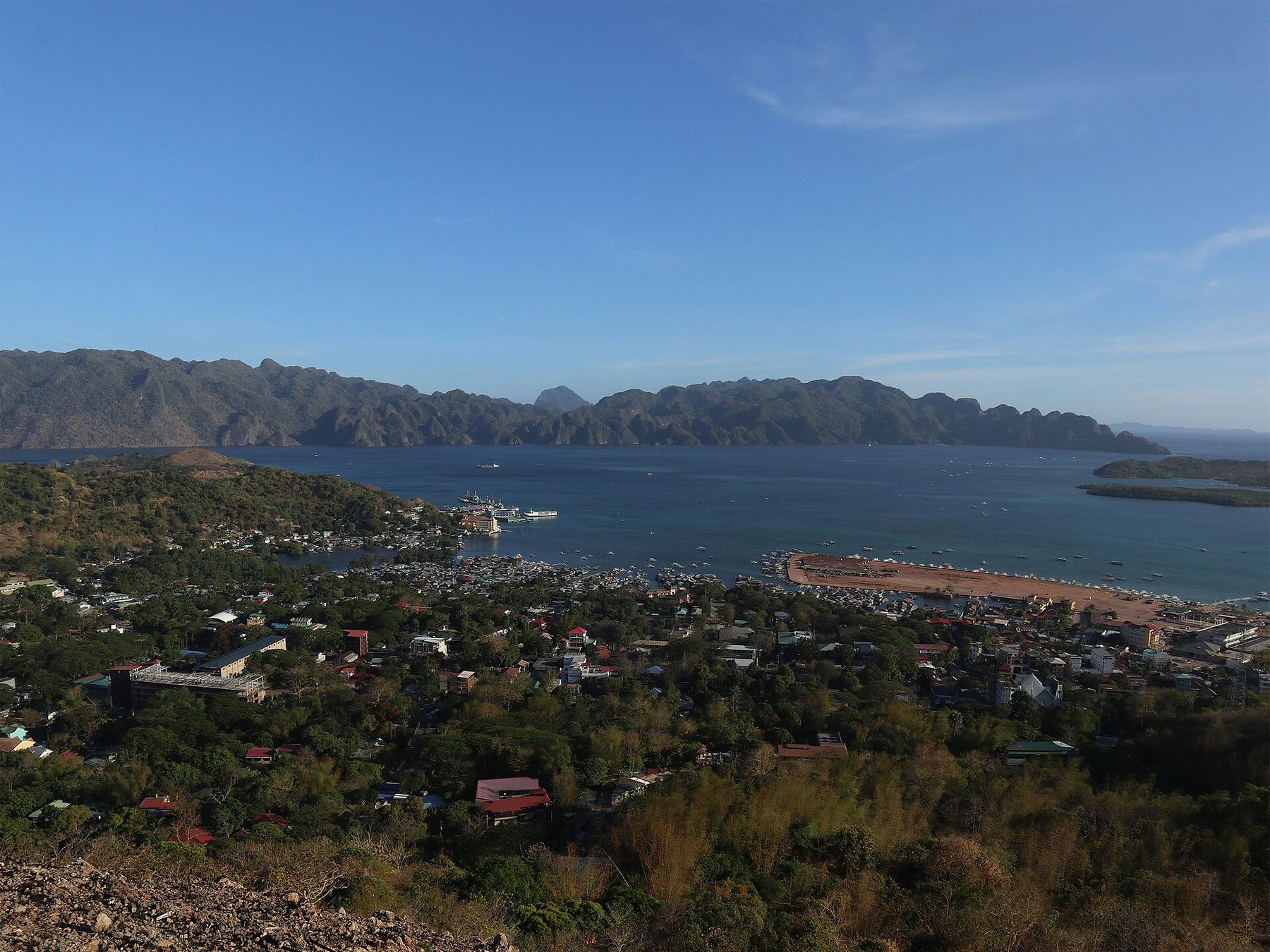
Coron is a working port town on Busuanga Island that serves as the gateway to the jagged limestone cliffs of Coron Island. You do not stay on the famous islands; you ride wooden bangka boats out to them every morning. Days belong to salt water and sunken Japanese warships, while evenings belong to dusty gridlock and grilled seafood. Expect basic municipal infrastructure in town and exceptional marine ecology just offshore.
Arrival trick
Francisco B. Reyes Airport (USU) sits 45 minutes inland. Shared vans queue outside the single exit gate and charge a fixed ₱250 per seat directly to town hotels.
Protection mandate
Coron Island is ancestral domain of the Tagbanwa people. You must pay a ₱200 environmental fee upon arrival, valid for your entire stay across all boat trips.
Planning trick
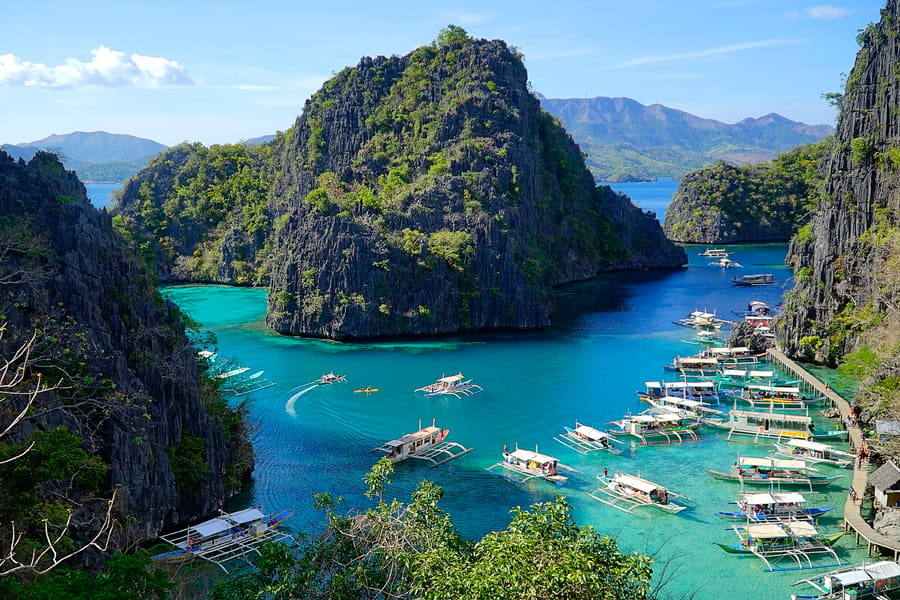
Private bangka charters at the main pier beat group tour itineraries. Leaving at 07:30 gets you to Kayangan Lake an hour before the crowds arrive.
Coron
Theglennpalacio · CC BY-SA 4.0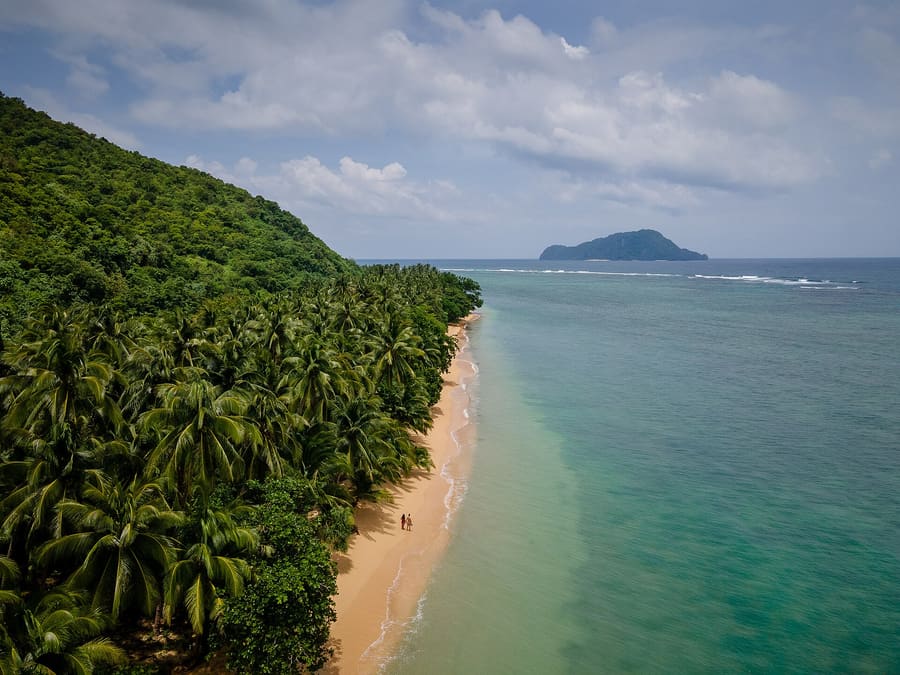
Concepcion — Sleepy fishing village 40 minutes west, ideal for diving western wrecks far from main crowds.
pablosievert · CC BY-SA 4.0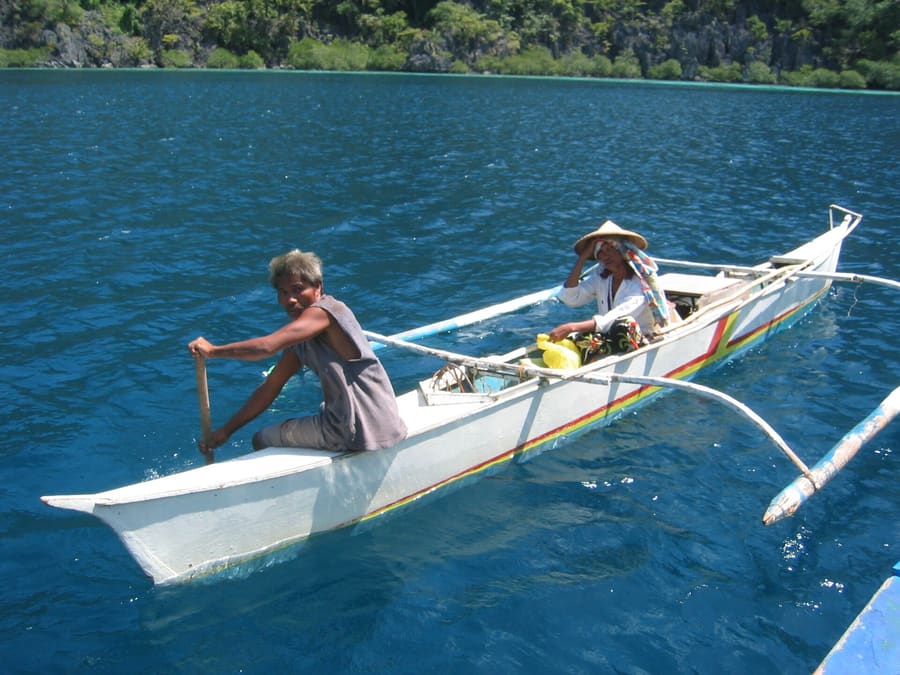
Coron Island Outer Bay — Exclusive private island resorts set against turquoise lagoons and private white sand beaches.
Moody 75 · CC BY-SA 2.0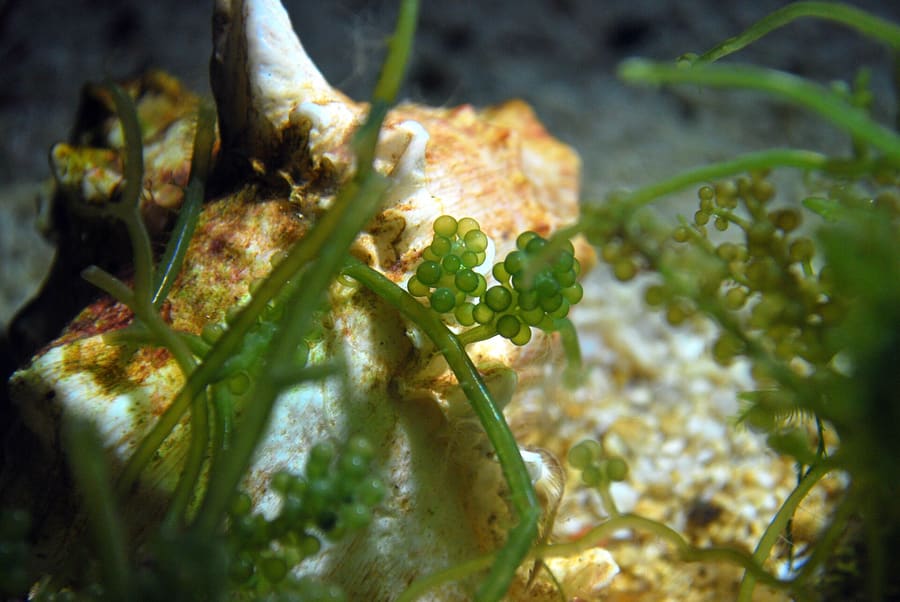
Fresh lato (sea grapes) served raw with chopped onions, tomatoes, and coconut vinegar.
Harsha K R · CC BY-SA 2.0highlights
landmark
Brilliantly clear brackish water after a 150-step climb. Arrive by 08:00 to dodge fifty incoming tour boats.
Спросить Parleylandmark
Famous for thermoclines where water temperature shifts drastically. Divers must negotiate steep wooden stairs in full gear.
Спросить Parley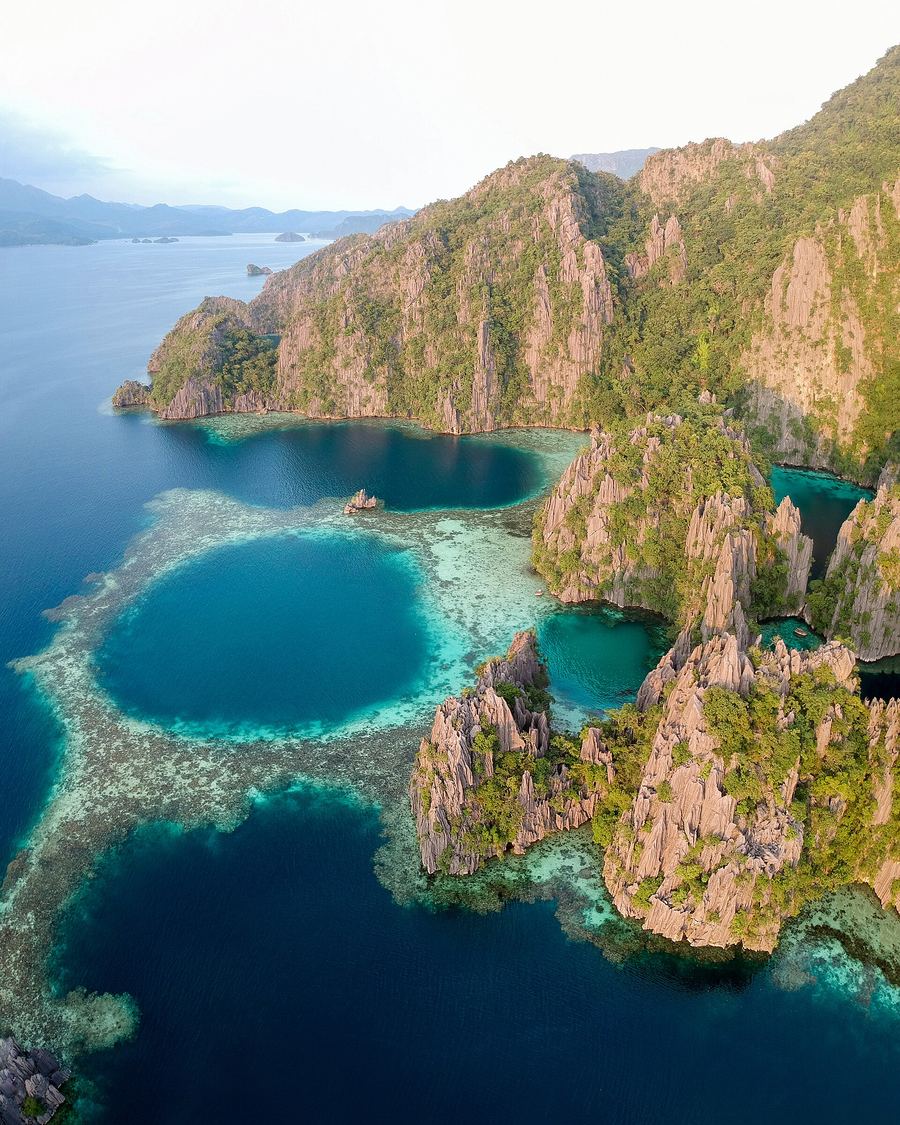
landmark
Swim through a narrow rock archway at low tide to enter a hidden basin. High tide requires using the wooden ladder.
Спросить Parley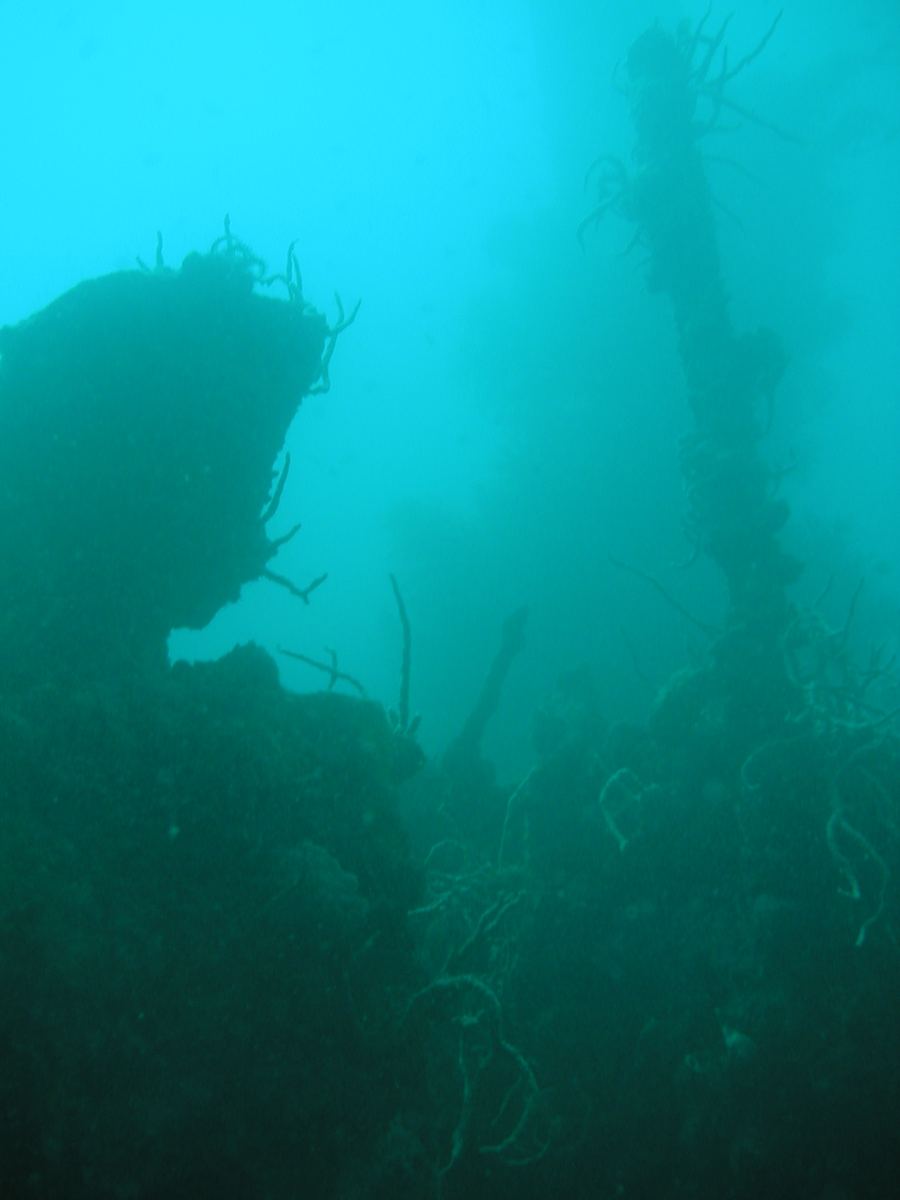
landmark
A 25-meter sunken steel keel resting in shallow water. Snorkelers can clearly see the rib structures from the surface.
Спросить Parleyattractions
areas
Sleepy fishing village 40 minutes west, ideal for diving western wrecks far from main crowds.
РядомConcepcion Pier, Okikawa Maru wreck site.
Спросить ParleyExclusive private island resorts set against turquoise lagoons and private white sand beaches.
РядомKayangan Lake, Siete Pecados marine park.
Спросить ParleyQuiet hillside strip north of town offering elevated bay views and peaceful boutique resorts.
РядомCoron-Busuanga road, scenic overlooks.
Спросить Parleyfood
Dining in Coron is practical rather than refined. The town centers on daily catches from the Calamian Archipelago, served straight off charcoal grills near the water. Saltwater farms yield fresh lato (sea grapes), a local seaweed staple popped raw with vinegar and tomatoes. Do not expect haute cuisine; expect garlic rice, calamansi lime, fresh fish, and cold San Miguel beer.
Fresh lato (sea grapes) served raw with chopped onions, tomatoes, and coconut vinegar.
Harsha K R · CC BY-SA 2.0Buy live fish or squid directly from fishermen at the pier market by 06:00, then pay nearby eateries to grill it for your day trip boat.
Order fresh sea grapes at seaside carinderias. They taste like salted ocean drops and melt if left sitting in warm sun.
Popular places on Real Street fill up completely between 18:30 and 20:00. Arrive before 18:00 or expect 45-minute wait times.
history
Coron Island was inhabited exclusively by the indigenous Tagbanwa people for centuries before Spanish contact. World War II irrevocably altered the area's history when American naval forces sank a Japanese supply fleet in Coron Bay in September 1944. Today, those sunken hulls form one of the world's premier wreck diving destinations, driving the region's tourism economy.
Tagbanwa ancestral domain claim
The Tagbanwa secure official ancestral domain title over Coron Island and its surrounding waters to regulate tourism.
Typhoon Haiyan hits Busuanga
Super Typhoon Haiyan damages infrastructure across Coron, prompting major rebuilding of tourist boat fleets.
Marine protection expansion
Local municipal ordinances enforce strict daily capacity limits on popular lagoons to reverse coral damage.
where to stay
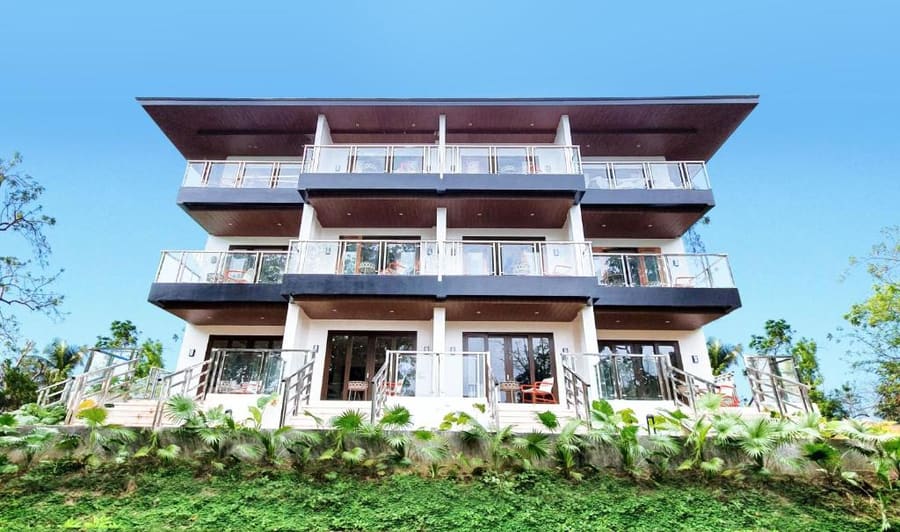
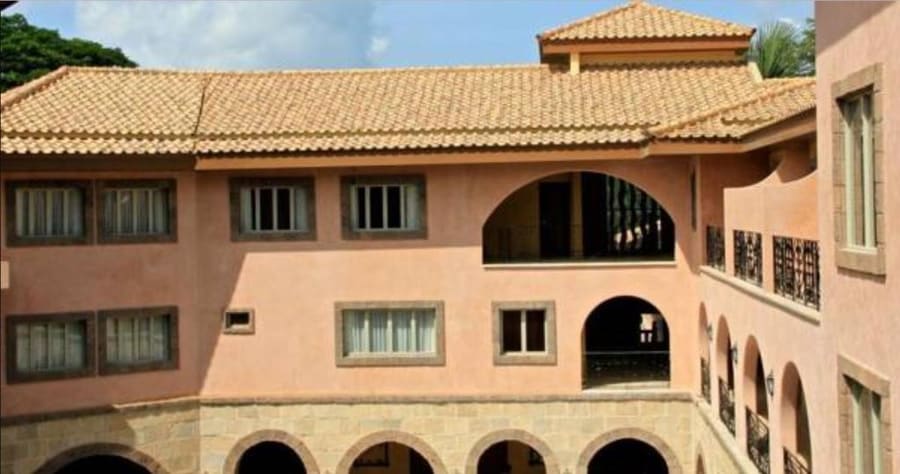
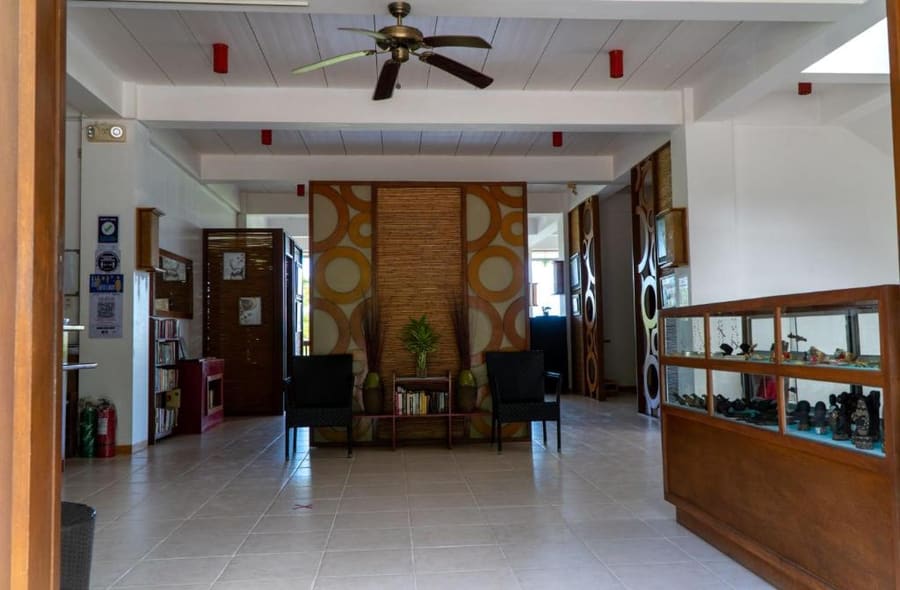
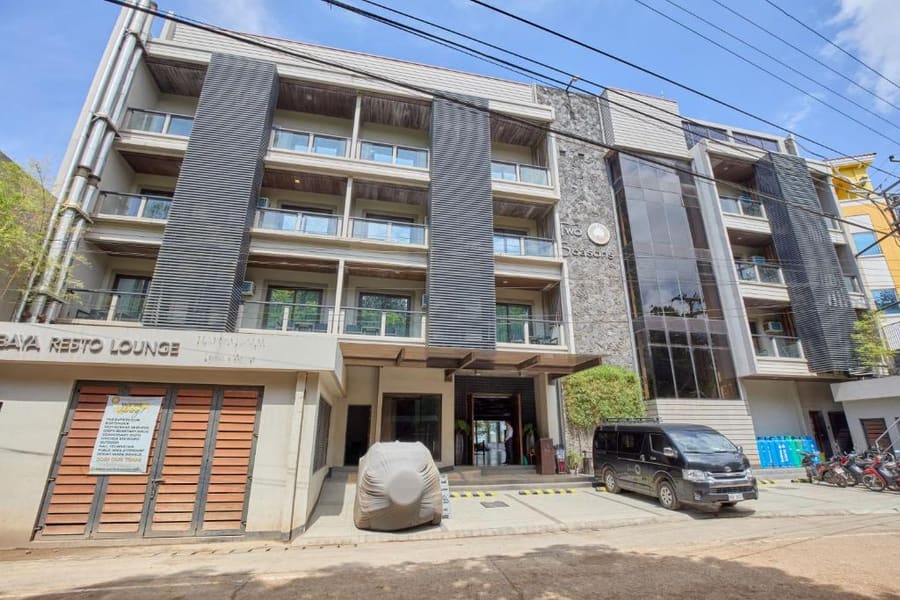
Choose your base based on how you plan to spend your day. Stay in Coron Town Proper if you want walkability to tour boats, bars, and diving centers. Stay out along the coastal road or on private islands if you demand quiet nights and do not mind paying extra for private transport.
Live rates, matched to the areas above.
transport
Land transport on Busuanga Island relies on motor tricycles and van shuttles. Sea transport between islands relies entirely on motorized wooden outrigger boats called bangkas. There are no ride-hailing apps or public buses operating in Coron.
Из Francisco B. Reyes Airport (USU)
Shared van seated outside terminal. Fixed rate per person directly to town hotels.
Booked in advance. Driver waits with name board outside baggage claim.
Standard rides inside town proper cost ₱20 per passenger. Going to Maquinit Hot Spring costs ₱300–500 round trip including driver wait time.
Hire private boats at the pier before 07:30. Rates run ₱3,500–6,000 depending on boat size and route distance.
Boat captains, tricycle drivers, and pier fee collectors take physical cash only. Bring crisp peso banknotes from airport ATMs.
cost
Coron costs more than mainland Palawan because fuel and fresh supplies must be shipped in by sea. Island entrance fees are charged per stop and add up quickly on custom itineraries.
Per person cost covering boat seat, buffet lunch, and main lagoon entrance fees.
Charged per destination stop (Kayangan, Barracuda, Twin Lagoon) collected at pier or boat.
Includes gear rental, divemaster, boat spot, and lunch for shipwreck dives.
Cost for a whole grilled fish, rice, and cold drink at a local harbor restaurant.
seasonality
DEC – FEB
Cooler dry weather and calm sea conditions. Peak tourist volume; book private boats days in advance.
MAR – MAY
Hot, clear skies with maximum underwater visibility. Ideal for wreck divers and underwater photography.
JUN – AUG
Southwest monsoon brings intermittent rain and rough seas. Boat tours face frequent Coast Guard cancellations.
SEP – NOV
Transition period with unpredictable tropical storms. Cheaper room rates but risk of missed island days.
practicalities
Town ATMs run out of cash on long weekends. Withdraw extra Philippine Pesos in Manila or Cebu before flying in.
The Philippine Coast Guard strictly enforces life vest wear while bangkas are underway between islands.
Chemical sunscreens damage delicate lagoon coral ecosystems. Wear long-sleeve rash guards instead.
Brief rolling power outages still occur in town. Higher-end hotels operate automatic back-up diesel generators.
Do not drink tap water. Drink bottled or filtered water supplied by hotels and dive shops.