landmark
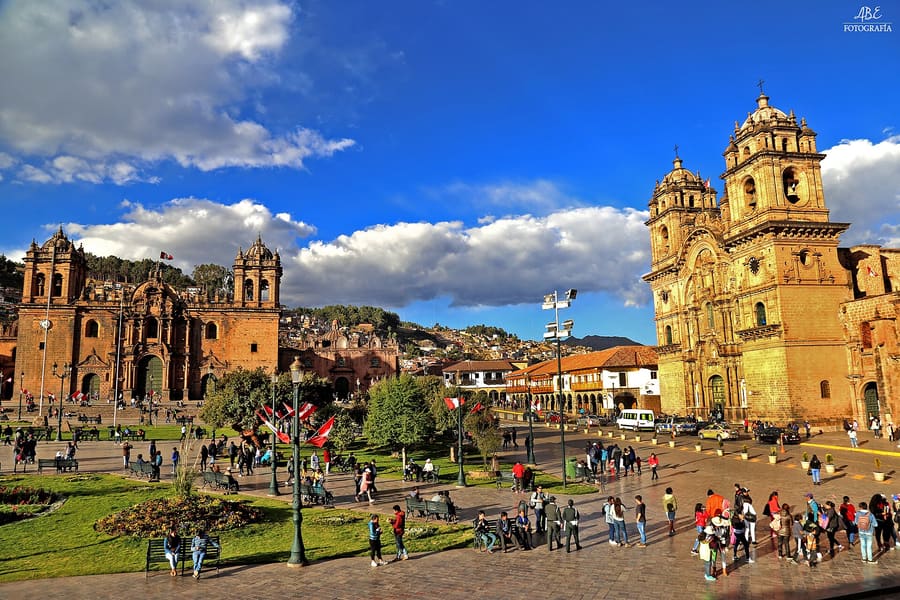
Plaza de Armas
The central square features Incan foundations and Spanish arcades. Visit early morning before crowds arrive for clean photos.
Спросить ParleyПеру
Inca masonry meets Spanish Baroque at 3,400 metres altitude.
introduction
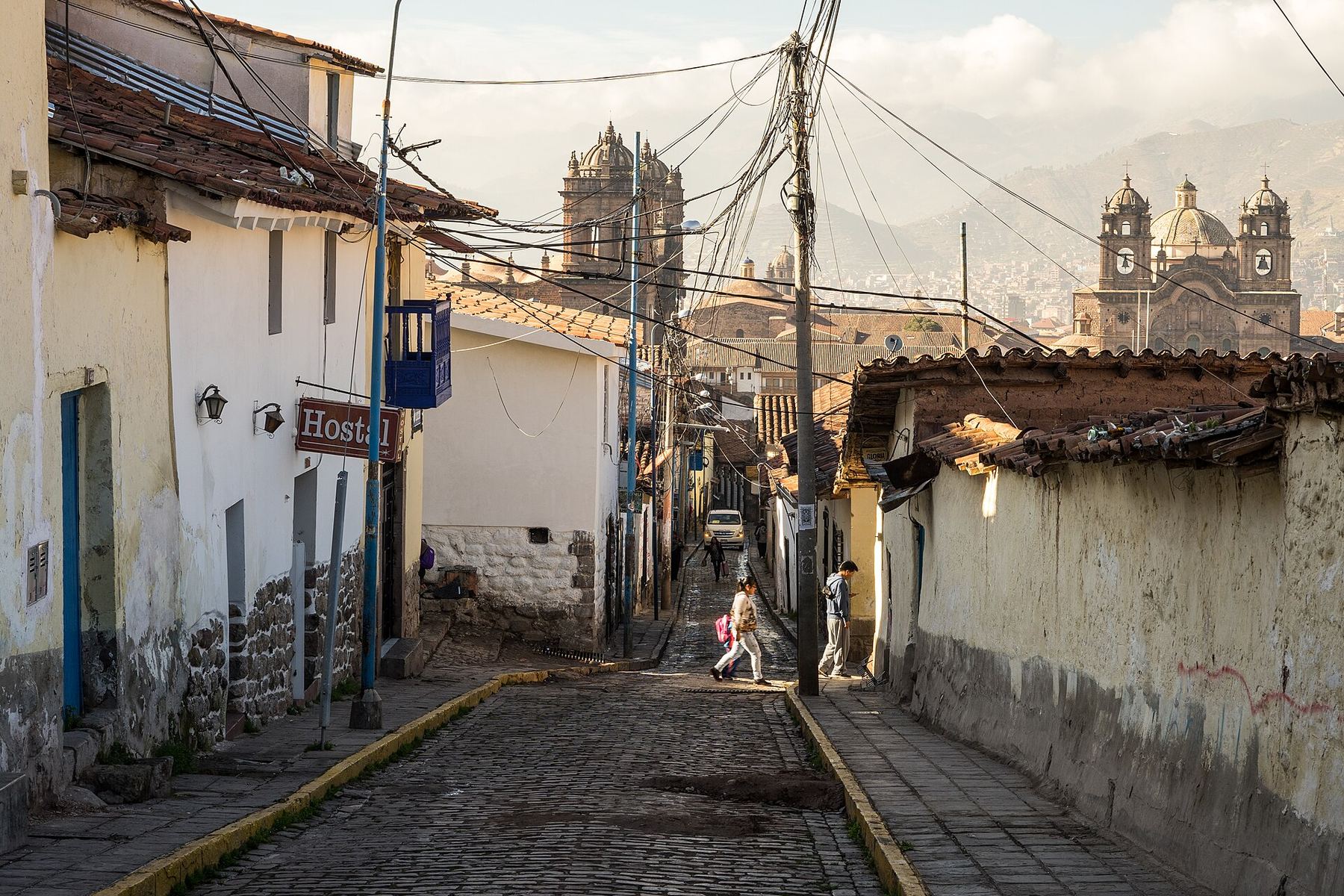
Cusco sits high in the Andes at 3,400 metres above sea level. You move slowly on arrival because the thin air punishes fast walking. Colonial architecture rests directly on massive Incan stone foundations throughout the core. Most travellers use the city as a staging point for the Sacred Valley, but Cusco deserves three days of focused exploration.
Land and rest
Alejandro Velasco Astete Airport sits inside the city basin. Spend your first afternoon resting in your hotel to avoid severe altitude sickness.
Inca capital heritage
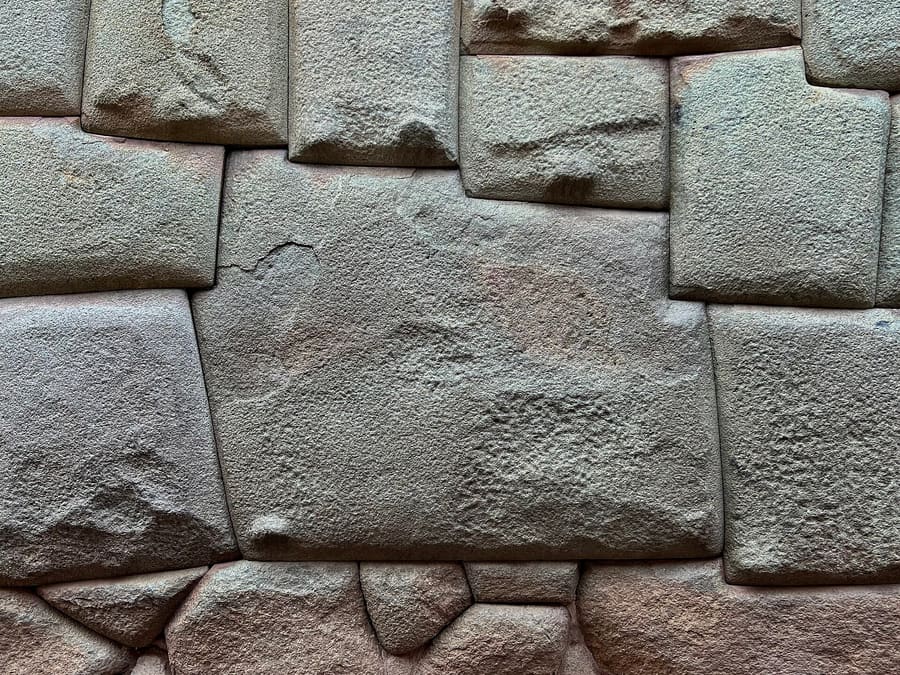
UNESCO designated Cusco a World Heritage site in 1983. Incan stone walls form the base of Spanish colonial buildings across the historical center.
Boleto Turístico requirement
Buy the Boleto Turístico circuit ticket at the OFEC office on Avenida El Sol. It covers 16 major sites including Sacsayhuamán and Pisac.
Cusco
WMrapids · CC0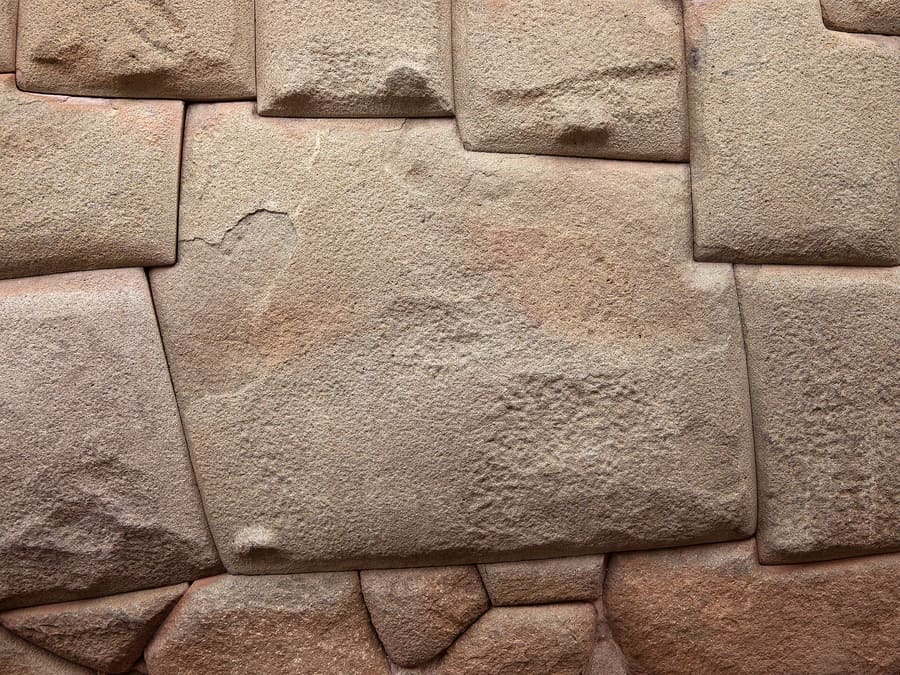
Centro Histórico — Stone archways, Incan walls, and historic hotels within immediate walking distance of all main sites.
Unukorno · CC BY 3.0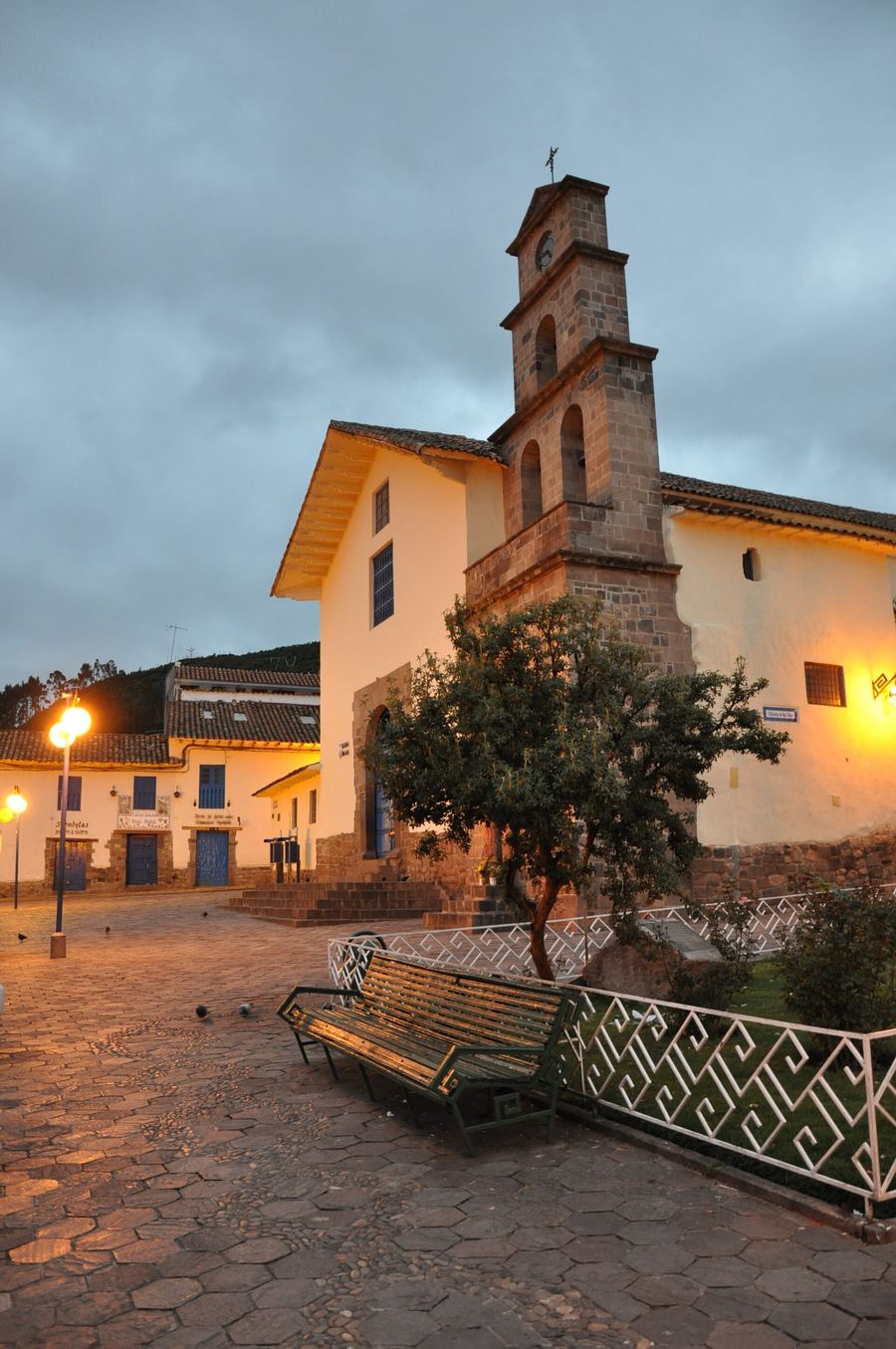
San Blas — Narrow cobblestone lanes, artisan workshops, small coffee shops, and quiet courtyards on a steep hillside.
Jorge Láscar from Australia · CC BY 2.0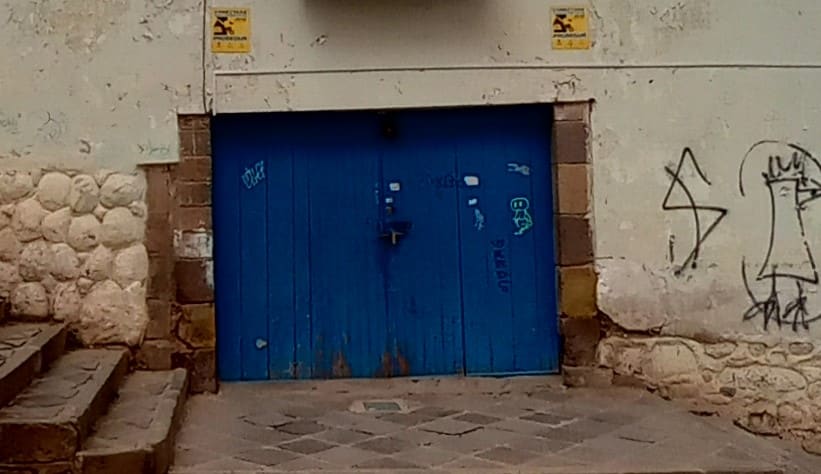
Santa Ana — Residential hillside quarter with broad city views and local chicherías away from mass tourism.
Eliqp · CC BY-SA 4.0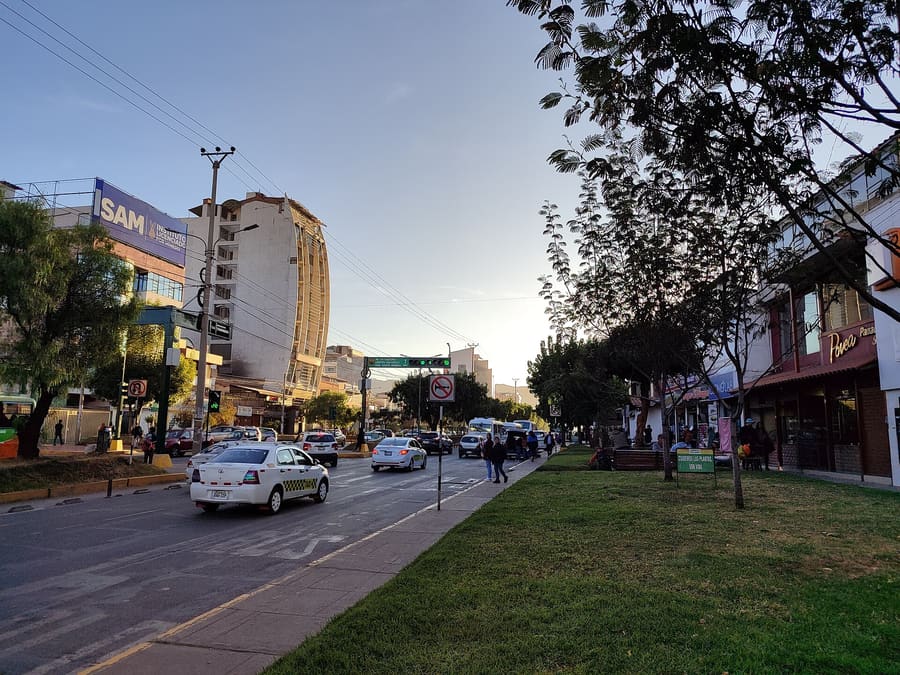
Wanchaq — Modern commercial district south of the center with practical amenities and transport hubs.
Isaiasgj002 · CC0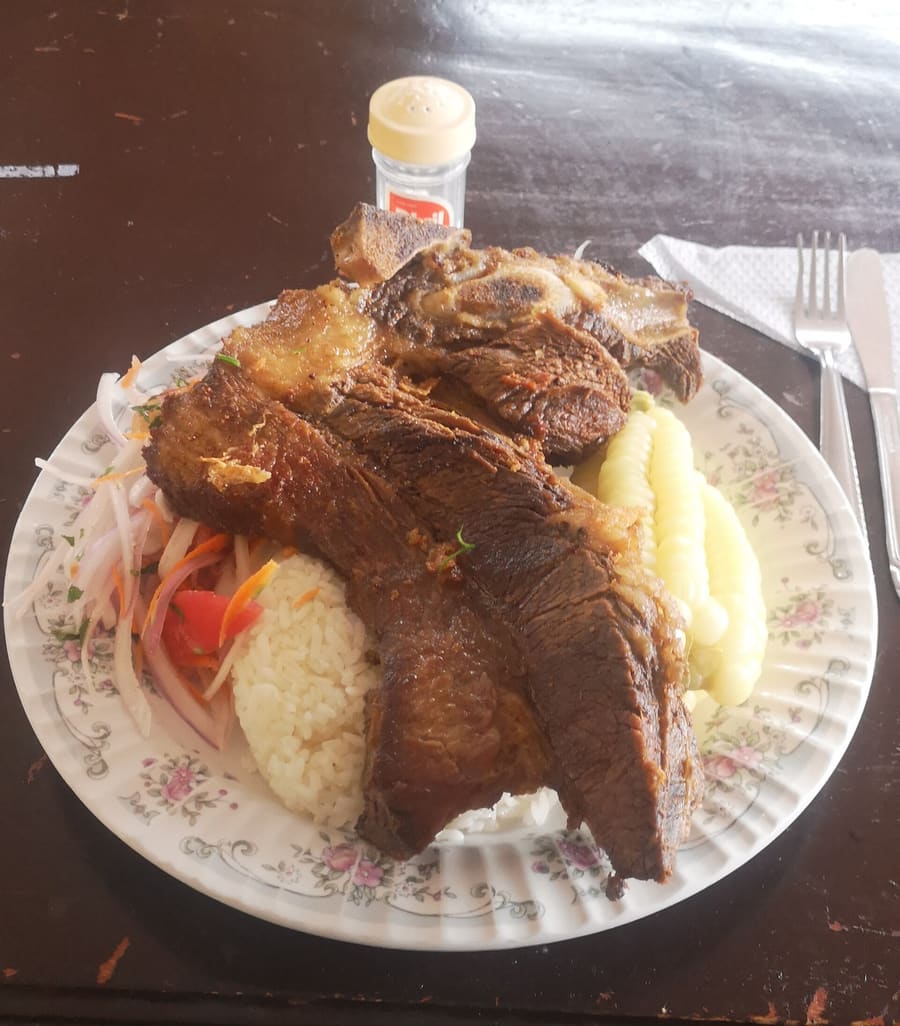
Chiriuchu, Cusco's signature cold festival dish, served with roasted guinea pig, dried meat, corn, and cheese.
Chalisimo5 · CC BY-SA 4.0highlights
landmark
The central square features Incan foundations and Spanish arcades. Visit early morning before crowds arrive for clean photos.
Спросить Parley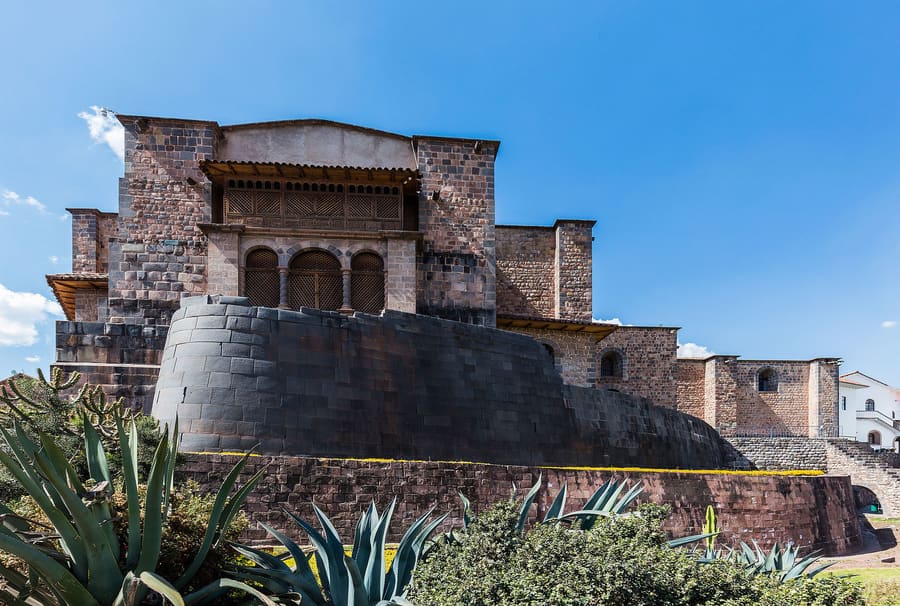
landmark
The primary Incan Sun Temple sits below the Santo Domingo Convent. The precision of Incan joinery survives major earthquakes.
Спросить Parley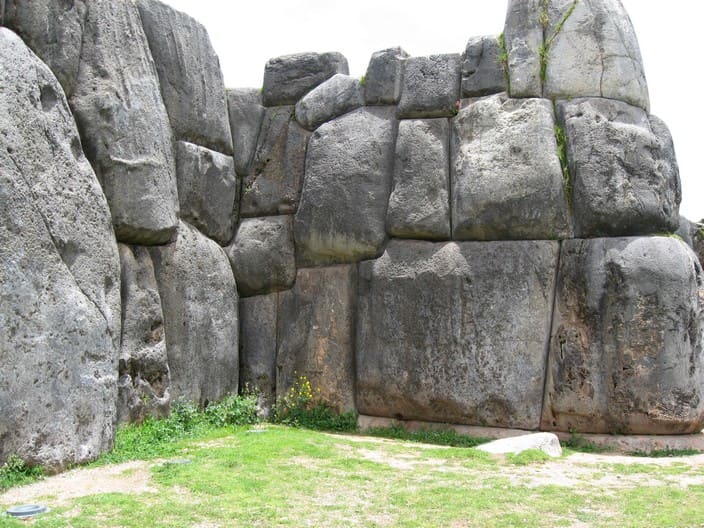
landmark
Citadel overlooking the city with stones weighing over 100 tonnes. Walk up from San Cristóbal or take a short taxi.
Спросить Parley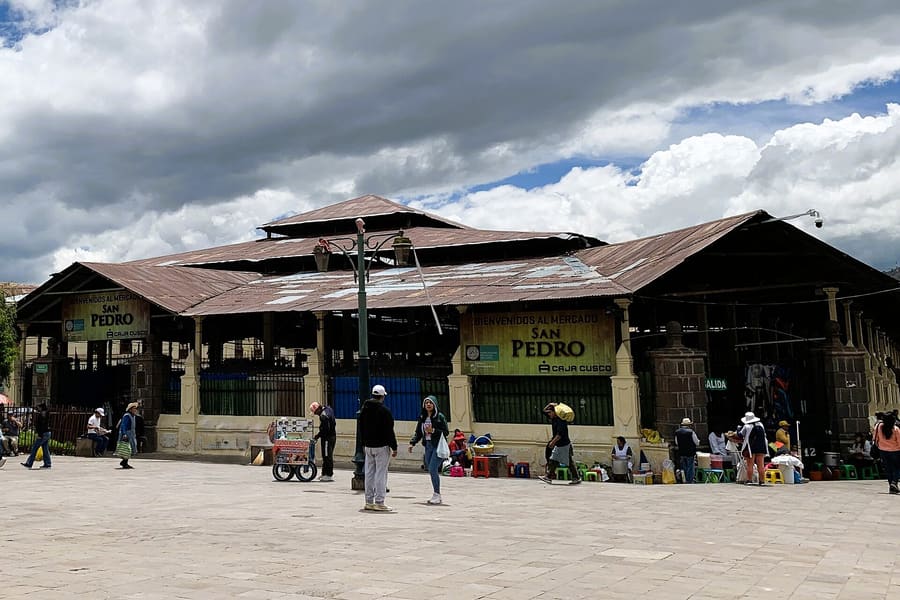
landmark
Cusco central market designed by Gustave Eiffel's practice. Go for fresh juice and cheap local lunches, but mind your belongings.
Спросить Parleylandmark
Small parish church famous for its intricately carved wooden pulpit. Climb the steep cobbled hill from Calle Triunfo.
Спросить Parley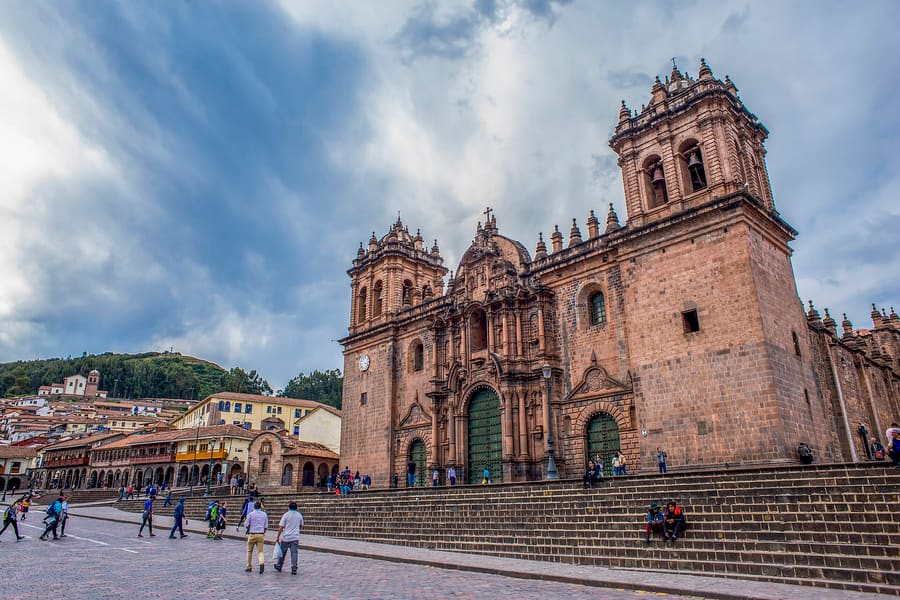
landmark
Dominates the main square and contains a Last Supper painting featuring a roasted guinea pig. Ticket required for entry.
Спросить Parleyattractions
areas
Stone archways, Incan walls, and historic hotels within immediate walking distance of all main sites.
РядомPlaza de Armas and Cusco Cathedral
Спросить ParleyNarrow cobblestone lanes, artisan workshops, small coffee shops, and quiet courtyards on a steep hillside.
РядомHatun Rumiyoc and San Blas Plaza
Спросить ParleyResidential hillside quarter with broad city views and local chicherías away from mass tourism.
РядомPlaza Santa Ana and Arco de Santa Clara
Спросить ParleyModern commercial district south of the center with practical amenities and transport hubs.
РядомEstación San Pedro and Estación Wanchaq
Спросить Parleyfood
Cuscan cuisine centers on high-altitude crops like native potatoes, giant white corn, and alpaca meat. Dining options range from traditional picanterías serving wood-fired roasted guinea pig (cuy) to contemporary Andean fusion restaurants.
Chiriuchu, Cusco's signature cold festival dish, served with roasted guinea pig, dried meat, corn, and cheese.
Chalisimo5 · CC BY-SA 4.0This cold dish combines cuy, roasted corn, cecina sausage, and local cheese into a single feast plate.
Traditional picanterías serve set menus (menú del día) between 12:00 and 15:00 at cheap local rates.
Fermented corn beer is served in traditional spots marked by a red bag or red flower on a pole outside.
Formal dining accepts credit cards, but market food stalls and neighborhood picanterías strictly require cash.
history
Cusco served as the political and religious capital of the Inca Empire (Tawantinsuyu) until Spanish forces entered the city in 1533. Spanish colonisers constructed churches and mansions directly on top of Incan stone foundations, creating the distinctive layered architecture visible today.
Incan Foundation
Inca Manco Cápac establishes Cusco as the seat of the rising Inca realm.
Pachacuti's Expansion
Inca Pachacuti rebuilds Cusco in the shape of a puma and expands the empire across the Andes.
Spanish Conquest
Francisco Pizarro arrives in Cusco, stripping gold from temples and repurposing foundations for colonial churches.
The Great Earthquake
A major earthquake destroys colonial structures, exposing intact Incan stone walls underneath.
where to stay
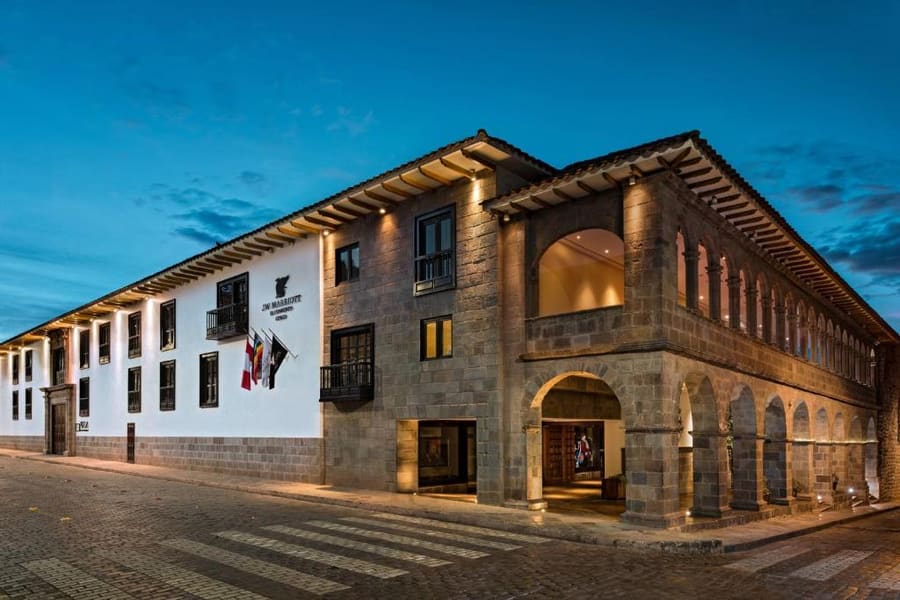
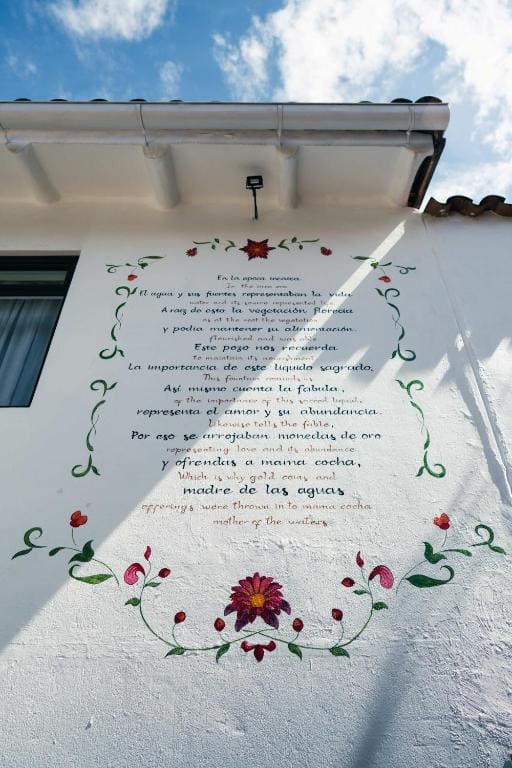
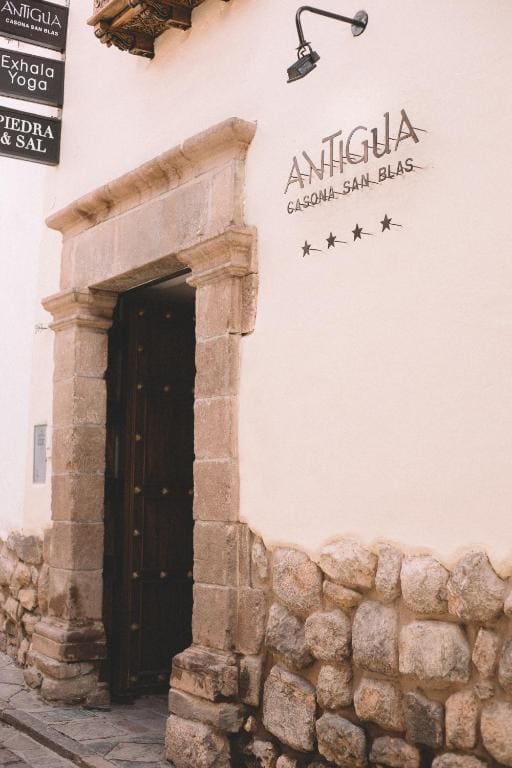
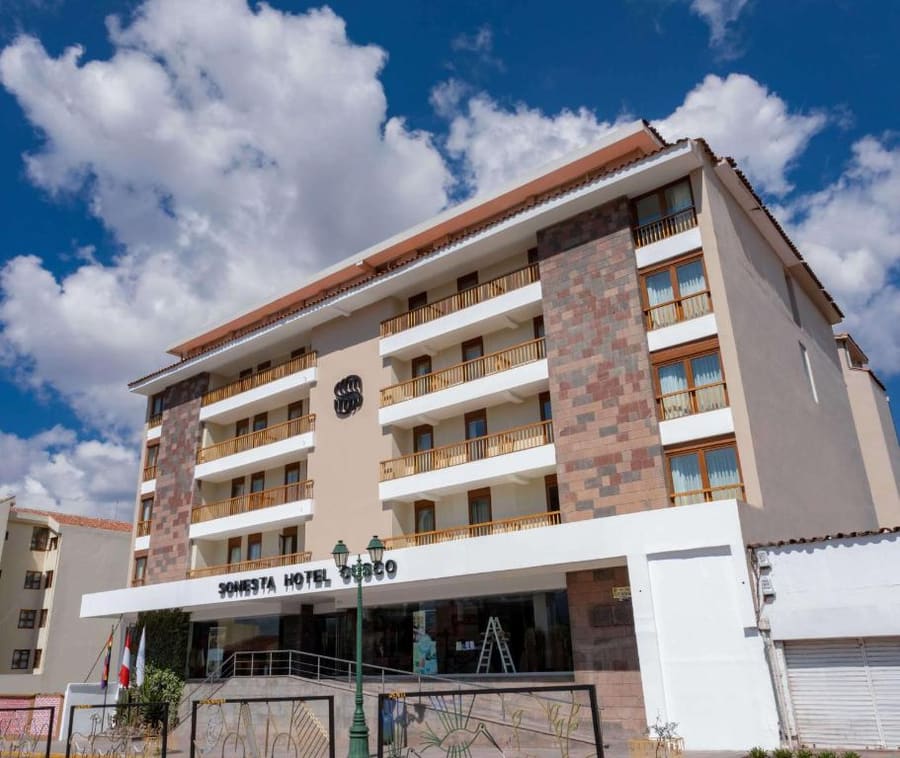
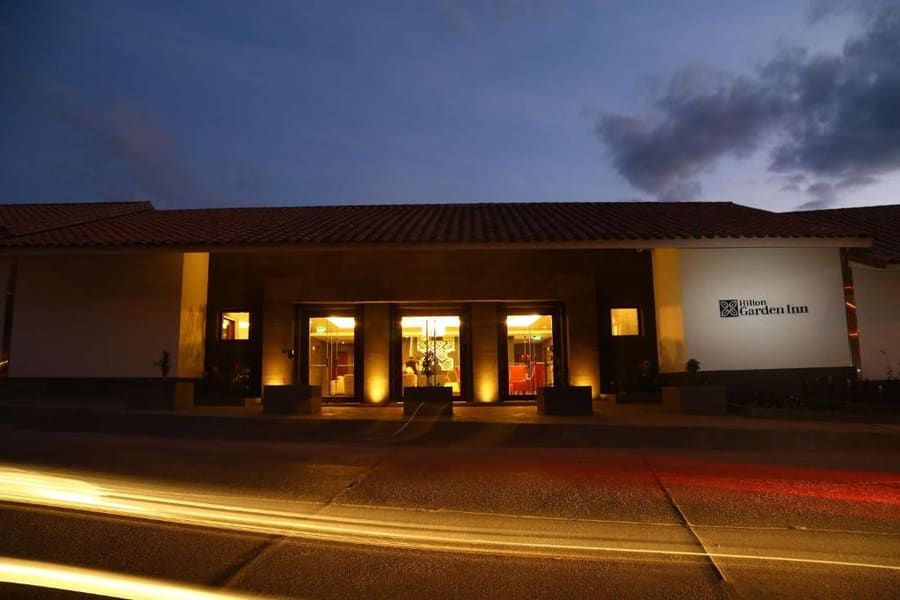
Choose your base by elevation tolerance and activity plans. Staying in Centro Histórico keeps you level and central, while San Blas offers character at the cost of steep stair climbs.
Live rates, matched to the areas above.
transport
Cusco is compact enough to navigate on foot, though steep hills demand patience. For longer distances, official taxis and local combi buses provide inexpensive transport.
Из CUZ
Use official airport taxis inside the terminal to avoid unlicensed drivers outside.
Uber operates reliably from the designated airport pick-up zone.
Combi buses stop outside the airport gate on Avenida Velasco Astete.
Cusco taxis do not use meters. Agree on a fixed price in Peruvian Soles prior to getting into the car.
Heavy rain slows street traffic across the narrow grid of Centro Histórico significantly.
Short distances feel strenuous during your first two days; take brief pauses when walking uphill.
cost
Cusco uses the Peruvian Sol (S/). Prices inside tourism zones run higher than national averages, but local markets offer exceptional value for meals.
San Pedro and San Blas markets serve two-course set lunches with soup and main dish.
Valid for 10 days across 16 sights, including Sacsayhuamán, Tipón, and Pisac.
Flat rate for standard daytime trips within central city limits.
Applies to tourist-oriented sit-down restaurants in Centro Histórico.
seasonality
MAY – SEP
Dry season brings sunny days and freezing nights. Peak tourist traffic for Inca Trail treks.
OCT – NOV
Shoulder season with occasional rain showers, warmer nights, and moderate crowds.
DEC – FEB
Heavy rainy season. Mudslides can disrupt train schedules to Machu Picchu; Inca Trail closes in Feb.
MAR – APR
Rains taper off, leaving hills green. Excellent window for photography with fewer visitors.
practicalities
Drink coca tea or muña tea, avoid heavy meals on arrival, and consider diamox if sensitive to high altitude.
At 3,400m altitude, sun radiation is severe even on cloudy days. Wear SPF 50+ sunscreen and a wide-brim hat.
Inti Raymi (June 24) and Corpus Christi block vehicular traffic across the central core entirely.
Torn, worn, or slightly ripped bank notes are routinely rejected by merchants across Cusco.
Keep bags zipped in front of you inside crowded market aisles to prevent pickpocketing.