landmark
Landschaftspark Duisburg-Nord
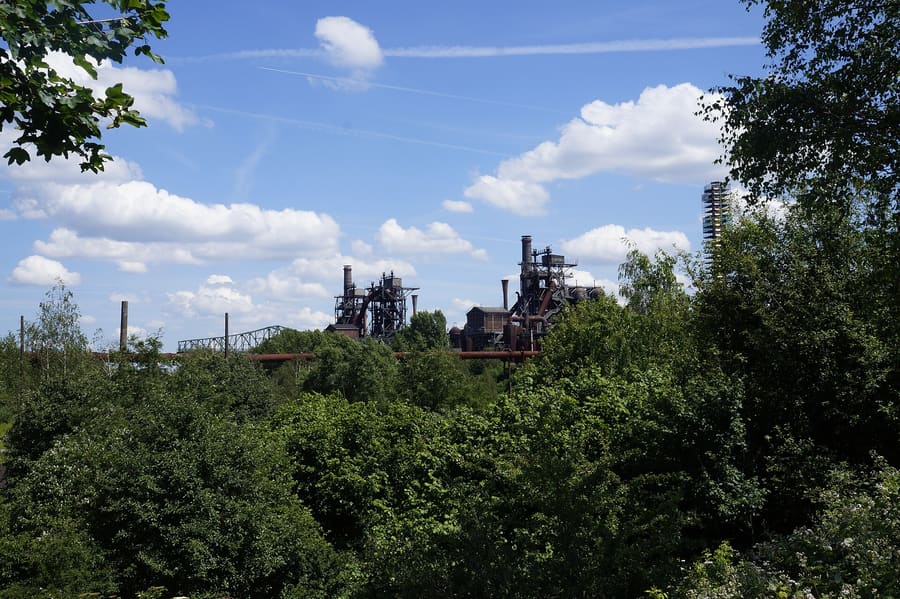
Climb Blast Furnace 5 for panoramic industrial views. Scuba divers explore a submerged gasometer.
Спросить ParleyГермания
Steel furnaces, inland docks, and industrial reinvention.
introduction
Duisburg is a working river port that turned its defunct heavy industry into public parkland and museum space. Rail lines and canals cross the urban grid, linking former blast furnaces to modern marina promenades. You come here to climb iron towers, explore converted shipping basins, and see how the Ruhr valley remade its landscape.
Rail connectivity
Duisburg Hauptbahnhof connects directly to Düsseldorf Airport in 10 minutes on regional trains. A standard VRR local ticket covers the journey.
World's largest inland port
Duisburg handles over 4 million shipping containers annually across 21 harbour basins. It remains the largest inland port on Earth.
Weekend light show
Blast Furnace 5 at Landschaftspark illuminates with coloured LED installations on Friday and Saturday evenings. Admission to the grounds is free.
Duisburg
self · CC BY 2.5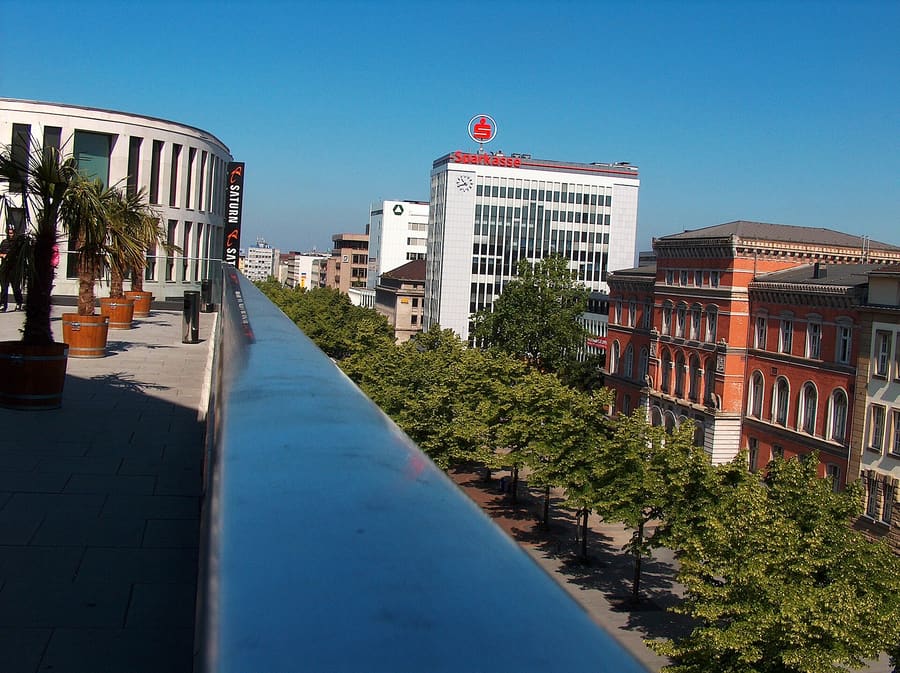
Innenstadt & Innenhafen — Sleek harbour dining meets post-war pedestrian retail and contemporary museum spaces.
Oceancetaceen · CC BY-SA 3.0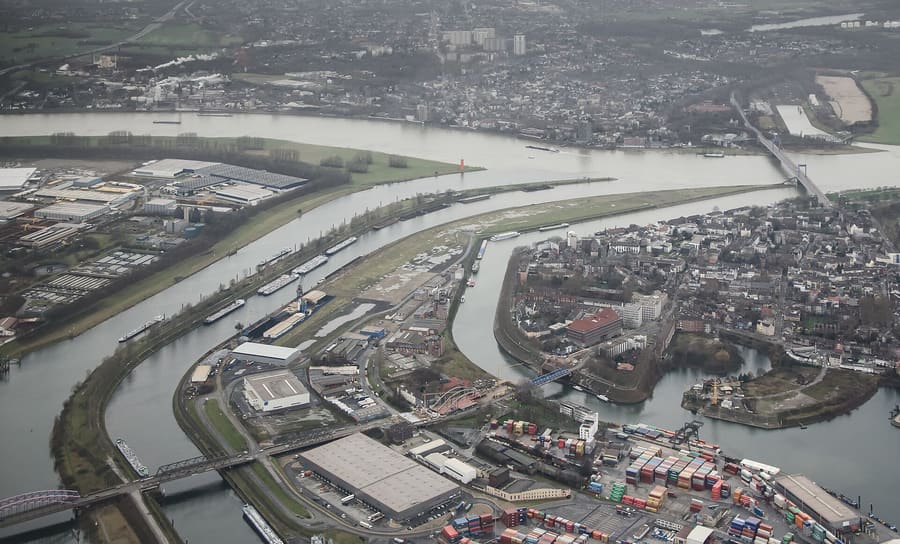
Ruhrort — Cobblestone lanes, tugboat anchors, and quiet waterfront pubs at the Rhine confluence.
Tuxyso · CC BY-SA 3.0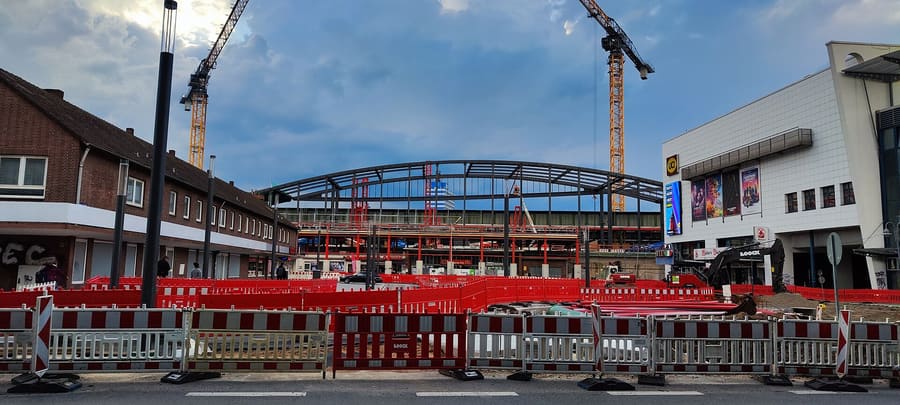
Neudorf — Student bars, affordable bistros, and leafy residential streets flanking the central station.
Clic · CC BY-SA 4.0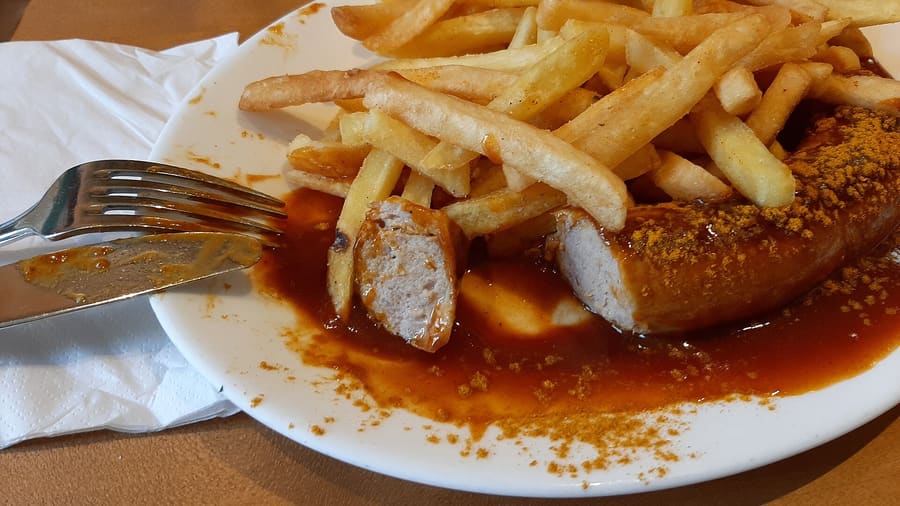
Currywurst with fries remains the staple quick meal across the Ruhr district.
Ziko van Dijk · CC BY-SA 4.0highlights
landmark
Climb Blast Furnace 5 for panoramic industrial views. Scuba divers explore a submerged gasometer.
Спросить Parley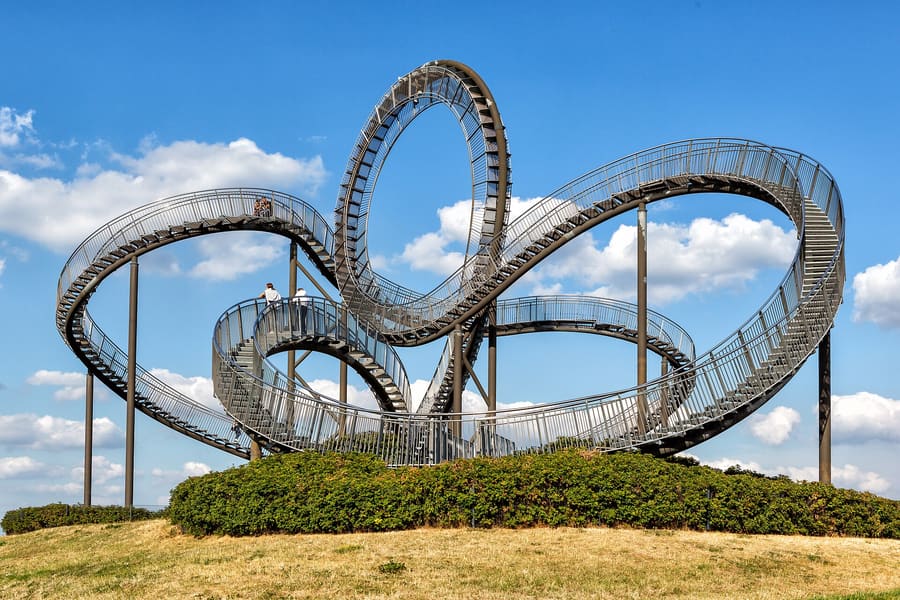
landmark
Walk the stairs of this hill-top sculpture styled like a roller coaster. Visit at dusk for LED lighting.
Спросить Parley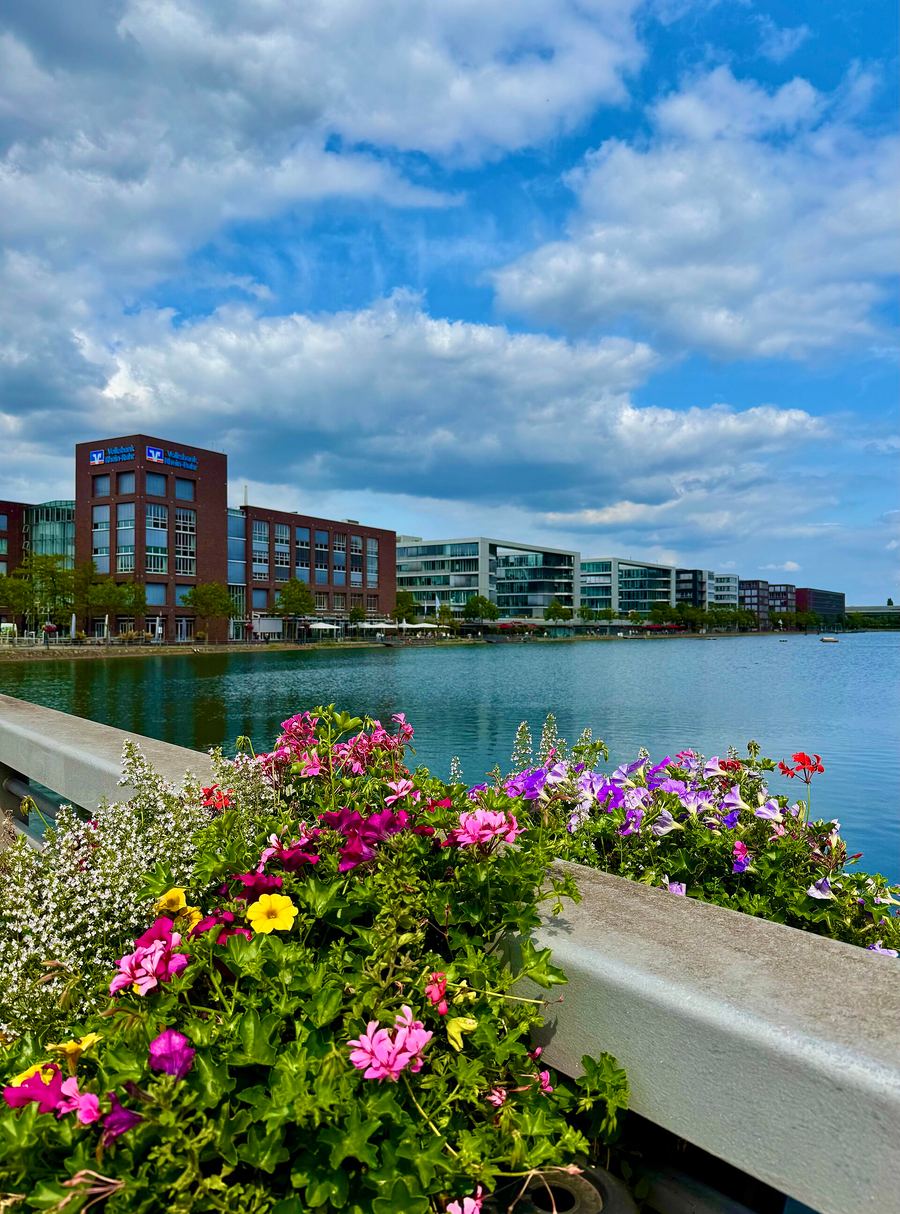
landmark
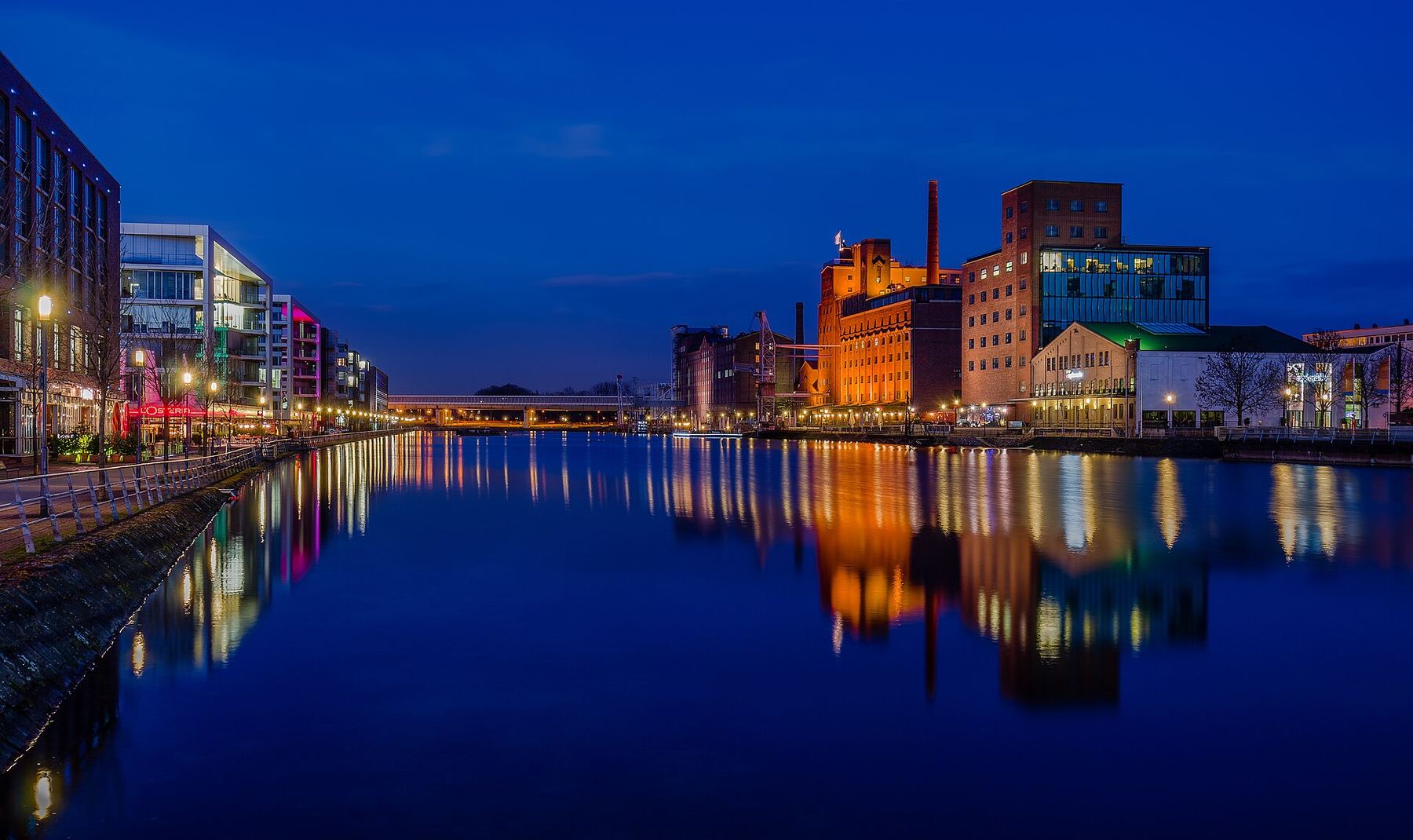
Dine along converted brick granaries designed by Norman Foster. A footbridge steps over the marina.
Спросить Parley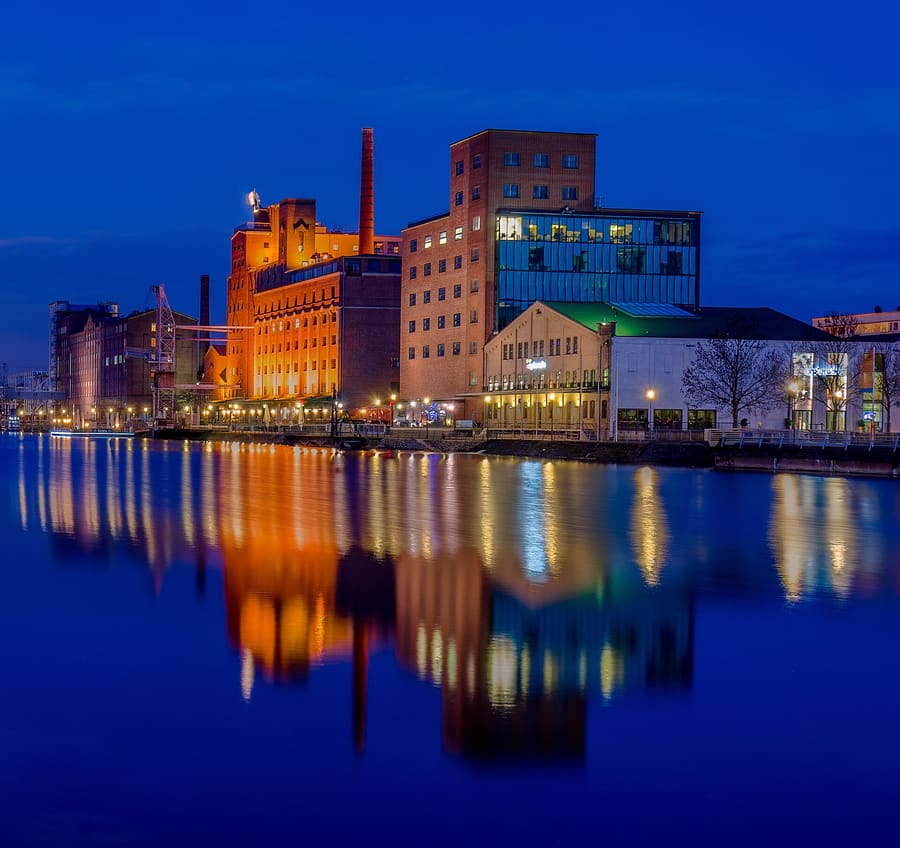
landmark
Exhibits post-war German art inside an expanded grain storage tower. Closed on Mondays.
Спросить Parley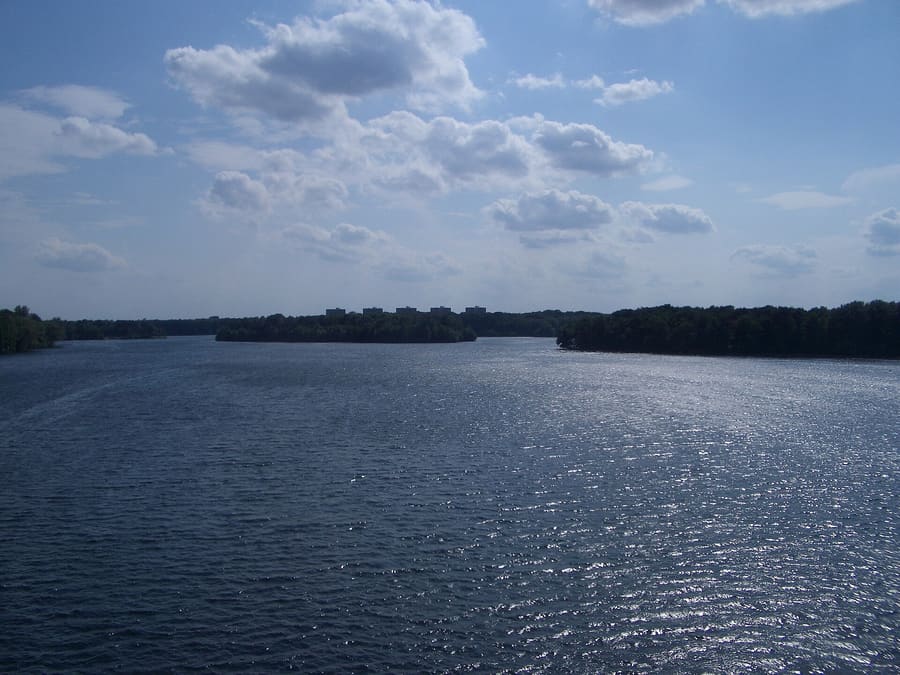
landmark
Swim or rent a paddleboat across six connected gravel pit lakes in the city's wooded southern fringe.
Спросить Parleyattractions
areas
Sleek harbour dining meets post-war pedestrian retail and contemporary museum spaces.
РядомMuseum Küppersmühle, Lehmbruck Museum, Hauptbahnhof
Спросить ParleyCobblestone lanes, tugboat anchors, and quiet waterfront pubs at the Rhine confluence.
РядомInland Navigation Museum, Schwanentor pier
Спросить ParleyStudent bars, affordable bistros, and leafy residential streets flanking the central station.
РядомDuisburg Hauptbahnhof, University campus
Спросить ParleyHigh-density bridal shops, Turkish bakeries, and charcoal grill houses along Weseler Straße.
РядомMerkez Mosque, Landschaftspark (short tram ride)
Спросить Parleyfood
Duisburg eating revolves around fast-casual industrial classics and Turkish culinary traditions. Kiosks and snack bars serve currywurst topped with spicy tomato sauce alongside deep-fried sausage options. In Ruhrort waterfront pubs, menus lean toward pickled herring (Matjes) served with fried potatoes.Along Weseler Straße in Marxloh, charcoal grills churn out adana kebab and freshly baked pide bread. Bakeries across the city serve Krustenbrot, a sourdough rye loaf eaten with butter and ham.
Currywurst with fries remains the staple quick meal across the Ruhr district.
Ziko van Dijk · CC BY-SA 4.0Order your sausage 'mit Fritten' (with fries) at stalls around Königstraße for a traditional lunch.
Turkish grill houses along Weseler Straße peak late in the evening and remain open past midnight.
Small currywurst stands and neighborhood bakeries usually take cash only.
history
Duisburg grew near the confluence of the Rhine and Ruhr rivers, operating as a Hanseatic trade port in the Middle Ages. Late 19th-century industrialisation transformed the city into an iron, steel, and coal hub, drawing thousands of workers to vast works run by Thyssen and Krupp.Heavy Allied bombing during World War II destroyed much of the urban core. Post-war reconstruction focused on functional housing, but the collapse of heavy industry in the 1980s prompted a shift toward logistics and cultural reuse.
Furnace shutdown
Blast Furnace 5 shuts down, marking the end of smelting operations at the Meiderich site.
Inner Harbour redevelopment
Sir Norman Foster's master plan transforms old granaries into office, residential, and dining spaces.
Tiger & Turtle opens
Sculptors Heike Mutter and Ulrich Genth build the walk-in coaster art piece on a former zinc slag heap.
where to stay
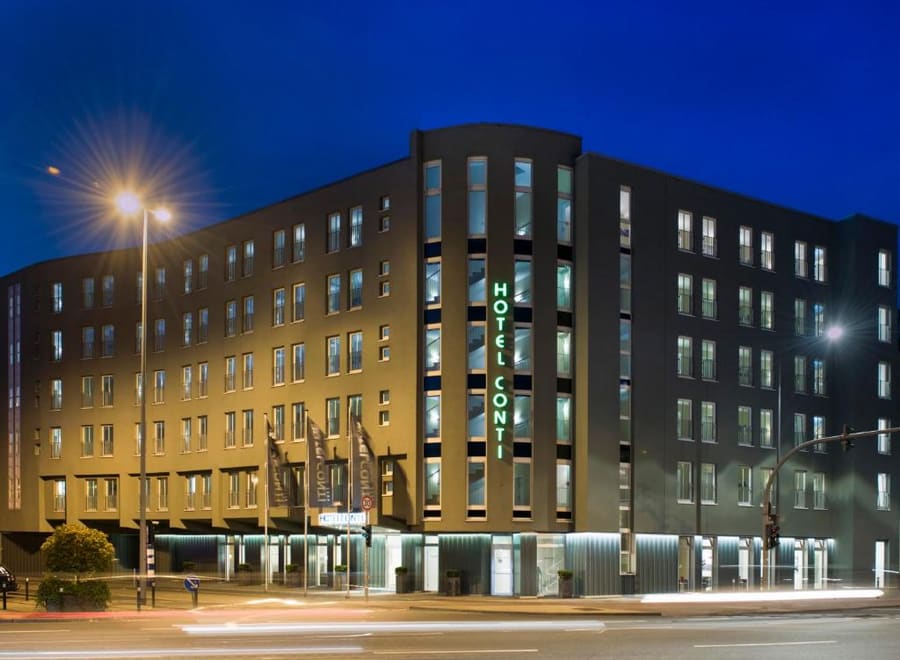
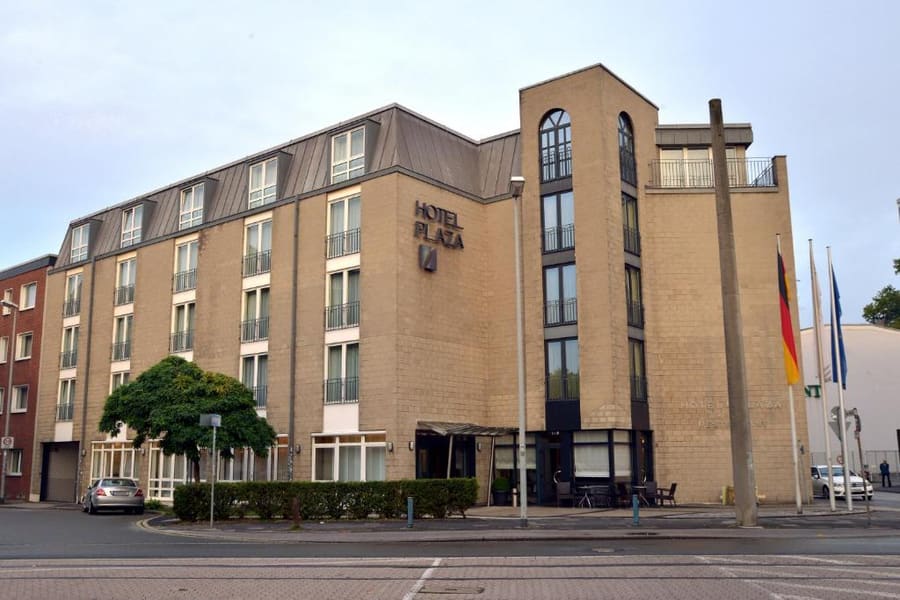
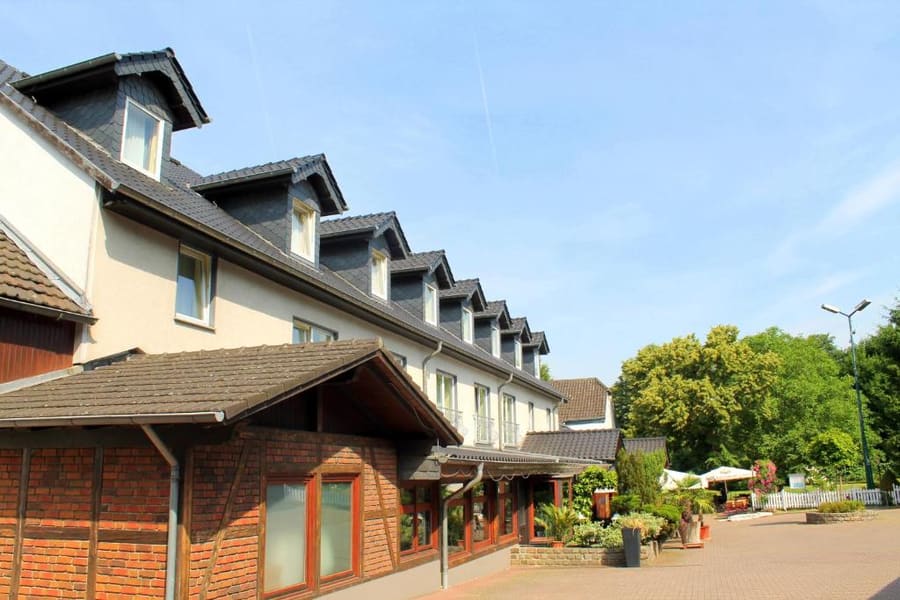
Choose your base by transport needs. Innenhafen offers walking distance to high-end waterfront dining and art galleries. Neudorf provides immediate rail access at Hauptbahnhof alongside low-cost student eateries. Ruhrort suits travellers seeking quiet river views away from commercial traffic.
Live rates, matched to the areas above.
transport
Duisburg uses an extensive transit grid operated by DVG within the VRR network. Trams run underground through the city centre and surface in outer districts. Regional trains (RE/RB) connect Duisburg Hauptbahnhof to surrounding Ruhr cities and Düsseldorf Airport within minutes.
A single Ticket A3 covers all tram, bus, and regional train trips within Duisburg city limits.
Line U79 connects Duisburg Hauptbahnhof directly to Düsseldorf Hauptbahnhof in 45 minutes.
Check in with the eezy.nrw app on your phone to pay based on straight-line distance instead of zones.
Night express lines NE1 through NE6 depart hourly from Hauptbahnhof after midnight on weekends.
cost
Duisburg costs less than neighboring Düsseldorf or Cologne. Museum entry rates and casual dining prices remain approachable, though high-end harbour restaurants command premium dinner rates.
Standard quick meal at snack bars and street stalls across town.
Accessing the industrial park grounds costs nothing; guided tours carry a ticket fee.
Standard adult admission for the main art collection and temporary exhibits.
seasonality
MAR – MAY
Mild weather ideal for cycling industrial trails. Outdoor events begin at Landschaftspark.
JUN – AUG
Warmest months for lake swimming at Sechs-Seen-Platte and outdoor harbour dining.
SEP – NOV
Crisp autumn light suits open-air photography around former blast furnaces.
DEC – FEB
Cold, damp days shift activity indoors to museums and local taverns.
practicalities
Supermarkets and retail stores close completely on Sundays; railway station shops remain open.
Wear sturdy shoes and bring a jacket when climbing the open metal staircases of Blast Furnace 5.
Smaller butcher shops and bakeries prefer local Girocard or cash over international credit cards.
Weiße Flotte boat tours depart daily from Schwanentor pier between April and October.