landmark
Skala de la Ville
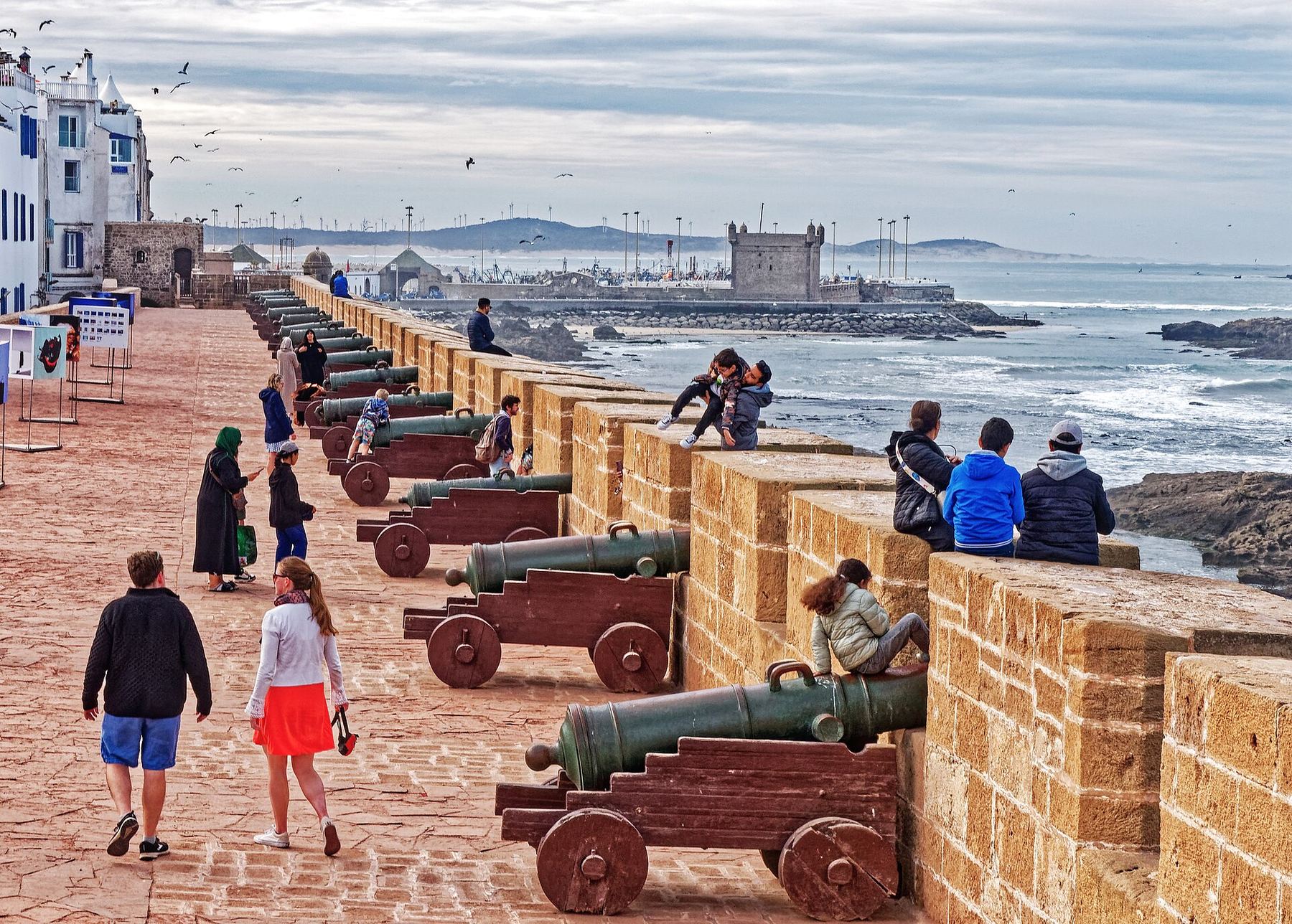
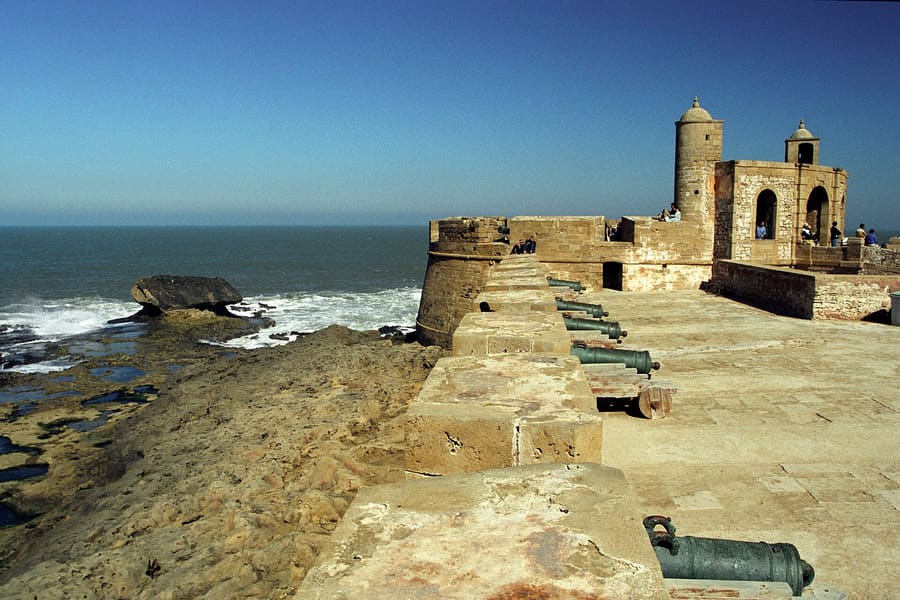
Seafront ramparts lined with 18th-century Spanish brass cannons. Walk early in the morning to beat the tour groups from Marrakech.
Спросить ParleyМарокко
Wind, ramparts, and sardine smoke on the Atlantic coast.
introduction
Essaouira trades the high-pressure sales pitch of Marrakech for the relentless Atlantic trade winds. You move through a grid-pattern medina designed by a French architect in the eighteenth century. The wind keeps the air cool and blows away the ocean humidity. Expect salt spray, sardine smoke, and strong gusts from the Alizés winds.
Arrival trick
Buses drop you at the edge of the pedestrian medina. You do not need a taxi once inside the walls.
Designation
The medina is a UNESCO World Heritage site built in 1760. It is one of the few planned medinas in North Africa.
Planning trick
The wind peaks between May and August. Pack a windbreaker even during the hottest summer months.
Essaouira
Uploadalt · CC BY-SA 3.0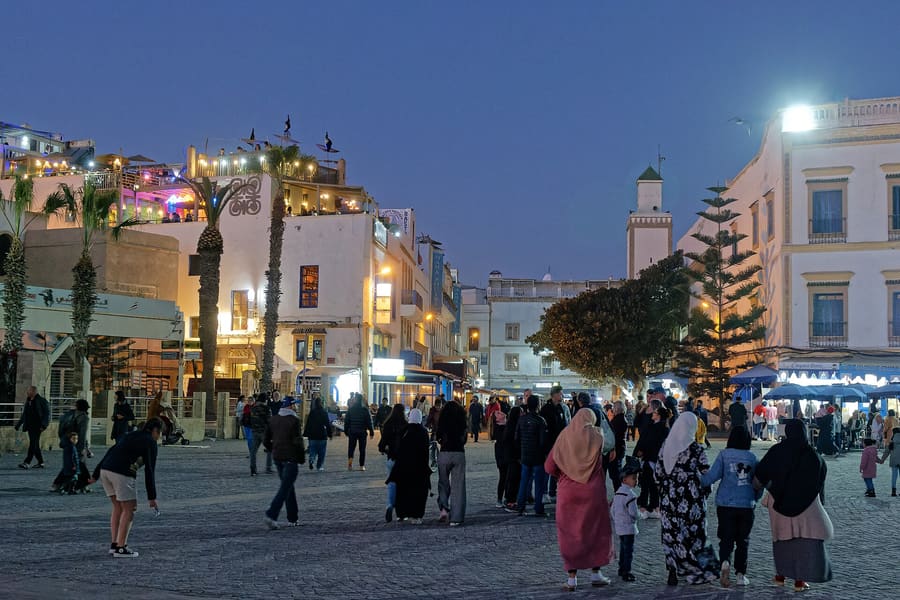
Medina — Walled stone streets, white walls, blue doors, and local Thuya wood workshops.
Holger Uwe Schmitt · CC BY-SA 4.0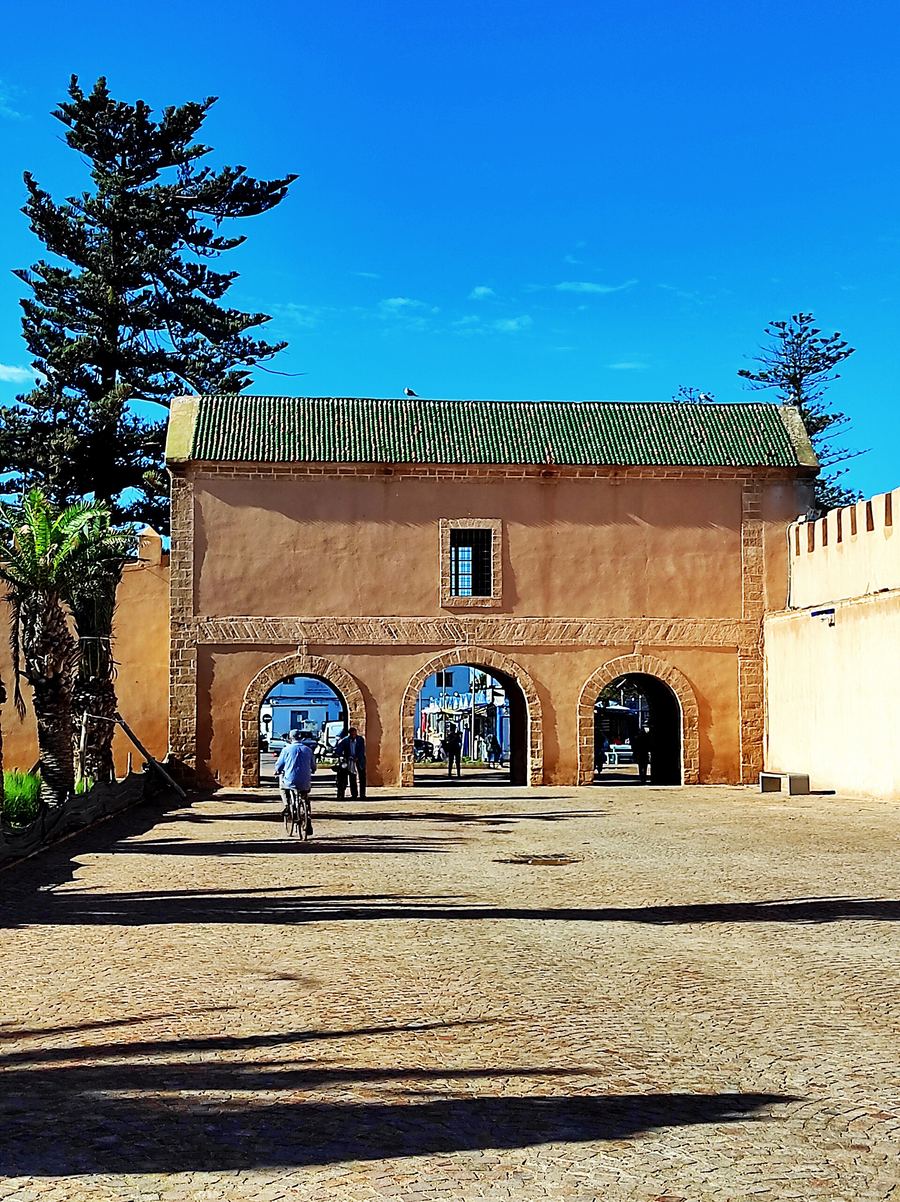
Kasbah — The grander 18th-century administrative quarter with sea views and quiet riads.
CastlesCatalog · CC BY-SA 4.0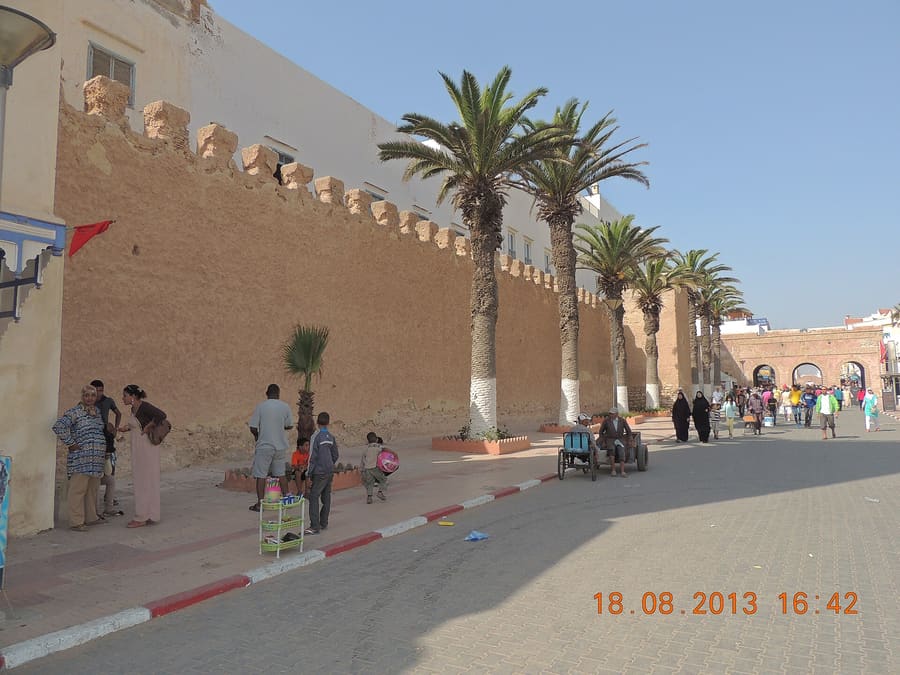
Bab Marrakech — The eastern edge near the main gate with busy local markets and cheap street food.
angelius1979 · CC BY-SA 3.0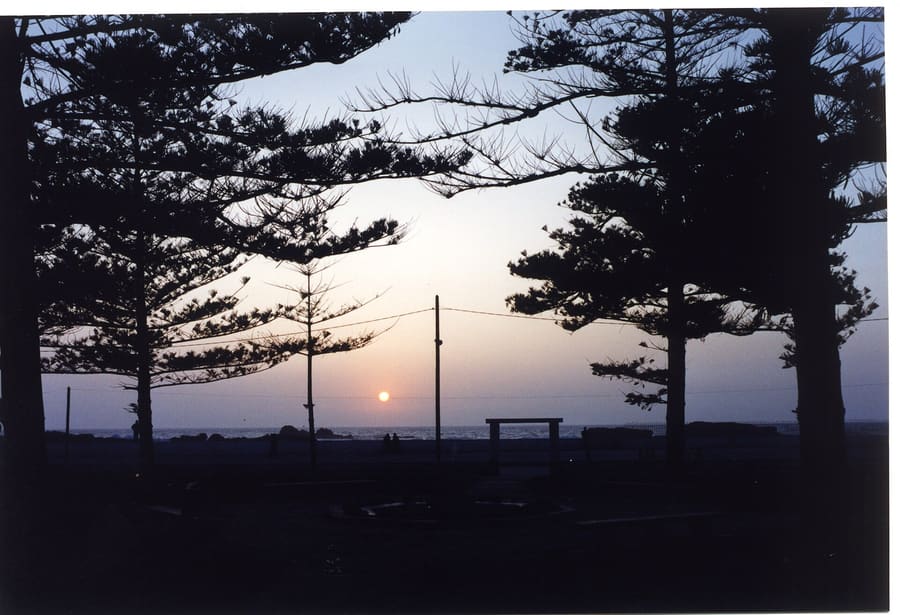
Tagharte — A wide ocean promenade lined with surf schools, modern hotels, and beach cafes.
JJ Jones · CC BY 3.0highlights
landmark
Seafront ramparts lined with 18th-century Spanish brass cannons. Walk early in the morning to beat the tour groups from Marrakech.
Спросить Parley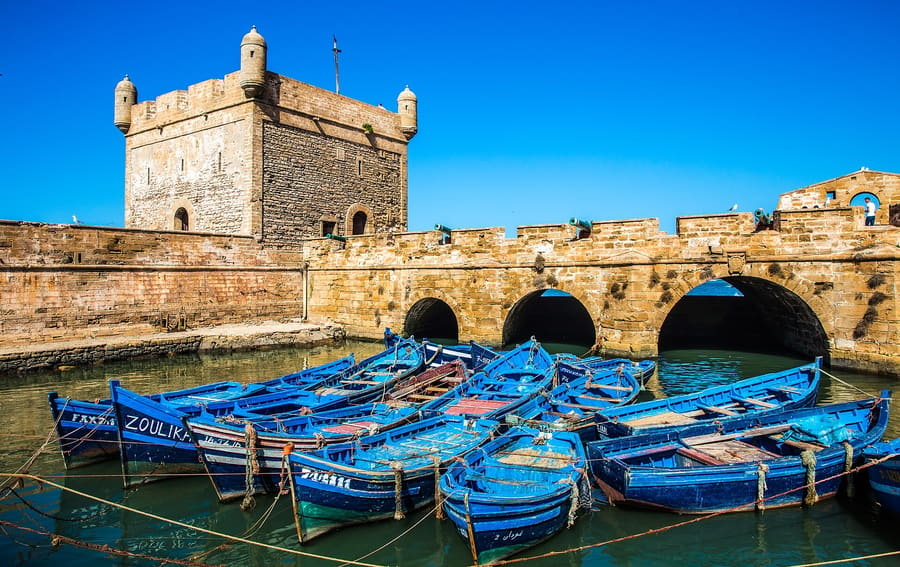
landmark
Active blue-boat harbor where fishermen land sardines daily. Watch out for aggressive seagulls above the gutting tables.
Спросить Parley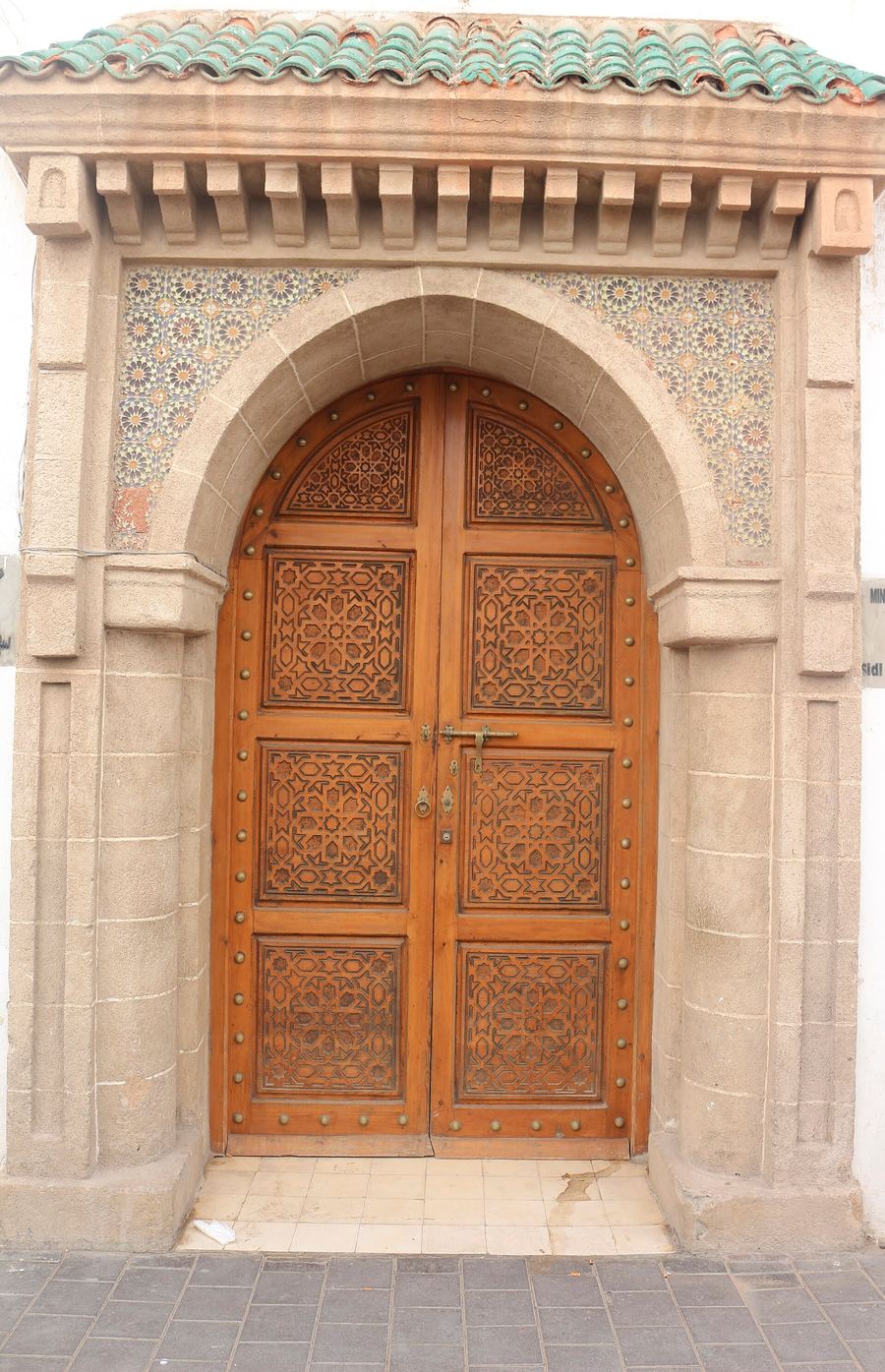
landmark
The historic Jewish quarter currently undergoing architectural restoration. Visit the Sla Lkahal synagogue when open.
Спросить Parley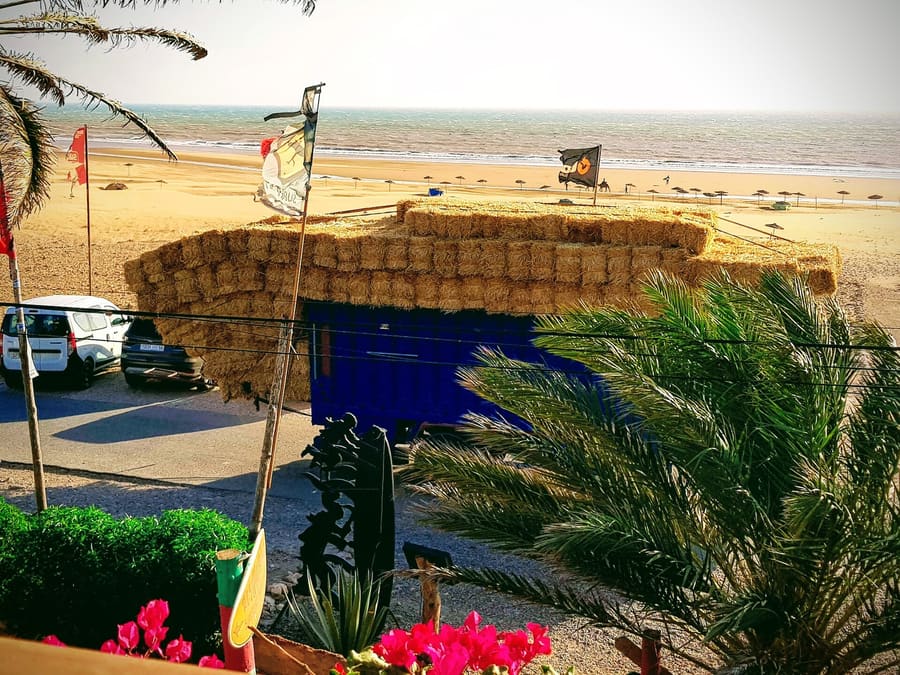
landmark
A windswept surf village 25km south of the city center. Catch a local taxi or bus 2 to reach the big Atlantic swells.
Спросить Parleyattractions
areas
Walled stone streets, white walls, blue doors, and local Thuya wood workshops.
РядомPlace Moulay Hassan
Спросить ParleyThe grander 18th-century administrative quarter with sea views and quiet riads.
РядомSkala de la Ville
Спросить ParleyThe eastern edge near the main gate with busy local markets and cheap street food.
РядомSupratours bus station
Спросить ParleyA wide ocean promenade lined with surf schools, modern hotels, and beach cafes.
РядомEssaouira Beach
Спросить Parleyfood
Essaouira runs on sea salt and fresh catch. However, the open-air seafood grill stalls at the port entrance were demolished during port redevelopments and no longer operate there. You used to select fresh sardines, red mullet, or squid straight from ice beds, paid by weight, as vendors grilled your choice over charcoal and served it with flatbread, tomato salsa, and harissa.
Sardines taste best between May and September when fat content peaks. Expect four to six freshly grilled fish per serving.
Visit the indoor spice market near the grain square for genuine argan oil. Culinary argan oil uses roasted nuts and tastes distinctly nutty.
history
Sultan Mohammed ben Abdallah founded modern Essaouira in 1760 as Morocco's chief seaport. He hired French engineer Théodore Cornut to design a fortified harbor and grid-based city layout. Known as Mogador until the mid-twentieth century, it served as a primary trade junction between Saharan caravans and European merchants.
Royal Foundation
Sultan Mohammed III commissions the construction of Mogador to rival Agadir.
Bombardment of Mogador
French navy shells the port during the Franco-Moroccan War, damaging sea defences.
Counterculture Hub
Jimi Hendrix visits Diabat village, spawning decades of music pilgrimage lore.
UNESCO Listing
The intact 18th-century medina is designated a UNESCO World Heritage site.
where to stay
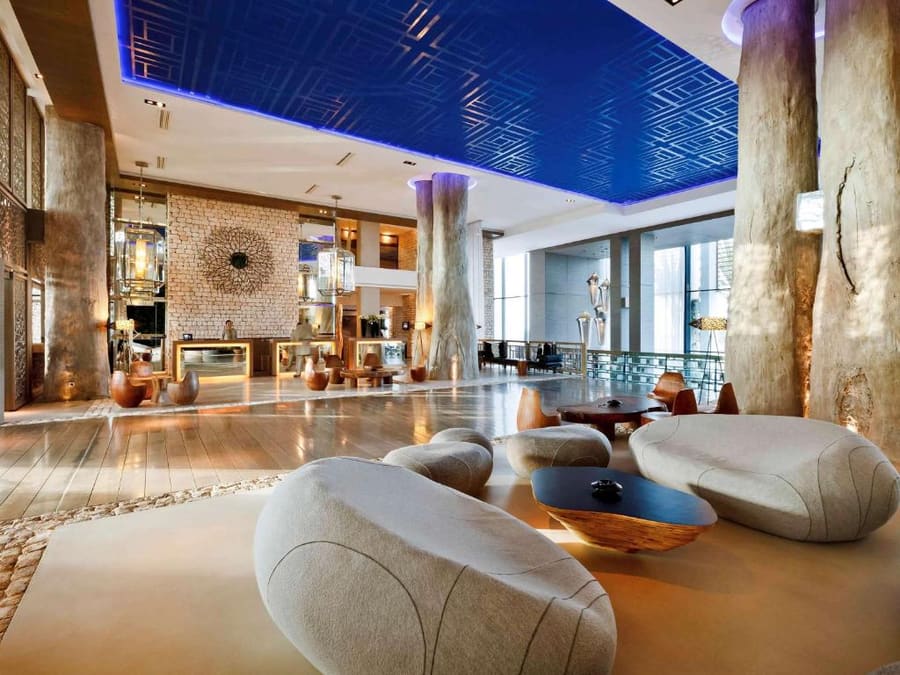
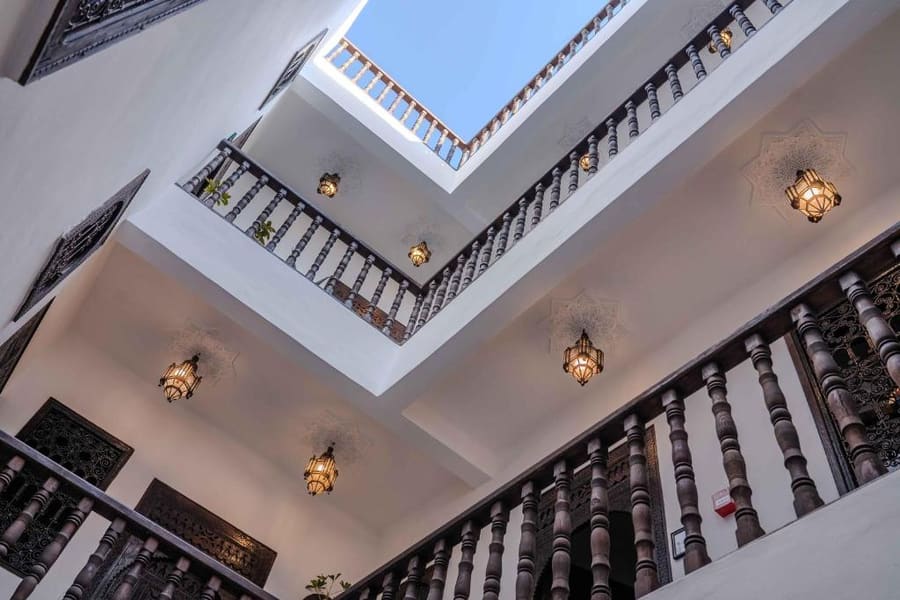
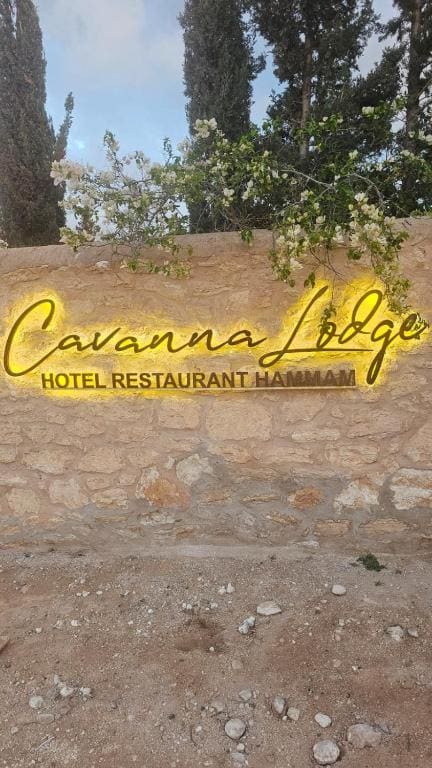
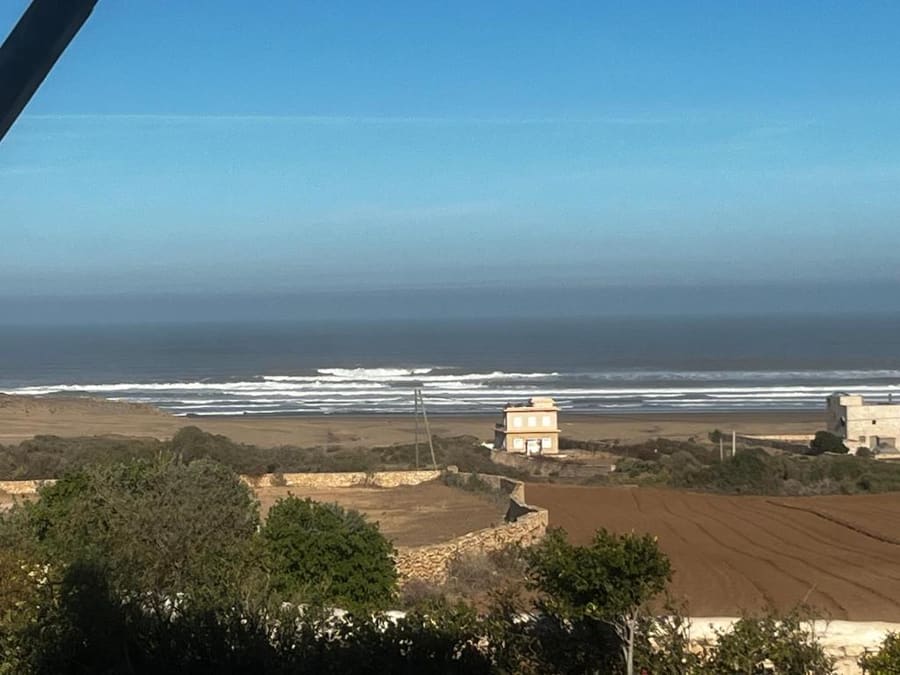
Choose your stay based on wind protection and luggage access. Riads inside the medina offer quiet interior courtyards protected from ocean gales, but require porter handcarts for heavy bags. Beachfront hotels along Tagharte offer direct vehicle drop-offs and pool terraces, but endure constant shore winds.
Live rates, matched to the areas above.
transport
Essaouira is entirely walkable inside the medina walls. Vehicles cannot enter the historical center. Blue petit taxis handle all local trips outside the gates for fixed urban fares.
Из Essaouira Mogador Airport (ESU)
Official airport petit taxis have set tariffs into the medina gates.
Lima Bus line 2 runs between the airport and Bab Doukkala hourly.
Book through your riad if arriving late at night.
Blue petit taxis carry up to three passengers. Trips inside city limits run on meter or flat 7–8 MAD rate during the day.
Medina porters push blue handcarts. Pay 20–30 MAD to haul your luggage from the gate to your riad.
The Supratours terminal sits at Bab Sbaa gate. CTM buses drop off at the main bus station near Bab Doukkala.
Shared grand taxis to Sidi Kaouki depart from the Bab Doukkala station and cost 10–15 MAD per seat.
cost
Essaouira is visibly cheaper than Marrakech or Casablanca. Fresh seafood and public transport are remarkably affordable, while high-end riads charge standard international rates.
Standard price on Place Moulay Hassan terraces.
Flat rate anywhere within city limits outside medina.
Per half-day session including board and kite equipment.
seasonality
MAR – MAY
Mild temperatures and manageable winds. Spring brings clear skies and comfortable walking weather.
JUN – AUG
Peak wind season (Alizés). High season for windsurfers and domestic tourists escaping inland heat.
SEP – NOV
Winds die down while ocean temperatures stay warm. Ideal months for medina exploration and calm beach days.
DEC – FEB
Cool, Atlantic winter storms occur. Quietest season with lower accommodation rates.
practicalities
Strong trade winds blow constantly from June to August. Secure light hats and expect airborne sand on the beach.
Shops close between 12:00 and 15:00 on Fridays for communal prayers. Plan market errands for mornings.
ATMs stand near Bab Marrakech and Place Moulay Hassan. Credit cards are rarely accepted in small medina shops.
Thuya wood carvings are a local specialty. Smell the wood to verify genuine aromatic resin before bargaining.
Temperatures drop quickly after sunset due to sea breezes. Bring a warm fleece jacket for evening dining.