landmark
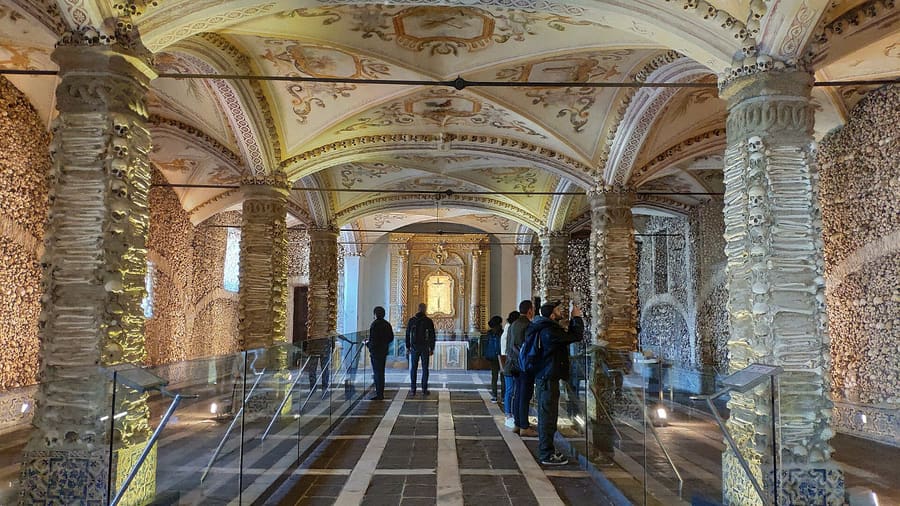
Capela dos Ossos
A Franciscan chapel lined with 5,000 human bones. Buy the combined €6 ticket that includes the religious art museum.
Спросить ParleyПортугалия
Granite temples, bone chapels, and slow Alentejo lunches.
introduction
Évora is the sun-bleached capital of the Alentejo plain, built inside continuous medieval ramparts. Direct rail lines from Lisbon reach the city in 90 minutes, trading Atlantic moisture for dry heat and granite cobbles. You move through the town entirely on foot, navigating steep alleys that open onto monumental squares.
UNESCO medieval wall
The entire center inside the 14th-century walls gained UNESCO status in 1986. Paved lanes radiate outward from Praça do Giraldo.
Midday closure schedule
Small shops and minor monuments close between 12:30 and 14:00. Use this window for a long sit-down lunch in the shade.
Évora
Manuel Alende Maceira · CC BY 2.0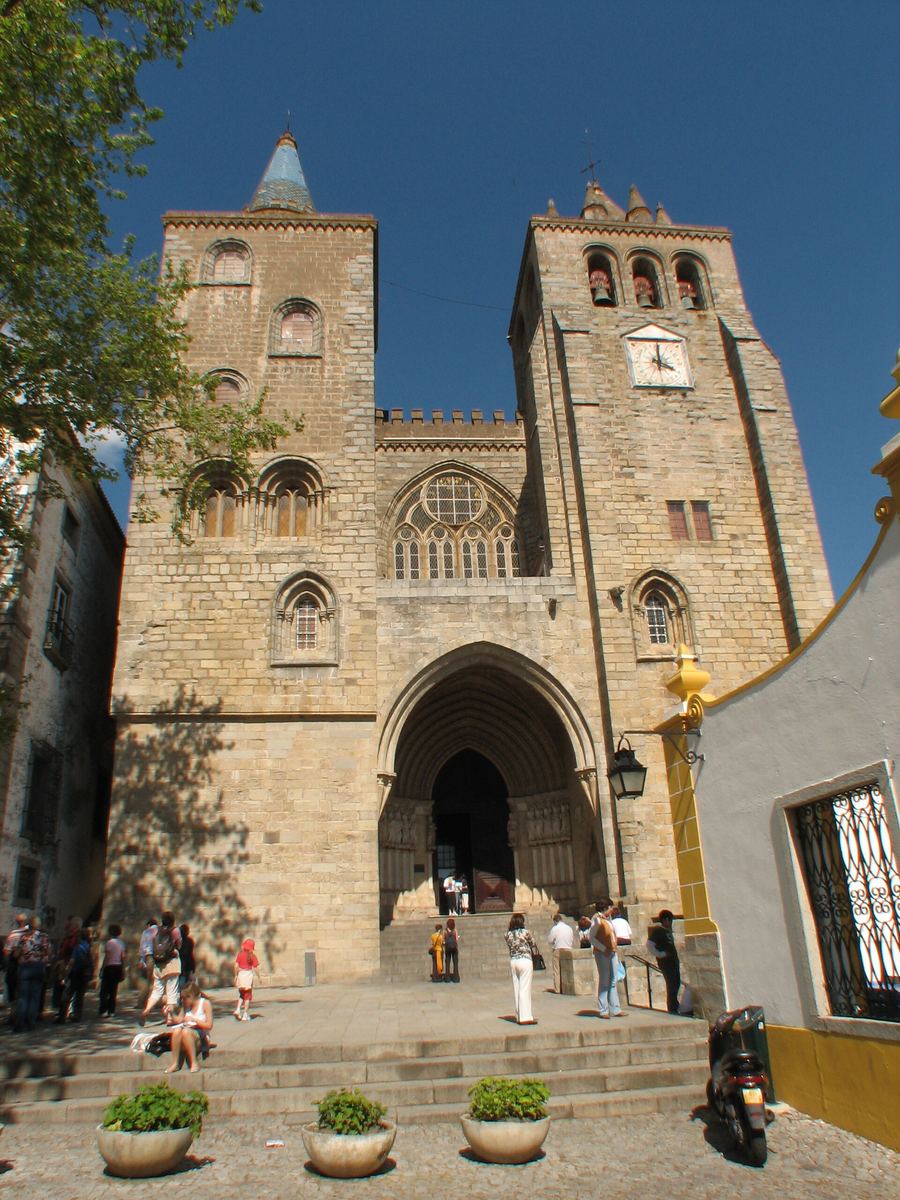
Historic Upper Town — Granite paved lanes surrounding the cathedral and Roman temple.
Public domain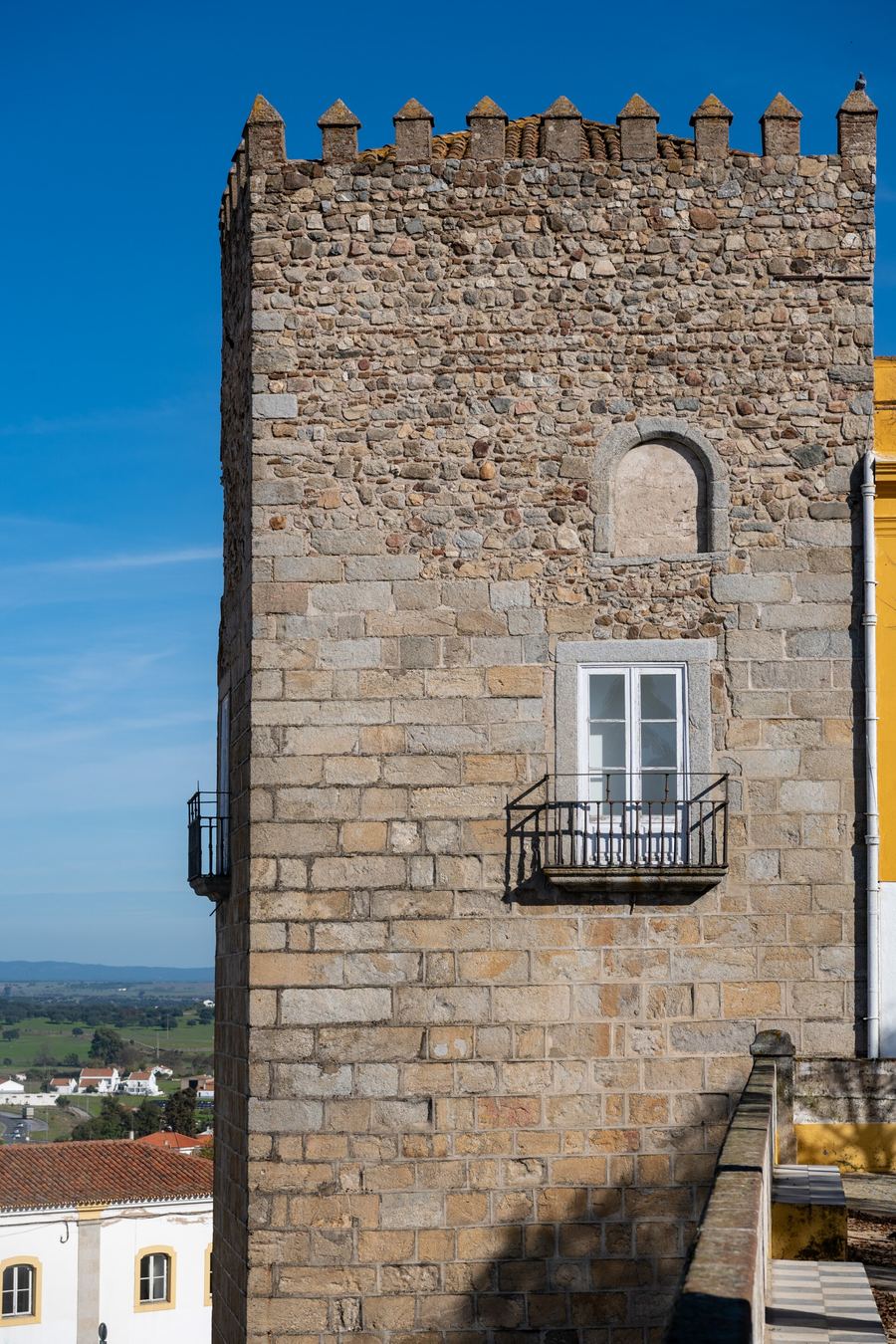
Porta de Alconchel — Residential zone around the western city wall and medieval gate.
xiquinhosilva from Cacau · CC BY 2.0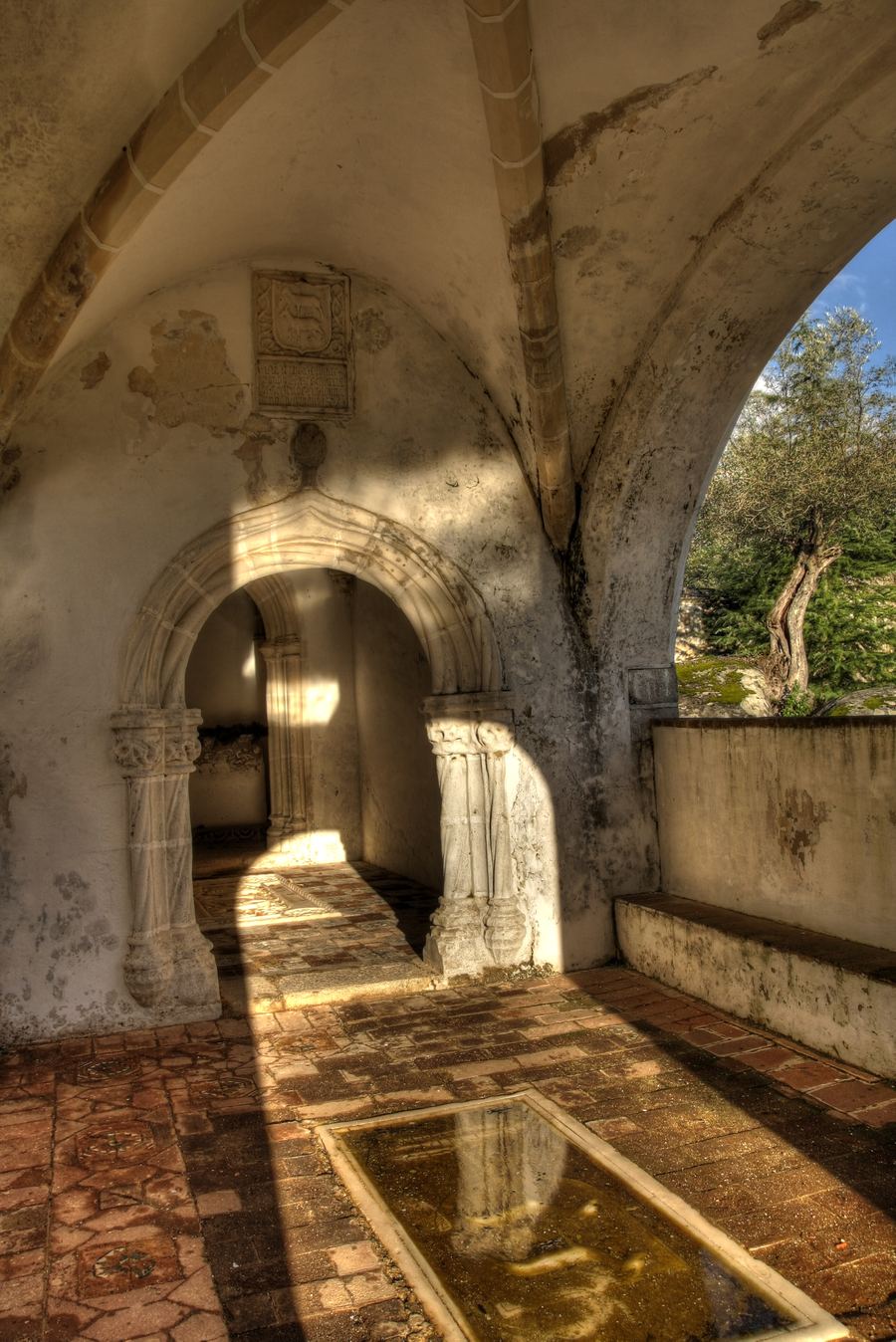
Outer Quinta Belt — Rural farmland and olive groves just beyond the outer bypass road.
Zedomacho · CC BY-SA 4.0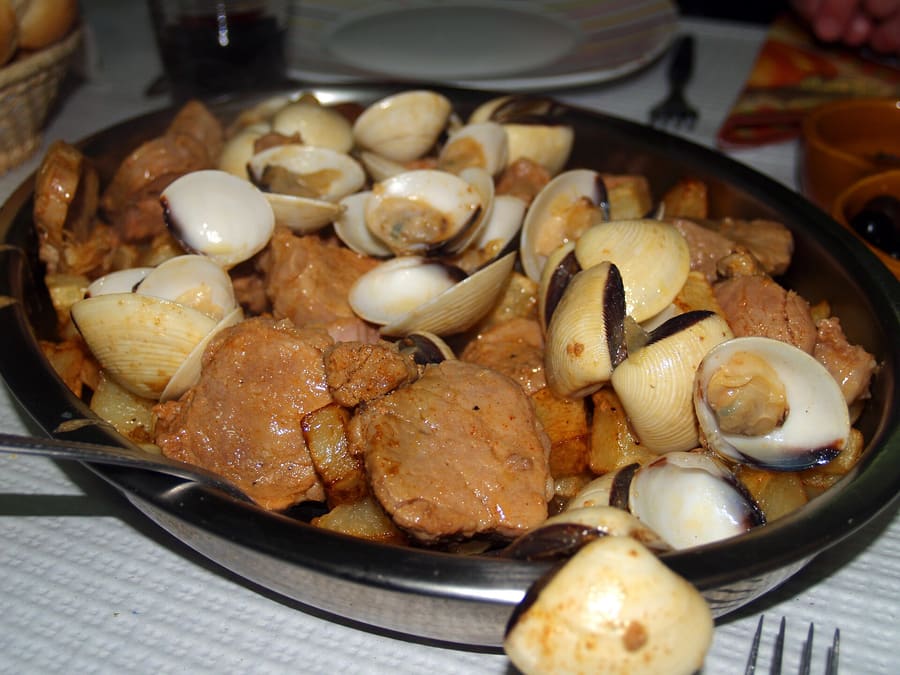
Carne de porco à alentejana: marinated pork fried with clams, potatoes, and fresh coriander.
Rui Ornelas · CC BY 2.0highlights
landmark
A Franciscan chapel lined with 5,000 human bones. Buy the combined €6 ticket that includes the religious art museum.
Спросить Parley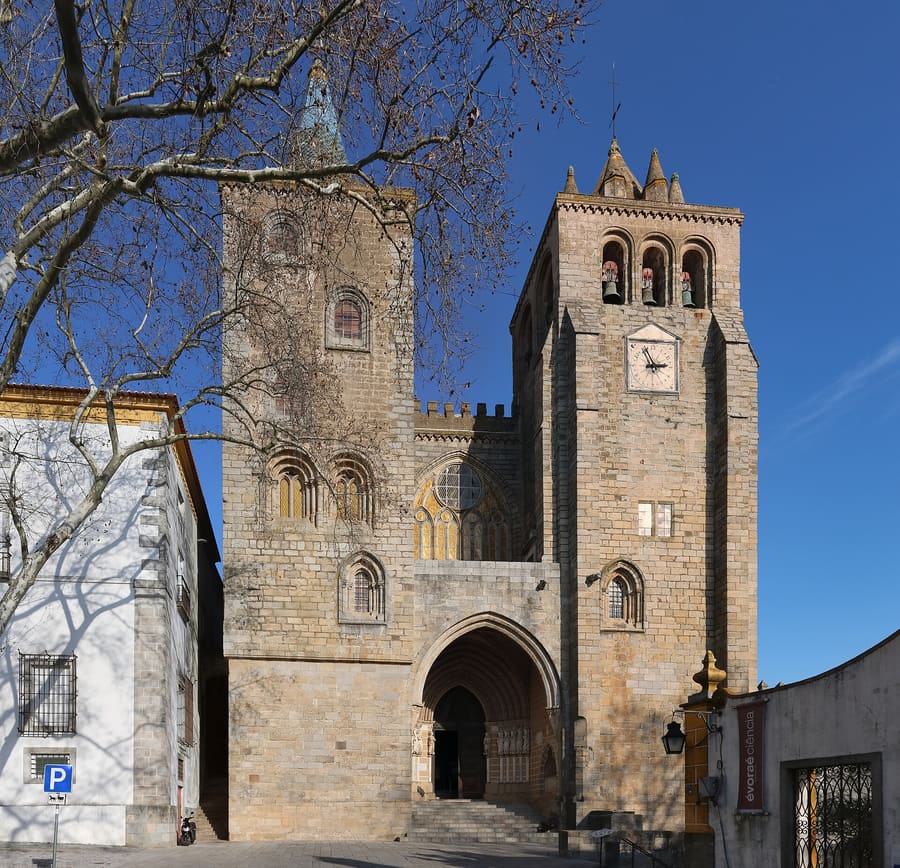
landmark
Fortress-like Gothic cathedral dating to 1186. Pay €5 for roof access to view the Alentejo plains from above.
Спросить Parley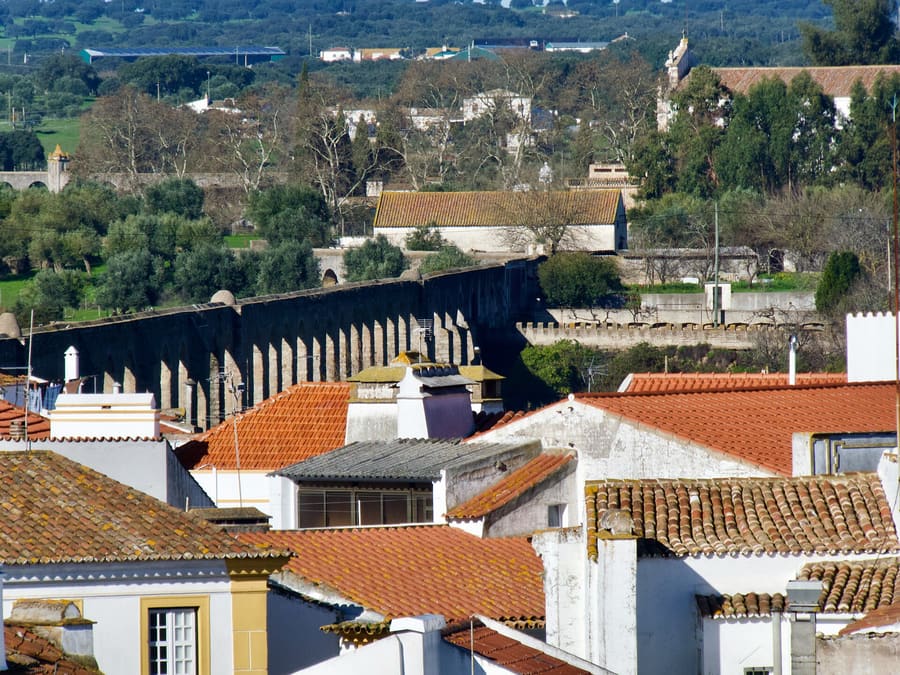
landmark
A 16th-century stone aqueduct stretching 18km. Houses and cafes are built into its arches along Rua do Cano.
Спросить Parley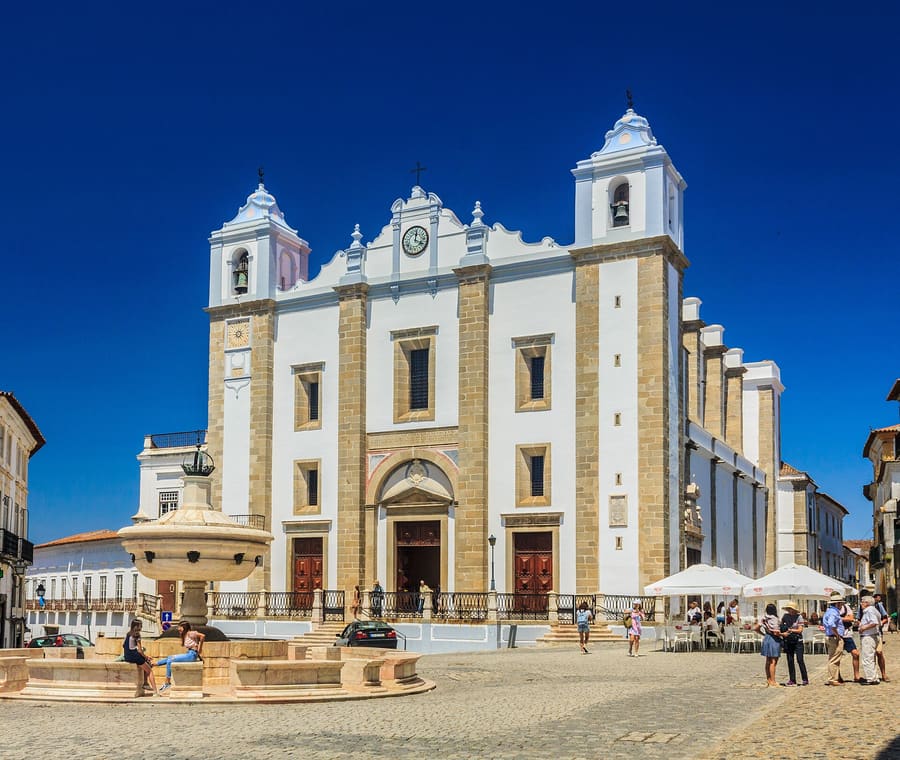
landmark
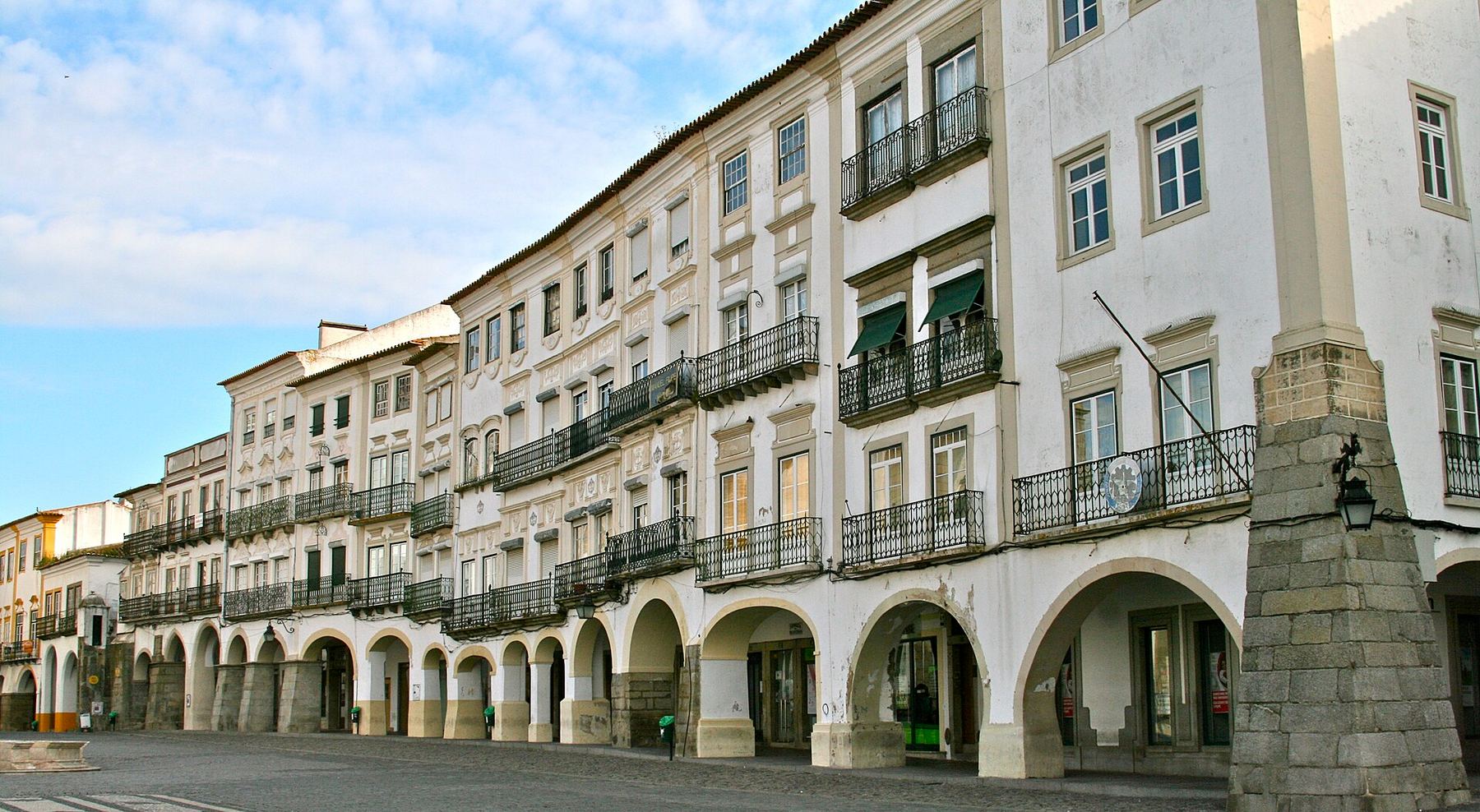
The main paved square lined with arcade arches and a Renaissance marble fountain. Best for sitting outdoor with coffee.
Спросить Parley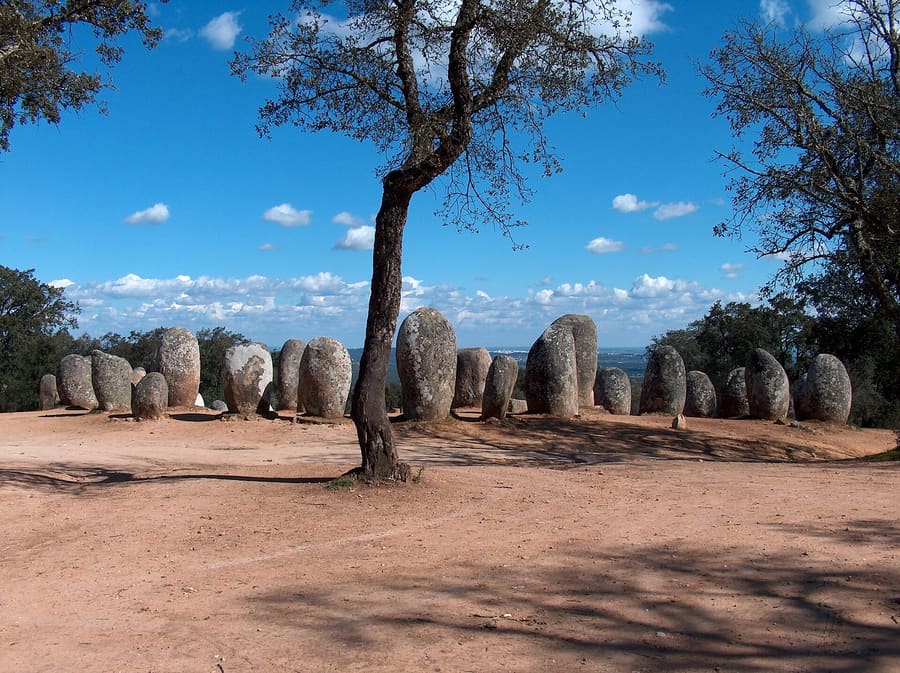
landmark
A megalithic stone circle older than Stonehenge 15km west of town. Reachable only by car or hired taxi over dirt tracks.
Спросить Parleyattractions
areas
Granite paved lanes surrounding the cathedral and Roman temple.
РядомCathedral and Roman Temple
Спросить ParleyResidential zone around the western city wall and medieval gate.
РядомPublic parking lots
Спросить ParleyRural farmland and olive groves just beyond the outer bypass road.
РядомAlentejo countryside
Спросить ParleyNarrow whitewashed alleys with yellow trimmings north of Praça do Giraldo.
РядомAqueduct arches
Спросить Parleyfood
Alentejo cuisine was engineered by field labor: dense calories built on black Iberian pork, stale wheat bread, garlic, and wild herbs. Modern restaurants in Évora preserve these thick stews and baked meats without softening the garlic footprint. Sit down expecting long lunch service and heavy earthen dishes.
Carne de porco à alentejana: marinated pork fried with clams, potatoes, and fresh coriander.
Rui Ornelas · CC BY 2.0Small plates of olives, sheep cheese, and bread arrive automatically. You pay €3–6 only for what you eat; send back unwanted items immediately.
Kitchens open for lunch at 12:30 and shut by 15:00. Arrive by 13:00 to secure table space without reservations at mid-range taverns.
House wine ordered by the carafes (vinho da casa) is almost universally good and costs under €8 per liter.
history
Évora spent two millennia as a fortified administrative hub controlling trade across the dry Alentejo plains. Its architecture directly reflects successive Roman, Moorish, and Renaissance royal occupations before regional isolation preserved its layout in stone.
Moorish rule
Islamic forces take the city, laying out the narrow street network that survives in the Mouraria quarter today.
Christian conquest
Gerald the Fearless captures Évora for King Afonso Henriques, initiating Gothic construction projects like the cathedral.
University founding
The Jesuits open Évora University, establishing the city as a intellectual center until their expulsion in 1759.
where to stay
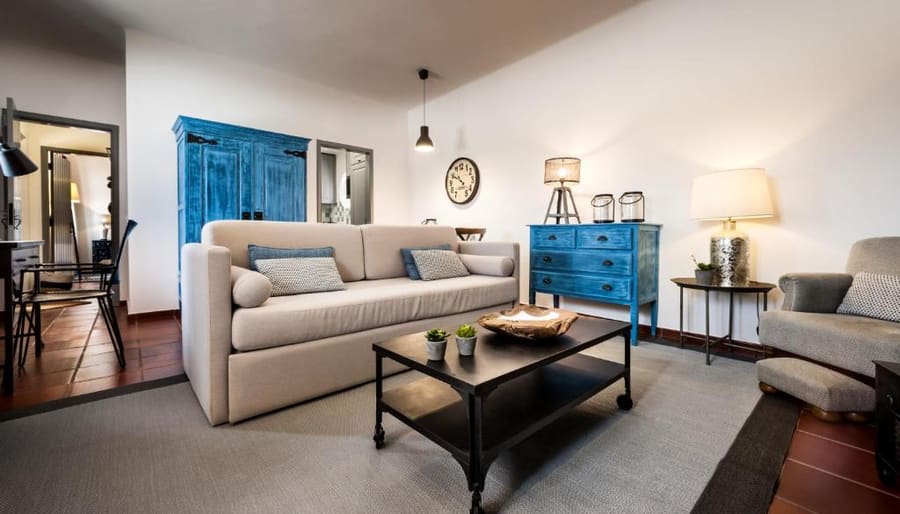
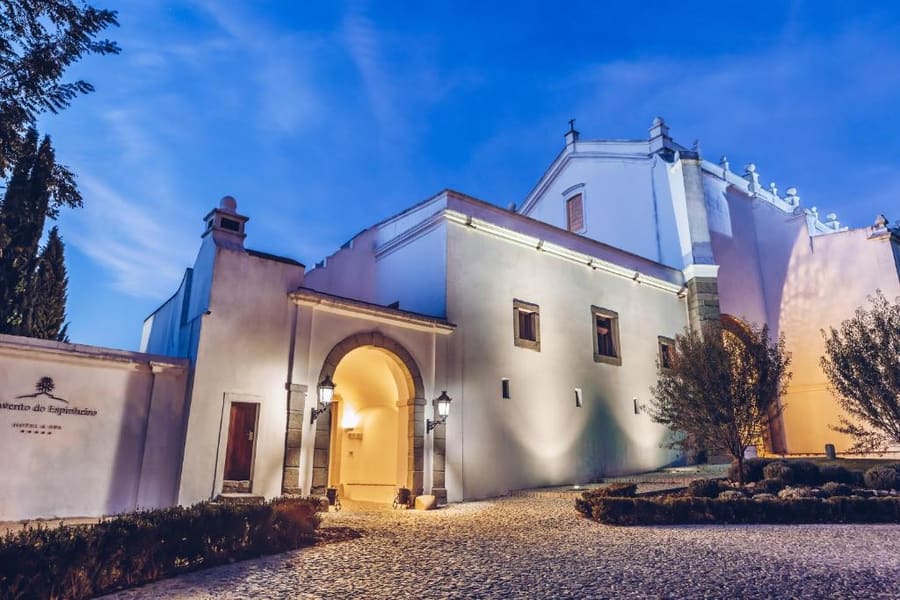
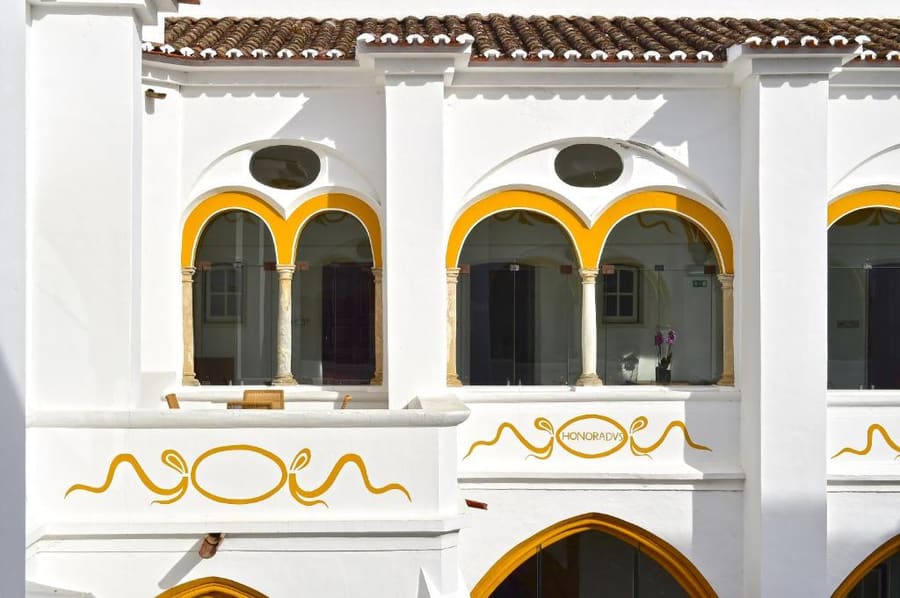
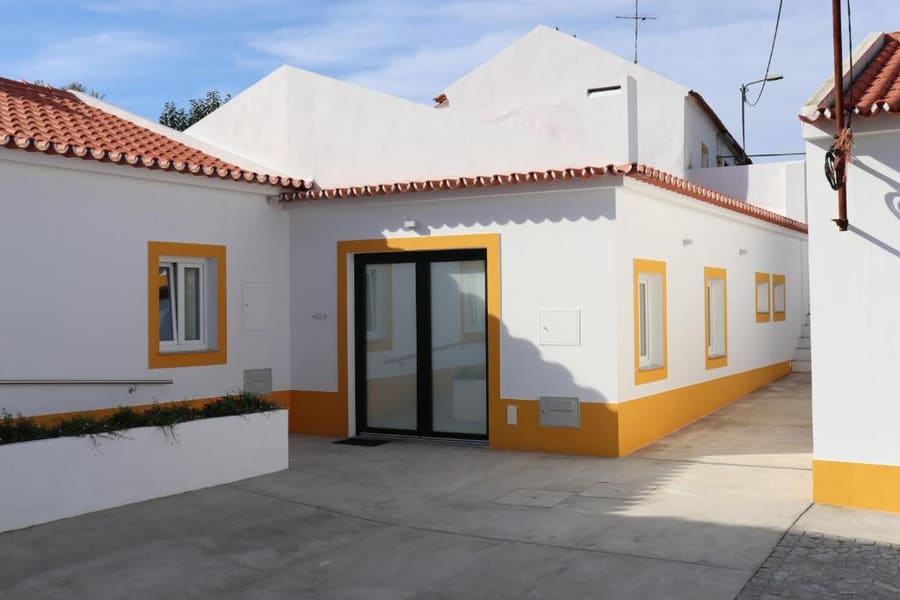
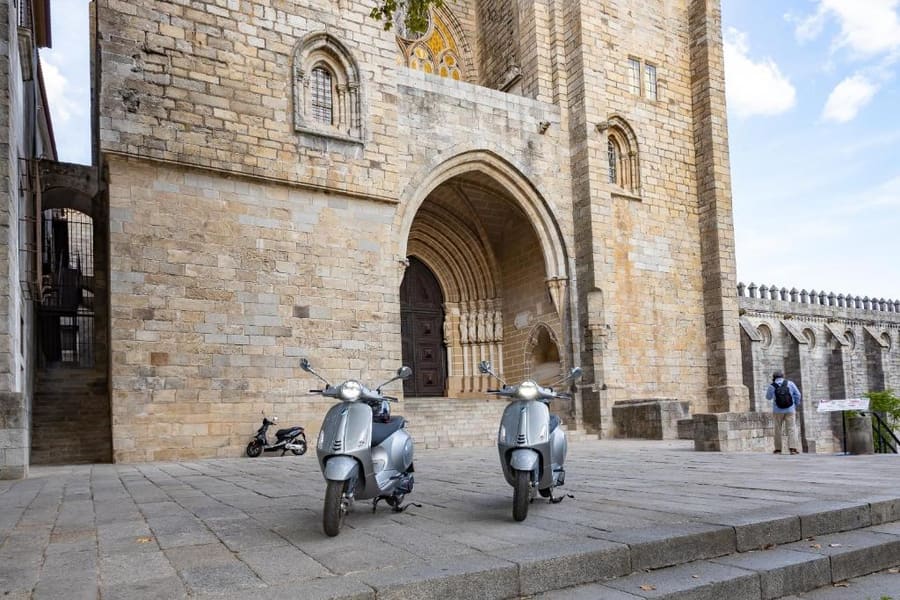
Choose your stay based on transit access. If you arrive by car, pick a place outside or along the walls to avoid driving down narrow pedestrian lanes. If arriving by train, stay inside the wall.
Live rates, matched to the areas above.
transport
Vehicles inside the city walls are restricted and unhelpful due to narrow cobbles. Walk inside the historic perimeter, and use local taxis or rental vehicles only for regional day trips.
Granite paving stones (calçada) are irregular and polished smooth. Wear rubber-soled shoes with thick support.
Park outside the walls near Rossio de São Brás or Porta de Alconchel. Free and paid lots line the perimeter road.
Trevo minibuses run round-trip loops through main plazas for €1.35 per single cash ticket.
cost
Prices in Évora run 20–30% lower than Lisbon for food and daily coffee. Mid-tier dining offers exceptional value compared to coastal Portugal.
Drinking coffee standing at a cafe bar costs under a euro almost everywhere.
Includes soup, main plate, bread, beverage, and espresso at traditional worker lunch spots.
Ticket includes access to the cathedral nave, cloister, and upper roof deck.
Price range for high-quality regional wine on a restaurant menu.
seasonality
MAR – MAY
Mild spring weather with wildflowers blooming in the plains. Optimal conditions for walking.
JUN – AUG
Temperatures routinely exceed 38°C (100°F). Outdoor movement stops between 12:00 and 17:00.
SEP – NOV
Warm autumn days and grape harvest in late September. Great season for regional food tours.
DEC – FEB
Chilly, crisp days down to 5°C at night. Historic stone buildings feel cold inside.
practicalities
Small bakeries and old taverns often reject international credit cards for transactions under €5.
Whitewashed stone walls reflect sunlight strongly. Bring sunglasses even on cool winter days.
The university operates during the academic year, filling local bars with students on Thursday nights.
Small family-run shops close tight in early afternoon. Do your errand shopping before 12:00.
Tap water is entirely safe to drink, though mineral content gives it a hard taste.