
landmark
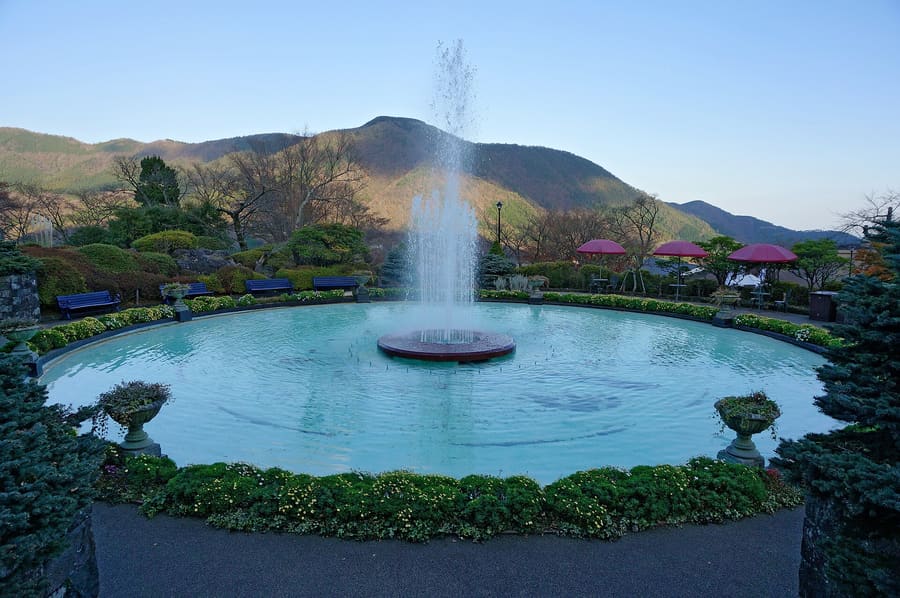
Hakone Open-Air Museum
Sculptures by Henry Moore and Picasso sit in an outdoor park. Visit early in the morning to beat tour groups.
Япония
Volcanic thermal baths, art museums, and mountain transit.
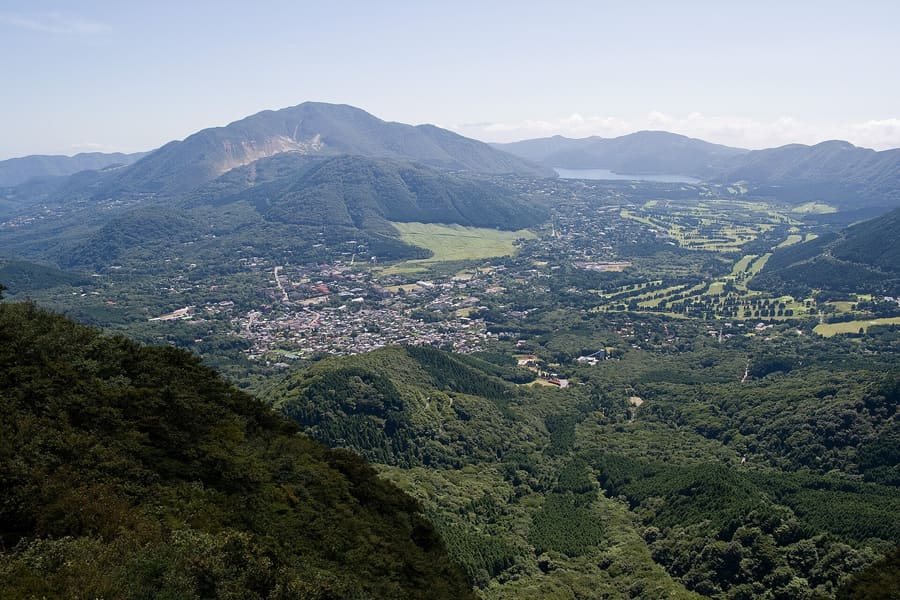
Hakone is a mountainous caldera region built around a network of switchback trains, cable cars, and ropeways. Visitors come primarily to soak in volcanic hot springs and view modern art installations set against forested hillsides. Navigating the valley requires following fixed transit loops rather than walking city streets. Mount Fuji views appear on clear days, though cloud cover frequently hides the peak.
Gora — A hillside station town serving as the central hub for cable cars and art museums.
Sengokuhara — A quiet highland basin surrounded by pampas grass fields and luxury ryokan.
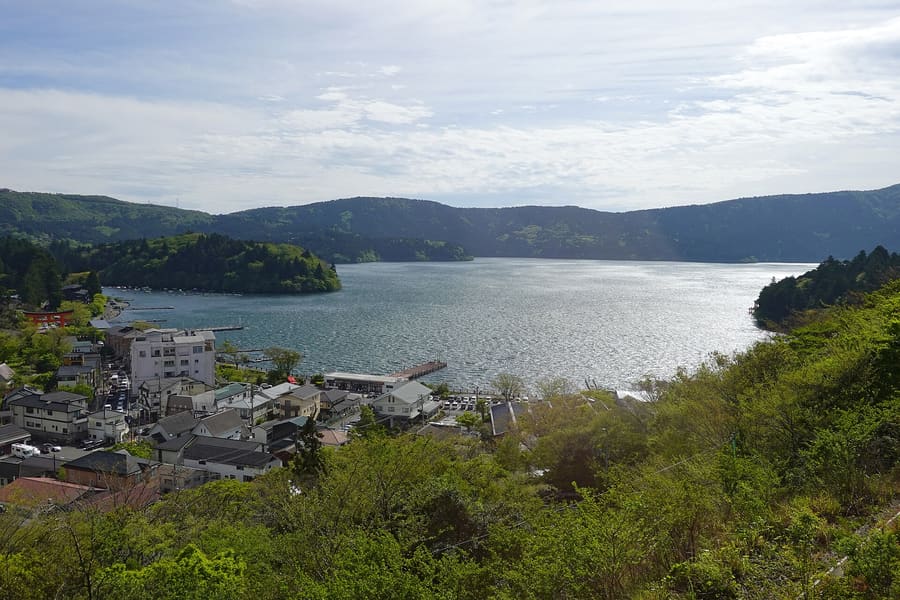
Moto-Hakone — A lakeside district defined by shrine approaches, ferry docks, and water views.
01
landmark
Sculptures by Henry Moore and Picasso sit in an outdoor park. Visit early in the morning to beat tour groups.
landmark
A crater lake formed 3,000 years ago with views of Mount Fuji. Board the sight-seeing boat at Moto-Hakone.
landmark
Active sulfur vents and geothermal steam fields reachable by ropeway. Volcanic gas levels can trigger temporary closures.
landmark
A Shinto shrine known for its red torii gate standing directly in Lake Ashi. Queue before 8:00 AM for photographs.
landmark
Japan's oldest mountain railway uses three switchbacks to climb the steep grade. Sit near the front for track views.
landmark
Western impressionist paintings housed in a glass structure built into the forest. A covered walkway connects galleries.
02
03
The bustling entry valley packed with hot spring inns and traditional souvenir shops.
РядомTrain connections to Tokyo and lower valley bathhouses.
Спросить ParleyA hillside station town serving as the central hub for cable cars and art museums.
РядомThe Open-Air Museum and Hakone Tozan Cable Car.
Спросить ParleyA quiet highland basin surrounded by pampas grass fields and luxury ryokan.
РядомPola Museum of Art and local hiking trails.
Спросить ParleyA lakeside district defined by shrine approaches, ferry docks, and water views.
РядомHakone Shrine and Lake Ashi sightseeing boats.
Спросить Parley04
Dining in Hakone revolves around volcanic spring mineral water and traditional mountain cuisine. Fresh soy milk processing provides local restaurants with distinct tofu and fresh yuba skins. Buckwheat noodles made with soft mountain spring water form another staple across the valley.
Eggs boiled in sulfurous hot water turn black through a chemical reaction. Locals buy them in packs of five at the peak.
Restaurants like Yuba Don Naokichi serve local soy curd cooked in iron pots. Arrive before opening to avoid hour-long queues.
Hakone's soft spring water produces distinctively smooth buckwheat noodles. Try them cold with grated yam at roadside shops.
05
Hakone served as a critical mountain barrier along the historic Tokaido highway connecting Edo and Kyoto. The Tokugawa Shogunate established a strict security checkpoint here to inspect travelers entering the capital. In the twentieth century, modern engineering transformed the pass into a major transit network and resort complex.
Hakone Shrine Founded
Mangan Shensho establishes the shrine along Lake Ashi, securing it as a site for mountain worship.
The Edo Checkpoint
The Tokugawa Shogunate builds the Hakone Sekisho to strictly control travel along the Tokaido road.
Tozan Railway Opens
Engineers complete Japan's first mountain railway, opening the upper caldera to alpine tourism.
Open-Air Museum Built
Japan's first outdoor art museum opens, establishing Hakone as an arts destination alongside hot springs.
06
Choose your stay based on transit convenience versus quiet mountain seclusion. Yumoto offers direct train access to Tokyo, while Gora puts you at the midpoint of the transit loop. Sengokuhara delivers spacious high-end resorts away from major crowds.
Отели с высокими оценками: Hakone.
Смотреть больше отелей: Hakone07
Hakone transit is a circular loop connecting switchback trains, cable cars, aerial ropeways, and public buses. Traveling through the region means changing vehicles multiple times along fixed mountain corridors. Moving luggage between stops takes effort due to steep station stairs.
Из Odawara Station
Connects to Hakone-Yumoto. Must transfer there for switchback train to Gora.
Buses stop running around 19:00. Covered by the Hakone Free Pass.
20% surcharge 22:00-05:00. Necessary after 19:00 transit cutoff or with heavy luggage.
Connects Sounzan to Togendai via . Volcanic gas spikes occasionally suspend operations.
Covers unlimited rides on Odakyu buses, cable cars, ropeways, and lake ferries for two or three days.
Buses and cable cars stop running around 7:00 PM. Missing the last bus requires an expensive taxi ride.
08
Expenses in Hakone depend mostly on your accommodation choices and transit access. Comprehensive travel passes offset internal transport expenses quickly. Budget for cash payments at smaller mountain lunch spots.
Includes round-trip transit from Shinjuku on local Odakyu trains plus all internal valley transit.
Public hot springs charge an entry fee; towel rental usually costs an extra ¥200 to ¥400.
Per room rate typically includes a multi-course kaiseki dinner and breakfast for two guests.
09
DEC – FEB
Coldest months offer the highest chance of clear Mount Fuji views. Thermal baths are at their peak appeal.
MAR – MAY
Cherry blossoms bloom progressively up the mountain. Spring mist frequently obscures mountain peaks.
JUN – AUG
Hydrangeas line the Tozan Railway in June. High humidity and clouds make Fuji views rare.
SEP – NOV
Autumn foliage peaks in November alongside Sengokuhara's golden pampas grass fields. Reserve months early.
10
Most public hot springs restrict visible tattoos. Rent a ryokan with a private room bath if you have ink.
The Hakone Carrying Service transports bags from Yumoto Station directly to your ryokan while you sightsee.
releases sulfur dioxide. People with asthma or respiratory conditions should avoid the crater floor.
Most retail shops and independent restaurants close by 5:00 PM once day-trippers return to Tokyo.
Содержание
Ваша поездка
Собираетесь в Hakone?
Расскажите Parley, когда едете и что любите, и он спланирует дни вокруг этого гида.
Спланировать с Parley


