landmark
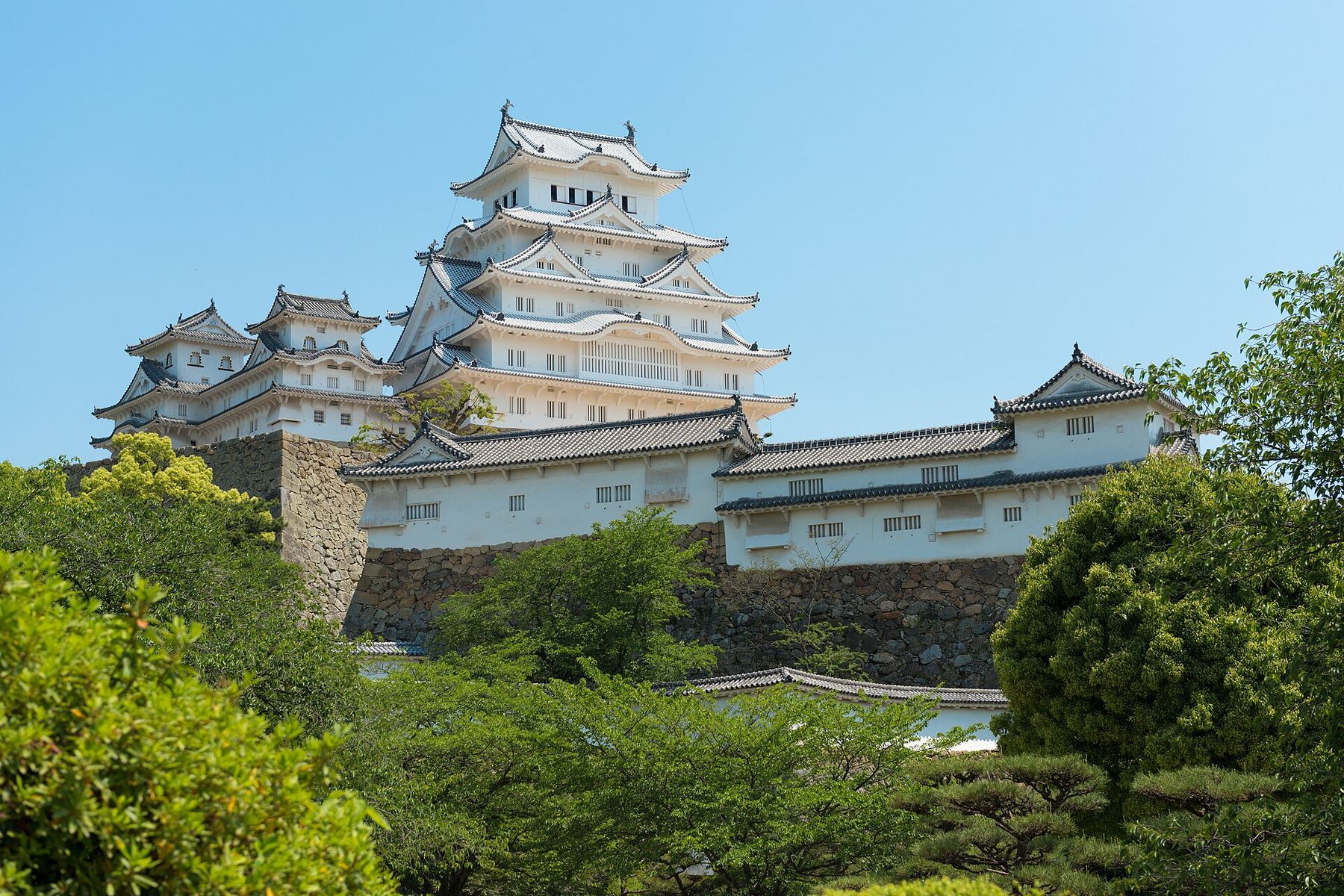
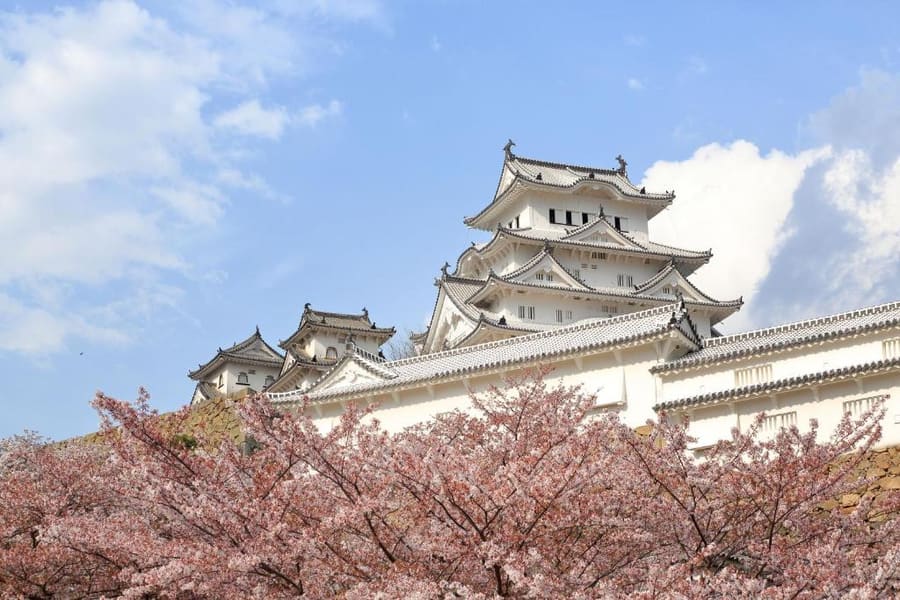
Himeji Castle
Japan's largest surviving original keep. Arrive at 09:00 opening to climb the wooden staircases before tour groups arrive.
Спросить ParleyЯпония
Beyond the white castle keep lies Hyogo's finest oden
introduction
Himeji sits on the Harima Plain in Hyogo Prefecture, about 15 to 16 minutes west of Kobe by bullet train. Broad avenues run north from the main station directly toward the central fortress, making navigation effortless on foot. Most travelers stop for three hours between Osaka and Hiroshima, but staying until dusk empties the park and reveals a working castle city.
Arrival luggage tip
JR Himeji Station lockers fill fast by 10:00. The tourist information desk inside the station offers same-day bag delivery to local hotels for a flat fee.
UNESCO designation
Himeji Castle was registered as one of Japan's first UNESCO World Heritage sites in 1993, preserving 82 wooden buildings from the early Edo period.
Ticketing trick
Buy the joint pass at the castle gate for 1,050 yen. It includes admission to neighboring Koko-en garden for just 50 yen more than castle entry alone.
Himeji
663highland · CC BY 2.5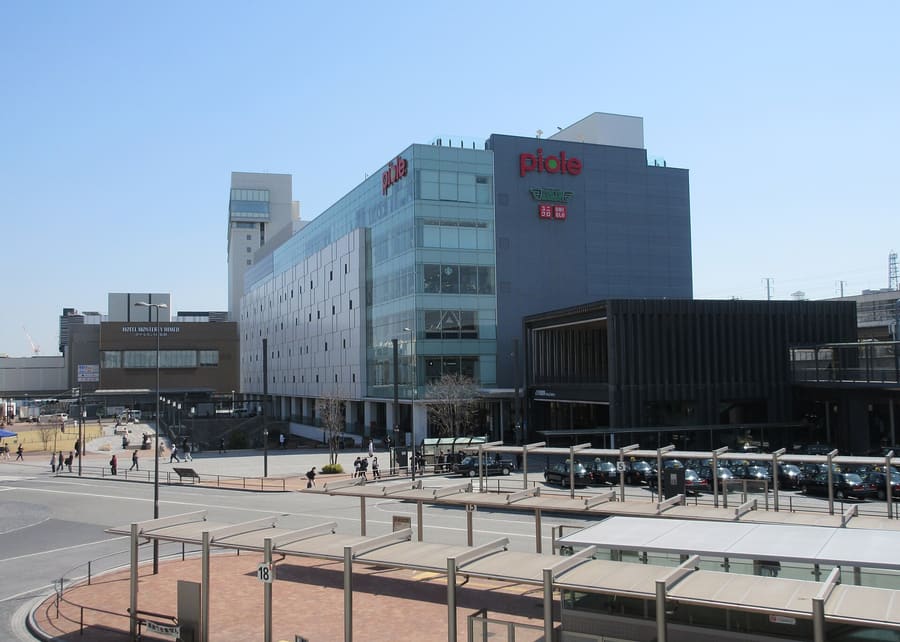
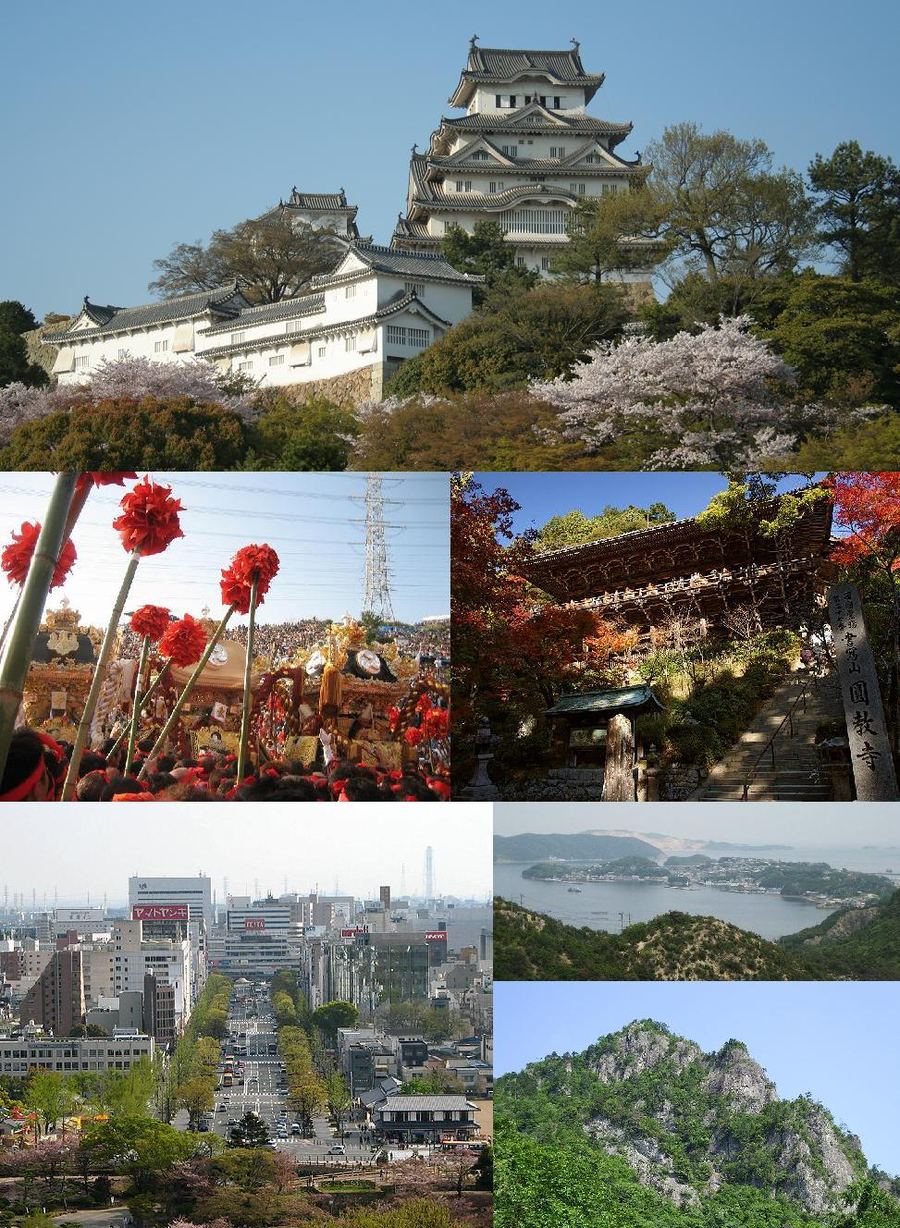
Himeji Station District — Transit hub filled with izakayas, noodle stands, and modern department stores.
KishujiRapid · CC BY-SA 4.0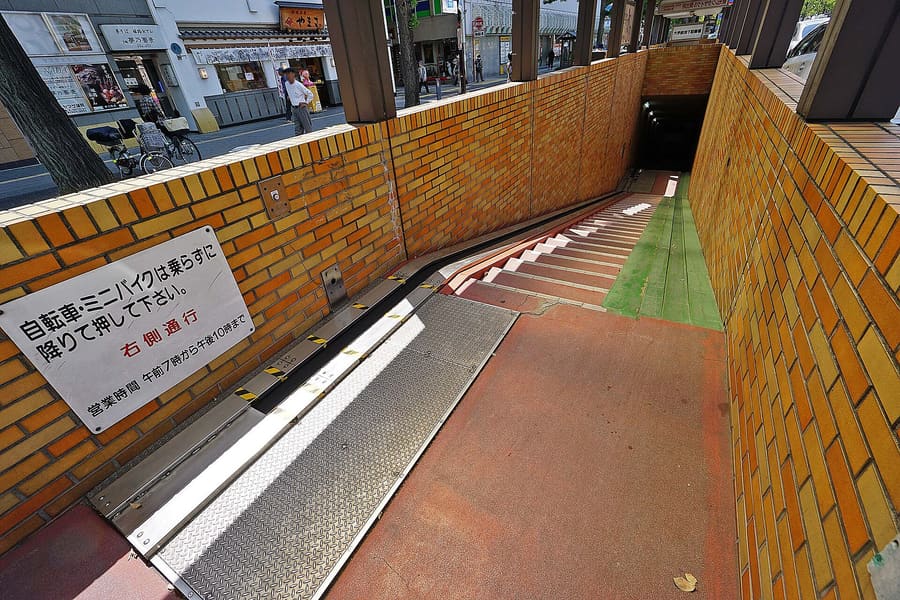
Miyukidori Corridor — Pedestrian covered arcades connecting the station directly to the castle park.
z tanuki · CC BY 3.0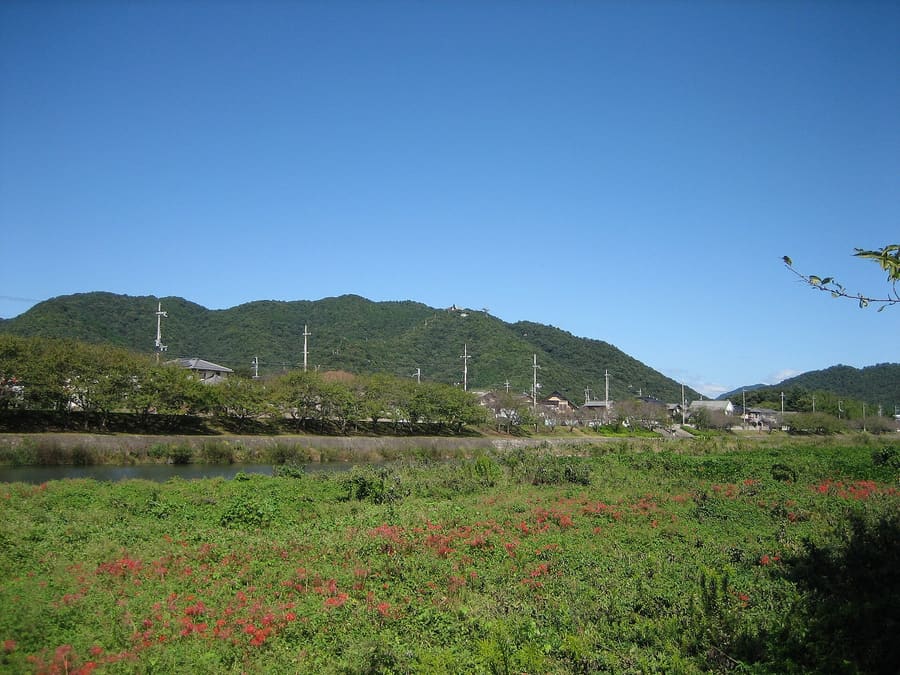
Mount Shosha Foothills — Quiet residential quarter framed by dense pine forests and hiking trails.
Corpse Reviver · CC BY-SA 3.0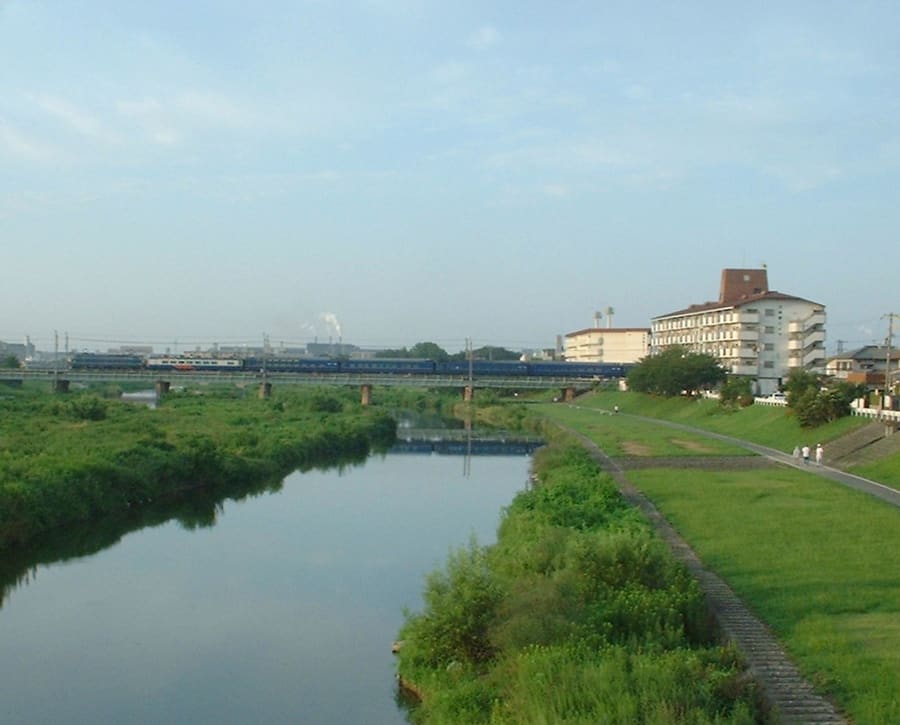
Yumesaki Valley — Rural river district northwest of town known for hot spring inns.
Bakkai · CC BY 3.0highlights
landmark
Japan's largest surviving original keep. Arrive at 09:00 opening to climb the wooden staircases before tour groups arrive.
Спросить Parley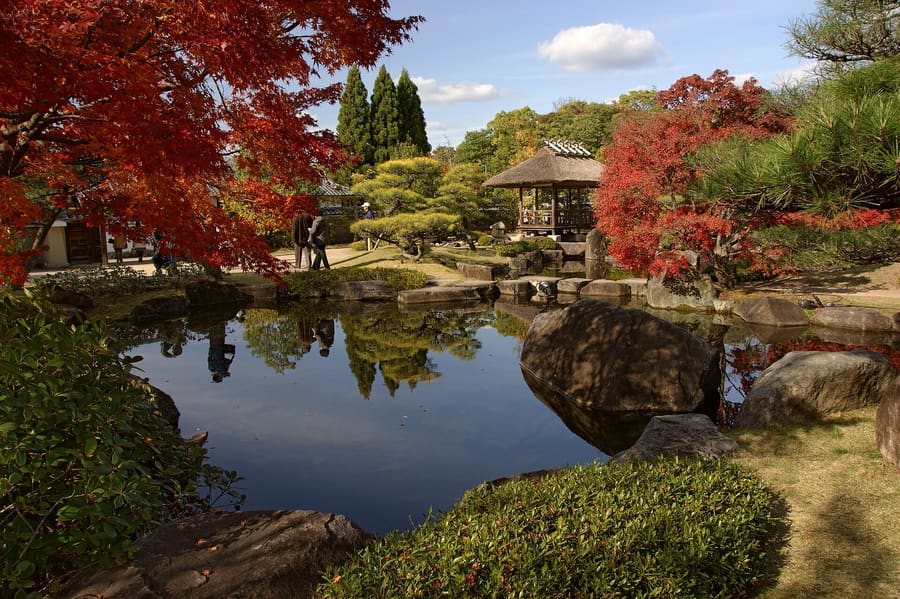
landmark
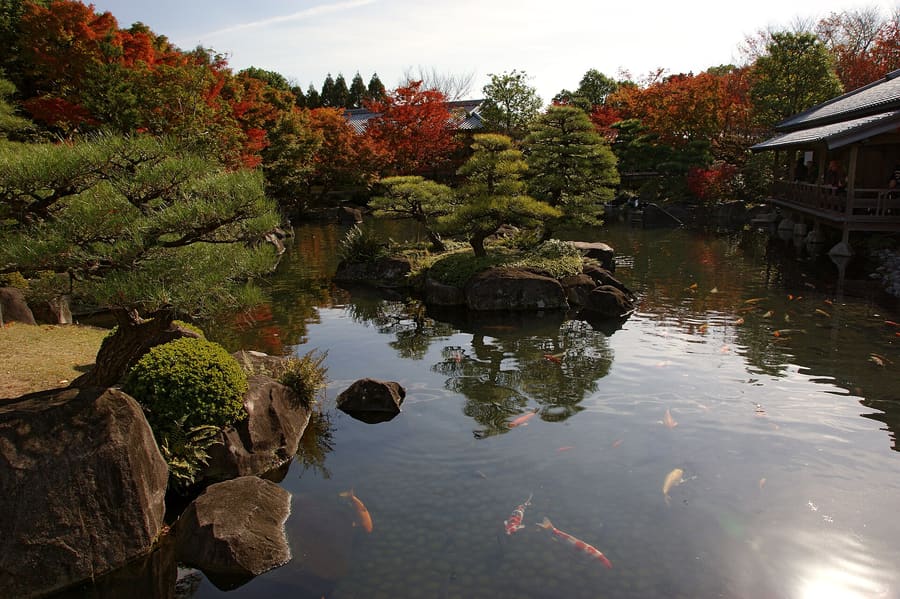
Nine walled Edo-style gardens built over former samurai residences. The tea house serves matcha with direct pond views.
Спросить Parley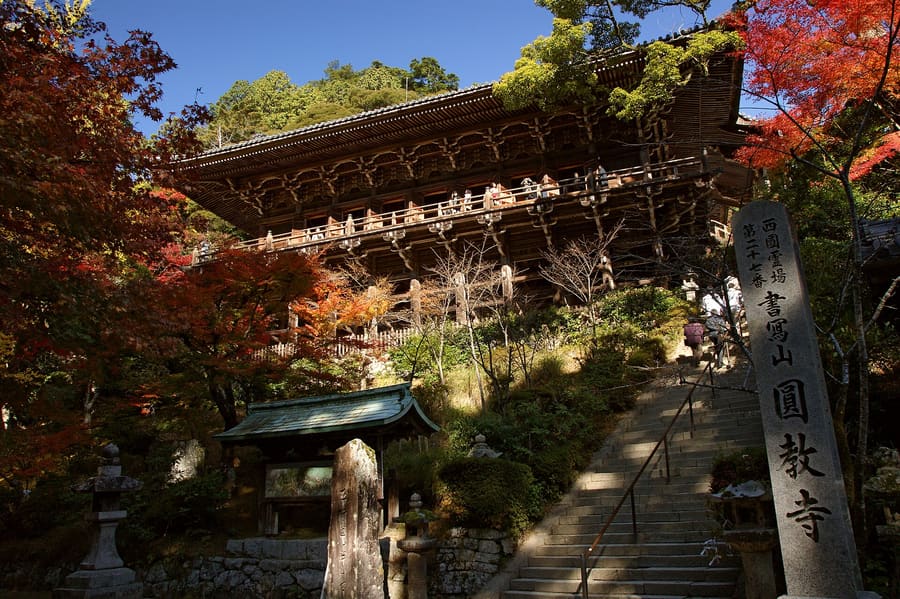
landmark
A thousand-year-old mountain temple complex. Take bus 8 from the station, then ride the ropeway up Mount Shosha.
Спросить Parley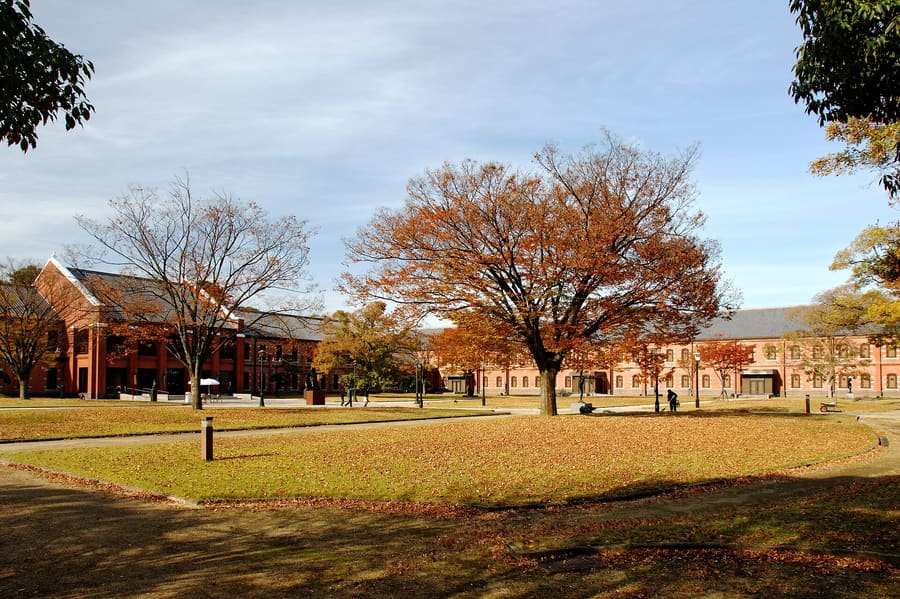
landmark
Housed in a converted 1913 red-brick military warehouse directly behind the castle moat.
Спросить Parley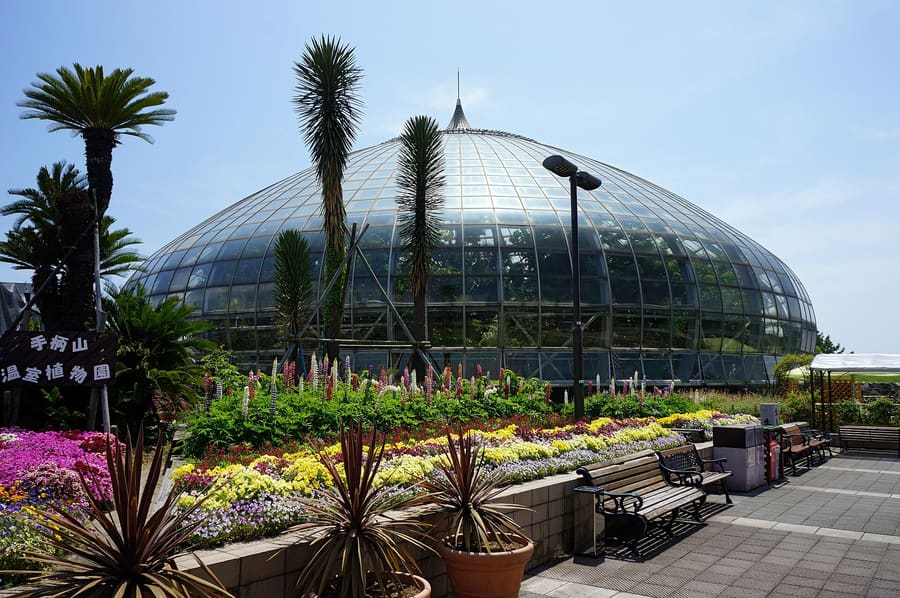
landmark
A hilltop park south of the station featuring a greenhouse botanic garden and a vintage train display.
Спросить Parley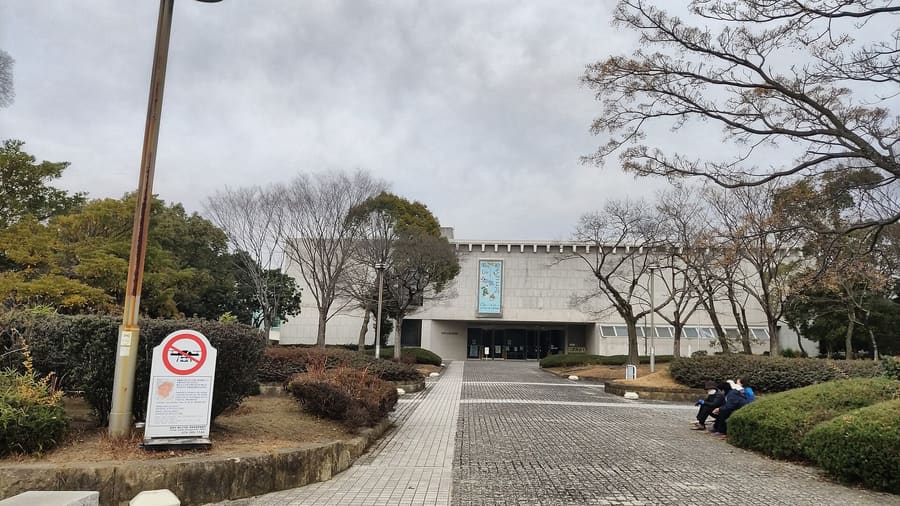
landmark
Displays full-scale architectural models of Japanese castles and traditional festival floats.
Спросить Parleyattractions
areas
Transit hub filled with izakayas, noodle stands, and modern department stores.
РядомJR Himeji Station and Sanyo-Himeji Station
Спросить ParleyPedestrian covered arcades connecting the station directly to the castle park.
РядомOtemae-dori and Castle Park
Спросить ParleyQuiet residential quarter framed by dense pine forests and hiking trails.
РядомMount Shosha Ropeway Terminal
Спросить ParleyRural river district northwest of town known for hot spring inns.
РядомYumesaki River bank
Спросить Parleyfood
Himeji eats differently from its eastern neighbors in Kobe and Osaka. The defining local specialty is Himeji oden, simmered fishcakes and daikon served with fresh grated ginger dissolved in soy sauce. Coffee culture also carries a specific twist: local kissaten serve thick toast topped with warm, house-made almond butter.
Miyukidori arcade houses several long-standing local coffee shops serving almond toast.
z tanuki · CC BY 3.0JR Himeji Station platforms serve Maneki Ekisoba. The shop combines yellow ramen noodles with classic Japanese dashi broth, created right after 1945.
Order a morning set at Cafe de Miki or Como for almond toast. The almond paste is spread thick before baking, creating a caramelized crust.
Head to Nadagiku Shuzo near the station for evening oden paired with local Harima sake. Small counters seat fewer than twelve people.
history
Himeji developed as a fortress guardpoint along the Sanyo road connecting Kyoto to western Honshu. While many Japanese castles were destroyed during late 19th-century modernization or World War II, Himeji's inner keep survived firebombing intact.
First fort built
Akamatsu Norimura constructs a fort on Himeyama hill.
Castle expansion
Ikeda Terumasa begins a nine-year reconstruction, creating the current complex.
War survival
Incendiary bombs hit the castle grounds but fail to ignite the main wooden keep.
UNESCO listing
Himeji Castle becomes one of Japan's first designated UNESCO World Heritage sites.
where to stay
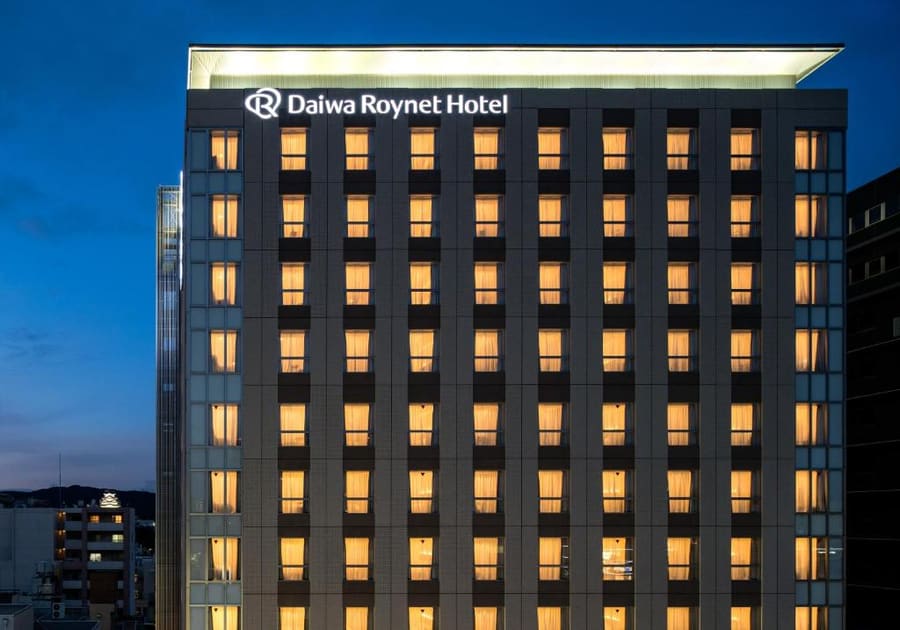
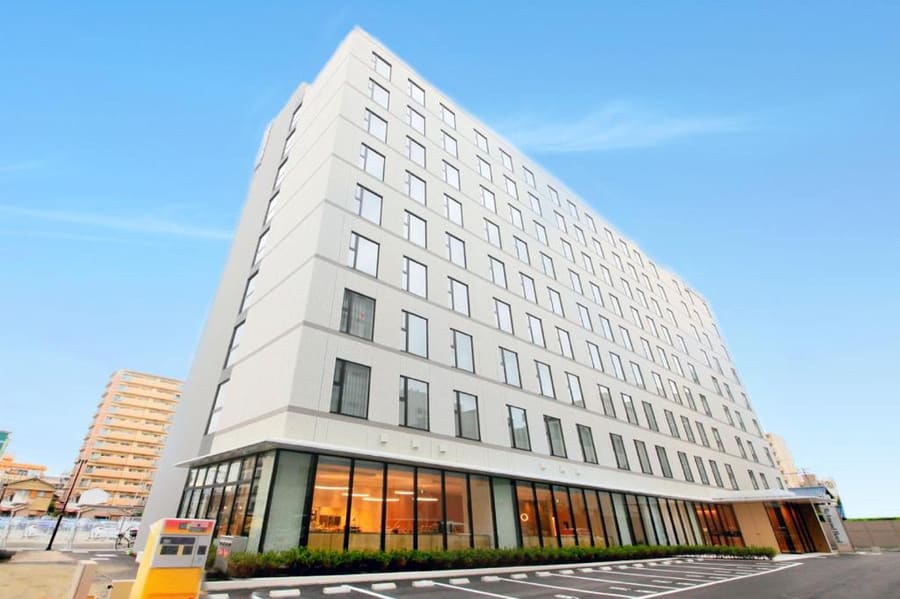
Choose your hotel based on transit goals. Business hotels line the south and north exits of JR Himeji Station, putting you steps from Shinkansen platforms. Staying north of the station keeps you within walking distance of castle park trails and evening izakayas.
Live rates, matched to the areas above.

transport
Central Himeji is flat and laid out on a grid. The walk from JR Himeji Station north gate straight up Otemae-dori boulevard to Himeji Castle takes 15 minutes.
Из Kansai International Airport (KIX)
Direct limousine bus from KIX Terminal 1 to Himeji Station North Exit.
Take JR Haruka Express to Shin-Osaka, then transfer to Sanyo Shinkansen.
Kansai Airport Rapid to Osaka Station, transfer to JR Special Rapid service.
For trips to Kobe or Osaka without a JR pass, Sanyo-Himeji station trains can be cheaper than JR local lines.
ICOCA, Suica, and Pasmo work on all local city buses and through railway turnstiles across Himeji.
cost
Admission prices in Himeji are fixed by municipal and temple authorities. Local dining costs slightly less than in neighboring Kobe or Osaka.
Combined entry ticket bought at either main entrance gate.
Cable car travel between bus terminal and Engyo-ji entrance.
Quick bowl of tempura or kitsune noodles on JR platforms.
Includes thick almond toast and coffee at local kissaten.
seasonality
MAR – MAY
Cherry blossoms bloom in early April along castle moats. Expect entry queues exceeding one hour at peak noon.
JUN – AUG
High humidity and strong sun. The steep stairwells inside the unconditioned wooden castle keep get extremely warm.
SEP – NOV
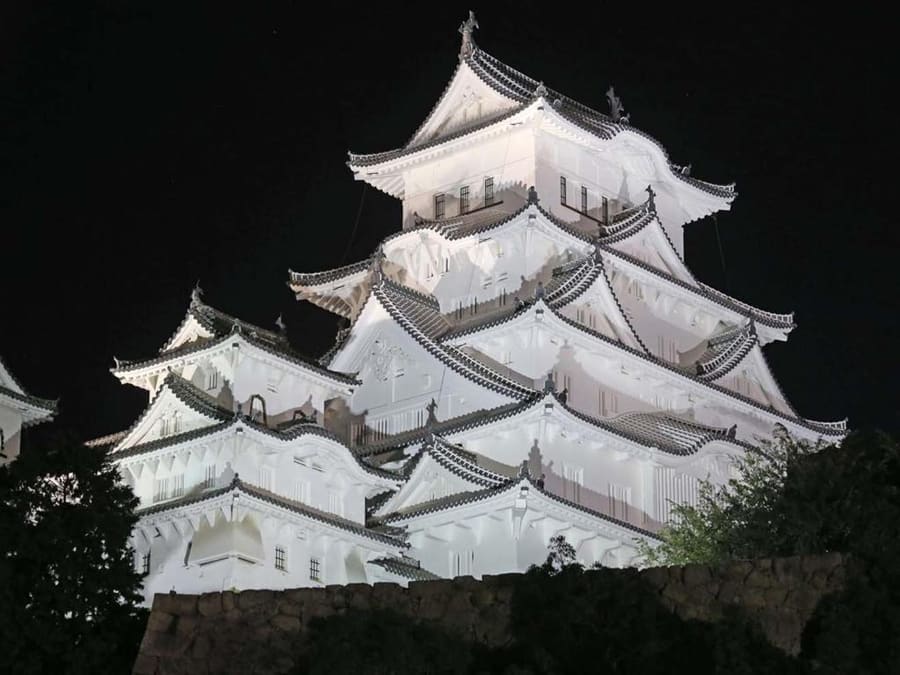
Clear skies and crisp autumn leaves, especially in Koko-en garden. Autumn night illuminations open selected evenings.
DEC – FEB
Coldest days with minimal tourist crowds. Visibility across the Harima Plain from the castle top floor is clearest.
practicalities
You must remove your shoes at the keep entrance and carry them in a plastic bag provided at the door.
Internal wooden staircases reach 84-degree inclines. Wear socks with good grip to avoid slipping.
Shade is scarce along the stone outer courtyards. Bring water before passing the ticket barrier.
While castle gates take credit cards, small temple altars on Mount Shosha accept cash only.
Free English volunteer guides wait near the castle entry gate from 09:00 to 15:00.