
landmark
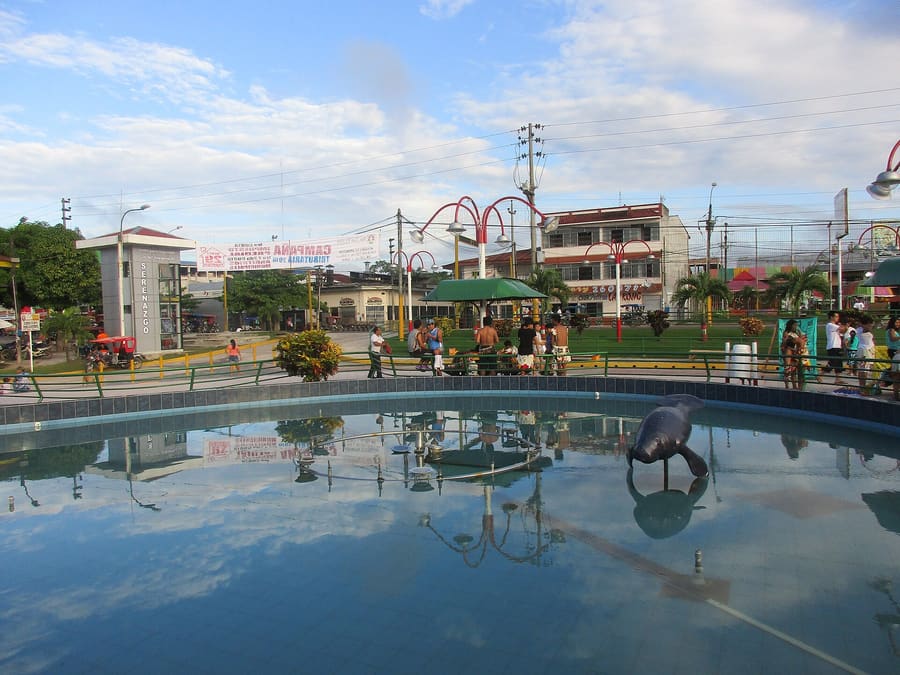
Malecón Tarapacá
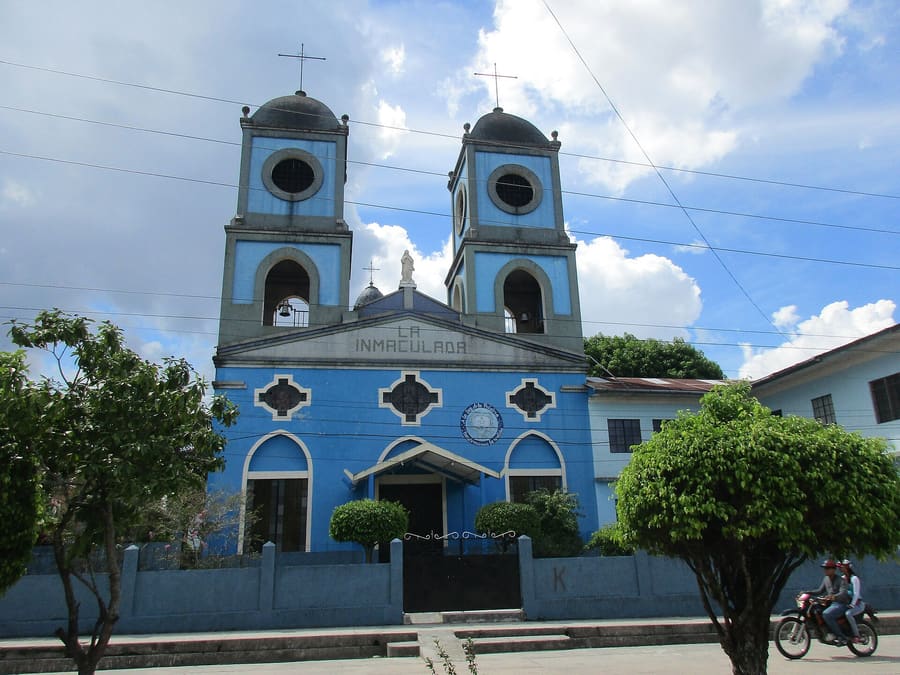
This riverfront boardwalk features rubber-era mansions and river views. Visit at sunset when the heat dies down and food vendors set up.
Перу
The world's largest city reachable only by air or river.
Iquitos is the largest city in the world unreachable by road. Mototaxis dominate the asphalt, while boats handle movement on the surrounding Amazon and Itaya rivers. Expect oppressive heat, abrupt tropical downpours, and direct access to Amazon basin wildlife.
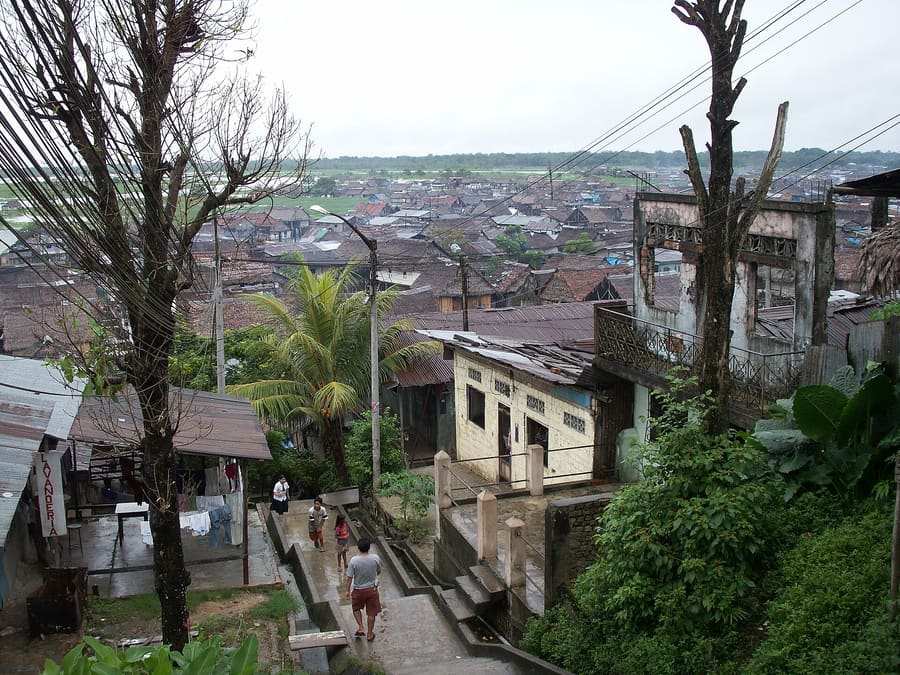
Belén — A dense market district transitioning into stilt houses and floating canoes on the river.
Punchana — Port district where cargo boats depart for Colombia, Brazil, and river communities.
San Juan Bautista — Suburban district stretching along the highway toward the airport and nature reserves.
Juane: rice, chicken, and egg wrapped in bijao leaves, boiled for river travel.
01
landmark
This riverfront boardwalk features rubber-era mansions and river views. Visit at sunset when the heat dies down and food vendors set up.
landmark
A lagoon complex with a white-sand freshwater beach and rescued local wildlife. Mototaxis reach the site in 30 minutes from downtown.
landmark
Exhibits detail the traditions, ceremonial feathercraft, and hunting tools of Amazonian ethnic groups. Cash is required for admission.
landmark
A district built on stilts over the Itaya River. Hire a local canoe guide at the waterfront to navigate the flooded streets safely.
02
03
Colonial rubber-boom architecture meets noisy mototaxis around Plaza de Armas.
РядомPlaza de Armas and Malecón Tarapacá
Спросить ParleyA dense market district transitioning into stilt houses and floating canoes on the river.
РядомPasaje Paquito and Itaya River docks
Спросить ParleyPort district where cargo boats depart for Colombia, Brazil, and river communities.
РядомBellavista Nanay port
Спросить ParleySuburban district stretching along the highway toward the airport and nature reserves.
РядомAirport and Quistococha Tourist Complex
Спросить Parley04
Iquitos cuisine relies on river fish, jungle fruits, and lowland spices. You eat seasoned rice packages cooked inside wild leaves, smoke-cured pork, and grilled catfish. Local fruit juices like camu camu and cocona provide relief from the heat.
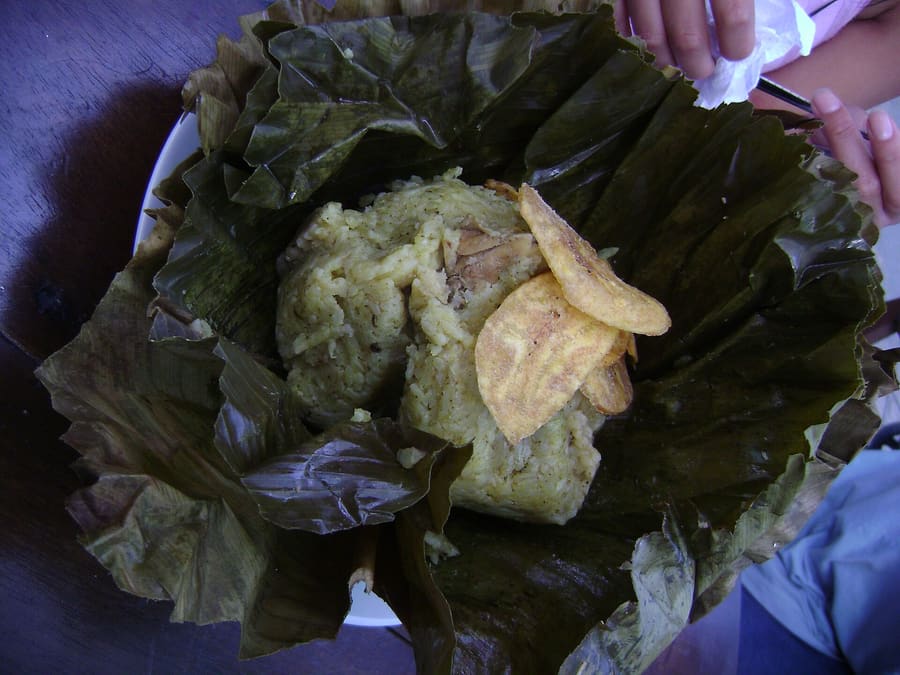
Juane: rice, chicken, and egg wrapped in bijao leaves, boiled for river travel.
Seasoned rice with chicken wrapped in bijao leaves, boiled for portable eating.
Fresh river fish wrapped in heliconia leaves and grilled over wood embers.
Mashed green plantain balls served with smoked jungle pork strips.
Eat grilled suri grubs and fresh fish at riverbank food stalls in Punchana before noon.
05
Iquitos expanded from an indigenous fishing settlement into Peru's eastern outpost on the Amazon. The global demand for wild rubber in the late nineteenth century transformed the city into an opulent boomtown fed by European imports and enforced labor. When rubber seeds were smuggled to Asia, the economy collapsed, leaving behind grand tiled mansions in the jungle.
Naval Base Founded
Peruvian President Ramón Castilla establishes the river navy port, creating modern Iquitos.
Rubber Boom Peak
Massive wealth flows into the city, funding iron structures and imported European tile facades.
Rubber Market Collapse
Plantation rubber from Southeast Asia undercuts Amazonian wild rubber, crashing the local economy.
Oil Discovery
Petroleum discoveries in the northern Loreto region ignite a new industrial economic phase.
06
Choose your location based on your noise tolerance and river access. The Plaza de Armas puts you steps from restaurants and boat departure docks, but evening mototaxis run constantly. Lodges downriver offer forest quiet but require scheduled boat transport for every trip into town.
Отели с высокими оценками: Iquitos.


07
No highways enter Iquitos. Within the city, three-wheeled mototaxis handle almost all short trips. Wooden motorboats handle river routes from municipal docks.
Из IQT
Air-conditioned car cabs wait outside the terminal exit.
Public buses run along Avenida Quiñones to downtown.
Three-wheeled mototaxis carry most city traffic. Negotiate the fare before sitting down.
Drivers cannot break large bills. Carry coins and small S/ 10 or S/ 20 notes for all rides.
Mototaxis operate around the clock in the center. Fares increase by S/ 2 to S/ 5 after midnight.
Wooden motorboats connect riverfront communities. Board at Bellavista Nanay port for northern routes.
08
Prices in Iquitos reflect its island-like isolation. Air-freighted goods carry a premium, while local river fish, fruits, and mototaxi rides remain affordable.
Standard price for a leaf-wrapped rice package at Belén Market.
Covers standard trips within the central city grid.
Includes river fish entrees and local fruit drinks in downtown venues.
Standard passenger fare across the Itaya River to Belén stilt neighborhood.
09
DEC – MAY
High-water season flooding rivers. Boats access deep forest trails, but rain showers occur daily.
JUN – AUG
Water levels recede rapidly. River beaches emerge and walking trails open up under clearer skies.
SEP – NOV
Low-water season peak. Navigating narrow tributaries becomes difficult, but wildlife concentrates near main rivers.
10
Carry your International Certificate of Vaccination if travelling into deep forest reserves.
Apply DEET-based spray before heading onto the river or into market areas.
Plaza de Armas has reliable ATMs. Cash access grows scarce outside downtown.
Tropical downpours strike with little warning. Carry a dry bag for electronics.
Never drink untreated tap water. Stick to bottled or boiled purified water everywhere.
Содержание
Ваша поездка
Собираетесь в Iquitos?
Расскажите Parley, когда едете и что любите, и он спланирует дни вокруг этого гида.
Спланировать с Parley


