landmark
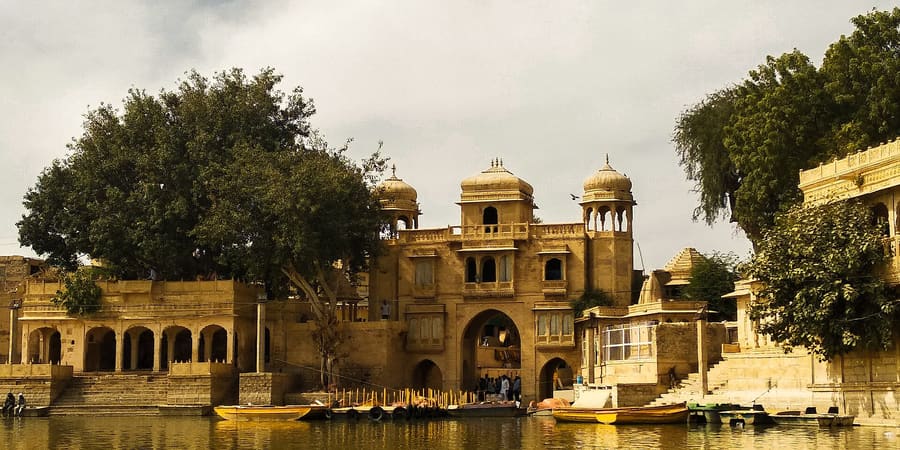
Gadisar Lake
A 14th-century water reservoir surrounded by shrines and pavilions. Visit at dawn to see migratory birds and avoid pedalo boat traffic.
Спросить ParleyИндия
Yellow sandstone, living fort streets, and desert trade routes.
introduction
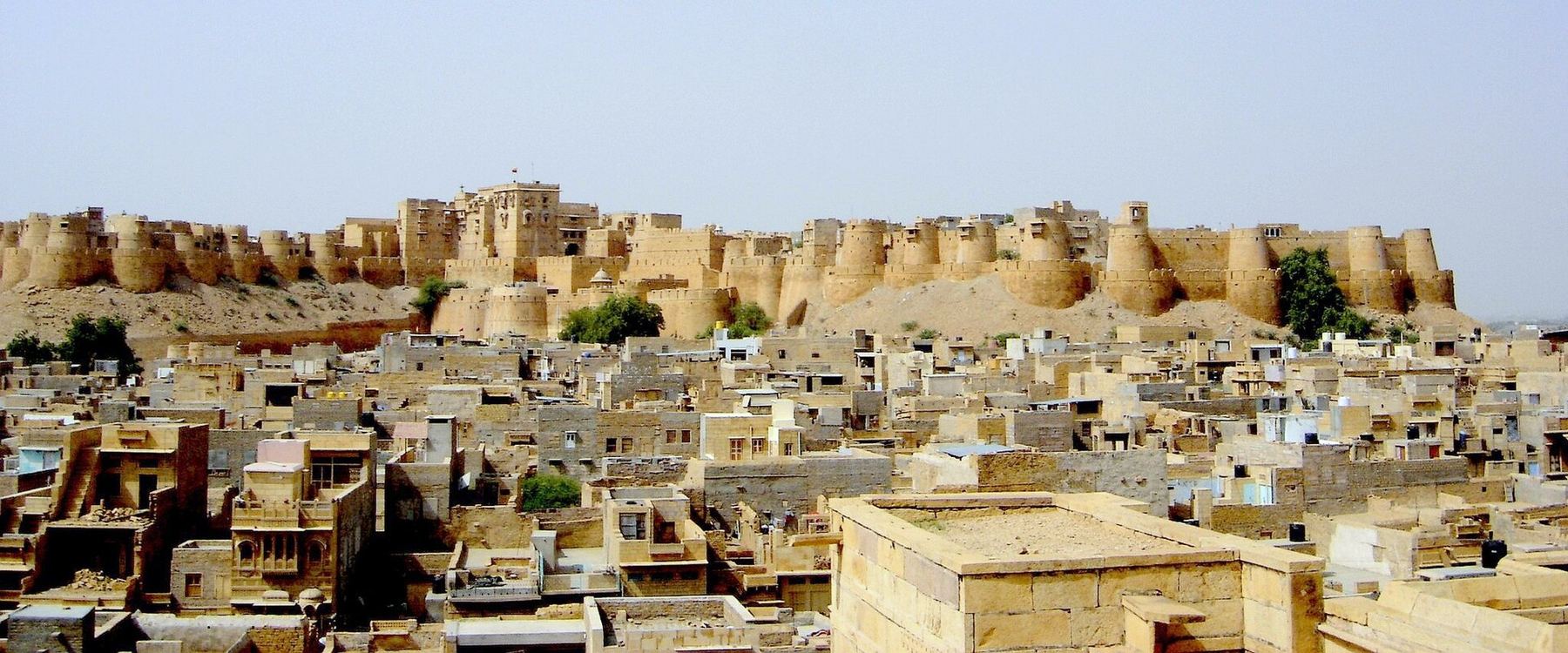
Jaisalmer sits deep in the Thar Desert near the Pakistan border. A yellow sandstone fort dominates the skyline and houses roughly 3,000 residents inside its medieval walls. You walk most of the old city on foot because narrow alleys block auto-rickshaws. Desert wind brings sand dust daily, so wear sunglasses even on cloudy days.
Arrival trick
Auto-rickshaw drivers at JSM railway station pitch commission-based hotels. Book your stay in advance and demand a direct ride to your specific gate.
Living UNESCO fortress
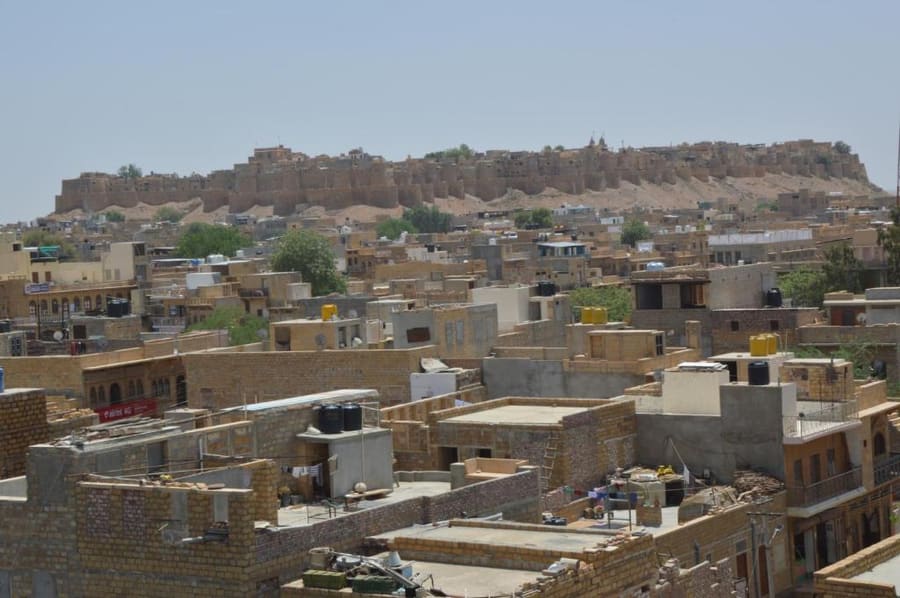
Jaisalmer Fort is a UNESCO World Heritage Site where one-fourth of the city's old population still lives, works, and runs guesthouses inside.
Water conservation trick
In-fort sewage systems strain under heavy tourist water use. Save intensive water consumption like long showers for hotels located outside the fort walls.
Jaisalmer
sushmita balasubramani · CC BY 2.0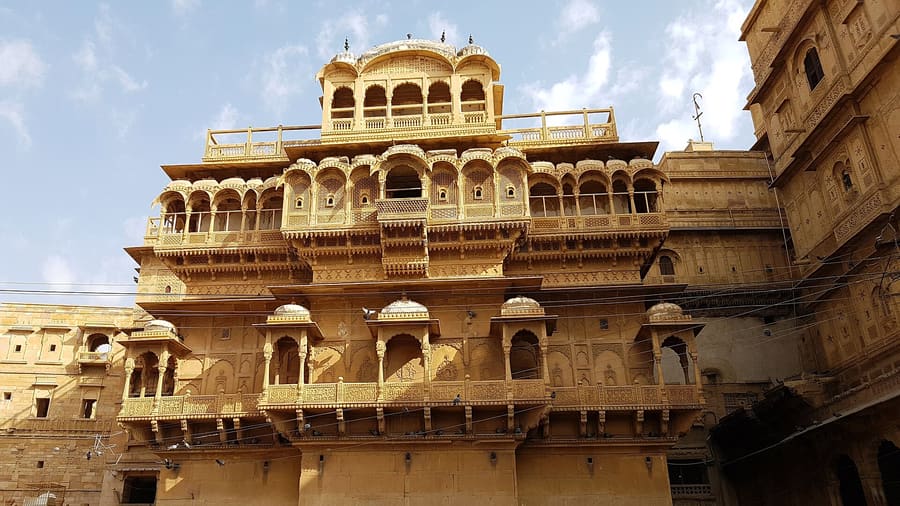
Fort Citadel — Narrow cobblestone alleys inside the ancient fort, dense with guesthouses and shops.
Anagoria · CC BY 3.0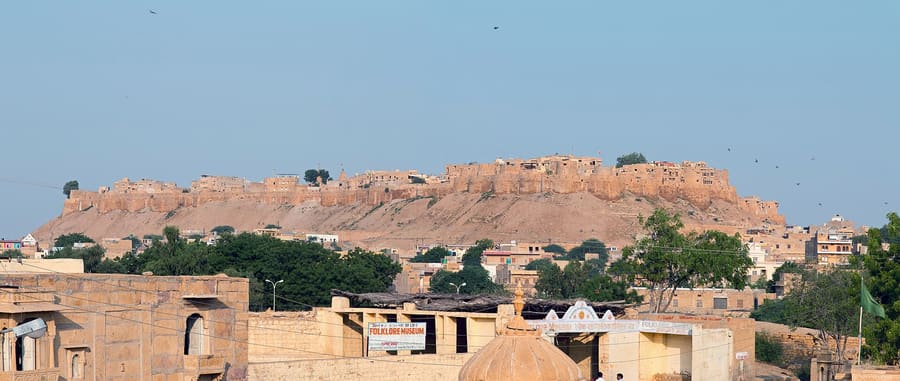
Gadisar Lake Margin — Quiet residential roads south of the main fort leading toward the historic lake.
Daniel VILLAFRUELA · CC BY-SA 3.0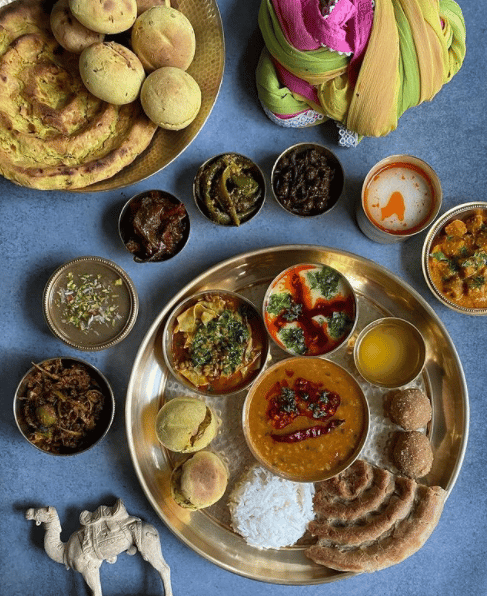
Ker sangri, a traditional Rajasthani dish made from wild desert berries and dried beans.
Master Sahil Gaikwad · CC BY-SA 4.0highlights
landmark
A 14th-century water reservoir surrounded by shrines and pavilions. Visit at dawn to see migratory birds and avoid pedalo boat traffic.
Спросить Parley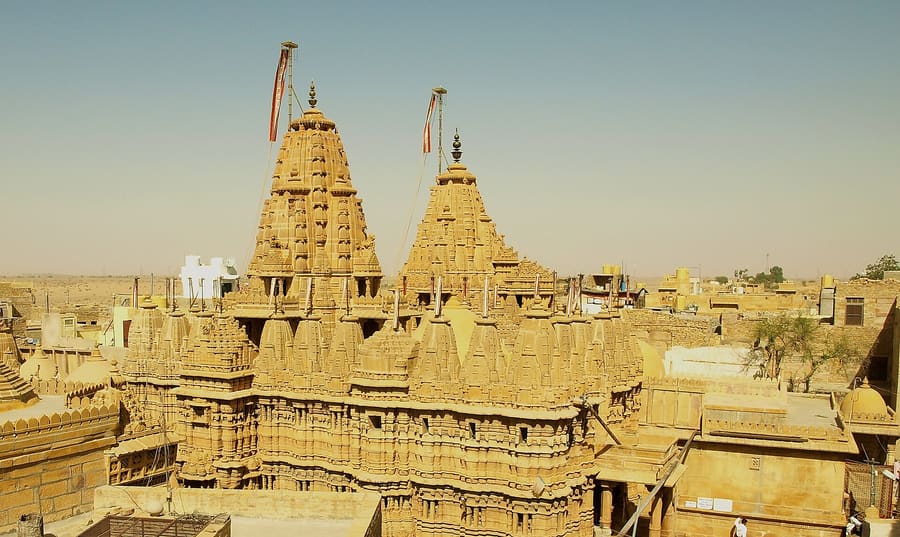
landmark
Seven connected 15th-century temples built from detailed yellow sandstone. Leather items are strictly forbidden inside the complex.
Спросить Parley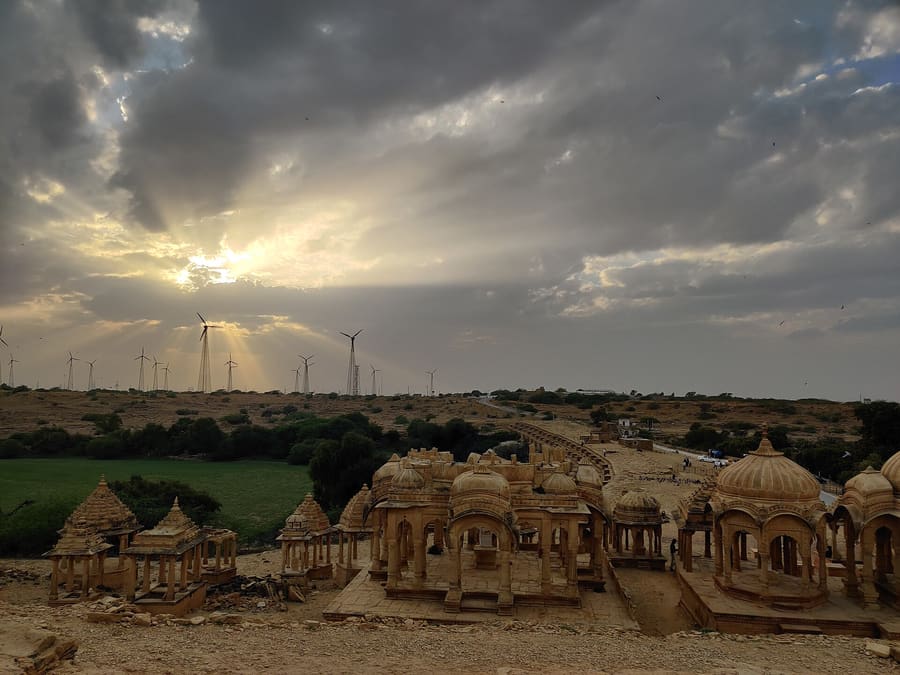
landmark
A royal cenotaph complex six kilometres north of town. Sunset brings golden reflections on the stone domes; bring exact cash for entry.
Спросить Parleyattractions
areas
Narrow cobblestone alleys inside the ancient fort, dense with guesthouses and shops.
РядомJain Temples and Cannon Point
Спросить ParleyQuiet residential roads south of the main fort leading toward the historic lake.
РядомGadisar Lake and Tilon Ki Pol
Спросить ParleyLively streets just below the fort walls with markets, rickshaws, and eateries.
РядомPatwon Ki Haveli and main gates
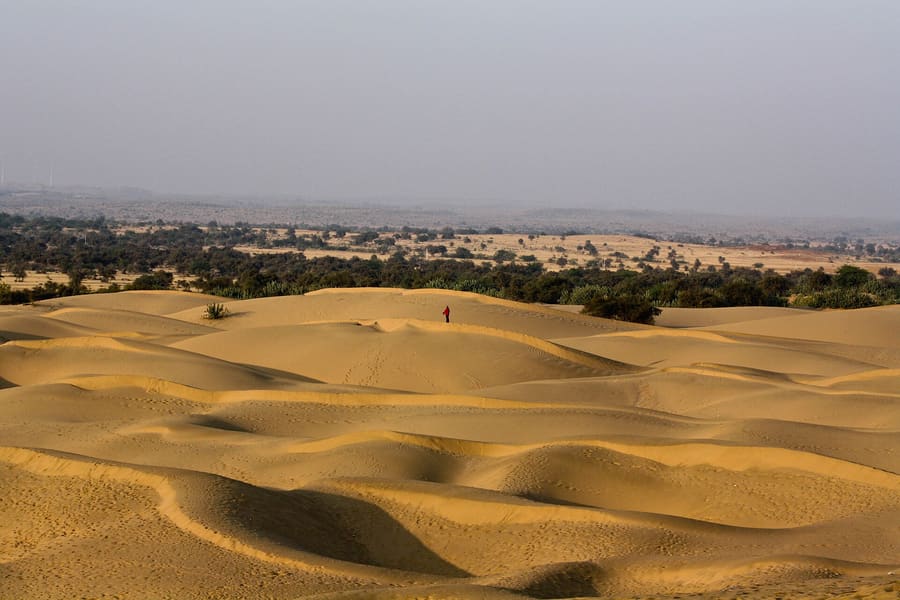
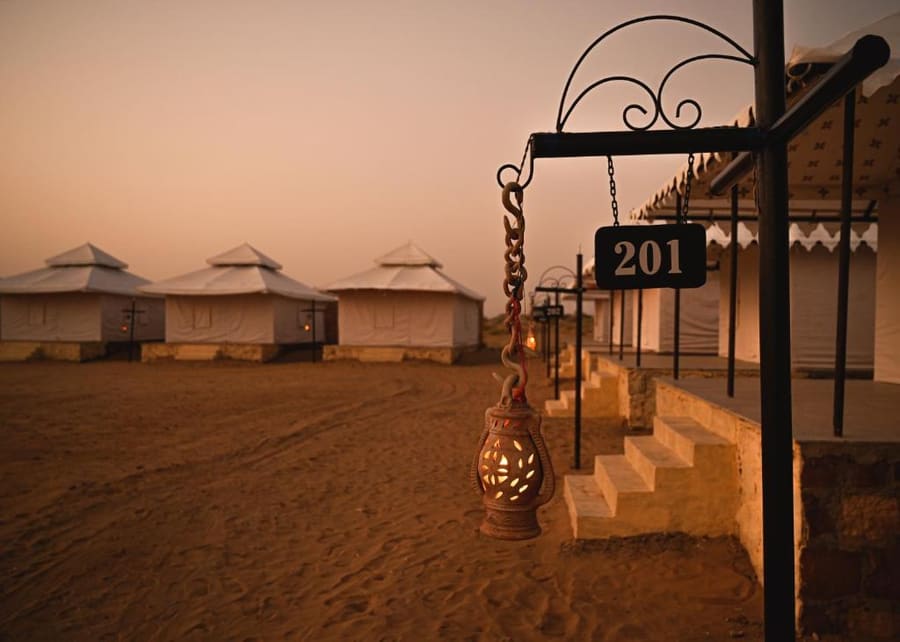
Спросить ParleyOpen desert camps 42 kilometres west of the city, built for overnight stays.
РядомDesert National Park
Спросить Parleyfood
Jaisalmer cooking reflects the harsh climate of the Thar Desert. Historical scarcity of fresh green vegetables gave rise to dishes using dried berries, desert beans, and preserved dairy. Ghee and red chillies provide calorie density and warmth during cold desert nights.Street stalls near Hanuman Circle specialize in hot savory snacks like mirchi bada and onion kachori. Sitting down for a full thali gives you a balanced taste of local breads, wild beans, and slow-cooked meat curry.
Ker sangri, a traditional Rajasthani dish made from wild desert berries and dried beans.
Master Sahil Gaikwad · CC BY-SA 4.0This signature dish combines wild ker berries and sangri beans cooked in mustard oil and local spices. Eat it with bajra (millet) roti.
Gram flour dumplings simmered in a spiced yogurt gravy offer a filling lunch option across local eateries inside the fort.
Mutton cooked with Mathania red chillies delivers intense heat. Order it at sit-down restaurants outside the fort for authentic preparation.
Government-authorized bhang shops near the fort gate sell cannabis-infused yogurt drinks. Start with a light dose if you try it.
history
Rawal Jaisal founded Jaisalmer in 1156 after moving his capital from Lodurva for better military defense. The hill location sat directly on lucrative trade routes connecting India to Central Asia and the Persian Gulf.Merchants accumulated immense wealth through Silk Road tariffs. They built ornate mansions (havelis) with detailed sandstone latticework. The rise of maritime trade ports under British rule reduced overland trade, leading to economic decline until border strategy and tourism revived the town.
Citadel Foundation
Rajput ruler Rawal Jaisal constructs the fort on Trikuta Hill, establishing a new kingdom.
First Imperial Siege
Sultan Alauddin Khalji besieges the fort for eight years after trade caravans are looted.
British Treaty
Jaisalmer signs a treaty with the British East India Company, securing its borders but losing trade dominance.
Border Realignment
Partition closes the ancient trade route to Sindh, turning Jaisalmer into a strategic border military outpost.
where to stay
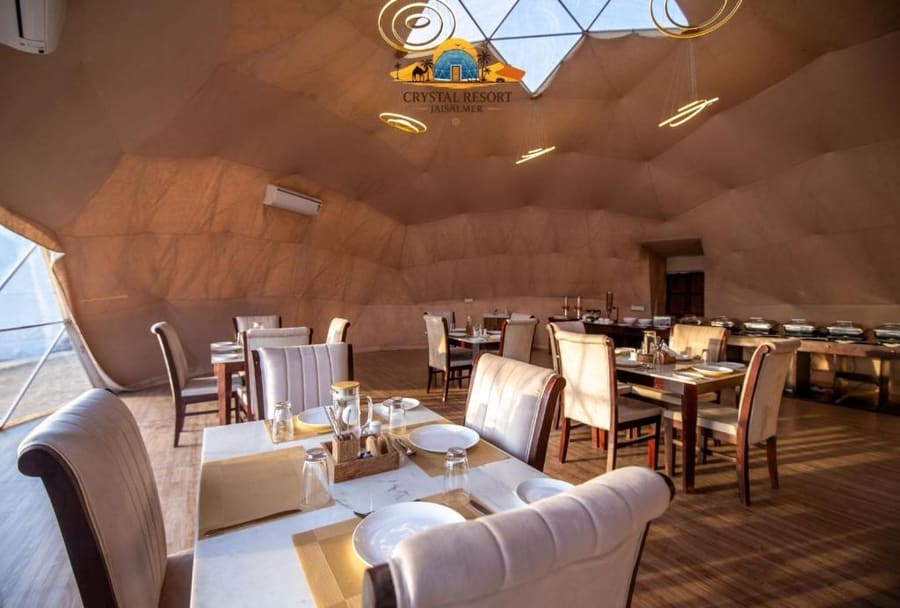
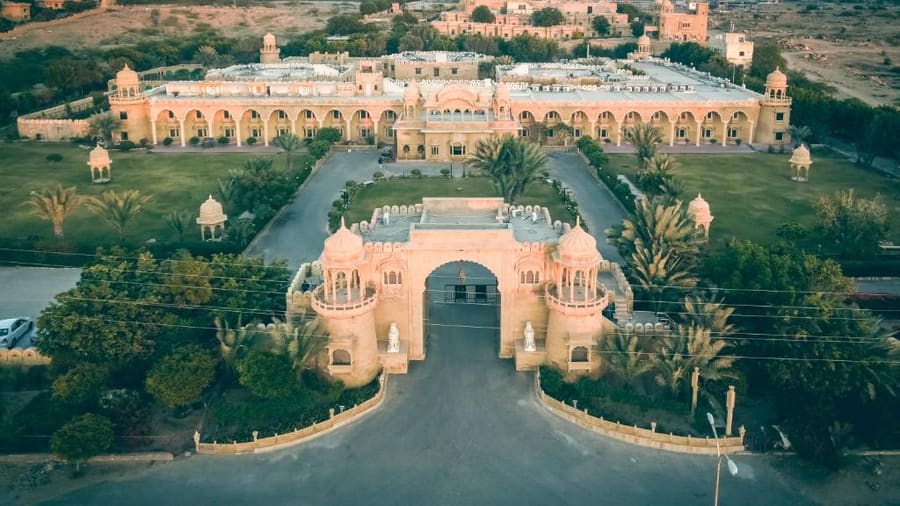
Choose your location based on walkability versus peace and quiet. Staying inside the fort offers unmatched historical atmosphere, but vehicles cannot reach your door and water scarcity causes strain on ancient masonry. Staying in Sadar Bazar or near Gadisar Lake provides reliable plumbing, modern air conditioning, and direct auto-rickshaw access.
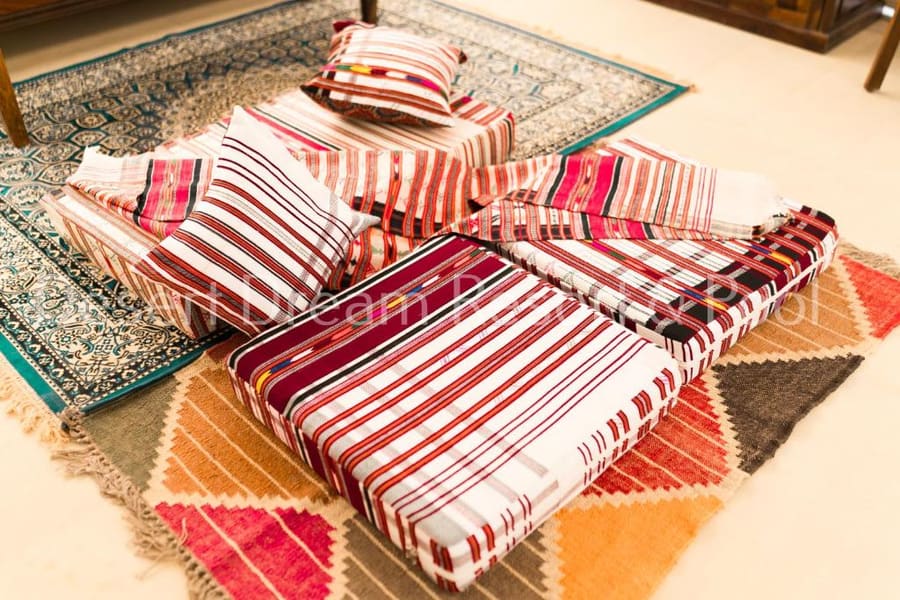
Live rates, matched to the areas above.
transport
Jaisalmer is compact. The core historic district is entirely walkable, though roads are steep and paved with stone. Auto-rickshaws handle short trips between outer neighborhoods, while private taxis are necessary for desert trips to Sam or Khuri.
Из Jaisalmer Airport (JSA)
Pre-paid taxis operate from the arrivals terminal to any city hotel.
Available outside the airport gate area; negotiate price before boarding.
Auto-rickshaws do not use meters. Agree on the total price with the driver before stepping inside.
Book your dune taxi for 15:00 to arrive before sunset. Return taxis after 20:00 cost extra.
Download an offline map. Old town streets bend sharply and mobile signal drops inside heavy sandstone walls.
cost
Jaisalmer is generally affordable compared to larger Indian tourist hubs like Jaipur or Udaipur. Bargaining is standard practice in markets, but fixed prices apply to official entry monuments.
Government-owned parts of Patwon Ki Haveli charge lower fees; private sections charge separately.
Standard price for moving between Sadar Bazar and Gadisar Lake.
Generous meal including ker sangri, dal baati churma, and local flatbreads.
Covers round-trip transfer to Sam Sand Dunes with waiting time for sunset.
seasonality
NOV – FEB
Daytime temperatures stay comfortable around 20–25°C. Nights get cold near freezing; book winter gear and rooms with blankets.
MAR – APR
Days warm up quickly toward 35°C. Tourist numbers drop significantly and hotel prices fall.
MAY – AUG
Extreme desert heat regularly exceeds 42°C. Desert camps close down and daytime sightseeing becomes unsafe.
SEP – OCT
Temperatures cool down to manageable levels. Desert camps reopen for the upcoming peak winter season.
practicalities
The desert air dries skin quickly. Carry water bottles and wear a scarf to shield your face during sudden wind gusts.
Remove leather shoes, belts, and bags before entering the Jain Temples inside the fort. Wear clothing covering shoulders and knees.
Digital UPI payments work at most shops, but foreign credit cards fail frequently. Keep cash for small market purchases.
Fort temples close to non-Jain visitors by 12:00 PM. Schedule your temple tour for early morning.
Inspect camel conditions before booking desert safaris. Choose providers that limit ride times and offer shade to animals.