landmark
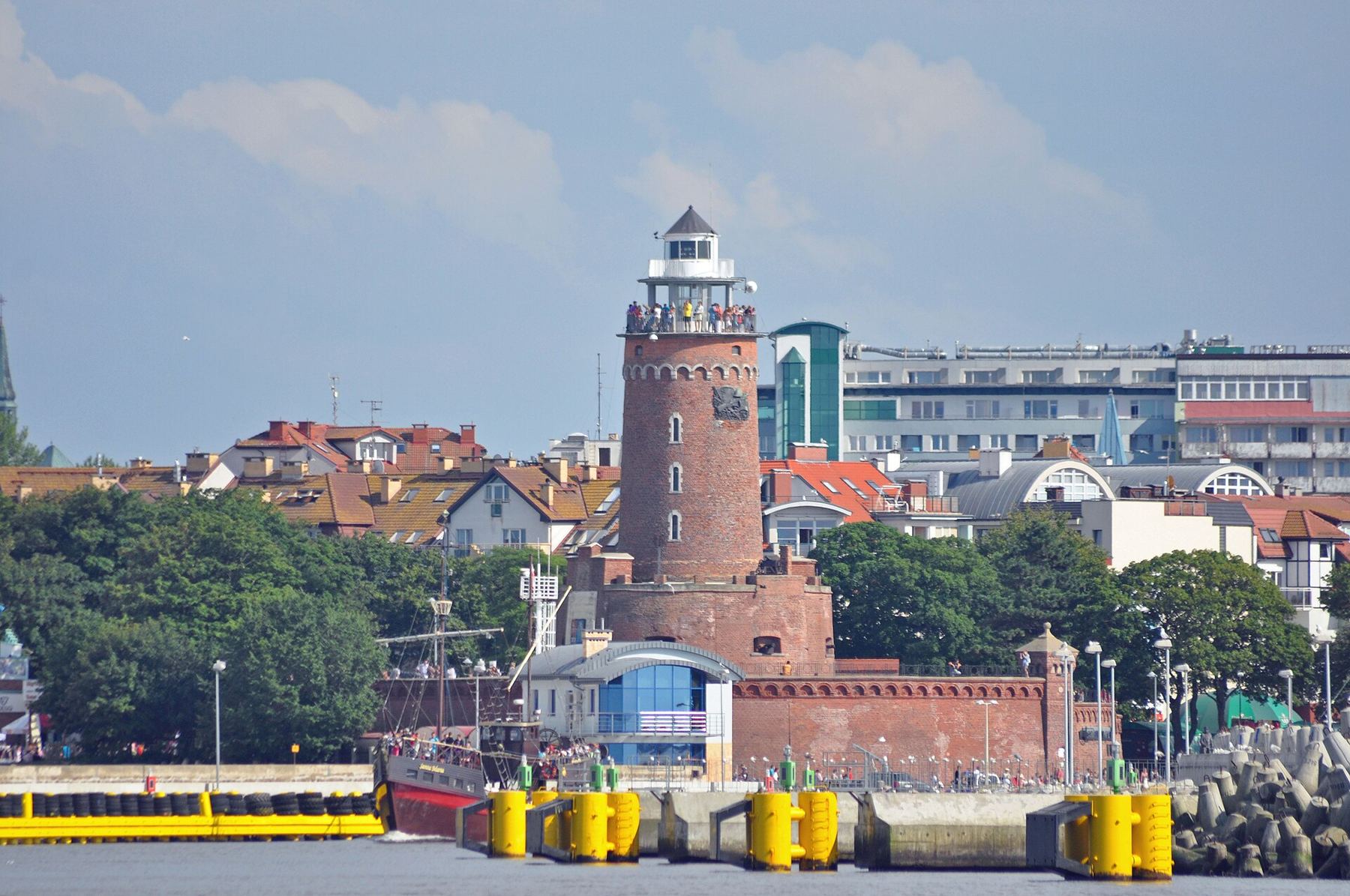
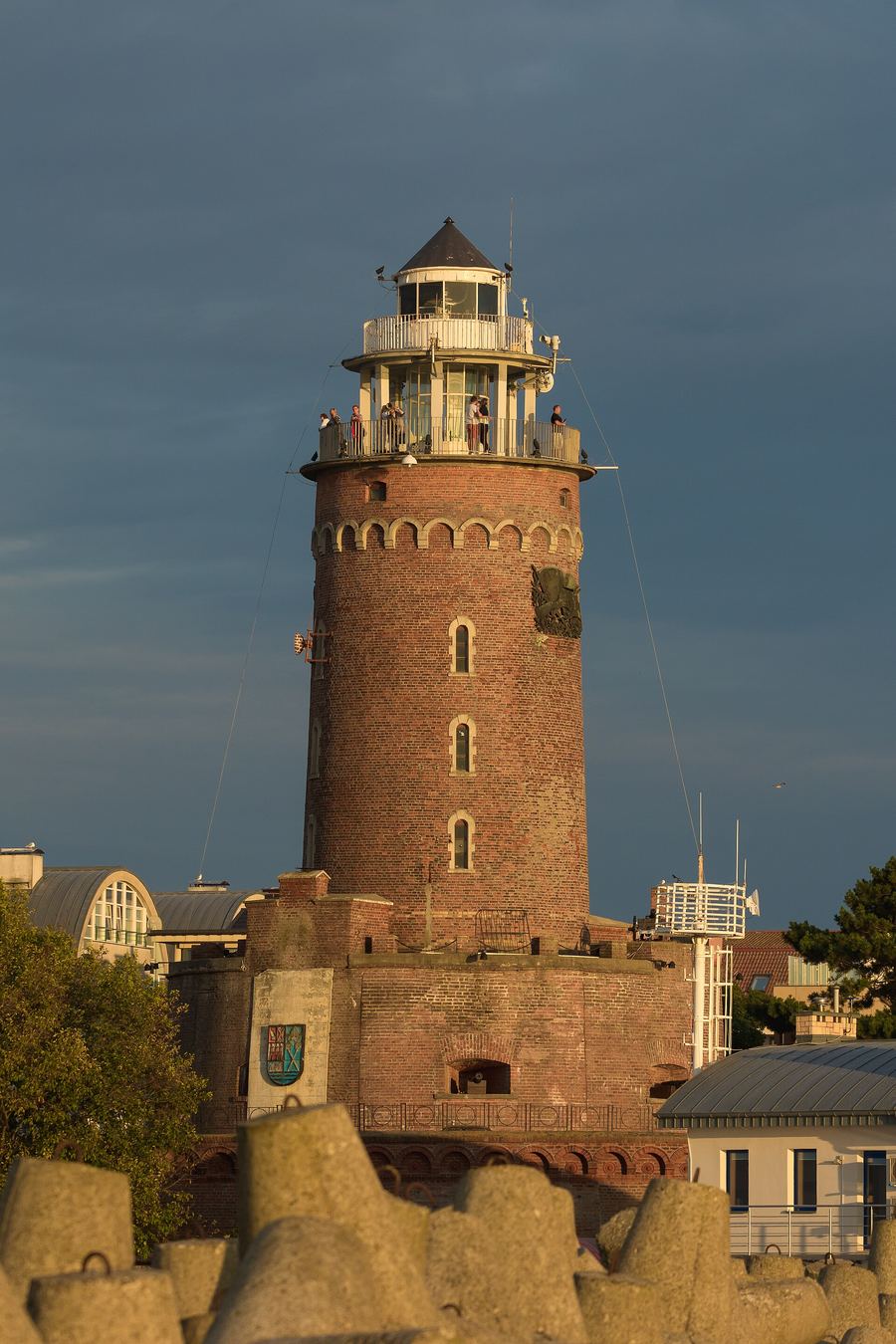
Kołobrzeg Lighthouse
A 26-metre brick tower built over a 19th-century fort. Climb the 109 steps for views of the harbour entrance.
Спросить ParleyПольша
Salt, brine spa treatment, and Baltic sea winds.
introduction
Kołobrzeg is Poland's largest coastal health resort, built around natural brine springs and Baltic sea air. The city divides cleanly into a modernised spa zone along the beach and a rebuilt historic core along the Parsęta River. Walking and cycling handle most trips between the harbour, the centre, and the eastern wetlands. Expect heavy summer crowds along the promenade, giving way to quiet, wind-whipped shorelines in spring and autumn.
Arrival routing
Direct PKP Intercity trains connect Warsaw and Gdańsk to Kołobrzeg station, avoiding the long bus connection from Szczecin Airport.
Health resort designation
Kołobrzeg has held official Polish health resort status since 1830 due to its natural iodine air, peat bogs, and mineral brine springs.
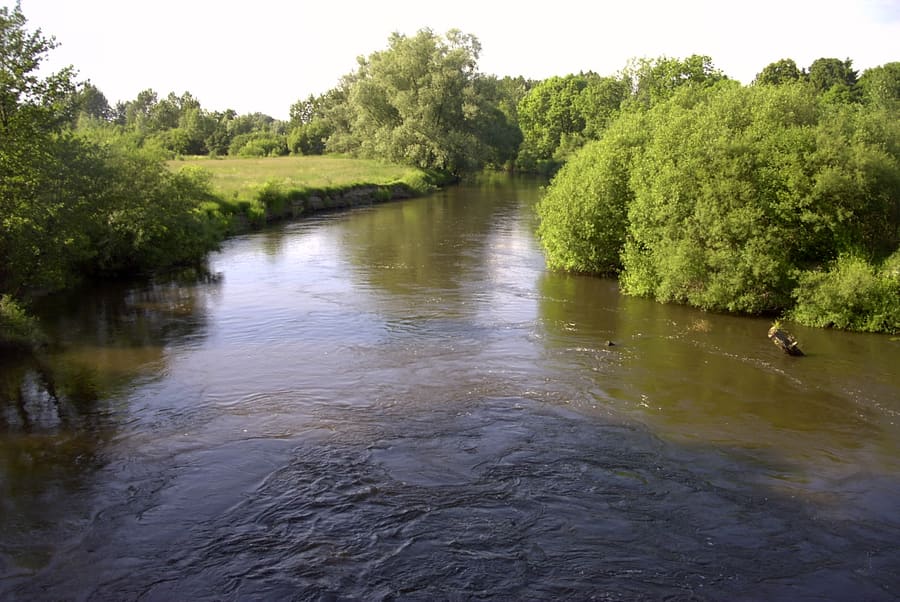
Kołobrzeg
No machine-readable author provided. Kluka assumed (based on copyright claims). · CC BY-SA 3.0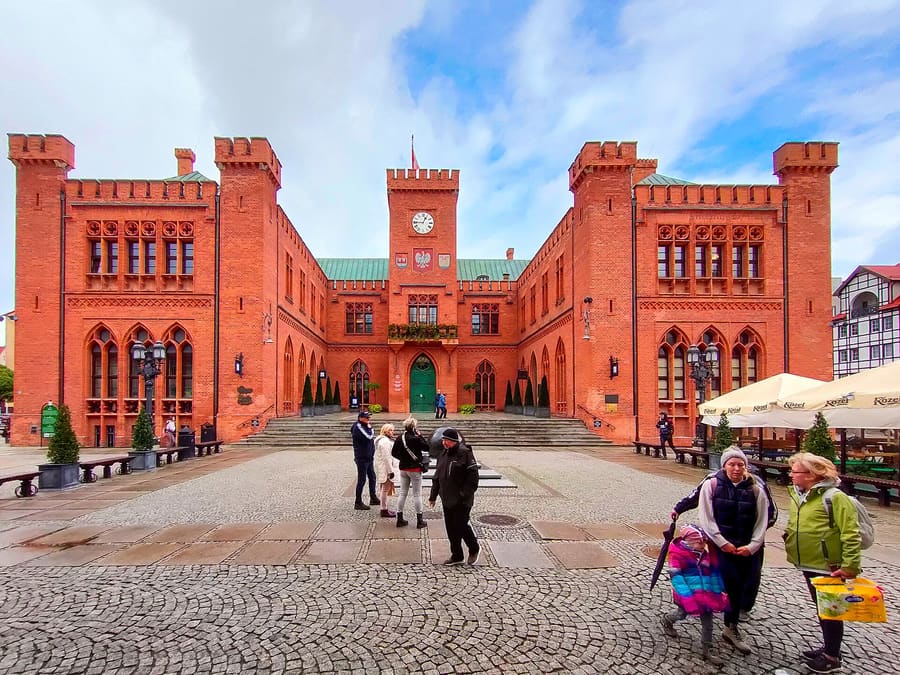
Śródmieście — Rebuilt post-war town center around the Gothic cathedral and modern administrative grid.
Szczecinolog · CC BY-SA 4.0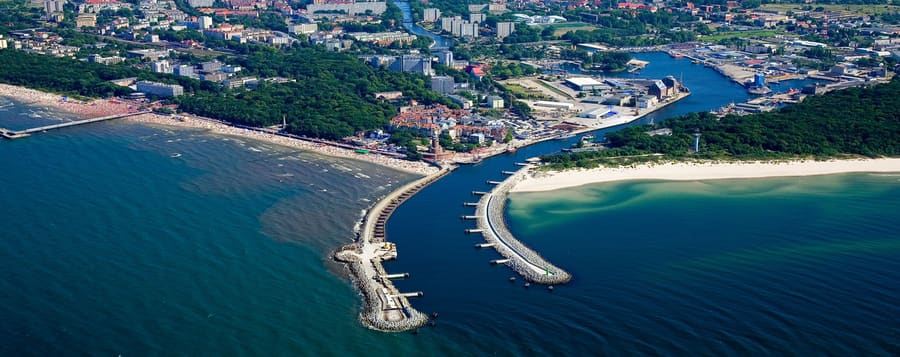
Port & Marina — Working maritime basin with fish smoking sheds, excursion boats, and lighthouse views.
Ja S · CC BY-SA 3.0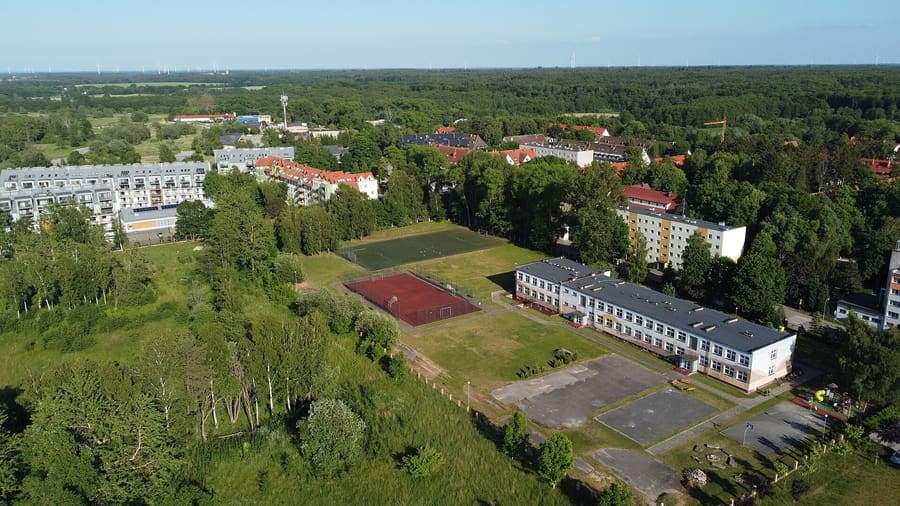
Podczele — Quiet eastern suburb bordering wetlands, former airfield grounds, and uncrowded beaches.
Krzysztof Ziarnek, Kenraiz · CC BY-SA 4.0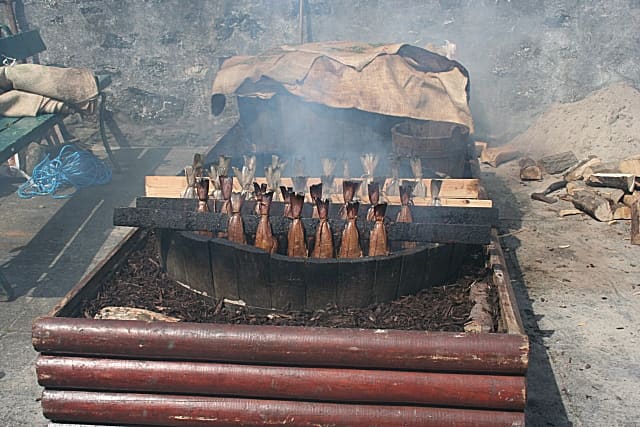
Freshly smoked Baltic mackerel purchased at the harbour quay.
Anne Burgess · CC BY-SA 2.0highlights
landmark
A 26-metre brick tower built over a 19th-century fort. Climb the 109 steps for views of the harbour entrance.
Спросить Parley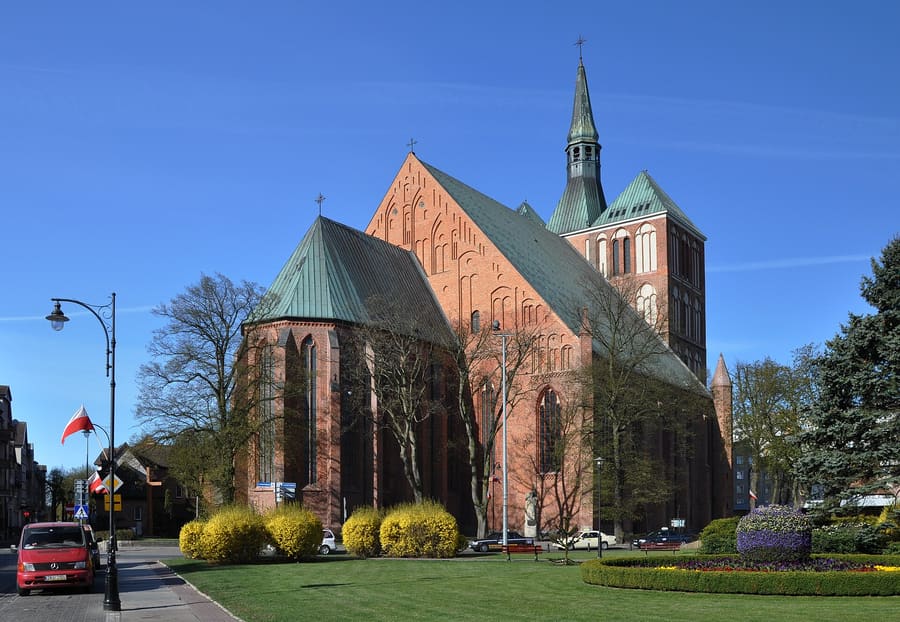
landmark
A 14th-century Gothic brick cathedral rebuilt after 1945. Includes an elevator to the tower viewing deck.
Спросить Parley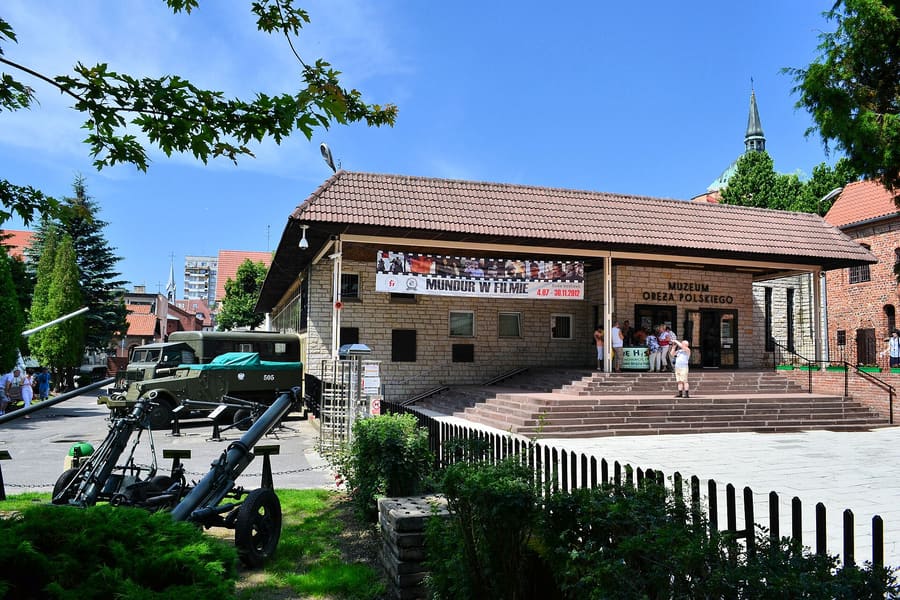
landmark
Exhibits military equipment from medieval armor to Cold War tanks and aircraft in an outdoor courtyard.
Спросить Parley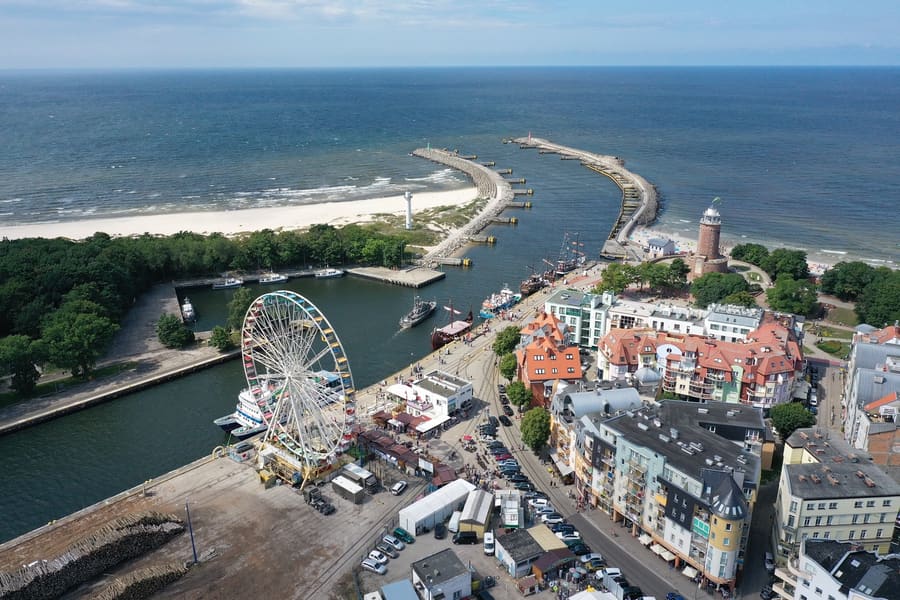
landmark
The active fishing and passenger port where excursion boats dock alongside fishmonger outlets.
Спросить Parley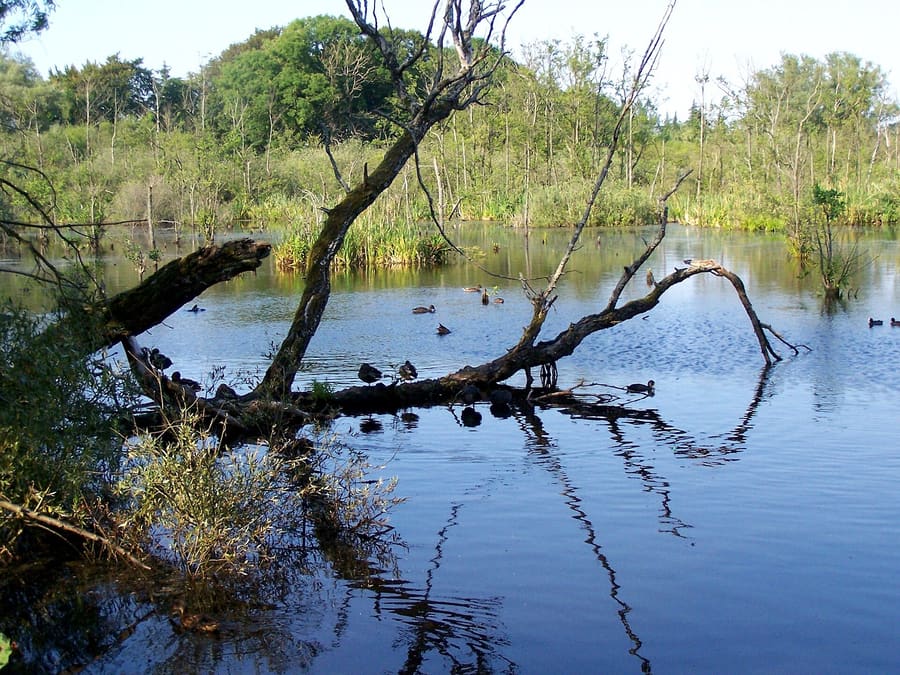
landmark
A protected salt marsh reserve east of town with raised wooden boardwalks for bikes and walkers.
Спросить Parleyattractions
areas
Rebuilt post-war town center around the Gothic cathedral and modern administrative grid.
РядомSt. Mary's Basilica and main rail station
Спросить ParleyWorking maritime basin with fish smoking sheds, excursion boats, and lighthouse views.
РядомKołobrzeg Lighthouse and Parsęta river mouth
Спросить ParleyQuiet eastern suburb bordering wetlands, former airfield grounds, and uncrowded beaches.
РядомEkopark Wschodni salt marsh
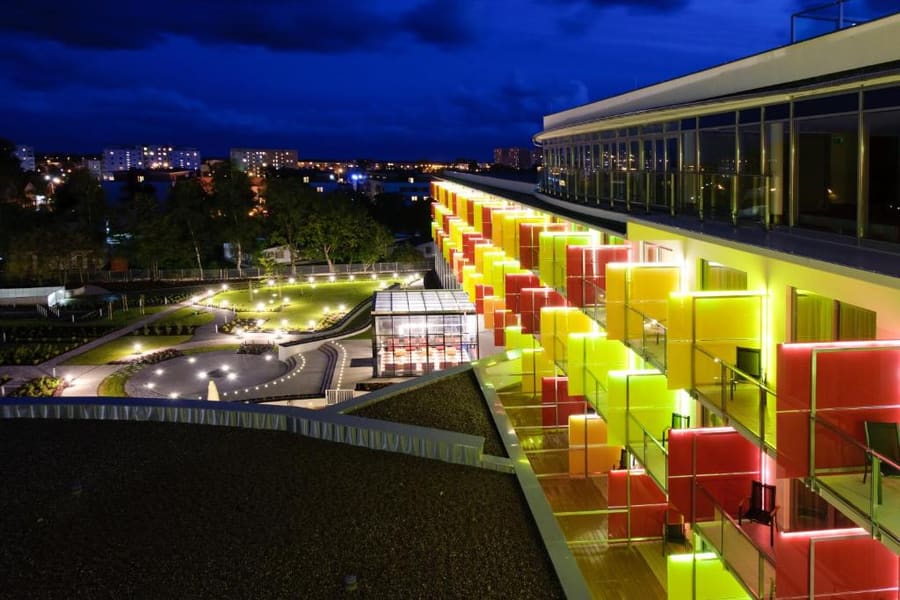
Спросить ParleyResort hotels, leafy park corridors, and direct access to the main beach promenade.
РядомKołobrzeg Pier and Stefan Żeromski Park
Спросить Parleyfood
Dining in Kołobrzeg centers on fresh and smoked fish brought directly into the harbor. Fish fryers, known locally as smażalnia ryb, line Szyprów and Towarowa streets near the port. Traditional regional preparations focus on cod, flounder, and Baltic herring served with pickled cabbage salads.
Freshly smoked Baltic mackerel purchased at the harbour quay.
Anne Burgess · CC BY-SA 2.0Fish prices at harbor fryers display per 100 grams, not per portion. A single cod fillet often weighs 300 to 400 grams.
Fish smokehouses near Towarowa street unload warm smoked flounder around 11:00 daily.
Seasonal beach kiosks and smokehouses prefer contactless cards, but small cash tips are appreciated.
history
Kołobrzeg began as a medieval Slavic salt-boiling settlement on the Parsęta River before gaining Hanseatic city rights. In 1830, the town opened its first brine bathhouse, shifting its economy from salt production and trade to health tourism. World War II destroyed roughly 80 percent of the urban structure during the 1945 battle for the city.
Lübeck rights granted
Kołobrzeg gains municipal charter privileges and grows through the Hanseatic salt trade.
First brine baths open
The city official launches its medical resort facility, utilizing local mineral springs.
Battle of Kolberg
Heavy artillery combat destroys most historic architecture before Soviet and Polish forces take the city.
Spa district reconstruction
State-funded modern sanatoriums rise along the coastal park strip.
where to stay
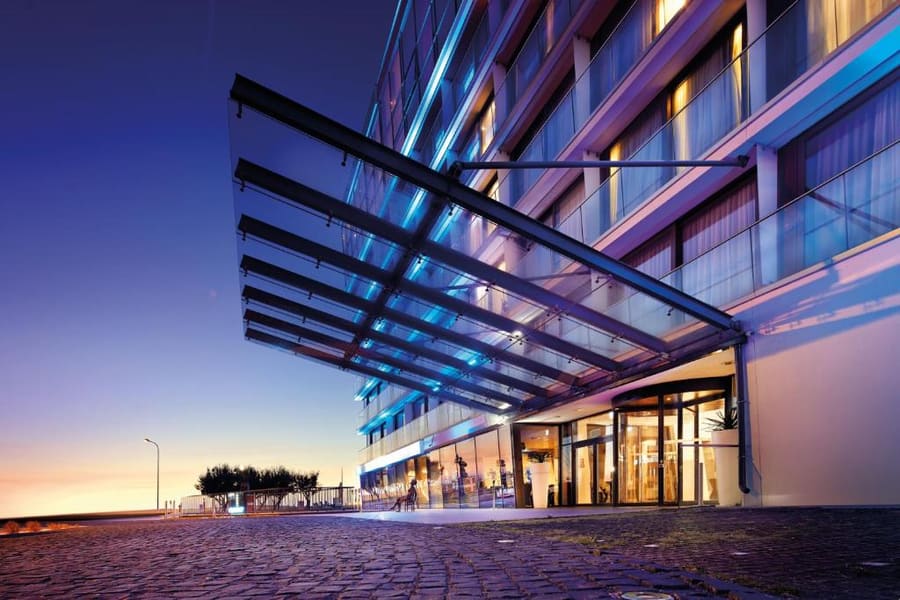
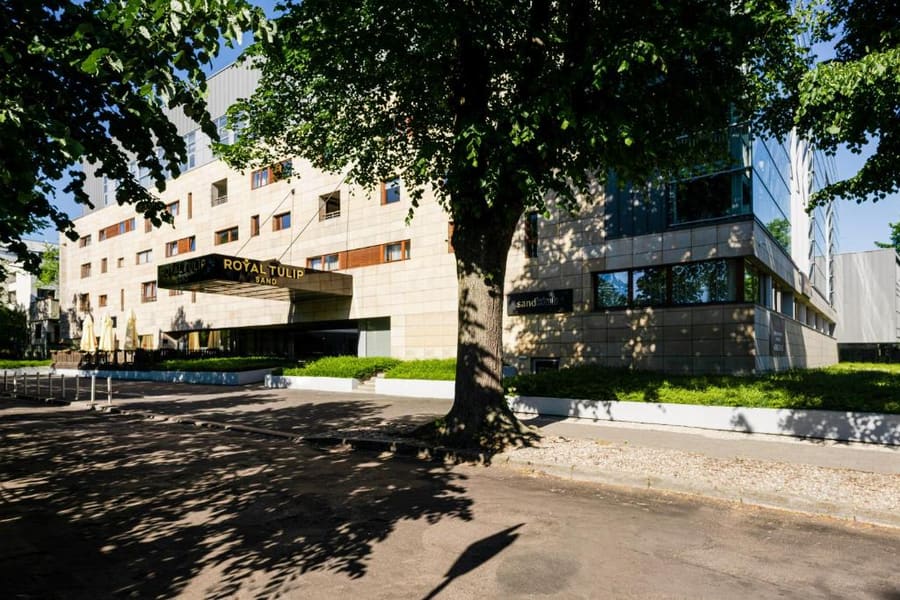
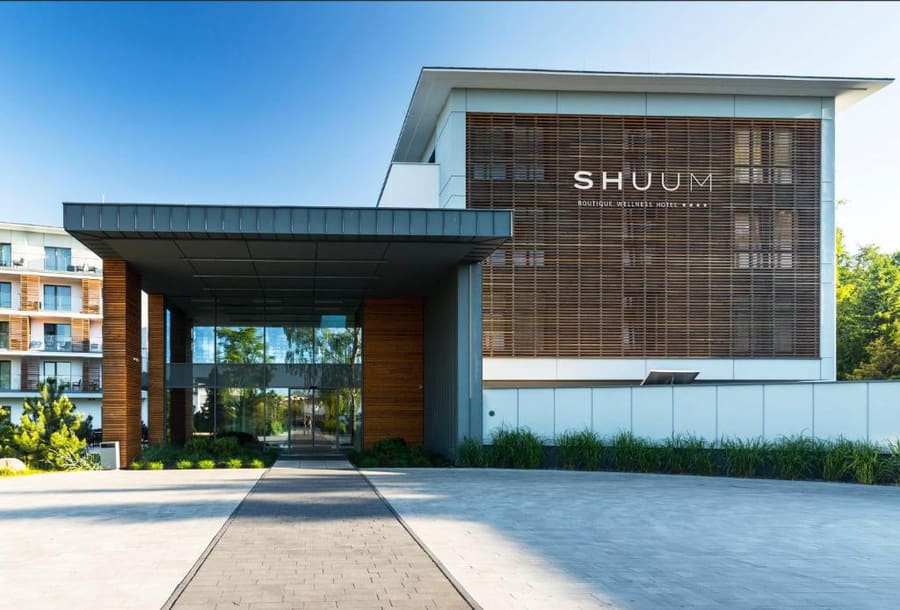
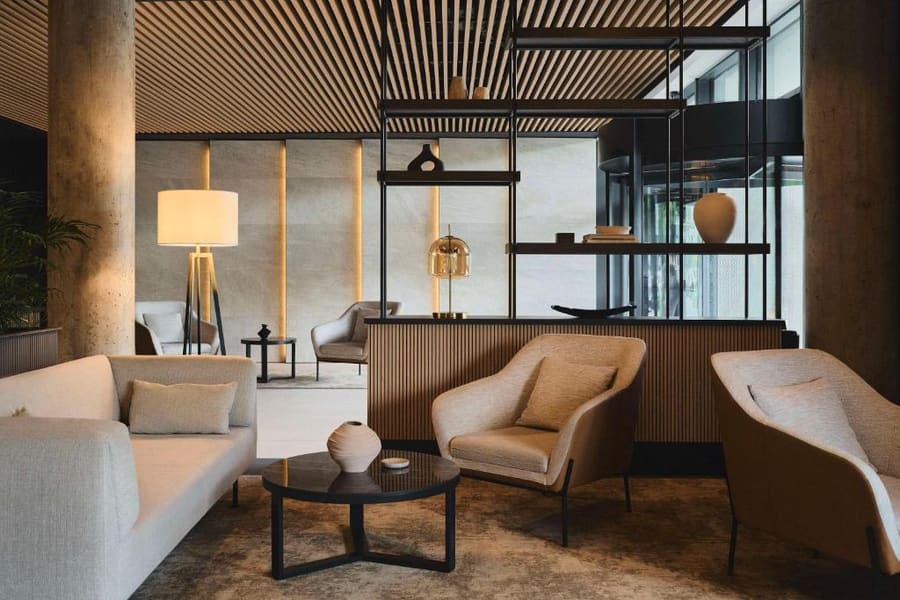
Choose your location based on proximity to the sea versus transit hubs. The Spa District provides immediate beach access and hotel wellness centers, but prices spike significantly in July and August. Śródmieście offers quieter streets, lower winter rates, and short walks to the train station.
Live rates, matched to the areas above.
transport
Kołobrzeg is compact and flat. Walking links the city centre to the spa district in 15 minutes. A network of paved bike paths, part of the international EuroVelo 10 route, runs along the entire seafront.
Buy single-ride city bus tickets inside the bus using a contactless payment card.
City bike sharing stations operate from April through October along the promenade.
Parking in the spa zone requires mobile app or meter payment Monday to Friday.
Short harbor tour vessels operate from April through October from the lighthouse quay.
cost
Kołobrzeg uses the Polish Złoty (PLN). Seafood and spa services carry a seasonal markup in summer, while winter rates drop significantly.
Includes a 300g cod fillet, chips, and cabbage salad at a port fryer.
Ticket price to access the tower viewing balcony.
Per person daily municipal climate fee charged by hotels.
seasonality
MAR – MAY
Cool sea winds and quiet promenades. Ideal for medical spa treatments and lower accommodation rates.
JUN – AUG
Peak beach weather with Baltic sea swimming, full attraction schedules, and packed boardwalks.
SEP – NOV
High iodine content in stormy sea winds. Good cycling weather before autumn rains start.
DEC – FEB
Cold coastal temperatures. Health resorts run indoor brine pools at minimum seasonal rates.
practicalities
Summer sea surface temperatures rarely exceed 19°C. Life-guarded zones operate July through August.
Inhalation of marine aerosol iodine is strongest within 100 metres of the water line on windy days.
Bank ATMs line Armii Krajowej street in Śródmieście; harbour kiosks often decline high-denomination bills.
Day visitors can book brine baths or peat wraps at major sanatoriums without staying overnight.
Polish trading restrictions close large supermarkets on most Sundays; resort souvenir shops remain open.