landmark
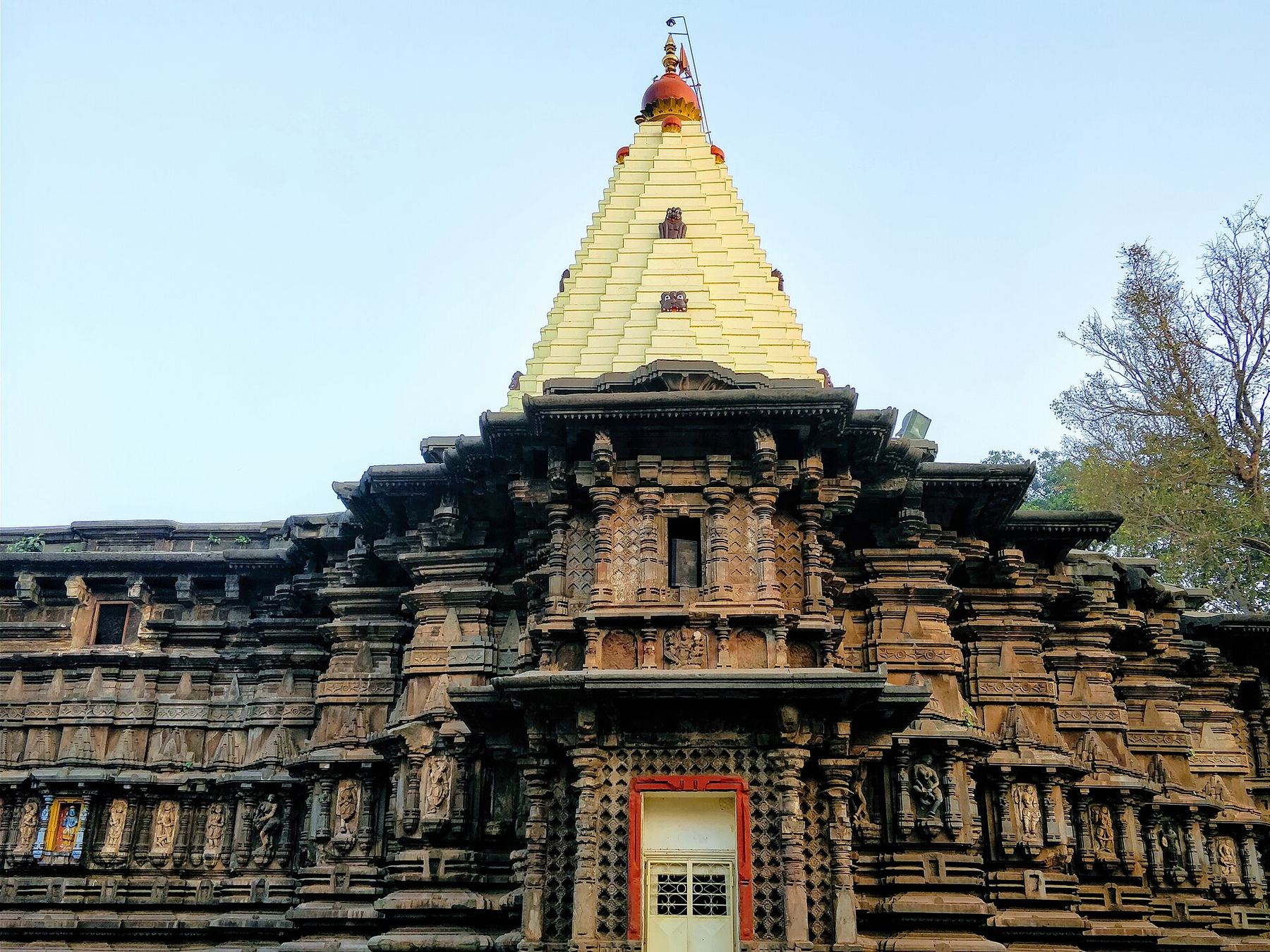
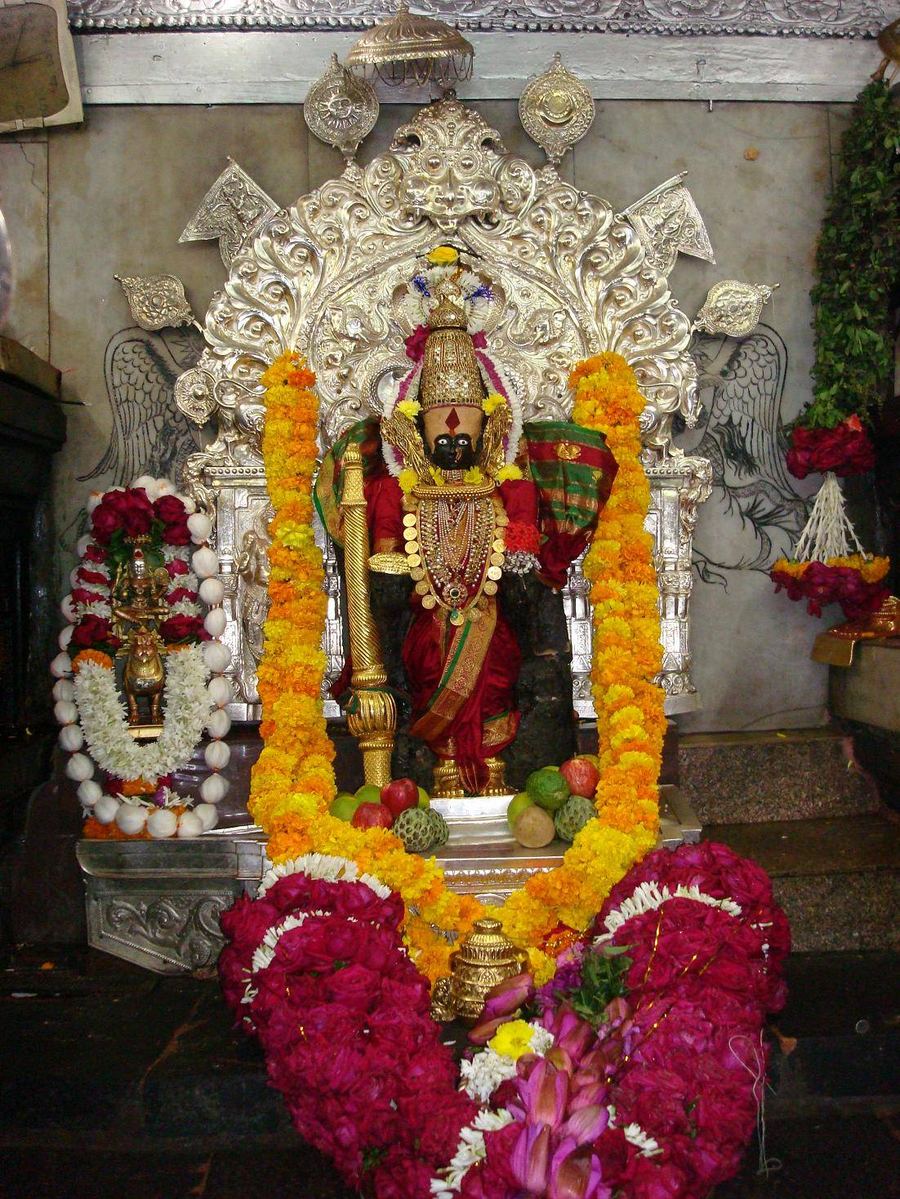
Shree Ambabai Temple
7th-century Hemadpanthi temple. Expect long queues during Navratri; paid fast-track passes exist at the side office.
Спросить ParleyИндия
Spicy broths, Maratha royal history, and leather crafts.
introduction
Kolhapur sits on the Panchganga River in southern Maharashtra. It operates as a bustling trading hub known for Maratha royal history and distinct regional cooking. Navigating the town requires balancing old-city temple lanes with wider suburban avenues. Expect intense heat from March to May and deep culinary spices year-round.
Arrival from airport
Kolhapur Airport (KLH) sits 9 km southeast of town. Auto-rickshaws outside the gates operate on flat negotiated fares, not meters.
Culinary heat
Local red curry uses dry Lavangi chillies. Requesting milder heat works at hotel restaurants but fails at traditional bhojanalayas.
Kolhapur
Vijayshankar.munoli · CC BY-SA 3.0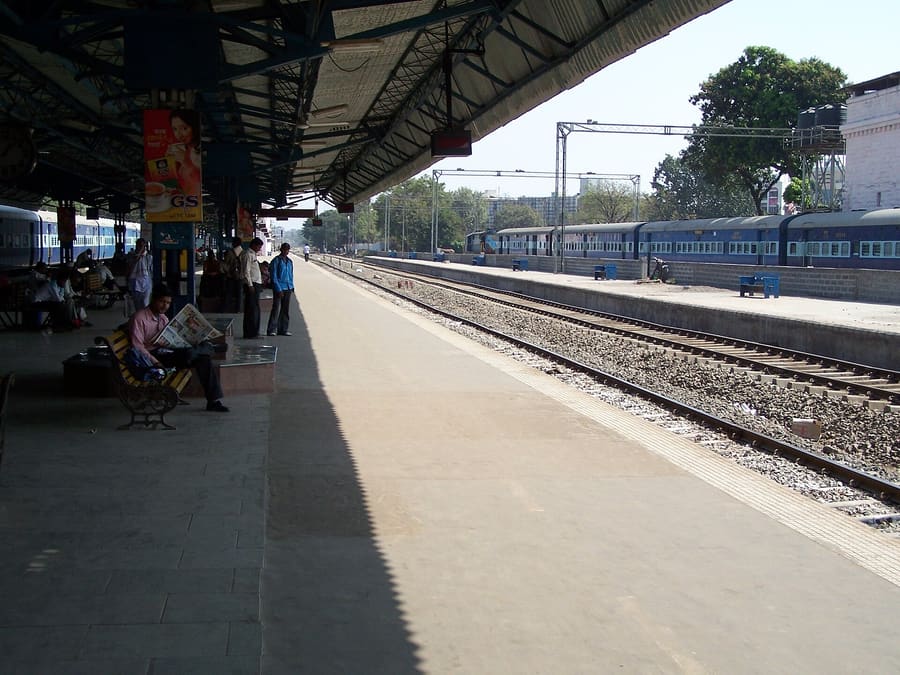
Shahupuri — Commercial zone near the railway station and jaggery market.
Rkrish67 · CC BY-SA 3.0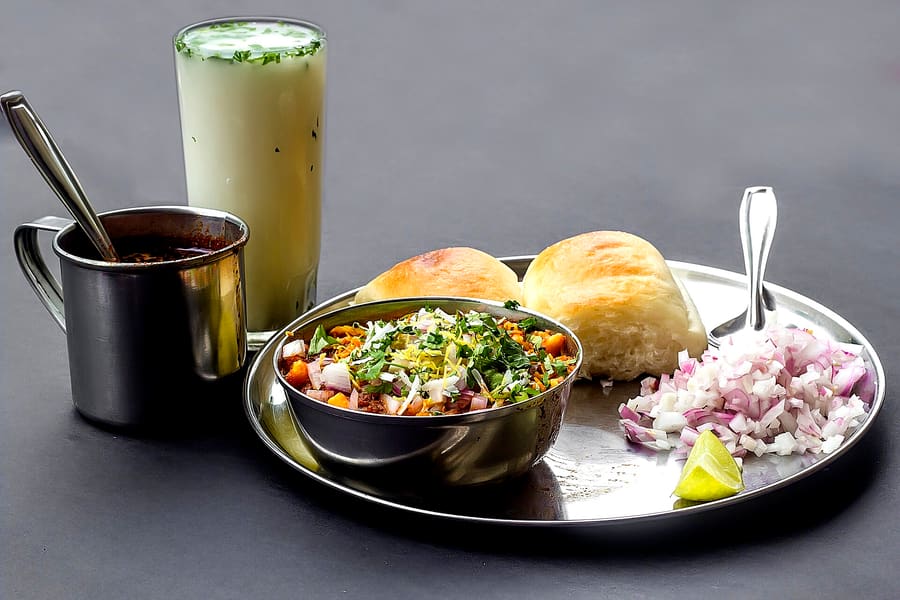
Kolhapuri misal served with fiery kat gravy, farsan, and fresh bread.
Ankushkr2020 · CC BY-SA 4.0highlights
landmark
7th-century Hemadpanthi temple. Expect long queues during Navratri; paid fast-track passes exist at the side office.
Спросить Parleylandmark
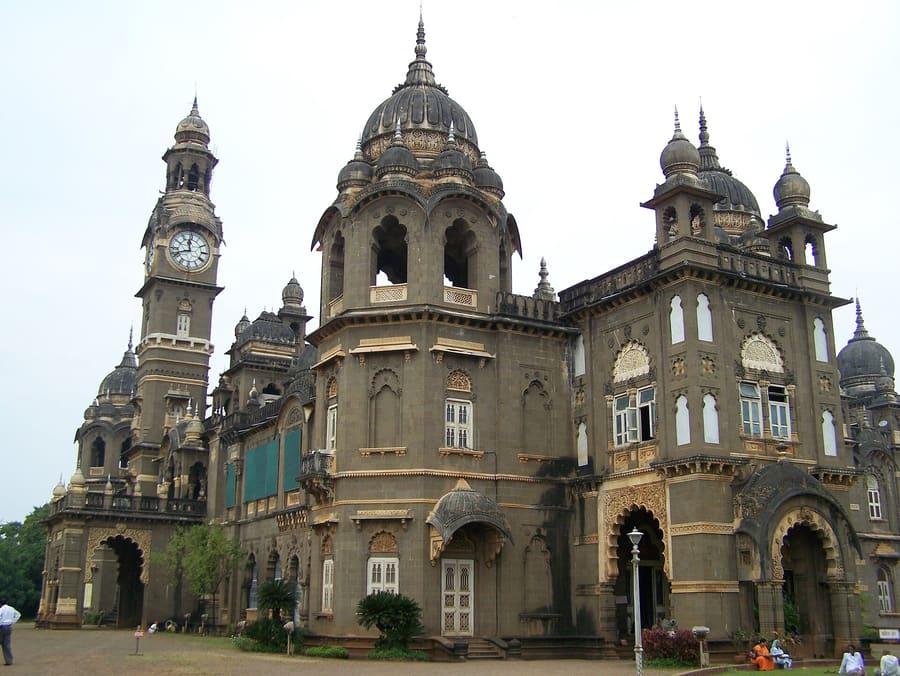
Built in 1884 from black basalt. Houses weapons and Royal Maratha memorabilia; closed on Mondays.
Спросить Parley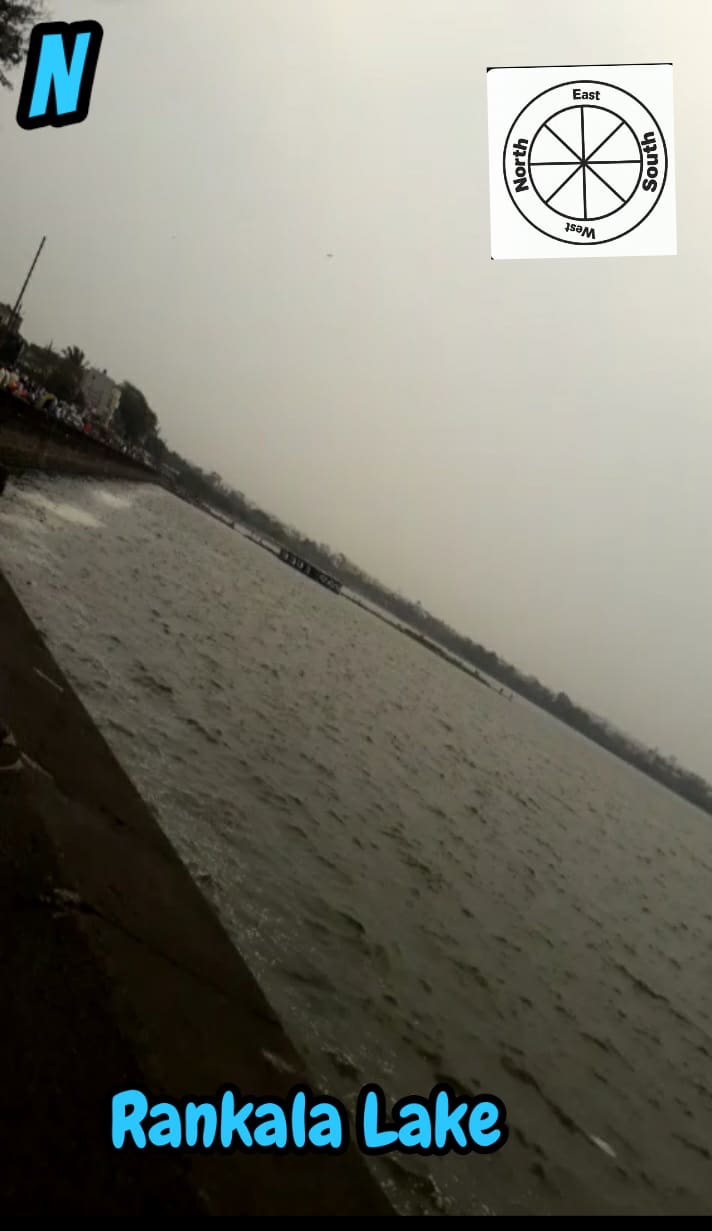
landmark
Historic reservoir with a paved promenade. Visit at sunset for street food stalls along Chowpatty.
Спросить Parley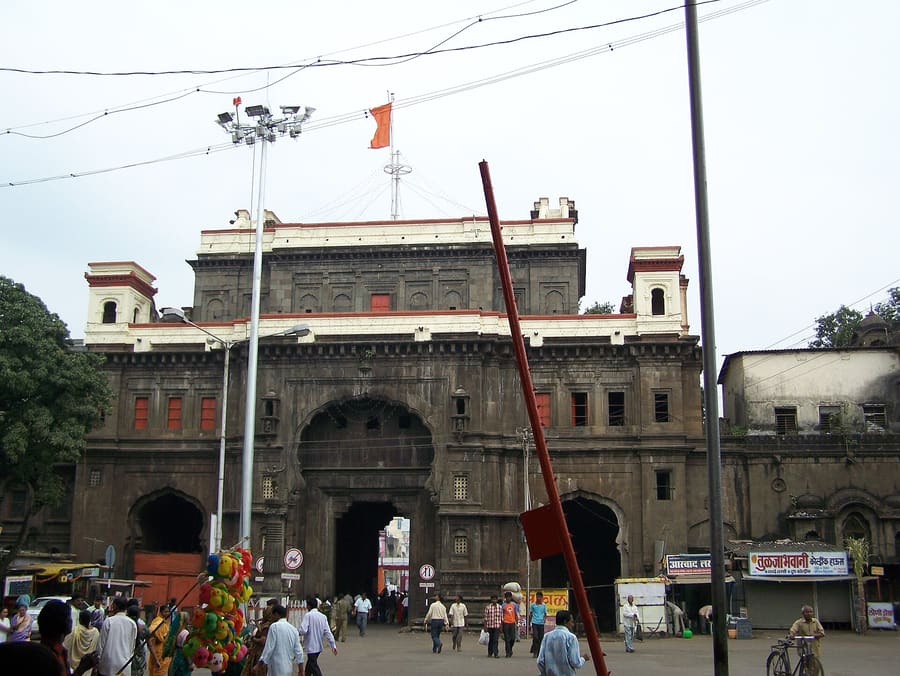
landmark
Former court of the Kolhapur rulers. Sits next to Ambabai Temple and houses a stuffed tiger framed by timber pillars.
Спросить Parley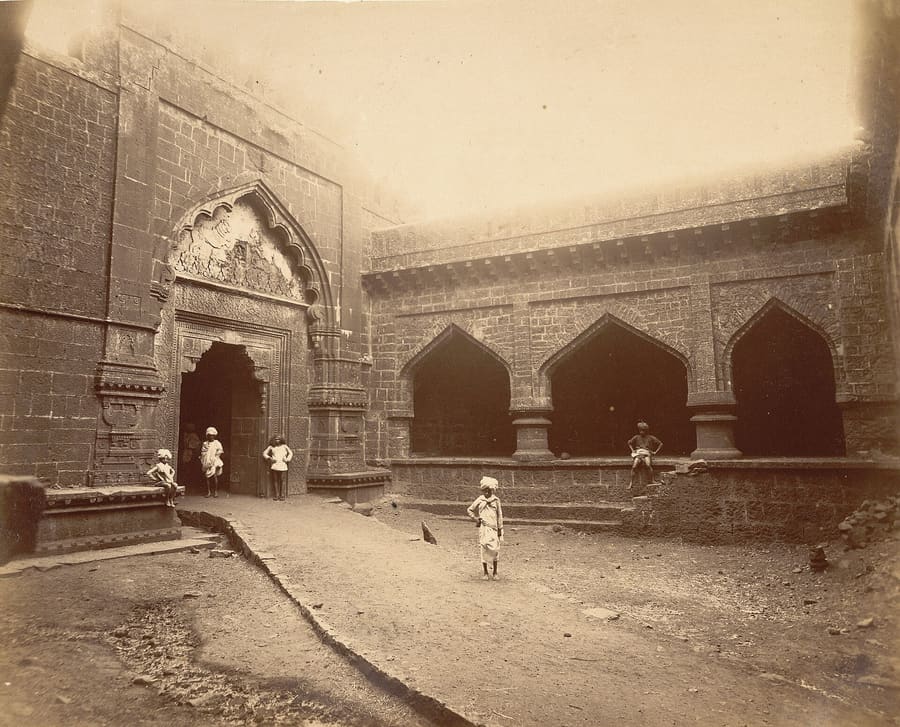
landmark
Hill fort 20 km northwest. Offers cool breezes, granary ruins, and views over the Sahyadri mountain pass.
Спросить Parley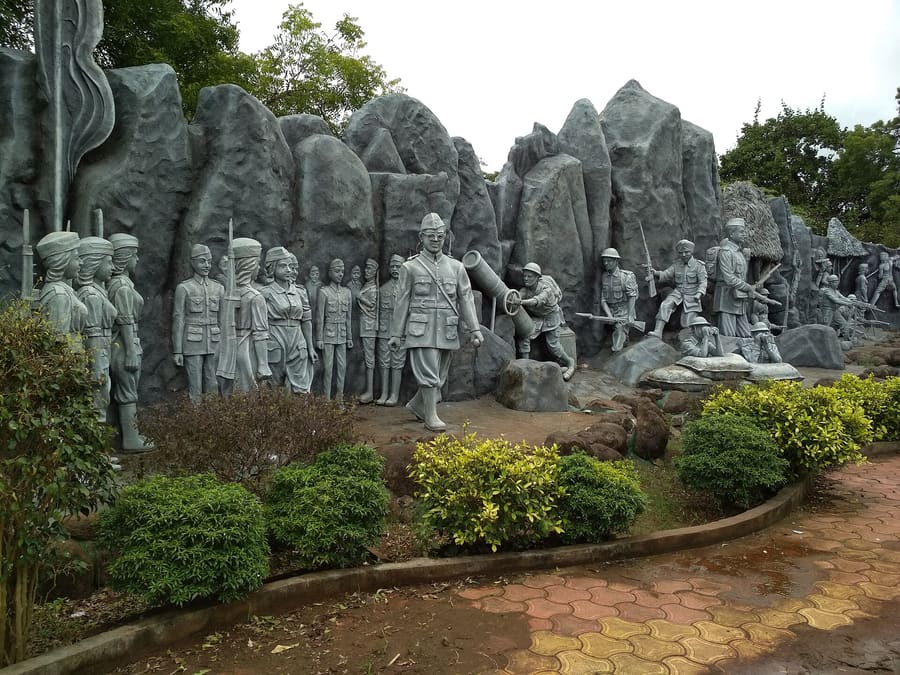
landmark
Open-air museum 12 km south detailing traditional rural Maharashtra through life-sized clay figures.
Спросить Parleyattractions
areas
Commercial zone near the railway station and jaggery market.
РядомChhatrapati Shahu Maharaj Terminus
Спросить ParleyDense historic core with chappal markets and temple crowds.
РядомAmbabai Temple and Bhavani Mandap
Спросить ParleyQuieter northern district with wider roads and modern hotels.
РядомNew Palace Museum
Спросить ParleyOpen lakefront area popular for evening walks and snacks.
РядомRankala Lake and Shalini Palace
Спросить Parleyfood
Kolhapur cuisine centers on distinct broths and local spices. Mutton thalis feature two specific broths: tamba rassa, a spicy red curry made with local chillies, and pandhra rassa, a mild white coconut milk soup. Solkadhi, a pink drink made from kokum fruit and coconut milk, accompanies every meal to cool the palate.Breakfast revolves around Kolhapuri misal, a fiery dish of sprouted lentils, topped with farsan, raw onions, and lemon juice, served alongside bread rolls. Local eateries serve misal with varying spice levels, but authentic spots rarely tone down the heat.
Kolhapuri misal served with fiery kat gravy, farsan, and fresh bread.
Ankushkr2020 · CC BY-SA 4.0Traditional dining halls specialize in mutton or chicken thalis. Refills of tamba and pandhra rassa are usually complimentary.
Top misal joints open by 8:00 AM and sell out by noon. Arrive early to avoid long sidewalk queues.
Drink solkadhi during or after a heavy meal. It aids digestion and neutralizes red chilli burn.
Old-town eateries prefer cash or Indian UPI apps. Credit cards are often declined at smaller thali places.
history
Kolhapur grew as a religious center under the Shilahara dynasty in the 10th century. Its strategic position along Sahyadri mountain passes made it a prize for regional powers. In 1707, Tarabai established the Kolhapur branch of the Maratha Empire, securing independence from the Satara branch.Under Chhatrapati Shahu Maharaj in the late 19th century, the state introduced social reforms, free education, and wrestling academies. The city integrated into the Indian Union in 1949 while retaining its distinct Maratha identity.
Shilahara Rule
The Shilaharas expand the Ambabai Temple, establishing the town as a regional pilgrimage hub.
Maratha Dynasty
Tarabai sets up an independent Maratha throne at Kolhapur following internal succession disputes.
Shahu Maharaj Era
Chhatrapati Shahu Maharaj takes power, promoting social equity, wrestling, and local industries.
Indian Integration
Kolhapur princely state accedes to the Dominion of India and joins Bombay State.
where to stay
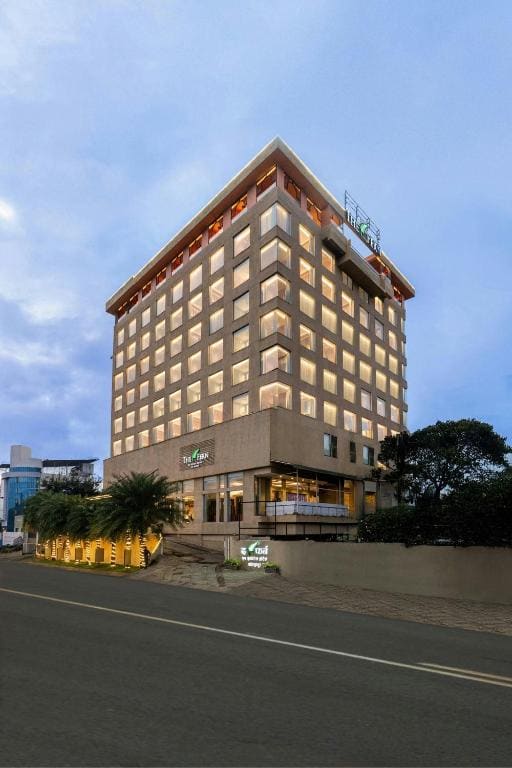
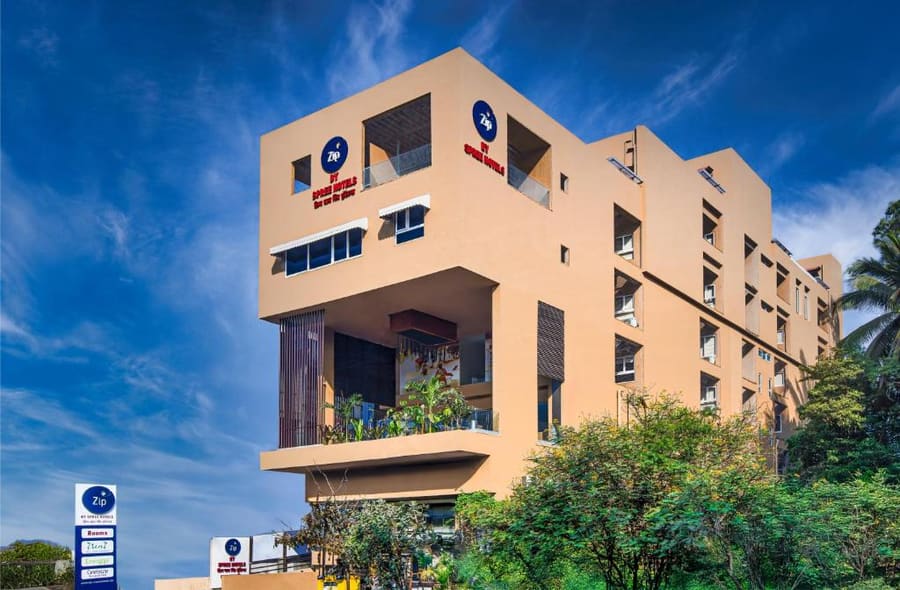
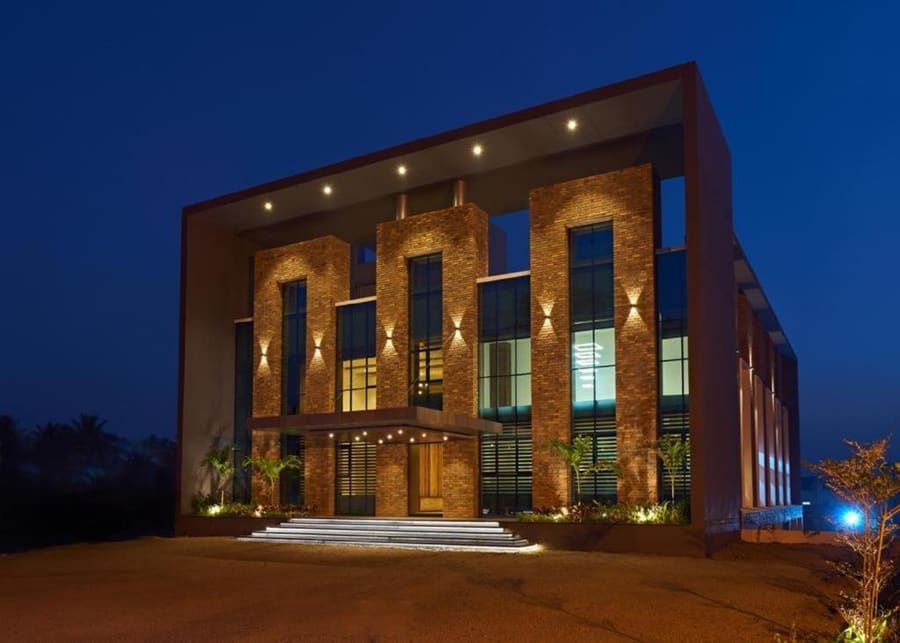
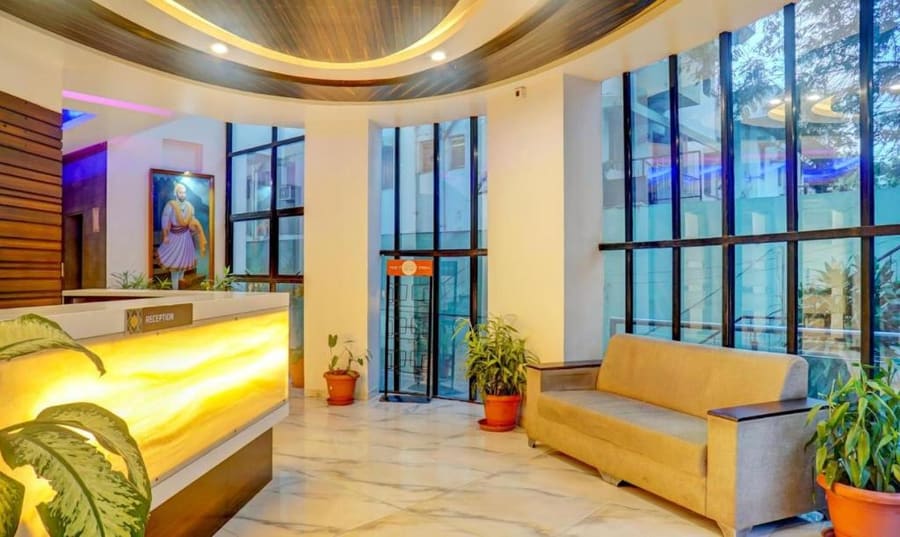
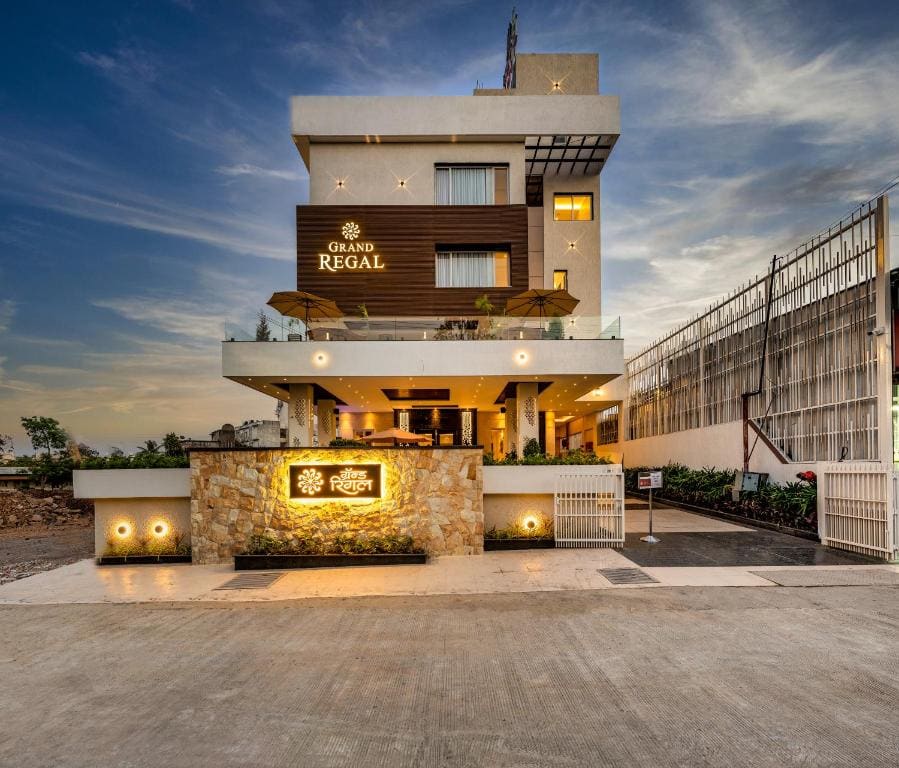
Choose your base by balancing proximity to temples against street noise. Staying near Ambabai Temple puts you within walking distance of historical sights but limits vehicle access. Tarabai Park offers modern hotel amenities, quiet nights, and easier parking.
Live rates, matched to the areas above.
transport
Kolhapur is compact. Auto-rickshaws handle most short trips inside town. Agree on a fare before boarding, as meters are rarely used. KMT city buses operate fixed routes connecting major neighbourhoods to the central bus stand.
Из Chhatrapati Shahu Maharaj Terminus (KOP)
Fixed rate to old city hotels. Settle price before placing bags inside.
KMT buses run from railway station to Central Bus Stand (CBS).
Available via app or local agency stands near the main exit.
Drivers do not run meters. Ask your hotel front desk for standard rates to avoid inflated fares.
Buses connect CBS with Rankala and suburban areas. Board from the front and pay the conductor in cash.
Narrow lanes around Ambabai Temple clog between 5:00 PM and 8:00 PM. Walk instead of riding.
cost
Kolhapur remains an affordable domestic destination. Expenses center on leather handicraft purchases and traditional meals, as general entry to major temples is free. Value is high compared to major Indian metropolises like Mumbai or Pune.
Includes mutton curry, dry mutton fry, tamba/pandhra rassa, bhakri, and solkadhi.
A full plate served with two pav rolls and extra spicy gravy on the side.
Handcrafted leather footwear. Prices depend on stitching intricacy and leather weight.
Covers most point-to-point journeys within city limits.
seasonality
NOV – FEB
Coolest months with temperatures between 15°C and 30°C. Peak season for sightseeing and temple visits.
MAR – MAY
Daytime heat exceeds 38°C. Sightseeing is limited to early mornings and late evenings.
JUN – SEP
Monsoon brings heavy rainfall and turns the surrounding fort hills green.
OCT
Navratri festival brings heavy temple crowds and elaborate nighttime illuminations.
practicalities
Cover shoulders and knees at Ambabai Temple. Remove shoes at the outer courtyard entrance counters.
Buy genuine leather footwear from stalls in Bhausingji Road market. Test the sole flexibility before paying.
New Palace Museum opens 9:30 AM to 1:00 PM and 2:30 PM to 6:00 PM. Closed every Monday.
Summer heat dries you out quickly. Carry bottled water when walking around old town fort zones.
Marathi is the primary language. Hindi is widely understood, while English works in major hotels.