landmark
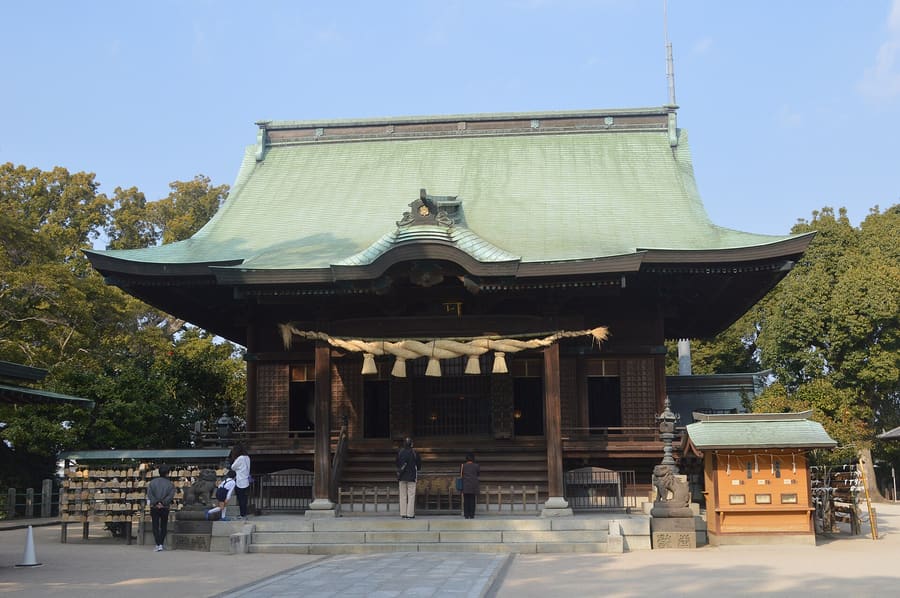
Suitengu Shrine
Head shrine of all Suitengu shrines in Japan. Bus 15 from JR Kurume drops you at the riverside gate in eight minutes.
Спросить ParleyЯпония
Heavy tonkotsu broth, tire heritage, and ancient shrines.
introduction
Kurume operates on a practical rhythm defined by heavy manufacturing and thick pork broth. Two main rail stations sit two kilometres apart, splitting transit between local lines and the Shinkansen. You visit to trace original tonkotsu ramen to its 1937 origins, eat grilled skewers along quiet arcades, and climb forested shrine trails.
Station divide
JR Kurume and Nishitetsu-Kurume stations sit two kilometres apart. Take the Nishitetsu line for downtown dining or the Shinkansen to JR Kurume.
Tonkotsu origin
Kurume claims the origin of rich tonkotsu ramen from a 1937 food stall. The thick bone broth style predates neighbouring Hakata ramen.
Fireworks surge
The Chikugo River Fireworks Display in August draws over 400,000 visitors. Book hotels six months ahead or avoid central Kurume entirely that weekend.
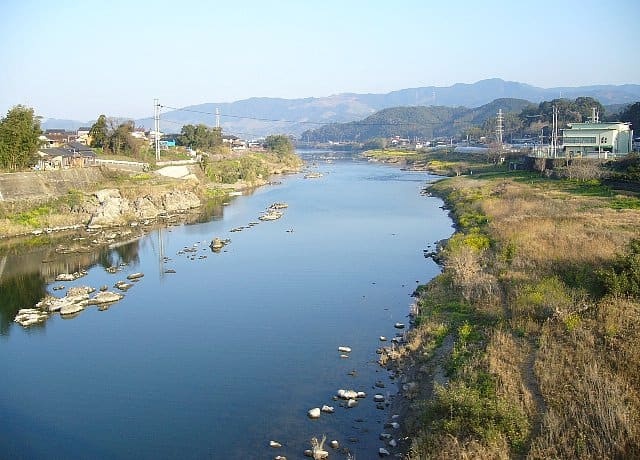
Kurume
Bakkai · CC BY 3.0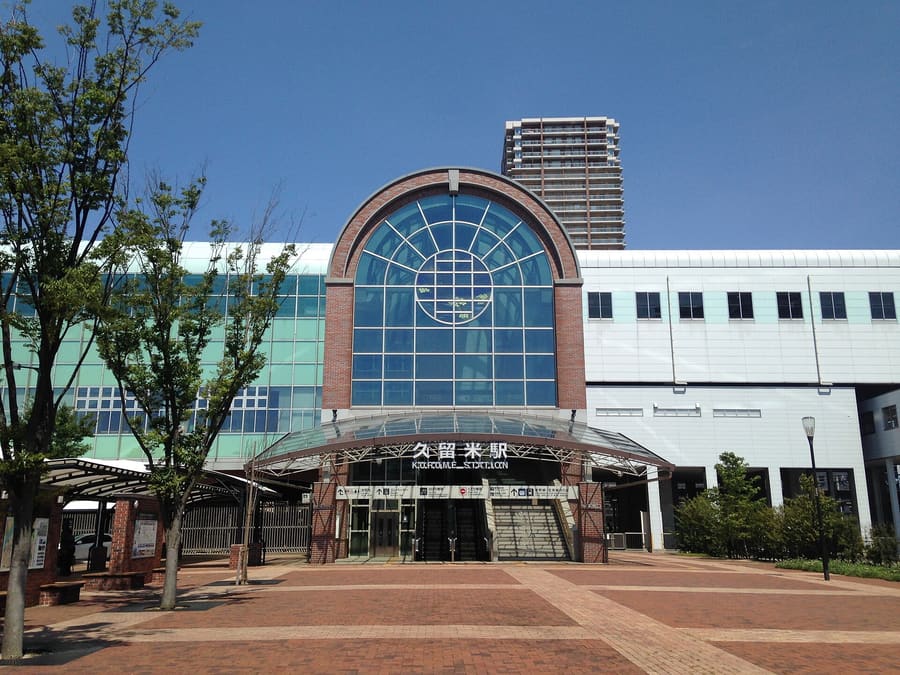
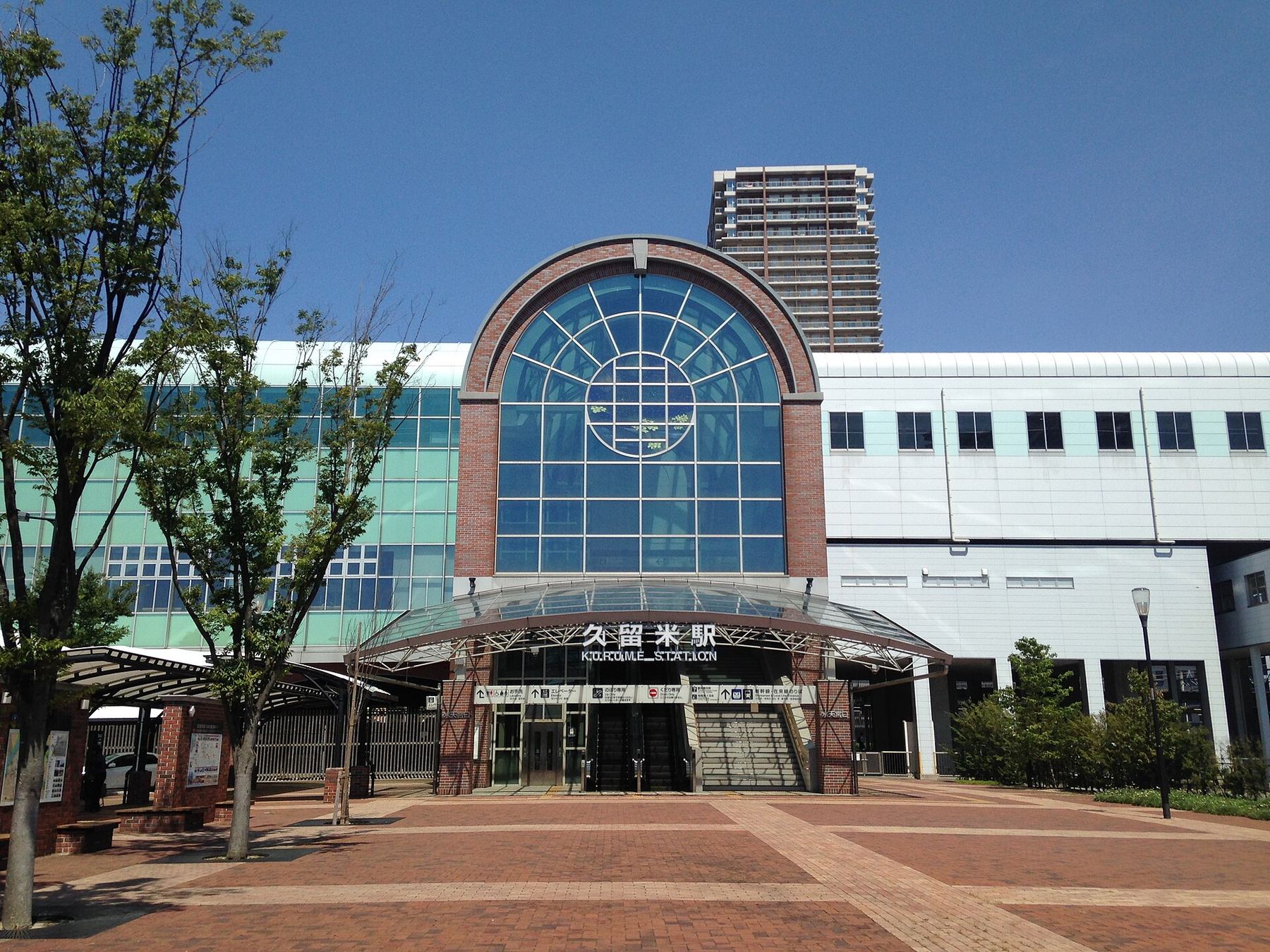
JR Kurume Station Area — Transport hub with direct Shinkansen access, quiet streets, and traditional ramen stalls near the river.
そらみみ (Soramimi) · CC BY-SA 4.0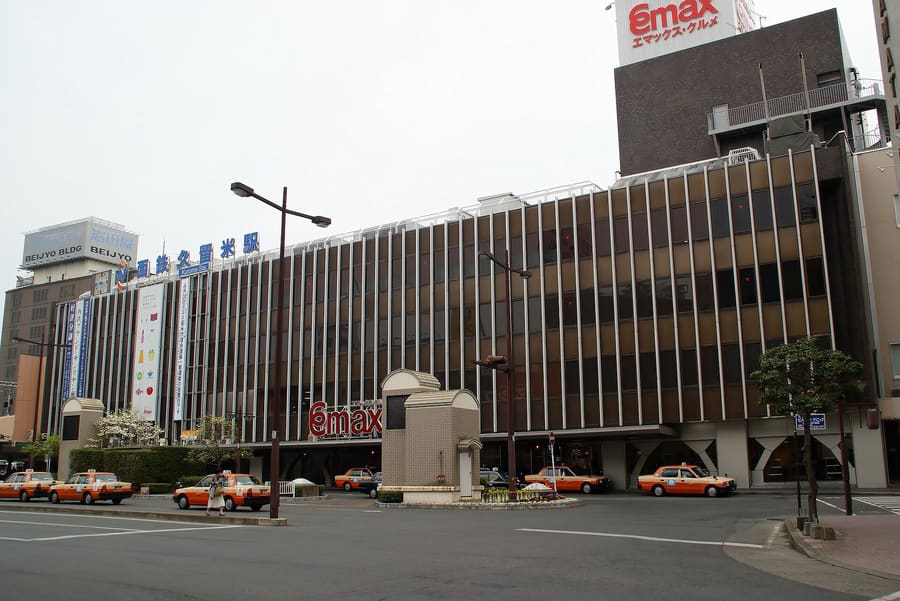
Nishitetsu Kurume — Commercial heart of the city with covered shopping arcades, bus terminals, and late-night yakitori joints.
JKT-c · CC BY 3.0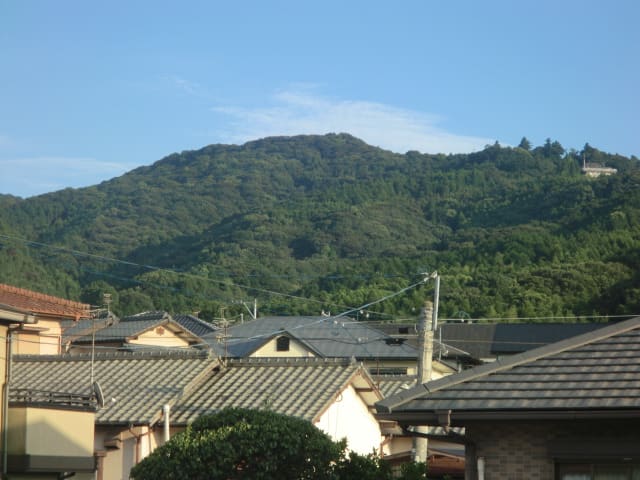
Mount Kōra Foothills — Forested mountain slopes offering temple trails, cool air, and panoramic views over the Chikugo Plain.
Nissy-KITAQ · CC BY-SA 3.0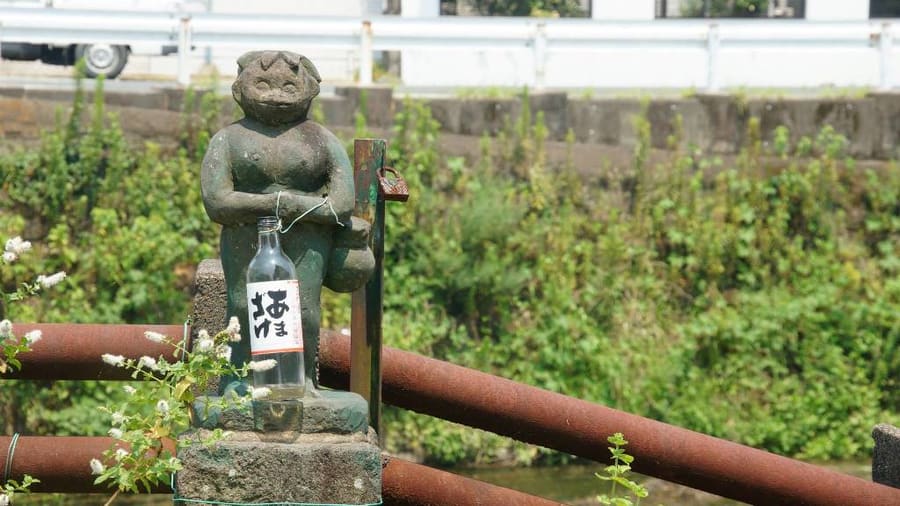
Tanushimaru — Rural orchard zone east of the city known for fruit picking, Kappa folklore, and local wineries.
Anilsoi11 · CC BY-SA 4.0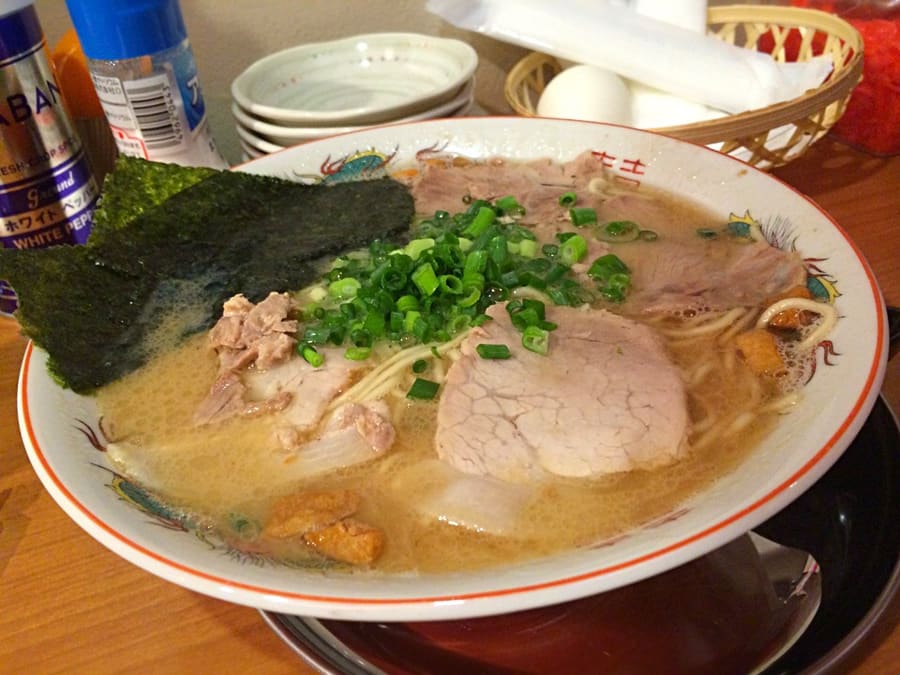
Kurume tonkotsu ramen features a thicker, richer broth than its Hakata counterpart.
hirotomo t · CC BY-SA 2.0highlights
landmark
Head shrine of all Suitengu shrines in Japan. Bus 15 from JR Kurume drops you at the riverside gate in eight minutes.
Спросить Parley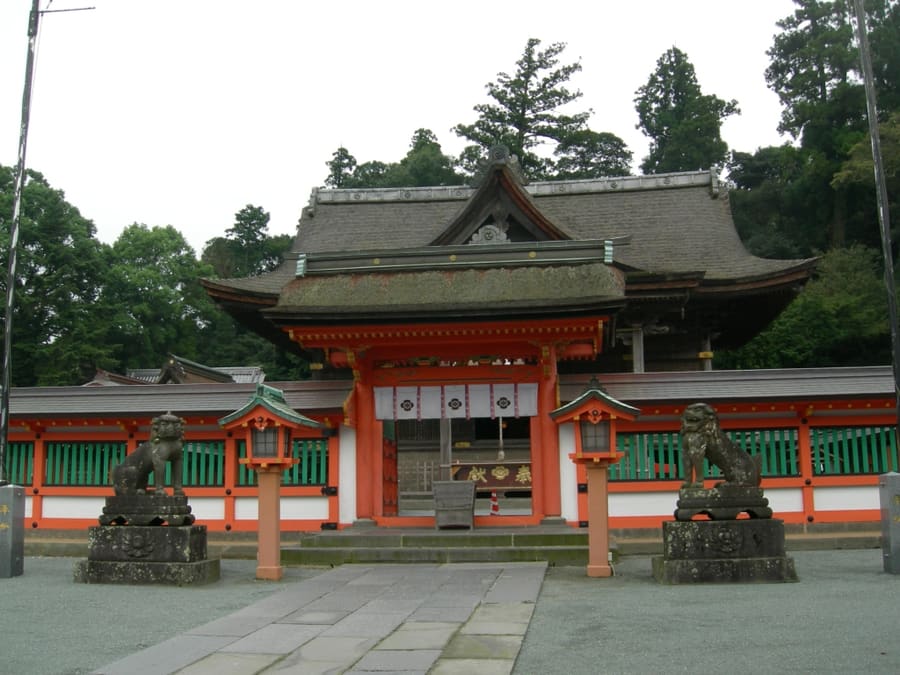
landmark
Ancient shrine on Mount Kōra with valley views. Catch the hourly bus from Nishitetsu-Kurume and walk the final stone stairs.
Спросить Parley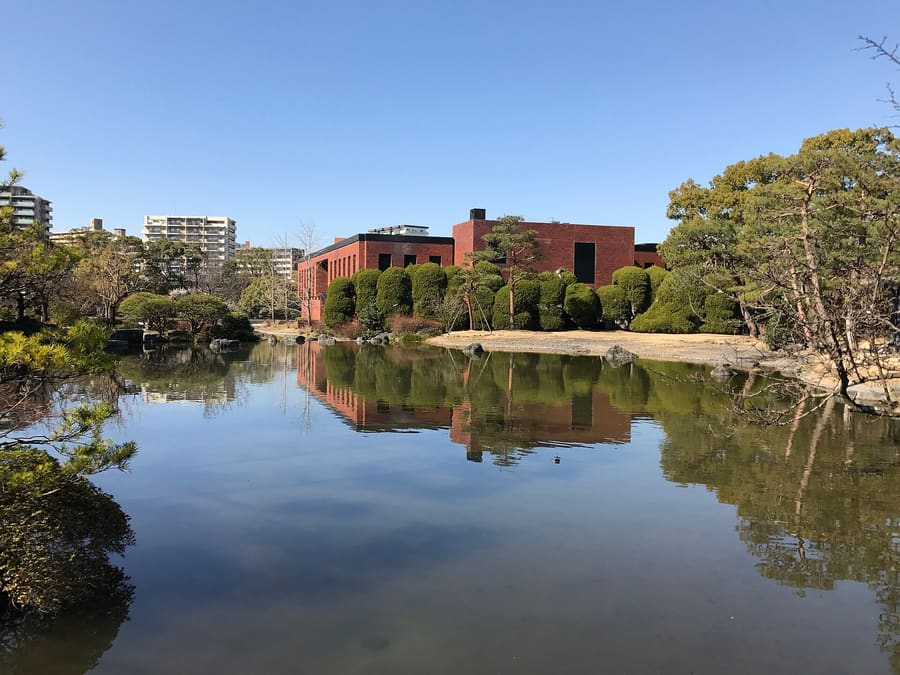
landmark
Art museum inside Ishibashi Cultural Center gardens. Bridgestone's founder built the grounds; entry to garden is free.
Спросить Parley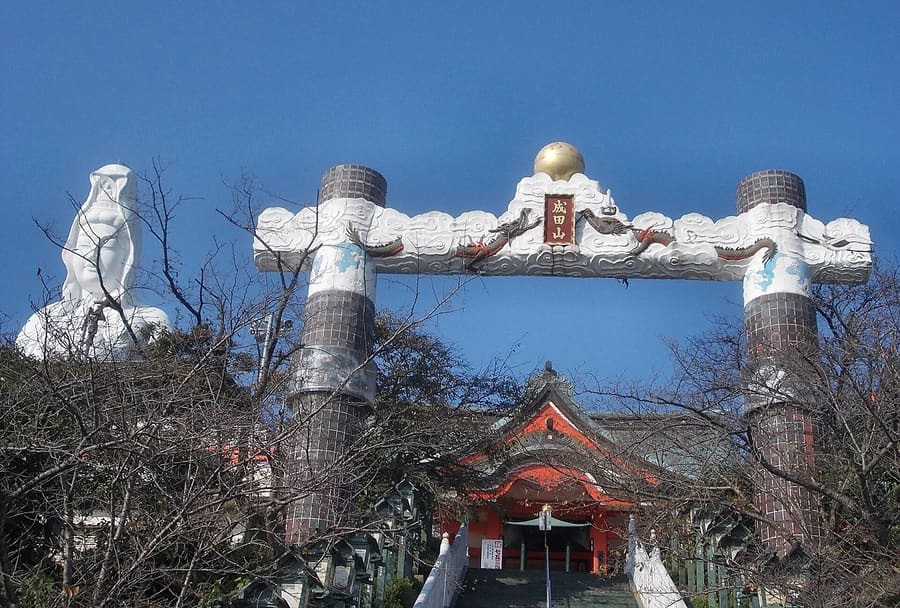
landmark
Houses a 62-metre white Kannon statue overlooking the city. Walk inside the statue's staircase to view relic displays.
Спросить Parley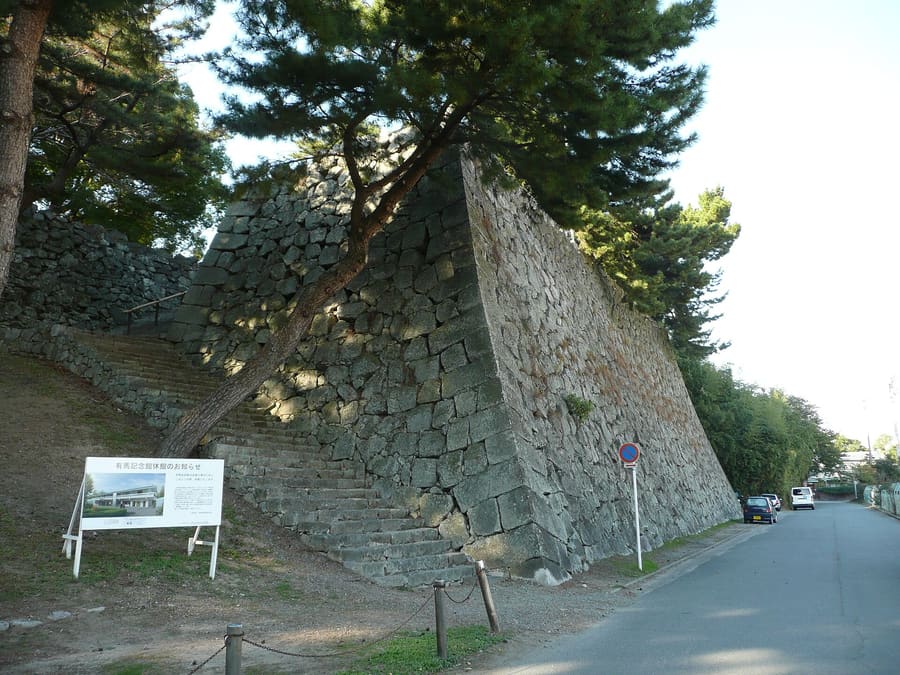
landmark
Stone walls and Sasayama Shrine overlook the Chikugo River. Visit in late March for quiet cherry blossom paths.
Спросить Parleyattractions
areas
Transport hub with direct Shinkansen access, quiet streets, and traditional ramen stalls near the river.
РядомChikugo River Park and Sasayama Castle ruins.
Спросить ParleyCommercial heart of the city with covered shopping arcades, bus terminals, and late-night yakitori joints.
РядомCultural Center and downtown food markets.
Спросить ParleyForested mountain slopes offering temple trails, cool air, and panoramic views over the Chikugo Plain.
РядомKoura Taisha Shrine and forest trails.
Спросить ParleyRural orchard zone east of the city known for fruit picking, Kappa folklore, and local wineries.
РядомKyoho Winery and Minou Mountain range.
Спросить Parleyfood
Kurume is the birth town of tonkotsu ramen. Clear pork bone broth was first served in 1937, but an accidental overboiling at the Sankyu pushcart stall in 1947 created the opaque, punchy broth that now defines Kyushu cuisine. Kurume ramen uses a continuous broth method called yobimodoshi, where fresh soup is continuously added to an older batch rather than made fresh daily.Beyond ramen, Kurume claims one of Japan's highest densities of yakitori stalls per capita. Here, yakitori means anything cooked on a bamboo skewer over charcoal, including pork belly, offal, and seasonal vegetables wrapped in bacon. In the eastern orchards of Tanushimaru, fruit production takes over with strawberries, grapes, and persimmons depending on the season.
Kurume tonkotsu ramen features a thicker, richer broth than its Hakata counterpart.
hirotomo t · CC BY-SA 2.0The most famous local ramen shop sits a ten-minute walk south of Nishitetsu-Kurume station. Expect lines between 11:30 and 13:30.
Local yakitori spots serve raw cabbage dusted with seasoned vinegar alongside your skewers. Eat the cabbage between fatty meats to cleanse your palate.
Take the JR Kyudai line to Tanushimaru station between August and November to pick grapes and persimmons directly at local orchards.
history
Kurume grew as a castle town under the Arima clan during the Edo period. The city positioned itself along the Chikugo River, taking advantage of trade routes across Kyushu. Craftsmen developed Kurume Kasuri, a distinctive ikat dye technique, which remains an important traditional textile today.In 1931, Shojiro Ishibashi founded Bridgestone Tire Company in Kurume. The company name is a direct English translation of Ishibashi ('stone bridge'). Rubber manufacturing transformed Kurume into an industrial powerhouse, funding public parks, museums, and infrastructure throughout the twentieth century.
Arima Clan Rule
The Arima clan takes control of Kurume Domain, establishing the town around Sasayama Castle.
Kasuri Weaving
Invention of Kurume Kasuri indigo textile dyeing technique by a twelve-year-old local girl, Den Inoue.
Bridgestone Founded
Shojiro Ishibashi establishes Bridgestone Tire in Kurume, shifting the local economy toward manufacturing.
where to stay
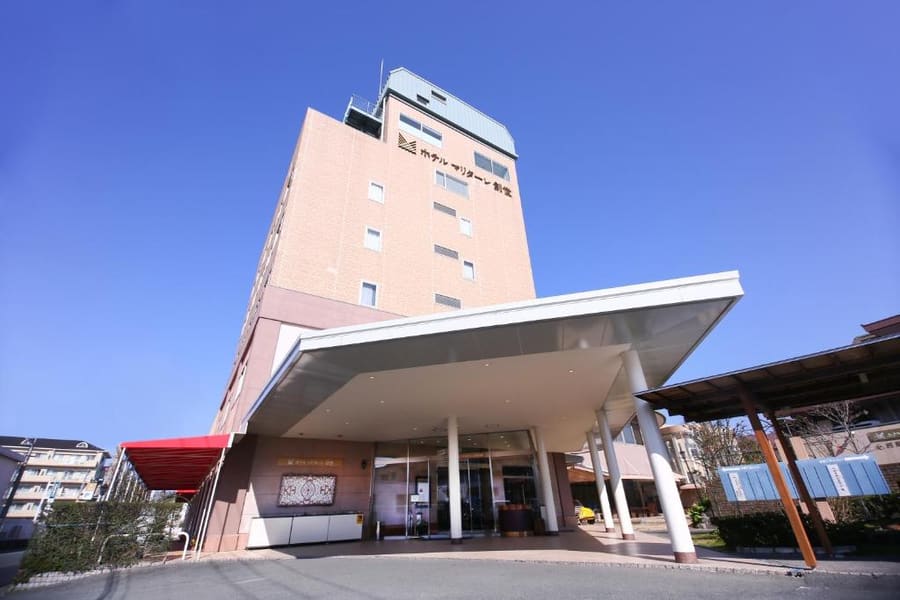
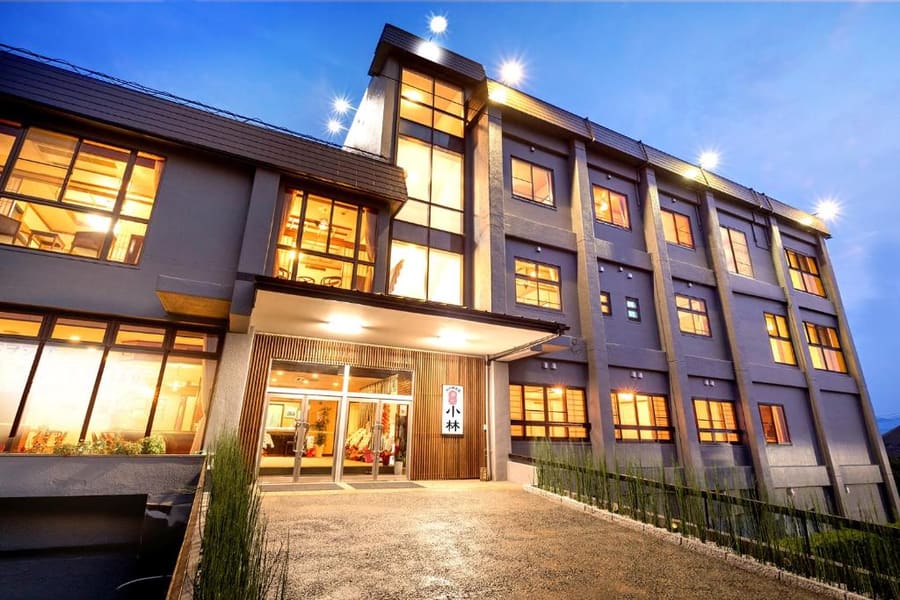
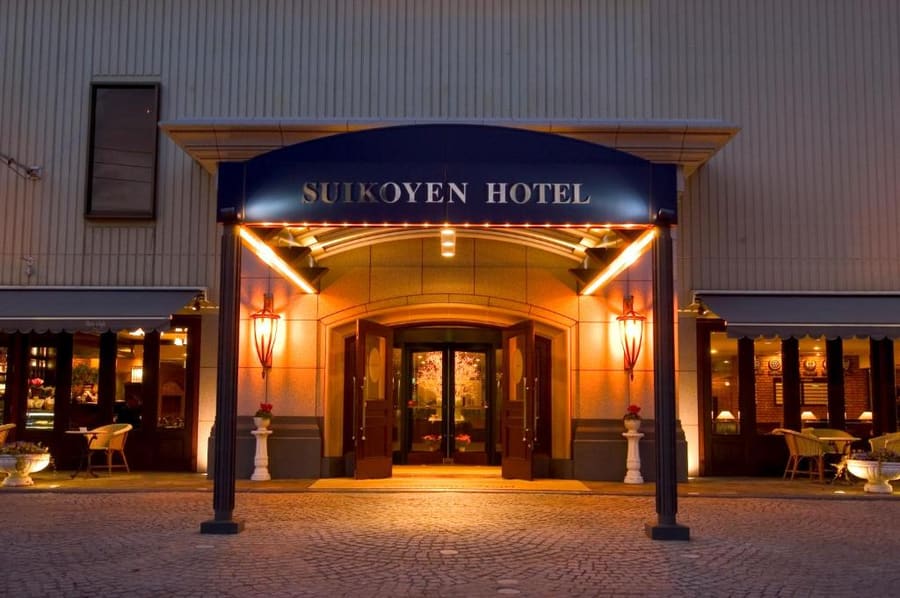
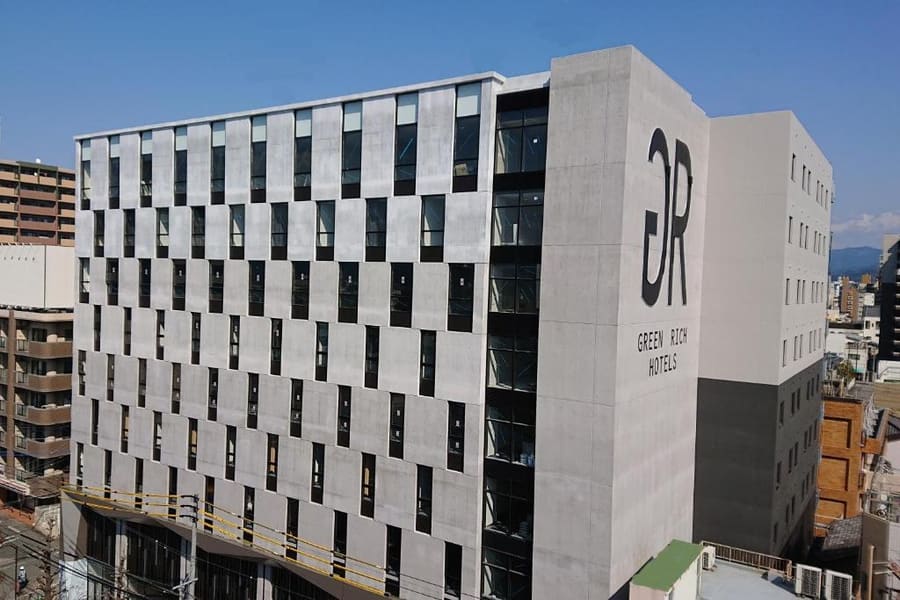
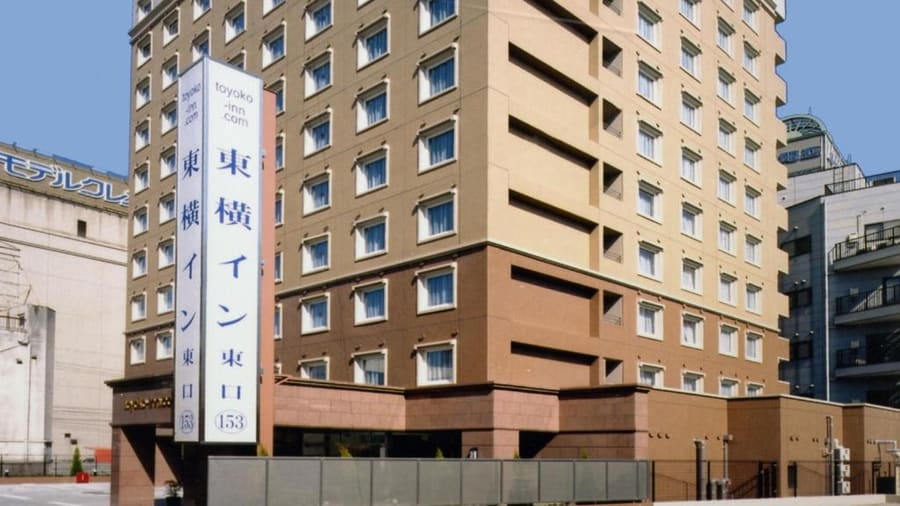
Choose your hotel based on your main transit route. If you arrive by Shinkansen and carry heavy luggage, stay near JR Kurume Station. If you plan to eat out late, visit bars, or travel into Fukuoka City via the Nishitetsu Express, book near Nishitetsu-Kurume Station.
Live rates, matched to the areas above.
transport
Kurume is divided by its two train stations. JR Kurume handles Shinkansen and regional JR lines, while Nishitetsu-Kurume handles private express trains direct to Tenjin in Fukuoka. Local Nishitetsu buses connect the two stations in ten minutes, running along Meiji-dori avenue every few minutes.
Из Fukuoka Airport (FUK)
Direct highway bus from International Terminal to Nishitetsu Kurume bus center.
Subway to Hakata Station, then Kyushu Shinkansen to JR Kurume Station.
Subway to Tenjin, transfer to Nishitetsu Tenjin-Omuta Line Express to Nishitetsu-Kurume.
Useful for late arrivals after highway buses stop operating.
Nimoca, Suica, and Icoca cards work on all Nishitetsu buses, local trains, and city convenience stores.
Board buses at platform 1 or 2 outside JR Kurume to reach Nishitetsu-Kurume without walking the two-kilometre gap.
City rental bikes are available outside JR Kurume Station for ¥500 per day.
cost
Kurume is significantly cheaper than neighbouring Fukuoka City. Dining out, local transport, and hotel rates run 20% to 30% below Hakata prices, making it a cost-effective base for exploring central Kyushu.
Basic pork ramen at local stalls and traditional shops.
Price per skewer at local taverns; most people order 6 to 10 skewers.
Flat or distance-based fare between JR and Nishitetsu stations.
seasonality
MAR – MAY
Mild weather and cherry blossoms around Kurume Castle ruins. Excellent walking conditions.
JUN – AUG
Hot and humid. August brings the massive Chikugo River Fireworks display.
SEP – NOV
Clear skies and peak fruit picking season in Tanushimaru. Mountain leaves turn in late November.
DEC – FEB
Cold days around 5°C to 10°C. Ideal weather for hot steaming bowls of tonkotsu ramen.
practicalities
Ramen ticket vending machines and small yakitori joints often require Japanese cash.
Coin lockers are plentiful at both JR Kurume and Nishitetsu-Kurume stations.
Train stations have clear English signs, but local restaurant menus are frequently Japanese-only.
Koura Taisha involves climbing 131 steep stone steps from the lower bus drop-off point.
The open path along the Chikugo River gets windy in winter; bring a windbreaker.