landmark
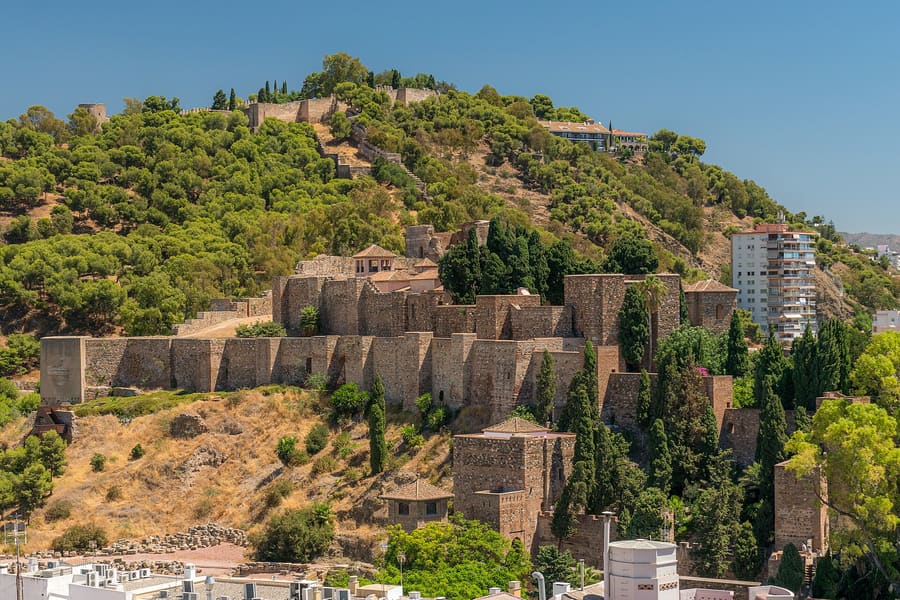
Alcazaba & Roman Theatre
11th-century Moorish fortress built over a 1st-century BC Roman theatre. Buy a combined ticket with Gibralfaro to save €1.50.
Спросить ParleyИспания
Moorish citadels, beachside chiringuitos, and high art.
introduction
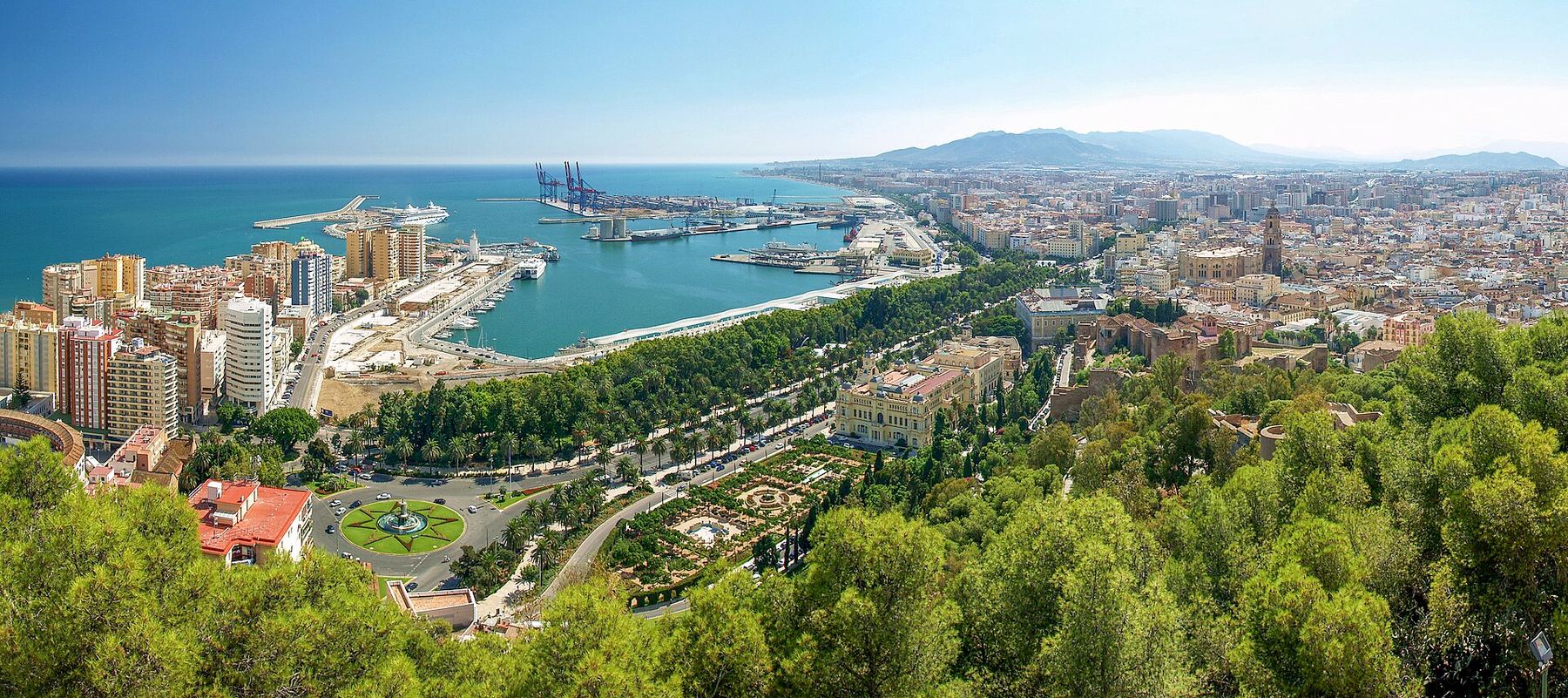
Málaga sits on Spain's southern coast, combining 2,800 years of Mediterranean history with a dense cluster of art museums. You move easily on foot across the flat historic center, where Moorish fortifications overlook Roman ruins and marble pedestrian avenues. Expect hot summer days cooled by sea breezes, loud tapas bars along narrow alleys, and fresh seafood cooked over wood fires on the beach.
Airport train trick
Take line C1 from the airport terminal to Centro Alameda in 12 minutes for €1.80. It runs every 20 minutes and beats taxi queues during peak hours.
Book Picasso Museum online
Reserve timed tickets for Museo Picasso online at least three days ahead. Entry is free on Sunday afternoons during the final two hours.
Málaga
mahr · CC BY 2.0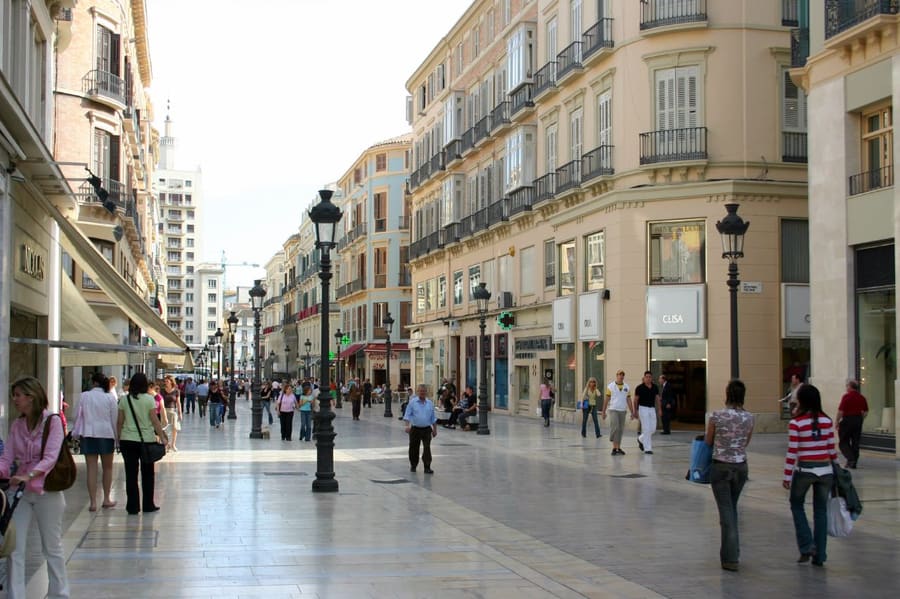
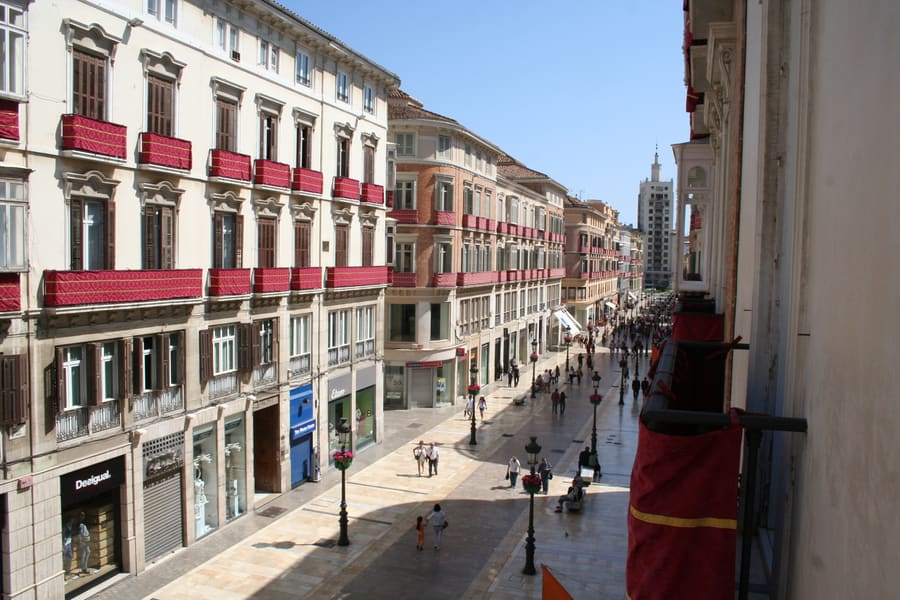
Centro Histórico — Pedestrian marble lanes filled with tapas bars, museum queues, and historic plazas.
Gruban · CC BY-SA 2.0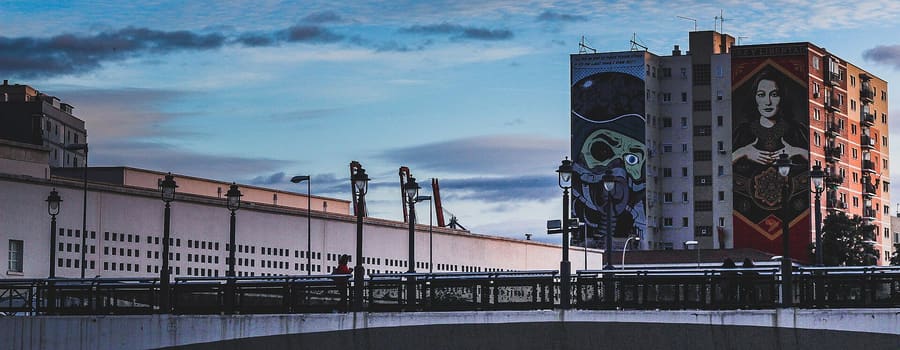
Soho — Gritty art district of craft breweries, street murals, and modern boutique hotels.
Flickr user Leo Hidalgo · CC BY 2.0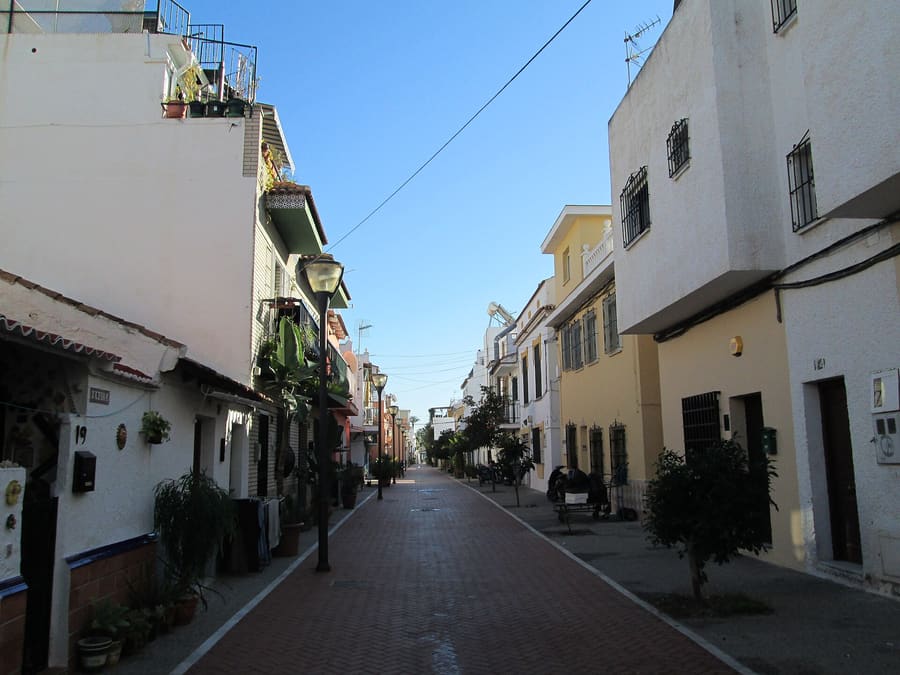
Pedregalejo — Former fishing village of low-rise houses, beach promenade, and traditional chiringuitos.
Tyk · CC BY-SA 3.0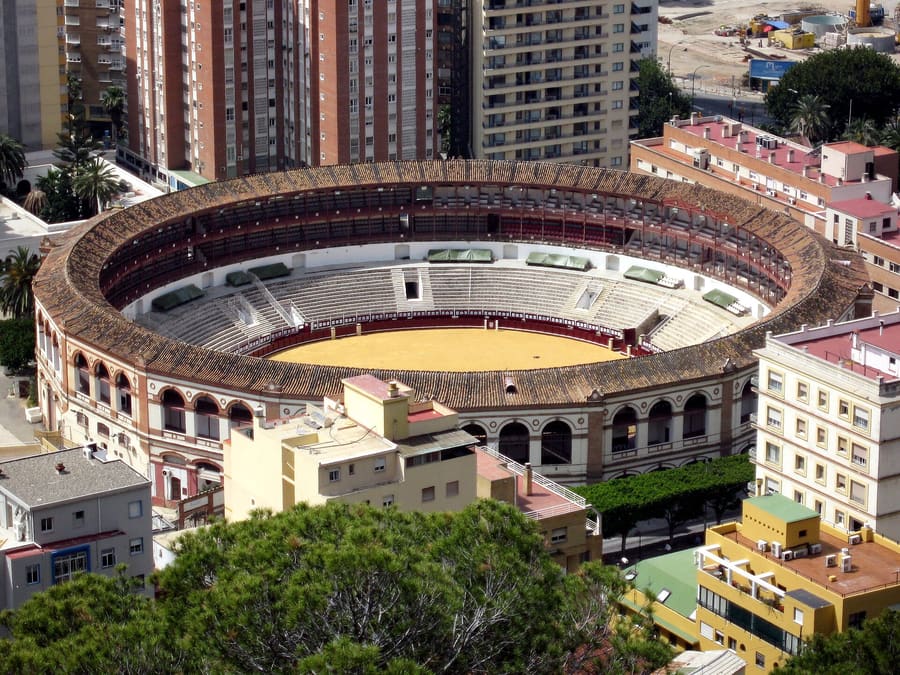
La Malagueta — High-rise coastal neighborhood with a wide city beach and waterfront dining.
Olaf Tausch · CC BY 3.0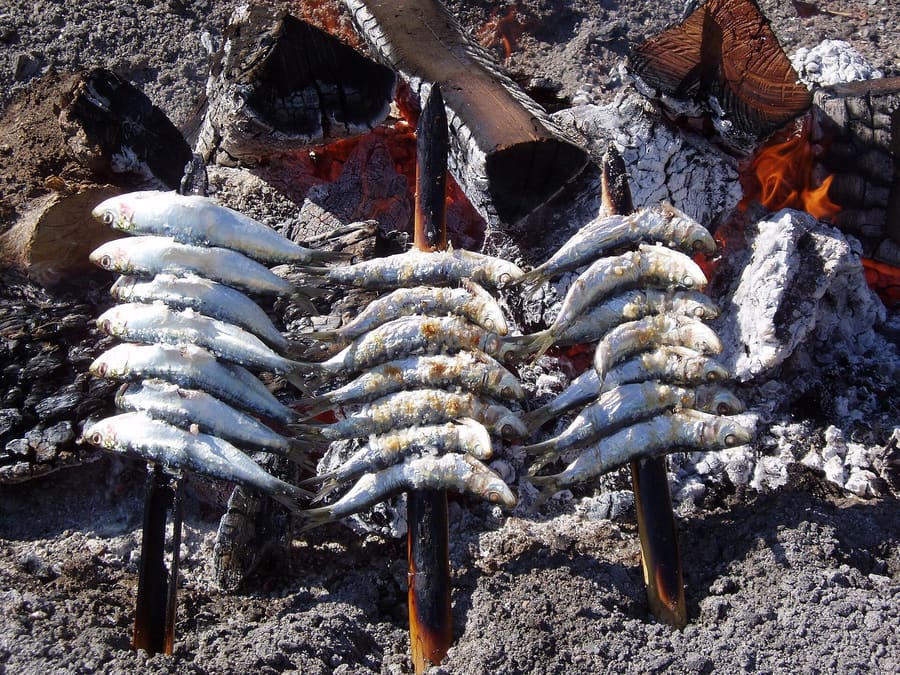
Espetos de sardinas roasting over olive wood embers in a chiringuito boat on Pedregalejo beach.
gildemax · CC BY-SA 2.5highlights
landmark
11th-century Moorish fortress built over a 1st-century BC Roman theatre. Buy a combined ticket with Gibralfaro to save €1.50.
Спросить Parley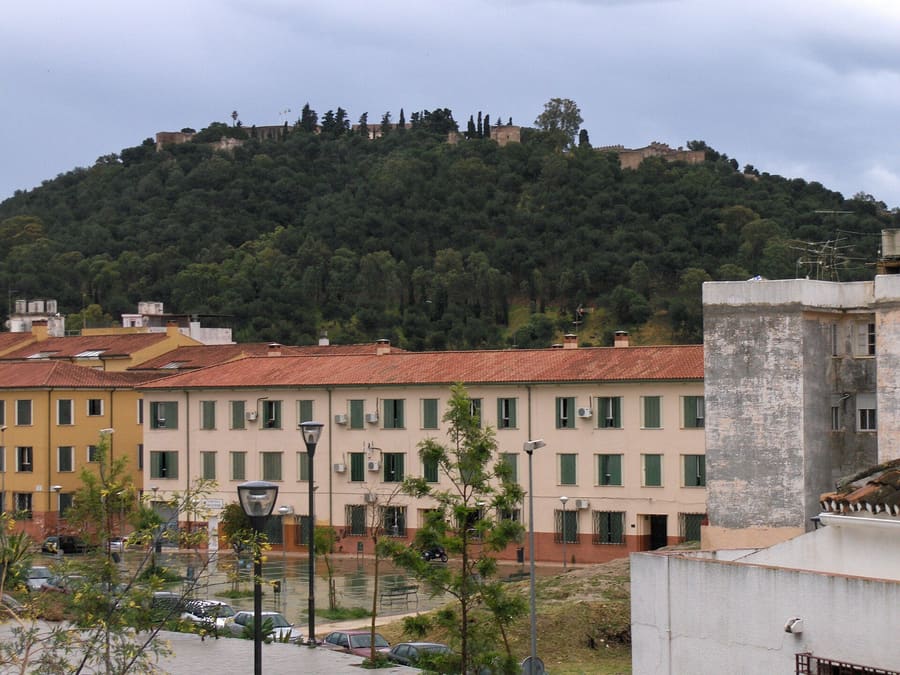
landmark
14th-century hilltop castle offering sweeping city views. Take bus 35 uphill to avoid the steep 30-minute climb in summer heat.
Спросить Parley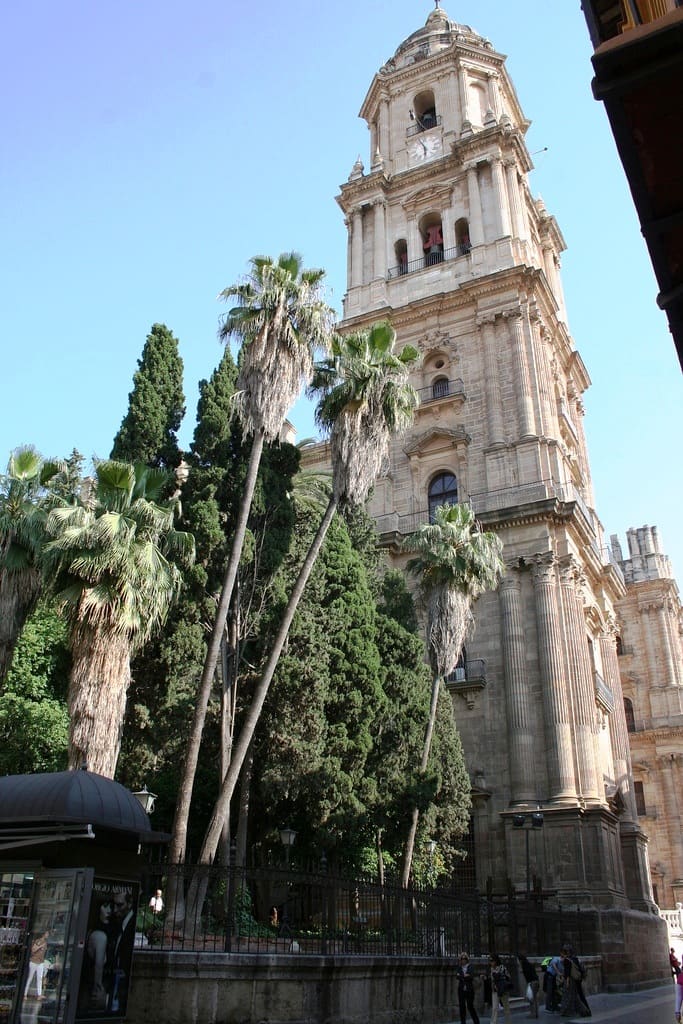
landmark
16th-century cathedral left with a single unfinished tower. Pay €10 for the rooftop tour to walk above the vaulted stone ceiling.
Спросить Parley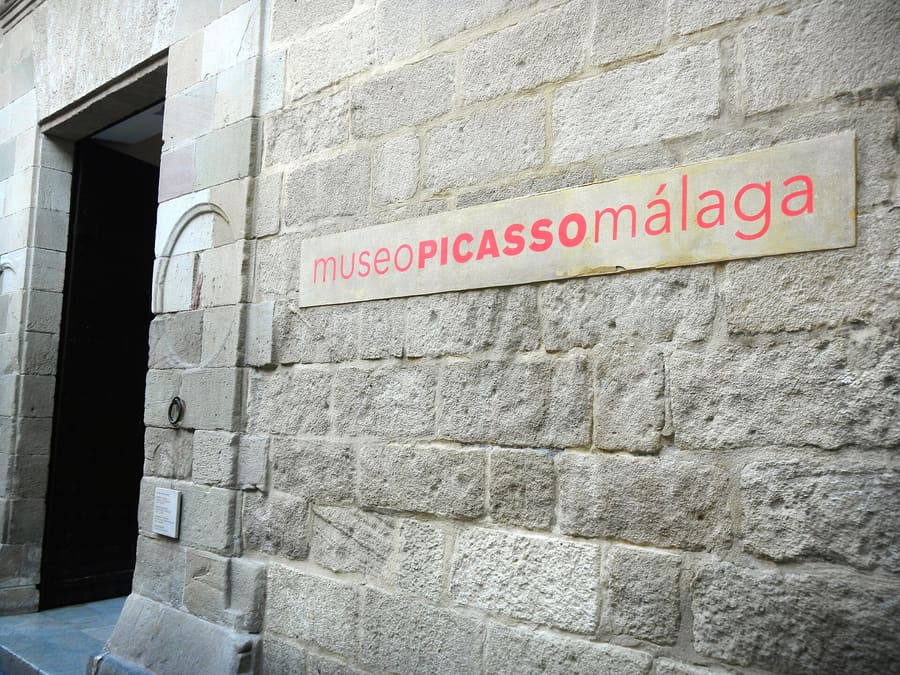
landmark
Over 200 works housed inside the 16th-century Buenavista Palace. Book ahead online to skip the morning queue on Calle San Agustín.
Спросить Parley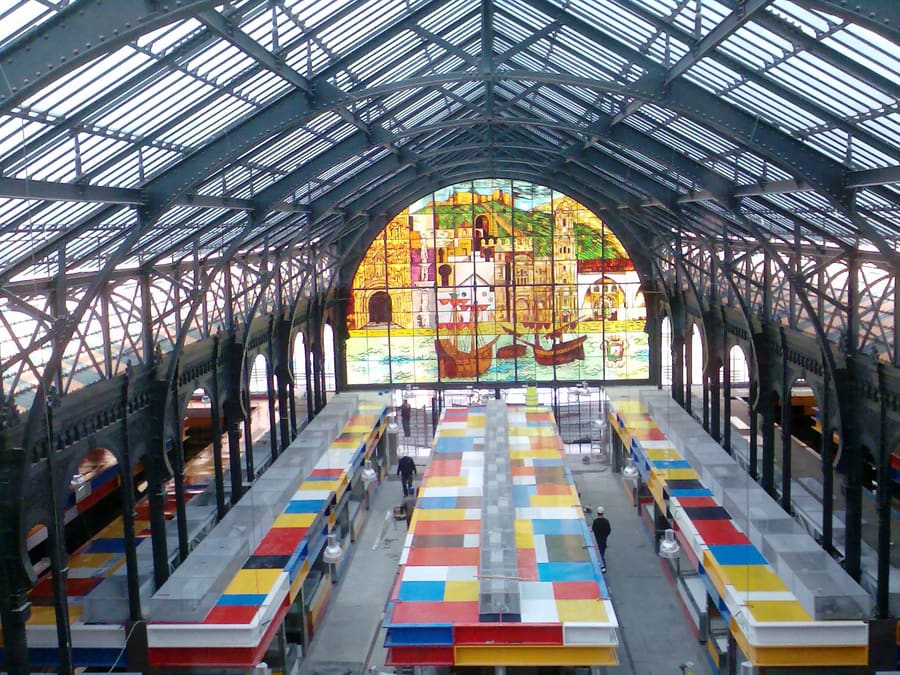
landmark
19th-century iron market with a 14th-century Moorish gate. Eat fried fish at the bar counters before stalls close at 15:00.
Спросить Parley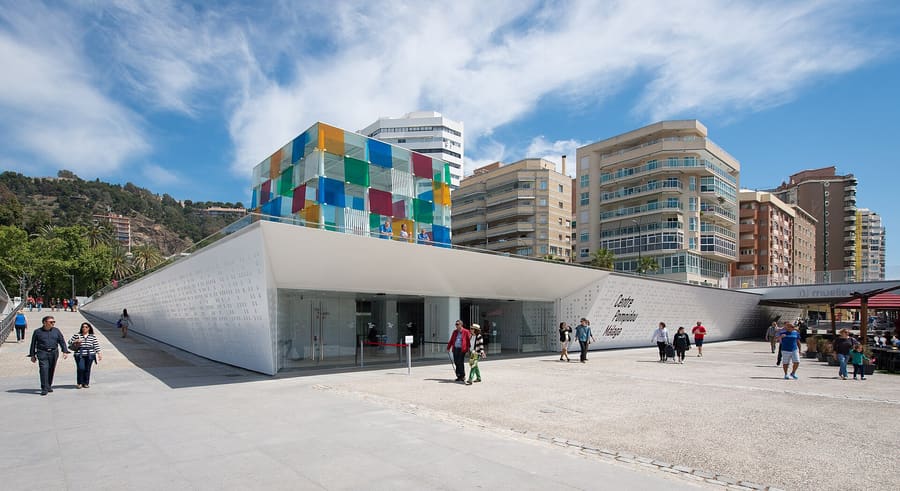
landmark
Modern art outpost marked by a glass cube at the port entrance. Visit late afternoon to avoid tour groups and catch sunset off the quay.
Спросить Parleyattractions
areas
Pedestrian marble lanes filled with tapas bars, museum queues, and historic plazas.
РядомAlcazaba, Picasso Museum, Cathedral
Спросить ParleyGritty art district of craft breweries, street murals, and modern boutique hotels.
РядомCAC Málaga, Port, Centro Alameda station
Спросить ParleyFormer fishing village of low-rise houses, beach promenade, and traditional chiringuitos.
РядомEl Palo beach, sea promenade
Спросить ParleyHigh-rise coastal neighborhood with a wide city beach and waterfront dining.
РядомCentre Pompidou, Muelle Uno, Port
Спросить Parleyfood
Málaga's food culture turns on its coast. The signature dish is espeto de sardinas: six fresh sardines skewered on a cane stick and roasted beside open olive-wood fires in wooden fishing boats along the sand. You eat them by hand at beachside chiringuitos, sprinkled with coarse salt and squeezed lemon.Inland food relies on thick cold soups like porra antequerana, made from tomatoes, bread, garlic, and extra virgin olive oil, topped with hard-boiled egg and jamón. Before dinner, locals drink sweet Moscatel or Pajarete wine directly from wooden casks at Antigua Casa de Guardia, opened in 1840 on Alameda Principal.
Espetos de sardinas roasting over olive wood embers in a chiringuito boat on Pedregalejo beach.
gildemax · CC BY-SA 2.5Local tradition says sardine espetos peak from May to August when the fish are fattest and most flavorful.
Lunch runs from 14:00 to 16:00. Kitchens reopen for dinner around 20:30, with peak dining hours after 21:30.
Specify your milk ratio: a 'sombra' is mostly milk with a splash of coffee; a 'nube' is hot milk with a drop of coffee.
history
Founded by the Phoenicians around 770 BC as Malaka, the city became a major Mediterranean trading port for salted fish and purple dye. Romans fortified the harbor and built the Roman theatre at the foot of the hill. In 711 AD, Moorish forces took the city, turning it into a key defensive stronghold protected by the Alcazaba and Gibralfaro fortresses until Catholic monarchs captured it in 1487.
Phoenician foundation
Phoenicians establish the trading port of Malaka near Gibralfaro hill.
Alcazaba construction
Hammudid dynasty builds the palace-fortress over ancient Roman foundations.
Birth of Picasso
Pablo Picasso is born at Plaza de la Merced, shaping the city's future cultural identity.
Museum transformation
Opening of Museo Picasso launches Málaga's push to become an art museum capital.
where to stay
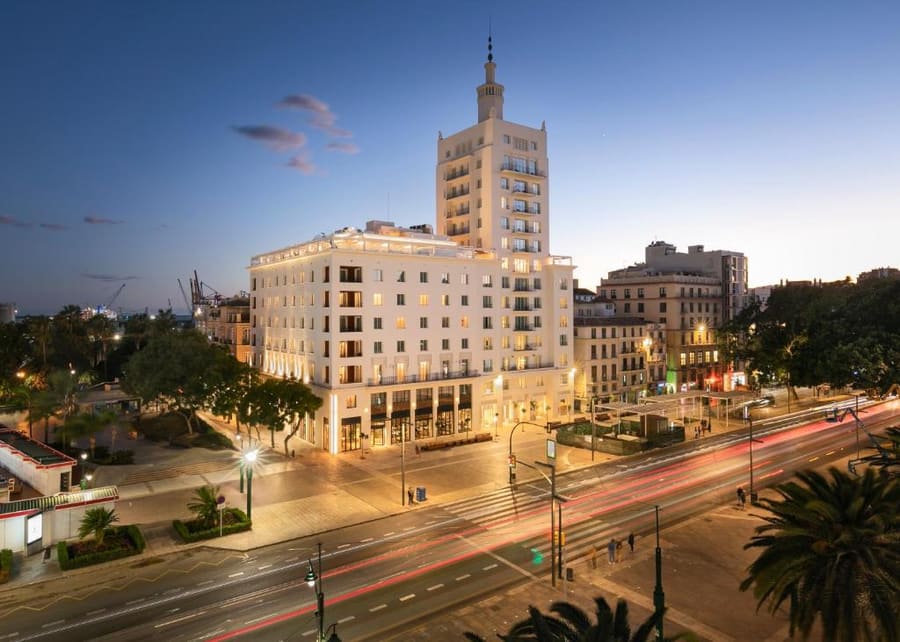
Choose your base based on your primary objective: museum access, nightlife, or beach access. The historic center puts major sights within a 10-minute walk but charges premium room rates and brings street noise until late. Soho offers quiet streets, modern boutique hotels, and fast airport rail connections. Pedregalejo gives you sea views and local dining, traded for a 20-minute bus journey into town.
Live rates, matched to the areas above.
transport
Málaga is flat and compact. You walk through the historic core without public transport. For airport transfers, the Cercanías train network is reliable, cheap, and frequent, while EMT city buses connect to the eastern beaches.
Из Málaga-Costa del Sol Airport (AGP)
Line C1 runs every 20 minutes from terminal basement to Centro Alameda station.
Official airport fare minimum applies. Line up at terminal official taxi stand.
Express Line A runs every 30 minutes to Plaza de la Marina. Pay driver on board.
Uber and Bolt operate from designated pickup bays near terminal express parking.
Line C1 links central Málaga directly to Torremolinos, Benalmádena, and Fuengirola for under €4.
Single bus journeys cost €1.40. Tap your bank card directly on the validator when boarding.
Málaga's two metro lines serve residential districts and the university, rarely needed for central sightseeing.
The central zone is restricted to residents and delivery vehicles. High-definition camera fines apply.
cost
Málaga remains cheaper than Madrid or Barcelona, though hotel prices spike in July and August. Dining is affordable if you stick to counter service and neighborhood chiringuitos.
Six roasted sardines at a beach chiringuito in Pedregalejo or El Palo.
A small draft lager served cold with a free dish of olives or nuts.
Standard ticket for Museo Picasso, Carmen Thyssen, or Centre Pompidou.
Valid for one trip across EMT municipal city lines.
seasonality
MAR – MAY
Warm spring days around 20–24°C. Ideal weather for walking historic streets and visiting rooftop monuments.
JUN – AUG
Hot summer heat peaking above 30°C. Crowded beaches and high hotel rates; pack sun protection and book early.
SEP – NOV
Warm sea waters and declining crowds. Great month for dining outdoors without summer queue lines.
DEC – FEB
Mild winter days averaging 16°C. Crisp sunny afternoons with lower room rates across the city.
practicalities
Hot inland winds occasionally boost summer temperatures above 40°C for two or three days at a time.
Museo Picasso, Centre Pompidou, and Carmen Thyssen offer free admission during their last two operating hours on Sundays.
Contactless cards are accepted at almost all venues, but carry small cash coins for tips or street vendors.
Multiple ships dock on Tuesday and Thursday mornings, filling Calle Larios and cathedral queues until mid-afternoon.
Observe beach safety flags along La Malagueta. Strong currents occur near harbour entrance jetties.