landmark
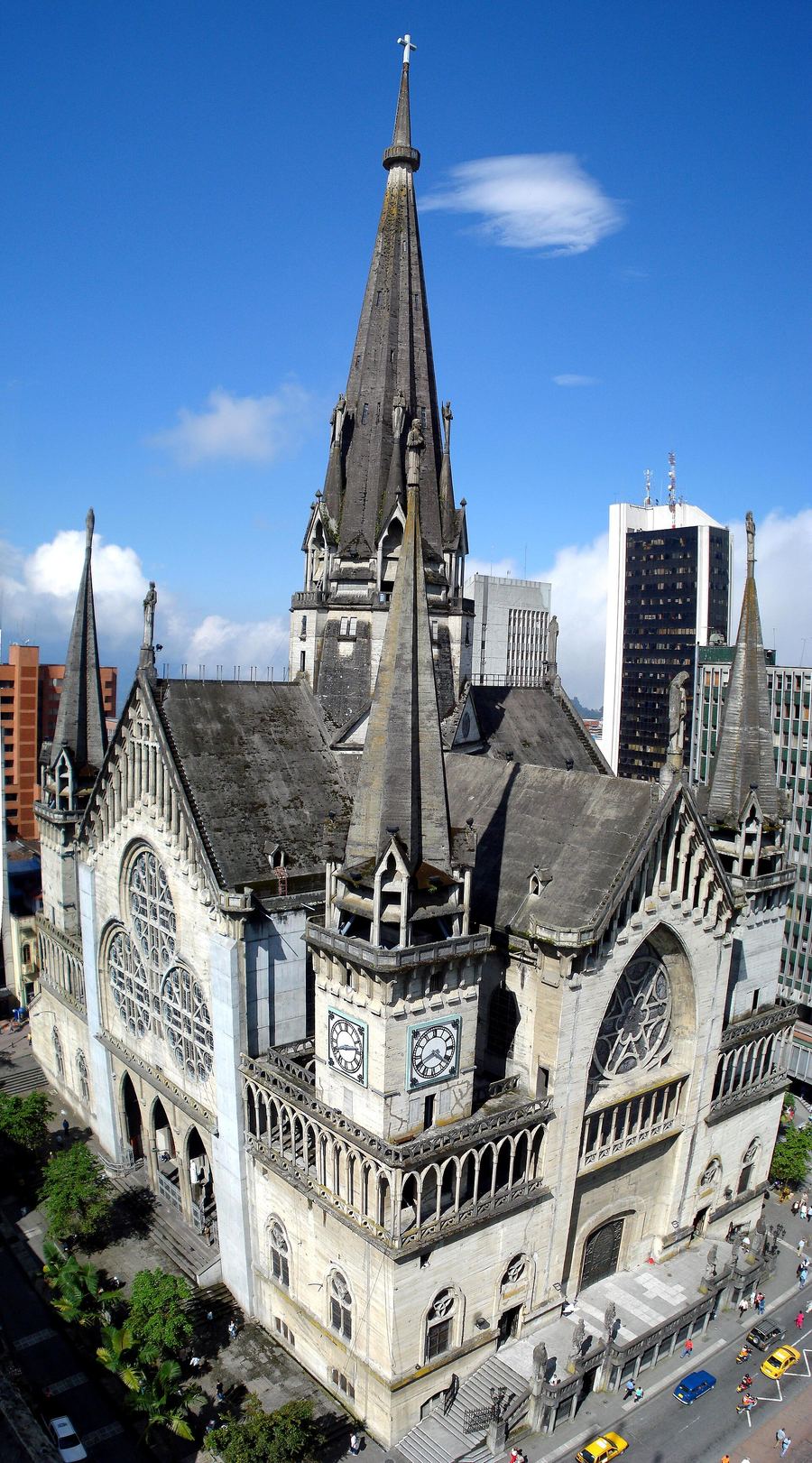
Catedral Basílica
One of South America's tallest churches, made of reinforced concrete. Pay COP 15,000 to climb the spire on the Corredor Polaco tour.
Спросить ParleyКолумбия
Colombia’s high-altitude coffee capital built on vertical ridges.
introduction
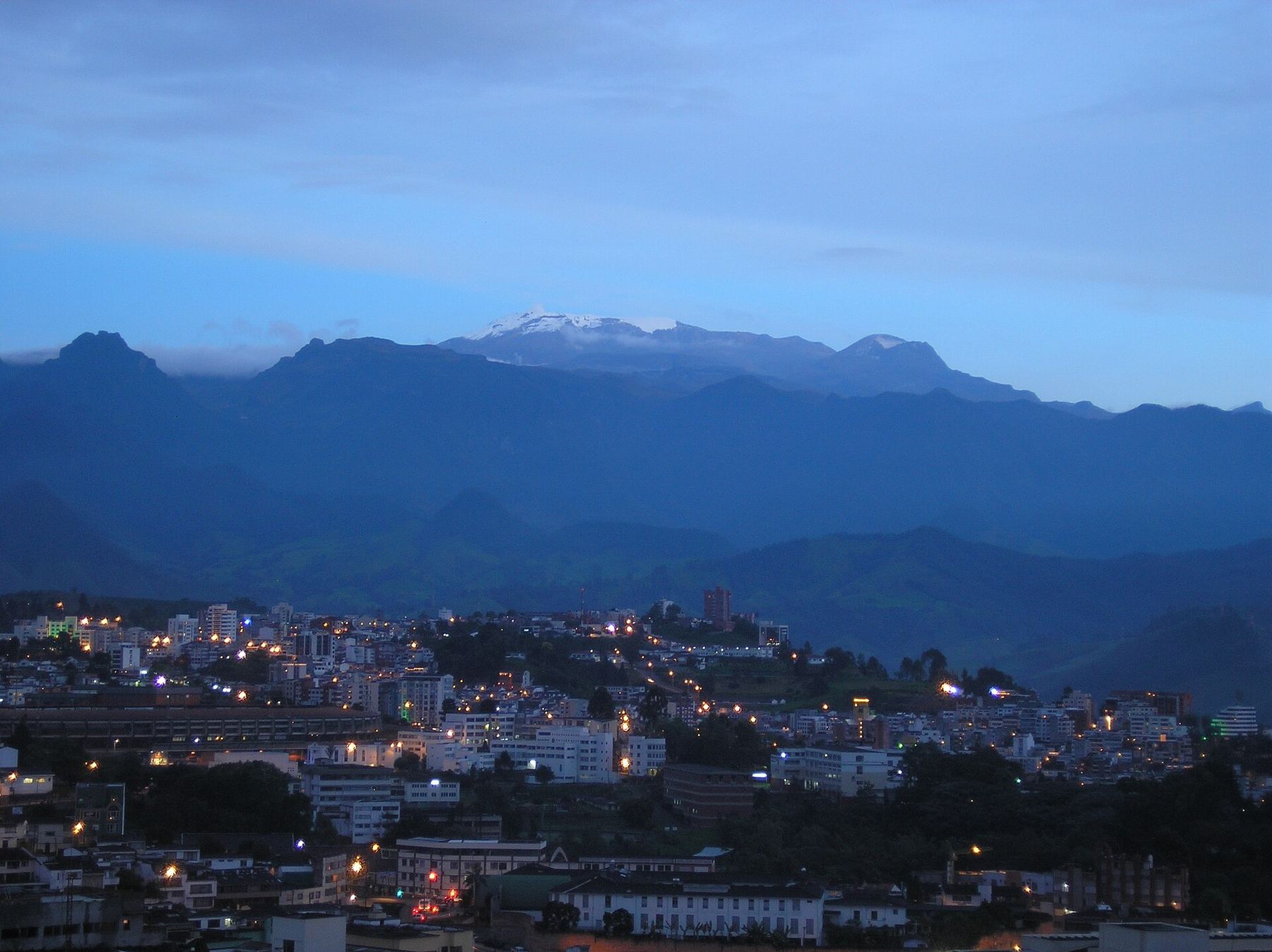
Manizales clings to a ridge 2,150 metres up in the Andes, where streets drop precipitously into coffee-covered valleys. Public transit here means riding cable cars between mountain peaks instead of riding underground trains. You come for crisp mountain air, volcanic thermal springs, and coffee served directly at the source. Expect dramatic slopes that turn simple city walks into serious leg workouts.
Airport weather buffer
La Nubia Airport (MZL) shuts often due to low fog and mountain winds. Book flights into Pereira (PEI) instead for reliable connections and a 90-minute road transfer.
UNESCO Coffee Cultural Landscape
Manizales is an anchor of Colombia's UNESCO-listed Coffee Cultural Landscape. Steep hillside farms surround the city perimeter.
Corredor Polaco timing
The Cathedral spire tour requires climbing 400 steps along narrow wooden rafters. Book the morning slot to avoid cloud cover that hides the valley panorama.
highlights
landmark
One of South America's tallest churches, made of reinforced concrete. Pay COP 15,000 to climb the spire on the Corredor Polaco tour.
Спросить Parley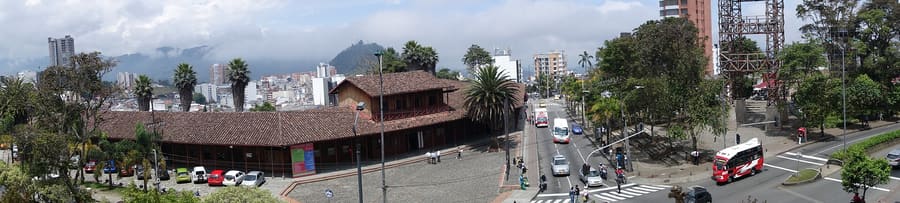
landmark
A 54-metre wooden tower built in 1922 for the world's longest aerial ropeway. It now stands as a monument in the nightlife district.
Спросить Parley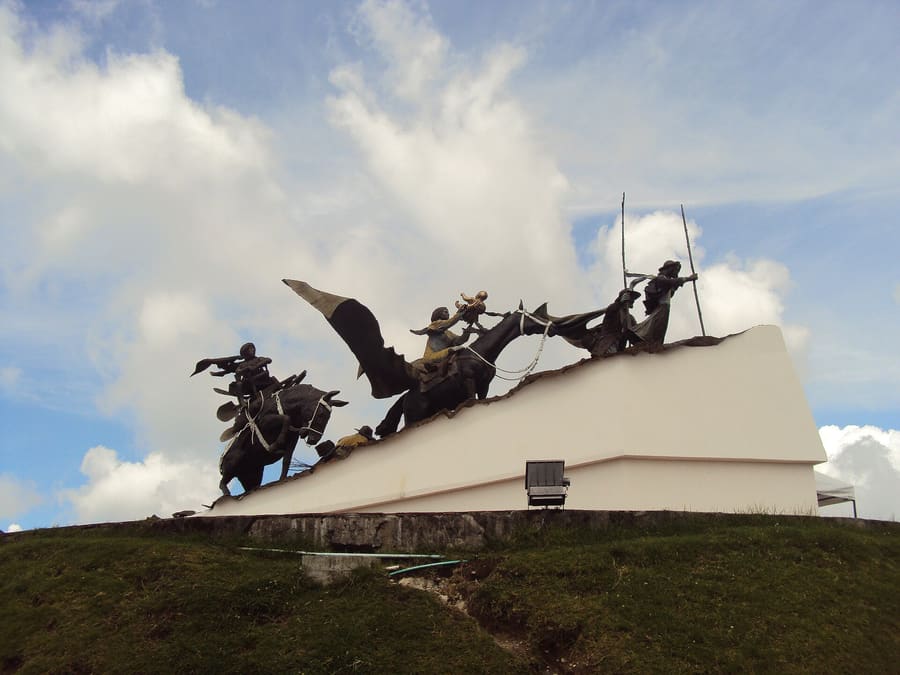
landmark
The highest ridge park in the city offers sunset views over the Cauca Valley. Try oblea wafers while watching the valley fill with clouds.
Спросить Parley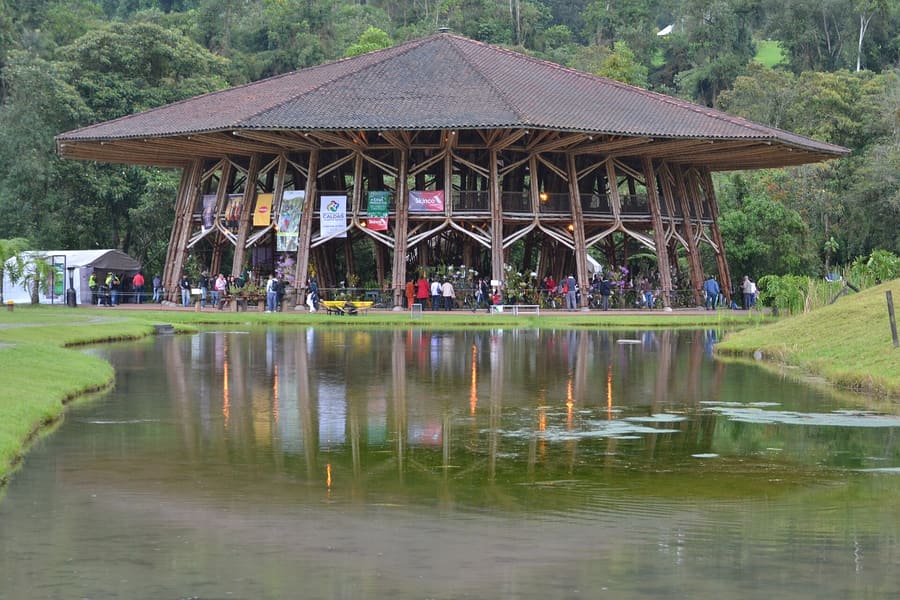
landmark
A nature reserve 15 minutes east with cloud forest trails and orchid gardens. Chairlifts carry visitors through hummingbird corridors.
Спросить Parleyattractions
areas
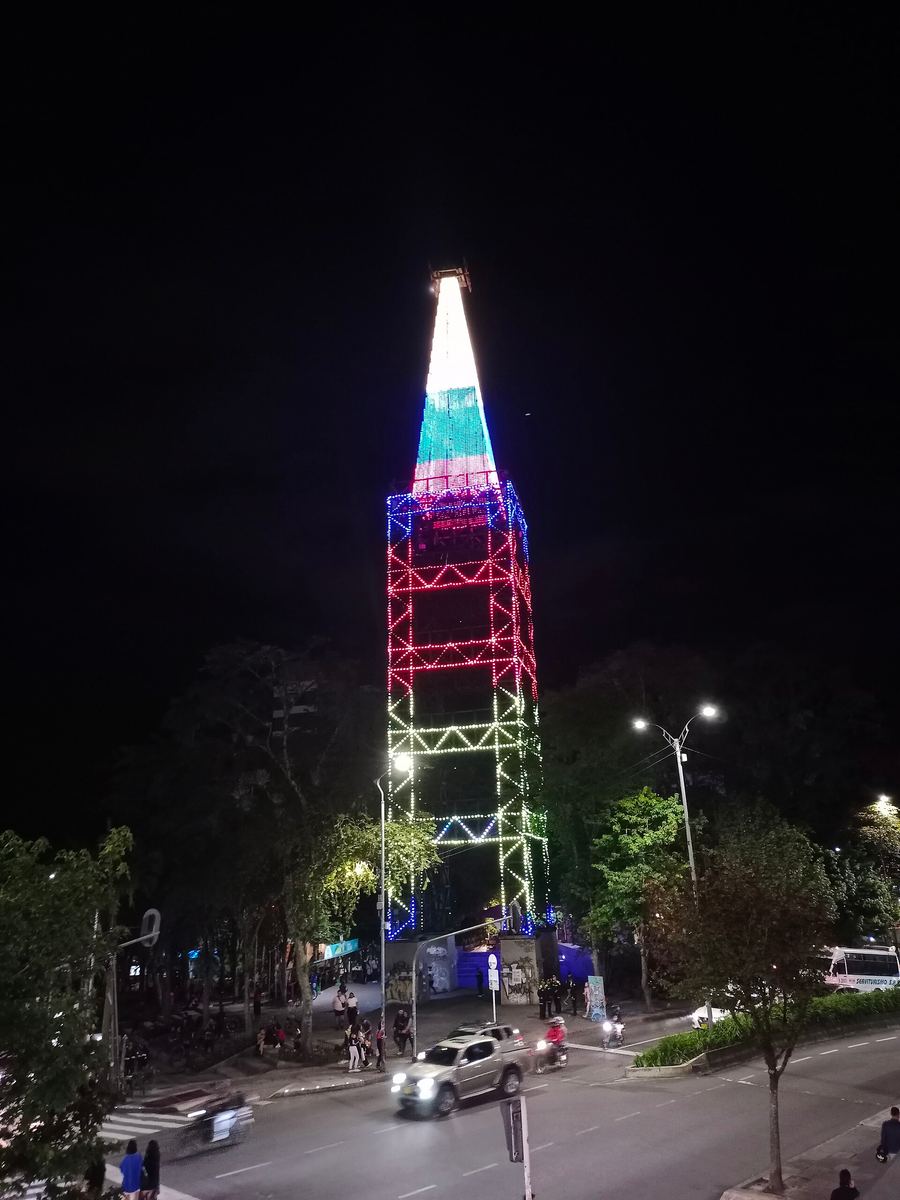
Student-driven, active, and dense with specialty coffee shops along Avenida Santander.
РядомTorre El Cable and Caldas University campus.
Спросить Parley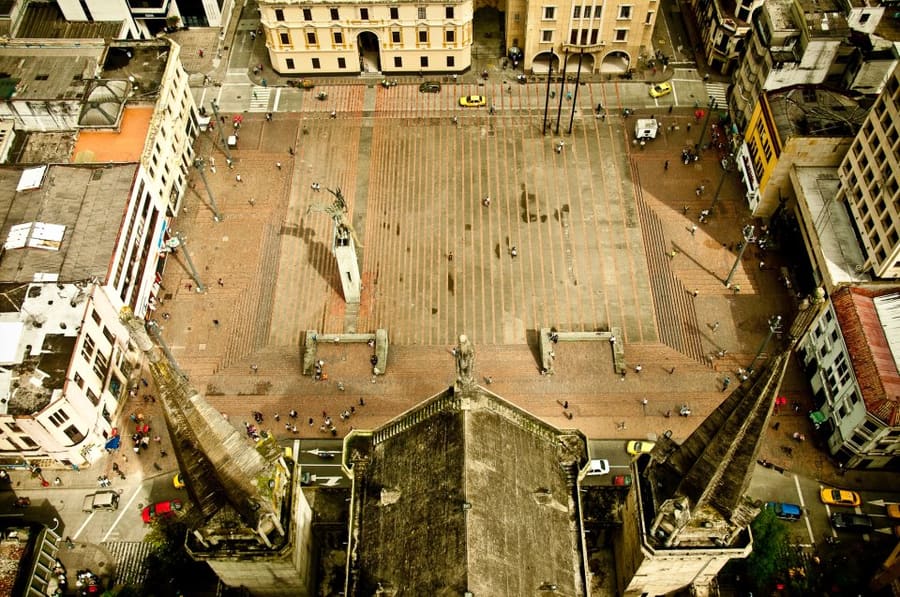
Steep streets, concrete architecture, and relentless commercial energy around Plaza de Bolívar.
РядомCathedral Basilica and the main Cable Aéreo terminal.
Спросить Parley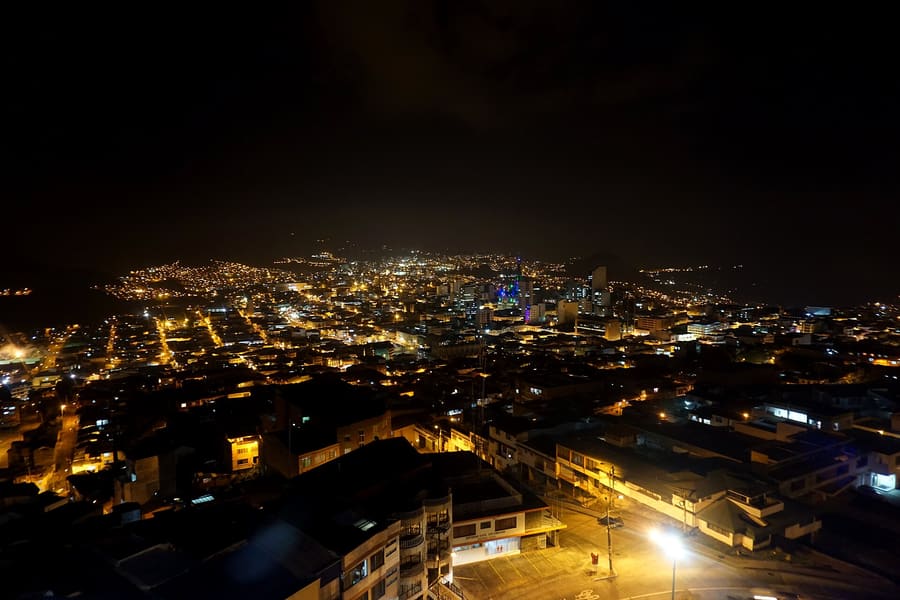
A breezy residential ridge famous for sunset viewing, street food vendors, and valley vistas.
РядомTorre al Cielorrama and Monumento a los Colonizadores.
Спросить Parley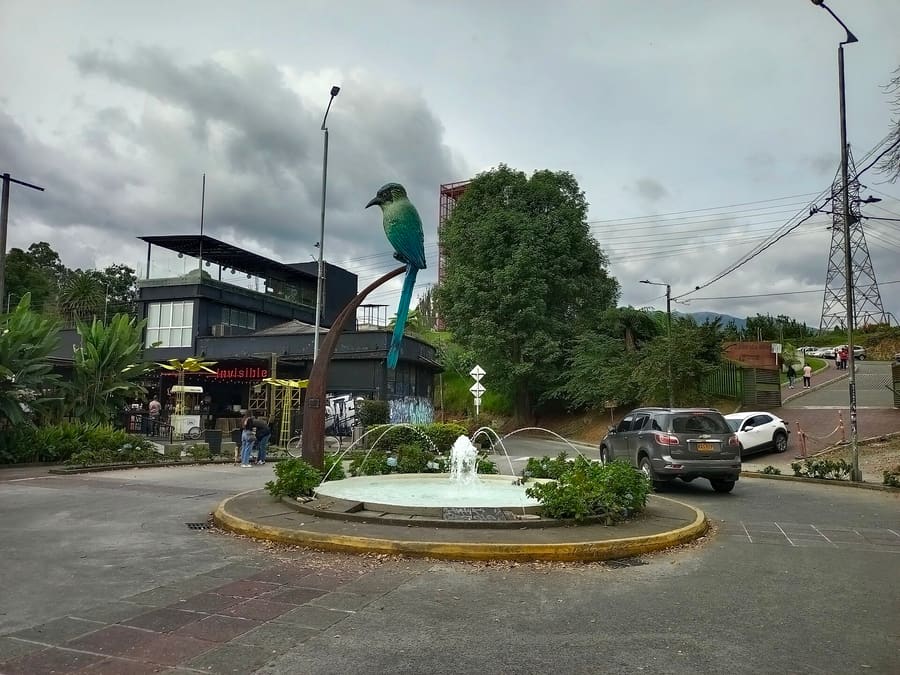
Quiet, high-end district overlooking green canyons with the city's highest concentration of formal dining.
РядомZona Rosa dining corridor and Batallón Ayacucho.
Спросить Parleyfood
Manizales operates on caffeine and hearty high-altitude fare designed to handle cold Andean damp. Coffee here is not a morning ritual; it is consumed all day as tinto—small, hot black coffees served sweetened or straight from street thermoses. Specialty cafes along Avenida Santander roast beans sourced directly from farms within a ten-mile radius.For meals, regional identity centers on frijoles caldenses, frijol cargamanto (cranberry beans) cooked with pork belly, green plantain, and served alongside avocado and white rice. Street stalls in Chipre specialize in obleas—thin circular wafers sandwiched with caramel, shredded cheese, and berry jam.
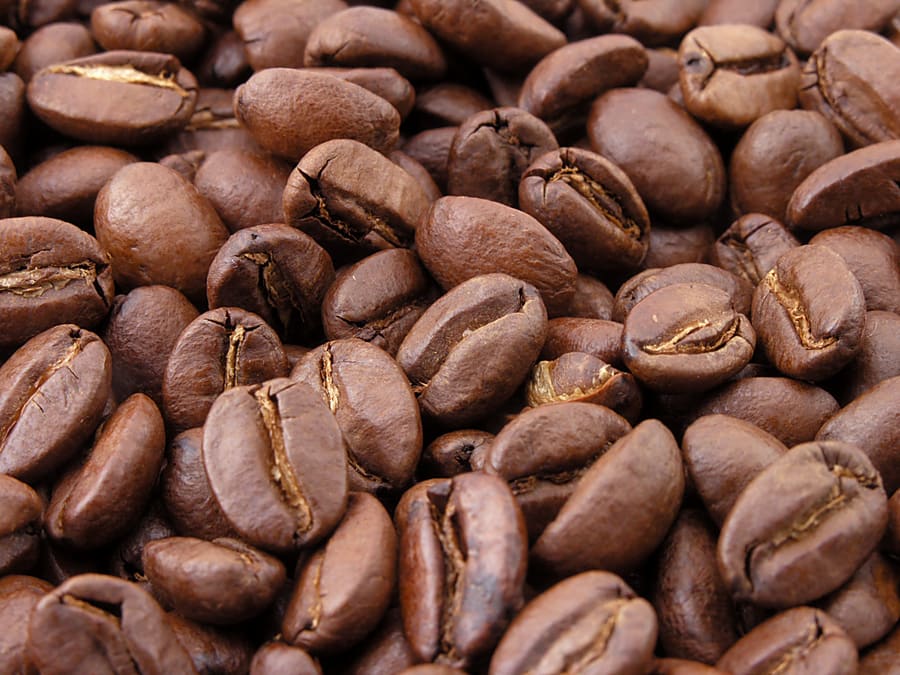
Freshly roasted coffee beans at a cafe along Avenida Santander.
MarkSweep · Public domainVisit Cafe Tio Conejo or La Terraza in El Cable for single-origin Caldas pours rather than commercial chains.
Head to Galería de Manizales for budget executive lunches (corrientazos) featuring sancocho soup and fresh juice.
history
Founded in 1849 by settlers moving south from Antioquia, Manizales grew rapidly on steep terrain that traditional urban planners avoided. Its founders built along narrow ridge crests, creating a linear city suspended over mountain ravines.The coffee boom of the early 20th century turned the town into Colombia's premier coffee export node. To haul beans across impossible mountain passes, engineers constructed the world's longest aerial ropeway in 1922, connecting Manizales to Mariquita over 72 kilometres of cables.Devastating fires in 1925 and 1926 destroyed the original wooden city center. Rebuilding brought massive reinforced concrete structures, culminating in the towering neo-Gothic cathedral that defines the skyline today.
City foundation
Pioneer settlers establish Manizales on an Andean ridge during the Antioquian colonization.
The Mariquita ropeway
Engineers complete the 72km ropeway system to export coffee across the Central Cordillera.
The Great Fire
Fires destroy 32 blocks of wooden architecture, prompting a switch to concrete construction.
Cathedral construction
Work completes on the concrete spire of the Cathedral Basilica after thirteen years of labor.
where to stay
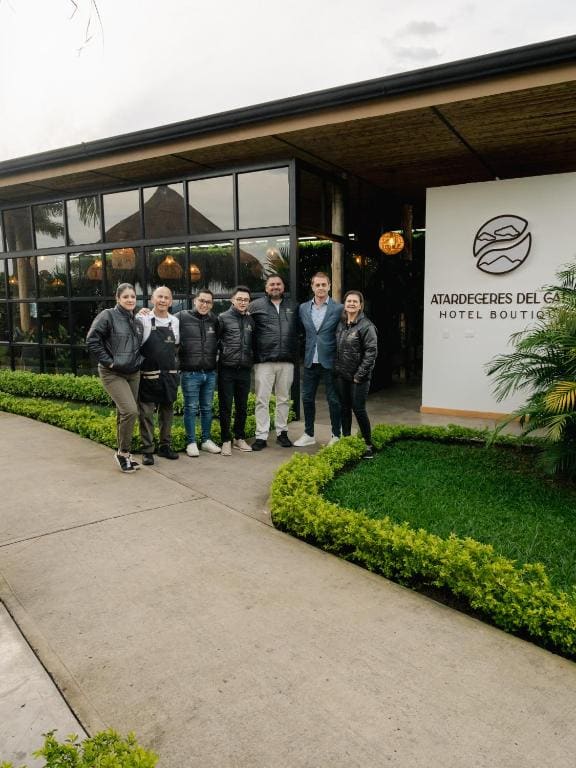
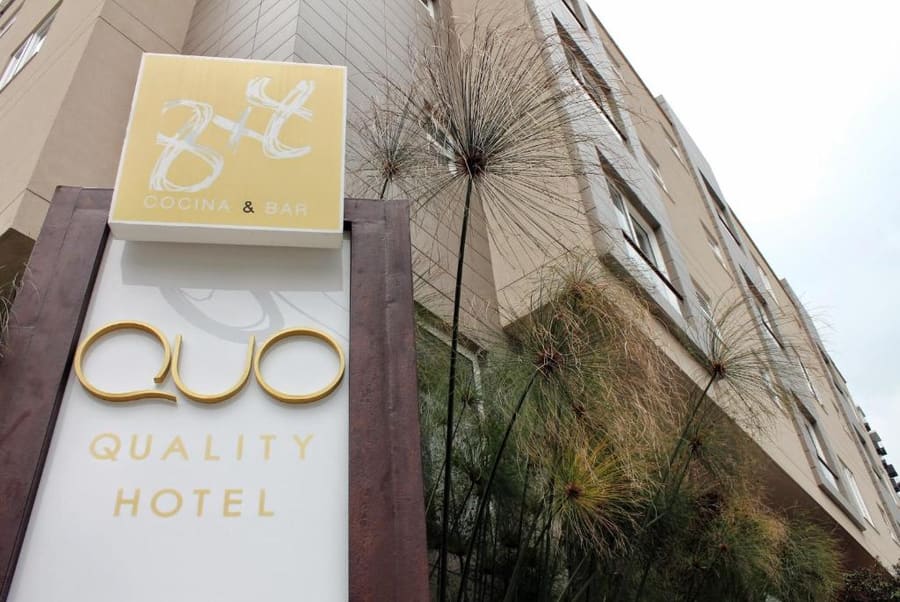
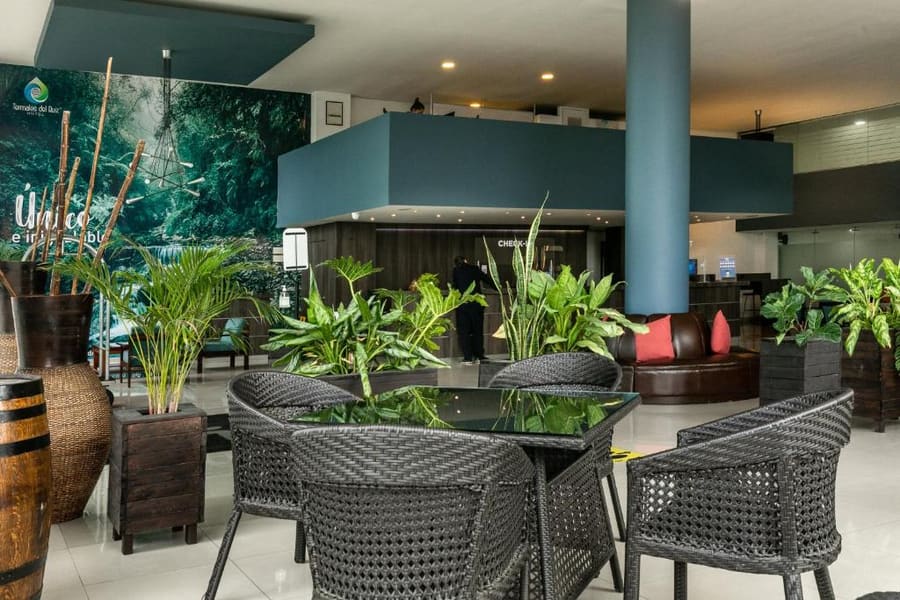
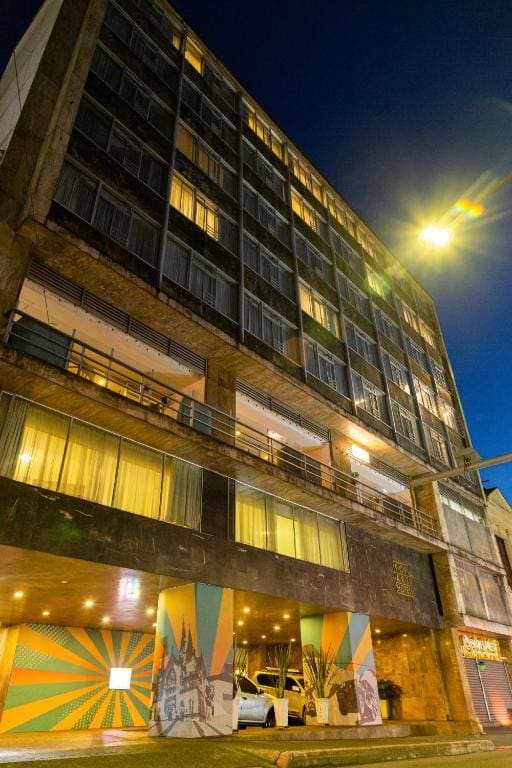
Choose your base by elevation and pace. Stay in El Cable if you want walkable specialty coffee shops, student life, and late-night bars. Choose Centro if you prefer historical architecture and immediate access to the cable car network. Pick Milán for quiet evenings, high-end dining, and mountain vistas, or stay outside town in Termales for hot spring access.
Live rates, matched to the areas above.

transport
Manizales has one of South America's most unique public transit systems. Because of steep ridges, the city developed an integrated aerial cable car network alongside bus routes. Walking east-west along Avenida Santander is pleasant, but north-south movement involves sharp gradient changes.
Из PEI (Pereira Airport) or MZL (La Nubia Airport)
Best choice when flying into Pereira. Rates are fixed before departing the rank.
Buses run every 15 minutes from Pereira terminal to Manizales transport hub.
Metered ride from La Nubia Airport to El Cable or Centro.
Urban buses accept cash (exact change preferred). Pay the driver upon entering.
Avenida Santander bottlenecks heavily between 17:00 and 19:00. Use the cable car network when possible.
cost
Manizales is significantly more affordable than Bogotá or Medellín. Budget travellers can live easily on street food and cable transit, while high-end dining in Milán remains accessible by international standards.
A pour-over single-origin cup in El Cable costs around COP 8,000.
Includes soup, main plate, rice, plantain, and fruit juice.
Includes guide and access to the top observation deck.
Day passes for hot spring resorts like Termales El Otoño or Tierra Viva.
seasonality
DEC – JAN
Dry, sunny days with clear mountain views. January brings the Feria de Manizales (bullfighting, parades, concerts).
FEB – APR
Moderate rainfall with morning sunshine. Good window for coffee farm tours and quiet sightseeing.
MAY – JUL
Heavier afternoon downpours. High cloud cover often obscures volcano views in the afternoon.
AUG – SEP
Second dry season with warm mornings and crisp nights. Ideal for hiking in Los Nevados.
OCT – NOV
Rainiest period of the year. Landslides can delay regional highway travel to Pereira.
practicalities
Manizales rests at 2,150 metres. Stay hydrated and take steep street walks slowly on your first day.
Temperatures stay near 18°C year-round. Mornings are sunny, but cool rains often fall by mid-afternoon.
The city wakes up early. Coffee shops open by 06:30, and locals do business early before afternoon rains.
Specialty cafes and hotels take cards, but street food and taxis require Colombian pesos in cash.
Centro is safe by day, but watch your pockets around market streets and avoid deserted alleys at night.