landmark
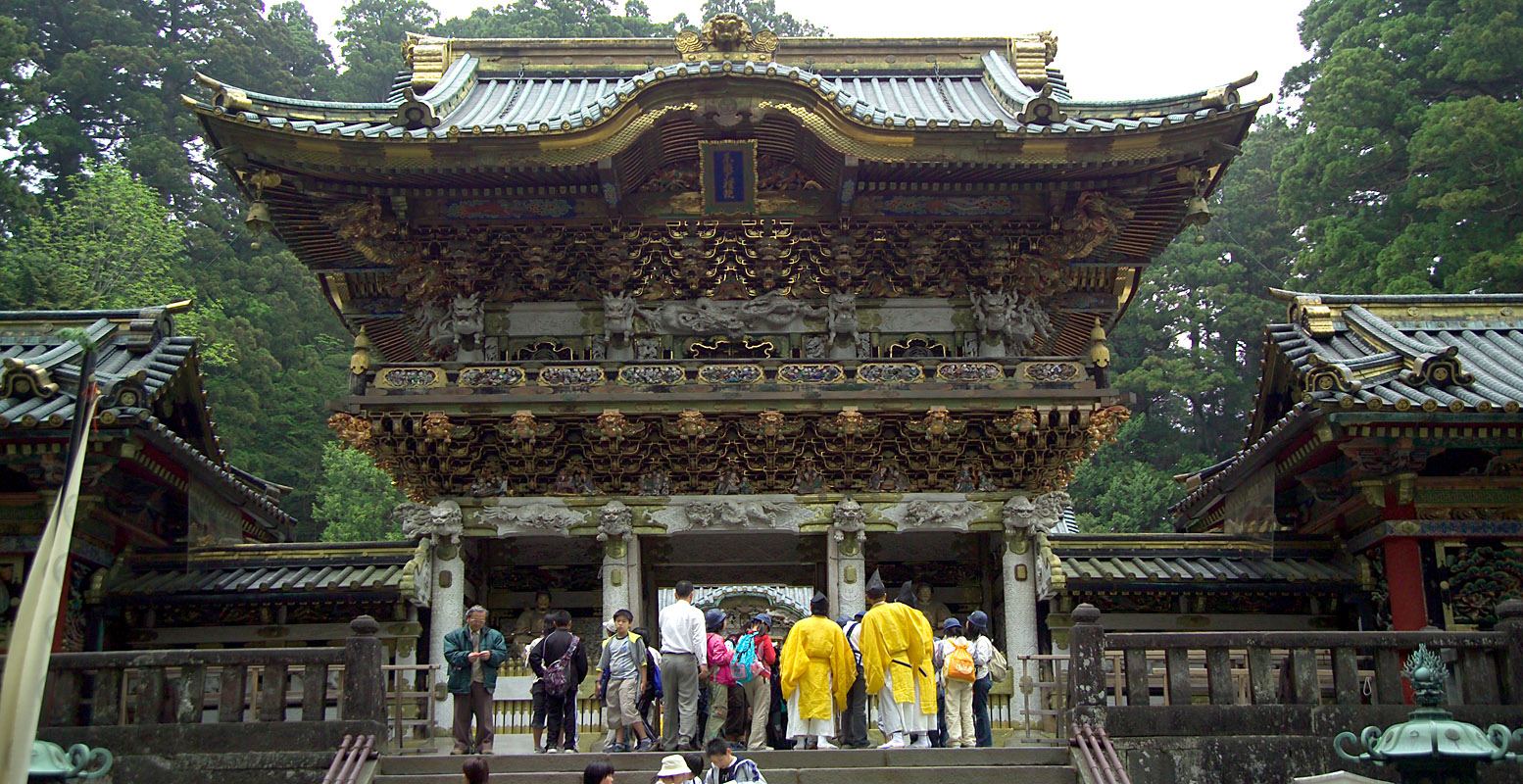
Nikkō Tōshō-gū
The gold-leaf mausoleum of Tokugawa Ieyasu. Enter before 09:00 to beat the Tokyo tour buses.
Спросить ParleyЯпония
Ornate shogunate tombs set inside mountain cedar forests.
introduction
Nikko splits into two distinct layers: the lowland World Heritage shrine complex and the highland lake plateau of Chuzenji. You travel between them via the 48 hairpin bends of the Irohazaka winding road. Most day-trippers cluster around the gilded Toshogu Shrine and leave by mid-afternoon. Staying overnight up at Lake Chuzenji gives you quiet mountain walking after the Tokyo tour buses depart.
Arrival trick
Buy the Tobu Nikko All Area Pass at Asakusa Station. It covers round-trip rail and unlimited local Tobu buses.
UNESCO recognition
The Shrines and Temples of Nikko gained UNESCO World Heritage status in 1999, spanning 103 sacred structures.
Planning trick
Avoid October weekends on the Irohazaka slope. Autumn foliage traffic converts a 30-minute bus ride into a four-hour crawl.
Nikko
690 Noda · CC BY 3.0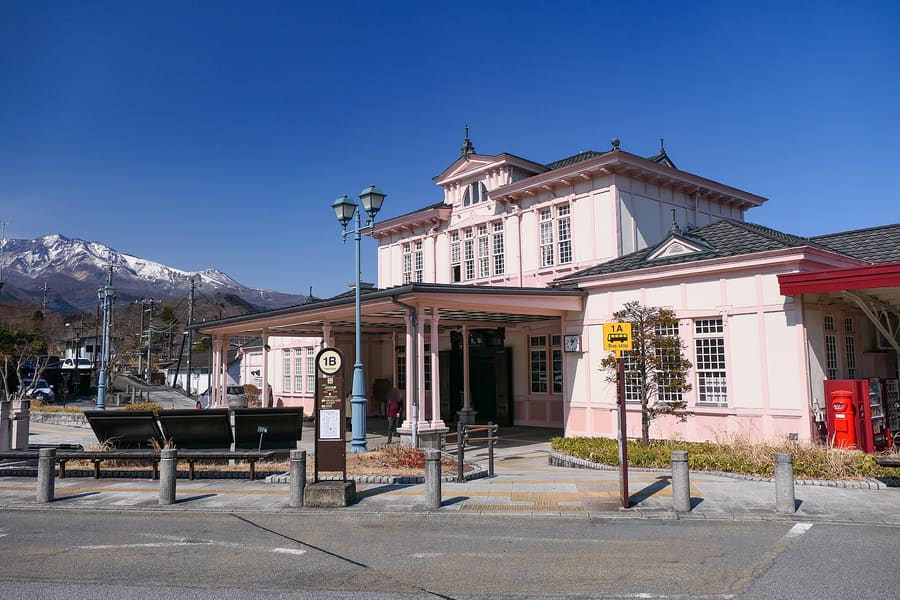
Nikko Station & Town Center — Commercial transit corridor with souvenir shops and local yuba eateries.
MaedaAkihiko · CC BY-SA 4.0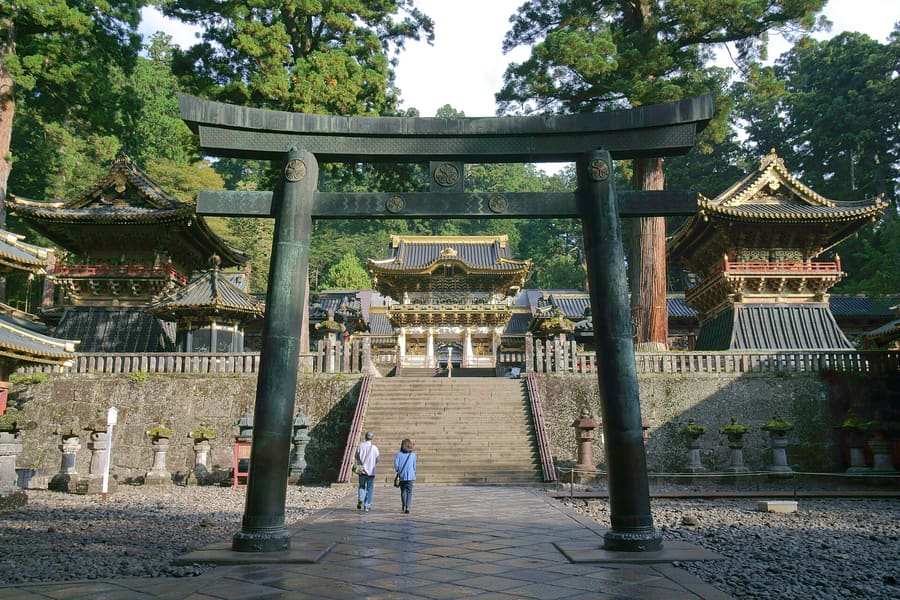
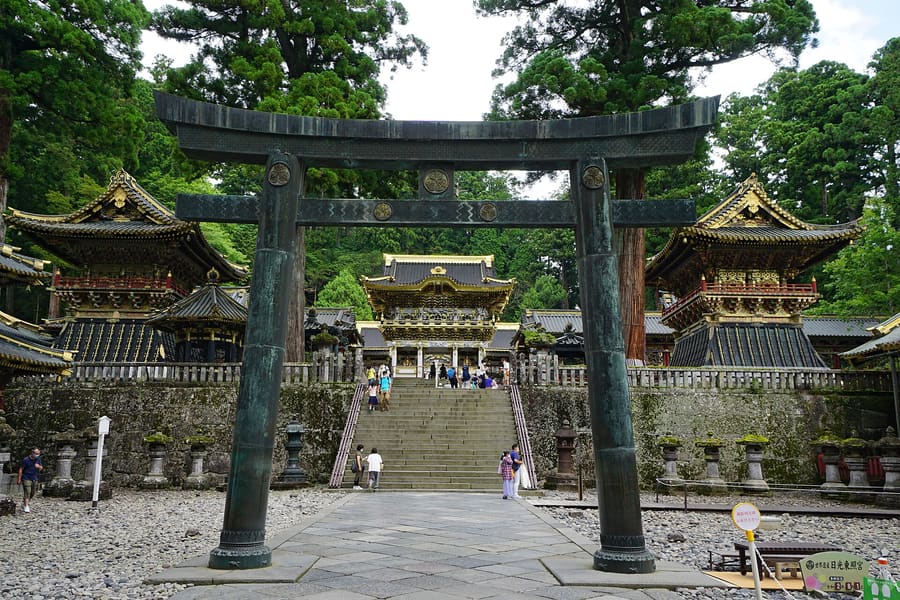
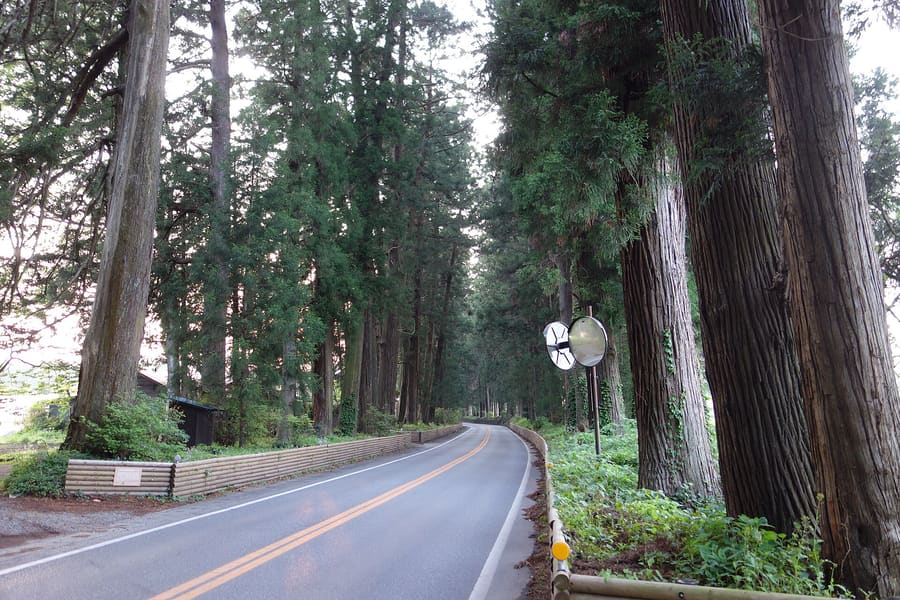
Sannai World Heritage Area — Ancient cedar forests surrounding grand gilded Edo-period shrines.
Koichi Sato · CC BY-SA 4.0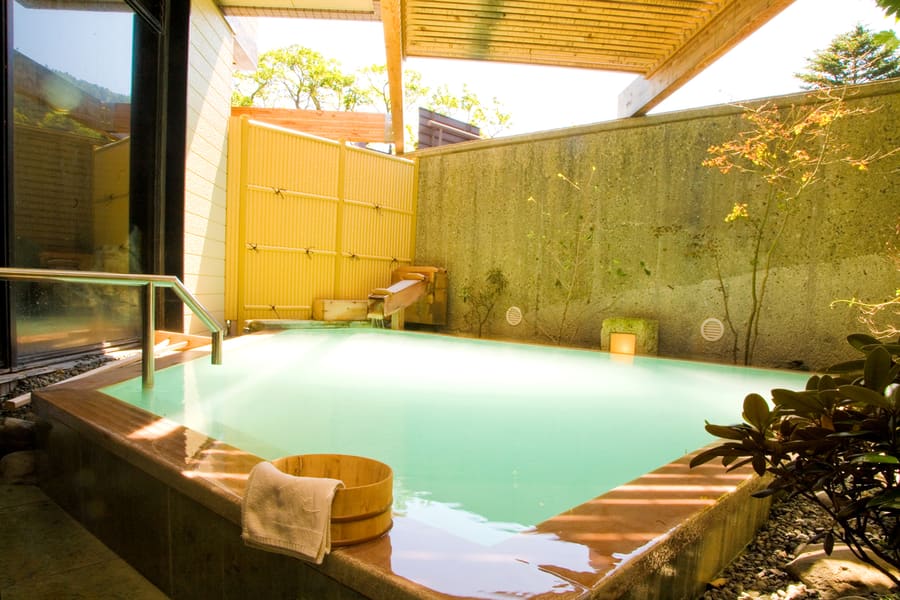
Chuzenji Onsen — Lakeside resort town set against Mount Nantai with thermal hot springs.
Oden1215 · CC BY-SA 3.0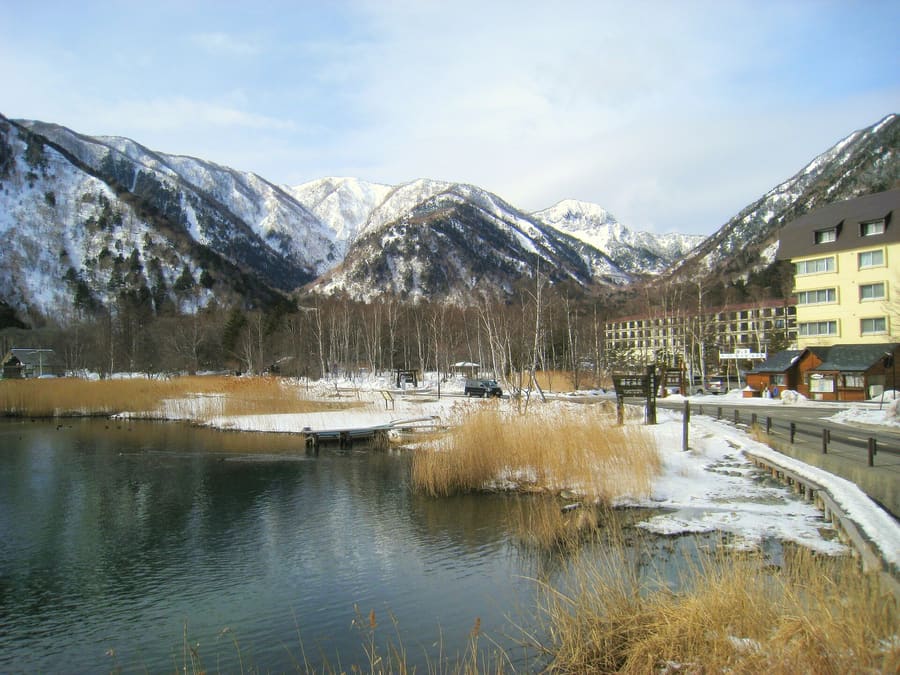
Yumoto Onsen — Secluded sulfur spring village beside Lake Yunoko deep in Okunikko.
Daderot · Public domain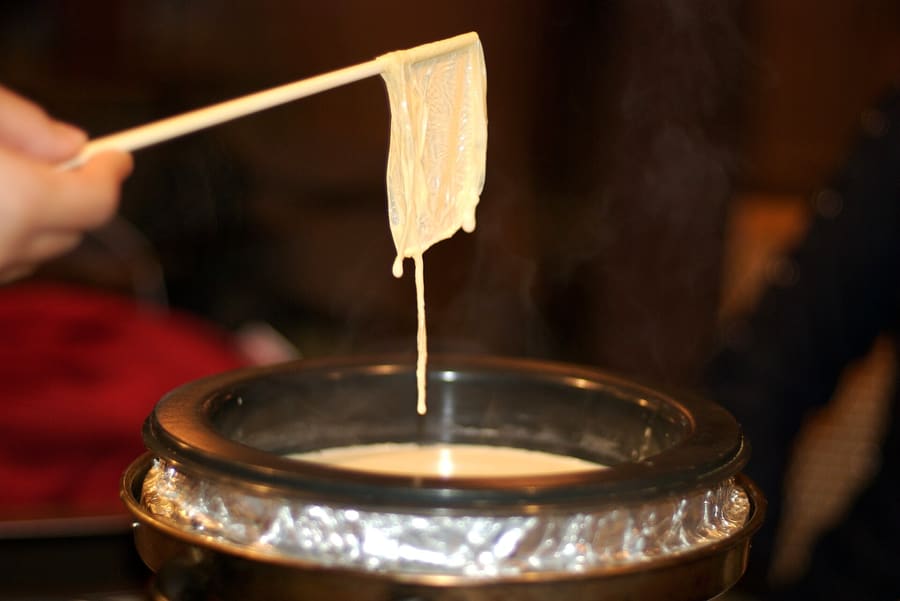
Freshly made rolls of thick Nikko yuba simmered in light dashi broth.
Abrilon · CC BY-SA 2.0highlights
landmark
The gold-leaf mausoleum of Tokugawa Ieyasu. Enter before 09:00 to beat the Tokyo tour buses.
Спросить Parley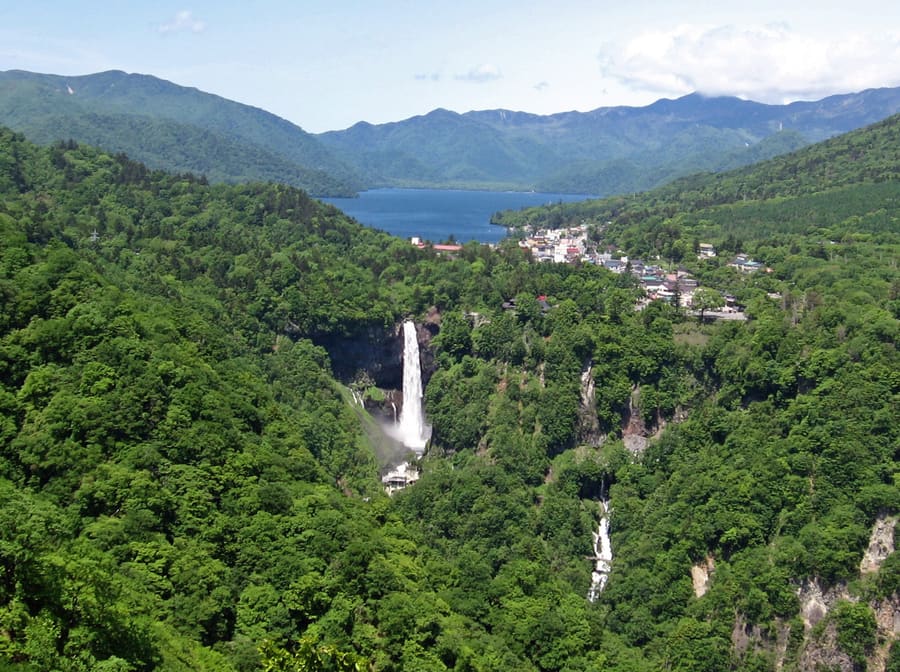
landmark
A 97-metre waterfall draining Lake Chuzenji. Pay ¥570 for the elevator down to the lower viewing deck.
Спросить Parley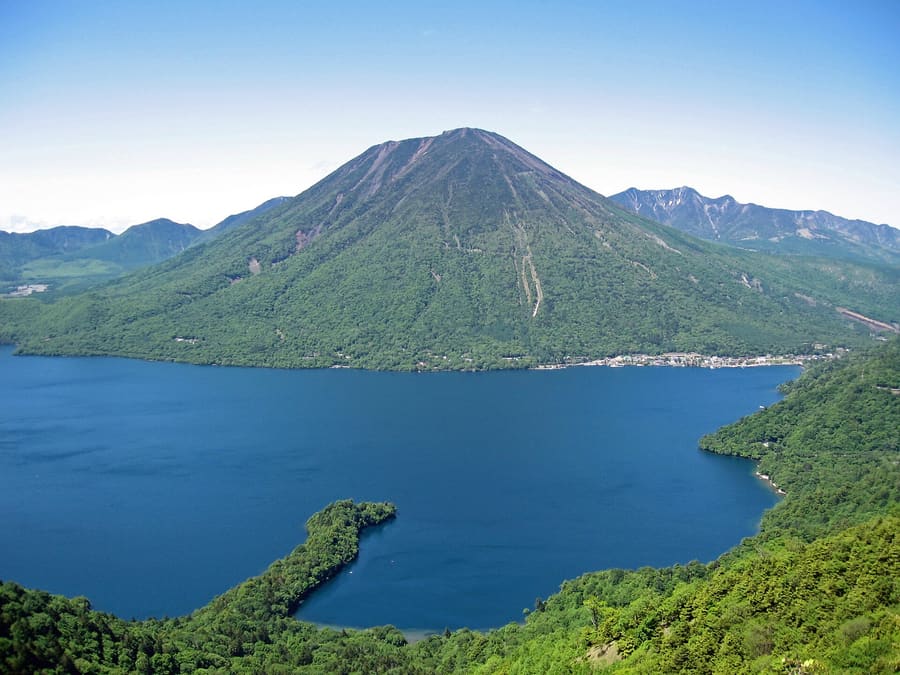
landmark
A high-altitude crater lake formed by Mount Nantai. Take the 55-minute sightseeing cruise from Chuzenji pier.
Спросить Parley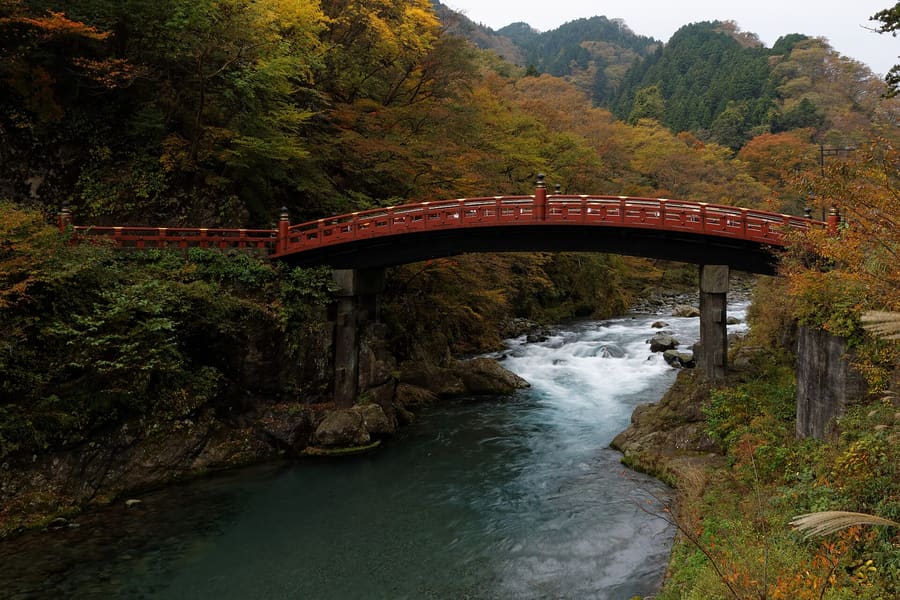
landmark
The vermilion lacquered bridge marking the gateway to Nikko's sacred area. Cross for ¥300 or photo it free from the road bridge.
Спросить Parley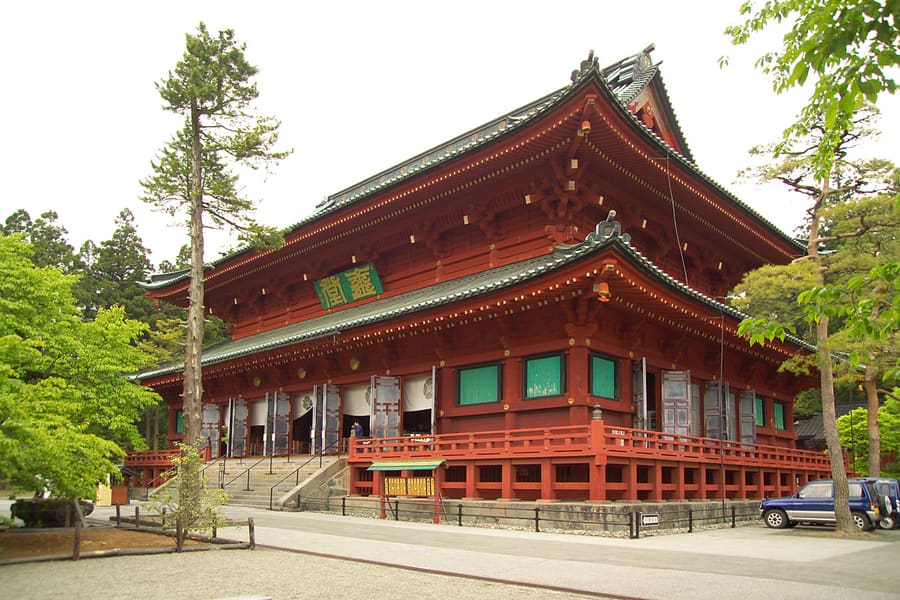
landmark
Nikko's primary Buddhist temple, founded in 766. Sanbutsudo houses three eight-metre gilded wooden statues.
Спросить Parley
landmark
A riverside walk lined with roughly 70 stone Jizo statues wearing red knitted caps. Walk it late in the afternoon.
Спросить Parleyattractions
areas
Commercial transit corridor with souvenir shops and local yuba eateries.
РядомTobu and JR Nikko Stations
Спросить ParleyAncient cedar forests surrounding grand gilded Edo-period shrines.
РядомToshogu and Rinnoji
Спросить ParleyLakeside resort town set against Mount Nantai with thermal hot springs.
РядомKegon Falls and Lake Chuzenji
Спросить ParleySecluded sulfur spring village beside Lake Yunoko deep in Okunikko.
РядомLake Yunoko and Senjogahara Marshland
Спросить Parleyfood
Nikko culinary identity centers on yuba, the delicate protein skin skimmed from boiled soy milk. Unlike Kyoto yuba, which is lifted single-layered and paper-thin, Nikko yuba is folded double, creating a thicker texture that holds dashi broth. You find it served fried in soba bowls, rolled in sweet syrups, or presented in multi-course kaiseki meals along Route 119.
Freshly made rolls of thick Nikko yuba simmered in light dashi broth.
Abrilon · CC BY-SA 2.0Town center restaurants start closing early. Plan your dinner before 18:00 or stay at a ryokan with dinner included.
Grab a hot deep-fried tofu skin bun sprinkled with sea salt outside Tobu-Nikko Station at Sakaeya.
history
Buddhist monk Shodo Shonin established Nikko in 766 when he crossed the Daiya River and founded Rinnoji Temple. For eight centuries, Nikko served as an isolated mountain training spot for ascetic monks. Its status changed dramatically in 1616 when Tokugawa Ieyasu chose Nikko for his final resting place. While Ieyasu requested only a simple chapel in his will, the opulent mausoleum seen today was ordered and built almost two decades later by his grandson, Tokugawa Iemitsu, transforming the remote valley into Japan's supreme shogun memorial site.
Rinnoji Founded
Shodo Shonin crosses the Daiya River and establishes Nikko's first Buddhist center at the foot of Mount Nantai.
Toshogu Construction
Tokugawa Ieyasu is enshrined at Toshogu. His grandson Iemitsu expands it into a lavish gold-leaf complex.
Railway Reaches Nikko
The opening of the Nikko Rail Line turns the town into an international summer retreat for diplomats based in Tokyo.
UNESCO Inscription
103 structures across Toshogu, Futarasan, and Rinnoji are collectively designated a UNESCO World Heritage site.
where to stay
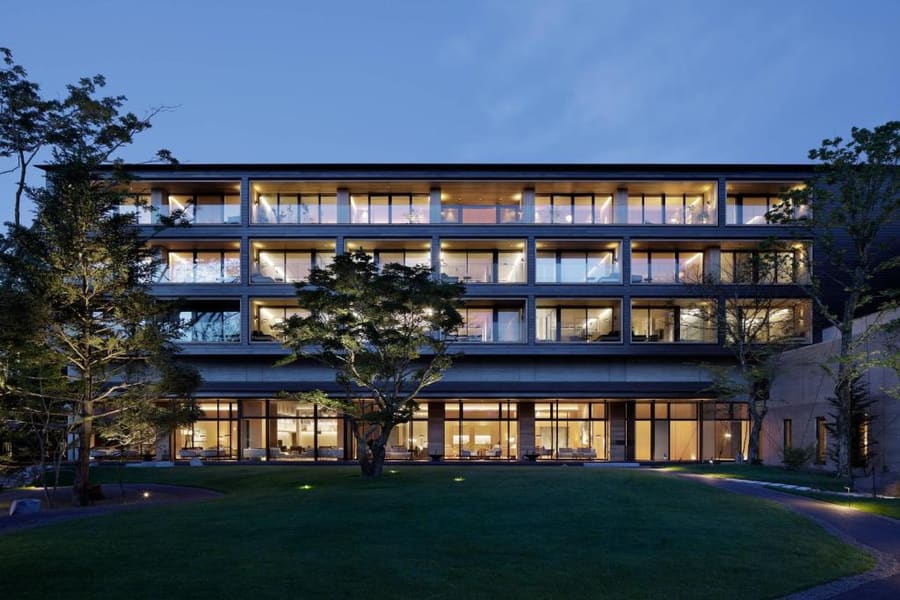
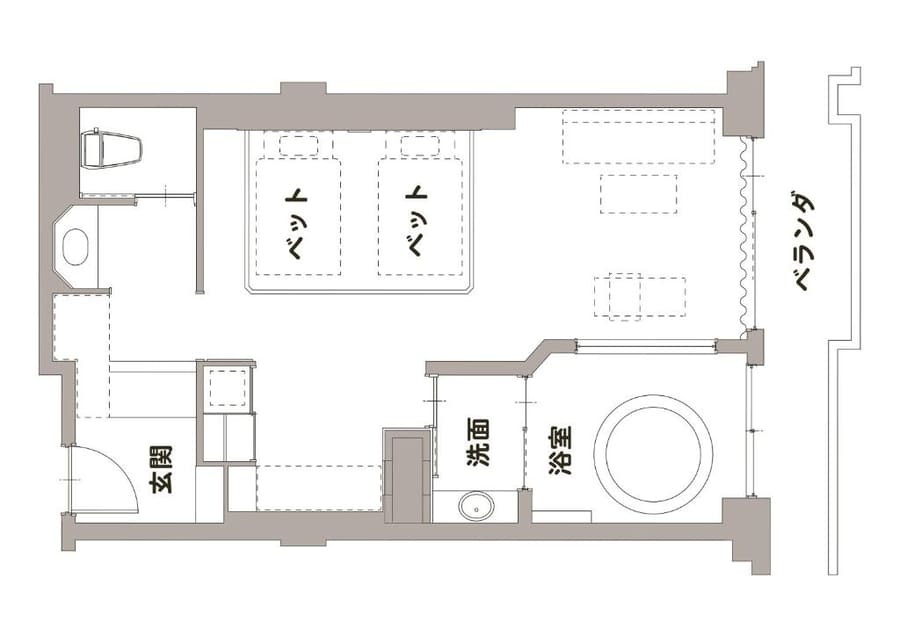
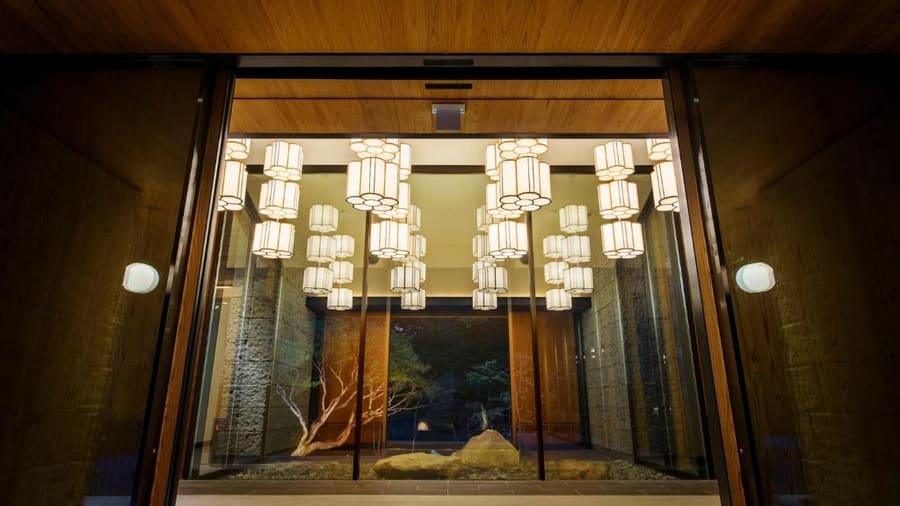
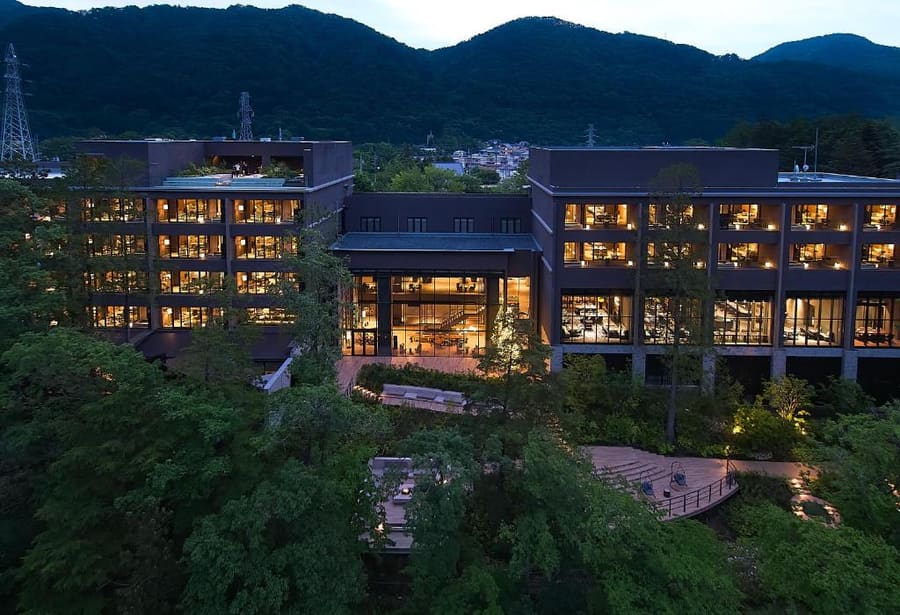
Choose by your willingness to commute. If you want early morning access to the shrines before tour groups arrive, stay in Sannai or near Nikko Station. If you prioritize hot spring baths and alpine nature over shrine convenience, head up to Chuzenji Onsen or Yumoto Onsen.
Live rates, matched to the areas above.
transport
Nikko is connected to Tokyo by direct private and public rail lines. Tobu Railway runs directly from Asakusa Station, while JR lines connect via Utsunomiya. Local transit in Nikko relies entirely on Tobu buses, which run routes from the train stations up to the World Heritage site, Lake Chuzenji, and Yumoto Onsen.
The All Area Pass covers round-trip Tokyo train fare and unlimited Tobu bus transit across Okunikko.
Highland buses run hourly outside peak seasons. Missing the last bus back from Yumoto leaves few options.
Local Tobu buses accept IC transit cards if you choose not to purchase a multi-day area pass.
Autumn foliage travel times double or triple on weekends along the 48 hairpin bends.
cost
Nikko is moderately priced compared to central Tokyo, though high-end lakeside ryokan at Chuzenji charge premium rates. Buying transit passes covers your biggest potential transport expense.
Covers entry to the main shrine grounds including the Yomeimon Gate and Sleeping Cat woodcarving.
Round-trip underground lift down 100 metres to the lower waterfall observation deck.
Multi-dish meal featuring fresh yuba, clear dashi soup, and pickled vegetables.
Four-day pass covering round-trip train from Asakusa and all regional Tobu buses.
seasonality
DEC – FEB
Heavy snow in Okunikko. Frozen Kegon Falls and snowy shrine grounds with sparse tourist crowds.
MAR – MAY
Spring bloom and pleasant walking weather. Toshogu Grand Spring Festival takes place in mid-May.
JUN – AUG
Cooler than Tokyo's summer heat. High altitude keeps Lake Chuzenji refreshing, though humidity remains.
SEP – NOV
Peak foliage season across Okunikko. Expect intense road congestion on Irohazaka through October.
practicalities
Toshogu opens at 08:00 or 08:30 depending on season. Arriving early gives you empty courtyards.
While shrine ticket booths accept cards, street food stands and small craft stalls remain cash-only.
Elevation at Lake Chuzenji is 1,269 metres. Temperatures run 5 to 7 degrees Celsius cooler than Tokyo.
Both JR Nikko and Tobu-Nikko stations offer coin lockers and hands-free baggage shipping desks.
Stick to designated wooden boardwalks in Senjogahara Marshland to protect delicate wetland plants.