landmark
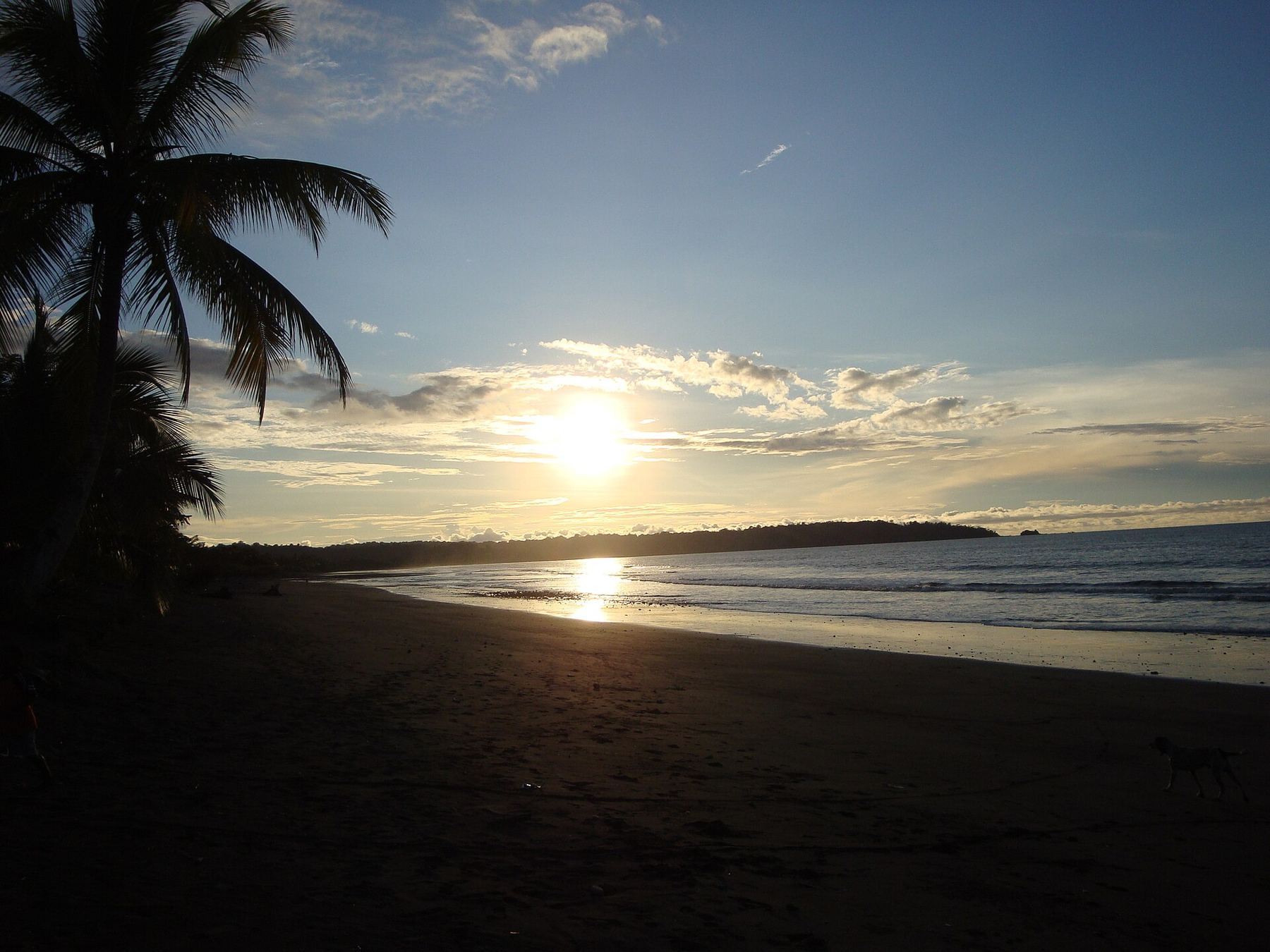
Ensenada de Utría National Park
A sheltered ocean inlet where humpback whales give birth between July and October. Take a park ranger boat tour.
Спросить ParleyКолумбия
Pacific jungle meets open sea without paved road access.
introduction
Nuquí is an isolated municipality on Colombia's Chocó coast accessible by scheduled commercial flights (such as Satena and Clic from Medellín and Quibdó) in addition to charter flights and boats. Movement between south-facing villages relies entirely on scheduled motorboats called lanchas governed by tide cycles. You come here for untamed rainforest, humpback whale nursery grounds, and uncrowded Pacific surf breaks.
Arrival by lancha
Ocean boats depart Nuquí pier based on daily high tide. Arrive early at the dock to secure seats near the middle to minimize heavy spray.
UNESCO Biosphere Reserve
Tribugá-Cupica-Baudó became a UNESCO Biosphere Reserve in 2023. The zone protects primary coastal mangroves and humpback nursing bays.
Cash reliance
There are no working ATMs in coastal villages south of Nuquí town. Bring all cash needed in Colombian pesos from Medellín or Quibdó.
Nuquí
Luis Pérez · CC BY 2.0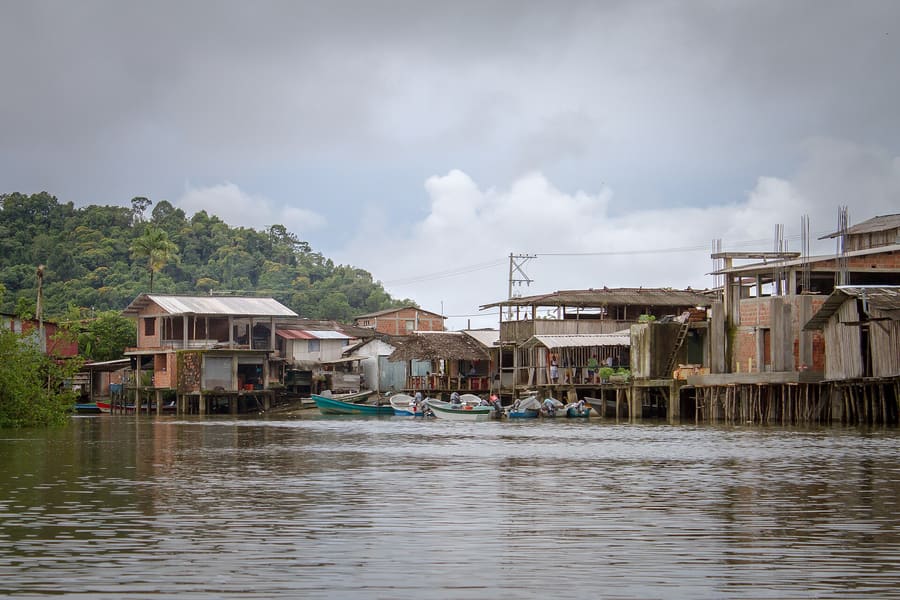
Nuquí Town — Commercial transit hub with concrete streets, supply shops, and boat docks.
Dwayne Reilander · CC BY-SA 4.0highlights
landmark
A sheltered ocean inlet where humpback whales give birth between July and October. Take a park ranger boat tour.
Спросить Parley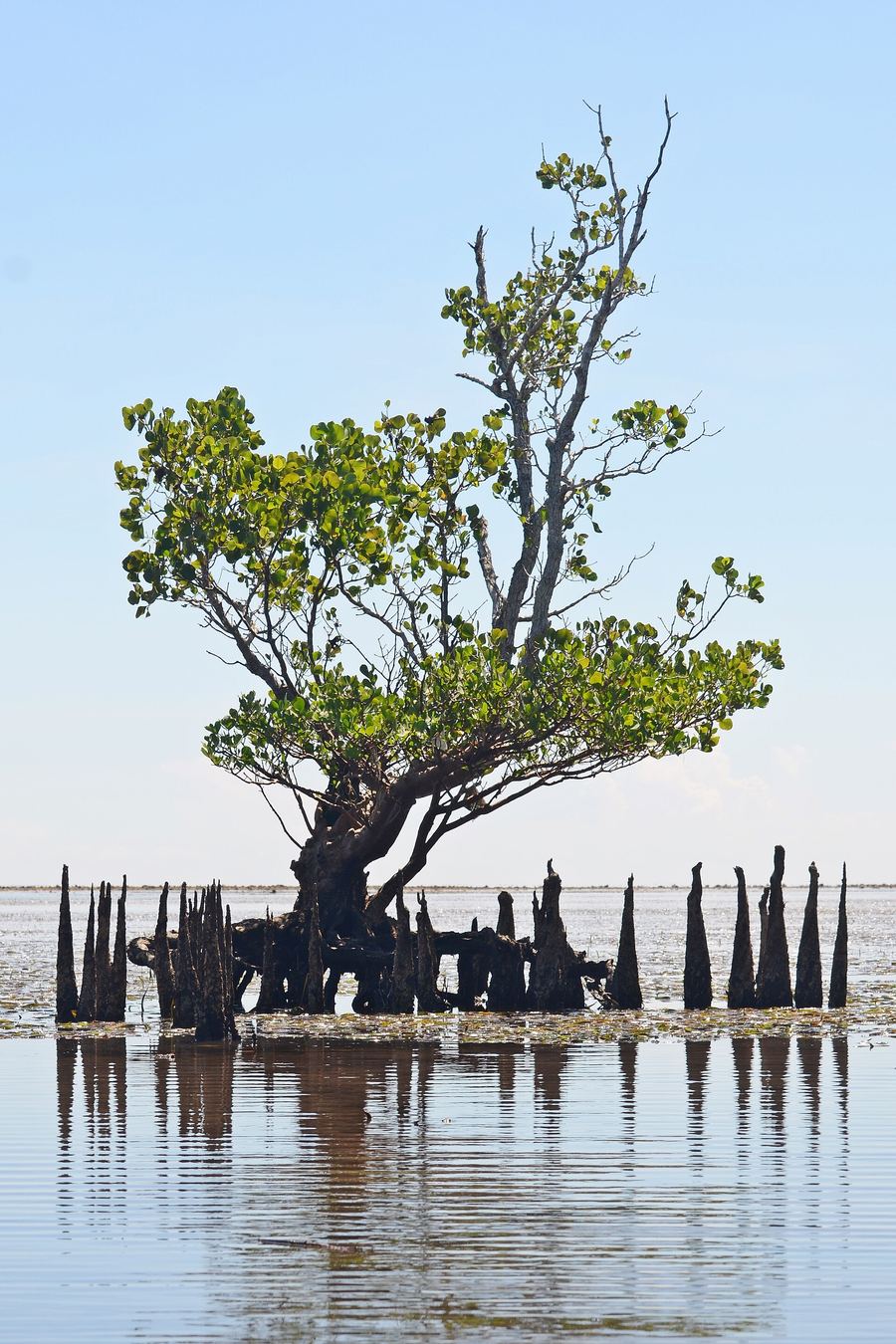
landmark
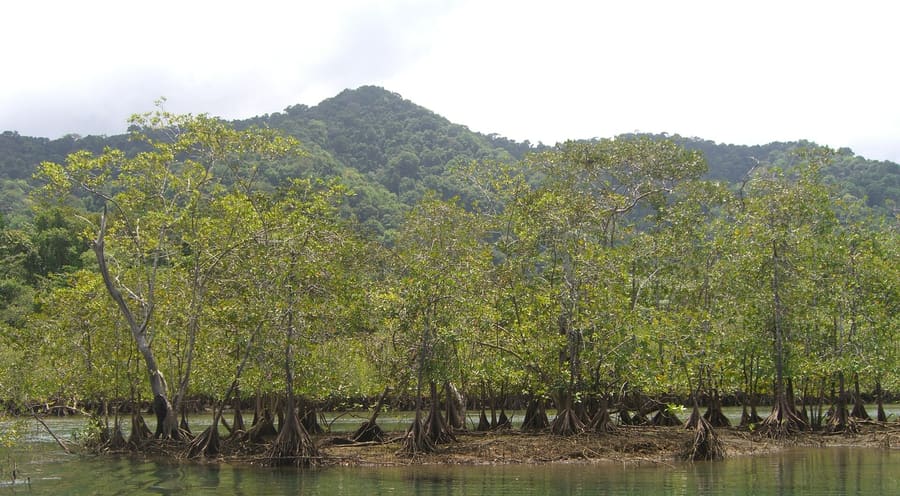
Take a silent canoe route steered by local guides through giant red mangrove roots. Book through the Zanja Aza guild.
Спросить Parley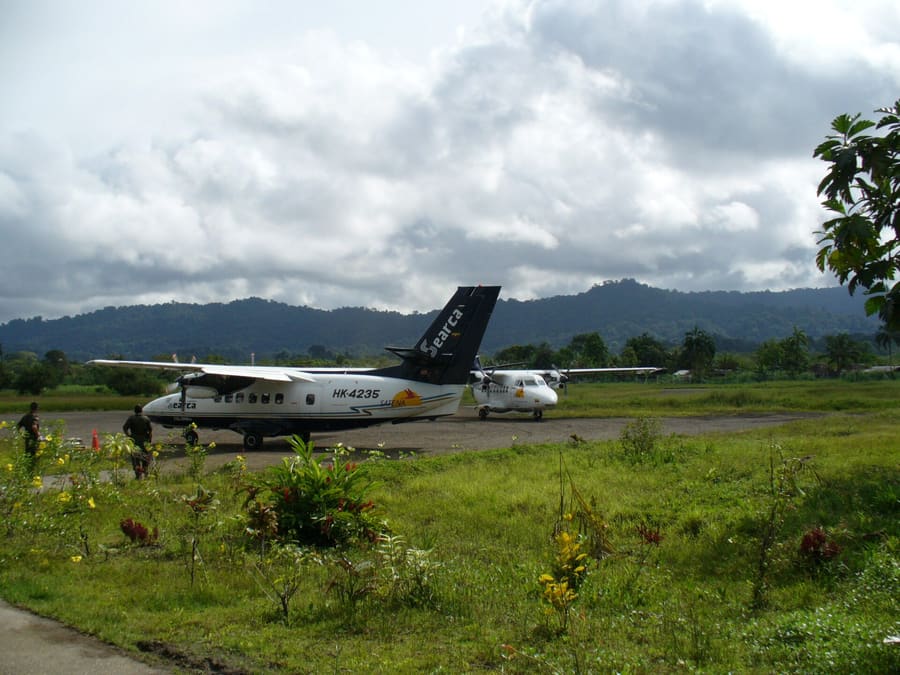
landmark
The primary entry airfield for short-haul flights from Medellín. Pay the municipal tourist entrance tax upon landing.
Спросить Parleyattractions
areas
Commercial transit hub with concrete streets, supply shops, and boat docks.
РядомReyes Murillo Airport and main municipal pier
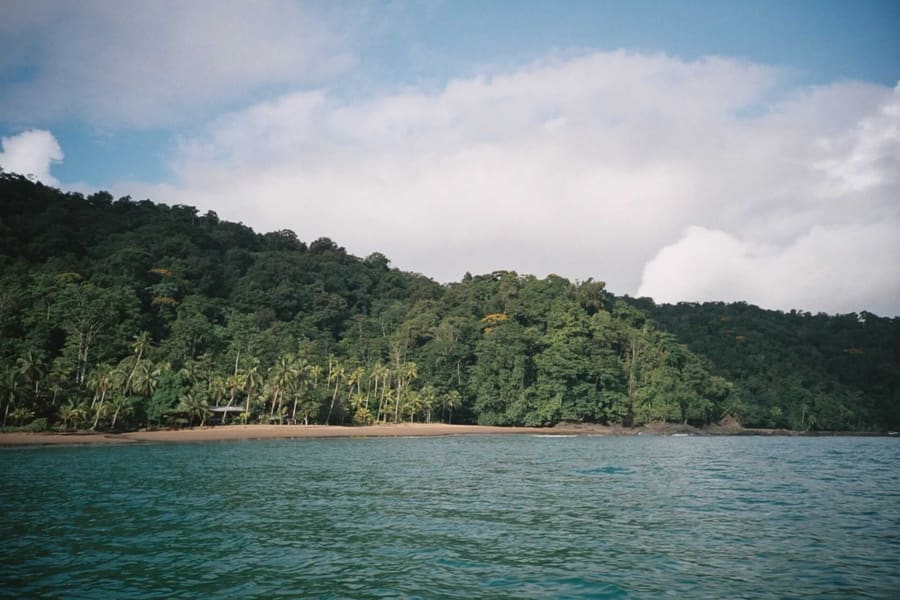
Спросить ParleyQuiet coastal stretch dominated by off-grid jungle eco-lodges.
РядомLove Waterfall and Cascadas de Guachalito
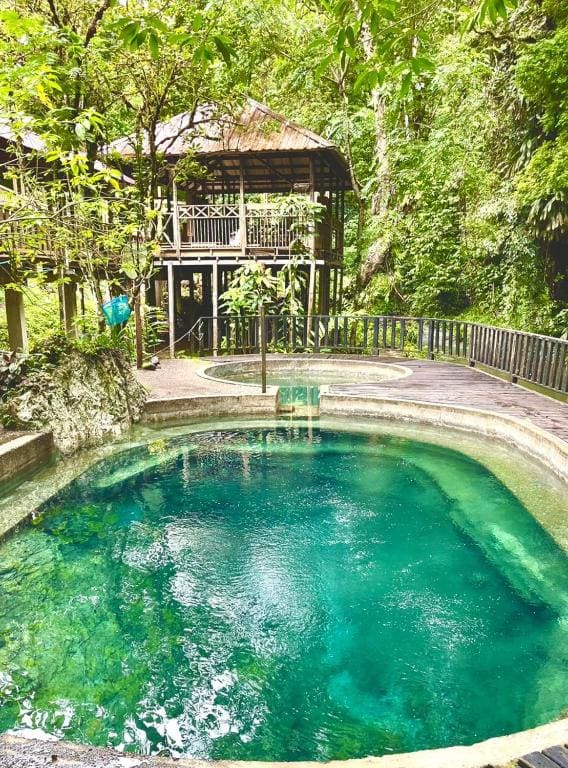
Спросить ParleyRustic village known for hot springs, surfing culture, and modest guesthouses.
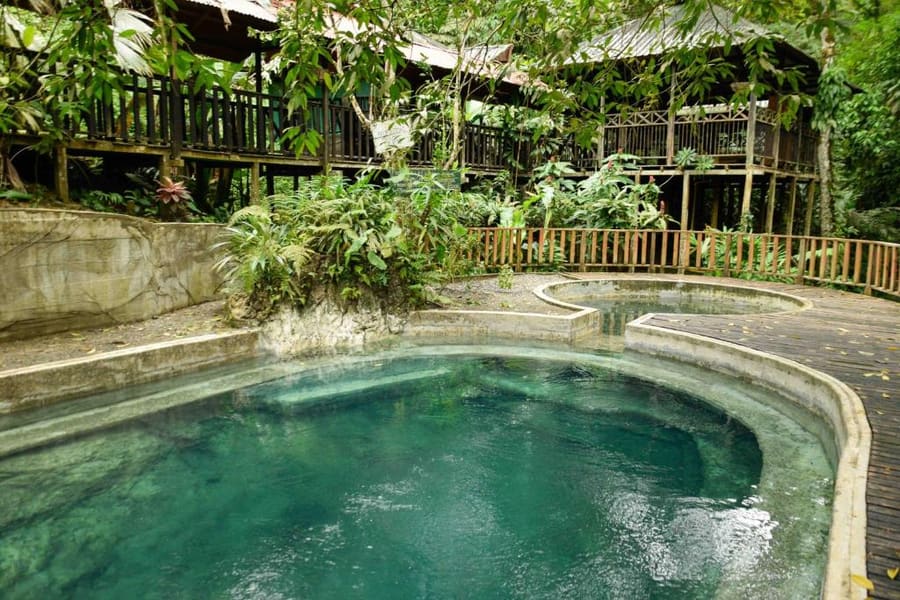
РядомTermales thermal baths and Pico de Loro break
Спросить ParleySouthernmost coastal village focusing on diving and artisanal fishing.
РядомCabo Corrientes and southern ocean dive sites
Спросить Parleyfood
Dining along this coastline depends entirely on what artisanal fishermen land each morning. Traditional dishes center on fresh snook, amberjack, and piangua, a black clam harvested manually from mangrove roots at low tide. Meals are cooked using coconut milk, herbs like chillangua, and fried green plantains.
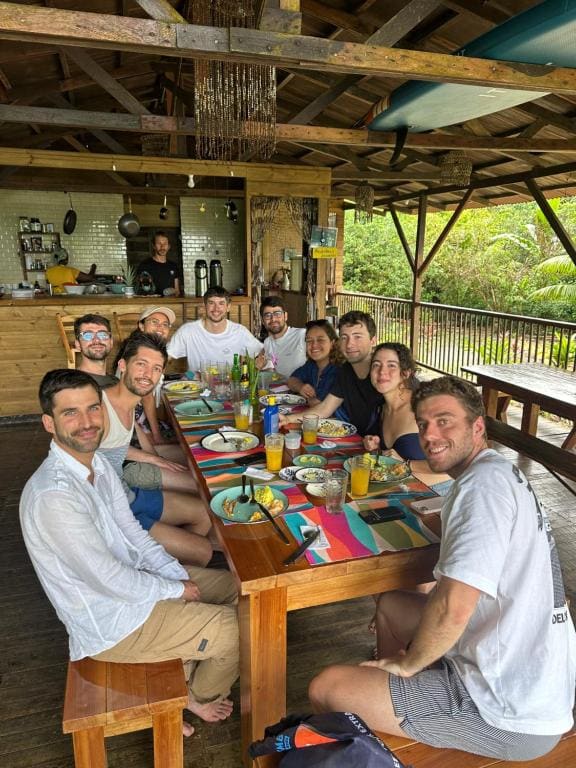
Book a traditional lunch in Coquí village through the Zanja Aza women's culinary collective. They prepare slow-simmered piangua stew and coconut rice over wood fires.
Eco-lodges serve set meals at fixed hours because food is brought in daily by boat. Notify your lodge in advance if you have dietary restrictions.
Try juices made from native Chocó fruits like borojó, almirajá, and araza. Most small village fondas serve them fresh with lunch.
history
Nuquí developed as an isolated Afro-Colombian and indigenous Emberá fishing territory on the Chocó coast. The surrounding dense rainforest and lack of overland roads kept the region disconnected from inland Colombian industrial expansion.
Municipal Foundation
Nuquí is officially established as a municipality, relying on marine trade along the Pacific.
Utría Protection
Ensenada de Utría is declared a National Natural Park to protect critical marine breeding habitats.
Community Tourism Growth
Local coastal villages form community-led eco-tourism cooperatives to manage guiding and lodging directly.
UNESCO Designation
The Tribugá-Cupica-Baudó biosphere reserve receives UNESCO designation, stopping plans for a deep-water commercial port.
where to stay
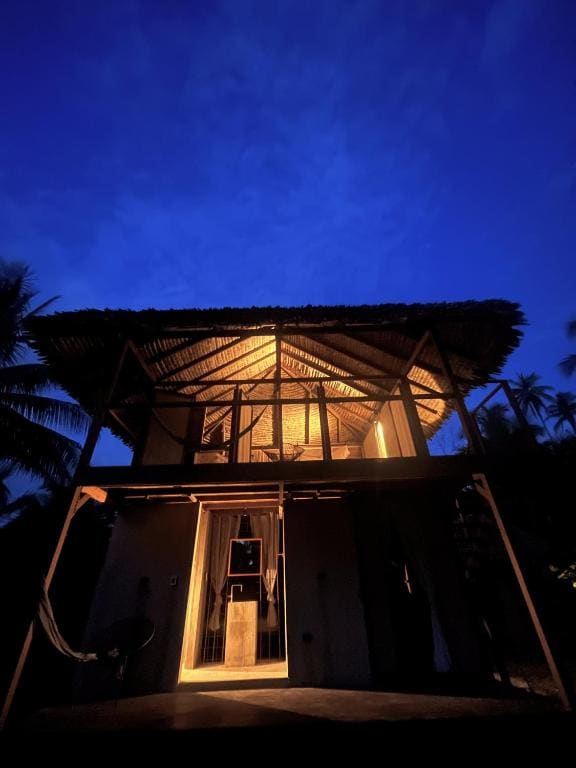
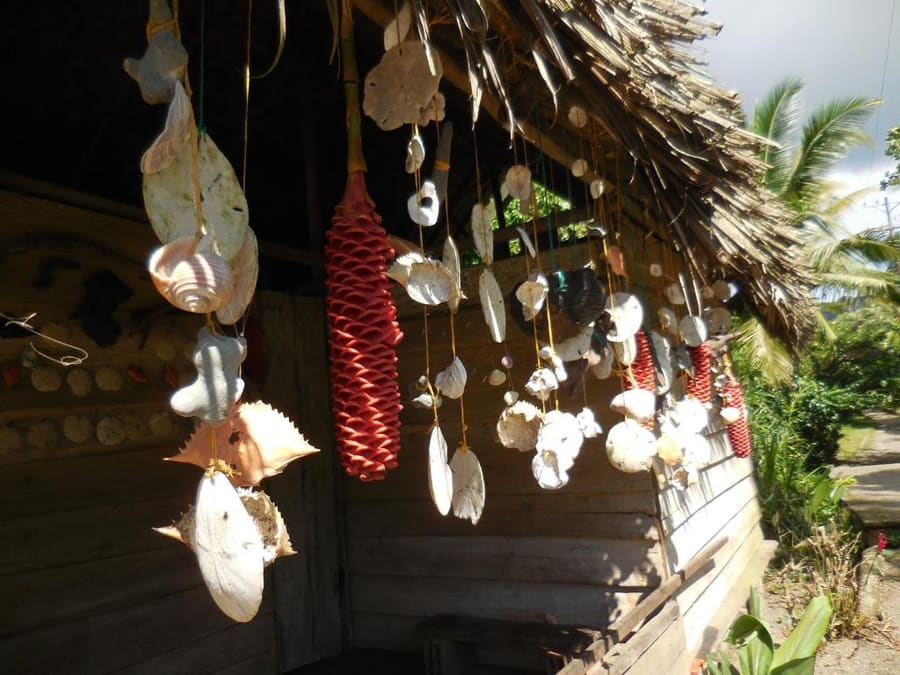
Choose your base based on convenience versus complete isolation. Nuquí town works for tight layovers before early flights. Guachalito offers upscale eco-lodges on quiet beaches. Termales suits surfers and budget travellers seeking village life.
Live rates, matched to the areas above.
transport
Nuquí has no roads connecting it to the rest of Colombia or connecting its own coastal villages. Movement between villages relies entirely on passenger motorboats called lanchas. Walking along beaches at low tide is the standard way to move between adjacent settlements.
Boats generally cross the sandbars at high tide. Plan day movements around morning and afternoon tide tables.
Pack all electronics in waterproof dry bags before stepping onto ocean lanchas. Boarding requires wading through surf.
Book your boat return to Nuquí town the afternoon before early morning flights to account for ocean swells.
You can walk between Guachalito and Termales in 45 minutes along the sand. Carry a flashlight if returning near sunset.
cost
Prices reflect the high cost of transporting fuel, dry goods, and fresh produce by sea. Accommodation generally includes three daily meals because standalone commercial restaurants are rare outside Nuquí town.
Paid in cash immediately upon arrival at Reyes Murillo Airport.
One-way cost between Nuquí town dock and southern village beaches.
Per person entry to the community thermal pools in Termales.
Average per person rate for a 2-hour guided boat excursion during season.
seasonality
JAN – APR
Drier weather window with clearer ocean water. Best for diving and coastal jungle trekking.
MAY – JUN
Transition season with growing Pacific swells. Excellent conditions for surfing break points.
JUL – OCT
Humpback whale breeding season. High occupancy across eco-lodges; book flights and stays months ahead.
NOV – DEC
Heavy rainfall returns as whale season ends. Lower lodging prices and empty surf breaks.
practicalities
Bring strong repellent for sandflies along dark sand beaches, especially at dusk and dawn.
Credit cards are rarely accepted in coastal villages. Carry enough cash for your entire stay.
Villages run on solar or generators, often shutting off power from 23:00 to 06:00. Charge power banks when grid power is live.
Charter flights from Medellín enforce a strict 10–15 kg luggage allowance per passenger.
Carry your physical yellow fever vaccination card. Officials may verify documentation at airport arrivals.